
Titanium Grade 5 Seamless Tube for Aircraft Hydraulic Systems
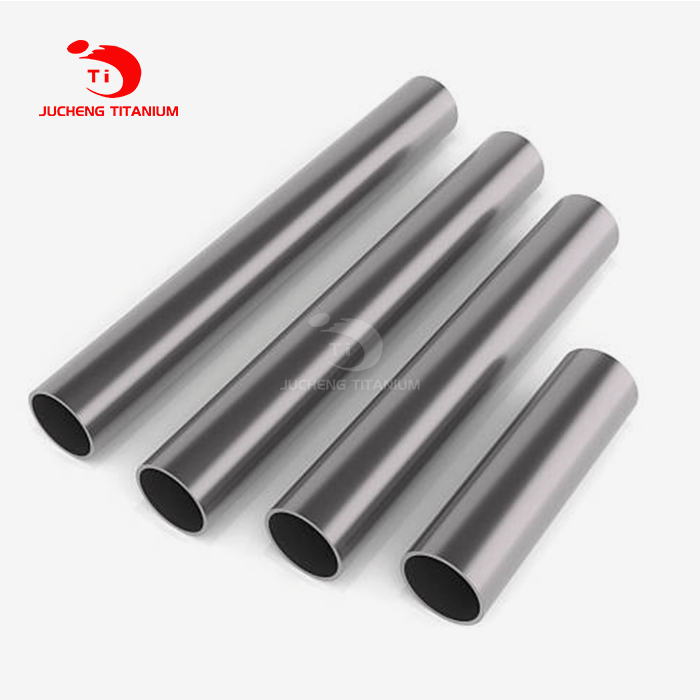
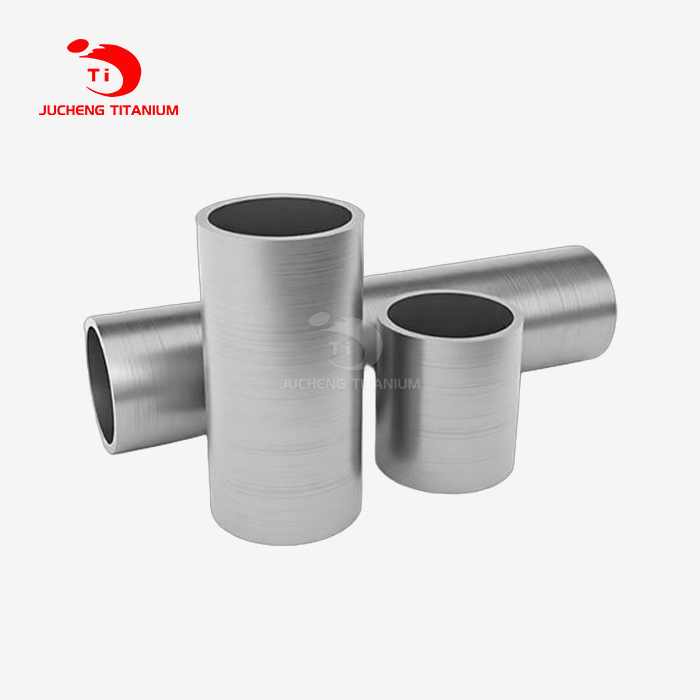
Titanium grade 5 seamless tube is the best material for aviation hydraulic systems because it can tolerate high pressure, corrosive fluids, and temperature changes while being lightweight. This seamless tubular product from Ti-6Al-4V alloy (6% aluminum, 4% vanadium) avoids welded seams, a common weak area in high-stress applications. Its high strength-to-weight ratio, fatigue resistance, and corrosion immunity make it ideal for hydraulic lines in commercial and military aircraft, where system failure is unacceptable.
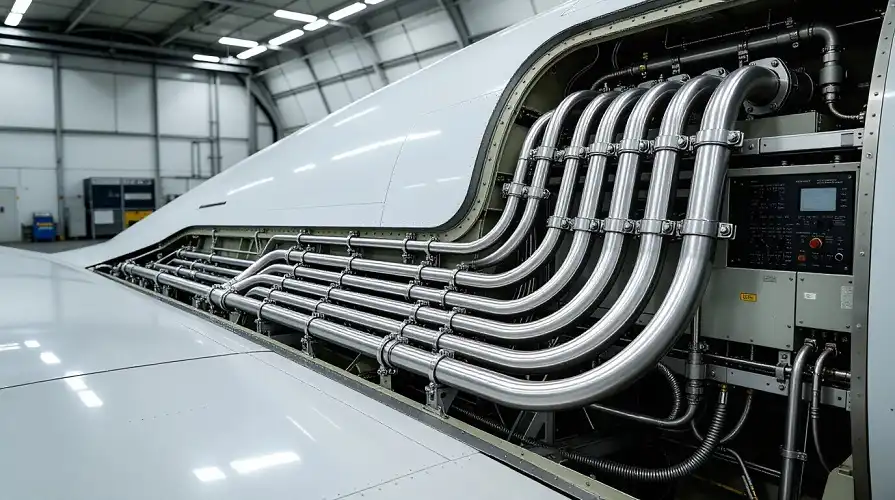
Understanding Titanium Grade 5 Seamless Tubes: Properties and Production
What Makes Ti-6Al-4V Alloy Exceptional
The performance of this alpha-beta alloy depends on its chemical makeup. Vanadium stabilizes the beta phase, enhancing heat treatability, while aluminum strengthens and decreases density. Inert gas fusion analysis during quality control confirms that strict oxygen control below 0.20% prevents embrittlement. We maintain tolerances above industry baselines at Jucheng Titanium to ensure every batch of titanium grade 5 seamless tube satisfies aircraft criteria.
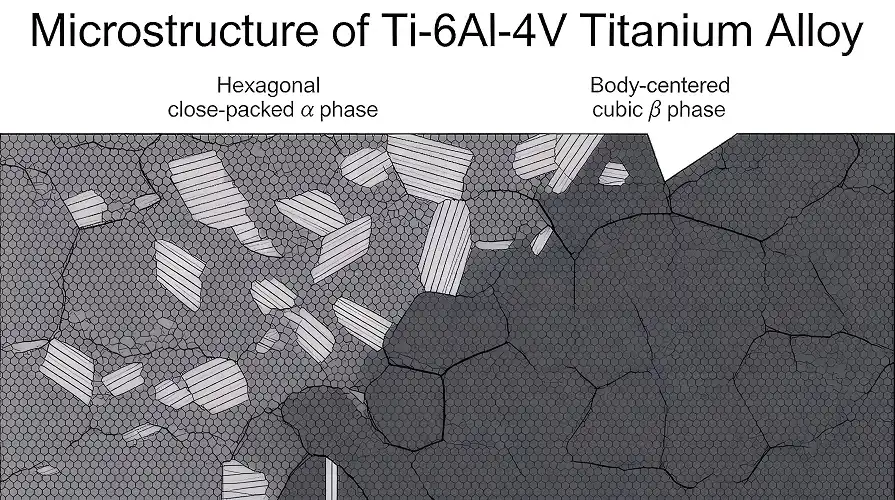
Mechanical Properties That Matter in Hydraulic Applications
Grade 5 seamless tubes manufactured to ASTM B861 and AMS 4943 standards have a minimum tensile strength of 895 MPa and commonly surpass 950 MPa in the annealed state. It has a yield strength of 828 MPa and a density of 4.43 g/cm³, which is 56% lower than that of steel. The elastic modulus of 113.8 GPa gives structural stiffness without a weight penalty. These qualities benefit hydraulic systems: tubes can bear 3,000 to 5,000 psi without adding wall thickness and weight to aircraft structures.
Another benefit is temperature tolerance. Our seamless tubes withstand thermal cycling in aircraft hydraulic fluid temperatures, which range from severe cold at altitude to operating heat during heavy maneuvering, up to 400°C. The material's fatigue resistance under cyclical loads exceeds welded alternatives, where heat-affected zones form crack-prone stress concentrators.
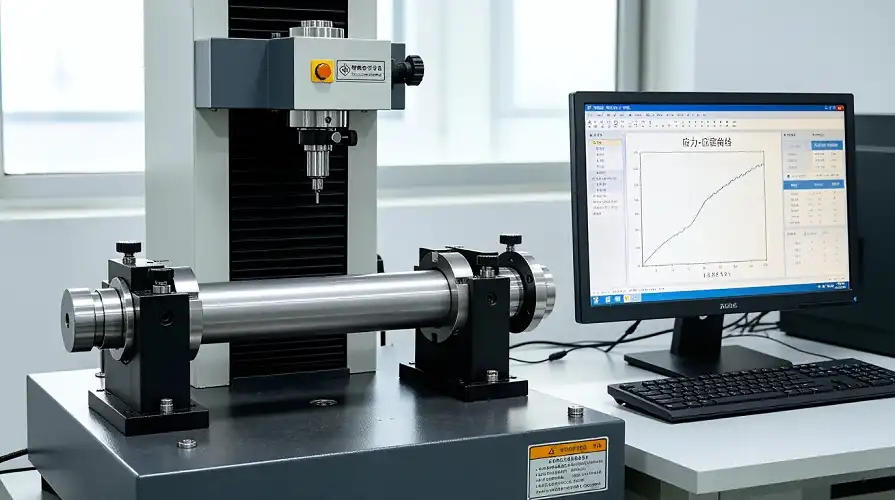
Advanced Manufacturing for Aerospace Reliability
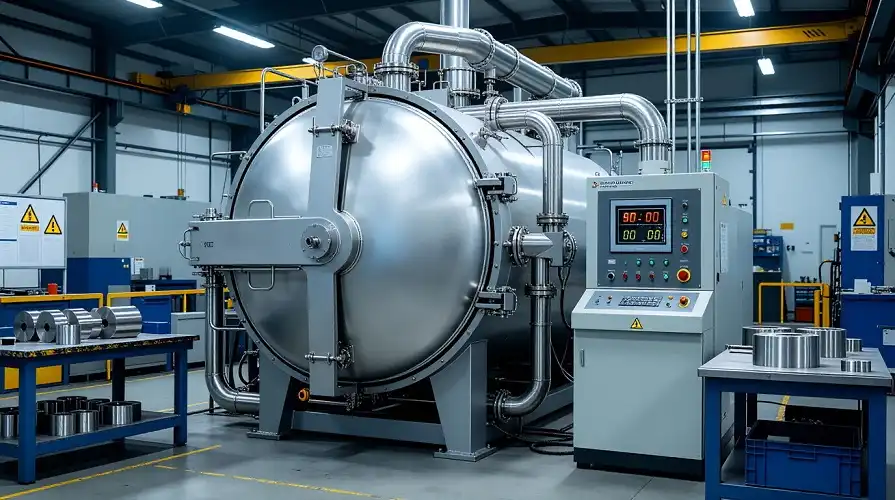
Due to its high strength and restricted cold workability, seamless Ti-6Al-4V tubes require special processing. We accomplish dimensional accuracy by hot extrusion, rotary piercing, and precise cold rolling. Our production process comprises extrusion, piercing, cold rolling, vacuum annealing, acid pickling, and straightening, all with quality checks.
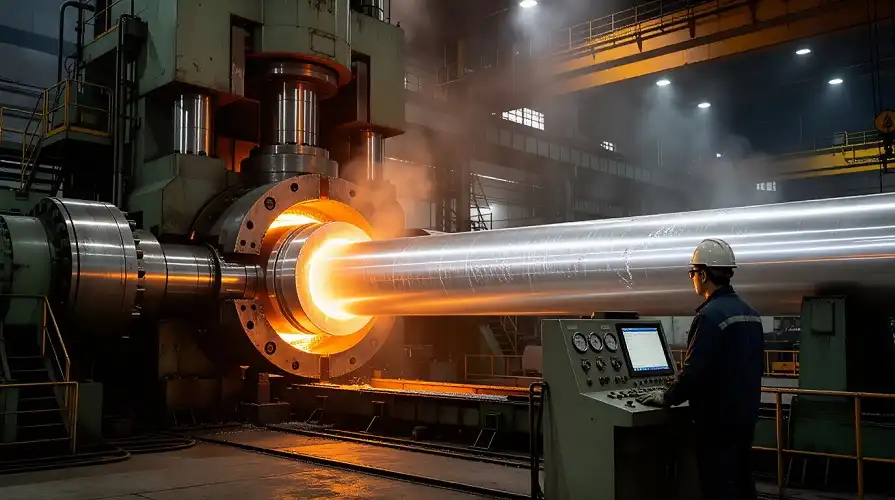
Annealing demands special care. Controlled environment furnaces optimize microstructure, ductility, and toughness without surface contamination. Acid pickling eliminates oxide scale, preparing the surface for machining or polishing. Polished, machined, and acid-pickled finishes are available for specialized applications. Our size range includes 3mm to 219mm outside diameters and 0.5mm to 20mm wall thicknesses, with bespoke dimensions available for hydraulic system designs.
Why are Titanium Grade 5 Seamless Tubes Ideal for Aircraft Hydraulic Systems?
Superior Performance Against Alternative Materials
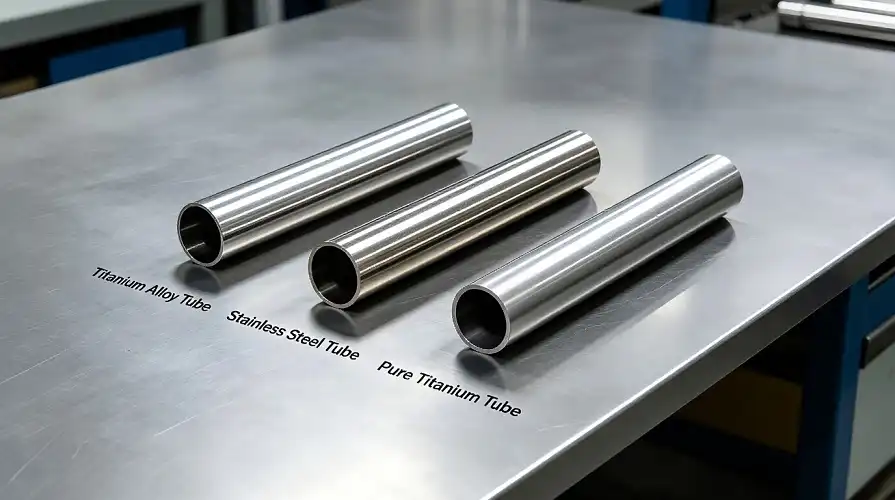
Compared to other hydraulic line materials, titanium grade 5 seamless tubes have distinct benefits. Stainless steel is corrosion-resistant but weighs roughly twice as much as titanium, which aircraft designers must consider to decrease fuel consumption and boost payload. Inconel alloys are heat-resistant yet expensive and dense. Grade 2 commercially pure titanium is easy to shape but lacks the tensile strength needed for high-pressure hydraulic applications beyond 3,000 psi.
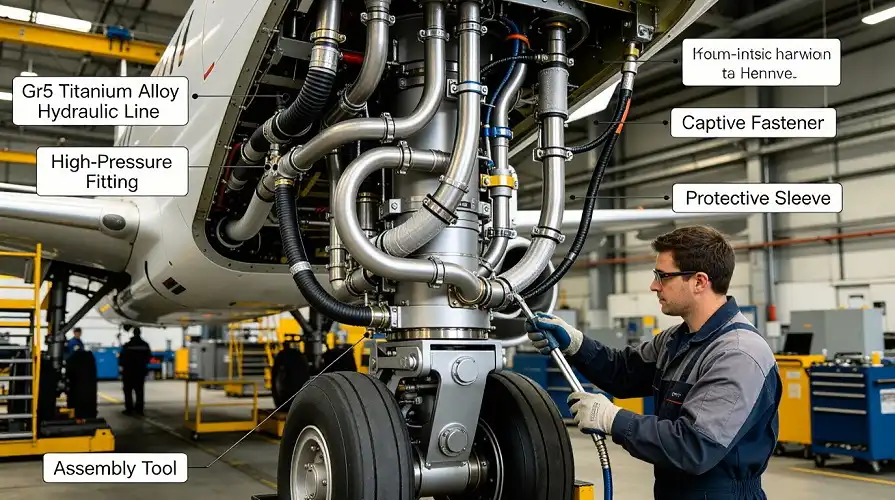
The seamless design avoids longitudinal weld seams, which concentrate stress in welded tubes. Pressure spikes, such as those during emergency landing gear deployment or flight control actuation, can cause seam fractures. Our seamless tubes evenly transfer stress throughout the tube wall, lowering catastrophic failure risk.
Corrosion Resistance in Harsh Hydraulic Environments
Aircraft hydraulic fluids, especially phosphate ester-based ones like Skydrol, degrade traditional materials over time. Grade 5 titanium's solid, self-healing oxide layer resists these fluids and moisture-induced pitting corrosion. This increases system service life and lowers maintenance downtime, which aerospace operators appreciate when calculating total ownership costs.
Thermal stress cycles from -55°C at cruising altitude to 150°C during intense operations promote material deterioration in less competent alloys. Titanium has a thermal expansion coefficient similar to current composite aircraft materials, decreasing differential expansion stresses at mounting locations, and reducing fitting failures and leaks.
Validated Performance in Critical Applications
Leading aerospace manufacturers have demonstrated seamless Grade 5 tube hydraulic system dependability benefits. Flight hour data from commercial aviation fleets reveals far lower failure rates than conventional stainless steel systems. Titanium's tolerance to chloride-induced stress corrosion cracking, which has grounded aircraft using other alloys, benefits maritime military aircraft.
Operating efficiency increases with weight reductions. In a mid-size commercial aircraft, replacing stainless steel hydraulic lines with titanium Grade 5 seamless tubes can lower system weight by 40-60 kilos, resulting in fuel savings that surpass the original material premium.
How to Choose the Right Titanium Grade 5 Seamless Tube Supplier?
Critical Supplier Evaluation Criteria
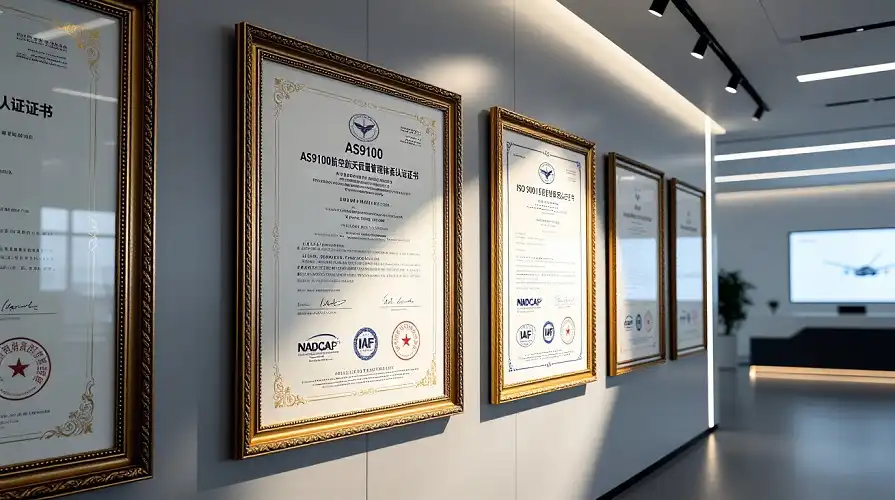
Procurement managers must check vendors' aerospace quality certificates. ISO 9001 verifies quality management, whereas AS9100 covers aerospace industry traceability, material certification, and process control. When aerospace regulators need material provenance, Jucheng Titanium has these certifications and provides comprehensive material traceability paperwork with every shipment of titanium grade 5 seamless tube.
Beyond capacity figures, production capability assessment includes technical flexibility. Can the supplier handle non-standard sizes? Do they stock enough for critical AOG situations? Our 3,000-ton titanium stockpile allows quick reaction to unforeseen demand, and our technical team optimizes tube parameters for hydraulic system needs with clients.
Balancing Cost and Quality in Procurement Decisions
Raw material costs, manufacturing complexity, and order volume affect titanium prices. Seamless Grade 5 tubes cost more than welded ones due to manufacturing complexity, but are more reliable in important hydraulic applications. Long-term contracts offer volume discounts, although minimum purchase quantities vary by size.
When evaluating quotes, compare based on total landed cost, including logistics, customs clearance, and inventory holding. Export-experienced suppliers manage international shipping rules quickly, preventing manufacturing delays. For two decades, we have served worldwide aerospace clients and understand the documentation and shipping standards that prevent costly customs detention.
Importance of Technical Support and Customization
Heat treatment is commonly needed for non-standard tube diameters or mechanical qualities in aerospace hydraulic systems. Engineering consultancy providers can provide standards that balance performance, production feasibility, and cost. We collaborate with academic institutions like the Northwest Institute for Nonferrous Metal Research to solve challenging material problems.
Post-delivery support matters too. Technical support may answer questions concerning system assembly, welding settings, hydraulic fluid compatibility, and installation processes. To assure hydraulic system integration, we supply material data sheets, welding method standards, and application guidelines.
Procurement Best Practices for Aerospace Titanium Tubes
Defining Specifications with Precision
Effective procurement starts with established needs. Dimensional criteria include outside diameter tolerances (usually ±0.1mm for precision applications), wall thickness tolerances, and straightness requirements. When defining annealed, solution-treated, or aged mechanical property requirements for titanium grade 5 seamless tubes, use ASTM B861 for structural tubes and AMS 4943 for aerospace applications.
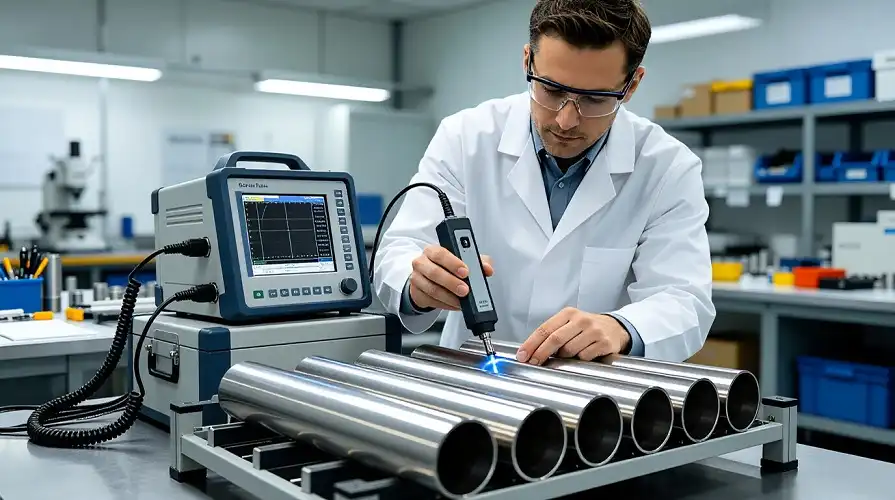
Surface finish affects performance and cost. To reduce pressure drop and contamination, hydraulic tubes need smooth interior surfaces. External finishes can range from pickled to polished, depending on installation environment and aesthetics. If flaw detection requires hydrostatic pressure testing, ultrasonic examination, or eddy current testing, specify it beforehand. Clear specifications avoid misunderstandings and assure product suitability.
Building Strategic Supplier Relationships
Long-term aerospace initiatives profit from partnerships, not transactions. Supplier involvement in design helps identify manufacturability difficulties and cost optimization potential. We work with aerospace clients to understand hydraulic system topologies and offer tube specifications that improve system performance and supply chain efficiency.
Cost reduction, quality, and delivery reliability should be negotiated. Multi-year volume commitments help suppliers optimize production scheduling and inventory management, resulting in pricing stability and preferred allocation during material shortages. Quality agreements provide inspection requirements, nonconformance processes, and continuous improvement goals, creating program success accountability.
Managing Global Supply Chain Logistics
International titanium purchase requires negotiating export laws, especially for aerospace-grade materials with technology transfer requirements. Experienced vendors may help with defense-related documents and ITAR compliance. We simplify international shipping with export licensing and customs documentation.
Custom requirements can take 8-16 weeks; inventory management should accommodate them. Strategic inventory management limits production interruptions and balances carrying costs. Consignment or vendor-managed inventory systems shift holding expenses to suppliers while maintaining material availability. Our large inventory facilitates such agreements for certified aerospace partners.
Future Developments in Aerospace Titanium Tubing
Emerging Alloy Technologies
Advanced material science pushes titanium grade 5 seamless tube performance limits beyond conventional standards. Grade 23 (Ti-6Al-4V ELI, Extra Low Interstitial) improves ultra-critical fracture toughness at a greater cost. Beta-rich alloys under investigation may enable complicated tube shapes that minimize hydraulic system fitting numbers and leak spots due to improved cold formation. We track these advancements through university research collaborations to supply next-generation materials as they become commercially viable.
Smart Manufacturing and Digital Integration
Production-scale titanium tube manufacture is approaching using electron beam melting and direct metal laser sintering. Current technique is better for low-volume, complicated geometries than high-volume seamless tube manufacturing, but hybrid extrusion-additive systems may provide integrated fittings or sensor mounting bosses that cut assembly costs. These technologies are being invested in to offer clients seeking new hydraulic system topologies.
Blockchain-based material traceability and AI-driven quality prediction systems improve transparency and defect avoidance in the digital supply chain. These technologies support aerospace industry digital twin and predictive maintenance projects that incorporate material provenance and property documentation into aircraft health monitoring systems.
Sustainability and Circular Economy Considerations
Aerospace companies seeking sustainability appreciate the corrosion resistant titanium pipe's recyclability. We use recycled titanium feedstock wherever possible to reduce energy use in primary titanium extraction. Seamless titanium tubes from end-of-life aircraft may be remelted and reprocessed without property deterioration.
In situations where durability and corrosion resistance prevent premature replacement cycles, lifecycle cost analysis favors titanium. Grade 5 seamless hydraulic tubes can last 25-30 years, compared to 10-15 years for corrosion-prone alternatives. Durability minimizes operational expenses and environmental effects from replacement component production.
Conclusion
Titanium grade 5 seamless tubes are the optimal choice for aviation hydraulic systems that require durability, weight economy, and corrosion resistance. Mechanical qualities and seamless construction avoid susceptible weld seams, making Ti-6Al-4V alloy performance unparalleled. Selected vendors with aerospace qualifications, technical competence, and worldwide supply chain skills assure procurement success. Titanium's unique attribute combination makes it a long-term alternative for next-generation hydraulic systems that require high performance as aerospace technology moves toward electric designs and sustainable operations.
FAQ
Q1: What distinguishes Grade 5 from Grade 2 titanium seamless tubes?
Alpha-beta alloy titanium grade 5 seamless tubes (Ti-6Al-4V) have tensile strength over 895 MPa, about twice that of Grade 2 commercially pure titanium at 345 MPa. This strength advantage allows thinner wall tubes for equal pressure ratings, decreasing weight—critical in aircraft. Grade 5 serves high-pressure primary flight control and landing gear hydraulics, whereas Grade 2 is cold formable and cheaper for lower-pressure hydraulic auxiliaries.
Q2: How does corrosion resistance compare with stainless steel?
Both materials resist corrosion, although titanium performs better in chloride and phosphate ester hydraulic fluids. Stainless steel is susceptible to pitting corrosion and stress corrosion cracking in aircraft, especially in maritime situations. Without coatings, titanium's passive oxide layer self-heals scratches, protecting it throughout service life.
Q3: What are typical delivery timelines and minimum order quantities?
Standard seamless Grade 5 tubes from inventory ship in 1-2 weeks. Depending on size, complexity, and order volume, custom manufacturing runs take 10-16 weeks. Common diameters may require 50 kilograms, whereas specialized large-diameter tubes may require 200 kilograms to justify production setup expenses. We help clients aggregate program needs to save per-unit expenses.
Partner with Jucheng Titanium for Aerospace-Grade Seamless Tubes
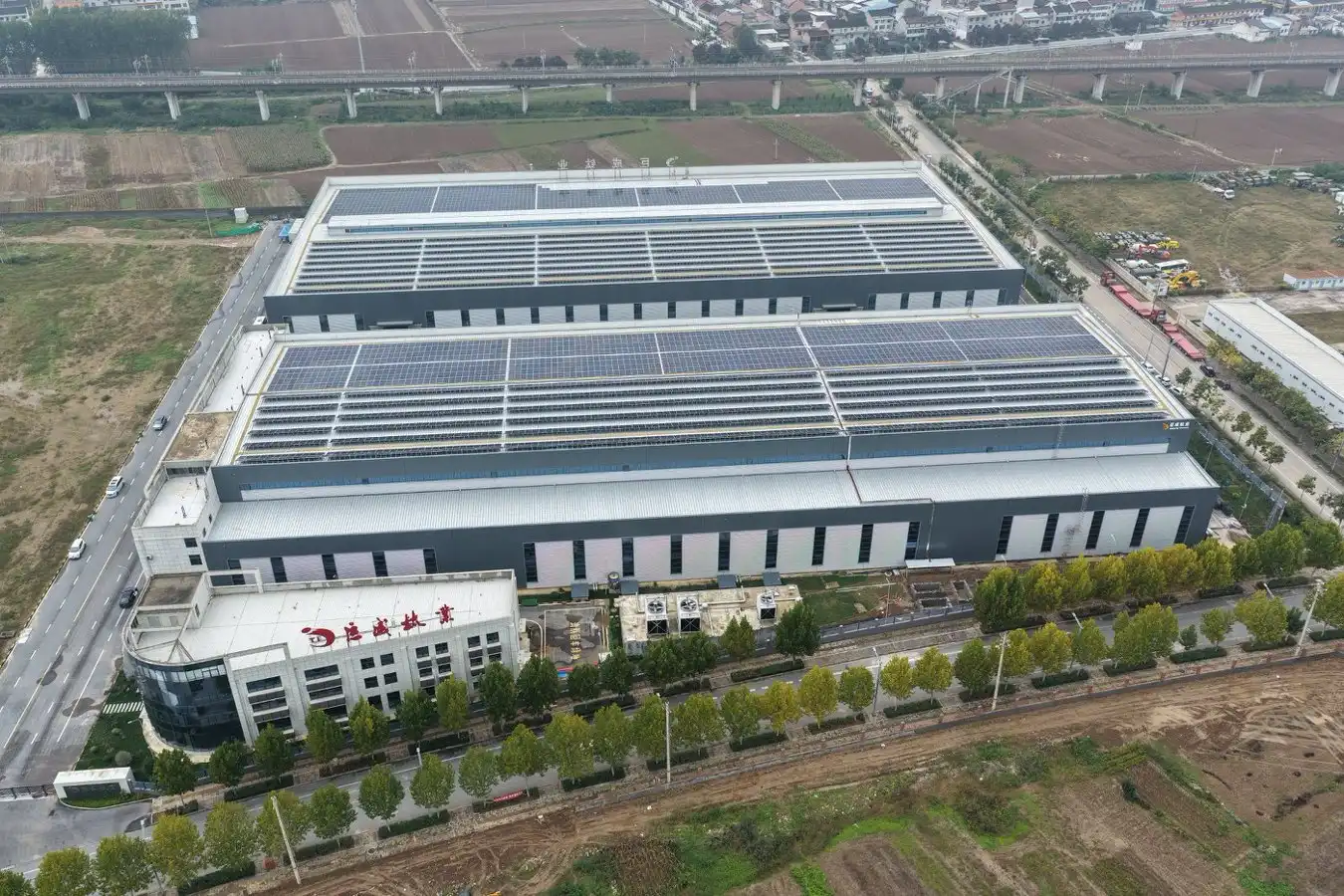
Selecting a titanium grade 5 seamless tube supplier demands aeronautical experience and manufacturing depth. Jucheng Titanium has 4 innovation patents and 41 utility model patents across our product range, and 20 years of expertise serving demanding aerospace applications. Our engineering staff provides technical guidance from specification formulation to system integration, and our 3,000-ton stockpile assures material availability when your production schedule cannot wait. We provide the quality assurance documentation and traceability you need for certification to international aerospace standards and National High-Tech Enterprise status. Contact our aerospace team at s4@juchengti.com to discuss your hydraulic system needs with titanium seamless tube experts who understand the stakes.
References
1. Boyer, R., Welsch, G., & Collings, E.W. (2019). Materials Properties Handbook: Titanium Alloys. ASM International, Materials Park, Ohio.
2. Donachie, M.J. (2000). Titanium: A Technical Guide, 2nd Edition. ASM International, Materials Park, Ohio.
3. Peters, M., Kumpfert, J., Ward, C.H., & Leyens, C. (2003). "Titanium Alloys for Aerospace Applications," Advanced Engineering Materials, Volume 5, Issue 6, pp. 419-427.
4. ASTM International (2021). ASTM B861-21: Standard Specification for Titanium and Titanium Alloy Seamless Pipe. West Conshohocken, Pennsylvania.
5. SAE International (2020). AMS 4943J: Titanium Alloy, Seamless Tubing 6Al-4V Annealed. Warrendale, Pennsylvania.
6. Lutjering, G. & Williams, J.C. (2007). Titanium, 2nd Edition: Engineering Materials and Processes. Springer-Verlag, Berlin Heidelberg.