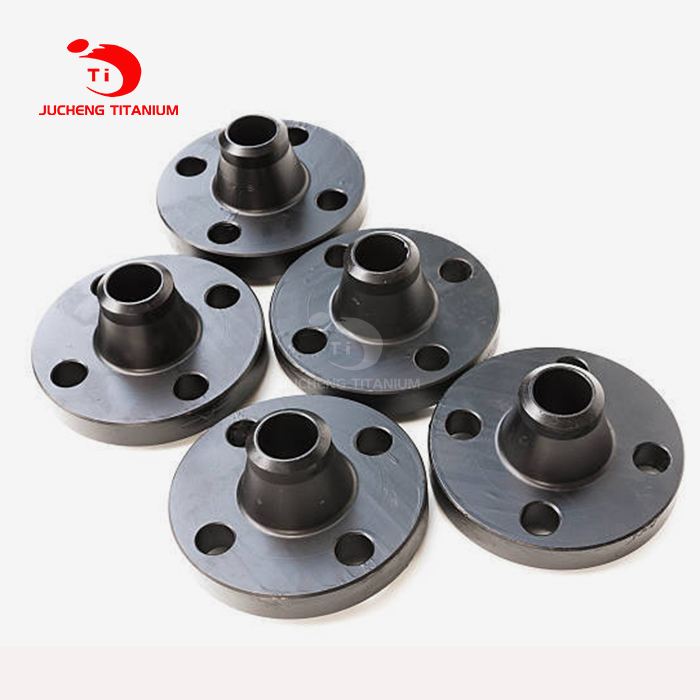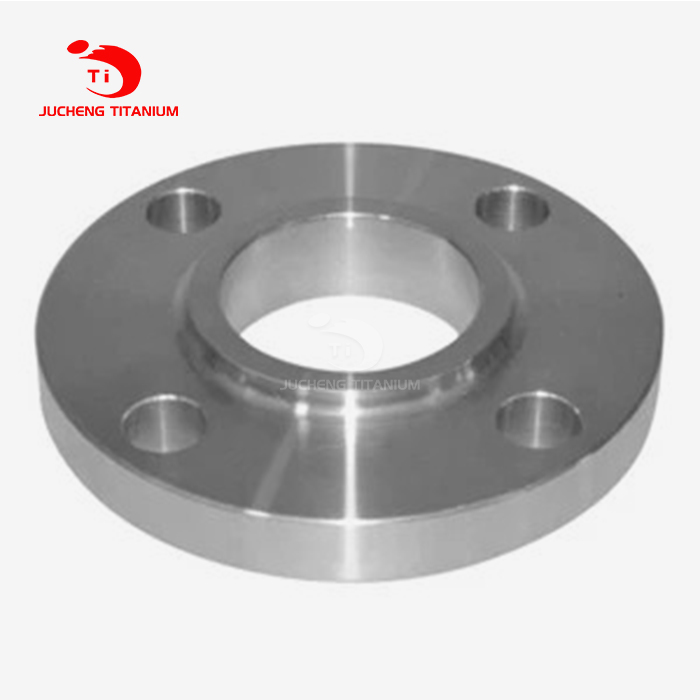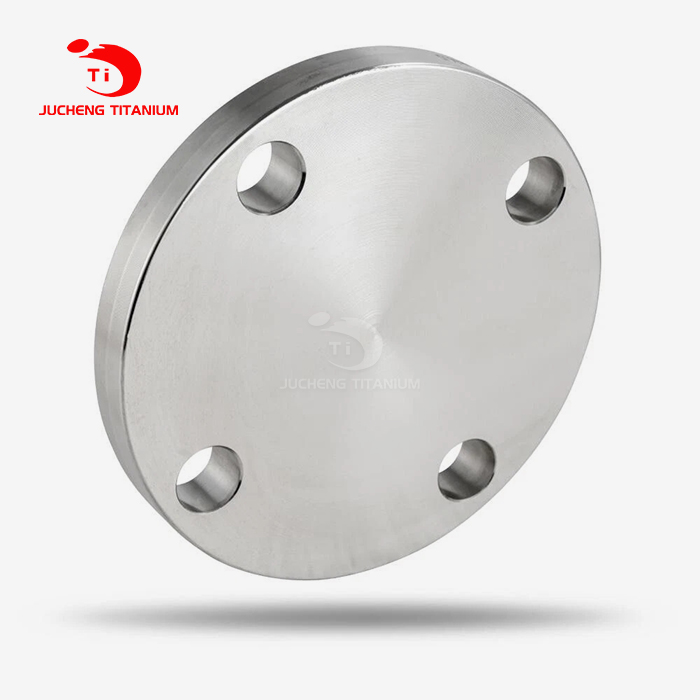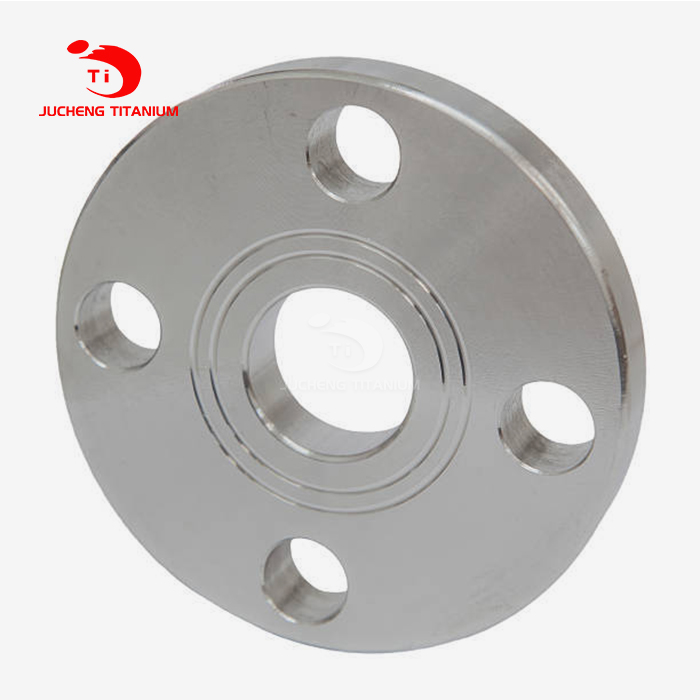

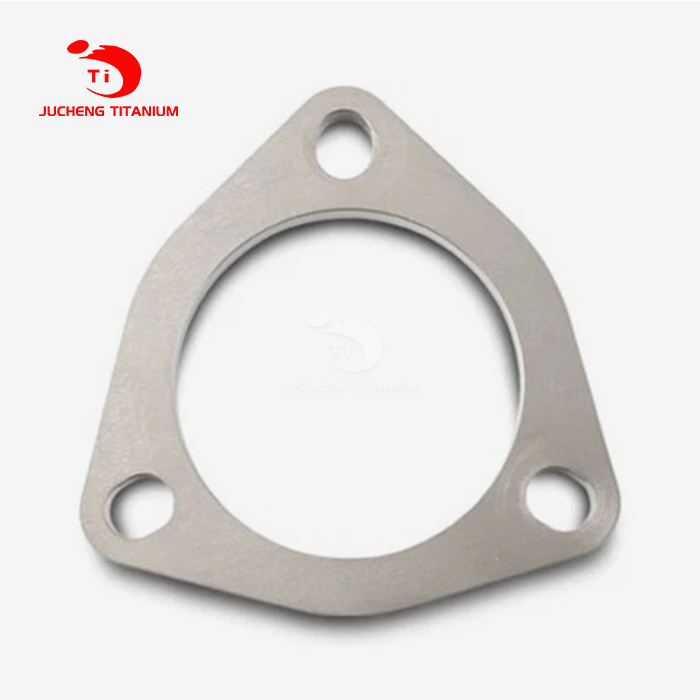
titanium exhaust flanges
2.Size: NPS 1/2″ – 48″ (DN15 – DN1200), custom larger sizes available, Thickness: Sch5S – Sch160, XXS
3.Standard: ASME/ANSI B16.5, ASME B16.47, MSS SP-44, DIN 2631-2638, EN 1092-1, AWWA C207, JIS B2220, GB/T 9112, HG/T 20592
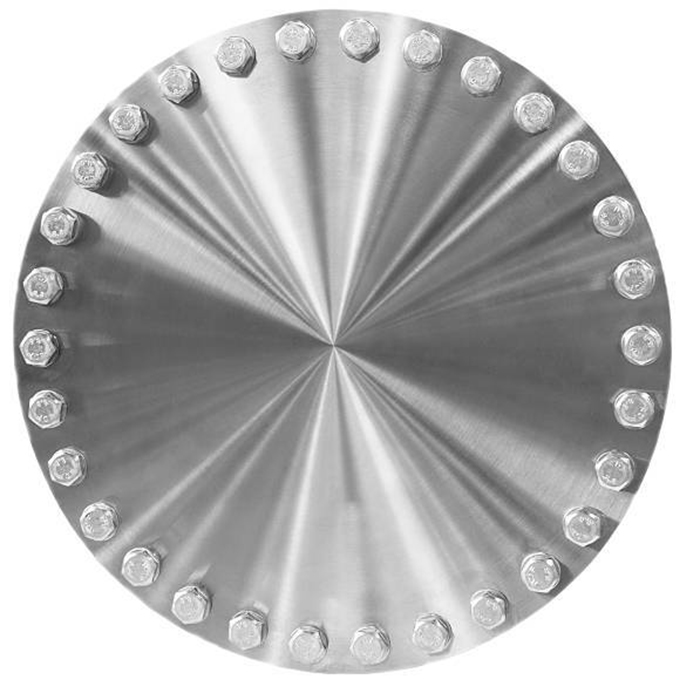
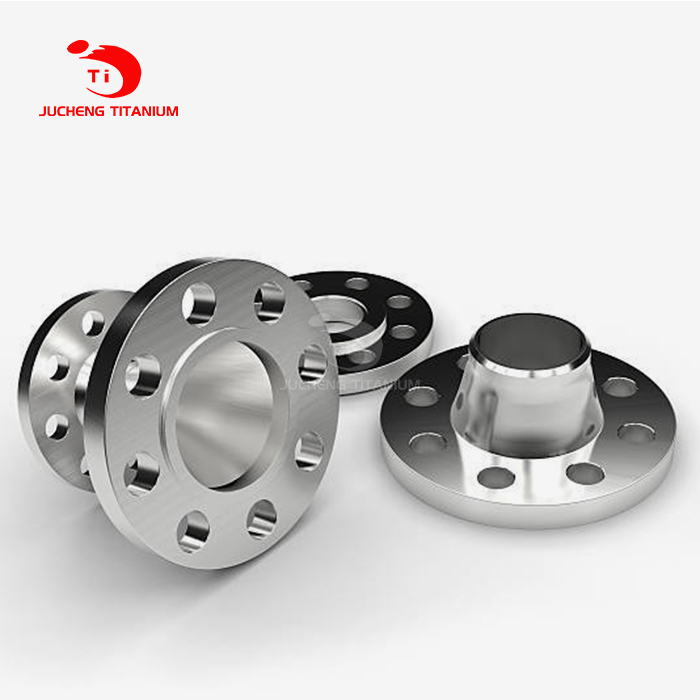
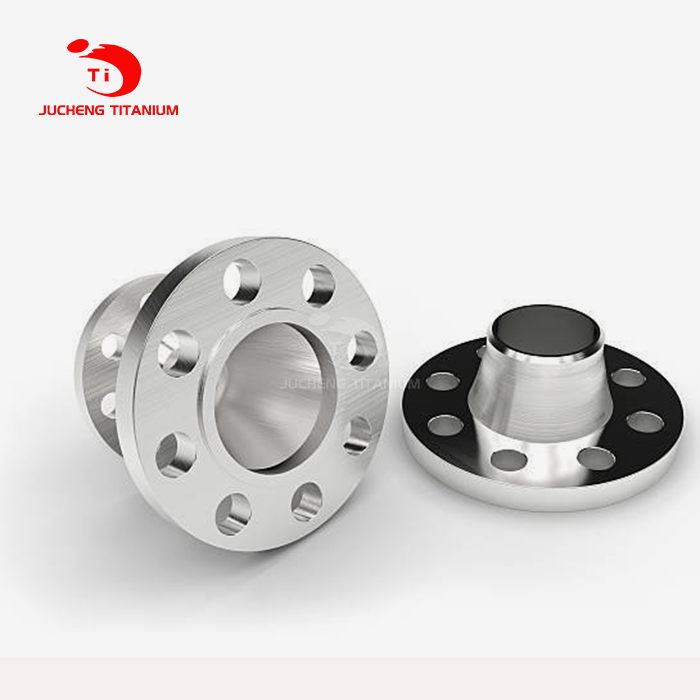
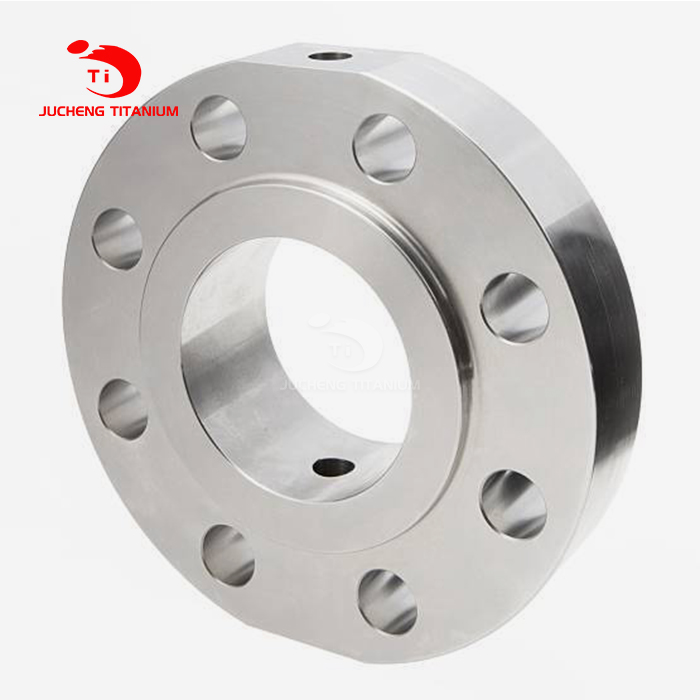
4.Type: Weld Neck (WN), Slip-On (SO), Blind (BL), Socket Weld (SW), Threaded (THR), Lap Joint (LJ), Plate, Orifice, Long Weld Neck
5. Processing Method: Titanium ingot → Forging → Heat treatment → CNC machining → Drilling → Surface finishing → Marking
6.State: Annealed
7.Surface Treatment: Machined bright
- Product Description
Titanium Exhaust Flanges – Professional Performance Connection Solutions
Baoji Jucheng Titanium Industry Co., Ltd. delivers precision-engineered titanium exhaust flanges designed for high-performance applications where reliability matters most. We produce flanges in sizes ranging from NPS 1/2" to 48" (DN15–DN1200) using Grade 2 (Commercially Pure) and Grade 5 (Ti-6Al-4V) titanium. We have been fabricating titanium for more than 20 years, and we always have 3,000 tons of titanium available. Our flanges have outstanding thermal stability and are 45% lighter than alternatives made of stainless steel. Each component—titanium ingot, forging, heat treatment, CNC machining, drilling, surface finishing, and marking—goes through a controlled process. Your exhaust system's materials should be resilient to challenging conditions.
 |  |  |  |
Technical Specifications Of titanium exhaust flanges
Parameter | Details |
Grade | Gr1, Gr2, Gr5 (Ti-6Al-4V), Gr7, Gr9, Gr12, Gr23 (Ti-6Al-4V ELI) |
Size Range | NPS 1/2″ – 48″ (DN15 – DN1200), custom larger sizes available |
Thickness | Sch5S – Sch160, XXS |
Standards | ASME/ANSI B16.5, ASME B16.47, MSS SP-44, DIN 2631-2638, EN 1092-1, AWWA C207, JIS B2220, GB/T 9112, HG/T 20592 |
Types | Weld Neck (WN), Slip-On (SO), Blind (BL), Socket Weld (SW), Threaded (THR), Lap Joint (LJ), Plate, Orifice, Long Weld Neck |
State | Annealed |
Surface Treatment | Machined bright |
Processing Method | Titanium ingot → Forging → Heat treatment → CNC machining → Drilling → Surface finishing → Marking |
 |  |  |
 |  |  |
Manufacturing Excellence
Our 120,000-square-meter facility in Baoji—China's Titanium Valley—houses complete production capabilities. We maintain 3,000 tons of titanium inventory for fast response to your project requirements.
Advanced CNC machining ensures dimensional accuracy. Heat treatment facilities optimize material properties. Non-destructive testing validates every batch before shipment.
Every year, we manufacture more than 500 sets of titanium equipment. Your purchases will be delivered on time and at affordable prices thanks to this manufacturing scale.
 |  |  |  |
Applications Across Industries
Professional Motorsports: These flanges are used by Formula 1, GT, and drag racing teams for their downpipes and turbo manifolds. You need connections that can endure EGT surges without releasing boost pressure when lap times depend on every little aspect.
High-End Aftermarket Tuning: Titanium is the material of choice for enthusiasts creating bespoke exhaust systems for Nissan GT-R, Porsche 911, or comparable platforms. You get the distinctive burnt-blue look and acoustic resonance characteristics that are specific to this substance.
Aerospace & Marine: Marine boats and auxiliary power units must deal with constant heat cycling and exposure to saltwater. During operating seasons, our flanges are resistant to the corrosion caused by cracks in conventional materials.
Chemical Processing: Titanium's chemical stability is advantageous to industries that need corrosion resistance in acidic or hot conditions.
 |  |  |
 |  |  |
Why Choose Titanium for Exhaust Flanges?
Traditional stainless steel flanges struggle with thermal warping and corrosion in demanding environments. Titanium exhaust flanges solve these critical pain points.
You get components that match the thermal expansion rate of titanium tubing. This prevents weld fatigue and flange warping during extreme heat cycles. The result is consistent sealing integrity even when exhaust gas temperatures exceed 900°C.
The corrosion resistance of titanium is superior to that of 304/316 stainless steel. In salted-road conditions and marine applications, your flanges withstand chloride stress corrosion cracking. This greatly increases service life.
The weight advantage matters for performance builds. Every kilogram removed from your exhaust system improves handling and acceleration. Titanium delivers strength without the penalty.

FAQ
Q: What grade of titanium is best for exhaust applications?
A: Grade 5 (Ti-6Al-4V) is appropriate for high-stress racing applications with high temperatures. Grade 2 works well for general performance exhausts that put corrosion resistance and weight reduction first.
Q: What distinguishes stainless steel from thermal expansion?
A: Titanium's lower coefficient of thermal expansion reduces joint stress during heat cycling. This prevents high-temperature warping and seal failure in stainless steel flanges.
Q: Is it possible to alter the flange's dimensions?
A: Yes. Based on your technical drawings, we can provide custom sizes that go beyond our typical range and support particular bolt patterns, thicknesses, and port configurations.
Q: What is the anticipated lead time?
A: It takes two to three weeks to ship standard specs. Custom orders typically take four to six weeks to complete, depending on how complicated they are. Our stocking approach expedites delivery for standard sizes.
Q: How can bolting to different metals prevent galvanic corrosion?
A: Use titanium fasteners or isolate the joint with the appropriate washers and high-temperature service-rated anti-seize chemicals.
Contact Us
Ready to upgrade your exhaust system with titanium exhaust flanges? Our technical team helps you select the right specifications for your application. Contact us at s4@juchengti.com for pricing, technical drawings, and delivery information.