



Gr 5 titanium plate direct from China mill: wholesale guide
When purchasing gr 5 titanium plate directly from a Chinese mill, manufacturers, engineering contractors, and industrial distributors have the opportunity to improve the traceability of their materials, their flexibility, and the effectiveness of their procurement processes. In contrast to the widespread belief, selecting a supplier includes more than just determining the wholesale price. Buyers are required to investigate the composition of the materials, the mechanical properties, the production standards, the dimensional tolerances, the inspection processes, and the delivery requirements.
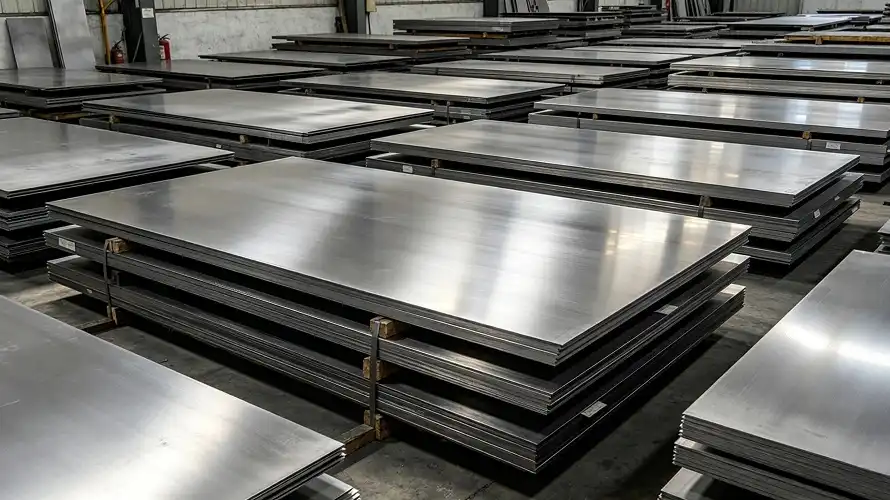

Jucheng Titanium, which has its headquarters in Baoji, China's Titanium Valley, has been manufacturing merchandise and machinery made of titanium for close to twenty years. In addition to having vast manufacturing knowledge, a large inventory, and the ability to do specific processing, the company provides choices for grade 5 titanium plate. The demanding industrial applications are the target audience for these solutions. This book demonstrates how to correctly check products, assess mill capabilities, and purchase directly from a Chinese manufacturer with confidence that you are getting the best deal possible.
Understanding Gr 5 Titanium Plate and Its Industrial Value
What Is Gr 5 Titanium Plate?
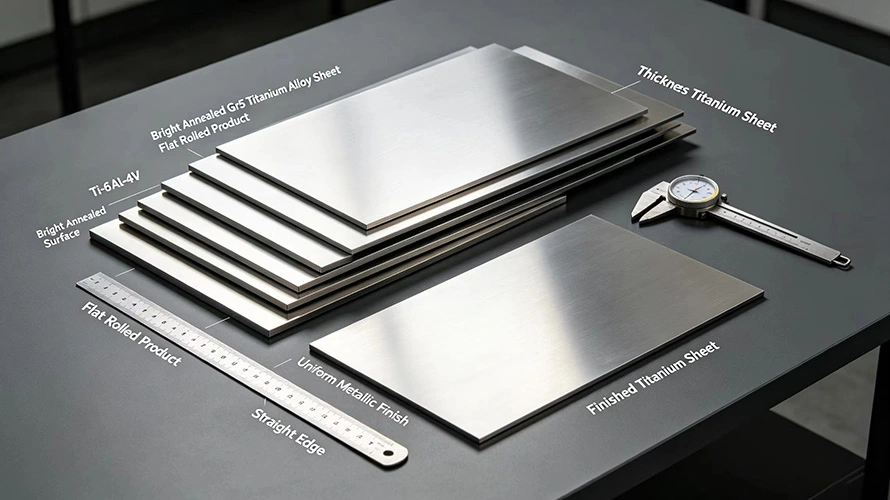
Ti-6Al-4V is most often used to refer to Grade 5 titanium plate, which is also occasionally referred to as Grade 5 or UNS R56400. The nominal alloy composition of this material is composed of about 6% aluminium, 4% vanadium, and 4% titanium per unit. Because of its great mechanical strength, low density, and resistance to corrosion, this titanium alloy is classified as an alpha-beta alloy composition. Grade 5 titanium is more durable than titanium that is pure enough for commercial use. It works quite well for components that need to withstand a lot of mechanical stress. Those who are interested in purchasing it should differentiate it from Grade 23 Ti-6Al-4V ELI, which has more stringent requirements for the interstitial elements and is suited for applications that have different material qualification conditions. After gaining an understanding of these characteristics, procurement teams are better able to choose the appropriate alloy before requesting quotations.
Why Do Manufacturers Choose Ti-6Al-4V?
The strength-to-weight ratio of Ti-6Al-4V is one of the material's most significant benefits. This material has an average density of 4.43 grams per cubic centimetre, which makes it lighter than steel while yet providing great mechanical performance. Its resistance to corrosion makes it valuable in a variety of applications, including chemical, marine, and other applications that need endurance. The alloy is capable of being machined, shaped, and welded—provided that the appropriate processes and conditions are met. As a result of its mechanical performance and service durability, Gr 5 titanium plate is suitable for use in the production of lightweight structural components. Instead of focusing just on strength data, Jucheng Titanium assists clients in analysing the qualities of materials depending on their specific requirements.
Typical Industrial Applications
There are a variety of applications for grade 5 titanium plate, including but not limited to aerospace structures, marine engineering, industrial machinery, chemical processing equipment, and advanced manufacturing. In the process of choosing materials for exposed components, maritime engineers take into consideration the material's resistance to corrosion, while aerospace producers place a high importance on its strength and weight qualities. In the context of industrial production, it is possible to machine it into structural parts, components of equipment, and plate assemblies that are customised. The design, the operating temperature, the loading circumstances, the manufacturing process, and any necessary certification criteria all play a role in determining whether or not it is suitable. Customers from a wide variety of industries are served by Jucheng Titanium, which is able to provide individualised titanium processing in accordance with the specifications stated in technical drawings and project requirements.
Grade 5 Compared with Other Titanium Grades
In order to choose between commercially pure titanium and titanium alloys, it is necessary to have an understanding of the specific application priorities. In situations where higher mechanical strength is required, Grade 5 is the material of choice, while Grade 1 and Grade 2 are frequently chosen due to their resistance to corrosion and their ability to be formed. Grade 23 is yet another alloy that is based on Ti-6Al-4V; however, due to its extra-low interstitial composition, it is particularly useful for certain high-performance and medical applications.
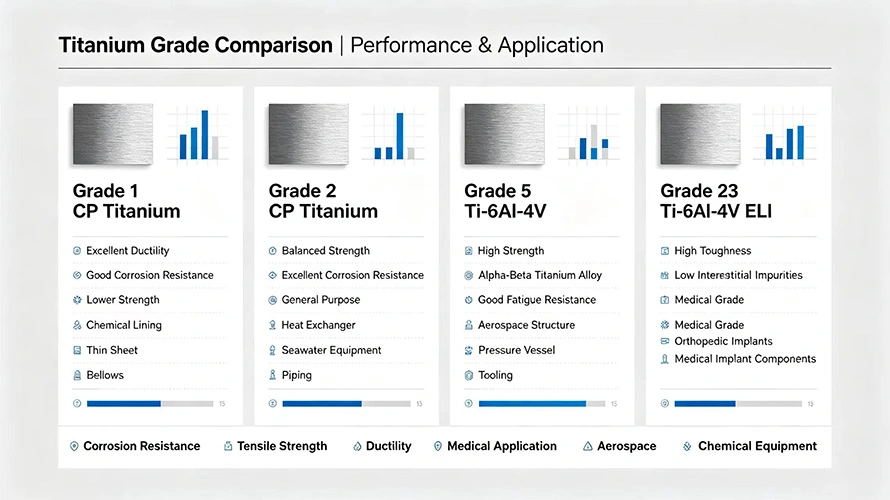
Titanium grade | Main characteristics | Typical selection priorities |
|---|---|---|
Grade 1 | High ductility, commercially pure | Formability and corrosion resistance |
Grade 2 | Balanced strength and corrosion resistance | Chemical and industrial equipment |
Grade 5 | High strength, Ti-6Al-4V | Structural and aerospace components |
Grade 23 | Extra-low-interstitial Ti-6Al-4V | Medical and specialized applications |
Product Specifications and Manufacturing Requirements
Standard Dimensions and Customization Options
Before purchasing gr 5 titanium plate, buyers should confirm thickness, width, length, dimensional tolerances, and surface requirements. According to Jucheng Titanium's product specifications, its Grade 5 plate range includes thicknesses from 4 mm to 80 mm, widths from 950 mm to 2,500 mm, and lengths up to 10,000 mm. Customized dimensions are also available according to project requirements. These options support manufacturers producing large structural components as well as distributors purchasing standard plate sizes. When requesting a quotation, provide the complete dimensions rather than specifying thickness alone. This helps the manufacturer assess material utilization, cutting requirements, production arrangements, and transportation considerations.
Specification | Jucheng Titanium product range |
|---|---|
Alloy grade | Gr5 / Ti-6Al-4V |
Thickness | 4–80 mm |
Width | 950–2,500 mm |
Length | Up to 10,000 mm |
Manufacturing type | Hot rolled |
Material condition | Annealed |
Surface options | Polished, machined, acid pickled |
Applicable Standards and Material Certification
For the purpose of acquiring and checking titanium plate, international standards offer an essential base or foundation. Strip, sheet, and plate made of titanium and titanium alloys are covered by ASTM B265, while AMS 4911 is a significant aerospace material standard that is related to annealed Ti-6Al-4V sheet, strip, and plate. The ASME SB-265 certification is applicable to titanium materials that are defined within the ASME framework. Buyers purchasing gr 5 titanium plate need to make sure that the requirements of the standard they have requested genuinely cover the grade, product form, and delivery situation that they have chosen. Specifically, the ASTM F67 standard addresses unalloyed titanium for use in surgical implant applications. This material specification should not be considered a Grade 5 material classification. Before manufacturing begins, Jucheng Titanium is able to consult with clients about the paperwork and technical requirements that are relevant, which helps to eliminate specification discrepancies throughout the procurement process.
Hot Rolling, Annealing, and Surface Finishing
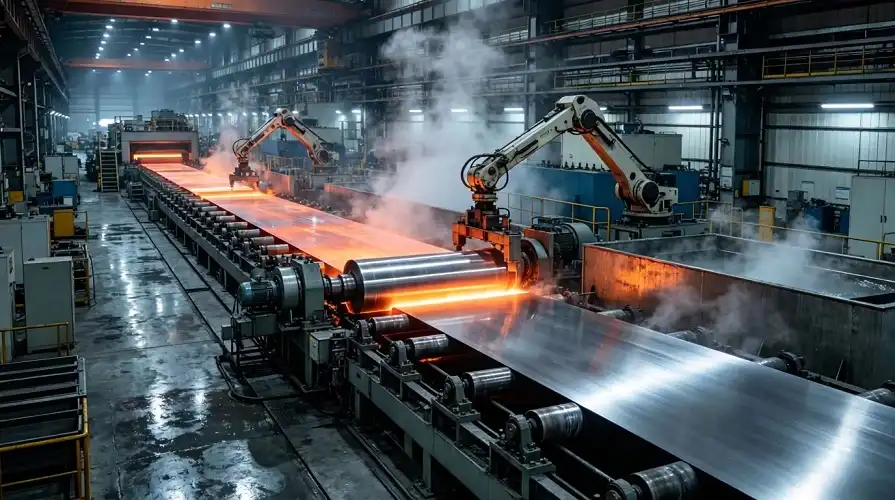
The dimensional accuracy, microstructure, and surface quality of titanium plate are all affected by the manufacturing procedures that are used. There are many steps involved in the manufacturing process of Jucheng Titanium, including hot rolling, annealing, levelling, pickling, and surface finishing. While controlled annealing is employed to attain the desired material condition and mechanical qualities, hot rolling is used to assist in the production of plate products that are thicker (more substantial). Flatness may be improved by levelling, and surface oxides that were created during heat processing can be removed through pickling. In addition, consumers may request polishing or machining, depending on the use that they want to use the product for. When selecting these procedures, it is important to take into consideration the needs of the component's ultimate manufacturer. In the case of a plate that is meant for precision machining, for instance, the surface preparation and dimensional allowances may be different from those required for a plate that is used for general structural construction.
How to Specify a Wholesale Order
The reduction of communication delays and quote inconsistencies is a direct result of explicit purchase criteria. Buyers are required to submit a technical request together with the alloy, which should include the standard, thickness, width, length, quantity, delivery condition, surface finish, certification requirements, and other essential documents. It is recommended to negotiate with the original supplier in the event that the plate requires further cutting, machining, welding, or heat treatment. The maintenance of an official specification and inspection record between shipments is an effective method for ensuring that repeat orders are consistent. It is feasible to discuss non-standard requests before placing an order with Jucheng Titanium since the company offers individualised manufacturing and processing based on the designs provided by customers.
Quality Inspection and Supplier Verification
Chemical Composition and Mechanical Testing
Performing an examination of the chemical composition should be the first step in quality verification. Titanium, aluminium, vanadium, oxygen, iron, hydrogen, and any other regulated elements must be in accordance with the material specification that is suitable for Grade 5. It is equally necessary to do mechanical testing since the tensile strength, yield strength, and elongation of the plate are the factors that determine whether or not it satisfies the set of required performance standards. The figures for annealed Grade 5 materials typically suggest a tensile strength of around 895 MPa or higher and a yield strength of roughly 830 MPa or higher. However, acceptance values are contingent upon the governing specification and the dimensions of the product. Instead of relying just on basic alloy datasheets, purchasers should be sure to seek information about actual test results. This is of utmost significance for applications such as aerospace and marine engineering, as well as other applications that need documentation of material performance.
Non-Destructive Testing and Dimensional Inspection
The identification of internal discontinuities that may not be obvious during a standard visual examination is facilitated by non-destructive testing. The use of ultrasonic testing is especially beneficial for examining the interior quality of titanium plates that are somewhat thicker. As a component of its quality-control strategy, Jucheng Titanium includes ultrasonic examination in accordance with the criteria of ASTM B548. Methods such as dimension measurement, surface investigation, and verification of plate flatness are examples of additional inspection processes that may be used. It is important to get a consensus on the inspection scope prior to production, particularly in situations where customers have specified acceptance requirements. Additionally, purchasers should create sample methods and inspection duties for large-volume wholesale purchases in order to guarantee that the material that is supplied is in accordance with the specifications that have been specified.
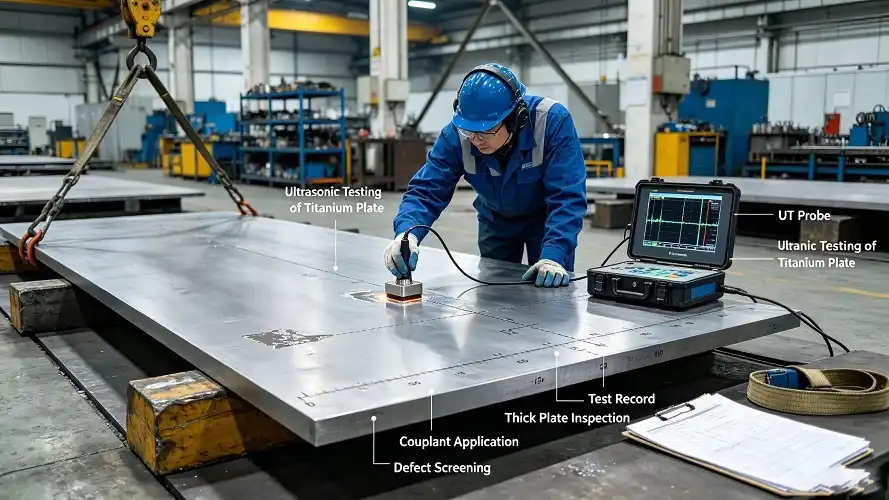
What Documents Should Accompany the Shipment?
It is the responsibility of a competent mill-direct supplier to provide documentation that enables clients to verify the identity, quality, and compliance of the material. A material test certificate, a report on the chemical composition of the material, the results of mechanical tests, mechanical inspection records, dimensional inspection records, and pertinent inspection reports are the papers that are the most helpful. The certification of EN 10204 3.1 may also be obtained in situations where it is suitable. Instead of displaying information about the product in a general manner, each document needs to match the particular manufacturing batch or heat number. Having this link between the physical items and the inspection records is very necessary for the traceability of the material. It is important to verify which papers are included in the quote before making a significant order. Additionally, it is important to determine whether extra third-party inspection may be conducted.
A Practical Quality Inspection Checklist
The following checklist helps procurement teams organize incoming material verification and reduce the possibility of specification discrepancies.
Inspection item | What buyers should verify |
|---|---|
Chemical composition | Ti-6Al-4V alloy composition |
Mechanical properties | Tensile strength, yield strength, elongation |
Dimensions | Thickness, width, length, tolerance |
Surface condition | Cracks, scratches, scale, and visible defects |
Internal quality | Ultrasonic testing where specified |
Documentation | MTC, heat number, and inspection reports |
Packaging | Surface protection and shipment identification |
If you need further information about gr 5 titanium plate, including material specifications, inspection standards, customized dimensions, or wholesale purchasing options, contact Jucheng Titanium's technical sales team at s4@juchengti.com. Our team can help you evaluate your requirements and provide suitable product recommendations and quotations.
Why Buy Gr 5 Titanium Plate Directly from a China Mill?
Better Communication and Procurement Efficiency
Purchasing directly from a manufacturer makes it easier for the buyer to communicate with the technical staff. Clients have the ability to negotiate alloy characteristics, processing requirements, inspection methods, and production schedules directly with suppliers rather than going via intermediaries. It is useful to have this information when getting materials or measurements that are unique for specialist equipment. When there is direct interaction, it is much easier to provide answers to technical questions before manufacturing begins. On the other hand, consumers need to be able to identify between a real manufacturer and a trading organization that offers factory-direct prices. Examine the capabilities of the plant, the production facilities, the inspection techniques, and the manufacturing documents before starting the verification process for a supplier.
Inventory Capacity and Production Experience
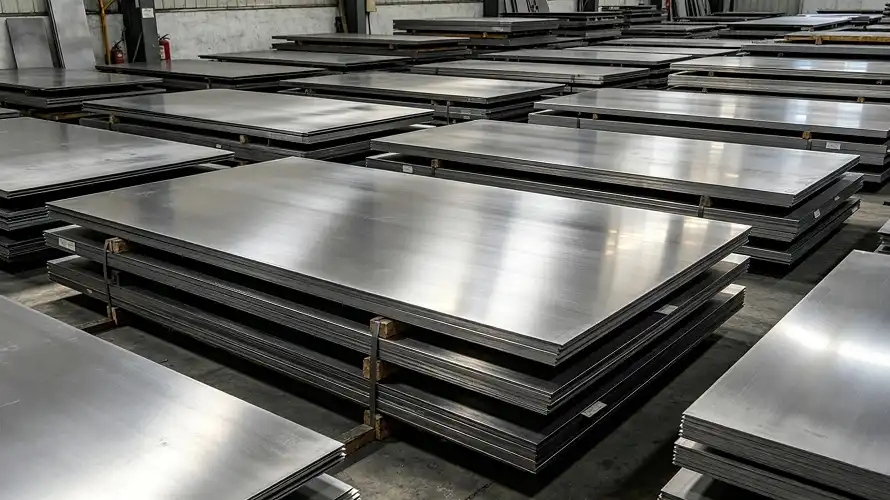
It is possible that the supplier's manufacturing skills and inventory will have a significant influence on the buying strategy. Baoji Jucheng Titanium Industry Co., Ltd. has been in business since 2004, and it has more than twenty years of experience in the manufacture of titanium materials, goods, and equipment. Throughout the year, 3,000 tonnes of titanium inventory are stored in a building that is 120,000 square meters in size. In this inventory, there are more alternatives available to customers who are making urgent purchases. There are around 500 titanium heat exchangers, reactors, and air coolers that are manufactured by Jucheng Titanium each year. Because of its experience in product categories, this company has a better understanding of the requirements for industrial manufacturing and material selection.
Technical Research and Customized Processing
Plates are not the only thing that a reputable supplier should sell. In order to meet specific requirements for dimensions, surface conditions, and component designs, customers demand technical guidance and individualised processing strategies. Jucheng Titanium collaborates with the Northwest Nonferrous Metal Research Institute, the Northwest Tsinghua Institute, and Northwest Northwest. The advancement of its technical capabilities is supported by forty-one utility model patents and four innovation patents. The business provides unique manufacturing and processing based on the designs provided by customers. OEMs, engineering contractors, and equipment manufacturers may better arrange the acquisition of raw materials and the creation of downstream products with the use of these skills. To determine whether or not a bespoke order is technically feasible, it is important to provide acceptance criteria and give drawings as soon as possible.
Industrial Experience and Application Support
It's possible that the experience of suppliers across industries might help with material selection and manufacturing challenges. Products manufactured by Jucheng Titanium are used in the fields of aerospace engineering, marine engineering, medicine, chemistry, food, and biomedicine. Titanium anode plates have a market share of more than 70 percent in the hydrometallurgy industry, while titanium equipment manufacturing provides assistance to industrial customers in very demanding working environments. Having achieved these successes, the firm has shown its diversification into the fabrication of titanium. As a result of this industry expertise, consumers of gr 5 titanium plate are able to discuss application requirements, production difficulties, and material specifications with an expert in titanium products.
How to Purchase Wholesale Gr 5 Titanium Plate from China
Prepare Your Technical Requirements
Create a detailed request for quotation (RFQ) first. Specify the Grade 5 alloy, the ASTM or AMS standard, the dimensions, the quantity, the condition of the material, the surface polish, the inspection requirements, and the destination of the shipment. Include designs for machining or cutting plates in your proposal. Purchasers are required to identify whether they are interested in basic stock or individualised manufacturing. Jucheng Titanium is able to evaluate the availability of materials and provide customers with accurate information on production arrangements. It is preferable to include any particular certification or third-party inspection requirements in the first inquiry rather than waiting until the transaction is finished.
Evaluate the Quotation Beyond Unit Price
It is important for wholesale buyers to go beyond the pricing per kilogram or per tonne. As part of a comprehensive cost analysis, material compliance, processing, inspection, packaging, international shipment, and delivery terms should all be taken into consideration. Due to the fact that different suppliers may quote different material conditions or inspection scopes, bids that seem to be the same may not really be comparable. Ensure that the estimate includes a request for material certification, dimensional inspection, and surface treatment service. With regard to repeated purchases, production consistency and communication efficiency should be taken into consideration. The selection of the supplier with the lowest initial price may result in an increase in expenditures in the event that the material requires reinspection, reprocessing, or replacement.

Confirm Production, Packaging, and Shipping
It is the responsibility of the buyer to provide their approval to the production schedule, inspection arrangements, payment terms, packaging technique, and shipping documents once the estimate and technical specification have been confirmed. It is essential that titanium plates be handled and transported in a secure manner in order to prevent surface damage and contamination. Before packing, it is important to take into consideration the plate's size, weight, lifting requirements, and the constraints of international shipment. Prior to the shipping, purchasers should get inspection documents and information on the cargo. The pre-confirmation of these agreements helps to arrange the process of clearing customs, receiving goods from the warehouse, and producing downstream goods for large wholesale orders.
Build a Long-Term Mill Partnership
When it comes to wholesalers and industrial companies that have a consistent need, having long-term partnerships with their suppliers helps to stabilise procurement. When there are consistent requirements, approved inspection procedures, and clear communication records, it is much easier to manage repeat orders. It is possible for buyers to negotiate annual buying plans and inventory arrangements in order to eliminate uncertainty during swings in demand. The material manufacturing, vast inventory, technical support, and after-sales service that Jucheng Titanium provides are all designed to meet a variety of purchasing requirements. The customers must establish quality criteria from the beginning of the collaboration in order for it to be successful. This is true regardless of whether the clients desire a single customised plate order or a wholesale supply arrangement.
Conclusion
Purchasing gr 5 titanium plate directly from a Chinese mill requires careful evaluation of material standards, manufacturing capabilities, quality documentation, and delivery reliability. With extensive industry experience, substantial inventory, and customized processing services, Jucheng Titanium provides a dependable sourcing option for global industrial buyers.

Frequently Asked Questions
1. What Is the Main Alloy Composition of Gr 5 Titanium Plate?
Grade 5 titanium primarily consists of approximately 90% titanium, 6% aluminum, and 4% vanadium. It is commonly designated Ti-6Al-4V or UNS R56400.
2. What Thicknesses Are Available for Gr 5 Titanium Plate?
Jucheng Titanium offers standard thicknesses from 4 mm to 80 mm, with customized dimensions available according to project requirements.
3. Which Standards Apply to Grade 5 Titanium Plate?
Common specifications include ASTM B265 and AMS 4911. The required standard should match the alloy grade, product form, and material condition.
4. Can I Purchase Customized Gr 5 Titanium Plate Directly from China?
Yes. Jucheng Titanium provides customized production and processing services based on customer drawings, dimensions, and technical requirements.
5. What Quality Documents Should I Request When Buying Wholesale?
Buyers should request material test certificates, chemical composition reports, mechanical test results, dimensional inspection records, and applicable non-destructive testing reports.
Ready to Source Premium Gr 5 Titanium Plate Direct from a Chinese Mill?
Partner with Jucheng Titanium for reliable titanium materials, customized manufacturing, and professional technical support. Whether you are purchasing gr 5 titanium plate for aerospace, marine engineering, or industrial equipment applications, our team is ready to discuss your requirements. Send your specifications or drawings to s4@juchengti.com today and request a wholesale quotation.

References
1. ASTM International. ASTM B265-25: Standard Specification for Titanium and Titanium Alloy Strip, Sheet, and Plate. 2025.
2. SAE International. AMS4911S: Titanium Alloy, Sheet, Strip, and Plate, 6Al-4V, Annealed. 2024.
3. ASTM International. ASTM E8/E8M-25: Standard Test Methods for Tension Testing of Metallic Materials. 2025.
4. ASTM International. ASTM E290-26: Standard Test Methods for Bend Testing of Material for Ductility. 2026.
5. Metalcor. Titanium Grade 5 (3.7164/65), R56400: Material Datasheet.
6. Smiths High Performance. Ti-6Al-4V (Grade 5): Titanium Alloys Technical Datasheet. 2025.