



Titanium Sheet Roll Price Factors: A Buyer’s Guide
The query "Why does the price of a titanium sheet roll vary so widely between suppliers?" is one of the most often asked queries that procurement teams encounter while they are in the process of procuring industrial titanium materials. The answer lies in the intricate interplay of raw material prices, production methods, grade criteria, surface treatments, and market dynamics, all of which work together to form the final estimate that you get. Understanding these pricing drivers is vital for correctly budgeting and successfully negotiating, regardless of whether you work in the pharmaceutical industry, the chemical processing industry, the marine engineering industry, or the production of consumer products. Jucheng Titanium, a major producer in China's Titanium Valley—Baoji—has spent over 20 years selling superior titanium sheet rolls to customers all over the world. As a result, they have an unrivalled understanding of the factors that genuinely influence price in this industry. In this buyer's guide, we break down every important cost aspect so that you can make decisions based on accurate information and ensure that you get the greatest possible value for your next purchase of titanium sheet roll.

Understanding the Basics of Titanium Sheet Roll Pricing
What Exactly Is a Titanium Sheet Roll?
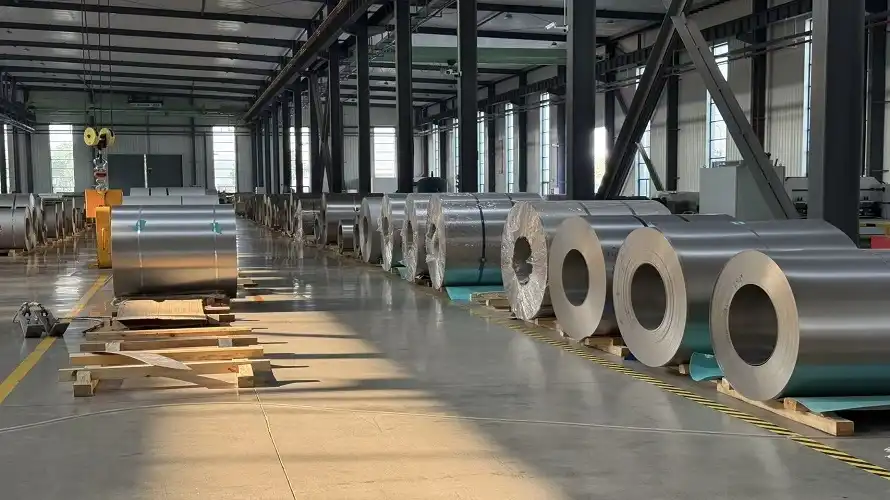
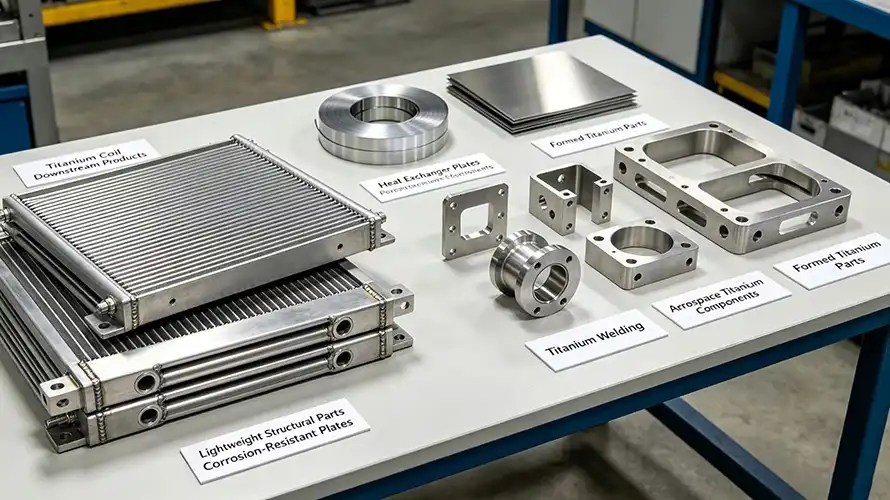
Cold or hot rolling titanium ingots or slabs into thin, continuous strips that are then coiled for storage, transportation, and further fabrication results in the production of a titanium sheet roll. These rolls are used as the raw feedstock for a wide variety of items that are then manufactured further down the production line. These products include heat exchanger plates, chemical reactor liners, aerospace panels, and consumer-grade titanium cookware. Because the rolling process imparts certain mechanical qualities, such as tensile strength, elongation, and surface polish, each manufacturing run involves intrinsic costs that are connected to the wear and tear of the equipment, the amount of energy that is used, and the quality control that is performed. When analysing a quotation for titanium sheet roll, it is essential to keep in mind that the price that is stated does not only represent the weight of titanium metal; rather, it also reflects the whole investment that has been made in metallurgy, precision rolling, inspection, and logistics in order to deliver a coil of superior quality to your doorstep.
Why Titanium Sheet Roll Prices Vary Across Suppliers
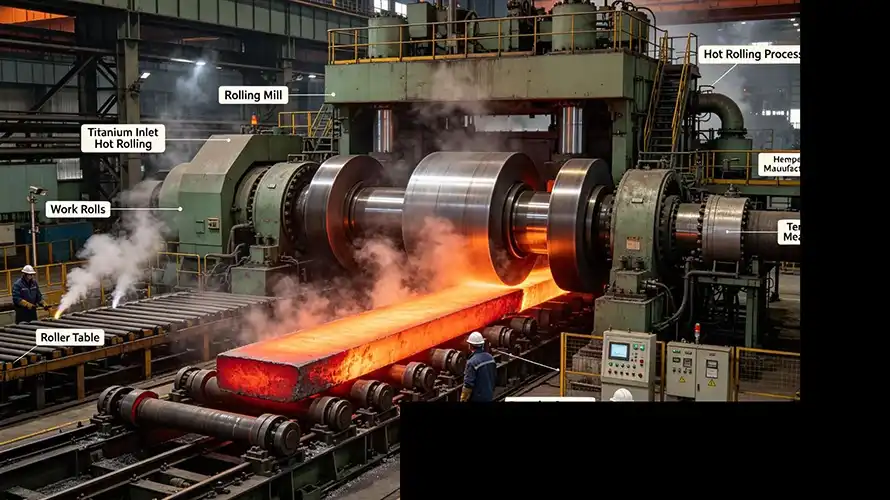
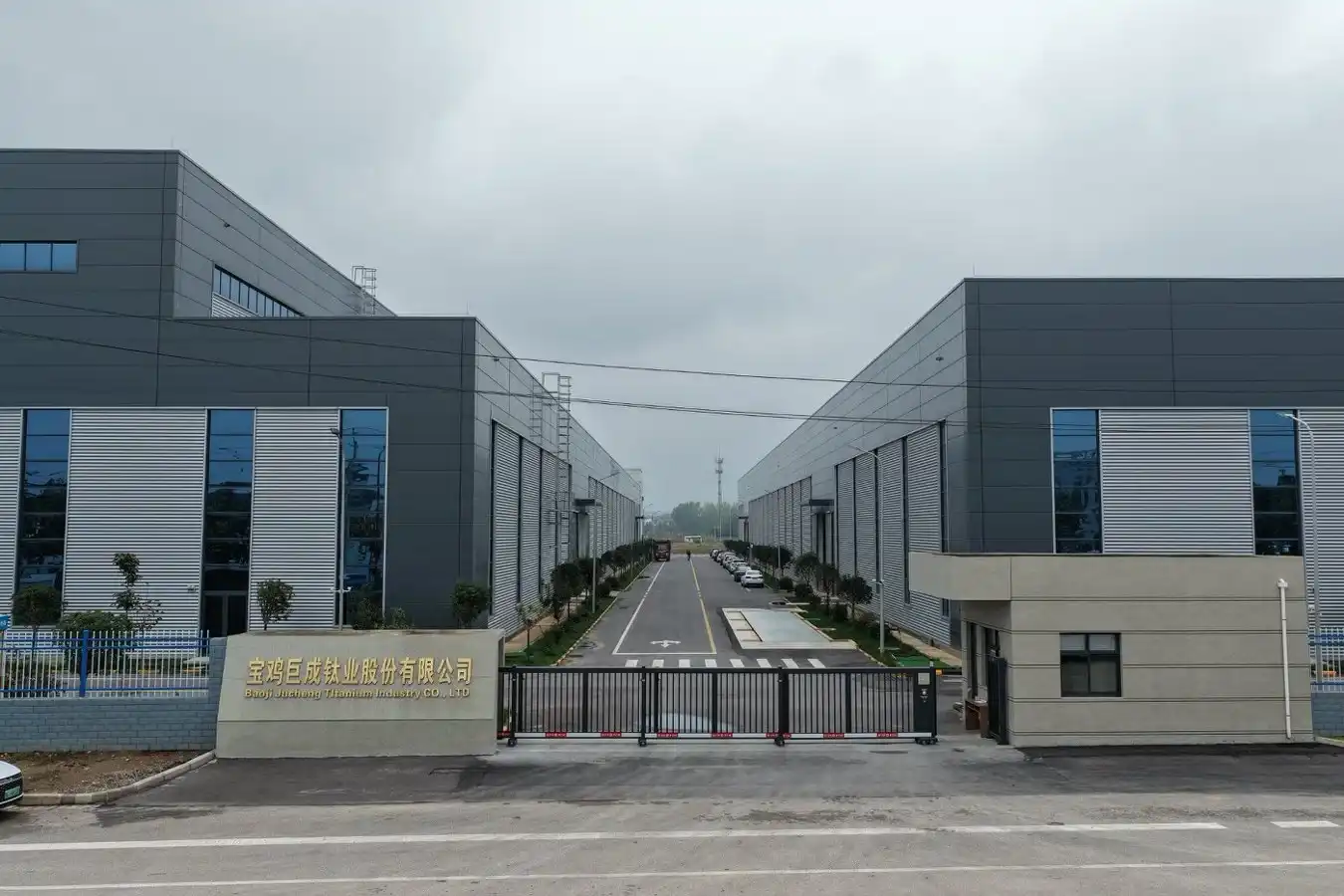
The fact that various suppliers offer varying prices for titanium sheet rolls that seem to be identical might be confusing for purchasers who believe that the price is only determined by the cost of the raw materials required to produce the product. The truth is that significant pricing disparities between producers are caused by a number of hidden factors, including rolling mill capacity, scrap rates, batch sizes, and certification requirements. Typically, a supplier that operates a cutting-edge rolling mill with high efficiency would be able to create a titanium sheet roll with a greater tolerance for thickness while simultaneously reducing the amount of scrap, allowing them to provide competitive pricing even at premium quality levels. On the other hand, smaller workshops that use obsolete machinery could offer cheaper costs, but they might provide products with uneven thickness, residual stress, or surface flaws, which would result in expensive rework further down the line. By using cutting-edge rolling technology and a manufacturing facility that spans 120,000 square meters, Jucheng Titanium is able to reduce waste and pass on the benefits to its clients.
The Role of Market Dynamics in Current Pricing
The dynamics of the global titanium market, which are driven by cycles of demand in the aerospace industry, movements in the geopolitical supply chain, and fluctuations in energy prices, also have a significant impact on the pricing of titanium sheet rolls. When significant aerospace projects begin to ramp up, the supply of sponge titanium and ingots decreases, which in turn causes rolling feedstock costs to increase across the board. When demand is lower, on the other hand, suppliers that have a significant inventory may be able to offer more appealing rates. When purchasers are aware of these macrotrends, they are better able to strategically arrange their purchases and negotiate long-term supply agreements that protect them against abrupt surges.
Key Factors That Influence Titanium Sheet Roll Cost
Raw Material and Sponge Titanium Prices
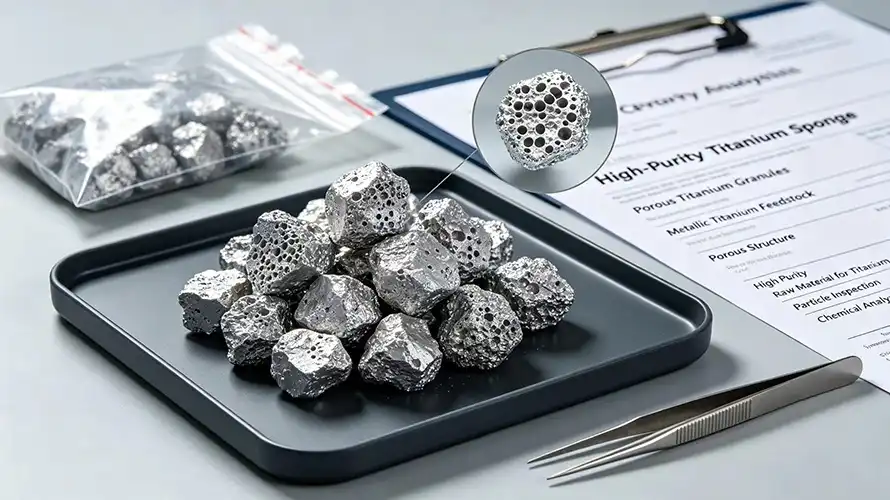
Additionally, the energy-intensive melting and billet-casting processes that come after the production of the titanium sponge, which is the unrefined porous metal that is created by the Kroll or Hunter process, are the single most significant contributors to the overall cost of a titanium sheet roll. Prices of sponge titanium are subject to change depending on factors such as the input costs of magnesium and chlorine, the capacity of the reactor, and the demand from the aerospace, defence, and industrial sectors throughout the world. When sponge costs go up, rolling mills will always carry those increases through to the price of titanium sheet rolls, perhaps with a delay of several weeks depending on the amount of inventory that is available. Those purchasers who are astute enough to monitor the sponge titanium market indicators are able to predict price swings and get favourable arrangements before the market moves.
Manufacturing Process and Thickness Tolerance
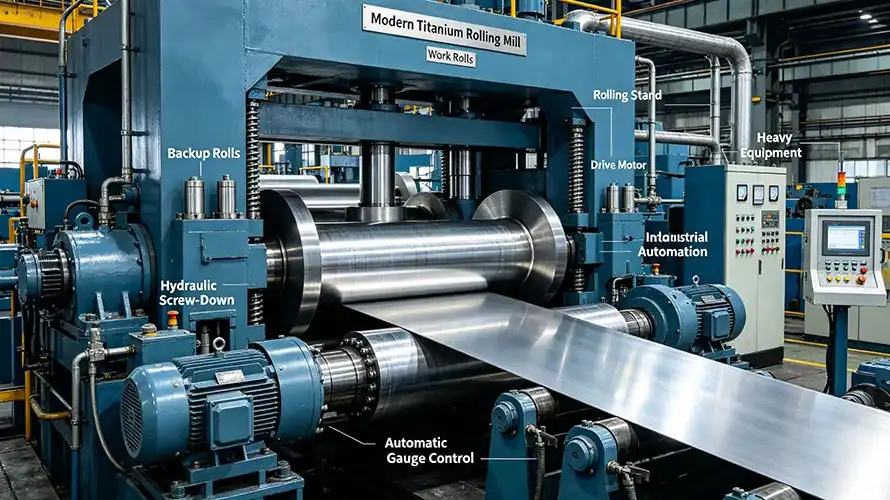
On the other hand, the cost profiles of hot rolling, cold rolling, and combined hot-cold rolling are all distinct from one another. The titanium sheet roll that is produced by cold rolling has a better surface polish and a tighter thickness tolerance; nevertheless, it takes more processing passes and has a higher energy consumption per tonne throughout the manufacturing process. It is possible that hot rolling may leave a rougher mill surface, which will need extra pickling or grinding. However, hot rolling is more cost-efficient for thicker gauges. The more stringent the thickness tolerance that you need, for example, ±0.02 mm as opposed to ±0.05 mm, the rolling mill will need to undertake a greater number of control passes and inspections, which will immediately lead to an increase in the price of the titanium sheet roll. One of the most effective strategies to avoid paying for accuracy that you do not want is to have a clear understanding of your tolerance requirements and to communicate them to your supplier in a clear and concise manner.
Surface Finish and Post-Processing Treatments
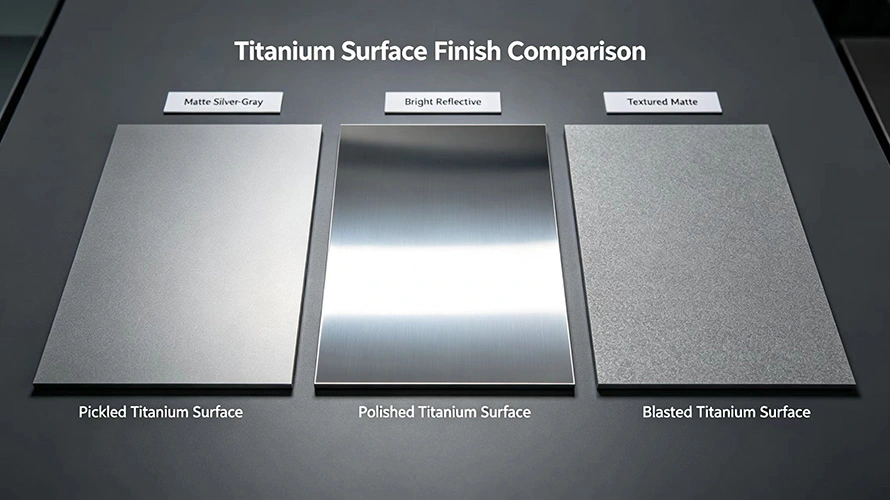
There is a considerable relationship between the surface quality of a titanium sheet roll and both its usefulness and its pricing. A normal mill finish or a surface that has been pickled is the most cost-effective choice and is suitable for the majority of industrial applications. If, on the other hand, your final product requires a surface that is polished, bright-annealed, or specifically coated—a surface that is often seen in consumer products, medical devices, or high-purity chemical equipment—then further finishing stages will be required. Post-processing treatments like as sandblasting, vacuum annealing, and ultrasonic cleaning are all effective ways to enhance the surface quality of titanium sheet rolls; however, these treatments must be accounted for in the overall cost of the roll.
| Surface Finish | Typical Cost Impact | Common Applications |
|---|---|---|
| Mill Finish / Pickled | Standard | Chemical processing, general industrial |
| Polished / Bright Annealed | +10–25% | Medical, food-grade, decorative |
| Sandblasted / Special Coated | +15–35% | Marine cladding, bonded composites |
Grade Selection and Its Impact on PriceCommercially Pure Titanium (Gr1, Gr2) vs. Alloyed Grades (Gr5, Gr7)
There is a clear and substantial relationship between the grade of titanium that you choose and the price of the titanium sheet roll purchase. The most cost-effective grades are commercially pure grades, namely Gr1 and Gr2, since the alloying and melting processes for these grades are less complicated. Gradation 2, which is considered to be the workhorse of industrial applications, provides exceptional resistance to corrosion and moderate strength at a price range that is quite affordable. Gr5 (Ti-6Al-4V) and Gr7 (Ti-0.15Pd) are examples of alloyed grades that demand higher costs than other grades. This is because the expense of alloying materials, the complexity of melting and homogenisation cycles, and the stringent quality verification all contribute to the higher pricing. On the other hand, these grades provide higher mechanical qualities and specialised corrosion resistance, which justifies their premium price in demanding applications such as chemical reactors and aerospace construction.
How Grade Affects Rolling Difficulty and Yield
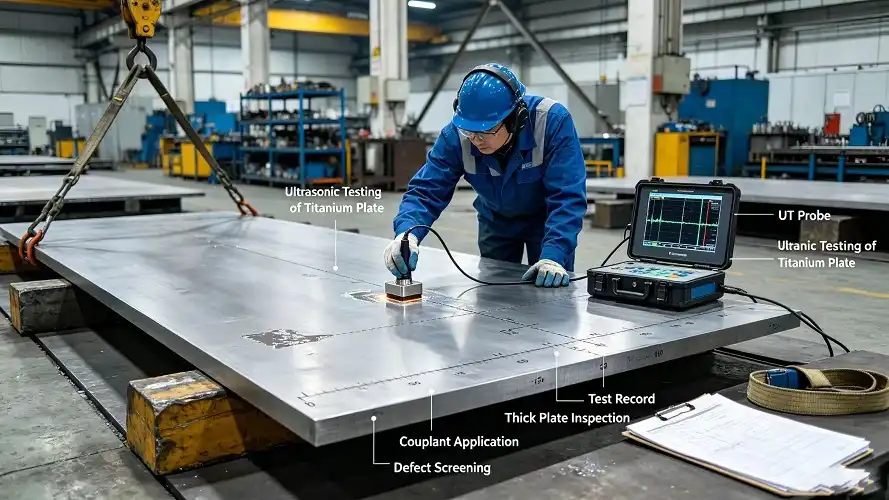
Because the work-hardening rate is faster and the danger of cracking or edge splitting rises, rolling alloyed titanium grades to thin gauges is a more difficult task than rolling CP titanium. This is due to the increased risk of cracking. Because of this, the production of a Grade 5 titanium sheet roll requires more meticulous pass scheduling, intermediate annealing, and perhaps scrap allowances for edge trimming. All of these factors contribute to an increase in cost in comparison to the production of a Grade 2 titanium sheet roll with specifications that are comparable. Additionally, in order to verify the microstructural integrity of alloyed coils, manufacturers are required to do non-destructive testing (NDT) on a more regular basis, which results in an additional cost. In order to continuously optimise rolling parameters for both CP and alloyed grades, Jucheng Titanium maintains close partnerships with research institutes such as the Northwest Institute for Nonferrous Metal Research and Tsinghua University. This helps to ensure that our entire product range is of consistent quality and that our prices are competitive.
Matching Grade to Application for Optimal Value
When selecting the appropriate grade, it is not enough to just choose the one that is the most durable or resistant to corrosion; rather, it is necessary to compare the characteristics of the material to the real service environment in order to avoid over-specifying and overpaying for the material. A Grade 2 titanium sheet roll offers performance that is more than enough for a variety of chemical processing and marine applications, and it does so at a fraction of the cost of Gr5 or Gr7 titanium sheet rolls. On the other hand, Gr5 may be required for high-pressure vessel components and aircraft structural panels due to its yield strength of 830 MPa. For your particular project, consulting with an experienced supplier such as Jucheng Titanium may assist you in determining the grade that will maximise both performance and cost-effectiveness to the greatest extent possible.
How to Maximize Value When Purchasing Titanium Sheet Roll
Leverage Supplier Inventory and Volume Discounts
Selecting a cost-effective titanium sheet roll requires balancing material quality, processing requirements, and purchasing budgets. If you need help comparing grades, optimizing specifications, or evaluating customized rolling solutions, Jucheng Titanium can provide professional assistance. Contact our technical team at s4@juchengti.com to share your project requirements and receive tailored material recommendations for more efficient procurement.
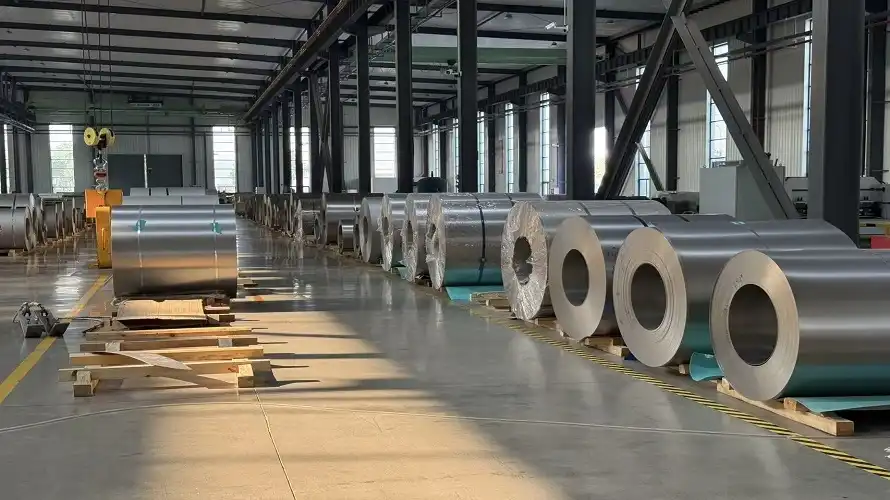
Utilising a supplier that has a considerable amount of inventory on hand and provides pricing that is based on volume is one of the most basic methods to cut down on the cost of your titanium sheet roll. Suppliers that have big warehouses, such as Jucheng Titanium, which maintains roughly 3,000 tonnes of titanium goods in stock throughout the year, are often able to fulfill orders more quickly and at lower unit costs than make-to-order companies, which are required to plan production and carry full setup overhead for each batch. Consolidating numerous material needs into a single bigger purchase allows for further savings to be unlocked and minimises the amount of money spent on logistical services per unit.
Optimize Specifications to Avoid Over-Specification
There is a strong temptation to request the highest grade, the most polished surface, and the tightest tolerance for each and every project; nevertheless, each of these options adds an additional expense to the titanium sheet roll, and they do not always give any visible benefits. It is important to collaborate closely with the technical team of your supplier in order to determine which parameters are genuinely important for your end use and which standard tolerances and finishes are absolutely suitable. A buyer who is well-informed and who specifies exactly what is essential while maintaining the rest at standard levels may often save between 10 and 20 percent on the overall purchase price without experiencing any performance degradation in terms of functionality.
Establish Long-Term Supply Partnerships
Last but not least, establishing a long-term partnership with a dependable producer of titanium sheet rolls results in advantages that go beyond the cost per unit. In addition to providing price stability, priority allocation during times of supply shortages, and access to the supplier's technical help for the creation of new products or the optimisation of designs, long-term agreements also provide pricing stability. Having established such connections with key customers such as Jiangxi Copper Group and several multinational industrial giants, Jucheng Titanium has earned the confidence of these clients by providing after-sales support that is both prompt and consistent in its quality product offerings. Jucheng Titanium assures that every titanium sheet roll satisfies your precise needs by providing a comprehensive after-sales management team and the ability to produce rolls that are customised to your specifications. This allows you to purchase titanium sheet rolls with confidence and use them without any worries.
| Cost Factor | Influence Level | Buyer Strategy |
|---|---|---|
| Raw Material (Sponge) | Very High | Track market indices; lock prices |
| Grade Selection | High | Match grade to application |
| Thickness Tolerance | Medium | Specify only what is needed |
| Surface Finish | Medium | Choose standard finish where possible |
| Order Volume | High | Consolidate orders; negotiate tiers |
Conclusion
The price of titanium sheet rolls is based on a number of factors, including the grade, the processing, the needs, and the pricing of the raw materials. You can be guaranteed that every project will get outstanding quality, affordable pricing, and consistently reliable delivery if you pick an experienced supplier such as Jucheng Titanium. This is because you will be able to take advantage of all of these benefits.
Frequently Asked Questions
1. What is the biggest cost driver for a titanium sheet roll?
A1: Raw material costs—primarily sponge titanium prices and melting energy—are the single largest factor in titanium sheet roll pricing.
2. How does grade selection affect titanium sheet roll price?
A2: Alloyed grades like Gr5 cost more than CP grades (Gr1/Gr2) due to complex melting, harder rolling, and additional quality checks.
3. Can I get custom thickness and width for a titanium sheet roll?
A3: Yes. Jucheng Titanium provides customized rolling to your exact drawings and specifications, supported by roughly 3,000 tons of inventory.
4. How does surface finish influence titanium sheet roll cost?
A4: Polished or specially treated finishes add 10–35% to the base price compared with standard mill or pickled surfaces.
Ready to Get the Best Price on Your Titanium Sheet Roll?
Contact Jucheng Titanium at s4@juchengti.com today to discuss your titanium sheet roll requirements and get a competitive quote, expert grade-selection advice, and fast delivery from 3,000 tons of stock. Let our 20+ years of experience work for your project—reach out now!
References
1. Lütjering, G., & Williams, J.C. (2007). Titanium (2nd ed.). Springer.
2. Leyens, C., & Peters, M. (2003). Titanium and Titanium Alloys: Fundamentals and Applications. Wiley-VCH.
3. Wood, R.A., & Favor, R.J. (1972). Titanium Alloys Handbook. Metals and Ceramics Information Center, Battelle Memorial Institute.
4. ASM International. (2000). ASM Handbook Volume 2: Properties and Selection: Nonferrous Alloys and Special-Purpose Materials. ASM International.
5. Schutz, R.W., & Thomas, D.E. (1987). Corrosion of titanium and titanium alloys. In ASM Handbook, Volume 13: Corrosion (pp. 669–706). ASM International.
6. Revie, R.W., & Uhlig, H.H. (2008). Corrosion and Corrosion Control: An Introduction to Corrosion Science and Engineering (4th ed.). Wiley.