
Gr2 Titanium Tube for Offshore Oil and Gas Projects
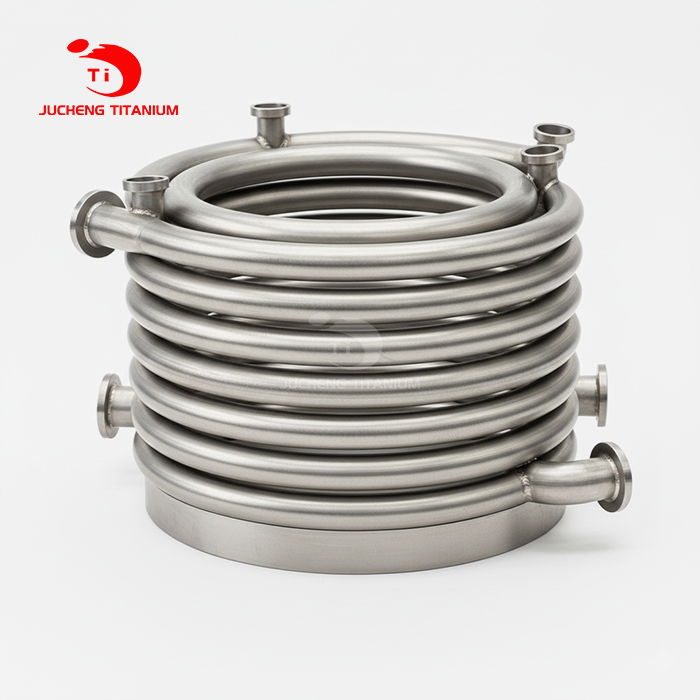
It is very important to choose the right material for offshore platforms because they are constantly being attacked by seawater, hydrogen sulphide, and mechanical stress. Gr2 Titanium Tube is a commercially pure titanium solution that has great corrosion resistance, middling strength, and excellent weldability. This makes it the material of choice for heat exchangers, condenser systems, and pipe networks in oil and gas installations abroad. Gr2 Titanium Tubes create a stable, self-healing titanium dioxide layer that lasts a very long time. This is different from stainless steel, which rusts in chloride-rich environments, or copper-nickel alloys, which break down when exposed to erosion-corrosion at high fluid speeds. This complete guide helps procurement professionals choose the right materials, evaluate suppliers, and plan for the future by giving them advice on how to buy things in the tough offshore sector.

Understanding Gr2 Titanium Tube and Its Key Properties
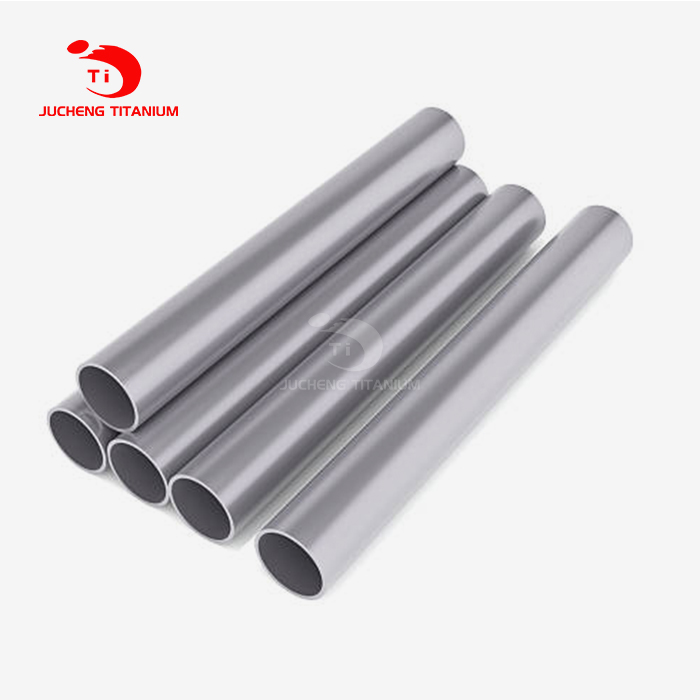
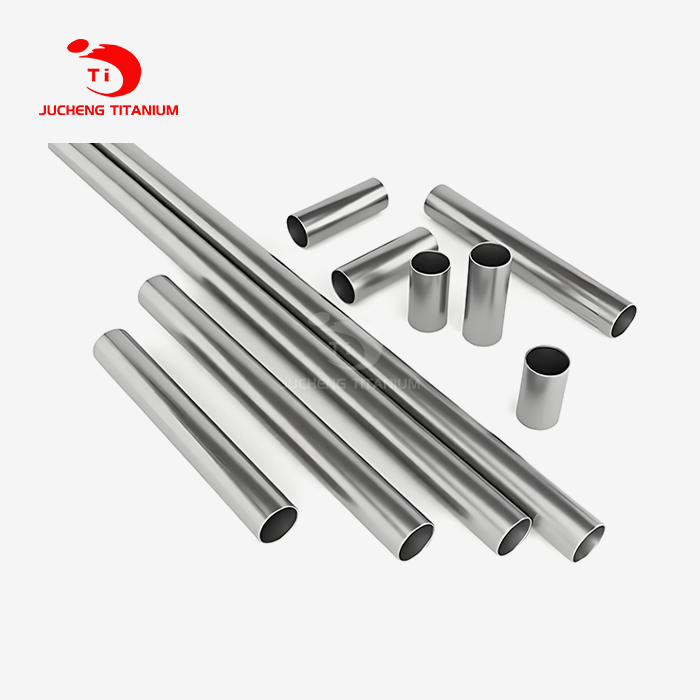
Grade 2 commercially pure titanium is the most common type of titanium used in industry because it strikes the best balance between performance and cost. This alpha-phase metal has at least 99% titanium in it. It has a yield strength of about 275 MPa and is very flexible, which makes it easier to shape, weld, and fabricate. Precision extrusion, piercing, and cold rolling are used to make our seamless Gr2 Titanium Tubes. They are then annealed to remove internal pressures and pickled to remove surface rust. This makes sure that the tubes are the right size and have the same metal properties.

Chemical Composition and Manufacturing Standards
Grade 2 titanium has limited amounts of oxygen, nitrogen, carbon, and iron in its chemical makeup. These chemicals change the metal's mechanical qualities without affecting its ability to resist corrosion. Internationally recognised standards, such as ASTM B337, ASTM B338, ASTM B861, AMS 4942, and ASME SB338, are followed during production. These standards set strict limits on makeup and mechanical property requirements. These standards make sure that materials can be tracked and that they meet certification requirements. These are important for offshore projects that are subject to safety checks and oversight by regulators.
Mechanical Properties and Grade Comparisons
Grade 2 titanium has a tensile strength of 345 to 450 MPa and a stretch of more than 20%. This means it can hold its shape well in pressure-bearing uses while still being very strong. Gr2 Titanium Tube is better at welding and resists corrosion than higher-strength types like Gr5 titanium alloy, which is made of aluminium and vanadium and is used in aircraft. It also costs less. Compared to Gr7, which has palladium added to make it more resistant to reducing acids, Gr2 is still the most cost-effective option for normal seawater and oxidising conditions found in offshore activities.

Corrosion Resistance Testing and Quality Assurance
When titanium dioxide is exposed to oxygen or water, it forms a protective film right away. This keeps the steel from cracking under chloride stress corrosion, which is a problem for austenitic stainless steels. To make sure the mechanical integrity of a product, quality assurance procedures include tensile testing, flattening tests, and hydraulic pressure testing. Ultrasonic testing and eddy current inspection are two non-destructive ways to look for flaws inside or on the surface of something. Material test records and mill papers show the chemical make-up, mechanical qualities, and manufacturing history of a material. This gives buying teams faith in the accuracy and performance of the material.

Why Gr2 Titanium Tube is Ideal for Offshore Oil and Gas Projects
Offshore sites work in one of the toughest industrial conditions on Earth. Materials are attacked by saltwater corrosion, mechanical fatigue, and high temperatures all at the same time. In these situations, traditional materials often fail, which can cause unexpected shutdowns, expensive fixes, and even environmental problems. These problems can be solved by commercially pure Gr2 Titanium Tubes, which have qualities built into the material that stop typical failure modes.
Superior Corrosion Resistance in Marine Environments
About 35,000 parts per million of chloride ions are found in seawater. This makes the conditions harsh, which speeds up the pitting and crevice rust that happens in regular stainless steel types. For carbon steel to work, it needs thick corrosion limits and protected layers that wear off over time. When aluminium alloys are joined with metals that are not the same, they experience galvanic corrosion. On the other hand, Grade 2 titanium doesn't corrode easily in seawater at any temperature, from cold seawater cooling systems to hot hydrocarbon streams. This is true across the whole temperature range that is found in offshore processing. Corrosion rates for this material are less than 0.01 millimetres per year, so it can be used for decades without any repairs.

Get in touch with our team at s4@juchengti.com to talk about your unique needs, get full technical specifications, and get competitive quotes that show the long-term value of working with a well-known manufacturer that cares about quality and client success.
Lifecycle cost benefits and less maintenance
Even though titanium tubes cost more to buy at first than stainless steel tubes, titanium always comes out ahead in total cost of ownership calculations for ocean uses. Eliminating corrosion-related repairs, maintenance, and replacement tasks saves a lot of money over the 20 to 30 years that equipment lasts. Because there is no need to allow for rust, wall thickness standards are lower. This makes equipment lighter, which lowers installation costs and structural support needs on offshore platforms where weight and space limitations make design very difficult.
Validation of Real-World Performance
Major offshore operators have shown that Grade 2 titanium tubes have worked well in heat exchangers and condensers that have been in continuous seawater service for more than 25 years without any failures or degradation. After multiple erosion-corrosion failures in high-velocity seawater zones, a production platform in the Gulf of Mexico changed its copper-nickel condenser tubes to titanium ones. This allowed it to keep running without any upkeep. Titanium-based heat exchange equipment was successfully put into service by Luoyang Petrochemical. This shows that the material is reliable in harsh process conditions.

How to Evaluate and Procure High-Quality Gr2 Titanium Tubes
To be good at procurement, you need to know about the technical requirements, quality control methods, and business issues that make sure the products you get meet the needs of the project. A structured evaluation framework helps global procurement teams deal with seller claims and get approved materials that meet the standards of the offshore industry. When sourcing a Gr2 Titanium Tube, project success relies on rigorous verification.
Important Certifications and Standards
International guidelines make it possible to specify materials and check their quality. ASTM B338 specifies the mechanical properties, testing requirements, and tolerances for seamless and welded titanium tubes used in condensers and heat exchangers. The boiler and pressure vessel code in ASME SB338 includes ASTM standards. This makes sure that the code is suitable for use in pressure-bearing situations. Getting ISO 9001 quality management certification shows that a supplier is dedicated to using consistent production methods. Offshore licenses, such as approval from DNV, ABS, or Lloyd's Register, show that the material is suitable for use in marine environments and lets you follow the rules in foreign waters.
Important Methods for Testing and Verification
Chemical composition study using optical emission spectroscopy or X-ray fluorescence is the first step in material proof. This is done to prove the grade's authenticity. To make sure that the basic requirements are met, mechanical testing includes measuring the tensile strength, the yield strength, and the stretch. During hydraulic testing, tubes are inflated to the original working pressure to make sure the pressure-bearing is solid. Eddy current testing finds flaws on the surface and close to the surface of smooth tubes, while ultrasound testing finds breaks inside the tube. Material test reports that list these results, along with mill certificates that show the path of the material from the ingot to the finished product, are important pieces of evidence for quality control.
Things to think about when buying and ways to customise
We can make tubes with outer widths ranging from OD3 to OD219 millimetres and wall thicknesses ranging from 0.5 to 20 millimetres. These sizes can be used for standard heat exchanger tubes or to meet specific needs. We keep about 3,000 tonnes of titanium in stock, which lets us deliver quickly for urgent project needs without the long lead times that are usually involved with getting titanium. Products can be customised by size, length, and surface treatment, with choices like polished, machined, or acid-pickled finishes. This lets installers meet their specific needs. Expertise in international shipping and export operations ensures that goods get to offshore manufacturing yards and installation sites around the world on time.

How to Choose Reliable Gr2 Titanium Tube Suppliers for Offshore Projects
The success of a project depends on the quality of the materials, how reliably they can be delivered, and how well they can provide technical support. Teams in charge of buying things should look at possible sellers on a number of factors that show how skilled they are at making Gr2 Titanium Tubes, how committed they are to quality, and how customer-focused they are.
Manufacturer Credentials and Experience in the Field
Baoji Jucheng Titanium Industry Co., Ltd. has been making titanium products for more than 20 years and is based in China's Titanium Valley, which is a National High-Tech business and a national-level specialised "little giant" business. Our factory covers an area of 120,000 square meters and has high-tech production tools and strict quality control systems that meet international standards. We have 4 invention patents and 41 utility model patents for manufacturing processes and product designs. This shows that we are always coming up with new ideas and being a technology star. As the first private titanium company in Shaanxi Province, we were listed on the National Equities Exchange and Quotations in 2017. This shows that our finances are stable and our government is open, which is something that B2B procurement pros value.
Technical support and the ability to make changes
Working together with study centers like the Northwest Institute for Nonferrous Metal Studies, Tsinghua University, and Northwest University makes it possible to develop new materials and solve technical problems. Our engineering team helps customers improve the performance of their equipment by providing custom design support, material selection advice, and advice that is unique to the application. Every year, we make more than 500 sets of titanium equipment, such as heat exchangers, reactors, and air coolers. This gives us a good idea of how tube materials work in whole systems. With this real-world knowledge, you can get useful advice when choosing materials and placing orders.
Quality Guarantee and Commitment After the Sale
Our professional technical R&D team and dedicated quality inspection department use strict control measures all the way through the production process, from checking the raw materials to testing and packing the finished product. We offer full after-sales service that includes technical support, troubleshooting performance issues, and quick responses to customer concerns. Every shipment comes with material certificates, test results, and traceability paperwork to help with quality checks by customers and to meet legal requirements. Because of this dedication to quality and customer satisfaction, the company has grown its income by more than 30% every year for three years in a row and formed long-term relationships with big industrial groups.
Future Trends and Innovations in Titanium Tube Usage for Offshore Oil and Gas
The offshore industry is always changing as it moves toward deeper waters, harsher environments, and stricter environmental laws. This is what drives progress in material technology. Procurement experts can predict future needs for the Gr2 Titanium Tube and set their companies up for long-term success by keeping up with new trends.

New technologies for manufacturing and surfaces
New surface treatments improve the already high corrosion resistance for harsh environments with sour gas, high temperatures, or unusual chemical exposures. Thermal spray coatings, plasma nitriding, and laser surface modification all add designed layers to the surface of a material that make it more useful than its basic metal qualities. Additive manufacturing methods make it possible to make complicated shapes and integrated designs that make offshore pipe systems easier to put together and less likely to leak. These improvements make titanium more useful by increasing the number of ways it can be used while keeping its basic rust resistance.
Sustainability and Environmental Things to Think About
Titanium is very durable and can be recycled over and over again. This is in line with the growing focus on sustainable materials and the circular economy. When equipment lifespans are measured in decades instead of years, less material, energy, and waste are used over the lifecycle of a building. Getting rid of the harmful coatings, cathodic protection systems, and chemical rust inhibitors that older materials need makes things easier to decommission when they're no longer needed. As operators have to deal with tighter environmental laws and business responsibility obligations, these sustainability factors become more important in choosing materials.
Changes in the market and strategies for the supply chain
The need for titanium tubes in offshore uses keeps growing around the world as companies replace old structures and find new resources in tough conditions. After recent global problems, supply chain resilience has become an important thing to think about when buying things. Building partnerships with financially sound, vertically integrated makers that keep a lot of stock can help protect you from material shortages and price changes. Our 3,000-ton inventory buffer and well-established global export infrastructure give major project managers and EPC contractors peace of mind when they buy from us.
Conclusion
When used in offshore oil and gas projects, commercially pure Gr2 Titanium Tube units have been shown to be resistant to rust, last a very long time, and have good lifespan economics in the harsh marine environment. Procurement professionals can confidently choose the right materials and evaluate suppliers' skills when they know about the properties of materials, manufacturing standards, and quality control methods. Titanium is the best material for critical heat exchange and fluid handling systems because it works well technically, has been used reliably in offshore environments, and is always getting better at making things. Partnering with experienced manufacturers that offer technical help, quality certification, and a stable supply chain makes sure that the project meets all of its requirements and lasts for decades.
FAQ
1. What makes Gr2 titanium tubes superior to stainless steel for offshore applications?
Gr2 Titanium Tube units don't have any of the stress corrosion splitting, pitting, or crevice corrosion problems that stainless steel often has in places with a lot of salt in the water. The stable titanium dioxide passive film protects against rust without any upkeep, while stainless steel needs to be inspected regularly and is often replaced too soon. Titanium has a high strength-to-weight ratio, which lets thinner walls be used to better transfer heat, even though it doesn't conduct heat as well as copper alloys.
2. What kinds of certifications should procurement teams look for when they buy titanium tubes?
Important certifications include ASTM B338 or ASME SB338 material compliance, ISO 9001 quality management certification, and approvals from classification societies like DNV, ABS, or Lloyd's Register for use abroad. Every order should come with material test results that show the chemical make-up and mechanical qualities, as well as mill certificates that show where the materials came from and how they were made. These papers help with quality checks, following the rules, and guarantee claims.
3. How do the prices of Grade 2 and higher-grade titanium metals compare?
Pure titanium grade 2 usually costs 20–30% less than titanium alloy grade 5, which has aluminium and vanadium in it. Even though the original cost of the material is higher than alternatives made of stainless steel, the total lifecycle cost, which includes repairs, replacements, and downtime, always comes out in favour of Gr2 titanium in harsh offshore settings where equipment dependability and longevity are what determine the overall project's economics.
Partner with Jucheng Titanium for Your Offshore Titanium Tube Needs
If you need high-quality Gr2 Titanium Tube products made to international standards for your offshore oil and gas projects, Baoji Jucheng Titanium Industry Co., Ltd. is ready to help. As a reliable titanium tube supplier that has been specialising for over twenty years, we have a large inventory, can make tubes to any size, and have a lot of technical knowledge that makes buying titanium tubes for tough marine applications easier. Precision extrusion, cold rolling, and heating are used to make our seamless tubes, which meet the standards set by ASTM B338, ASME SB338, and classification societies. These standards are necessary for overseas regulatory compliance. Get in touch with our team at s4@juchengti.com to talk about your unique needs, get full technical specifications, and get competitive quotes that show the long-term value of working with a well-known manufacturer that cares about quality and client success.

References
1. American Society for Testing and Materials. (2021). "ASTM B338-21: Standard Specification for Seamless and Welded Titanium and Titanium Alloy Tubes for Condensers and Heat Exchangers." ASTM International, West Conshohocken, PA.
2. Schutz, R.W. and Thomas, D.E. (2018). "Corrosion of Titanium and Titanium Alloys in Marine Environments." ASM Handbook Volume 13B: Corrosion in Materials, ASM International, pp. 252-299.
3. International Titanium Association. (2020). "Titanium in Offshore Oil and Gas Applications: Technical Guidelines and Case Studies." ITA Technical Report Series, Denver, Colorado.
4. Matthew, J. and Donachie Jr. (2019). "Titanium: A Technical Guide, 2nd Edition." ASM International, Materials Park, Ohio, pp. 156-178.
5. Boyer, R., Welsch, G., and Collings, E.W. (2020). "Materials Properties Handbook: Titanium Alloys for Industrial Applications." ASM International, pp. 483-512.
6. National Association of Corrosion Engineers. (2022). "Selection and Performance of Titanium Materials in Seawater Service." NACE International Publication 34109, Houston, Texas.