
Why Choose Gr5 Titanium Tube for Medical Devices?
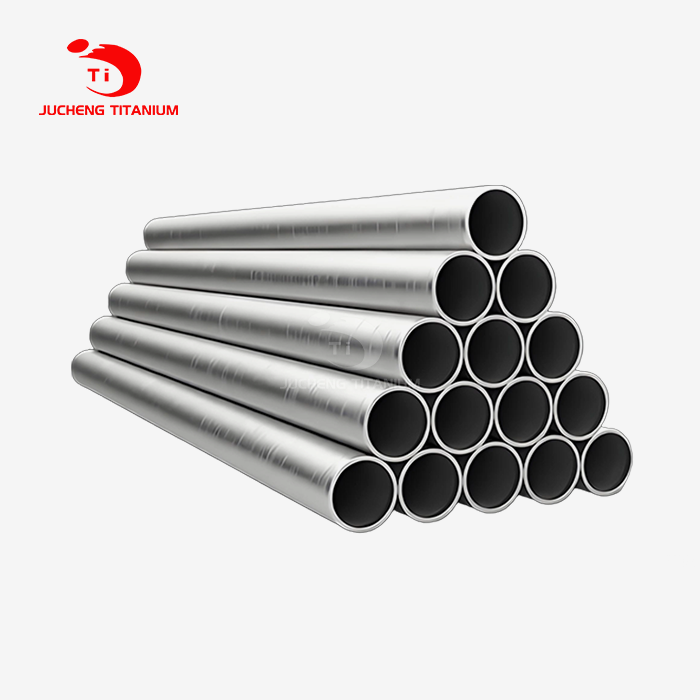
Gr5 Titanium Tube has emerged as the gold standard in medical device manufacturing due to its unique combination of biocompatibility, mechanical strength, and corrosion resistance.


This Ti-6Al-4V alloy offers exceptional performance in demanding applications such as surgical implants, orthopedic devices, and diagnostic instruments. Medical device manufacturers choose this material because it provides superior strength-to-weight ratios compared to stainless steel, maintains structural integrity during repeated sterilization cycles, and demonstrates excellent compatibility with human tissue, making it ideal for long-term implantable devices.
Understanding Gr5 Titanium Tube: Properties and Specifications

For the Gr5 Titanium Tube to work in medical settings, it needs to have a certain metallurgical composition. Ti-6Al-4V is made up of about 90% titanium, 6% aluminum, and 4% vanadium. It has an alpha-beta phase structure that gives it amazing mechanical properties. The microstructure of the material is stabilized by this alloy composition, which makes it strong enough to work in harsh medical environments.
Chemical Composition and Manufacturing Standards
Manufacturers make seamless Gr5 Titanium Tubes that meet strict international standards. The standard for seamless pipes is ASTM B861, and the standards for welded versions are ASTM B337 and ASTM B338. AMS 4942 and ASME SB338 are extra quality standards for aerospace that many medical device makers use to make their products more reliable. These standards ensure that the same materials work the same way in different batches of production, which remains critical for medical regulatory compliance.

Extrusion, piercing, cold rolling, annealing, pickling, and straightening are some of the steps in the production process. The mechanical properties and surface quality of the finished tube are affected by each step. The outer diameters that are available range from OD3 to OD219 mm, and the wall thicknesses range from 0.5 mm to 20 mm. Customization is possible to meet unique design needs.
Mechanical and Thermal Characteristics
The ultimate tensile strength of Gr5 Titanium Tube is more than 895 MPa, and its ultimate yield strength is more than 828 MPa. This performance is much better than widely pure titanium types like Gr2, which usually have tensile strengths of around 345 MPa. Up to 400°C, the material stays stable at high temperatures without deforming, so it can be used in medical facilities where heat sterilization is widespread.

Its density is about 4.43 g/cm³, which means it is much lighter than surgical-grade stainless steel. This trait is especially useful for handheld surgical instruments, since ergonomics has a direct effect on how tired surgeons get during long procedures. With an elastic stiffness of about 113 GPa, the material is closer to bone tissue than steel options. This means that orthopedic implants don't protect against stress as well.
Advantages of Gr5 Titanium Tubes in Medical Device Manufacturing
When medical device makers choose materials, they put performance in biological settings at the top of their list. Multiple important needs are met at the same time by Gr5 Titanium Tubes, which makes them essential for modern medical uses.
Biocompatibility and Patient Safety
Ti-6Al-4V is very well tolerated by humans because it has an inactive oxide layer that forms on its own when it comes in contact with oxygen. This protective film stops the release of metal ions into nearby tissues, which stops the harmful and allergic reactions that often happen with nickel-containing alloys. Clinical studies that span decades have shown that this material has a limited inflammatory reaction and good osseointegration when it is used in bone implants.

Biocompatibility is improved even more by surface treatments like machined, polished, and acid-pickled finishes. The annealed and pickled state makes the surface ideal for medical uses by getting rid of any contaminants that might have been introduced during production. Paying attention to the quality of the skin is directly linked to fewer infections and better long-term implant success.
Superior Corrosion Resistance
Body fluids, which contain chlorides, proteins, and different pH levels, can be very acidic. It is much better than 316L stainless steel at stopping pitting, crevice corrosion, and stress corrosion cracking when these things happen to Gr5 Titanium Tubes. The stable oxide layer grows back right away if it gets scratched or damaged, protecting the device for its whole life.
This protection to rust directly means that the device will last longer. Replacement hips and knees made of Gr5 Titanium Tube usually work for twenty years or more without breaking down. This durability is also good for cardiovascular stents and dental implants, which lowers the need for revision surgery and improves patient outcomes.
Mechanical Performance Under Stress
Medical devices are loaded and unloaded many times, hit hard, and are under different kinds of stress. Even after millions of cycles, the material's wear strength stays high, which is important for uses like artificial heart valves and bone fixing plates. The strength-to-weight ratio is about 45% higher than that of stainless steel, which lets device walls be smaller without affecting the structure's strength.
The material's mechanical qualities are not changed by sterilization methods like autoclaving, gamma radiation, or ethylene oxide. This steadiness makes sure that the device works the same way throughout its clinical life, which meets the FDA's strict requirements for medical device dependability.
Comparison of Gr5 Titanium Tubes with Other Material Options in Medical Use
To choose the right material, you have to think about a lot of things, like performance, cost, how hard it is to make, and any regulations that apply. Procurement managers can make better decisions when they know how Gr5 Titanium Tube stacks up against other options.

Titanium Alloy Versus Stainless Steel
316L surgical-grade stainless steel has been used in the medical field for many years because it is cheaper and can be made in standard ways. However, the Gr5 Titanium Tube has a number of clear benefits. It is possible to lose up to 45% of weight while keeping the same level of power. This makes surgical tools much more ergonomic. Patients with titanium implants can easily go through magnetic resonance imaging (MRI), but some steel parts can cause dangerous projectile risks or picture artifacts.
Titanium is clearly the best material for long-term implant use because it doesn't rust. While stainless steel works well for temporary devices, titanium is better because it is more resistant to body fluids. This means that slow ion release doesn't happen, which can damage tissue and make implants open over time. When the modulus of elasticity is closer to that of natural bone, stress shielding is lessened. This helps the bone integrate better and keeps the implant stable.
Grade Comparison Within the Titanium Family
Commercially pure titanium (Gr1, Gr2, Gr3) is less expensive than alloy types and has better protection against corrosion and shapeability. These materials work well for things that don't need to hold weight, like housings for medical instruments or tooth abutments. But they aren't strong enough to be used as solid implant parts.
Gr5 Titanium Tube is the level of performance needed for heavy-duty load-bearing jobs. Gr7 and Gr12, which have small amounts of palladium added to them, make them more resistant to corrosion in reducing acids, but they cost more to make and don't work better for most medical devices. Gr9 (Ti-3Al-2.5V) is a middle ground that can be shaped better than Gr5 but is stronger than widely pure grades. However, it is not used as much in medical uses because it doesn't have a lot of clinical history.
Procurement Insights: Buying Gr5 Titanium Tubes for Medical Devices
To do good buying, you need to know what the seller can do, what certifications are needed, and how the market works. As long as they follow the rules, companies that make medical devices have to find a balance between quality control and cost management when sourcing Gr5 Titanium Tubes.
Supplier Selection and Certification Requirements
Suppliers with a good reputation keep full quality control systems that are certified to ISO 13485 for medical equipment. Full chemical composition analysis confirmed by optical emission spectrometry, mechanical test results according to ASTM E8 standards, and paperwork linking finished tubes to source ingots should all be part of material certificates.

For important uses, non-destructive testing is now a must. Eddy current inspection finds flaws on the surface, while ultrasonic testing finds flaws inside. Hydrostatic testing makes sure that tubes used in fluid delivery systems can handle pressure. Suppliers who provide full inspection records show they care about quality, which leads to fewer problems in the production process later on.
Titanium Valley, which is in the Baoji area of China, is home to specialized makers with decades of experience working with titanium. This kind of knowledge is shown by Baoji Jucheng Titanium Industry Co., Ltd., which has four invention patents and forty-one utility model patents that are directly used to make products. Their position as a national high-tech company and their unique "little giant" designation show that they have advanced technical skills.
Customization and Order Considerations
When designing medical devices, designers often need sizes, finishes, or mechanical properties that aren't available in standard catalogue items. Some of the best providers offer custom services, such as precise cold drawing to get close diameter tolerances, special annealing plans to improve mechanical qualities, and custom surface processes to make the materials more biocompatible.
Different providers have very different minimum order amounts. Large distributors may need large amounts, but specialized manufacturers can usually handle smaller amounts for developing prototypes or making devices that will only be made a few times. Companies like Jucheng Titanium can deliver quickly because they keep about 3,000 tons of titanium in stock all year. This cuts down on wait times that would normally make procurement processes last for months.

Cost-Benefit Analysis
The initial cost of materials for Gr5 Titanium Tube is about 300–400% higher than that for stainless steel tube. Total cost of ownership calculations, on the other hand, show a different economic picture. Lighter devices are easier to use and cost less to ship. Longer implant lives mean fewer correction surgeries, which saves a lot of money for the healthcare system. Better biocompatibility lowers the number of complications and the liability risks that come with them.
Economic research also looks at how well things are made. Titanium is very strong, but it is also very easy to machine. This means that it can be made more quickly and with less tool wear than harder stainless steels. Because the material doesn't corrode, it doesn't need a protective coating. This makes production easier and lowers the cost of meeting environmental standards.
Why Leading Medical Device Companies Choose Gr5 Titanium Tubing
Patterns of acceptance in the industry show strong proof of the benefits of Gr5 Titanium Tube in real-life medical settings. Case studies of a variety of device types show that performance gains are constant.
Clinical Applications and Success Stories
For hip stems, spine fixation rods, and fracture plates, orthopedic device makers have switched mostly to parts made of titanium alloy. The material's osseointegration properties help the bone attach directly to the implant, which makes the implant more stable and speeds up the healing process for patients. Over ten years, dental implants made of Gr5 Titanium Tube have a success rate of over 95%, making them the clinical gold standard.

The material's strength, flexibility, and biocompatibility make it useful in cardiovascular applications. Coronary stents made from thin-walled Gr5 Titanium Tubes are strong enough in the radial direction while causing as little damage to the blood vessels as possible. Pacemaker and defibrillator housings protect the sensitive electronics inside while still being MRI conditionally compatible, which is something that patients and doctors are asking for more and more.
Surgical instrument manufacturers appreciate the ergonomic benefits. Laparoscopic tools made of Gr5 Titanium Tube keep surgeons' hands from getting tired during long minimally invasive procedures. The thermal conductivity of the material helps keep the grip temperature comfortable during long-term use, which improves surgery accuracy and results.
Quality Assurance and Long-Term Partnerships
Medical device regulations require suppliers to go through strict qualification steps. Manufacturers want partners who can provide consistent quality over long periods of time, not just those who offer competitive prices. Companies that have been processing titanium for more than twenty years, like Jucheng Titanium since 2004, offer the practical security needed for long-term supply lines for medical devices.
As part of strategic relationships, people often work together to create new ideas. Suppliers with skilled technical research and development teams help with the creation of devices by providing material knowledge and making sure that tube specs are best for each application. Working together with groups like the Northwest Institute for Nonferrous Metal Research and big universities makes it possible to come up with new ways to process alloys and check their quality.
Service after the sale is what sets top sellers apart from commodity vendors. Full-service management teams that offer expert advice, quickly fix problems, and run ongoing improvement projects based on customer feedback show that the company's dedication goes beyond the initial sales. This focus on relationships fits with the quality-first culture of the medical equipment business.
Conclusion
For tough medical device uses that need biocompatibility, mechanical strength, and corrosion resistance, Gr5 Titanium Tube is the best material choice. Its Ti-6Al-4V makeup makes it perform better than stainless steel and commercially pure titanium grades in a number of important ways. To do good procurement, you need to work with certified suppliers who can provide full quality documentation, the ability to customize products, and technical know-how. Medical device makers should look at the total cost of ownership instead of just the initial material costs. This is because Gr5 Titanium Tube has better performance, which means better patient outcomes, longer device lifespans, and lower complication rates, all of which add up to a lot of long-term value.
FAQ
1. How does Gr5 titanium compare to stainless steel for implantable devices?
Gr5 Titanium Tube has many benefits, such as being 45% lighter, more resistant to corrosion in bodily fluids, better compatible with MRIs, and having an elastic modulus that is closer to that of natural bone. Even though stainless steel is cheaper at first, titanium implants last longer and have fewer problems, making them a better overall deal for permanent implants.
2. Can titanium tubing be customized for specific medical device designs?
Reliable providers offer a wide range of customization options, such as exact diameter and wall thickness requirements, special annealing treatments to improve mechanical qualities, and different surface finishes, like machined, polished, or acid-pickled states. For both prototypes and production runs, it is usually possible to handle custom lengths and tight tolerances.
3. What certifications should suppliers provide for medical-grade titanium tubes?
The most important paperwork includes ISO 13485 certification for medical device quality systems, full material certifications with chemical composition analyses, ASTM-compliant mechanical test records, non-destructive test results, and full tracking from source ingot to finished product. Suppliers who want to sell to people in the United States may need to register with the FDA.

Partner With Jucheng Titanium for Superior Medical-Grade Materials
Baoji Jucheng Titanium Industry stands ready to support your medical device manufacturing requirements with premium Gr5 Titanium Tube solutions. Our twenty years of specialized titanium processing experience, combined with four invention patents and forty-one utility model patents, ensure technical excellence in every seamless tube we deliver. As a national high-tech enterprise maintaining approximately 3,000 tons of titanium inventory, we provide rapid delivery that keeps your production schedules on track. Our professional technical teams collaborate with medical device manufacturers throughout the design process, optimizing material specifications for your specific applications while ensuring compliance with ASTM B861, ASTM B338, and relevant international standards. Contact our experienced team at s4@juchengti.com to discuss your requirements with a trusted Gr5 Titanium Tube manufacturer committed to quality, customization, and comprehensive after-sales support.

References
1. Titanium for Medical and Dental Applications, ASTM International Standards Manual (2019), ASTM Committee F04 on Medical and Surgical Materials and Devices.
2. Biocompatibility of Ti-6Al-4V Alloy in Orthopedic Applications: A Comprehensive Review, Journal of Biomedical Materials Research Part B: Applied Biomaterials (2021).
3. Mechanical Properties and Fatigue Behavior of Titanium Alloys in Medical Device Manufacturing, Materials Science and Engineering: C (2020).
4. Corrosion Resistance of Titanium and Its Alloys in Physiological Environments, International Journal of Corrosion Science (2022).
5. Quality Control and Testing Procedures for Medical-Grade Titanium Tubing, Medical Device Quality Assurance Standards (2023), FDA Center for Devices and Radiological Health.
6. Comparative Analysis of Metallic Biomaterials for Surgical Implants: Titanium Alloys versus Stainless Steel, Clinical Orthopedics and Related Research (2021).