
Grade 2 Titanium Round Rod for Marine and Chemical Industry
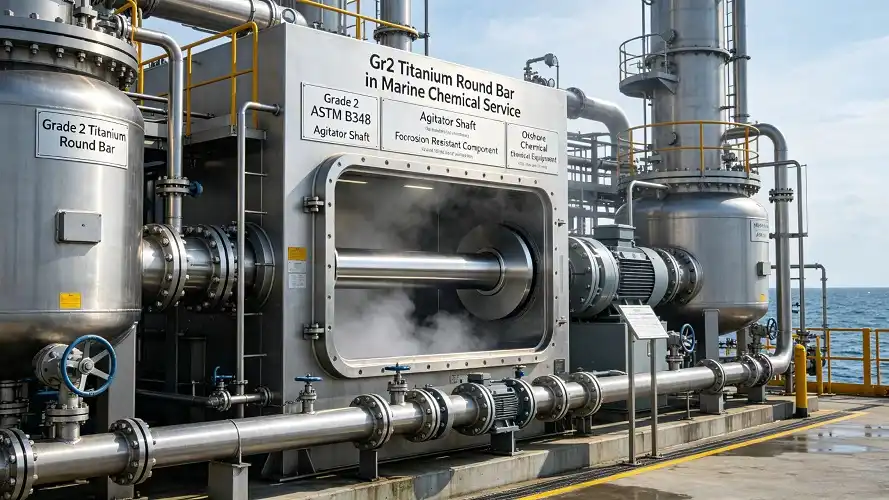
When marine engineers and chemical plant managers have to deal with rust problems that break down regular metals in months, they turn to grade 2 titanium round rods, which last for decades and still work well. This commercially pure titanium bar is very resistant to corrosion in saltwater and chemical environments. It also has a moderate level of structural strength and great fabrication flexibility, which makes it the best choice for heat exchangers, process pipes, pump shafts, and offshore parts where equipment failure could have serious operational and safety consequences.
Understanding Grade 2 Titanium Round Rod: Properties and Composition
Grade 2 titanium, also known as UNS R50400 in international metallurgical standards, is the most flexible commercially pure titanium grade. Jucheng Titanium has worked with this material a lot over the past twenty years. Our working experience has shown us how its balanced qualities can be used to solve real-world engineering problems.
Chemical Composition and Purity Standards
The chemical structure of Grade 2 titanium tightly controls unwanted elements to make it more resistant to rust while still being easy to work with. Titanium has an even makeup, with oxygen at a maximum of 0.25%, iron at 0.30%, nitrogen at 0.03%, and carbon at 0.08%. This carefully controlled chemistry makes it possible for a strong titanium dioxide passive film to form on its own. This film heals itself right away after being scratched or abraded, protecting the metal from chloride-induced pitting and crevice corrosion that kills stainless steel in seawater use.

Mechanical Performance Characteristics
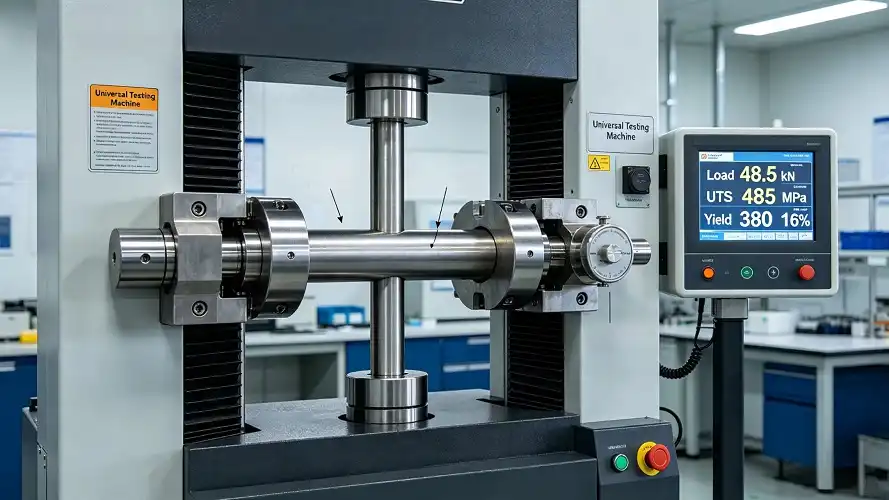
Our grade 2 titanium round rods that have been annealed always have a minimum tensile strength of 345 MPa and a minimum yield strength of 275 MPa, which meets the standards of ASTM B348 and ASME SB348. In normal tests, the extension is more than 20%, showing ductility that lets cold-forming processes happen that aren't possible with higher-strength alloys. With a density of 4.51 g/cm³, the material is about 40% lighter than stainless steel, which lowers the structural loads on ships and chemical processing skids. Temperature performance stays the same from freezing temperatures to about 315°C, which is hot enough for most sea and chemical equipment to work.
Manufacturing Process and Quality Assurance
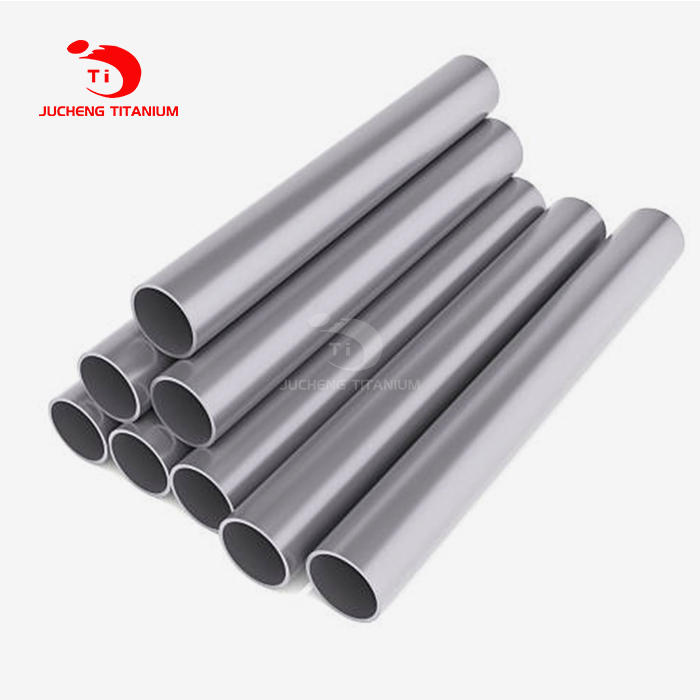
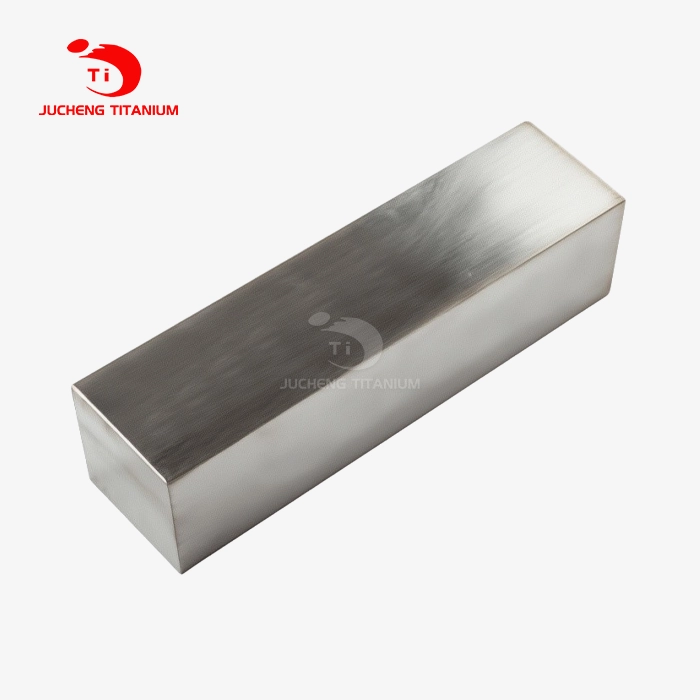
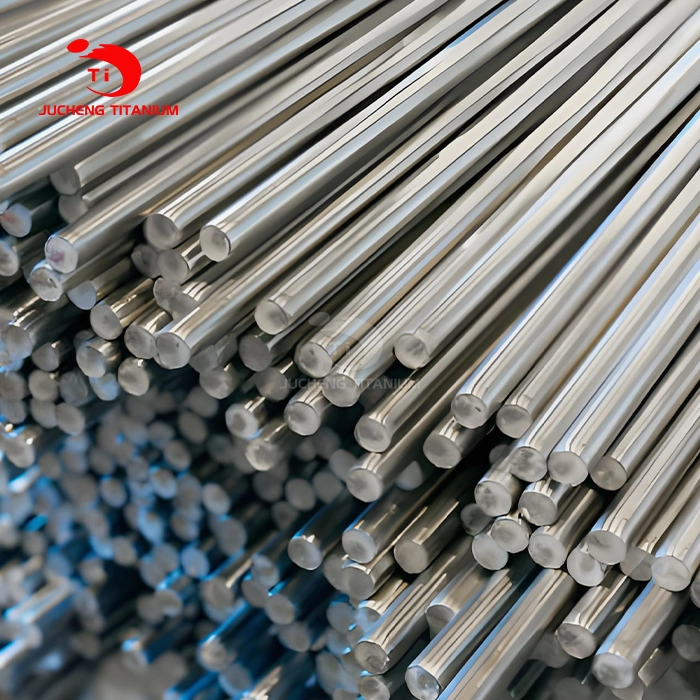
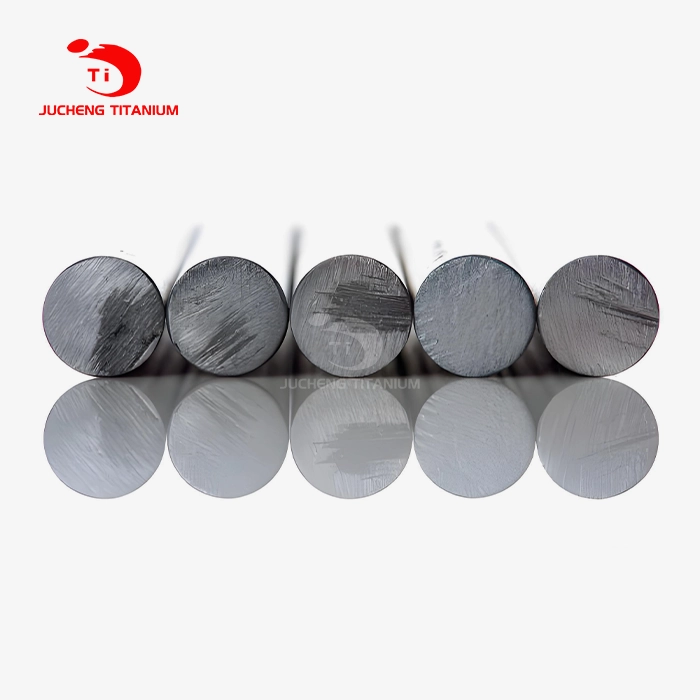
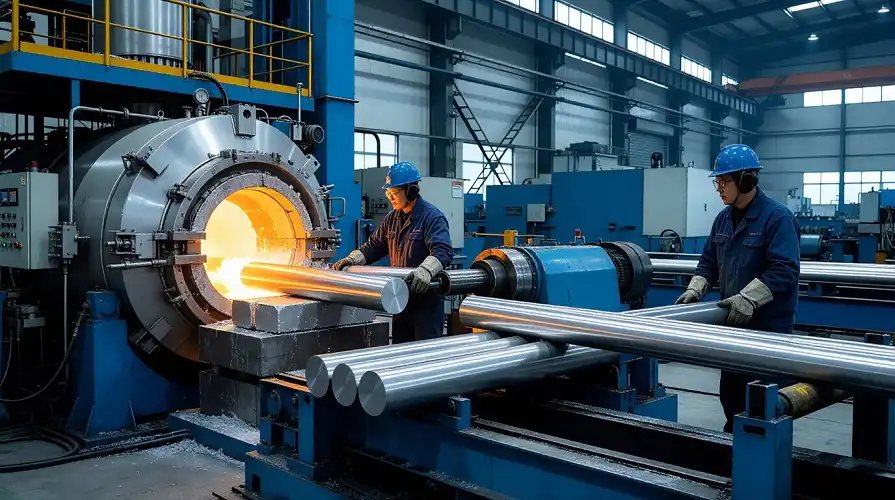
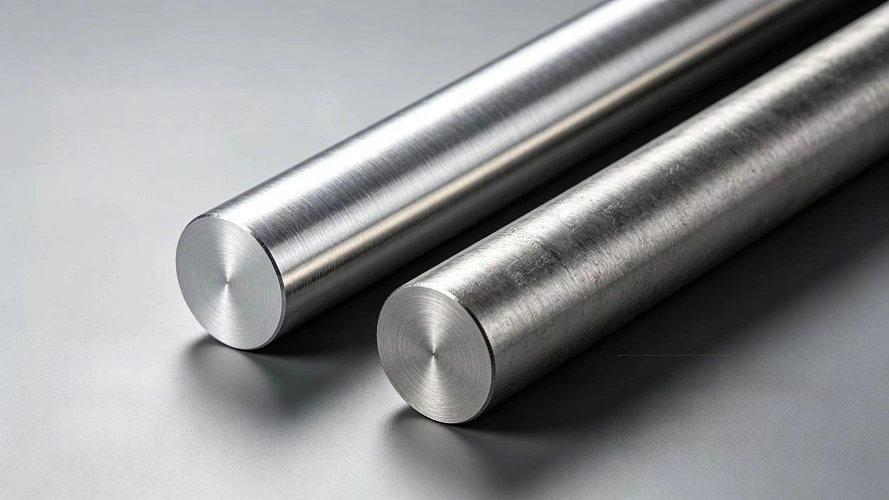
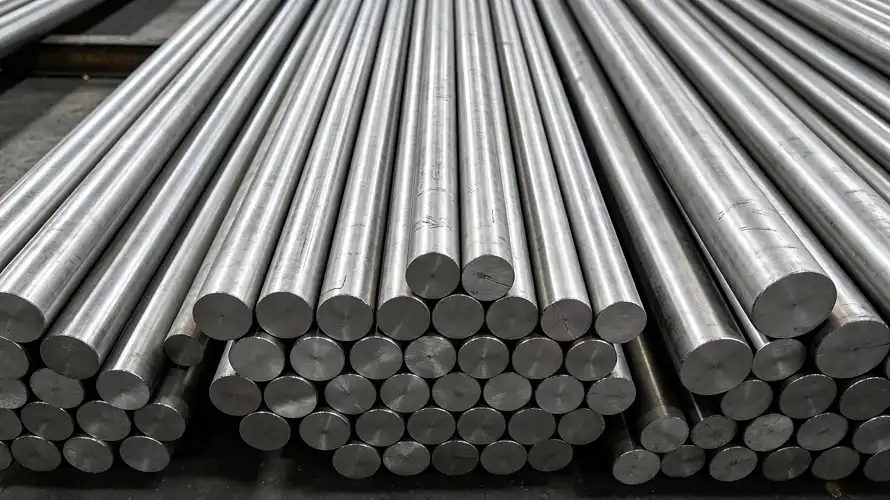
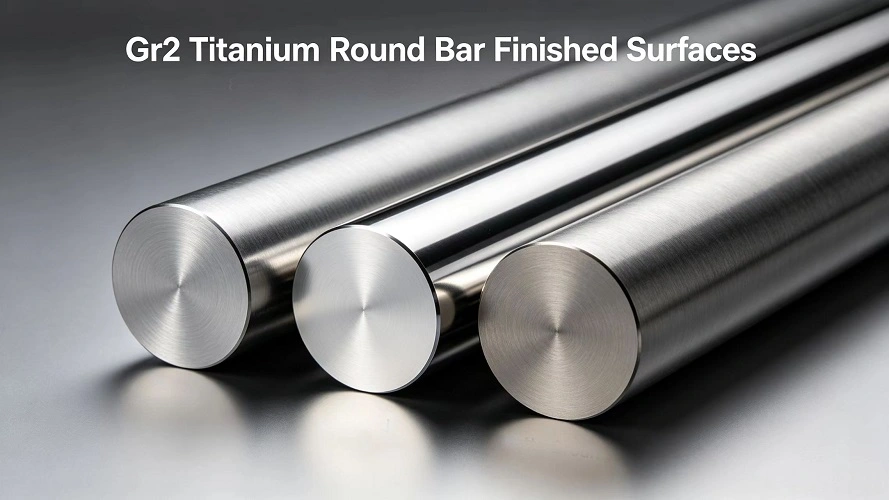
The first step in making Grade 2 titanium round rods is vacuum arc remelting, which gets rid of interstitial contamination. This is followed by several forging processes, which smooth out the grain structure and get rid of any holes. Before centreless grinding or precision turning can make the billet's diameter very close to the end size, it is hot-rolled or forged rotationally. At Jucheng Titanium, we offer different surface finishes, such as acid-pickled matte grey surfaces for welded parts, brightly polished bars for CNC machining tasks that require little stock removal, and sanded finishes to make coatings stick better. We can make diameters from Φ6mm to Φ450mm, and normal lengths go up to 6000mm. However, we can also make custom lengths up to 12000mm to meet the needs of naval shafts and chemical columns. For procurement compliance, each batch goes through full material approval tracking according to AMS 4928 and ISO 5832-3 standards. This includes chemical analysis, non-destructive inspection, and mechanical testing.
Comparing Grade 2 Titanium Round Rod with Other Materials
When choosing materials for corrosive settings, it's important to know how the performance of different choices compares, especially when project costs are tight, and equipment lasts longer than twenty years. Putting grade 2 titanium round rod up against other materials reveals distinct lifecycle advantages.
Grade 2 Versus Grade 5 Titanium Alloy
Grade 5 titanium metal (Ti-6Al-4V) has a minimum tensile strength of 895 MPa, which is about twice as high as Grade 2. This makes it a good choice for high-stress aircraft and defence uses. This edge in strength comes with big costs for use in the marine environment and chemical processes. Grade 5 is much less easy to shape when cold, so it has to be worked on in a furnace, which costs more to make. It gets harder to weld, and controlled gas tanks and heat treatment after welding are needed to keep the metal from becoming weak. When compared to widely pure Grade 2, Grade 5's alloying elements make it a little less resistant to corrosion in reducing acid conditions. Our purchasing teams usually suggest Grade 2 for chemical equipment and marine parts, where resistance to corrosion and ease of fabrication are more important than maximum structural strength. Grade 5 is saved for high-stress spinning equipment and aircraft parts.
Performance Against Stainless Steel Alternatives
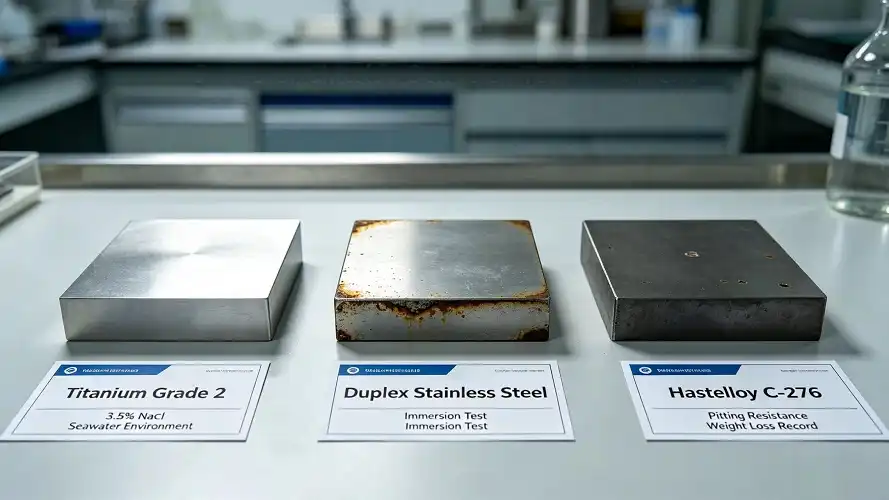
Duplex and super-duplex stainless steels are the best types of corrosion-resistant steel that are often compared to titanium. Even though these special steels are cheaper at first, they fail horribly in warm chloride conditions due to stress corrosion cracks, which Grade 2 titanium doesn't show any signs of. When used to cool seawater, stainless steel heat exchangers usually need to be replaced every five to eight years because of pitting rust. Titanium units, on the other hand, don't need any upkeep for decades. Because stainless steel is heavier, offshore platforms and marine vessels need more structural support. This cancels the material cost benefits when the total fixed costs are calculated.
Comparison with Aluminum and Exotic Alloys
Aluminium alloys are cheaper to make and not as dense as titanium, which makes them a good choice for naval uses that need to be light. Concerns about galvanic corrosion appear when aluminium comes into contact with different metals in salt water. This process needs to be done carefully, which makes the design more difficult and raises the cost of assembly. Aluminium loses its strength quickly when the temperature goes above 150°C, so it can't be used in chemical processes that need high temperatures. Hastelloy C-276 and other exotic nickel metals are as chemically resistant as titanium, but they cost two to three times as much and don't protect against corrosion better than Grade 2 in oxidising chloride settings. Because of its position, commercially pure titanium is the most cost-effective choice for most chemical processing and naval uses.
Procurement Considerations for Grade 2 Titanium Round Rod
Because of the unique production facilities and quality control needs of reactive metal processing, finding titanium materials requires different evaluation criteria than buying regular metals. Things to think about when buying a titanium round stock include supplier integration and material traceability.
Supplier Qualification and Certification Requirements
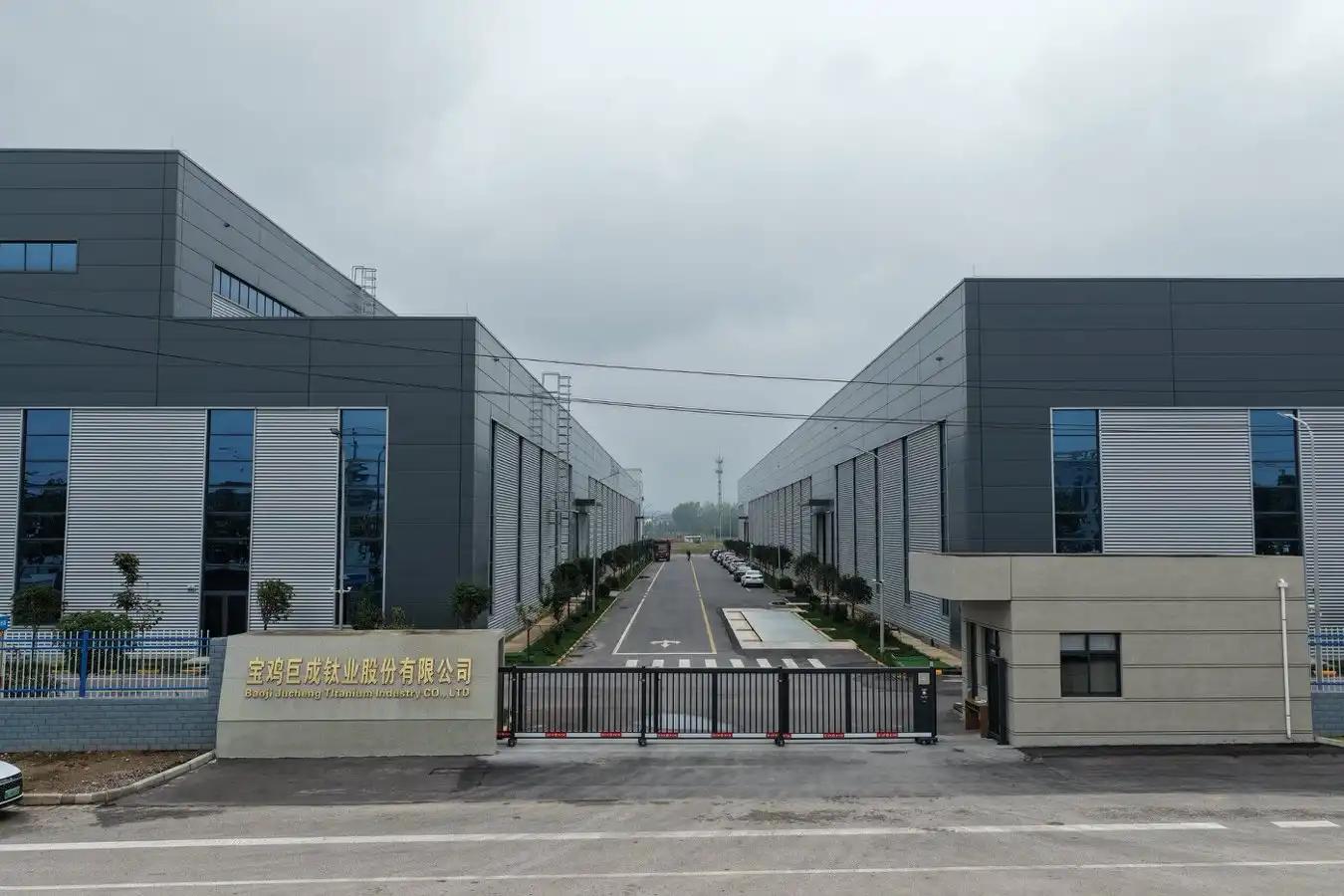
Qualified titanium sources keep vertical integration going from making ingots to finishing the work. This ensures that the material is traceable and that its properties remain consistent. Some of the biggest companies in the world, like VSMPO-AVISMA and Timet, make high-quality materials for the aerospace industry. Other companies, like Jucheng Titanium, focus on the industrial and chemical processing markets by offering reasonable prices and a range of order sizes. We suggest that when you look at suppliers, you look at their certificates. These should include ISO 9001 for quality management, AS9100 for aerospace uses when needed, and material certifications like mill test reports that show the chemical and mechanical properties of each heat lot. Production capacity is important for keeping projects on schedule. At Jucheng Titanium, our 3,000-tonne inventory allows for quick delivery for shutdowns and project speedups that normal mill lead times can't handle.
Order Structuring and Custom Processing Options
Minimum order numbers vary a lot from one seller to the next. For example, big mills usually need to buy by the tonne, while specialised processors can accept smaller project-specific orders. Custom cutting services cut down on waste and get rid of the need for extra work. Our facilities offer precision sawing, CNC turning to print measurements, and fitting that makes parts ready to install. Lead times for standard diameter annealed bars from stock are usually two to four weeks, which includes shipping within a country. Forgings made to order or bars with odd dimensions may take up to twelve weeks, depending on when they are produced. When evaluating suppliers, procurement managers should ask for multiple surface finish examples because machining allowances and surface roughness have a big effect on the costs and plans of later manufacturing.
Pricing Dynamics and Cost Management Strategies
Prices for titanium sponge determine the cost of base materials. For example, the price of a Grade 2 round bar depends on its diameter, number, and surface finish requirements. Because they cost more to process per unit weight, smaller sizes are pricier, and big forgings need special press capacity that limits the suppliers' choices. For yearly amounts greater than five tons, volume promises, and long-term supply deals usually lead to price increases of 10-15%. Material replacement is another way to control costs. For example, engineers will often choose Grade 2 when Grade 1 would do the job just as well and be easier to shape, or Grade 5 when it adds too much cost without adding any usefulness. Working with expert sales teams that have a lot of experience will make sure that your specifications are optimised in a way that matches performance needs with total project costs.
Applications and Case Studies in Marine and Chemical Industries
Real-life examples show how commercially pure grade 2 titanium round rods can help solve operating problems that lower safety, make upkeep more difficult, and lower profits in corrosive service settings.
Marine Industry Applications and Performance Data
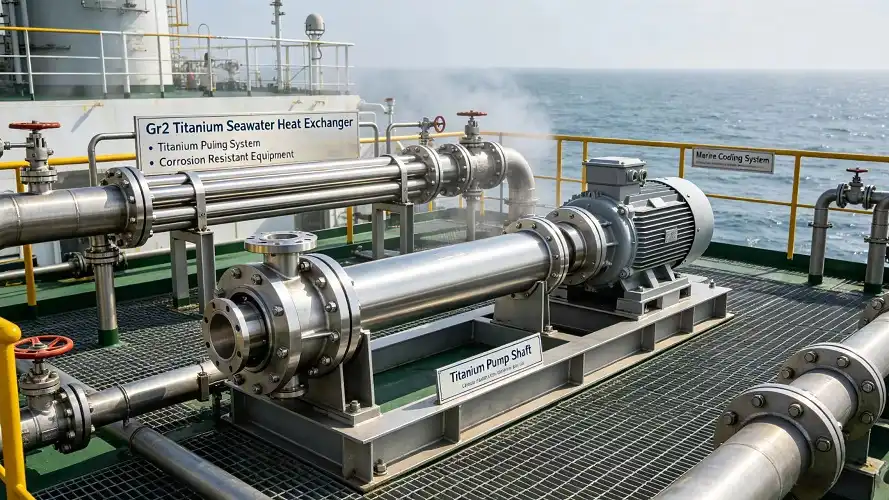
More and more, shipbuilders are asking for Grade 2 titanium to be used for heat exchanger tubes, pump shafts, and propeller shaft covers. A chemical ship fleet changed its 316L stainless steel seawater cooling systems to titanium ones after having repeated failures due to crevice corrosion at the joints of the flanges. The titanium installations got rid of $45,000 a year in upkeep costs and increased the system's life span from eight years to over thirty years, giving the investors a return on their investment within four years, even though the materials were pricier at first. Offshore platform workers use grade 2 titanium round rods for systems that handle produced water because hydrogen sulphide and chlorides make it hard for regular metals to work in those conditions. Working with marine engineering firms, we've made special pump shafts out of Grade 2 bar with an 80 mm diameter that don't need any protective coatings or cathodic protection systems. This makes servicing easier in faraway offshore sites.
Chemical Processing Equipment Solutions
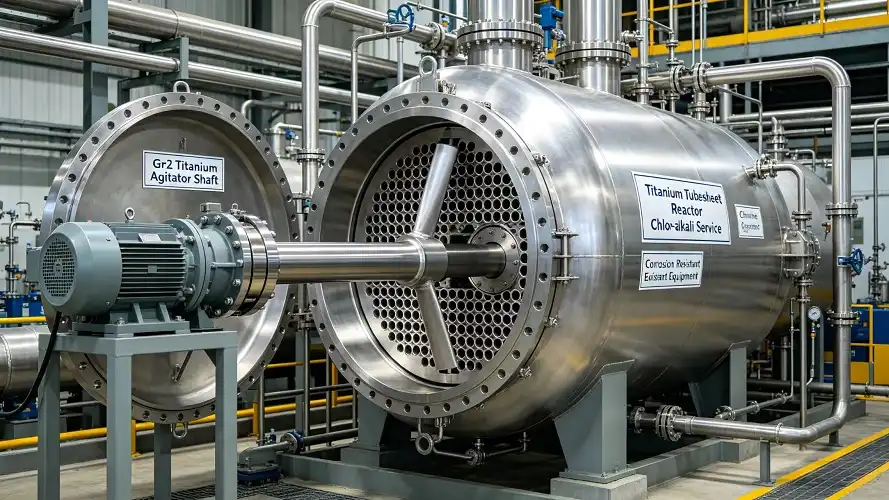
Wet chlorine, sodium hypochlorite, nitric acid, and organic acids quickly break down stainless steel and nickel metals, which is bad for chemical makers' equipment. Manufacturers of heat exchangers make tube sheets from large-diameter Grade 2 titanium round rod stock. This keeps process fluids and cooling water from corroding and prevents the tube-to-tubesheet joint failures that are common in bimetallic designs. Grade 2 titanium round rods are used by companies that make reactor vessels for agitator shafts, thermowell assemblies, and internal support structures that are exposed to high-temperature, corrosive process streams. A chlor-alkali plant case study showed that the plant used Grade 2 titanium agitator shafts instead of Hastelloy ones. The new shafts had the same rust resistance as the old ones but cost 60% less. They were also more reliable because titanium is better at resisting stress. For important corrosive service lines, process pipe fabricators prefer commercially pure titanium because it can be welded, which means it can be made and changed in the field without the need for special methods for high-alloy titanium grades.
Measurable Return on Investment
A lifecycle cost study of equipment repeatedly shows that titanium is more cost-effective than other materials, even though it costs more to buy. A full study that looked at titanium and super-duplex stainless steel heat exchangers in marine service figured out the total costs of ownership over twenty years. These costs included the initial investment, repairs, downtime, and replacement. The titanium units had a 35% lower total cost of ownership, which was mostly due to not having to change the tubes as often and having a longer service life. Another measurable benefit is that titanium pipe systems don't need any interior coating, cathodic protection anodes, or corrosion tracking beyond eye inspection. This means that they have much lower ongoing operating expenses than protected steel systems.
Conclusion
When choosing materials for chemical and marine settings, it's important to think about how well they fight corrosion, their mechanical qualities, how easy they are to work with, and how much they cost over their whole time. Grade 2 titanium round rods offer the best mix of these factors, giving you commercially pure material that can withstand harsh salt and oxidising acid environments while still being strong enough for structural and pressure-holding uses. Because the material is so resistant to corrosion, protective coatings are not needed. This means that equipment will last longer than with regular metals, and it will require less upkeep, which saves money for the business. To be successful in procurement, you need to work with qualified providers who keep certified inventory, can do special processing, and offer expert help during the specification and fabrication process.
FAQ
1. What distinguishes Grade 2 from Grade 5 titanium in chemical service?
Grade 2 titanium is a commercially pure alpha-phase material that is very resistant to rust and straightforward to weld. This makes it perfect for chemical processing equipment that will be used in settings with oxidising acids and chlorides. Grade 5 (Ti-6Al-4V) is an alpha-beta metal that has about twice the tensile strength but is less resistant to corrosion in some chemical conditions and has more complicated welding needs. Designers of chemical equipment usually choose Grade 2, unless certain structure loads are greater than its 345 MPa tensile strength.
2. Can titanium round bars be welded to carbon steel structures?
When titanium is directly fused to steel, weak titanium-iron intermetallic compounds are made that break effortlessly when they are stressed. For uses that need titanium-to-steel joints, you need to use explosive bonding, mechanical fastening with separation seals, or transition joint technologies that keep the metals from touching. Our engineering team helps with joint design for tasks that require metal links that are different from each other.
3. What lead times should procurement teams expect for custom orders?
Standard diameter annealed bars from Jucheng Titanium's 3,000-tonne stock usually ship within two weeks, and they can be cut to length to fit your needs. Lead times can go up to eight to twelve weeks for non-standard sizes, special surface finishes, or length needs that aren't the norm. The timeline depends on production schedules and the availability of forging capacity.
Source Grade 2 Titanium Round Rods from a Trusted Manufacturer
Jucheng Titanium keeps a large stock of grade 2 titanium round rods with sizes ranging from 6 mm to 450 mm. These rods are made to meet the requirements of ASTM B348 and ASME SB348 and can be fully tracked through material certification. With 20 years of experience handling titanium, we work with companies in North America and Europe that make chemical equipment, boats, and industrial contractors. We offer expert advice, custom cutting, and precise machining services that make the buying process easier and cut down on project timelines. You can email our engineering team at s4@juchengti.com to discuss your specific application needs and get quotes from Grade 2 titanium round rod sources who can meet your project dates for price and delivery.
References
1. Boyer, R., Welsch, G., and Collings, E.W. (1994). Materials Properties Handbook: Titanium Alloys. ASM International, Materials Park, Ohio.
2. Schutz, R.W. and Thomas, D.E. (1987). "Corrosion of Titanium and Titanium Alloys." Metals Handbook, Volume 13: Corrosion, ASM International.
3. Donachie, M.J. (2000). Titanium: A Technical Guide, 2nd Edition. ASM International, Materials Park, Ohio.
4. ASTM International (2020). ASTM B348-20: Standard Specification for Titanium and Titanium Alloy Bars and Billets. West Conshohocken, Pennsylvania.
5. Peters, M., Kumpfert, J., Ward, C.H., and Leyens, C. (2003). "Titanium Alloys for Aerospace Applications." Advanced Engineering Materials, Volume 5, Issue 6.
6. Sedriks, A.J. (1996). Corrosion of Stainless Steels, 2nd ed. John Wiley & Sons, New York, New York.