
High-Quality titanium metal plate Guide
When looking for materials for important business uses, it's important to know the specs for a titanium metal plate. This flat-rolled mill product, which comes in widths from 4mm to 80mm, has the best corrosion protection and strength-to-weight performance of any product on the market. These plates are made by vacuum arc remelting, hot rolling, and annealing. They solve two problems that have been around for a long time: the need for materials that are lighter than steel but stronger than aluminum, and the problem of rust causing parts to break down over time in harsh settings. Engineers and procurement professionals depend on carefully choosing titanium plates to keep aerospace, chemical processing, and marine applications from needing to change them often and save money on long-term upkeep costs.
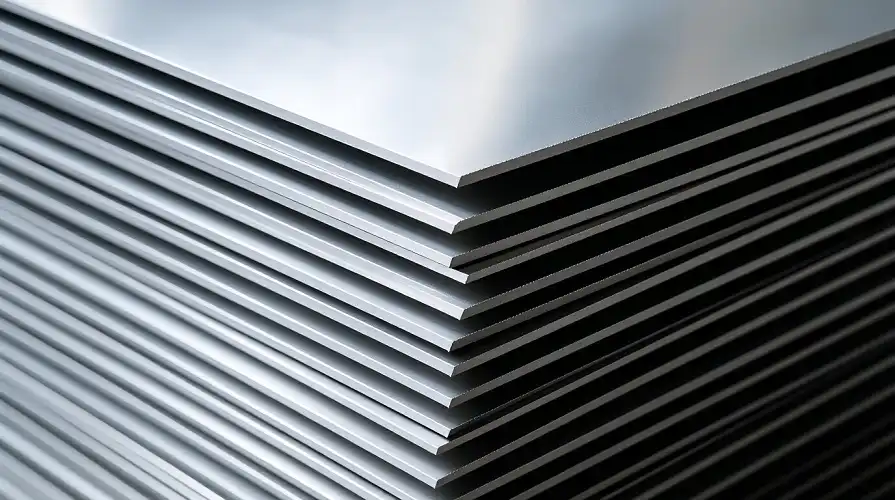
Understanding Titanium Metal Plates – Properties and Benefits
Defining Titanium Plates and Their Unique Characteristics
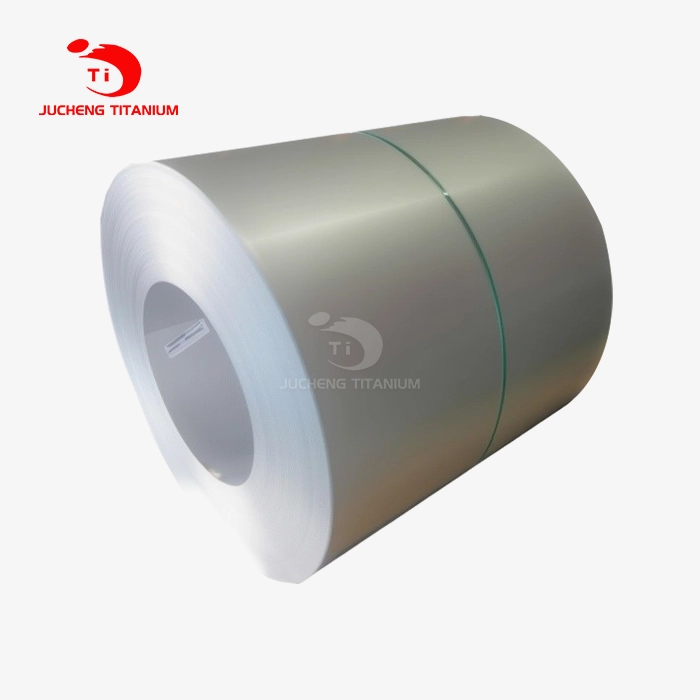
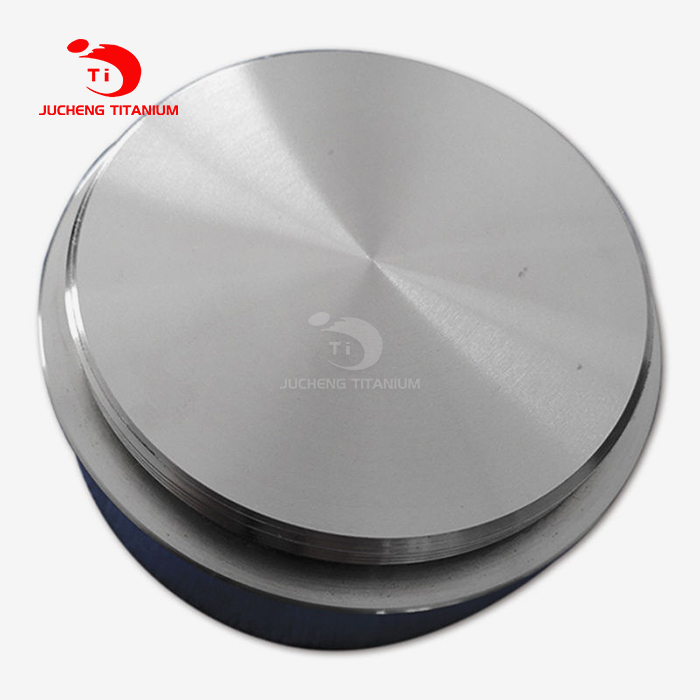
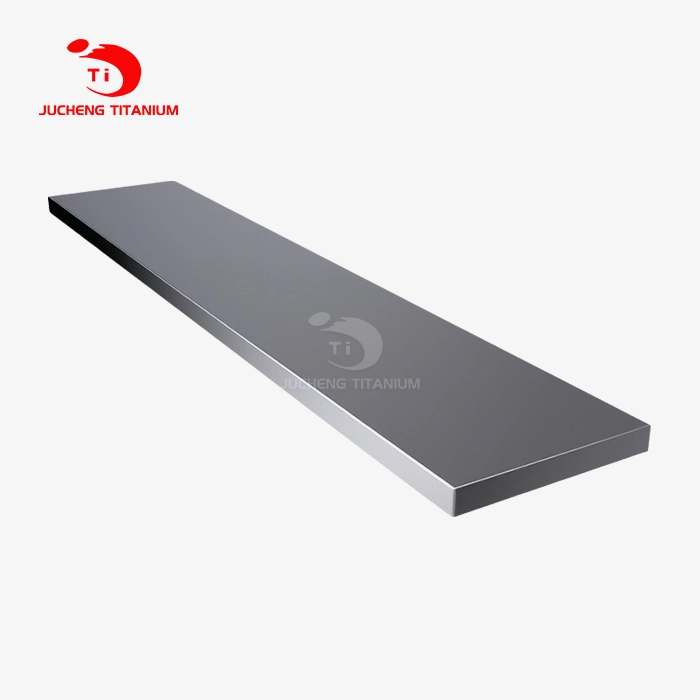
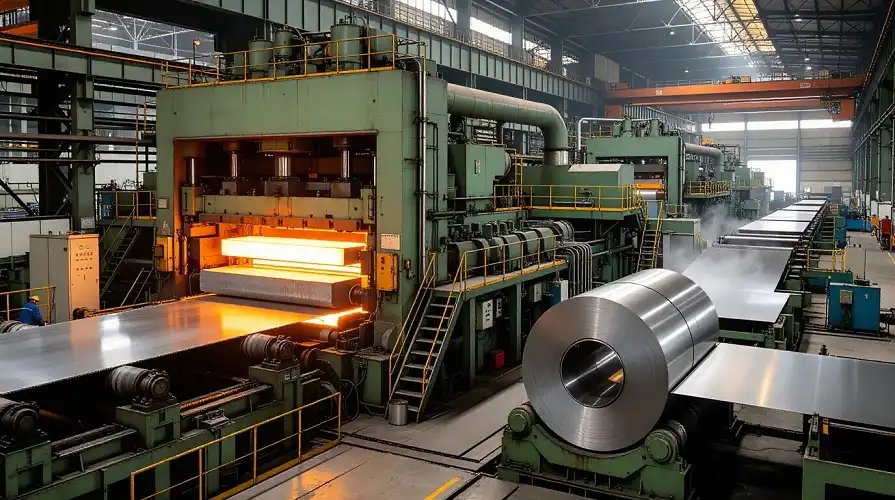
Titanium metal plate units are a special type of titanium mill product. They are usually thicker than 4.75 mm and are made through controlled hot rolling methods. In contrast to smaller sheets or foils, these plates keep their shape even when they are heated and cooled many times. To get precise microstructural integrity, the manufacturing process at places like Baoji Jucheng Titanium Industry includes several steps, such as rolling, heating, leveling, cleaning, and surface finishing. Specialized makers have been in the business for more than 20 years and keep 3,000 tons of stock on hand all year. They can deliver unique sizes up to 2500 mm wide and 10000 mm long, meeting the needs of projects right away without having to wait for longer lead times.
The difference between commercially pure (CP) titanium and alloyed types tells you what kinds of uses they are best for. Grades go from Gr1 to Gr12, and each has its own set of mechanical and chemical protection characteristics. This range meets a wide range of practical needs in many industries, from biomedical implants that need to be completely biocompatible to industrial equipment that needs to be resistant to stress corrosion cracking caused by chloride.
Material Grades and Their Specific Applications
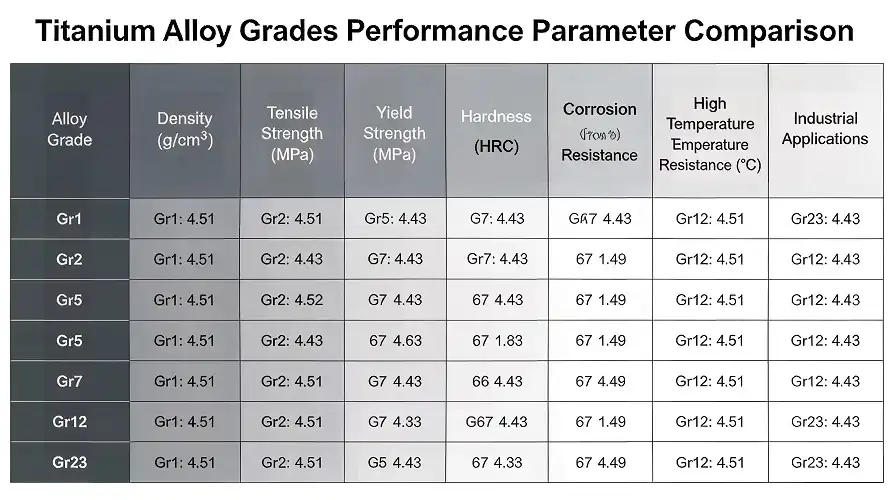
Based on their makeup and processing past, different types of titanium are used for different industry tasks. The most popular widely pure types, Gr1 and Gr2, are very resistant to corrosion and not too strong, which makes them perfect for heat exchangers and equipment used in chemical processes. These types meet the requirements of ASTM B265 and ASME SB265, which ensures that licensing and tracking of materials are always the same.
Gr5, which is also called Ti-6Al-4V, has aluminum and vanadium added to it, which makes it much stronger while still having a good level of rust protection. Manufacturers of aerospace parts like this grade for structural uses, where the high tensile strength (at least 895 MPa) makes the extra cost worth it. Small amounts of palladium are added to Gr7, which makes it work better in reducing acids where other grades fail. Gr9 and Gr12 are in the middle of the range of strengths and can be shaped more easily. They are good for industrial equipment that needs to be strong mechanically and easily fabricated.
Baoji Jucheng Titanium Industry has 4 invention patents and 41 usage model patents that have been successfully used on goods that meet these grade requirements. This technical base allows for the creation of custom alloys and unique heat treatment methods that make the qualities of materials better fit the needs of each customer.
Core Benefits Driving Adoption Across Industries
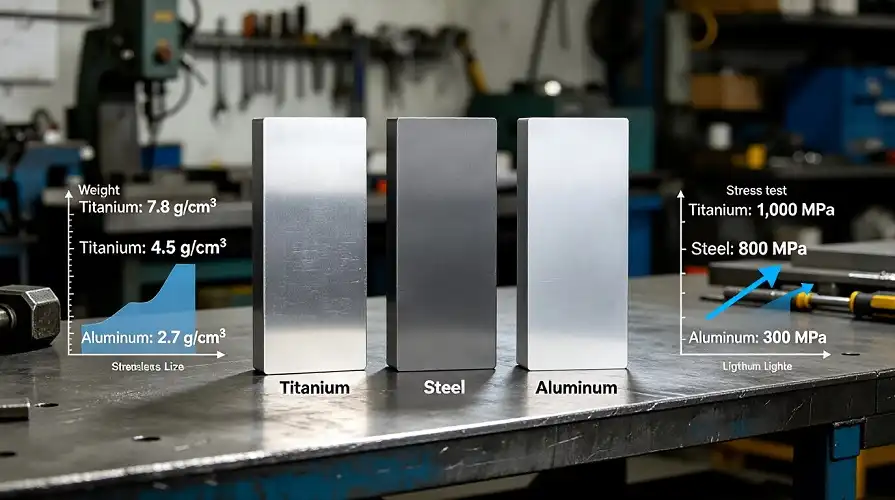
Titanium plates have an amazing strength-to-weight ratio that completely changes the ways they can be designed. Titanium is about 40% lighter than steel, with a mass of 4.51 g/cm³, but it is just as strong in many situations. This weight benefit directly means less fuel use in aerospace uses and less stress on the structure of marine bases.
Resistance to corrosion is another important factor. Titanium naturally creates a protective oxide layer that heals itself right away when it gets hurt. This makes it resistant to the pitting and crevice rust caused by chloride that breaks down stainless steel in saltwater and chemical environments. Titanium is used by chemical plant workers for the linings of reactors and pipelines that are exposed to harsh media. If the material fails in these places, it could lead to major downtime and environmental problems. Depending on the grade, the material can survive temperatures from very cold to around 600°C. This means it can handle liquefied gases and avoid oxidation at high temps.
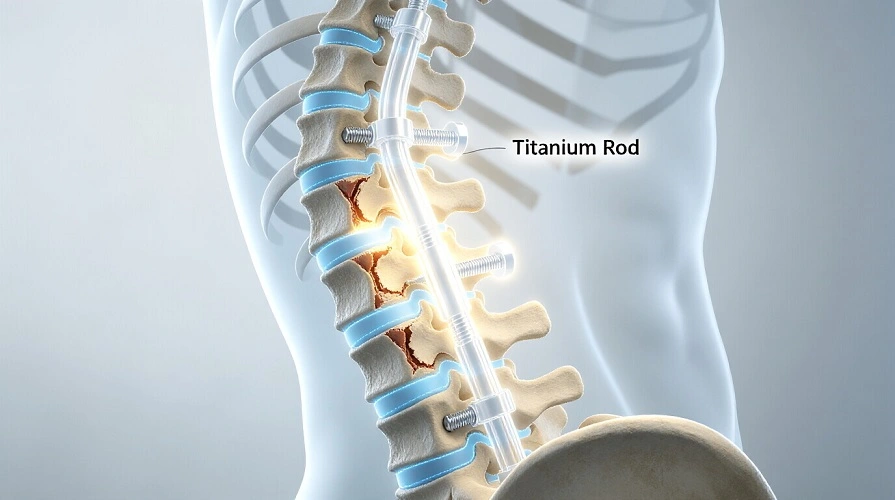
Medical-grade titanium plates are necessary for making surgical implants because they are biocompatible. The substance has osseointegration features, which let bone cells attach themselves directly to implant surfaces without the body rejecting them. Because it is biologically inert, it works with MRIs and can't be sterilized; this is why implant makers keep long-term supply relationships based on strict quality certifications and material purity control.
Procurement Considerations for High-Quality Titanium Metal Plates
Evaluating Supplier Credentials and Manufacturing Capabilities
To find trustworthy titanium metal plate suppliers, you need to do more than just compare prices. Managers of procurement should check the company's ability to manufacture, certify quality systems, and offer technical support. Established sellers show consistent product quality by having written checking procedures, testing equipment that is always regulated, and trained staff who follow standard procedures.
A manufacturing capability review looks at the precise cutting tools that are available, the different ways that the surface can be treated (polished, machined, or acid-pickled), and the custom fabrication services that are available. Companies that make more than 500 sets of titanium equipment every year, such as specialized heat exchangers and reactors, know a lot about the processes they use, which means they can give better expert advice for optimizing component design.
Stability in the supply line is a very important factor in planning a project. If a supplier keeps 3,000 tons of different types of titanium in stock, they can meet pressing needs right away without making customers wait for longer mill lead times. It shows that the company is financially stable and committed to providing the level of customer service that is expected in a business-to-business relationship.
Understanding Lead Times and Order Customization
Standard titanium plate sizes can be shipped within days from a stockpile, but custom sizes need to be coordinated with rolling schedules. It comes in thicknesses from 4mm to 80mm, widths from 950mm to 2500mm, and lengths up to 10000mm, so it can be used in a lot of different situations. Early on in the quoting process, procurement workers should make sure that dimensional needs are communicated. This is because non-standard sizes may require minimum order numbers or longer production plans.
Custom manufacturing can do more than just make things to order. It can also do specific heat treatments, surface preparation methods, and edge conditioning. Manufacturers of chemical equipment often need specific values for surface roughness or flatness that can only be reached by adding more processing steps. When a supplier offers full customization services, it makes the buying process easier because they combine multiple tasks into one single source of responsibility.
Pricing Structures and Total Cost Considerations
Titanium plate prices depend on a number of factors, such as the cost of the base metal, the difficulty of the processing, the amount of agreements, and any value-added services that are offered. Buyers should ask for thorough quotes that break down the costs of materials, handling, and shipping. Volume savings are big when you buy more than 500 kg, and tiered price systems reward partnerships that last a long time.
Transportation costs a lot because of how dense the materials are and how big they can be. Shipping within the US from ports on the West Coast to suppliers along the Pacific Rim usually adds 10 to 15 percent to the landing cost over buying directly from the plant. Instead of just looking at unit prices, strategic buyers look at the total supplied cost, which includes freight, insurance, customs taxes, and payment terms.
How you pay depends on the seller and the amount of the order. Net 30 or net 60 terms may be available for long-term ties, but deposits or letters of credit are usually needed for first sales. If you know these financial needs when you're making your budget, you can avoid project delays caused by problems with taking payments.
Practical Guide on Working with Titanium Metal Plates
Cutting and Fabrication Techniques
To avoid work hardening and tool wear when milling titanium metal plate units, you need to know how to do it right. Waterjet cutting is great for precision parts that need to be made with very tight tolerances because it gives great results without leaving heat-affected areas. Unlike traditional cutting, this method keeps the material's qualities along the cut edge and creates much less waste.
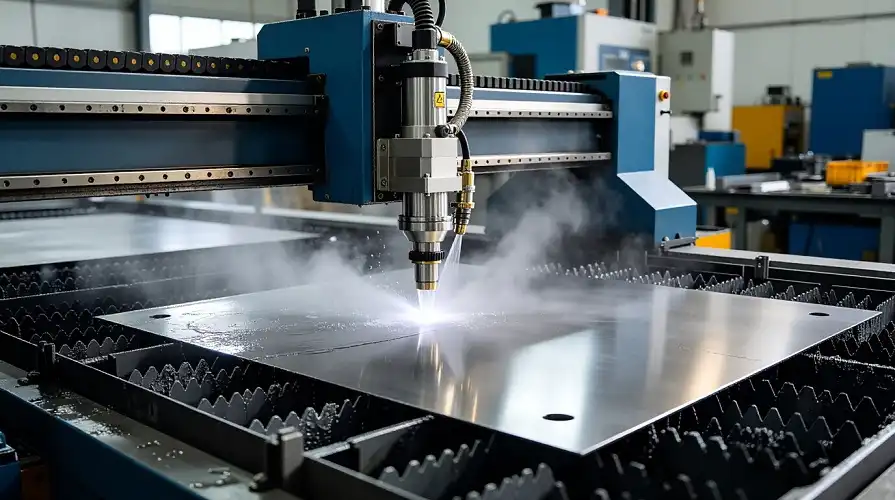
Laser cutting is faster, but the parameters need to be carefully managed to avoid too much heat, which could change the substructure near the cut edges. Plasma cutting works well for bigger plates, but the edges are rough and need to be smoothed out more. Professional makers choose the best way to cut based on the material's thickness, the tolerances that need to be met, and the next steps that will be taken.
Maintenance Strategies for Extended Service Life
Titanium's natural oxide layer protects against rust without doing much work and needs little upkeep in most places. Steel buildings need to be checked for rust on a regular basis, but regular inspections only look for mechanical damage, surface contamination, and joint integrity. Visual inspection and regular non-destructive tests make sure that structures stay strong over long periods of time.
Marine uses can benefit from rinsing with fresh water every so often to get rid of salt deposits that could cause crevice rust in parts that weren't built well. Titanium is usually more resistant to wear than other materials in high-velocity flow areas, but equipment used in chemical processes should be checked for erosion damage on a regular basis. After manufacturing or repair, surface processes like polishing or passivation even out the oxide layer.
Real-World Performance Case Studies
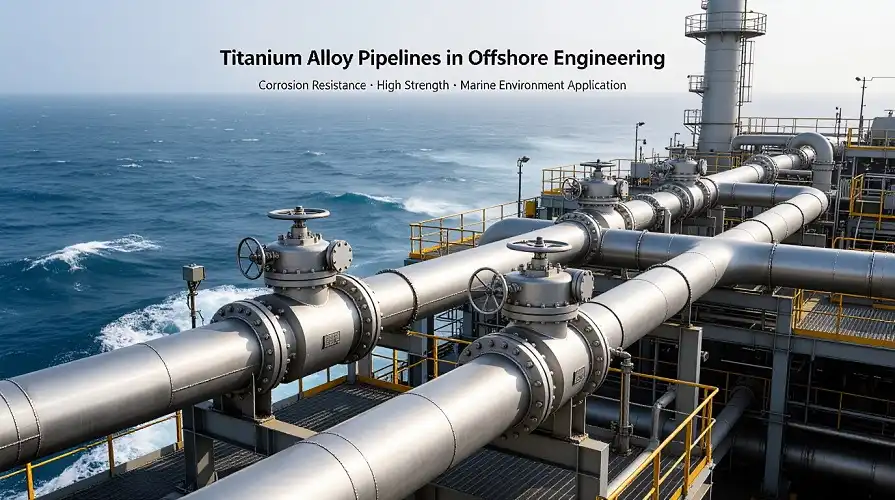
In the 1980s, titanium riser lines were put on offshore oil platforms. They are still working without being replaced, showing that they could last for 40 years or more. This lasts a very long time compared to carbon steel options that need to be replaced every 10 to 15 years because of rust. The original investment in the premium saved a lot of money over the course of its lifetime because it saved money on replacement costs and kept output from stopping.
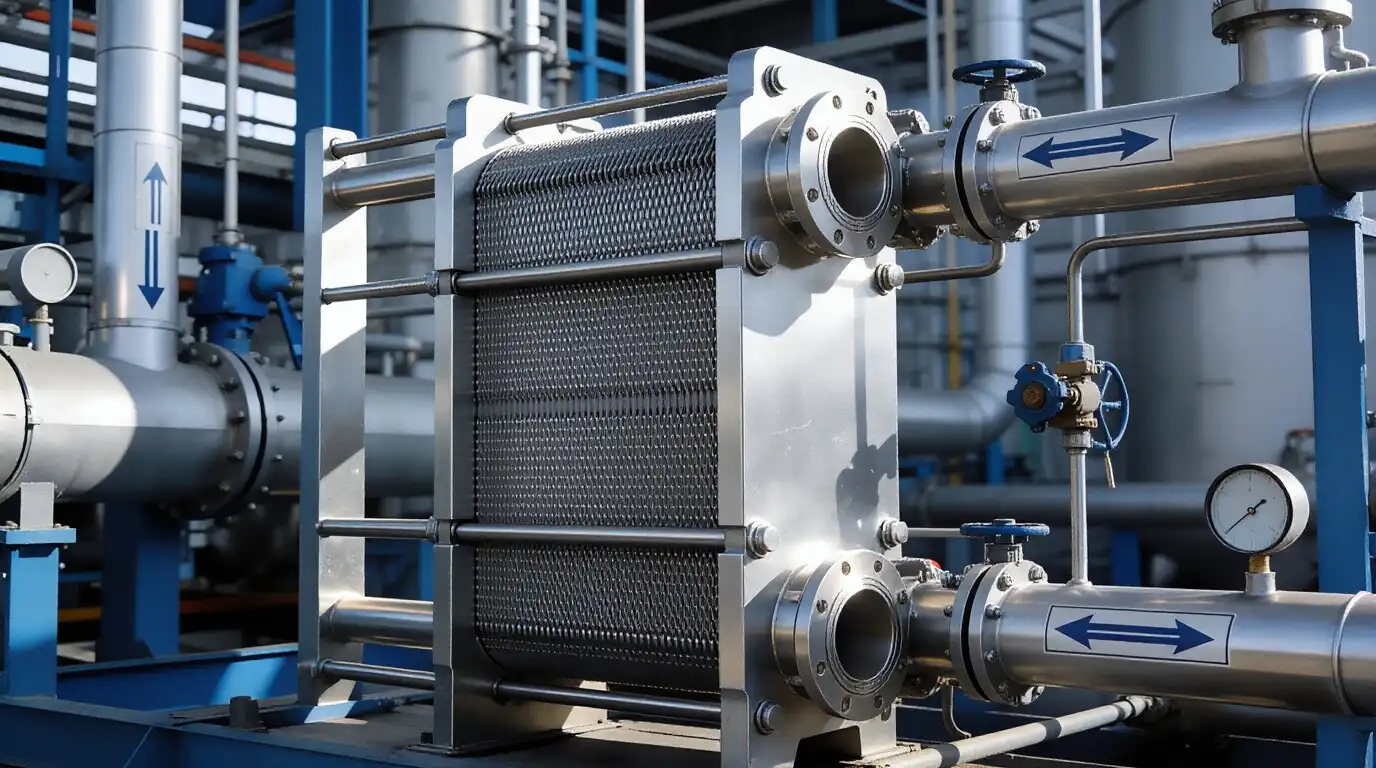
Chemical companies say that titanium reactor tanks and heat exchanges have had similar experiences when used with acetic acid. Stainless steel parts broke after three to five years, but titanium parts last for decades with only regular inspections and seal replacements. The use of big titanium heat exchangers by Luoyang Petrochemical shows how choosing the right material can solve long-lasting reliability issues that chemical processing plants have.
Final Tips for Choosing the Best Titanium Metal Plate for Your Project
Matching Grades to Application Requirements
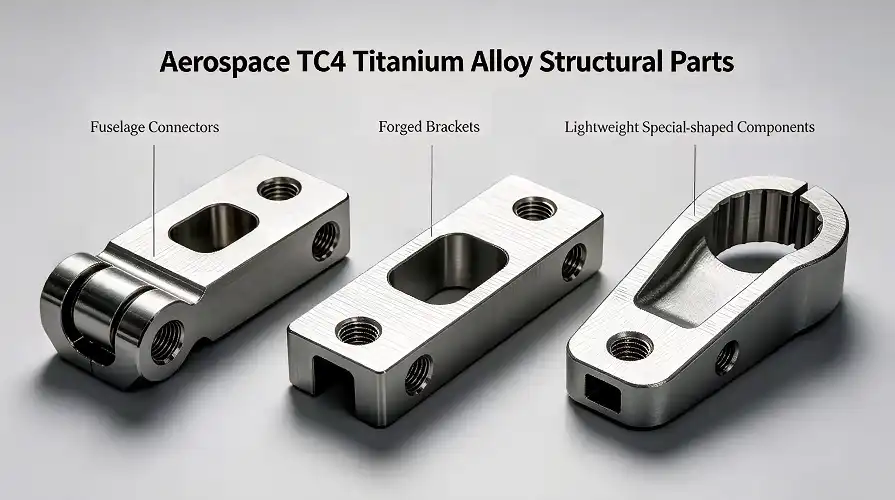
For aerospace structural parts, you need Gr5 titanium metal plate material that meets AMS 4911 standards and comes with full material approval and tracking paperwork. The alloy's high strength-to-weight ratio and tolerance to fatigue make it worth the extra cost in situations where weight is important, and safety gaps must not be sacrificed. Defense companies use this grade for parts of aircraft frames, landing gear, and bolts that need to be strong and not rust.
For general rust protection, chemical processing equipment usually uses Gr2, and when it comes to reducing acids like sulfuric or hydrochloric acid, it uses Gr7. The small price increase for palladium-enhanced Gr7 is worth it when compared to options like expensive nickel alloys or replacing equipment all the time. By choosing the right grade based on the chemicals that are being exposed to, you can avoid over-specification, which loses money and doesn't improve performance.
Medical device makers need Gr5 ELI (Extra Low Interstitial) that meets ASTM F136 for implant uses. This unique version changes the amounts of oxygen, nitrogen, and carbon to make the biocompatibility and fatigue performance better. The strict purity standards and thorough testing methods protect patients and help with the approval processes set by regulators.
Evaluating Long-Term Value and Investment Returns
The initial prices of materials are only one part of the total costs of ownership. To figure out the lifecycle costs, engineers should include the regularity of upkeep, the time between replacements, the cost of downtime, and the cost of disposal. Titanium's long life and resistance to rust often make it a better investment, even though it costs more to buy at first than other materials.
Avoiding downtime is especially valuable in industries with ongoing processes, where broken equipment causes huge losses in production that are far greater than the cost of the materials. More and more, chemical companies and factories are choosing titanium for important heat exchangers and condensers where dependability has a direct effect on how well they work and how much money they make. Instead of just trying to save money, choosing the materials becomes a matter of risk management.
Material choices are also affected by things like the environment. Titanium lasts a long time, which means it doesn't need to be replaced as often, which lowers waste. The option to recycle the material helps meet sustainability goals, since used titanium still has a lot of worth and can be melted down and used to make new goods. These traits are a good fit for environmental stewardship goals for companies that have business sustainability responsibilities.
Conclusion
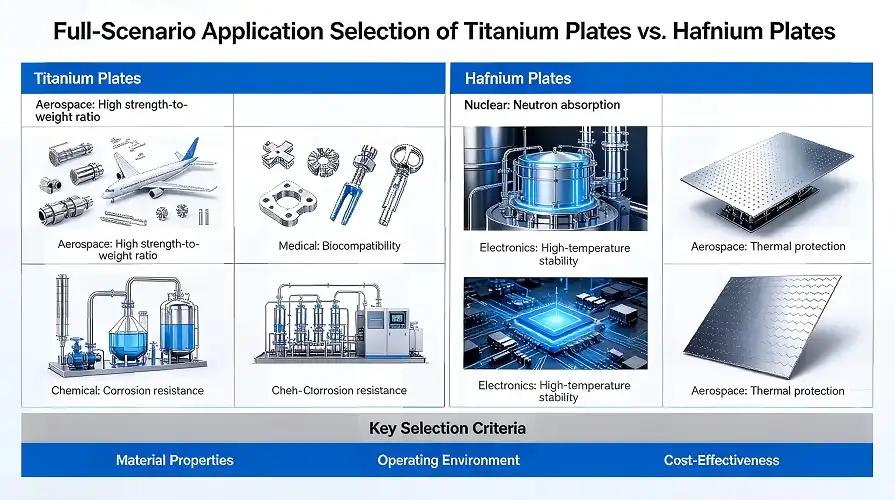
To choose high-quality titanium metal plate units, you have to weigh the needs of scientific experts against the needs of business. Choosing the right material grade, evaluating suppliers, and doing a lifetime cost analysis are all parts of buying choices that have an effect on the success of a project and its long-term business performance. Titanium is used in many challenging industries, including aircraft, chemical processing, marine, and medicine. Its strength, resistance to corrosion, and low weight make it unbeatable. Strategic sellers use the knowledge of their suppliers, stay up to date on industry norms, and look at the total cost of ownership instead of just the purchase price. When you choose the right materials and work with dependable suppliers, you can stay ahead of the competition for a long time. This is because reliable materials make tools more reliable, require less upkeep, and last longer.
FAQ
1. What factors determine titanium metal plate pricing?
Pricing is based on a number of factors, such as the grade chosen, the order amount, the size requirements, the surface finish needs, and the present cost of raw materials. Mixed Gr5 costs more than commercially pure grades like Gr1 and Gr2. Custom sizes, special surface processes, and small order numbers all make the unit price go up. Buyers should ask for thorough quotes that break down the costs of materials, handling, and shipping. Better price terms are usually available for promises to buy in bulk and standard sizes for every titanium metal plate order.
2. Can titanium plates be welded effectively?
Titanium can be welded using TIG (GTAW) or plasma arc methods as long as the right inert gas protection is used. Because the material reacts with gases in the air, it needs argon purge protection on both the weld face and the root sides to keep contamination from making them weak. Welders who follow the AWS D1.9 structural welding rules make joints that are as strong as or stronger than the base metal. To get good welds with no flaws, you need to use the right method and cover the gas with protection.
3. How do I select the appropriate grade for my application?
The needed mechanical qualities, the corrosion environment, and the working temperature all play a role in choosing the right grade. Gr2 is a cheap material that can be used for most general rusting tasks. Gr5 is the strongest material available and is used in aircraft and other high-stress situations. Standard grades don't handle lowering acids as well as Gr7 does. Medical devices need Gr5 ELI that meets the biocompatibility guidelines set by ASTM F136. Talk to providers with a lot of experience. They can tell you which grades are best for your needs based on the working conditions and performance standards.
Partner with Jucheng Titanium for Superior Material Solutions
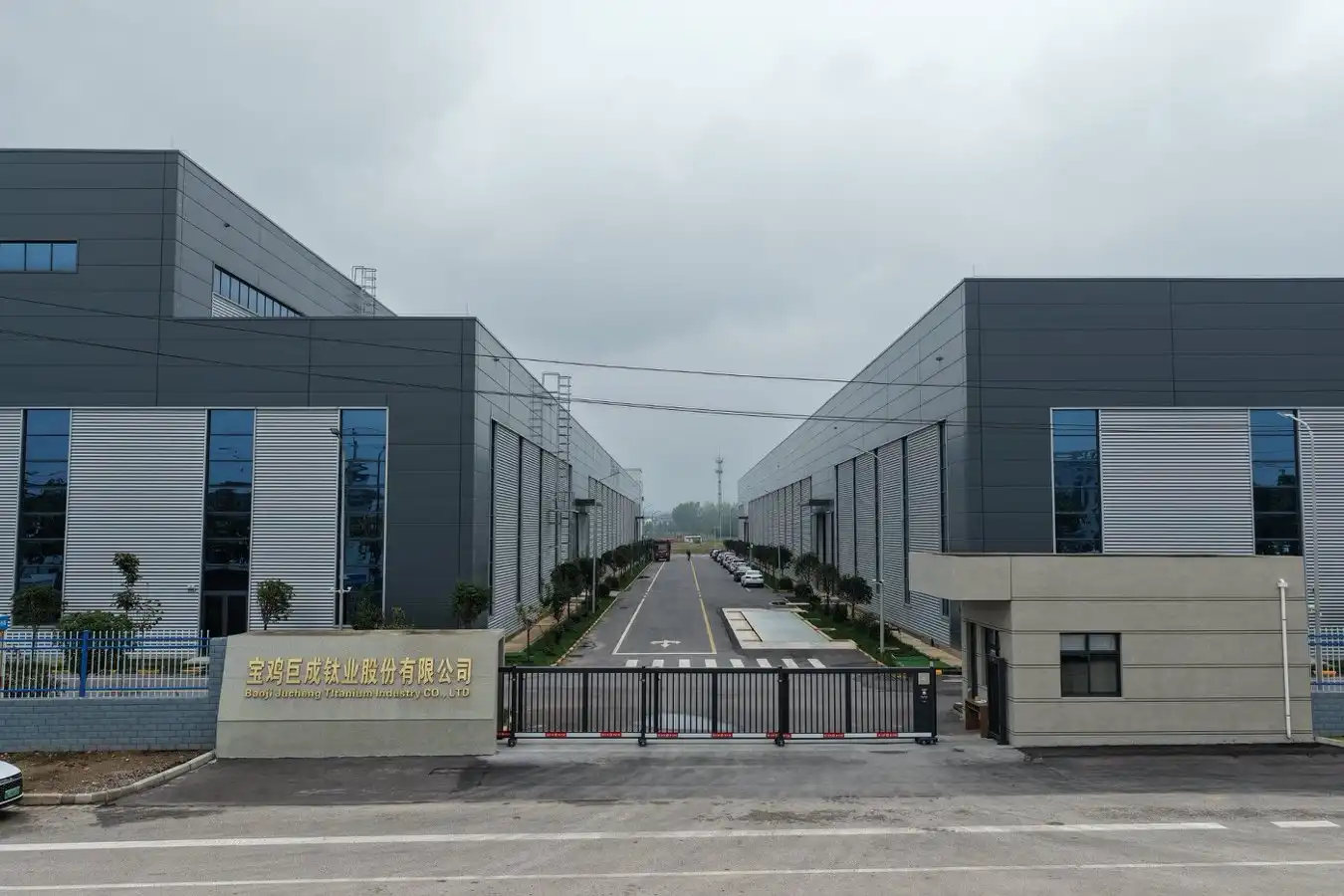
Baoji Jucheng Titanium Industry is ready to meet your needs for titanium metal plate products. They have been making them for over 20 years and have a large collection of all the major grades. Our building keeps 3,000 tons of stock on hand so that we can deliver quickly. In addition, our technical team can help you choose the best materials for your use by giving you engineering advice. We make titanium metal plates in thicknesses ranging from 4 mm to 80 mm in accordance with ASTM B265, ASTM F67, AMS 4911, and ASME SB265 standards. As a specialized "little giant" company with 45 patents that have been successfully applied to commercial goods, we offer quality that you can trust, backed by thorough certifications and material tracking paperwork. Get in touch with our expert team at s4@juchengti.com to talk about your needs with experienced titanium plate providers who know how important performance is in medical, aerospace, and industrial equipment uses.
References
1. Boyer, R., Welsch, G., & Collings, E.W. (1994). Materials Properties Handbook: Titanium Alloys. ASM International, Materials Park, Ohio.
2. Donachie, M.J. (2000). Titanium: A Technical Guide, 2nd Edition. ASM International, Materials Park, Ohio.
3. Lutjering, G. & Williams, J.C. (2007). Titanium, 2nd Edition. Springer-Verlag, Berlin Heidelberg.
4. Schutz, R.W. & Watkins, H.B. (1998). Recent developments in the application in the energy industry. Materials Science and Engineering A, Volume 243, Issues 1-2.
5. ASTM International. (2021). ASTM B265-20a: Standard Specification for Titanium and Titanium Alloy Strip, Sheet, and Plate. West Conshohocken, PA.
6. Peters, M., Kumpfert, J., Ward, C.H., & Leyens, C. (2003). Titanium Alloys for Aerospace Applications. Advanced Engineering Materials, Volume 5, Issue 6.