



How Does Titanium Sheet in Coil Reduce Material Waste in Production?
Titanium sheet in coil significantly reduces material waste by enabling continuous, on-demand cutting that eliminates the fixed-length constraints of traditional flat plates. Unlike rigid titanium plates, coiled titanium strip allows manufacturers to extract precisely the length needed for each part, slashing off-cut losses and scrap generation. Its consistent gauge and mechanical uniformity across the entire coil length reduce rejection rates caused by dimensional inconsistencies. Combined with automated nesting software, coil-fed production lines routinely achieve material utilization rates 15–20% higher than plate-based workflows, delivering measurable cost savings on a premium material.
Understanding Titanium Sheet in Coil and Its Production Challenges
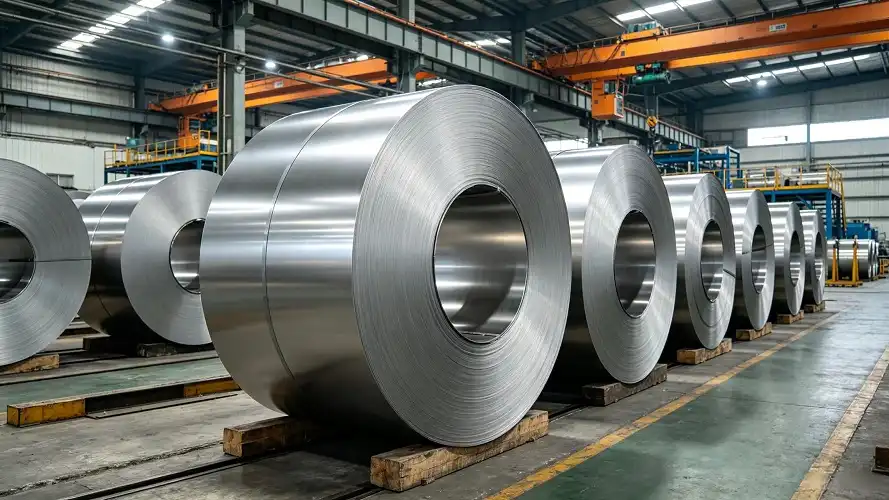
Rolled titanium strip is a flat-rolled mill product that is made into a single coil right after rolling and heating. It is not cut into separate pieces. Jucheng Titanium makes coils in seven grades: Gr1, Gr2, Gr3, Gr4, Gr5, Gr7, and Gr12. The thickness ranges from 0.3 mm to 12.0 mm, and the width from 950 mm to 1,500 mm. You can choose from hot-rolled and cold-rolled types. They are rolled, annealed, leveled, and pickled, and they come with annealed, pickled, or bright surfaces. All of the goods meet the standards set by ASTM B265, ASME SB265, ASTM F67, AMS 4911, and ASTM F136.
Why Coil Format Matters for Industrial Buyers?
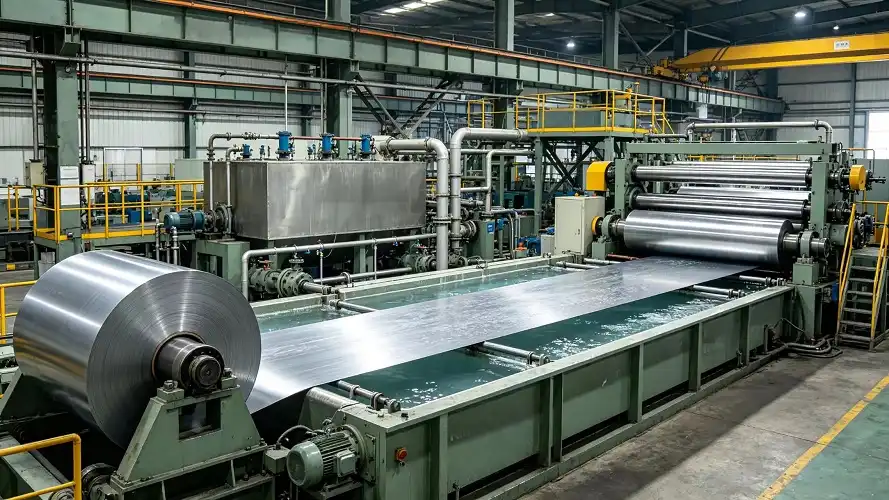
Batch inconsistency is a big problem in high-volume production that the coil structure fixes. The material is one long strip, so its thickness and mechanical qualities stay the same over hundreds of meters. This gets rid of the differences that can happen between cut pieces. This level of consistency is very important for aerospace structural parts and plate heat exchangers, since dimensional tolerance has a direct effect on the assembly yield.
Causes of Material Waste in Traditional Titanium Sheet Use
Finding out where trash comes from is the first thing that needs to be done to get rid of it. Titanium plates that are rigid come in set sizes. If the form of a part doesn't fit perfectly with those measurements, the extra is called scrap. Titanium is much more expensive than stainless steel or aluminum, so every kilogram of scrap material cuts into project profits in a big way.
Several things make the problem worse:
- Fixed-length off-cuts: A plate measuring 2,000 mm × 1,000 mm leaves substantial trimming loss when a part requires only 1,750 mm × 800 mm, and that remnant is rarely reusable at full value.
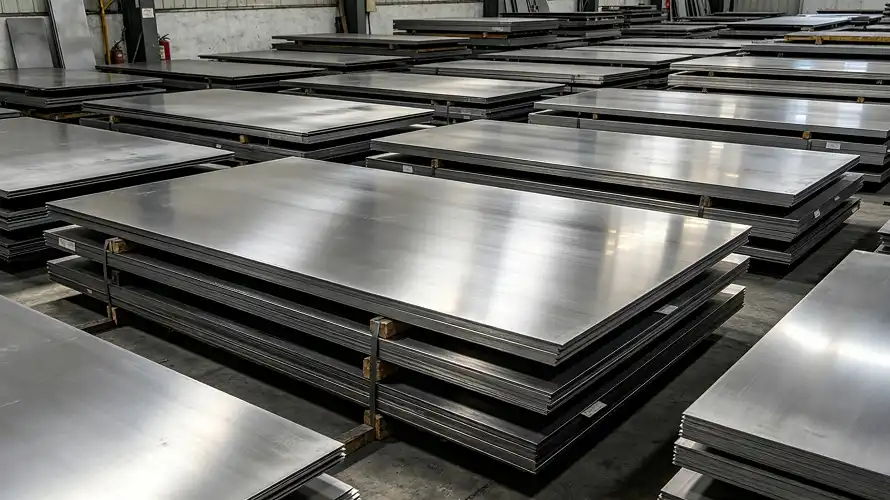
- Handling damage during storage: Stacked plates are susceptible to surface scratches and edge deformation, while titanium sheet in coil formats can help reduce some handling-related issues by minimizing repeated plate movement. Any damaged zone must be trimmed before fabrication, adding unplanned scrap.
- Inefficient nesting on rigid sheets: Cutting software cannot compensate fully when the blank size is predetermined. Irregular part geometries create unavoidable interstitial scrap between cut profiles.
- Multiple SKU complexity: Maintaining separate inventory for each thickness and width demands substantial warehouse space and increases the risk of ordering more than needed, leading to write-offs.
Inefficient nesting on hard sheets: When the blank size is set, cutting software can't fully make up for it. When part geometries aren't straight, there is always scrap between the cut profiles.
How Titanium Sheet in Coil Optimize Material Use and reduce waste?
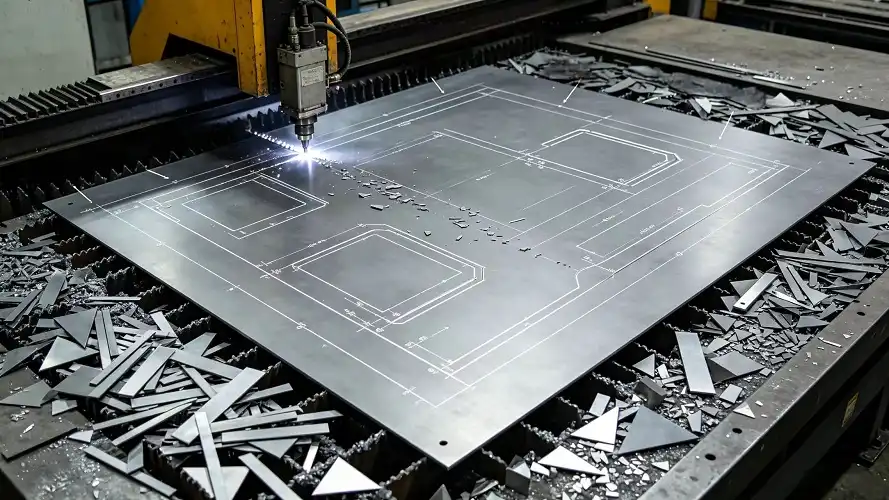
The switch from plate to coil completely changes how much it costs to make titanium. When a decoiler and a precision leveler work together, they always feed material into laser cutters, pressing presses, or roll-forming lines. The operator sets the exact lengths of the parts, and the line cuts them when they are needed. There is no fixed blank size set ahead of time.
Here are the main ways that coil structure cuts down on waste:
- On-demand length cutting: Material is drawn from the coil only as required. Remnants at shift end are recoiled rather than scrapped, preserving full material value until the next run.
- Continuous nesting optimization: Automated nesting software works with a moving strip rather than a static sheet, enabling true step-and-repeat layouts that approach theoretical maximum yield.
- Reduced handling damage: Coils remain wound and protected until they enter the production line, eliminating the plate-stacking damage that generates trim scrap.
- Single-SKU flexibility: One coil of a given grade and thickness can supply variable part lengths, replacing several fixed-size plate SKUs and reducing over-ordering risk.
Researchers in metal making have found that these benefits lead to a 15% to 20% increase in the amount of material used compared to traditional plate processes. This growth is very important for the bottom line when it comes to titanium, where the cost of the raw material can make up 40 to 60% of the total cost of the part. In addition to saving money, using materials more efficiently means that less titanium ends up as trash in industry. This helps makers in aerospace, chemicals, and medicine meet their sustainability goals, which they are increasingly telling stakeholders about.
Practical Applications Across Key Industries
Continuous titanium strip has been shown to reduce waste in a number of different business areas, especially when produced and supplied as titanium sheet in coil for applications requiring consistent dimensions and efficient material handling.
Aerospace and Defense
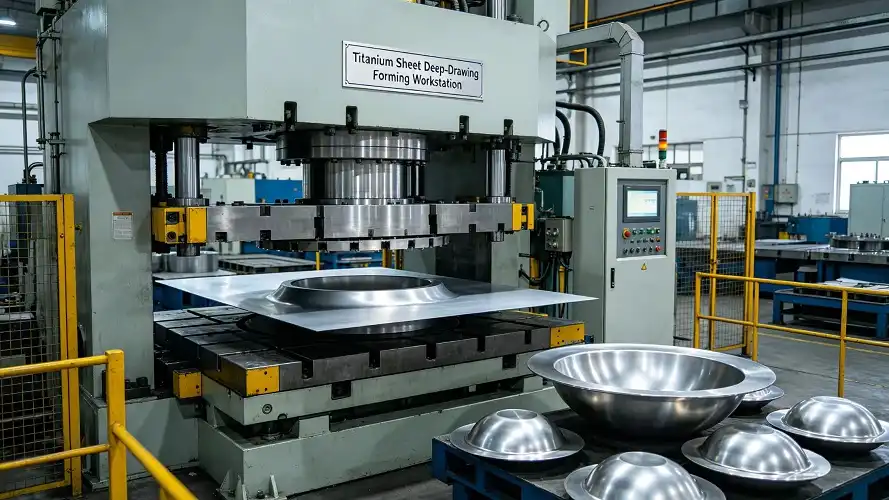
The Grade 5 coil is put into progressive stamping dies to make blanks for aircraft braces and fasteners. With continuous coil feeding, there is no pause or edge scrape for sheet changes, as there is with plate-based lines. This is because part runs are long and shapes repeat. A single coil provides uninterrupted heat-and-lot continuity, which is helpful for defense contractors who have to follow strict ASTM AMS 4911 and material traceability rules.
To get a price right away, email our team at s4@juchengti.com.
Chemical Processing and Heat Exchangers
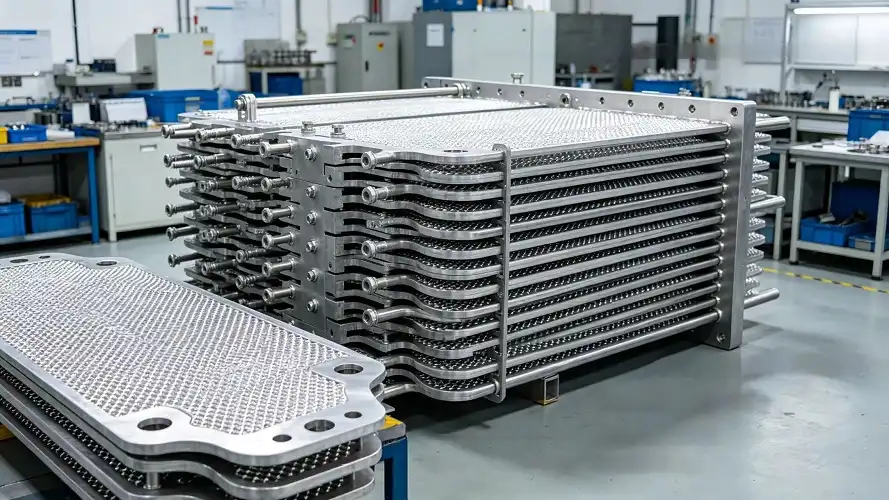
The people who make plate heat exchangers press curved titanium plates from Grade 2 coil. The continuous strip makes it possible to stamp hundreds of similar plates in a single unbroken run. This cuts down on changeover scrap and ensures a consistent surface, which is important for making sure these units have the vacuum-tight gasket seals they need. Titanium's natural resistance to corrosion also means that there are fewer rejections due to surface degradation before use.
Medical Device Manufacturing
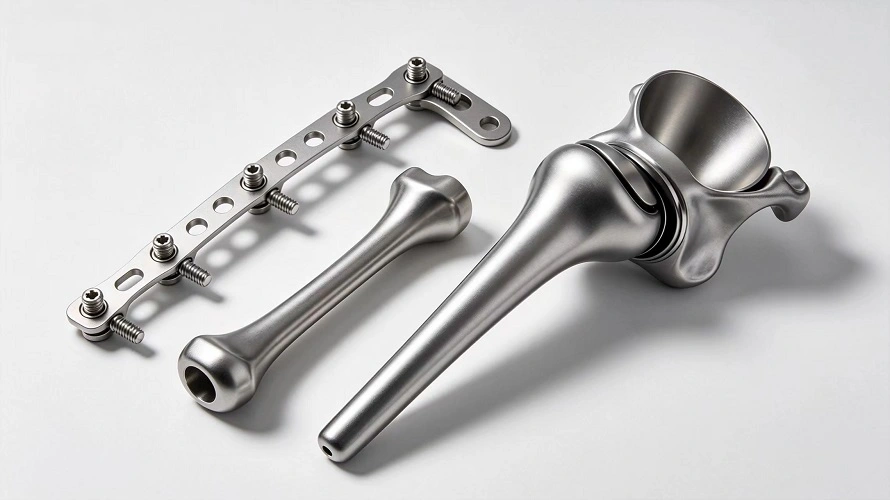
For surgical parts, medical device makers who follow ASTM F67 and ASTM F136 use Grade 1 and Grade 4 coil. Because cold-rolled coil has a small gauge error, it reduces the amount of medical-grade titanium that is turned into chips during finishing. This saves a lot of money when the cost of raw materials is high because of strict standards for purity.
Best Practices for Procurement and Storage to Maximize Waste Reduction
When buying coils, it's just as important to choose the right specification as it is to process them on the shop floor. Grade 2 is good for uses that need to prevent corrosion and have modest strength needs. Grade 5 is better for structural aircraft parts that need higher tensile properties. By stating the minimum viable thickness, you can avoid sending extra weight through every step of the process.
Storage and Handling Protocols
When not in use, coils should be kept on padded saddles or vertically on mandrels that are the same width as the coil. The storage place needs to stay dry so that cut edges don't oxidize from wetness. Keeping the coil in secure packaging until it gets to the decoiler gets rid of surface contamination that would need to be pickled or rejected.
Partnering with a Certified Supplier
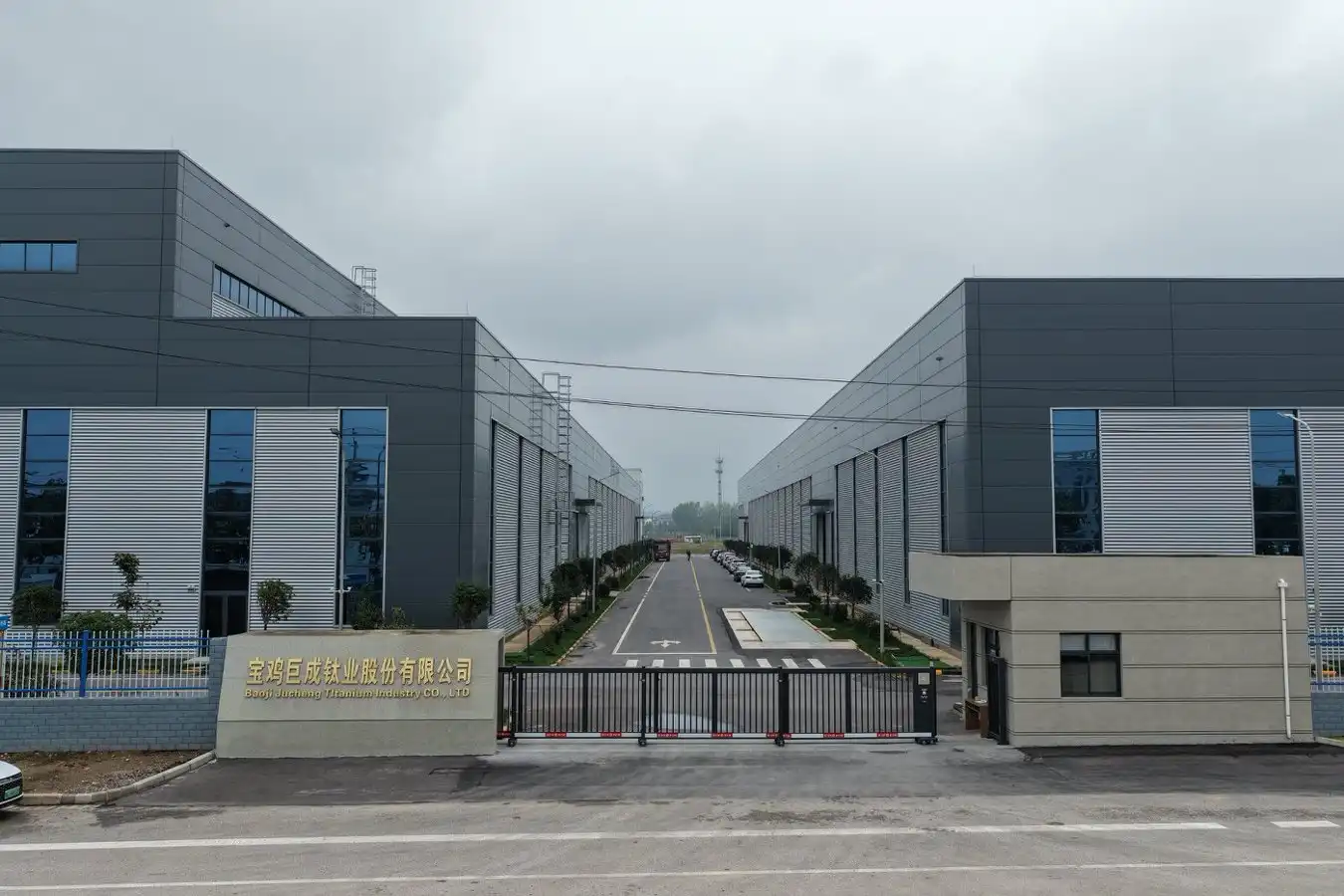
A big source of procurement risk is taken away when you work with a provider that has full material certifications and full mill test records. Jucheng Titanium has been in business in Baoji, China's main titanium production hub, for more than 20 years and has 4 idea patents and 41 usage model patents. A titanium stockpile of about 3,000 tons per year allows for quick delivery without causing buyers to over-order as a safety net in case lead times change, which wastes money.
Conclusion
Titanium sheet in coil changes the way waste is calculated in precision metalworking. By allowing constant, on-demand processing, it gets rid of the off-cut fines that come with fixed-length plate stock, makes sure that the material properties stay the same over long production runs, and lowers the amount of damage that happens during handling that leads to unwanted scrap. These improvements are most important in aerospace, chemical processing, and medical devices, which use titanium the most and can't stand it when it's not consistent. When you combine the right coil specifications with strict storage rules and a certified supplier, every percentage point of increased yield turns into real savings on costs and longer-term benefits.
FAQ
1. Is titanium sheet in coil more economical than flat plate for small production runs?
For genuinely small one-off cuts, a flat plate may suffice. Once a production run exceeds a few hundred parts or requires variable lengths, coil becomes more economical because on-demand cutting eliminates off-cut waste and reduces the number of plate SKUs you must stock.
2. What grades are available, and how do I choose?
Grades Gr1 through Gr4 are commercially pure titanium with increasing strength and decreasing ductility. Gr1 suits deep-drawing; Gr2 balances strength and corrosion resistance for heat exchanger plates. Gr5 covers structural aerospace and medical implant applications under AMS 4911 and ASTM F136. Gr7 and Gr12 address aggressive chemical environments.
3. How does surface finish affect downstream processing?
A bright-annealed or acid-pickled surface reduces friction in stamping and forming dies, lowering tool wear and the risk of surface cracks that would trigger part rejection. For heat exchangers, a controlled surface roughness also ensures reliable gasket seals.
4. What inner diameter should I specify for my decoiler?
Standard IDs are 508 mm and 610 mm. Matching the coil ID to your decoiler mandrel is critical for safe tension control and preventing coil collapse during unwinding.
Elevate Your Production Efficiency with Jucheng Titanium
When you source right, you can cut down on waste. Jucheng Titanium gets approved titanium sheets in coils from Baoji. They have 3,000 tons of ready-to-ship titanium sheet in stock, ranging from Gr1 to Gr12, which is 0.3 to 12.0 mm thick and up to 1,500 mm wide. We quickly meet your unique needs as a reliable titanium sheet in coil producer with more than 20 years of exporting experience. To get a price right away, email our team at s4@juchengti.com.
References
1. Leyens, C., & Peters, M. (Eds.). Titanium and Titanium Alloys: Fundamentals and Applications. Wiley-VCH, 2003.
2. ASTM International. ASTM B265: Standard Specification for Titanium and Titanium Alloy Strip, Sheet, and Plate. ASTM International, 2020.
3. Boyer, R., Welsch, G., & Collings, E. W. (Eds.). Materials Properties Handbook: Titanium Alloys. ASM International, 1994.
4. Donachie, M. J. Titanium: A Technical Guide (2nd ed.). ASM International, 2000.
5. Froes, F. H. (Ed.). Titanium: Physical Metallurgy, Processing, and Applications. ASM International, 2015.
6. Neugebauer, R., Bouzakis, K.-D., Denkena, B., Klocke, F., Sterzing, A., Tekkaya, A. E., & Wertheim, R. "Velocity effects in metal forming and machining processes." CIRP Annals — Manufacturing Technology, 60(2), 627–650, 2011.