
How long do titanium rods last?
Titanium rods are one of the most lasting metal components used in industrial manufacturing. Under the right conditions, they can last for decades or even be installed permanently. How long these high-performance components last varies depending on a number of important factors, such as the grade chosen, the surroundings they are exposed to, and the stress loads that are specific to the application. In most industrial settings, titanium rods can last 20 to 50 years or longer, which is a lot longer than steel rods. Because they are so resistant to corrosion and wear, they are perfect for harsh settings where failure of the material is not a choice.
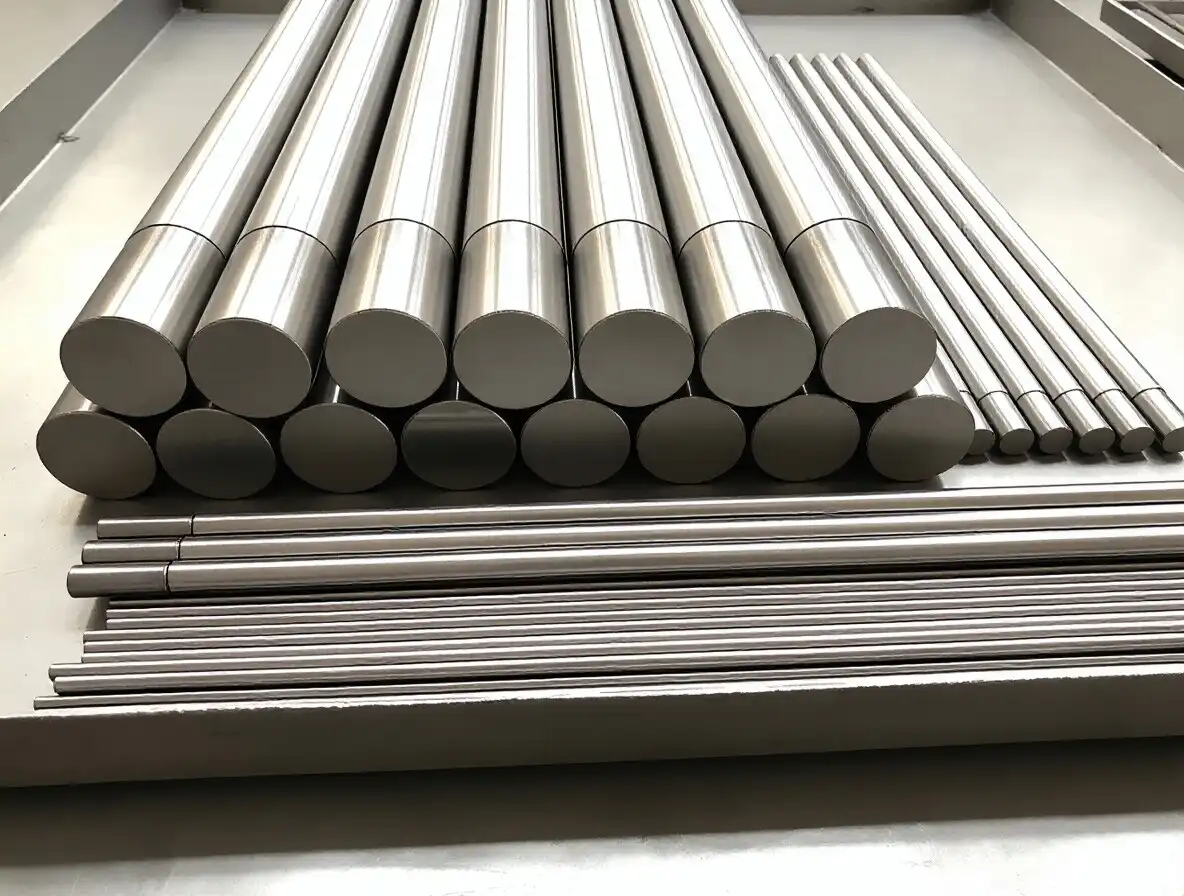
Understanding the Lifespan of Titanium Rods
The durability of titanium components stems from the unique metallurgical properties that distinguish them from conventional materials. It is important for buying managers to understand these basic factors when they are thinking about long-term purchases of materials.
Intrinsic Material Properties Driving Longevity
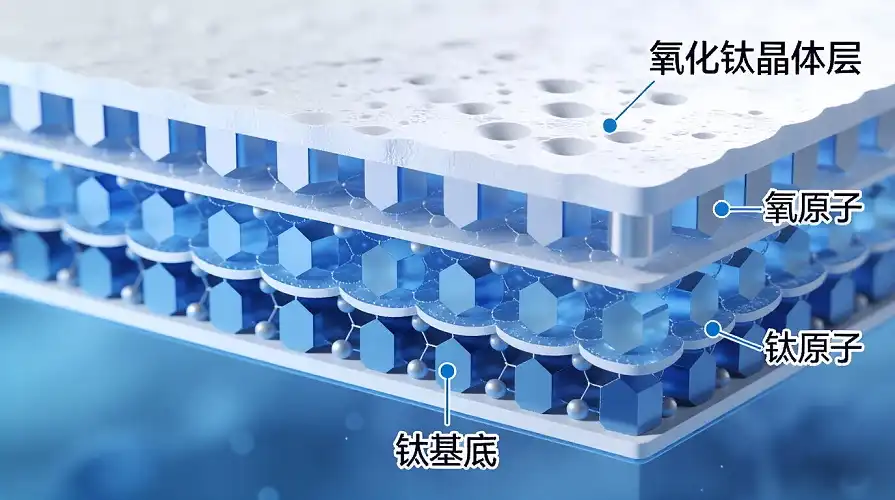
The exceptional lifespan of titanium stems from its ability to make a protective oxide layer (TiO2) that heals itself when it gets broken. This passive film is very good at stopping pitting, crevice corrosion, and stress corrosion cracking, all of which are problems that steel parts often have. The low density and high tensile strength of the material make its strength-to-weight ratio better than most structural metals. This lowers mechanical stress and increases the useful life of the product.
Titanium is very long-lasting because it is biocompatible, which is especially important in medical uses where inserted parts need to work well with living systems. The metal's modulus of elasticity is very similar to that of human bone tissue. This keeps stress shielding effects from happening, which can weaken the security of an implant over time.

Environmental and Operational Factors Affecting Durability
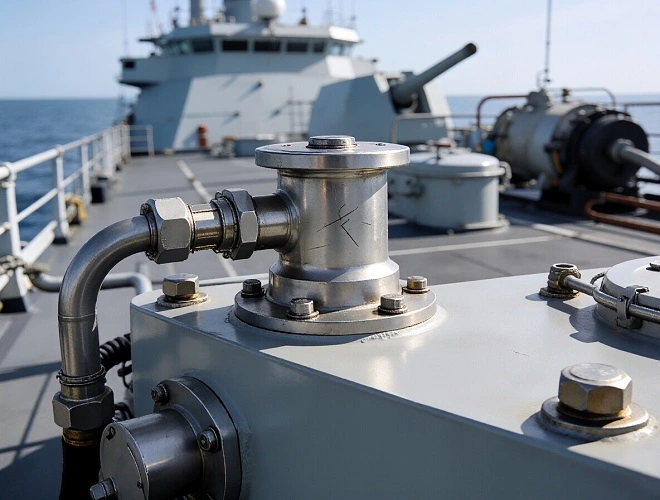
Marine environments present some of the toughest places for metal parts to work, yet titanium is very resistant to saltwater rust. Materials in chemical processing plants are exposed to strong acids and alkalis that break down most alloys quickly. However, titanium rods can withstand these hard conditions for decades.
Temperature changes that wear down steel parts, called thermal stress, don't have much of an effect on titanium's performance. The material keeps its mechanical qualities even when it's heated to temperatures above 400°C. It can be used in cryogenic uses as well.
Key Properties and Benefits of Titanium Rods That Influence Longevity
These days, the industry needs materials that always work well and don't cost too much over their whole time. The unique mix of qualities that titanium has meets these needs in a wide range of industry settings.
Superior Corrosion Resistance Compared to Alternatives
When it comes to rust protection, titanium is much better than stainless steel, aluminum, and carbon steel. While chloride conditions can cause pitting corrosion in stainless steel, ocean contact for decades has no effect on titanium. This resistance directly means longer service life and less upkeep needs to be done.
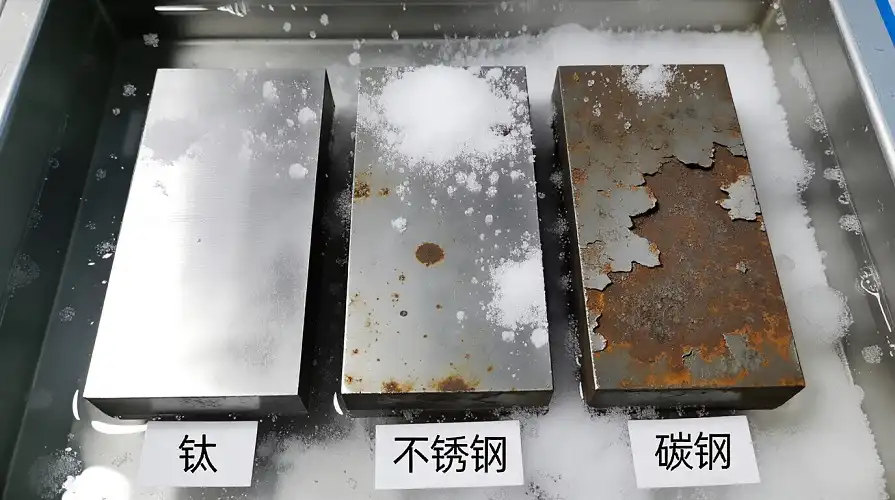
Studies in the business world show that titanium parts used in chemical processing settings keep their original shape and finish even after years of being exposed to conditions that would destroy steel alternatives in just a few months. Titanium doesn't corrode when it comes into contact with other metals, which makes the system last even longer.
Excellent Strength-to-Weight Ratio for Long-Term Performance
Titanium's ability to be strong with little weight loss is very important to the aircraft business. This feature lowers the stress on supporting parts of the structure, which has a domino effect that makes the whole assembly last longer. Manufacturers of airplanes say that titanium bolts and structural parts work effectively for decades without needing to be replaced.

Getting rid of extra weight in automotive uses is also good because it makes engines, transmissions, and drive systems last longer. Titanium parts have less mass, which means they have less inertial force during operation. This means that parts last longer and need to be serviced less often.
Thermal Stability Under Elevated Temperatures
Titanium rods maintain their mechanical properties across extreme temperature ranges without the metallurgical changes that affect steel alloys. This stability stops creep deformation and thermal stress, two things that usually shorten the life of normal materials used in high-temperature settings.
Titanium parts are used in power plants in heat exchanges and condensers, which go through thousands of heating cycles a year. The performance of these parts stays the same for decades, while steel options need to be replaced often because of damage from heat stress.

Titanium Rod Grades and Specifications Impacting Durability
Material choice is a very important factor in figuring out how long titanium parts will last. Understanding the performance features of various types lets you choose the best materials for each purpose.

Commercially Pure Grades for Maximum Corrosion Resistance
Commercially pure titanium types (Gr1, Gr2, Gr3, and Gr4) have the best protection to corrosion of all titanium alloys. These types work great in chemical processing settings where pure materials are needed for long-term success. Grade 2 titanium, which is the most common available pure grade, is very easy to shape and weld, and it also resists rust very well.
Chemical plant workers say that Grade 2 titanium parts have been used constantly in chlor-alkali production for 25 to 30 years without any noticeable corrosion. This record of success shows how long something can last when the grade chosen matches the needs of the surroundings.
Aerospace-Grade Alloys for High-Strength Applications
Ti-6Al-4V (Grade 5) and its extra-low interstitial version (Grade 23) are the best titanium alloys ever made for high-strength uses. These alloys are perfect for important military and defense uses where failure is not an option because they are very resistant to fatigue and have a high tensile strength.
The following requirements ensure the best performance and durability:
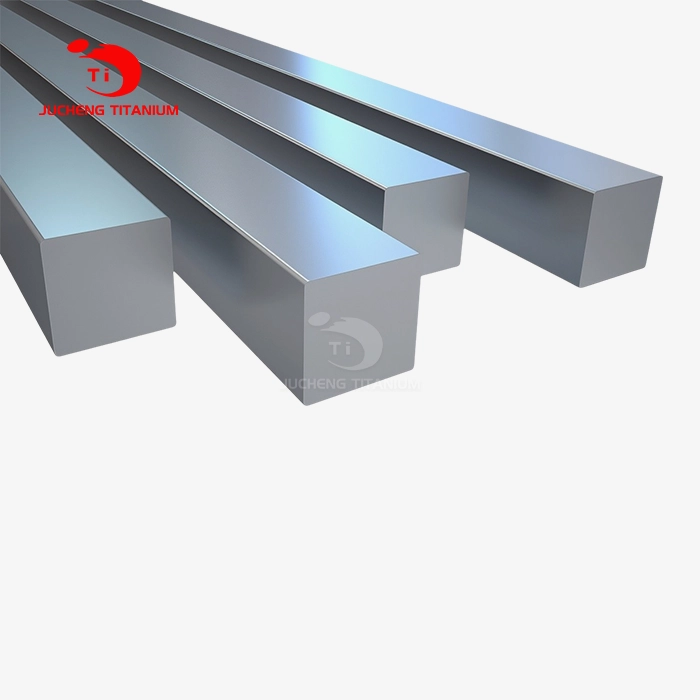
- Diameter range: Φ6–Φ450mm accommodates diverse application requirements
- Length capabilities: Standard lengths up to 6000mm, with custom options going up to 12000mm
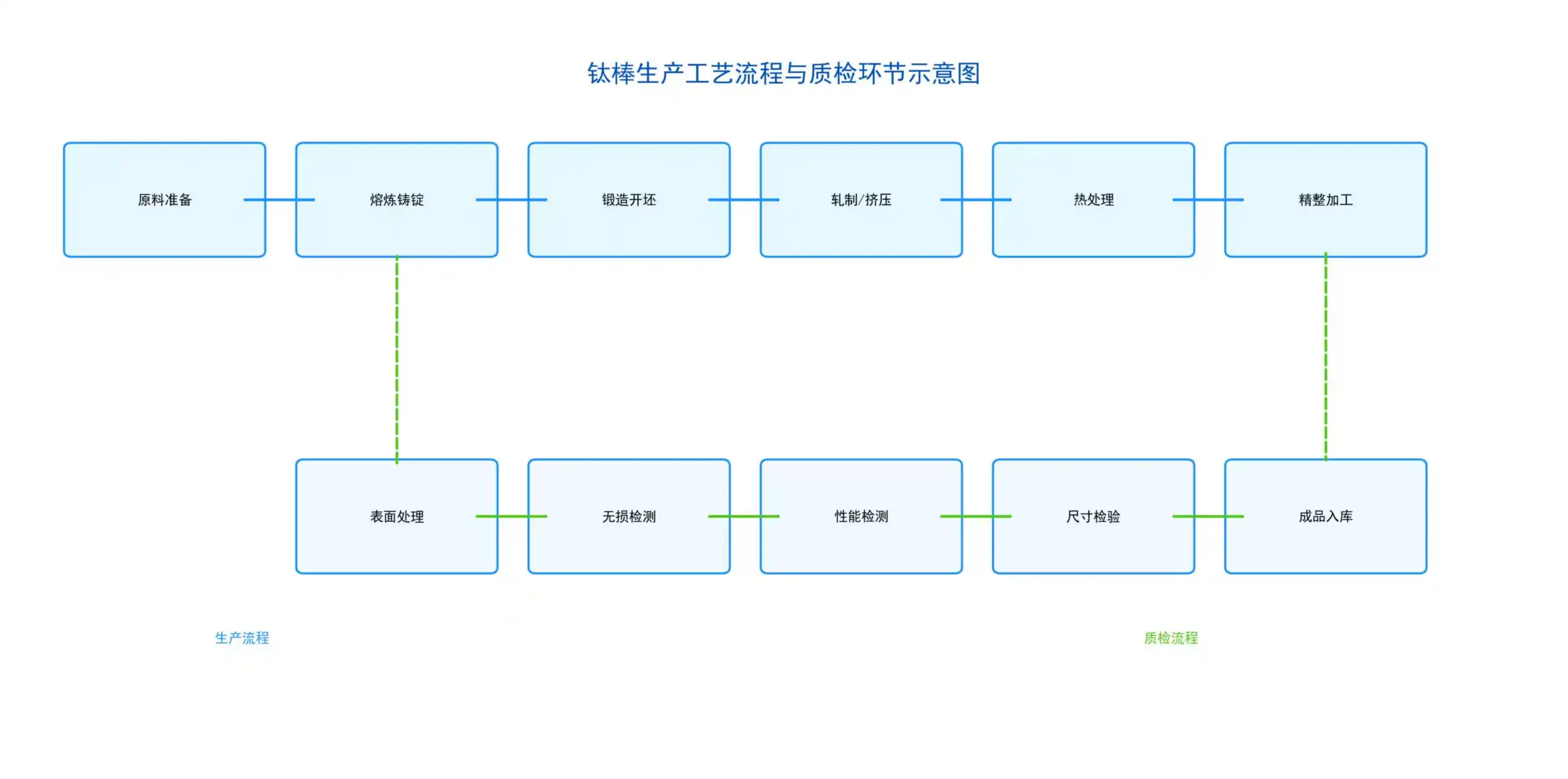
- Processing method: Vacuum melting, shaping, and precise finishing protect the purity of the material
- Surface treatments: Several finishing choices, such as buffing, turning, and centerless grinding, improve performance.
When these requirements are met along with ASTM B348, AMS 4928, and ISO 5832-3 standards, the quality of the material is guaranteed to last for decades. When metal is tempered, it becomes more flexible and relieves stress, which helps it last longer under repeated loading conditions.
Medical-Grade Specifications for Biocompatibility
Medical-grade titanium rods are used in orthopedic and oral settings and must meet the standards set by ASTM F136 and ISO 5832-3. Not only do these materials need to be strong mechanically, but they also need to be biocompatible with the human body over time. Medical-grade titanium implants that are made correctly usually work for 20 to 30 years or longer without breaking down.
Material consistency is very good, and long-term performance can be predicted thanks to strict purity standards and controlled working conditions set for medical uses. Controlling trace elements stops galvanic rusting and ensures that bones integrate properly in living things.
Comparison and Decision-Making: Titanium Rods vs Alternatives
When making purchasing choices, it's important to look at how well the materials work, how much they cost, and what their long-term value is. Strategic buying choices are based on knowing how titanium stacks up against other materials.
Performance Analysis Against Steel and Stainless Steel
In acidic settings, steel parts usually need to be replaced every 5 to 10 years, but titanium parts can last longer than 25 years in the same conditions. When the total cost of ownership is taken into account, this difference in life changes the economic balance in a big way.
Grades 316 and 317 of stainless steel are better at resisting rust than carbon steel, but they are still not as good as titanium in harsh conditions. This is very clear in marine uses, where stainless steel fasteners need to be replaced every three to five years, while titanium ones can last forever without any upkeep.
Weight Considerations for Structural Applications
When titanium is used instead of steel, it cuts weight by 45%. This has big practical benefits that go beyond just material performance. Supporting frameworks, supports, and motor systems all over the building last longer when they are not loaded as much.
When used in aerospace, where every pound of weight loss means saving money on fuel over the life of the airplane, this benefit is clearly shown. These benefits, along with longer component life and better operating efficiency, make titanium adoption a strong choice.
Total Cost of Ownership Analysis
Even though titanium rods cost three to five times more to make than steel rods, the longer life and lower upkeep needs often make the investment worth it. Lifecycle cost analysis shows that break-even points usually happen between 8 and 12 years, and after that, big savings start to add up.
A big chunk of the total savings comes from getting rid of maintenance costs. When chemical plants move from stainless steel to titanium parts, maintenance costs drop by 70–80%. This is mostly because they don't have to pay for as many replacements or fixes when they break down.

Procurement Insights: Buying Titanium Rods with Longevity in Mind
To buy titanium parts strategically, you need to know about the skills, quality systems, and customizable options of your suppliers, as these can affect the long-term performance and value delivery.
Certified Manufacturer Selection for Quality Assurance
Long-term titanium buying starts with finding well-known makers with a history of doing a good job. Companies like Jucheng Titanium, which has been in the business for more than 20 years and is recognized as a National High-Tech Enterprise, have the knowledge and quality processes to make sure that materials always work well.
Quality standards, such as ISO compliance and approvals specific to the industry, give customers peace of mind that the products they buy meet strict requirements. Meeting the needs of aircraft, medical, and chemical processing industries is easier when you can provide full material traceability and approval paperwork.
Customization Capabilities for Optimal Performance
Customizing measurements, surface treatments, and mechanical qualities lets you get the best performance out of a component for a certain use. Vacuum melting, precision forging, and a number of surface finishing choices are some of the advanced production techniques that make sure materials exactly meet the needs of an application.
Jucheng Titanium's method for managing its inventory keeps about 3,000 tons of titanium rods in stock. This allows for quick delivery of standard specs and custom making for unique needs. With this mix of a large inventory and flexible manufacturing, both short-term and long-term strategy goals are met.
Strategic Purchasing for Long-Term Value
Buying in bulk can cut unit costs by a lot while also making sure that long-term projects have a steady supply of goods. Building ties with suppliers who offer professional help for the whole lifecycle of a product is more valuable than just getting the materials.
The full service method, which includes personalized output and full management of after-sales support, makes sure that choices about buying lead to the best long-term results. Working together technically with universities and research centers gives you access to new technologies that can make parts last longer and work better.
Conclusion
The exceptional longevity of titanium rods stems from their unique combination of corrosion resistance, strength, and thermal stability that far exceeds conventional materials. With proper grade selection and application matching, these components routinely provide 20-50 years of reliable service across diverse industrial environments. The initial investment premium is consistently offset by reduced maintenance costs, extended service intervals, and superior performance reliability. Successful procurement requires partnership with established manufacturers who provide comprehensive technical support, quality assurance, and customization capabilities that optimize long-term value delivery.
FAQ
Q1: How long do titanium rods last in marine environments?
Titanium rods are very durable and can be used in naval environments for 25 to 40 years or more without showing any signs of rust. The oxide layer forms on its own when exposed to saltwater, making titanium almost completely resistant to galvanic corrosion, which kills steel parts within years.
Q2: What factors most significantly impact titanium rod lifespan?
Grade selection, environmental exposure conditions, and mechanical stress levels represent the primary factors influencing titanium component longevity. Proper material matching to application requirements can extend service life from decades to almost permanent installation in many situations.
Q3: Do titanium rods require special maintenance to achieve maximum lifespan?
Titanium components need less upkeep when compared to steel options. Regular checking and cleaning are the main upkeep tasks that need to be done. There is no need for protection coatings or replacement processes like with most materials.
Q4: How do medical-grade titanium rods perform long-term in biological environments?
Implants made of medical-grade titanium usually last 20 to 30 years or longer in the body. Because ASTM F136 grade titanium is safe and can osseointegrate, it can permanently fuse with bone tissue that can last a patient's whole life.
Q5: What quality certifications ensure maximum titanium rod longevity?
Certifications like ASTM B348, AMS 4928, and ISO 5832-3 guarantee the quality and stability of the material, which helps it last longer. These guidelines say what the materials should be made of, how they should be processed, and what their mechanical qualities should be.
Ready to Invest in Long-Lasting Titanium Rod Solutions?
Jucheng Titanium is ready to meet your needs as the titanium rods provider. They have been making specialized products for over 20 years and have a track record of success in high-performance uses. Our large selection of titanium grades from Gr1 through Gr23, along with our ability to make special orders up to 12000mm long, means that we can find the best solutions for your unique durability needs. We offer quality assurance and technical support that will help you get the most out of your investment as a National High-Tech Enterprise with 45 patents and partnerships with top research institutions. Email our engineering team at s4@juchengti.com to talk about how our titanium rod solutions can extend your operational lifecycles while reducing total ownership costs.
References
1. Boyer, R., Welsch, G., & Collings, E.W. "Materials Properties Handbook: Titanium Alloys." ASM International Materials Park, Ohio, 1994.
2. Lutjering, G. & Williams, J.C. "Titanium: Engineering Materials and Processes." Manchester University Press, 2003.
3. Donachie, Matthew J. "Titanium: A Technical Guide, 2nd Edition." ASM International, 2000.
4. Schutz, R.W. "Corrosion of Titanium and Titanium Alloys in Industrial Environments." Corrosion Engineering Handbook, Marcel Dekker Inc., 1996.
5. Peters, M., Kumpfert, J., Ward, C.H., & Leyens, C. "Titanium Alloys for Aerospace Applications." Advanced Engineering Materials, Vol. 5, No. 6, 2003.
6. Brunette, D.M., Tengvall, P., Textor, M., & Thomsen, P. "Titanium in Medicine: Material Science, Surface Science, Engineering, Biological Responses and Medical Applications." Springer-Verlag Berlin Heidelberg, 2001.