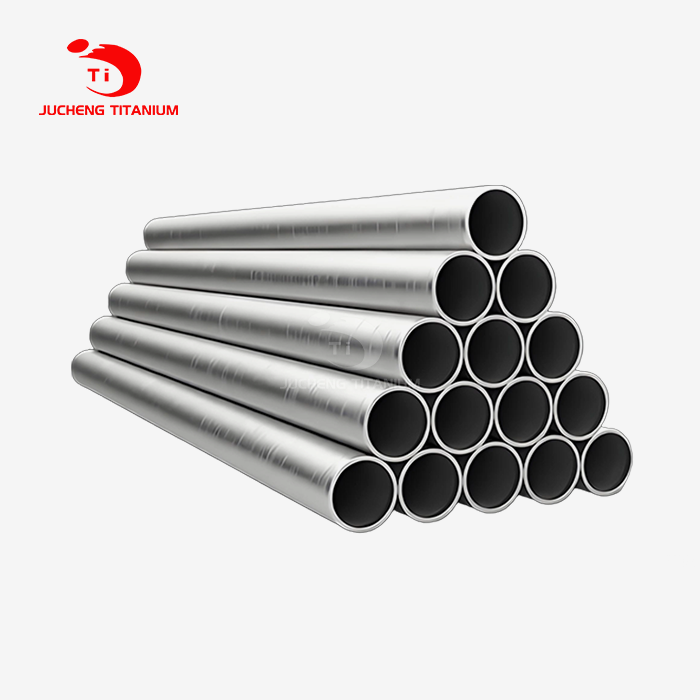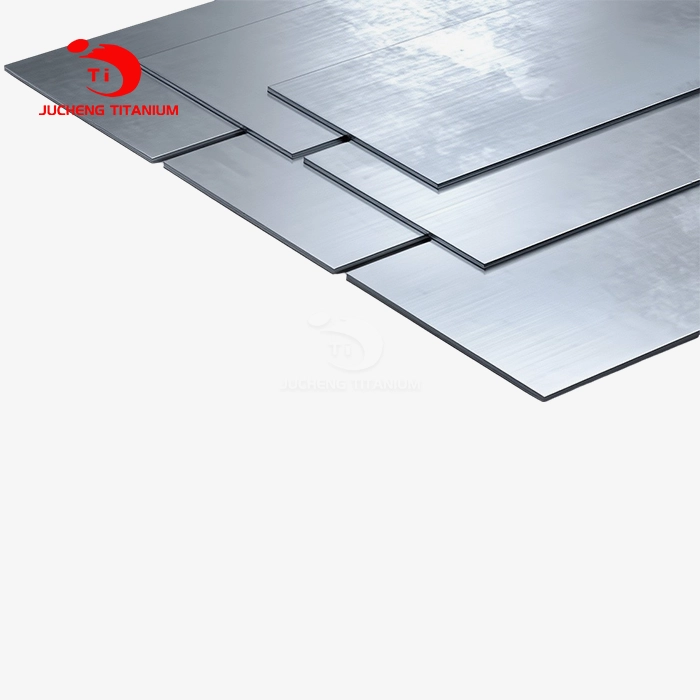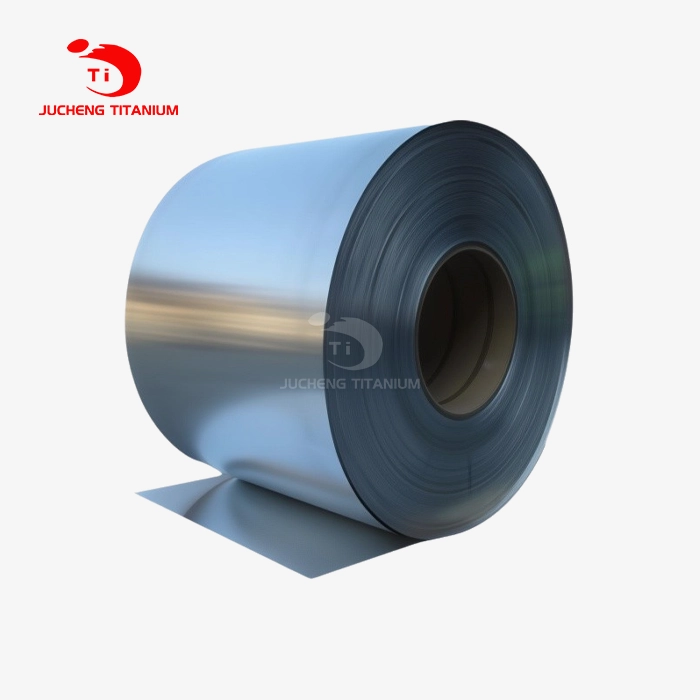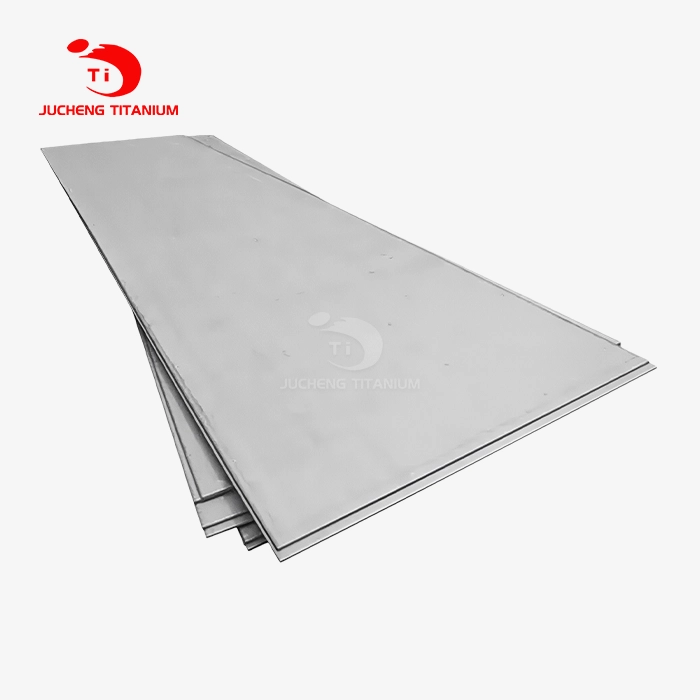

Can titanium plates stay in your whole life?
Simply put, titanium plate implants are made to stay in the body forever for the rest of the person's life. Excellent biocompatibility means that medical-grade titanium plates work well with bone cells and don't cause any issues. Titanium plate implants, unlike temporary implants, become a permanent part of the skeletal system. They help broken bones, spinal fusion, and reconstructive operations keep working properly over time. Metals that don't rust and are strong for their weight are the best for long-term medical uses in dental, cranial, and physical treatments.

Understanding Titanium Plates in Medical Applications
A titanium plate is a crucial part of modern surgical procedures used by medical workers all over the world. These specialized devices are a huge step forward in biomedical engineering. They can help with complicated bone reconstruction, trauma repair, and long-term stabilization.
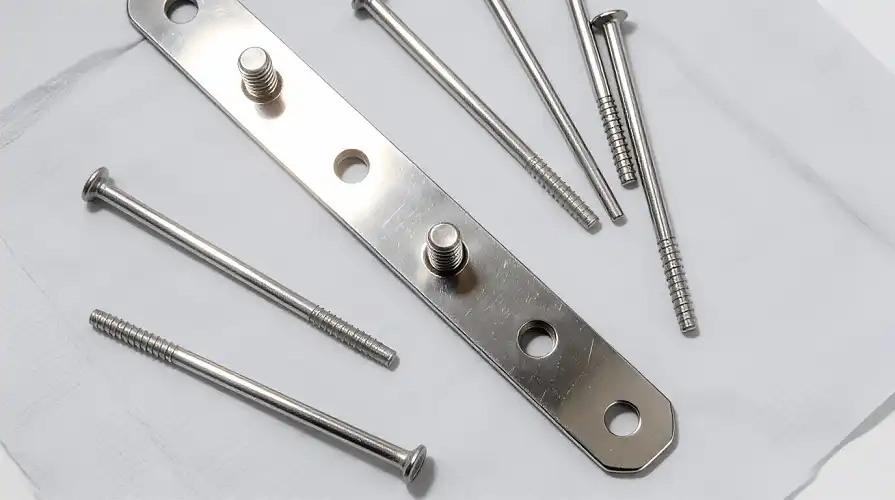
Chemical Makeup and Physical Characteristics of Materials
Pure titanium (Grade 2) or a mix of titanium, aluminum, and vanadium (Grade 5) is what most titanium plates used in medicine are made of. About 6% aluminum and 4% vanadium are added to Grade 5 to make it tougher. Titanium makes up most of the mix. Being made of this stuff has mechanical properties that are a lot like bone mass. In other words, it doesn't protect against stress as some other metal pins and screws do.
A vacuum spark remelt is the first step. Following is hot rolling, letting it cool, and careful cutting to get the right thickness, which ranges from 4 mm to 80 mm. There are two ways to treat the surface of the tissue to make sure it fits well and meets the highest standards for being clean and compatible with living things.

Comparison with Alternative Materials
Titanium plate implants don't rust as easily as stainless steel implants do in the salty environment of the body. Silver can make people sick who are allergic to iron, chromium, or nickel. Tin is safe, so you don't need to worry about these things. It's stronger than steel but not as heavy.
Cobalt and chrome are also used to make metals. They don't break down as fast as titanium, but they can't join to bone either. Bone cells can grow right on top of the metal during this process. Over time, this cell bond will make the implant more stable and less likely to come free.
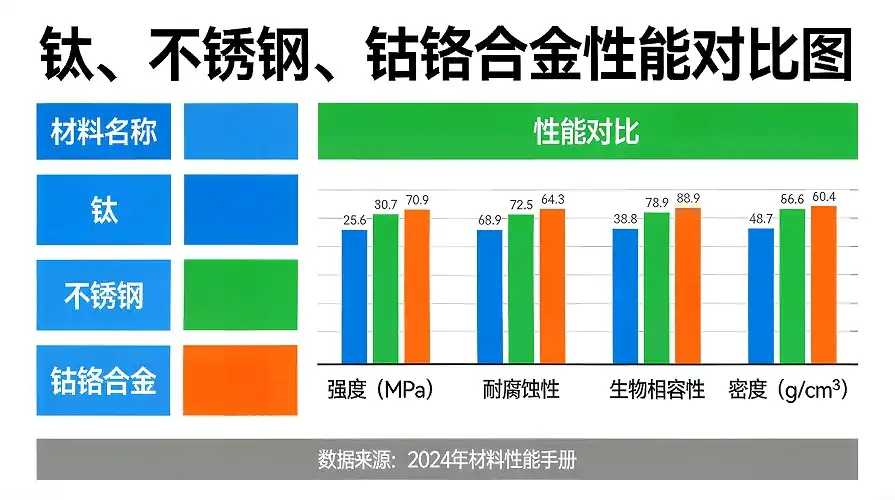
Can Titanium Plates Permanently Stay in the Human Body?
There is clinical proof from over 40 years ago that shows titanium plate implants can stay safely in the body for life. Long-term success rates of over 95% for properly inserted titanium devices have been shown by a lot of research and patient follow-up studies.
Biocompatibility and Tissue Integration
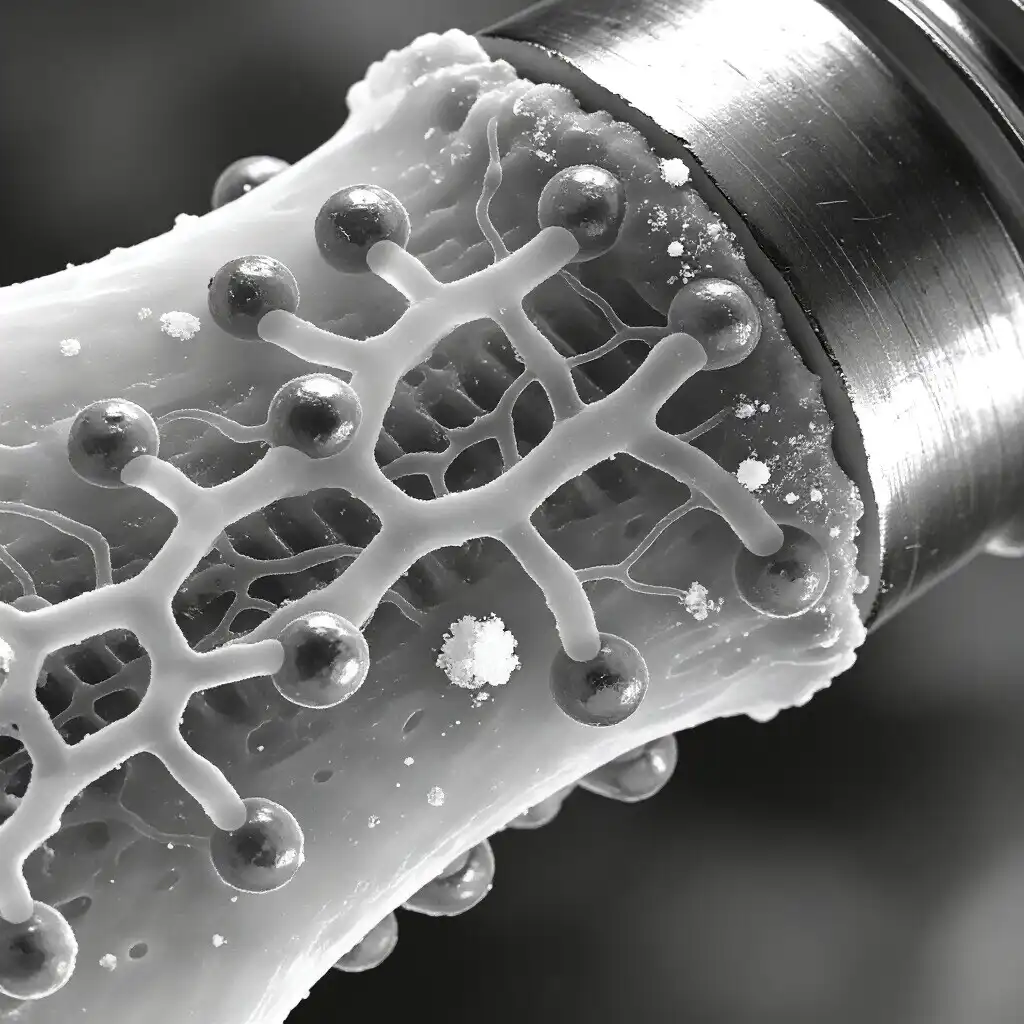
Titanium is safe for living things because it turns into titanium dioxide when it comes in contact with air. It is there to keep ions from getting into the tissues around the implant. The device can then lie flat against the bone. Sometimes it takes a few weeks for the bone to start to fuse with the bone. It will keep getting bigger over the next few months.
The implants of people who have had them for more than 20 years would not show many signs of damage or wear. Being strong enough to handle daily activities like walking, running, and moving your joints around won't make it weak fast.
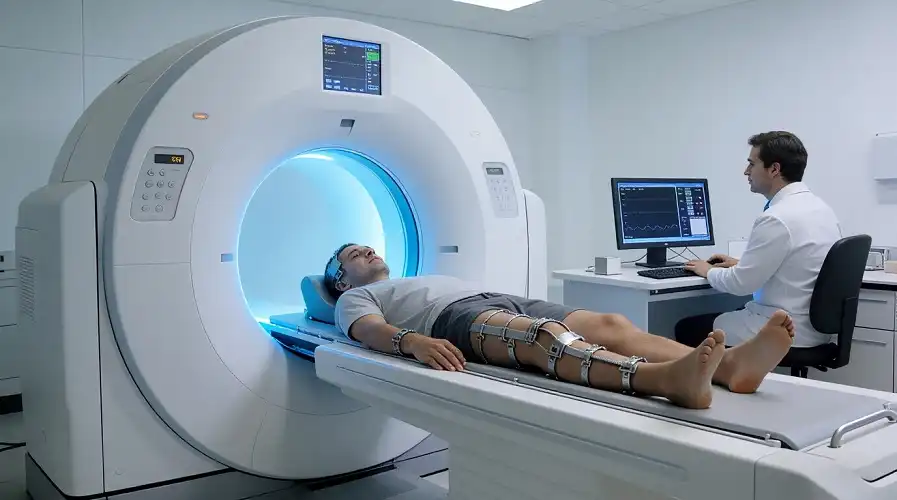
MRI Safety and Long-term Monitoring
Titanium is safe for magnetic resonance imaging techniques because it is not magnetic. Unlike ferromagnetic materials, which can move or heat up in dangerous ways during MRI scans, titanium implants don't change the images much and don't pose any safety risks. Because of this, patients can get the necessary medical scans throughout their lives without having to worry about problems with their implants.
An X-ray is often used to check on how the implant is doing and see if the bone is getting stronger. These extra checks help find changes that don't seem right at first. But problems with implants that need to be taken out are still very rare in people with picky eating habits.
Technical Considerations for Using Titanium Plates in Industrial and Aerospace Fields
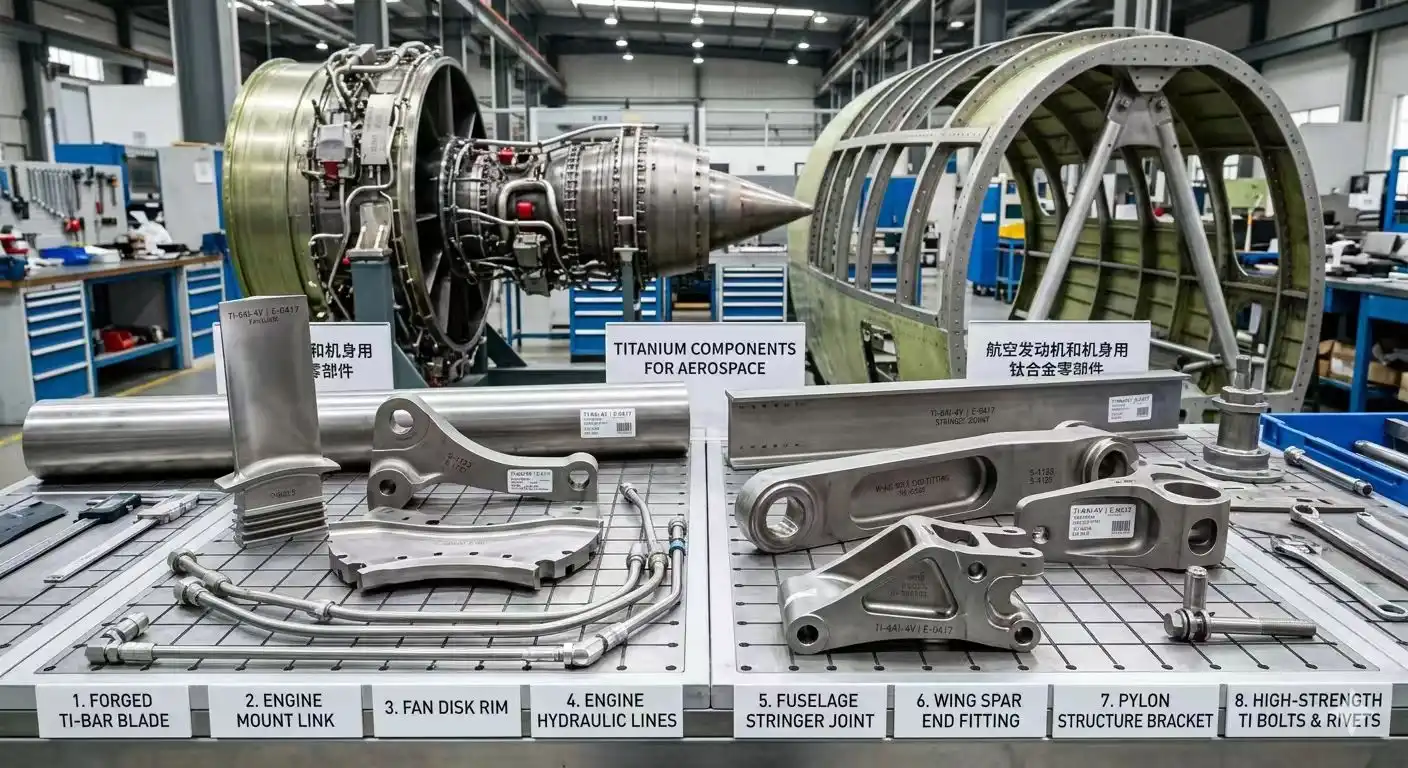
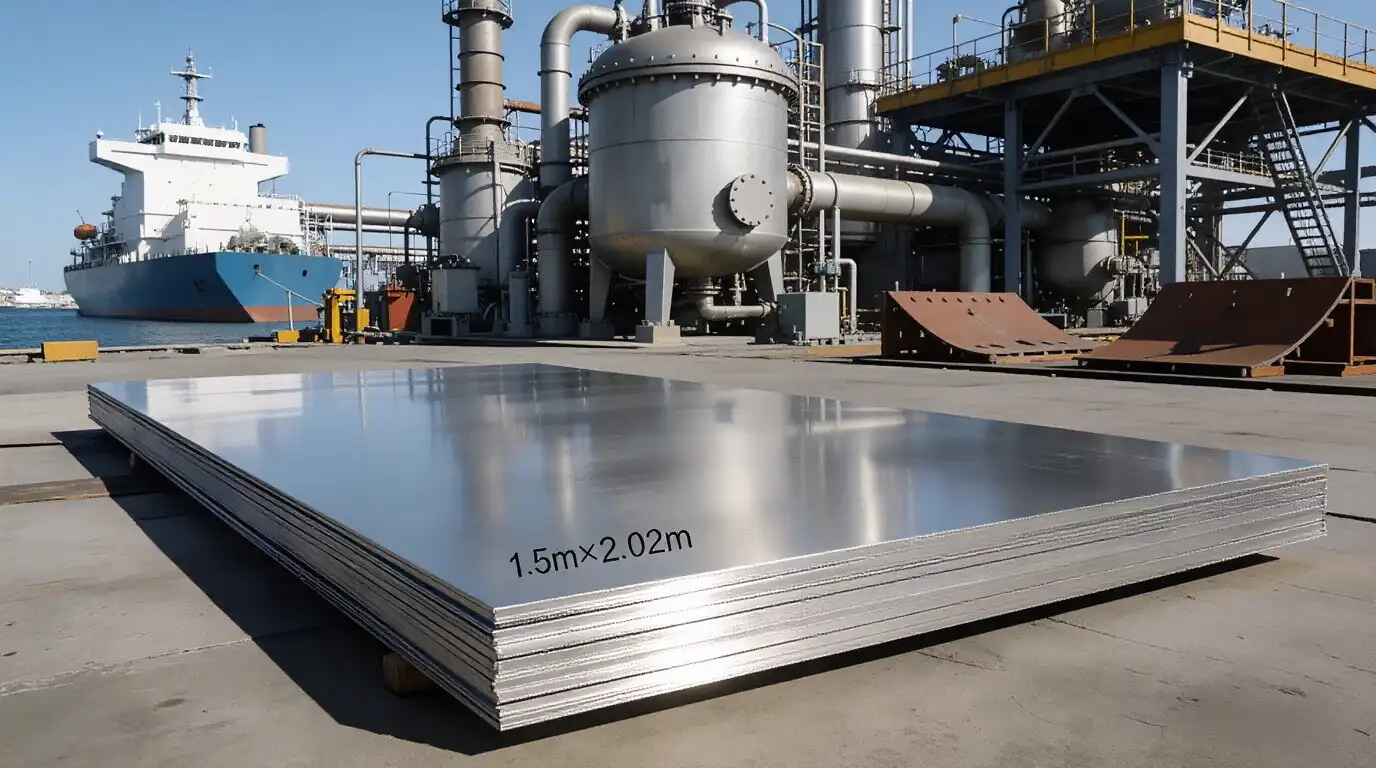
Titanium plate is used for a wide range of industrial purposes, including the production of aircraft, the processing of chemicals, and the construction of ships. These tough settings need materials that can stand up to the worst conditions while still staying stable in size and performing well.
Manufacturing Standards and Quality Control
When making titanium plates for business, it's important to stick to foreign standards like ASTM B265, AMS 4911, and ASME SB265. The ingredients that can be used, how they should be made, and the quality checks that need to be done are all very strict. This is to make sure that the product always works at the same level.
When steel is hot-rolled, all of its grains line up in a straight line. This makes the material stronger, but it still lets you shape it in tricky ways. Since it is annealed, the stress inside the material goes down, and the foundation is now perfect for the job.
Processing Capabilities and Surface Treatments
Thanks to better tools and ways, titanium plates can now be made to exact sizes. They can be as thin as 4 mm or as thick as 80 mm, as wide as 2500 mm, or as long as 10000 mm. You can pick from different sizes to fit any job, and they keep the pieces clean while they're being made.
You can mill it to make it fit together perfectly, smooth the surface to make it look better, or acid-pickle it to make it less likely to rust in salty or acidic places. These changes can be made to the surface without taking away from the natural qualities of the base material. This can help the surface work better in some situations.
Strength-to-Weight Advantages in Aerospace Applications
Titanium plate is stronger, lighter, and better able to withstand high temperatures than aluminum plate, so scientists who work in space should use it instead. Titanium doesn't split when it gets above 600°C. This makes it good for heat-resistant uses like engine parts, ship frames, and other places where losing weight directly affects speed and gas mileage.
Procuring Titanium Plates: What B2B Buyers Need to Know?
You need to know how the market works, what your sources can do, and how to make sure the quality if you want to get titanium at a good price. People who buy from other businesses might not fully understand the supply chains and cannot be sure that the things they buy are real and legal.
Supply Chain Considerations
Titanium can be bought from different places around the world, and each one has a different shipping time, handling service, and type of titanium. People in the US, Japan, and China know the brands that make things in some of the world's most important places. There are good and bad things about technology, numbers, and going into new areas.
It takes between 4 and 12 weeks to get standard types of titanium plates. The width, the need for a smooth surface, and the number of plates bought affect these prices. It could take longer to get it to you if you need specs or a one-of-a-kind metal. There needs to be a good idea of how much demand there will be in order to plan a project that goes well.
Quality Verification and Certification
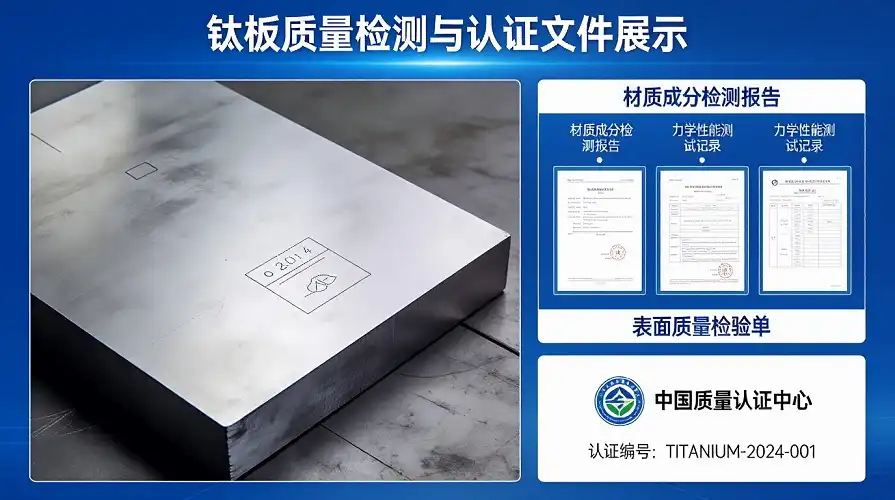
You can get a full material certification package from a reputable seller. This package will include chemical analysis reports, mechanical property test results, and paperwork that lets you track finished goods back to the bars they came from. An outside service can check the most important parts for you if you need to be more sure of the quality.
Everything can be tracked all the way through the supply chain when heat numbers or batch codes are used for that purpose. When there is a lot at stake, these forms are very important for apps that need to follow the law and stay out of trouble.
Why Choose Titanium Plates? Application-Driven Benefits and Procurement Strategy
When people buy something, they think about both how much it costs now and how much it will cost them in the long run. There is a lot of value in titanium plates because they last longer, need less maintenance, and work better in tough circumstances.
Lifecycle Cost Analysis
Titanium costs more than metals like steel and aluminum when it is first bought. Titanium, on the other hand, is often chosen because it doesn't need as many fixes and replacements over time. If something doesn't rust, you don't need to buy safety coats or take the time to keep them in good shape.
Making a ship lighter saves energy, which has long-term benefits. It's worth the money to buy good materials because they save you money on shipping, get better gas mileage, and let you carry more weight.
Industry-Specific Performance Benefits
Titanium can stand up to harsh chemicals like chlorine and sulfuric acid, as well as conditions like seawater, where other materials would break quickly. This makes it useful in chemical processing plants. When things are this rough, stainless steel tools break down very quickly. Fixing them and getting new ones would cost a lot of money.
Titanium doesn't rust in saltwater, so it can be used in marine environments without the need for cathodic protection. This means that the material can last forever in offshore environments. This corrosion resistance is especially useful for equipment that is submerged in water and cannot be easily accessed for upkeep.
Conclusion
Titanium plate technology is a stable and reliable option for uses that need to be installed permanently and work for a long time. Medical implants are very biocompatible and blend in well with human flesh, so they can be used safely for a long time and by many patients. Corrosion protection, strength-to-weight advantages, and operational reliability make materials worth investing in for industrial uses because they lower costs over the course of their lifetime. Knowing the right way to choose the grade, checking if the supplier is qualified, and knowing the specific needs of an application help you make good purchasing choices that last in many different industries and important uses.
FAQ
Q1: How long can titanium plates remain in the human body?
Titanium plates are designed for permanent implantation and can safely remain in the human body for an entire lifetime. Clinical studies tracking patients for over 20 years show excellent biocompatibility with minimal degradation or adverse reactions. The material's corrosion resistance and osseointegration properties make it ideal for long-term medical applications.
Q2: Which titanium grades are best for aerospace applications?
Grade 5 (Ti-6Al-4V) is the most commonly used titanium alloy for aerospace applications due to its excellent strength-to-weight ratio and high-temperature performance. Grade 2 commercially pure titanium is preferred for chemical processing applications requiring maximum corrosion resistance, while Grade 9 offers intermediate properties for specialized applications.
Q3: How does titanium compare to stainless steel in terms of cost and performance?
While titanium's initial cost is higher than stainless steel, lifecycle cost analysis often favors titanium due to superior corrosion resistance and reduced maintenance requirements. Titanium offers approximately twice the strength-to-weight ratio of stainless steel while eliminating galvanic corrosion risks in marine and chemical environments.
Q4: Are titanium plates safe for MRI procedures?
Yes, titanium plates are completely safe for MRI procedures due to their paramagnetic properties. Unlike ferromagnetic materials, titanium does not move or heat during magnetic resonance imaging and produces minimal image artifacts, allowing patients to undergo necessary medical imaging throughout their lives.
Q5: What quality certifications should buyers look for when procuring titanium plates?
Buyers should verify compliance with relevant standards such as ASTM B265, AMS 4911, or ASME SB265, depending on the application. Material certification packages should include chemical analysis, mechanical property test results, and complete traceability documentation. Third-party inspection services can provide additional quality assurance when required.
Partner with Jucheng Titanium for Premium Titanium Plate Solutions
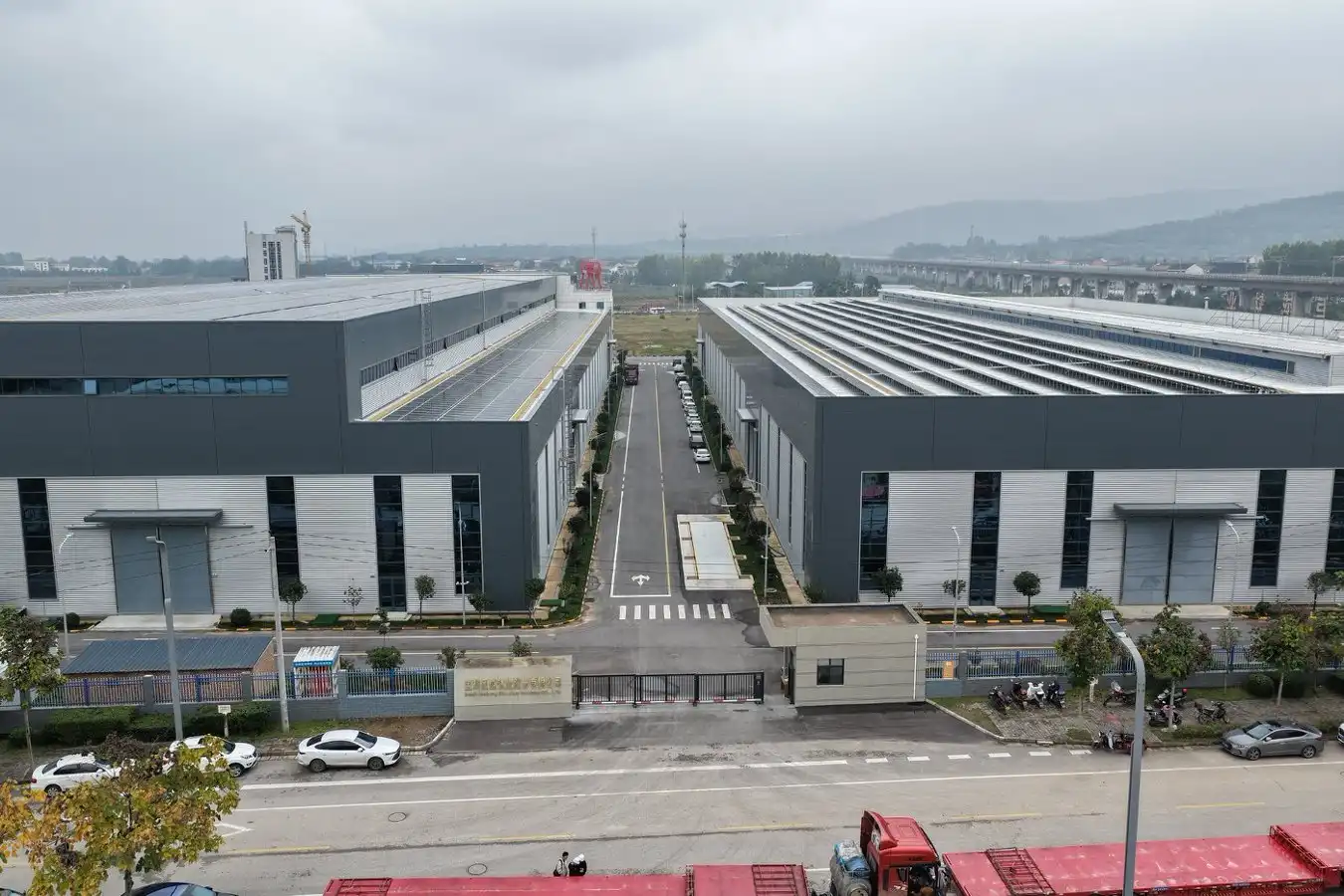
Baoji Jucheng Titanium Industry Co., Ltd. stands ready to support your titanium plate procurement needs with over 20 years of specialized experience in titanium processing and manufacturing. Our comprehensive inventory of 3,000 tons ensures rapid delivery of standard grades, including Gr1, Gr2, Gr5, and Gr9 in thicknesses ranging from 4mm to 80mm, all manufactured to ASTM B265 and AMS 4911 standards. As a certified titanium plate supplier with 45 patents and national high-tech enterprise recognition, we provide customized solutions backed by rigorous quality control and complete material certification. Contact our technical team at s4@juchengti.com to discuss your specific requirements and discover how our advanced processing capabilities can optimize your project outcomes.
References
1. Brunette, D.M., et al. "Titanium in Medicine: Material Science, Surface Science, Engineering, Biological Responses and Medical Applications." Springer-Verlag Berlin Heidelberg, 2001.
2. American Society for Testing and Materials. "Standard Specification for Titanium and Titanium Alloy Strip, Sheet, and Plate." ASTM B265-20a, 2020.
3. Williams, D.F. "Biocompatibility of Clinical Implant Materials, Volume II." CRC Press, Boca Raton, Florida, 1981.
4. Boyer, R., Welsch, G., and Collings, E.W. "Materials Properties Handbook: Titanium Alloys." ASM International, Materials Park, Ohio, 1994.
5. Lutjering, G. and Williams, J.C. "Titanium: Engineering Materials and Processes." Springer-Verlag Berlin Heidelberg, 2007.
6. Peters, M., et al. "Titanium Alloys for Aerospace Applications." Advanced Engineering Materials, Vol. 5, No. 6, 2003.