
What is a titanium plate?
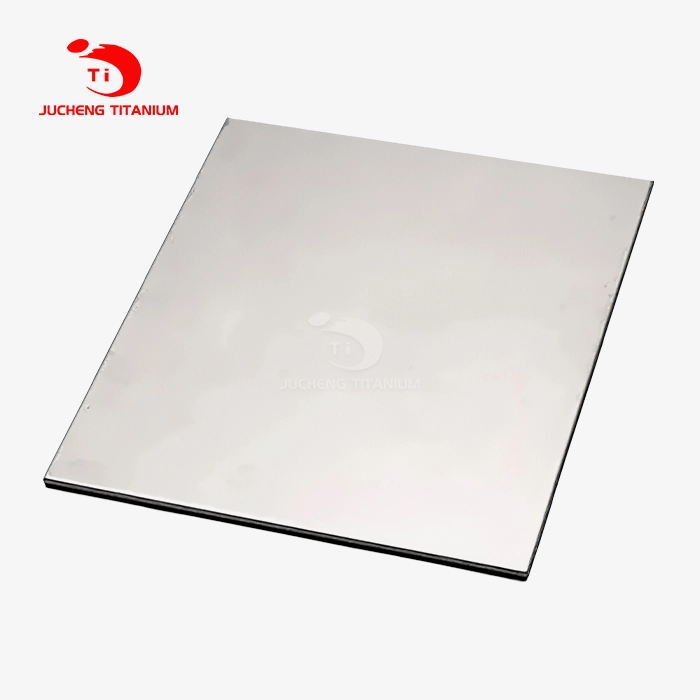
A titanium plate is a flat piece of metal that is made from pure titanium or titanium alloys. Most of the time, it's more than 4mm thick and more than 610mm wide. To make these plates for industry, they are hot rolled, annealed, and given unique surface treatments. They're very strong for how light they are, and they don't rust easily. A titanium plate is not the same as smaller titanium pieces. Aluminum or steel can't meet the high-performance standards needed in some important places, but a titanium plate can.
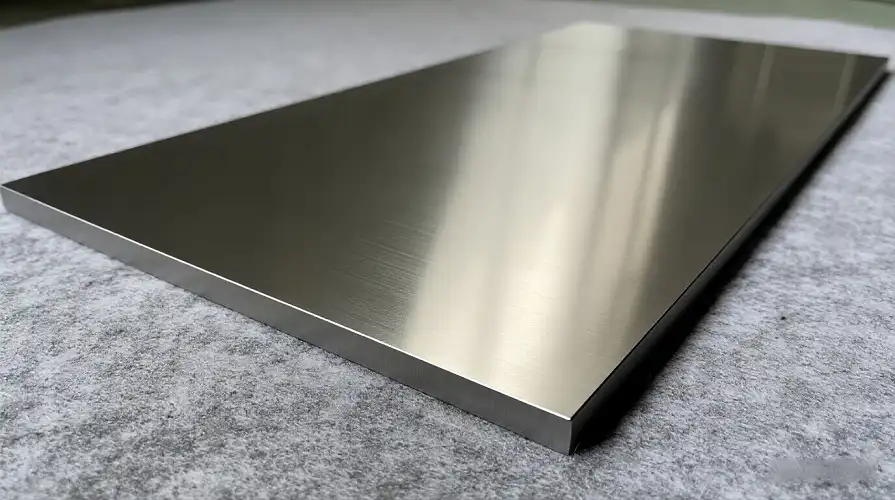
Understanding Titanium Plates: Definition and Key Properties
The fundamental characteristics of titanium plate materials stem from titanium's unique atomic structure, which gives it great mechanical properties and chemical inertness. These plates undergo precise manufacturing processes, including rolling, heating, leveling, pickling, and finishing the surface, to make sure they are the right size and made of the right material.
Manufacturing Process and Specifications
These days, titanium plates are made by first being remelted in a vacuum arc and then being hot rolled. As they are being made, titanium bars are shaped into flat pieces that can be between 4mm and 80mm thick, 950mm to 2500mm wide, and up to 10,000mm long. Different processing methods are used for each job to make it possible to make things in any size.
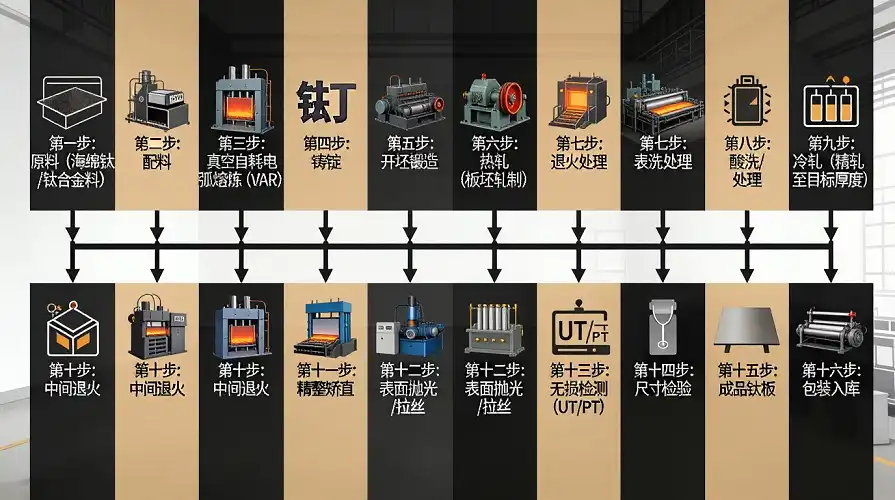
For most uses, the annealed state is best because it lets the metal be flexible and relieve stress. It is possible to clean, machine, or acid-pickle the surface of something to make it look and work better. These methods get rid of the dirt on top while leaving the clean material below.
Grade Classifications and Material Properties
Titanium comes in different types that are stronger, less likely to rust, and easier to work with. Grade 1 steel is the least likely to rust, but it is also the weakest. Grade 5 (Ti-6Al-4V), on the other hand, is used in airplanes because it is the strongest for its weight. This is where grades 2, 4, 7, 9, and 12 come in. They meet the wants of some businesses.
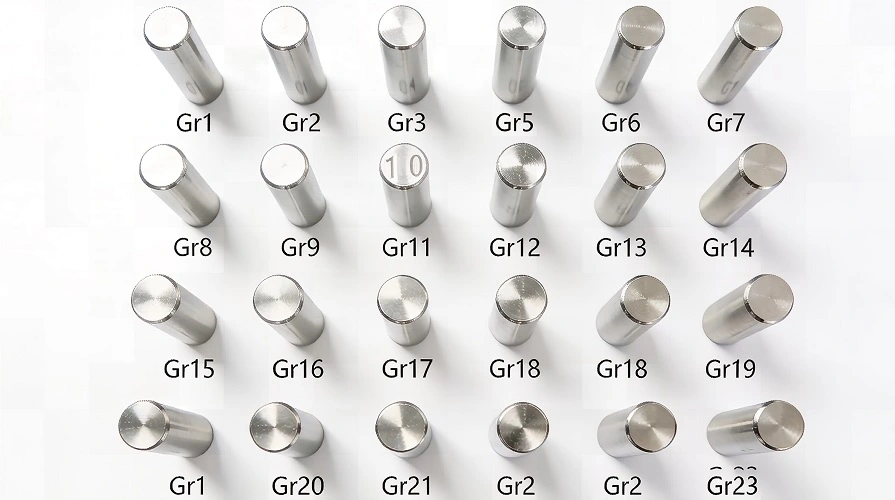
These rules, such as ASTM B265, ASTM F67, AMS 4911, and ASME SB265, make sure that quality and speed are the same in every market in the world. These guidelines set limits on things like chemical make-up, mechanical qualities, and differences in size that are important for business uses.
Physical and Mechanical Characteristics
Titanium plates can be pulled apart with a force of 240 MPa for Grade 1 and over 900 MPa for Grade 5. Also, they are about 45% less dense than steel. These materials don't easily wear out and don't change size when heated or cooled, so they're great for high-temperature processes. Most of the time, it protects against rust better than stainless steel. This is especially true for ocean and beverages that contain chloride.
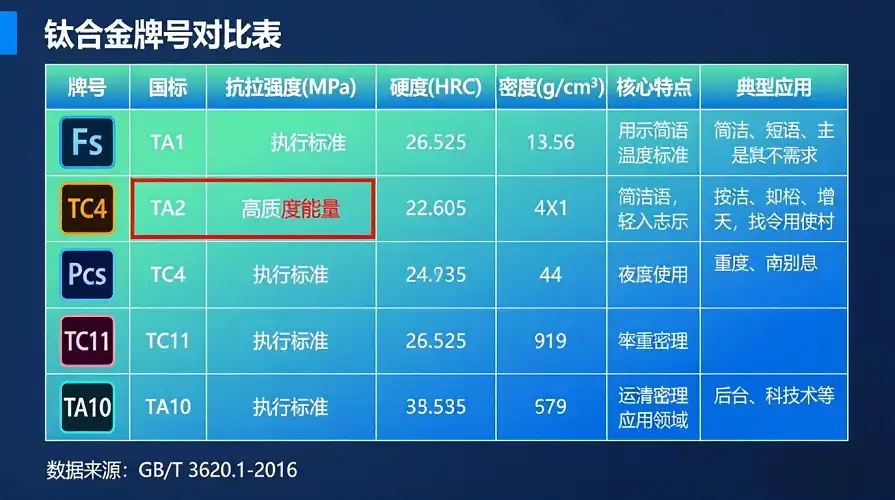
Advantages and Applications of Titanium Plates in Industry
Problems are solved by the unique combination of properties found in the titanium plate. Businesses in many different fields can run more easily because of these traits.
Superior Performance Characteristics
Here are the core advantages that make titanium plates indispensable for critical applications:
- Exceptional Corrosion Resistance: Titanium forms a protective oxide layer that renews itself, which keeps it safe from galvanic corrosion, pitting, and pocket corrosion in hard conditions where stainless steel would fail horribly.
- Outstanding Strength-to-Weight Ratio: The titanium plate has a great strength-to-weight ratio, which means it can be used in structure designs that get the best performance while also lowering mass loss for uses that care about weight.
- Temperature Stability: It stays the same size even when temperatures change quickly because it can work at temperatures up to 600°C and doesn't grow much when heated.
- Biocompatibility: Medical-grade titanium plates are biocompatible, which means they can be used on human skin without the risk of rejection that comes with other metal transplant materials.
These perks directly help engineers and buying experts with the most important issues they face when things go wrong.
Critical Industry Applications
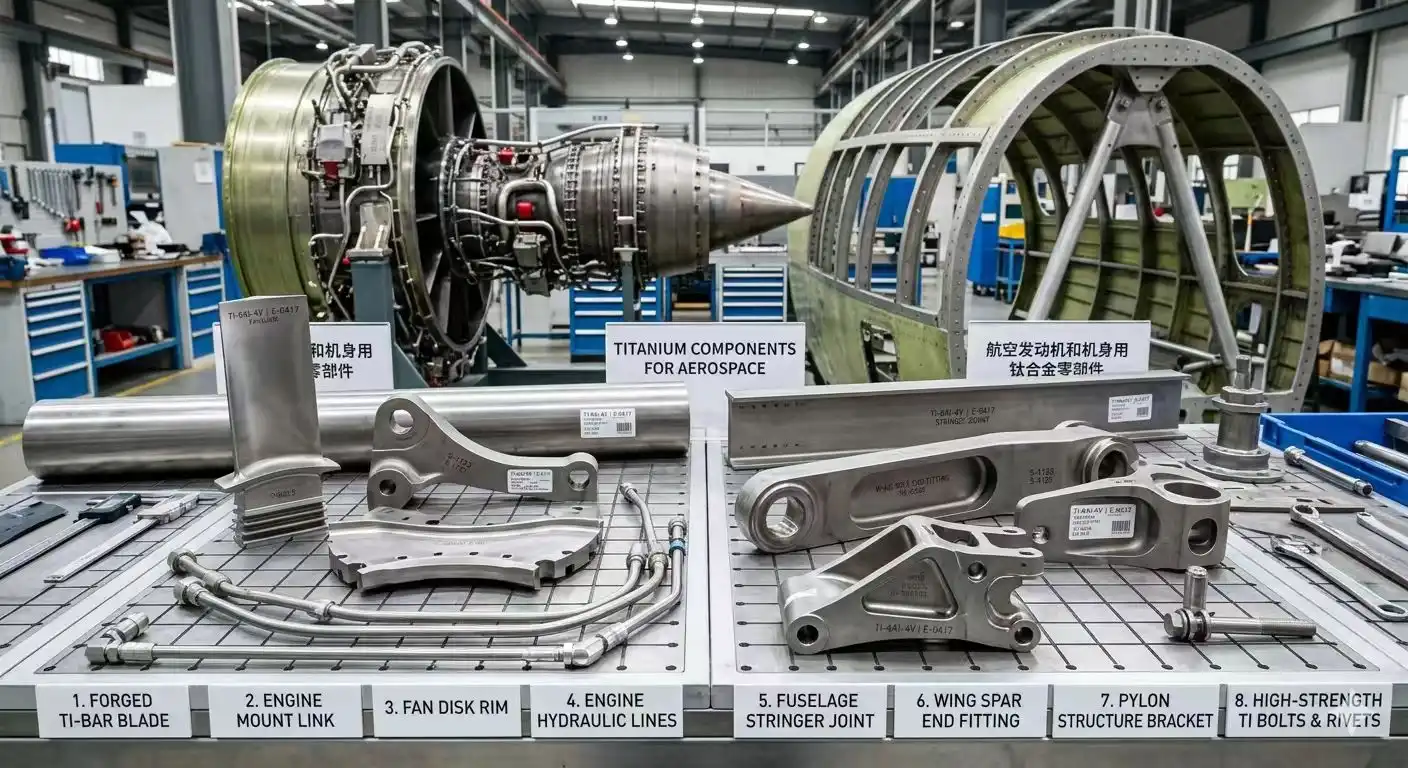
Structural parts made of titanium plate are used by aerospace companies because lowering the weight directly affects how much fuel is used and how much goods can be moved. A lot of the parts that Boeing and Airbus use for their engines, landing gear, and wing supports are made of titanium. The material cannot be changed for use in jet engines because it stays strong at high temperatures.
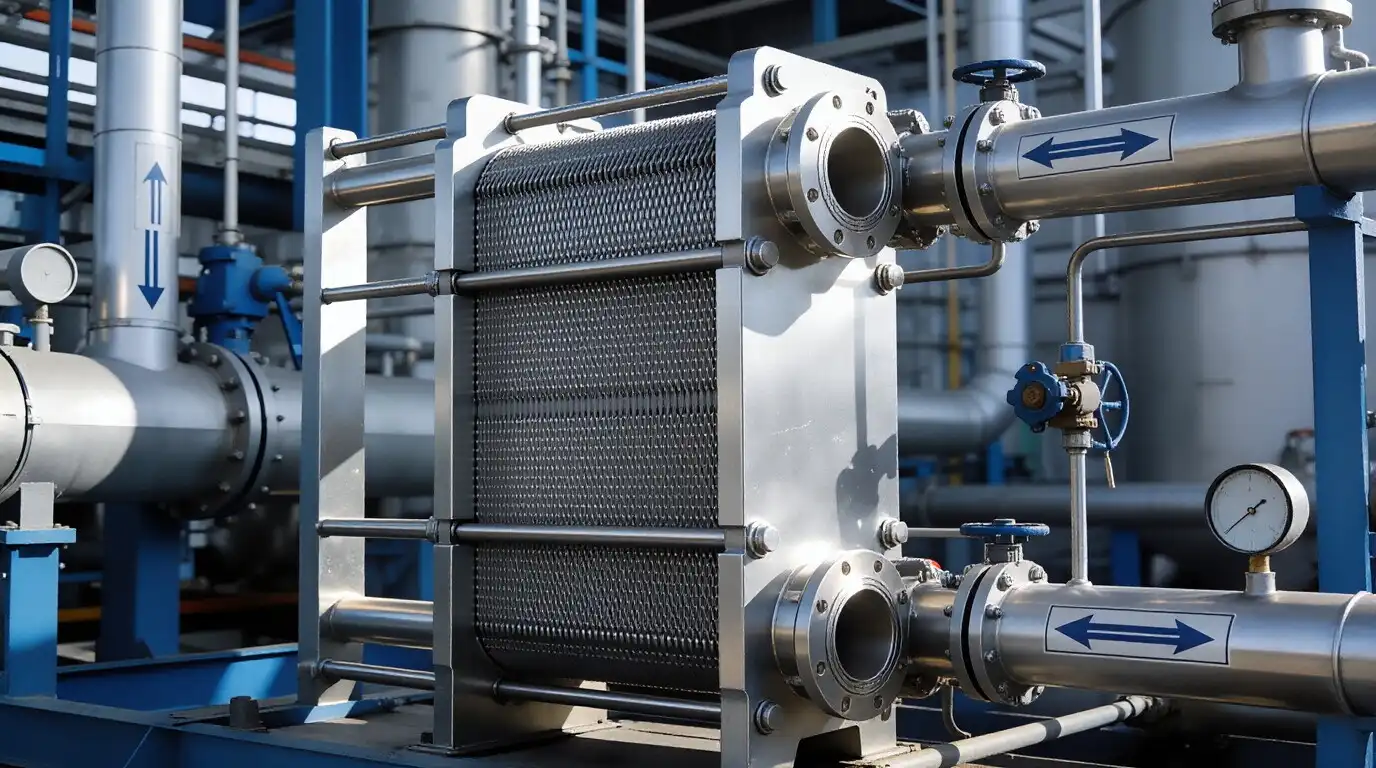
Chemical plants use titanium plates for reaction tanks, heat exchanges, and pipe systems that are in contact with corrosive media. It is important for petroleum businesses that use chlorinated chemicals that titanium doesn't crack easily when it comes to chloride stress corrosion. It has been shown that they can last more than 20 years at major places around the world.
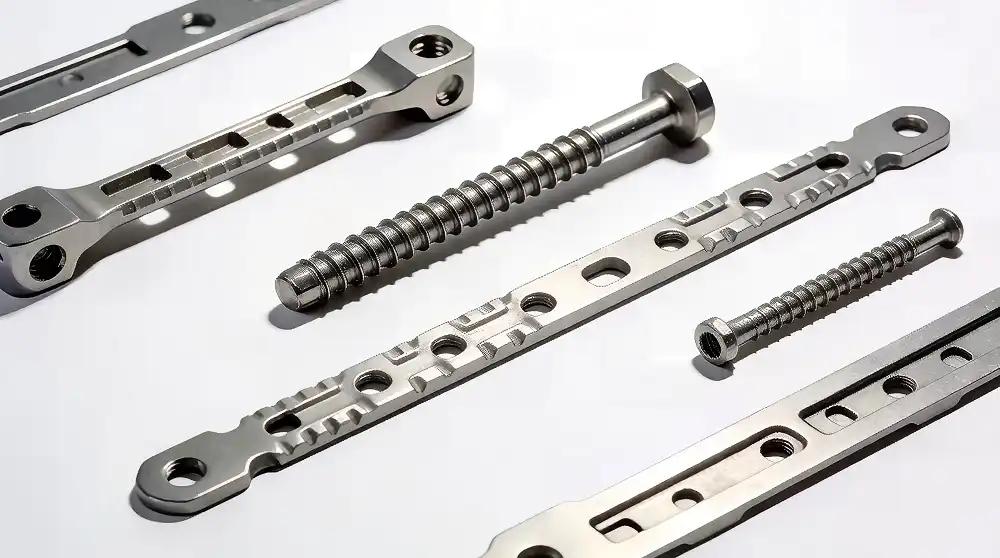
Companies that make medical equipment use special titanium plates to make surgical tools, tooth implants, and implants for the bones. The biocompatibility of the material stops the allergic reactions that can happen with other metals, and its strength makes sure that structures that hold weight will stay stable over time.
Titanium Plates vs. Other Metal Plates: Informed Comparison for Procurement
When you compare titanium plates to other materials and look at their pros and cons, you can make smart buying decisions based on the total cost of ownership instead of just the cost of the materials themselves.
Performance Comparison Analysis
Titanium plate is the best long-term value when considering materials, even though it costs more at first. It costs less to buy stainless steel, but places where it will rust need to be changed more often. When things aren't stressed, aluminum doesn't rust very easily, but it's not strong enough for tough scenarios.
Grade Selection Guidelines
Iron of Grade 2 is the best choice when resistance to rust is more important than strength. Grade 2 is great for cutting and welding, which makes it useful for building, chemical processing, and naval gear. Grade 5 is used in places like factories and airplanes where strength-to-weight rates need to be very high. It doesn't protect against rust as well as commercially pure types, though.
When making a decision, one must think about the working environment, the amount of stress, the temperature exposure, and the expected service life. Palladium is added to Grade 7 to make it less likely to rust in places that aren't as acidic. Grade 9 is a good choice for medium strength, and it can be made better than Grade 5.
Cost-Benefit Analysis
Even though titanium plates cost a lot, they often end up being cheaper in the long run because they last so long and don't need much maintenance. You can avoid having to repair the whole system because of rust by picking the right materials. Less weight means better gas mileage and lower running costs when it comes to transportation.
Practical Guidance on Purchasing Titanium Plates
You need to know about global supply lines, how to check the quality of the materials, and how to judge sellers in order to buy titanium plate materials.
Global Supply Chain Considerations
In China, the Baoji area has grown into a major production hub. Large companies like Jucheng Titanium can make many different kinds of things. Prices are low because there is a lot of knowledge and tools in this area. Quality is also high enough to meet worldwide standards. Most of the time, European and North American providers focus on custom types and processing services.
Quality Assurance and Certification
When material licenses are checked, they are made sure to meet certain standards and tracking needs. On mill test sheets, you should write down the metal properties, chemical make-up, and size ranges. Third-party review services make sure that important apps are even safer.
For uses in medicine and space that need to know the whole story of an object, an open supply chain is important. Providers must show that they follow either AS9100 or ISO 13485 quality control standards, depending on what the goods will be used for.
Procurement Best Practices
Because titanium is so expensive to work with, most makers only take orders of several hundred kilos. With custom sizes and specs, you might have to wait longer, but the materials are often better used for certain tasks. When you set up blanket buy orders, you can get big savings and still choose how to have the goods delivered.
Handling and Processing Titanium Plates
It is best to handle and work with materials in a safe and proper way, as this also ensures quality and safety in the making process.
Cutting and Machining Techniques
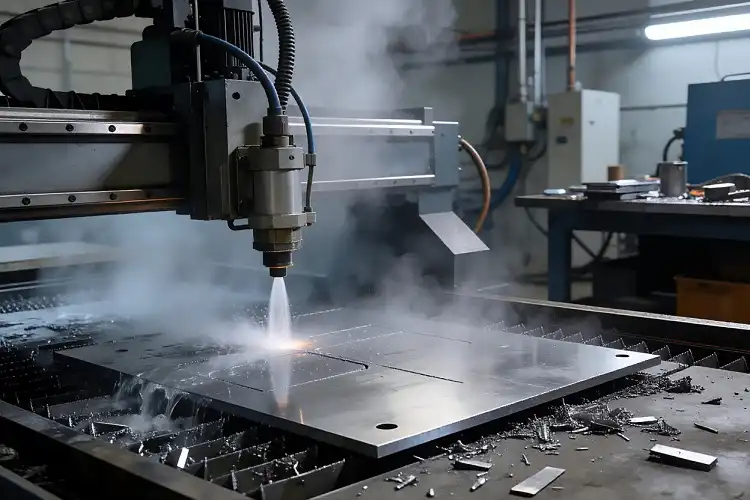
To keep the work from hardening, the titanium plate needs to be cut according to certain rules so that heat doesn't build up and make it impossible to move. Plasma cutting makes great edges on bigger pieces, while waterjet cutting gets rid of all the heat-affected spots. For traditional machining to work, tools need to be sharp, there needs to be enough cooling, and cutting speeds need to be slow.
Heat Treatment Processes
When you anneal something, you get rid of any stresses that were left over from shaping it. This makes the mechanical parts work better in real-world situations. In order to keep the material bendable, it is very important to keep the temperature in check. Too much heat can cause the grains to grow. Flames that work in a controlled setting keep the surface clean during the heat treatment steps.
Weight Calculation and Material Planning
Cost figures and delivery plans are more accurate when weights are known to be close to the truth. Titanium has a density of 4.5 g/cm³, which makes math easier than when you use metals with different densities. To find out what a plate weighs in general, you can use its length, width, thickness, and density. You can also use the right factors to account for material waste during processing.
Conclusion
Titanium plate technology continues advancing through improved manufacturing processes and alloy development, expanding application possibilities across traditional and emerging industries. The combination of exceptional corrosion resistance, outstanding strength-to-weight ratios, and proven reliability makes titanium plates indispensable for critical applications where material failure is not acceptable. As global infrastructure demands increase and environmental regulations tighten, titanium's sustainable lifecycle advantages and recyclability position it as the material of choice for next-generation engineering solutions.
FAQ
Q1: What titanium grade is best for aerospace applications?
It is best for most airplane structure needs that Grade 5 (Ti-6Al-4V) is used because it is strong for its weight. It is strong enough to be used for engine parts, landing gear, and wing parts (with a tensile strength of over 900 MPa). A Grade 2 steel might work for parts that aren't very important and where rust protection is more important than strength.
Q2: Can titanium plates be customized for specific dimensions?
Yes, a titanium plate can be made to fit your needs exactly. They can be up to 10,000mm long, 4mm to 80mm thick, and up to 2500mm wide. Making things to order may take longer, but it ensures that each job gets the right amount of material.
Q3: How do titanium plate prices compare to stainless steel?
Titanium plates of the same size usually cost 3-5 times more than stainless steel plates at first. However, because they last longer and need less maintenance, their overall cost of ownership is often less. The exact price differential varies on where you buy, the grade, and how many things you order.
Q4: What standards govern titanium plate quality?
Standards around the world, such as ASTM B265, ASTM F67, AMS 4911, and ASME SB265, set out the chemical make-up, mechanical properties, and size ranges. It is easy for countries to do business with each other because of these standards. They make sure that quality and performance are the same in all global markets.
Q5: Are titanium plates suitable for medical implants?
It is usual for tooth implants, surgery tools, and hip implants to be made of medical-grade titanium plates, which are very biocompatible. When used in medicine, Grades 1, 2, and 4 are best because they don't rust when they come in contact with body fluids and work well with human meat.
Partner with Jucheng Titanium for Premium Titanium Plate Solutions
Jucheng Titanium is ready to make a titanium plate for you. They have been in the business for more than 20 years, use cutting-edge technology, and have high standards for quality. Because we have a huge inventory—3,000 tons—we can quickly meet both normal and unique needs. Because we are very good at processing, we can do everything from exact cutting to unique surface processes.
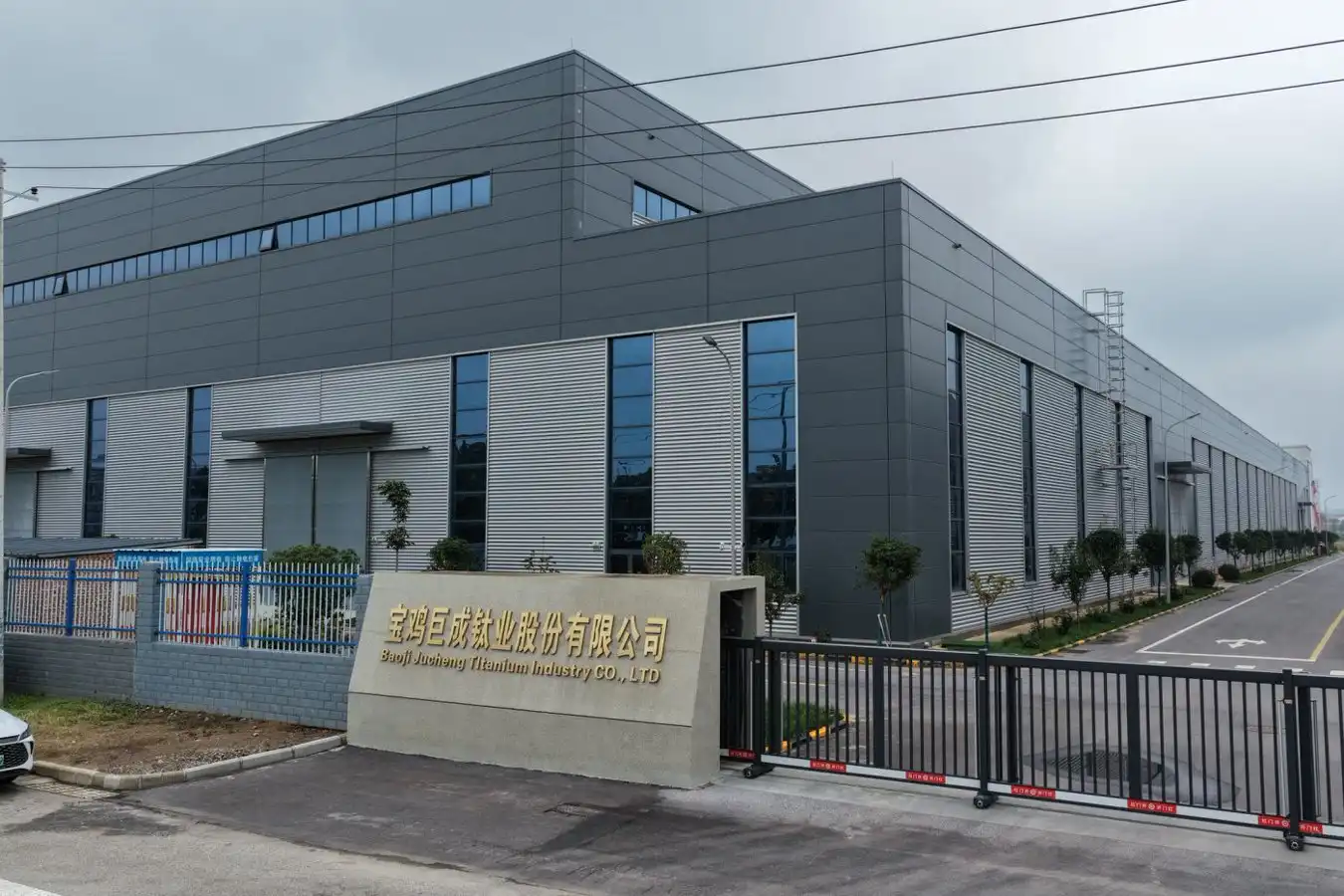
Our 120,000-square-meter, cutting-edge plant is in China's well-known Titanium Valley. It makes titanium plates that follow international rules like ASTM B265, AMS 4911, and ASME SB265. You can get help from our expert team with anything, from materials made for spacecraft to parts for chemical processing to uses in medical devices. On top of that, they can give you professional help and make solutions that are just right for you.
Contact our skilled buyers about your titanium plate requirements at s4@juchengti.com. You can also learn how our history of quality, reliability, and customer service can help your next project succeed.
References
1. Lutjering, G., & Williams, J.C. (2019). Titanium: Engineering Materials and Processes, 2nd Edition. Berlin: Springer-Verlag.
2. Boyer, R., Welsch, G., & Collings, E.W. (2020). Materials Properties Handbook: Titanium Alloys. Materials Park, OH: ASM International.
3. Donachie, M.J. (2021). Titanium: A Technical Guide, 3rd Edition. Materials Park, OH: ASM International.
4. Schutz, R.W., & Watkins, H.B. (2018). Recent developments in titanium alloy application in the energy industry. Materials Science and Engineering: A, 243(1-2), 305-315.
5. Peters, M., Kumpfert, J., Ward, C.H., & Leyens, C. (2019). Titanium alloys for aerospace applications. Advanced Engineering Materials, 5(6), 419-427.
6. Rack, H.J., & Qazi, J.I. (2020). Titanium alloys for biomedical applications. Materials Science and Engineering: C, 26(8), 1269-1277.