
Where to buy a titanium sheet?
When procurement workers look for trusted titanium sheet providers, they have to find the best balance between quality, cost, and certification compliance. The answer is to work with well-known makers who can offer advanced processing and have a history of success in foreign markets. To get the best performance in tough industrial settings, buying titanium sheet requires a close look at the credentials of the suppliers, the product specs, and the quality certifications.


Understanding Titanium Sheets: Properties and Applications
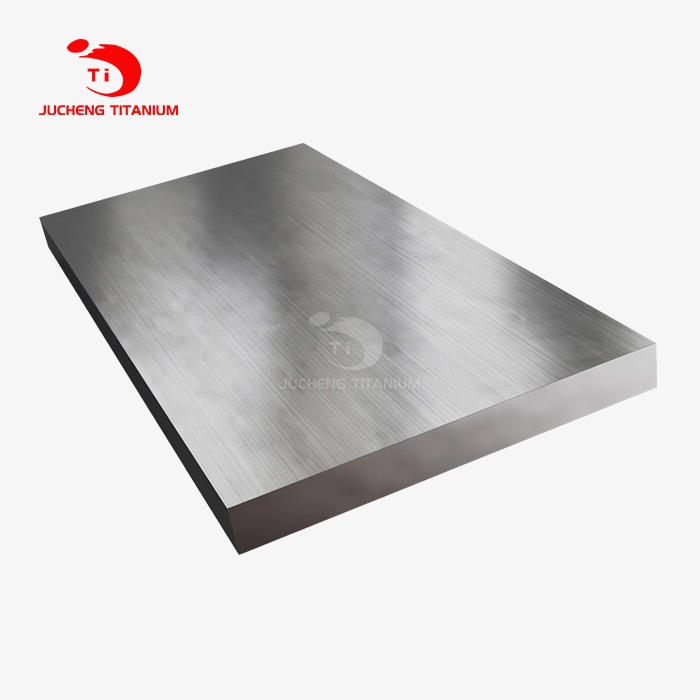
From a metalworking point of view, titanium sheet is a flat-rolled mill product that is usually between 0.5mm and 4.75mm thick. It can be told apart from thicker titanium plates by the measurements specified in ASTM B265. This group strikes the best balance between being able to be shaped and having a strong structure. It solves important business problems in many areas.

Fundamental Properties and Performance Characteristics
Titanium sheet performance is exceptional because of its special physical characteristics. With a density of about 4.51 g/cm³, these materials are about 60% lighter than steel but have the same strength. This solves the strength-to-weight problem that engineers in aircraft and cars have been having trouble with. A steady titanium dioxide (TiO₂) oxide layer forms on its own, protecting the steel from corrosion in harsh conditions where other stainless steels fail.
When it comes to mechanical qualities, different grades are very different. For example, Grade 5 titanium metal (Ti-6Al-4V) has a tensile strength of over 895 MPa, while Grade 1 is the softest and easiest to shape. Because of this, engineers can choose materials that are perfectly suited to the job, whether they need to be strong for structural parts or easy to shape for complex forms.

Industrial Applications Across Key Sectors
The aerospace industry relies heavily on titanium sheets for structural parts of airplanes because of their high temperature stability and fatigue resistance. Commercially pure grades of titanium alloy are used in less demanding aircraft uses, while Grade 5 sheets are often used for engine parts and airframe structures.
Manufacturing medical devices is another important area of use, and biocompatibility needs drive the need for certain types. Medical-grade titanium sheets are used in medical tools and implants, and they have to meet strict purity standards. Grades 1 and 2 are especially popular because they work well with biological materials and don't rust.

Chemical processing industries utilize titanium sheets extensively in the equipment-making process, especially for heat exchangers, reactor tanks, and piping systems. Because it doesn't crack under chloride stress, the material is very useful in naval and industrial settings where other materials would need to be replaced often.

How to Choose the Right Titanium Sheet for Your Project?
To choose the right titanium sheet, you need to carefully consider several factors, starting with the grade you need based on your application needs. When making a choice, people need to think about the mechanical features, the surroundings, and the rules that need to be followed for the specific use.
Grade Selection and Material Properties
Knowing the seven main types of titanium helps people who work in buying make smart choices:
Grade 1 titanium offers maximum formability with the lowest strength, making it perfect for uses that need complex shaping. Because it is very flexible and easy to weld, it can be used in architecture and chemical processing equipment where mild strength is enough.
Grade 2, which is the most popular and widely pure grade, has the best mix of strength, formability, and resistance to corrosion. This reliable material works well in naval settings, chemical processing, and general industry tools where performance is more important than strength.
Grade 4 is stronger than Grades 1 and 2, but it can still be shaped easily, so it can be used for structural purposes in both naval and commercial settings. It can handle heavier loads because its mechanical qualities have been improved.
Grade 5 (Ti-6Al-4V) represents the most common titanium metal, which has a great strength-to-weight ratio and great mechanical qualities at high temperatures. This grade is often required for important engine and structure parts in aerospace applications.

Dimensional Specifications and Custom Requirements
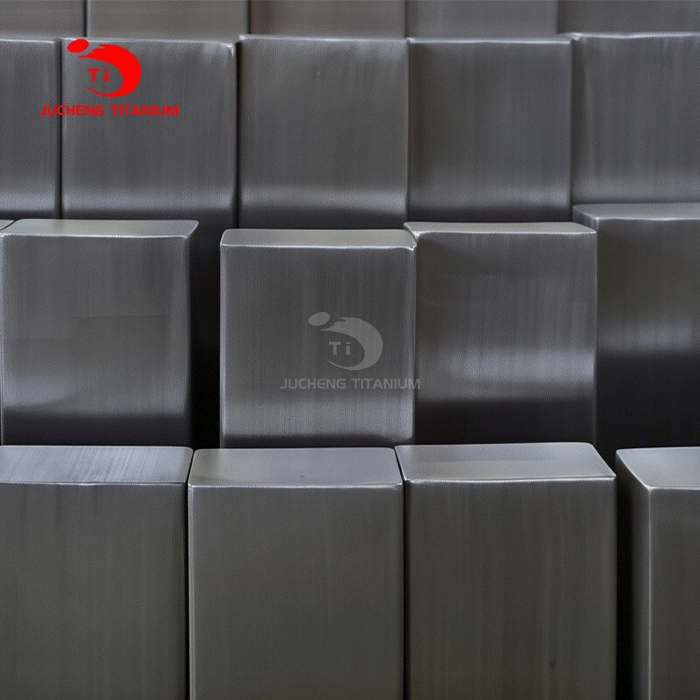
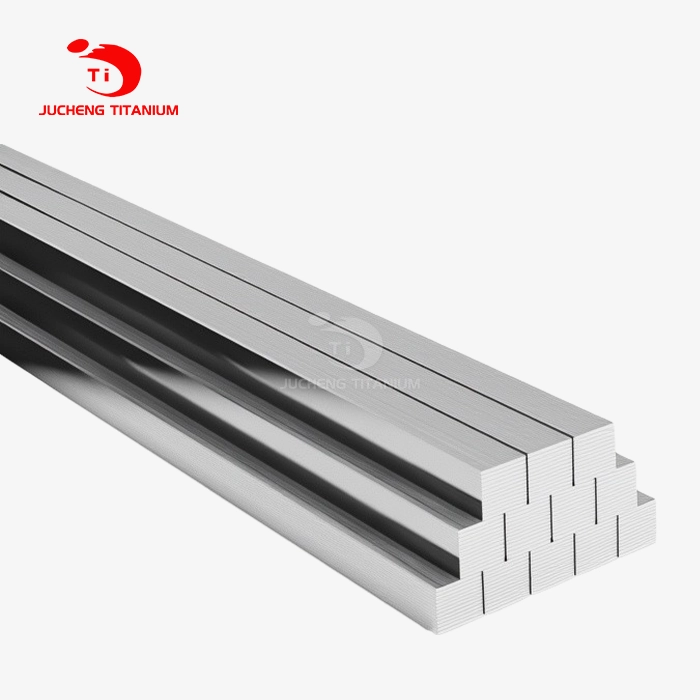
Standard titanium sheet dimensions typically include thickness ranges from 4mm to 80mm, widths between 950mm and 2500mm, and lengths up to 10,000mm. Customization features, on the other hand, let makers make dimensions that are exactly right for each job. Knowing these factors helps buying teams get the most out of the materials they use and throw away as little as possible.
Processing methods have a big effect on the end product's properties. To get the right qualities, hot-rolled sheets are rolled, annealed, leveled, pickled, and given a smooth finish on the outside. The annealed state gives the best shapeability and stress release, and different surface processes, such as machined, polished, and acid-pickled finishes, can be used for different purposes.

Where to Buy Titanium Sheets: Trusted Suppliers and Solutions
The global titanium supply market includes both well-known companies and new companies that are giving competitive options. For buying to go well, you need to know about the supplier's skills, certifications, and quality processes.
Evaluating Supplier Credentials and Capabilities
International standards like ASTM B265, ASTM F67, AMS 4911, and ASME SB265 are consistently met by reputable titanium sheet providers. For important uses, these certificates make sure that materials can be tracked, their mechanical properties can be checked, and the standard is always the same. Suppliers should give full mill test papers that show the chemical makeup, mechanical qualities, and accuracy of the dimensions.
Manufacturing skills have a big effect on how suppliers are chosen. Modern providers offer processing that includes hot rolling, cold rolling, annealing, and different surface processes all in one step. This kind of vertical merger usually means better control over quality, faster lead times, and more competitive prices for complicated needs.

Geographic Considerations and Supply Chain Factors
China's titanium industry, particularly in the Baoji region known as "Titanium Valley," has emerged as a significant force in global markets. Companies like Baoji Jucheng Titanium Industry Co., Ltd. show what the area can do by providing a wide range of products at reasonable prices and having established international networks. Their 20 years of knowledge in the field and large inventory help with common procurement issues like supply security and wait time worries.
When judging foreign suppliers, quality issues come up a lot of the time. This is why seller checks and quality certifications are so important. Concerns about quality have been handled by well-known Chinese companies through strict quality systems, foreign certifications, and partnerships with research institutions that make sure the quality of their products is always the same.
Value-Added Services and Procurement Support
Leading providers set themselves apart by offering a wide range of value-added services that go beyond just supplying materials. Custom cutting services help buying teams make the best use of their goods while cutting down on the costs of handling it. Engineers can choose the right grades and specs for a job with the help of technical support services.
Inventory management services are especially helpful for businesses whose demand changes all the time. When suppliers keep a lot of stock on hand, they can deliver quickly for pressing needs and offer exchange programs for people who buy a lot. These services lower the amount of operating capital needed while still making sure that materials are available.
Purchasing Process and Best Practices in Procuring Titanium Sheets
Getting a titanium sheet in a way that is both effective and cost-effective requires organized processes that balance quality assurance with cost optimization. Creating detailed specs and evaluation criteria makes the process of choosing a provider easier and lowers the risks of buying.
Specification Development and RFQ Preparation
In the detailed specs, you should list the required grade, the allowed tolerances for size and shape, the required surface finish, and any relevant standards. The limits on chemical makeup, the mechanical properties that must be met, and the testing methods must all be in line with what the application needs. Misunderstandings and shipping delays can be avoided by being clear about the requirements for packing, labeling, and paperwork.
Request for Quote (RFQ) papers should include enough information to get correct prices and let sellers suggest alternatives that might be a better deal. Including expected numbers and delivery dates in proposals helps providers make the best ones and find ways to cut costs through better production planning.
Quality Assurance and Inspection Protocols
Incoming inspection processes must use the right testing methods to make sure that the material meets the requirements. Visual checking finds flaws on the surface, measuring makes sure the size is correct, and mechanical testing makes sure the properties meet the requirements. Chemical analysis makes sure that the grade is met, and a certification review makes sure that the product can be tracked and that the quality system is followed.
Third-party inspection services add extra security to important tasks, especially when making medical devices or flight parts, where the performance of the materials directly affects safety. These services check what suppliers say on their own and can find quality problems before the materials are used in production.
Conclusion
For titanium sheet buying to go smoothly, technical needs must be balanced with business needs. This means that suppliers' skills, quality systems, and value-added services must be carefully examined. There are many choices for global supply, from well-known Western manufacturers to competitive Asian sellers who offer cheaper options without lowering quality. Procurement experts can make choices that improve both performance and cost by knowing the properties of the material, the needs of the application, and the credentials of the provider. Structured procurement processes, detailed specs, and strict quality assurance methods all work together to make sure that demanding industrial uses where material performance directly affects product success go smoothly.
FAQ
Q1: What distinguishes titanium sheets from titanium plates?
The difference is based on ASTM B265 dimensions, which say that sheets must be less than 4.75 mm (0.187 inches) thick and more than 610 mm (24 inches) wide. Materials that are thicker than these limits are called plates, and thinner materials are called strips. This division changes how things are made, how they are handled, and what kinds of uses they can be used for.
Q2: Why does Grade 5 titanium require special forming considerations?
The Ti-6Al-4V metal is stronger and has more springback than commonly pure grades, so it needs bigger bend radii when it is cold formed. To keep things from cracking, complex shapes often need hot forming methods at high temperatures. The way the metal hardens over time also affects the gradual forming process.
Q3: What welding requirements apply to titanium sheets?
Titanium sheet welding demands inert gas protection due to the material's reactivity with atmospheric gases at elevated temperatures. Tungsten Inert Gas (TIG) welding with high-purity argon shielding protects both the weld pool and heat-affected zone. Back cleaning keeps the root side from getting contaminated, which could weaken the material.
Q4: How do aerospace and industrial standards differ?
Industrial applications typically follow ASTM B265 or ASME SB265 standards, while aerospace specifications like AMS 4902 for commercially pure titanium or AMS 4911 for Ti-6Al-4V have tighter rules. To make sure that flight-critical parts are reliable, aerospace standards call for more frequent testing, tighter limit controls, and better paperwork for tracking.

Partner with Jucheng Titanium for Your Sheet Metal Requirements
Jucheng Titanium has a wide range of manufacturing skills and a lot of knowledge in the titanium sheet business, which can help procurement teams find trusted sources. Our 120,000-square-meter center in China's Titanium Valley stores more than 3,000 tons of goods, so we can meet urgent needs quickly and keep long-term supply deals going. Our quality certifications and 20-year history of working with titanium give the aircraft, medical, and chemical processing businesses the trust they need. Contact s4@juchengti.com to talk about your unique needs and find out how our ability to make titanium sheets can help your next project with low prices and high quality standards.

References
1. Davis, J.R. "Titanium: A Technical Guide, 2nd Edition." ASM International Materials Engineering Handbook, 2019.
2. American Society for Testing and Materials. "ASTM B265-20: Standard Specification for Titanium and Titanium Alloy Strip, Sheet, and Plate." ASTM International Standards, 2020.
3. Boyer, R., Welsch, G., and Collings, E.W. "Materials Properties Handbook: Titanium Alloys." ASM International Metals Handbook, 2018.
4. Aerospace Material Specification Committee. "AMS 4911J: Titanium Alloy Sheet, Strip, and Plate Ti-6Al-4V." SAE International Aerospace Standards, 2019.
5. Lutjering, G. and Williams, J.C. "Titanium: Engineering Materials and Processes, 2nd Edition." Springer Materials Science Series, 2017.
6. International Titanium Association. "Titanium Industrial Application Guidelines and Best Practices." ITA Technical Publication Series, 2020.