
What to make with sheet titanium?
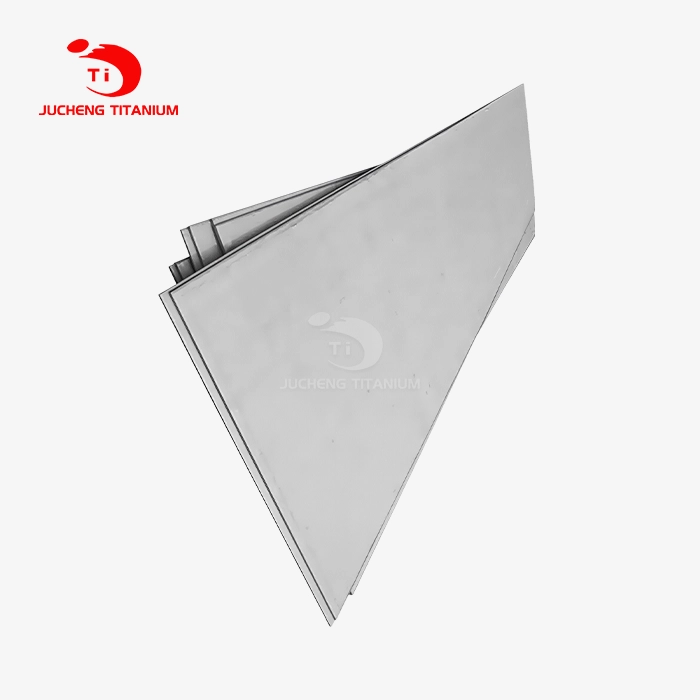
There are a lot of things that engineers and makers can make out of sheet titanium. These things can be used in industry, medicine, airplanes, and chemical processing. Titanium sheets are very strong, don't rust, and don't harm living things. They can be used to make important parts for a wide range of things, from the frames of airplanes and medical implants to heat exchanges and tanks for chemical reactors. This titanium, which has been flat-rolled, is very useful because it can be used to make high-performance parts that need to be strong and last a long time in hard conditions.
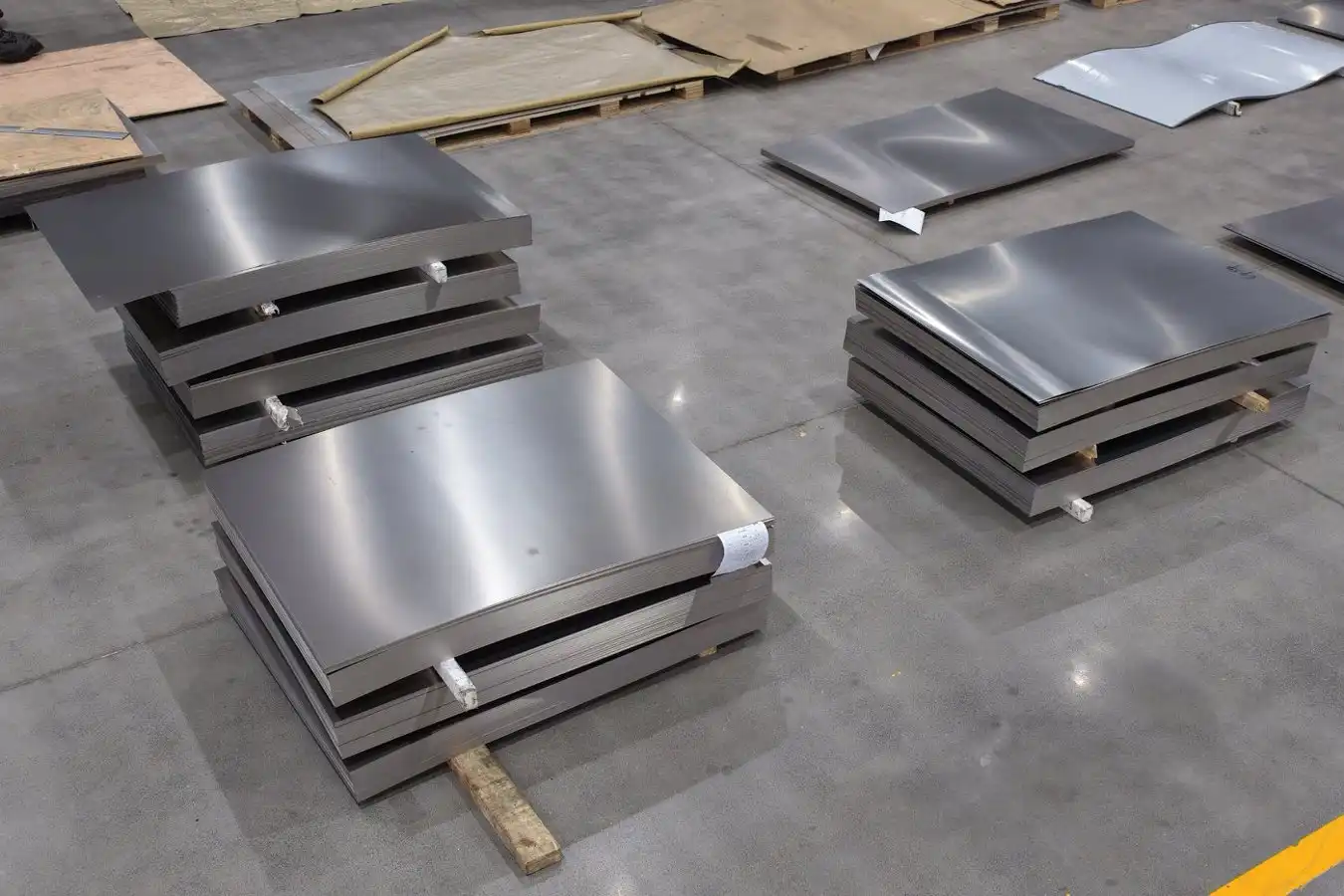
Understanding Titanium Sheet: Properties and Grades
When used as building blocks, titanium sheets are very complicated. They have amazing chemical and mechanical properties that help businesses solve important problems. It is stronger than metals like steel and aluminum but lighter than them because it has a low density of 4.51 g/cm³ and a high tensile strength. TiO2 oxide forms a thick layer on its own, which makes it very resistant to weathering, especially in chloride- and acidic environments where other materials break down.

Grade Classifications and Their Applications
There are different kinds of titanium sheets, and each one is made to meet specific performance goals. Titanium grade 1 is the most bendable and easiest to shape, which makes it ideal for deep drawing and shaping jobs that require a lot of care. The most common business grade is Grade 2, which is great for basic industry uses because it is strong and easy to weld.
Grade 4 is often used for structural uses that need to hold more weight. This is because it is stronger and easier to shape at the same time. The most useful metal is titanium sheet Grade 5 (Ti-6Al-4V). With tensile forces of more than 895 MPa, it is very good at its job and must be used in high-stress situations and on airplanes. Palladium is added to Grade 7 to make it more resistant to rust in low-temperature conditions. However, Grade 9 is cheaper than Grade 5 and has the same strength. Nickel and molybdenum are added to grade 12, which makes it very immune to rust in cracks and other weak spots.

Dimensional Specifications and Standards
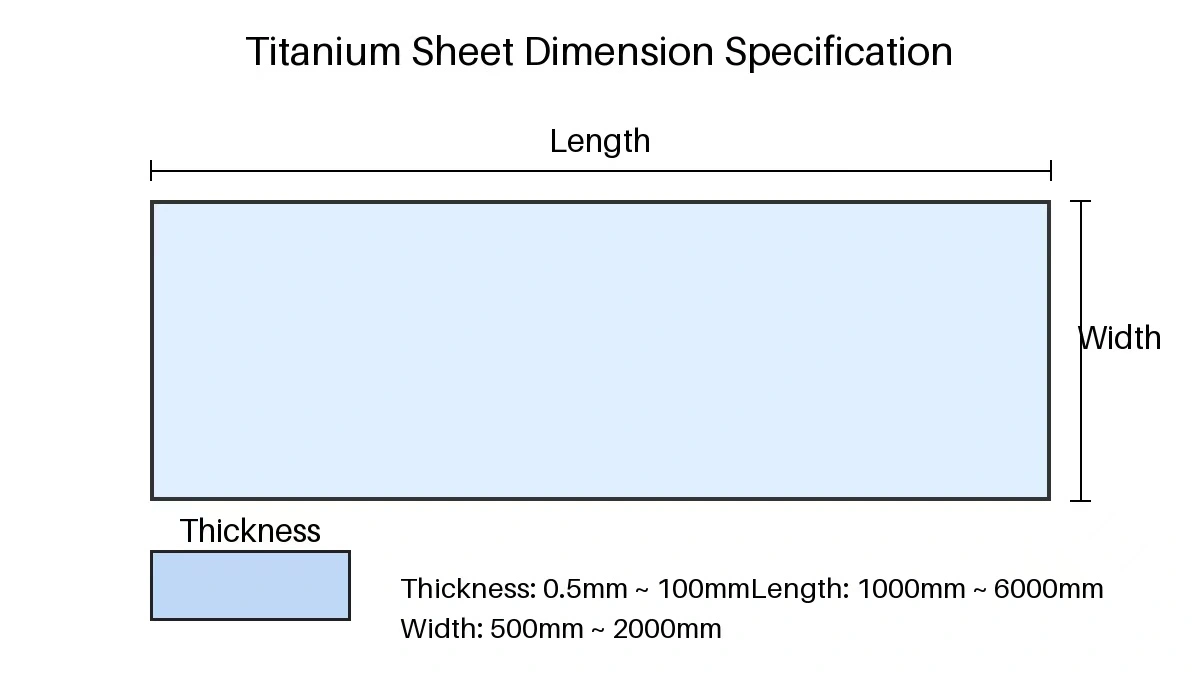
Professional-grade titanium sheets must meet strict international standards like ASTM B265, ASTM F67, AMS 4911, and ASME SB265. To make sure that quality and performance are always the same, these rules were made. Standard thicknesses between 4 mm and 80 mm can be used for a range of building needs. Manufacturers can make a lot of different things with widths from 950mm to 2500mm and lengths up to 10000mm. You can get the right measures for your job by rolling and cutting in a certain way.
Top Applications: What to Make with Titanium Sheets?
Because titanium sheet metal is so flexible, manufacturers can create parts that help many different types of businesses improve their performance. The procurement staff can choose products and work with sellers more wisely if they know about these uses.
Aerospace and Defense Manufacturing
The most difficult uses for titanium sheet materials are in aerospace, where component failure is not an option. Titanium sheet is used by plane builders to make parts for engines, wings, and thermal protection systems that need to be strong enough to survive high temperatures and mechanical stress while still being light. The material is very hard to wear down, so it will last a long time even when it is loaded and unloaded many times, which happens a lot in flight.

Titanium is used by defense companies for steel plates and electrical shields because it can block bullets and electromagnetic waves. The material is not magnetic, so it can be used for secret purposes where it is important to keep radar signals low. Landing gear parts, wing frames, and fuselage sections made of titanium sheet offer the strength and durability required for military aircraft activities in hazardous environments.
Chemical Processing and Petrochemical Equipment
People who work with chemicals use titanium sheet to make tools that can handle acidic media, where other materials would break down quickly. Heat exchangers made of titanium sheet do not rust when exposed to sulfuric acid, hydrochloric acid, or chlorine.

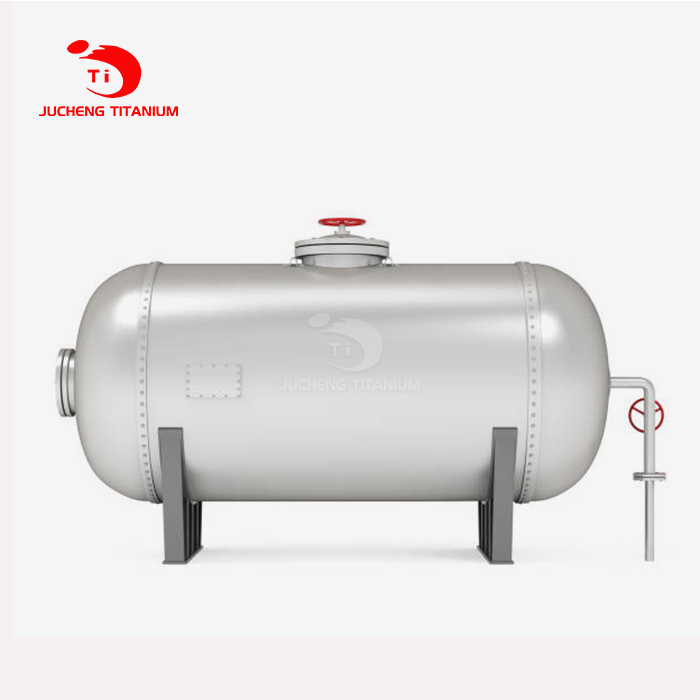
Reactor vessels and pressure vessels made of titanium sheet have a long service life in industrial plants where contact to hydrogen sulfide and other corrosive chemicals would quickly destroy stainless steel choices. It's needed for oil and gas areas that are always near saltwater because the material doesn't break when stressed.
Medical Device and Biomedical Applications
The biocompatibility of titanium makes it the best material for medical tools and gadgets used in surgery because it doesn't harm living things. People who make orthopedic implants use titanium sheets to make bone plates, parts that replace joints, and spine tools that fit perfectly into human skin. The measure of flexibility of the material is very close to that of bone. This means it's not as good at protecting against stress, which can make implants loose.

Surgery tools are made of titanium because it doesn't rust and can be cleaned many times without breaking down. Titanium is safe and stays fixed in living things for a long time. This makes it useful for heart devices, dental implants, and artificial body parts.
Comparison and Decision-Making: Choosing the Right Material
When picking a material, you should carefully think about how it will perform, how much it will cost, and how easy it will be to work with. It's clear that titanium sheets are better than other materials, but knowing these cons will help you choose the best thing to buy.
Titanium vs. Stainless Steel Performance Analysis
It is cheaper and better at resisting rust than titanium sheets, but titanium sheets work better in places with a lot of salt, where stainless steel gets pitted and corroded in cracks. Titanium's higher price is often worth it because it saves weight in cases where less mass makes a system work better or opens up new design options.

Titanium is very strong for how light it is. This makes it a great material for machines that spin, since less rotating force means less power is needed to move the parts. If you load and unload parts many times, they will last longer because the material doesn't wear down easily. This saves you money on repairs and downtime.
Grade Selection Considerations
Grade 2 titanium provides excellent formability and weldability for applications requiring complex shapes or extensive joining operations. Its commercial purity ensures consistent properties while maintaining a reasonable cost for large-scale users. Grade 5 alloy offers significantly higher strength properties essential for structural applications, but requires more sophisticated processing techniques and higher material costs.
For extreme corrosion resistance applications, Grade 7 or Grade 12 titanium sheets work better in places with less air or where crevice rust is a problem. The extra alloying elements raise the cost of the material, but they make it last longer and work better in tough chemical environments.
Procurement Guide: How to Buy and Source Titanium Sheets?
If you want to buy titanium sheets, you need to know how the market works and how sellers' skills and quality systems affect how much you can get. Having steady access to goods that meet strict standards is ensured by building relationships with qualified providers.
Supplier Evaluation and Selection Criteria
AS9100, ISO 9001, and NADCAP licenses are some of the quality standards that suppliers of approved titanium sheets must show they meet. To make sure that the law is followed and that failure analysis can happen when it needs to, material tracking documentation is needed. Full mill test papers should be given by providers for each lot of material. These papers should list the chemical makeup, mechanical properties, and size limits.

The skills a seller has in preparing their goods, like hot rolling, heating, leveling, pickling, and finishing the surface, show how ready their goods are to be used right away. Value-added services like custom cutting, pressing, and heat treatment can speed up projects and lower the costs of handling that comes after.
Quality Assurance and Testing Requirements
Titanium sheet materials require rigorous testing to verify compliance with specifications and fitness for intended applications. Undestructive tests, like ultrasound checks, find flaws in buildings that could make them less strong. There are flaws on the surface of things, such as scratches, spots, or alpha case formation, that can make them wear out faster and be more likely to rust.
Chemical tests make sure that the alloy's makeup stays within the limits set by the rules. The tensile strength, yield strength, and bend traits are all checked by mechanical means. Fatigue resistance, stress corrosion cracking resistance, and fracture toughness may need to be checked more often for important uses to make sure there are enough safety gaps.
Practical Tips: Working with Titanium Sheets
If you want to work with titanium sheets and keep the material's qualities safe, you need to use certain tools and techniques. When makers know these standards, they can make their processes run more smoothly and avoid mistakes that cost a lot of money.
Cutting and Machining Techniques
Titanium is very strong, but you need sharp tools and the right cutting settings to get clean cuts that won't damage the metal. Plasma cutting makes great lines for bigger pieces, while laser cutting makes precise cuts where the heat doesn't touch the surface much. Because it doesn't change the temperature, water jet cutting is the best way to cut. However, it takes longer to do.
It is important to use sharp carbide or ceramic tools at the right cutting speeds and passes so that the work doesn't get too hard and the tools don't wear out. Flood cooling systems are good at getting rid of heat and chips, so edges don't build up and cause the surface to become less good. When you use climb milling, the cutting forces are lessened, and the surface finish is better.
Welding and Joining Considerations
Titanium mixes with air gases, so when it is being bonded, it needs to be surrounded by gases that don't break down. A very good weld can be made with tungsten inert gas (TIG) welding and high-purity argon safety if it is done right. When you back-clean, you keep the weld root from getting dirty from the air, which would weaken it and make it more likely to rust.

You get rid of any contaminants that could cause weld flaws when you clean the joint well before you put it together. For thick or difficult parts to have less stress, they may need to be heated after they are welded. Other ways to join things can be used when fusion welding is not a choice. These include friction welding, diffusion bonding, and mechanical fixing.
Conclusion
When people know what to make with titanium sheet materials, they can make better goods that last longer and work better in tough conditions than people who use other materials. Titanium sheet is useful for high-performance applications in aviation, medicine, chemical processing, and industry because of its low weight, high strength, great rust resistance, and biocompatibility. To do procurement right, you need to work with skilled sources who know how to work with titanium and can give you products that are up to strict standards. But if you pick the right material, work with it the right way, and make sure the quality is good, titanium sheets can be used to make things that work great and last a long time, even in the worst circumstances.
FAQ
Q1: What thickness range defines titanium sheet versus plate?
According to ASTM B265 standards, titanium sheet is defined as a material with a thickness of less than 4.75mm (0.187 inches) and a width of 610mm (24 inches) or greater. Material exceeding this thickness classification becomes a titanium plate, while narrower widths are classified as strip material.
Q2: Why does Grade 5 titanium sheet cost more than Grade 2?
Grade 5 titanium (Ti-6Al-4V) contains aluminum and vanadium alloying elements that increase material costs and require more complex processing. The alloy delivers significantly higher strength properties but requires specialized melting and processing techniques that increase manufacturing costs compared to commercially pure Grade 2 titanium.
Q3: Can titanium sheets be welded using standard techniques?
Titanium welding requires specialized TIG (GTAW) techniques with 99.999% pure argon shielding gas to prevent atmospheric contamination. Standard welding equipment can be used, but proper gas coverage of the weld pool, heat-affected zone, and root side is essential to prevent embrittlement and maintain corrosion resistance.
Partner with Jucheng Titanium for Premium Titanium Sheet Solutions
Jucheng Titanium stands as your trusted titanium sheet manufacturer with over 20 years of deep industry expertise in China's Titanium Valley. Our comprehensive inventory of 3,000 tons ensures immediate delivery of Grade 1, 2, 4, 5, 7, 9, and 12 titanium sheets meeting ASTM B265, AMS 4911, and ASME SB265 standards. We provide custom processing, including hot rolling, annealing, pickling, and surface finishing, to deliver materials ready for your manufacturing requirements. Our proven track record serving aerospace, chemical processing, and medical device manufacturers demonstrates our commitment to quality and reliability. Contact our technical team at s4@juchengti.com to discuss your titanium sheet requirements and experience the advantages of working with a specialized titanium sheet supplier dedicated to your success.
References
1. Boyer, R., Welsch, G., & Collings, E.W. (1994). Materials Properties Handbook: Titanium Alloys. ASM International Press.
2. Donachie, Matthew J. (2000). Titanium: A Technical Guide, Second Edition. ASM International Materials Park.
3. Leyens, C. & Peters, M. (2003). Titanium and Titanium Alloys: Fundamentals and Applications. Wiley-VCH Publishers.
4. American Society for Testing and Materials. (2019). ASTM B265-15 Standard Specification for Titanium and Titanium Alloy Strip, Sheet, and Plate. ASTM International.
5. Aerospace Material Specification. (2018). AMS 4911: Titanium Alloy Sheet, Strip, and Plate, 6Al-4V, Annealed. SAE International.
6. Lutjering, G. & Williams, J.C. (2007). Titanium: Engineering Materials and Processes, Second Edition. Springer-Verlag Berlin Heidelberg.