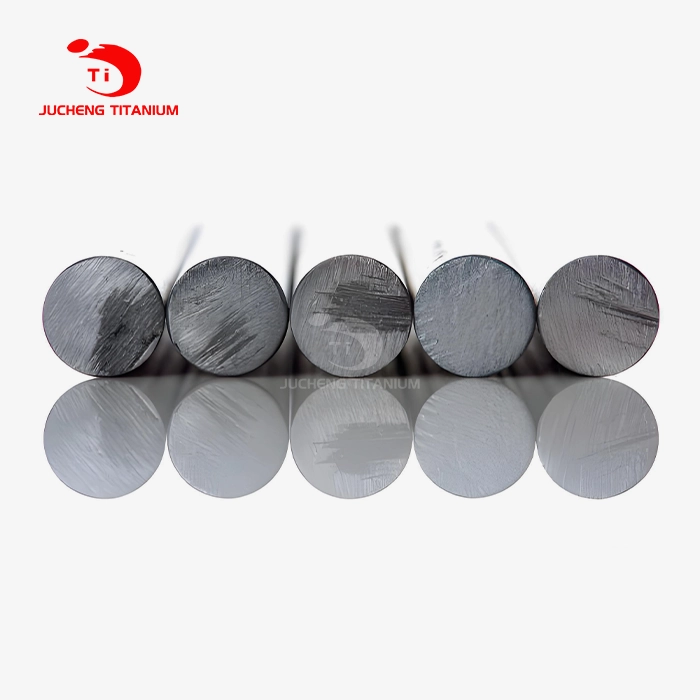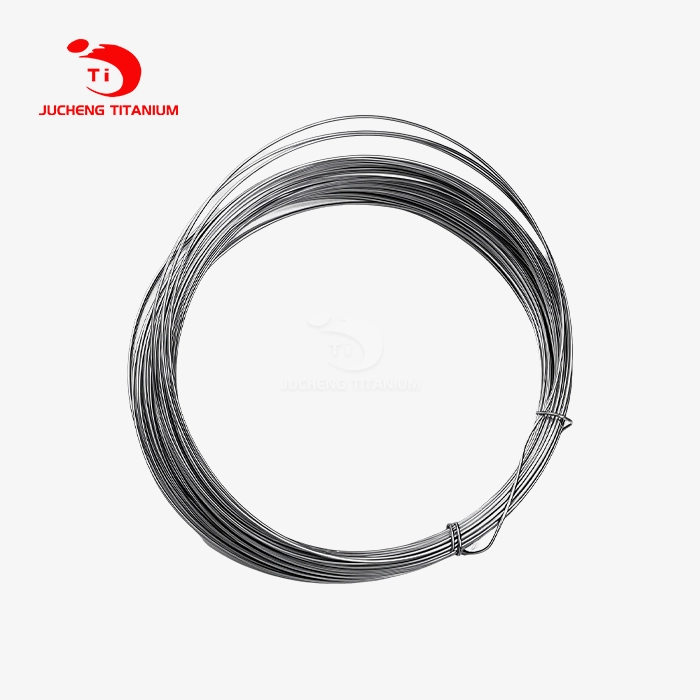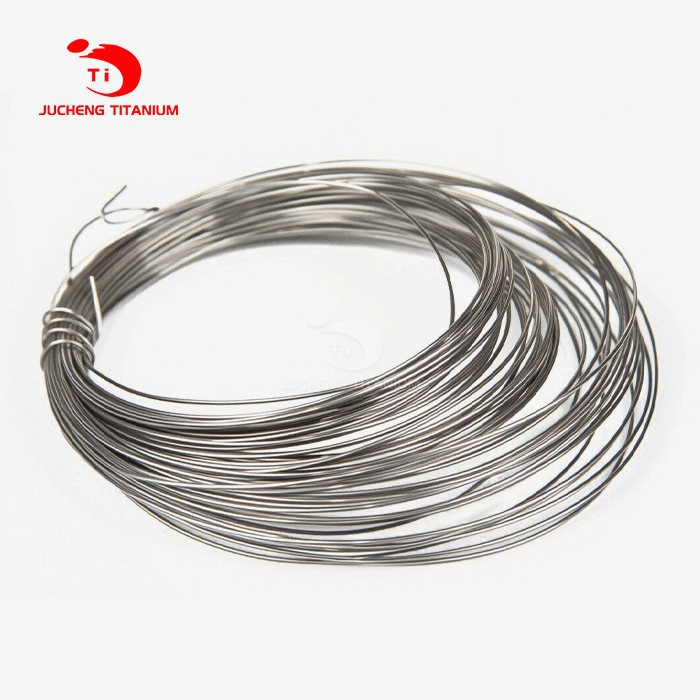

Can your body reject titanium rods?
Titanium is almost never rejected by the body. In fact, studies have shown that over 95% of surgeries that use titanium rods are successful. Clinical tests show that only about 0.6% of people are truly allergic to titanium. Most of the time, though, issues are caused by surgery, illness, or health problems that were already there before the surgery. Medical-grade titanium is safe, especially Grade 23 (Ti-6Al-4V ELI), so it makes a solid oxide layer that fits right into human bone tissue. The name for this process is osseointegration.
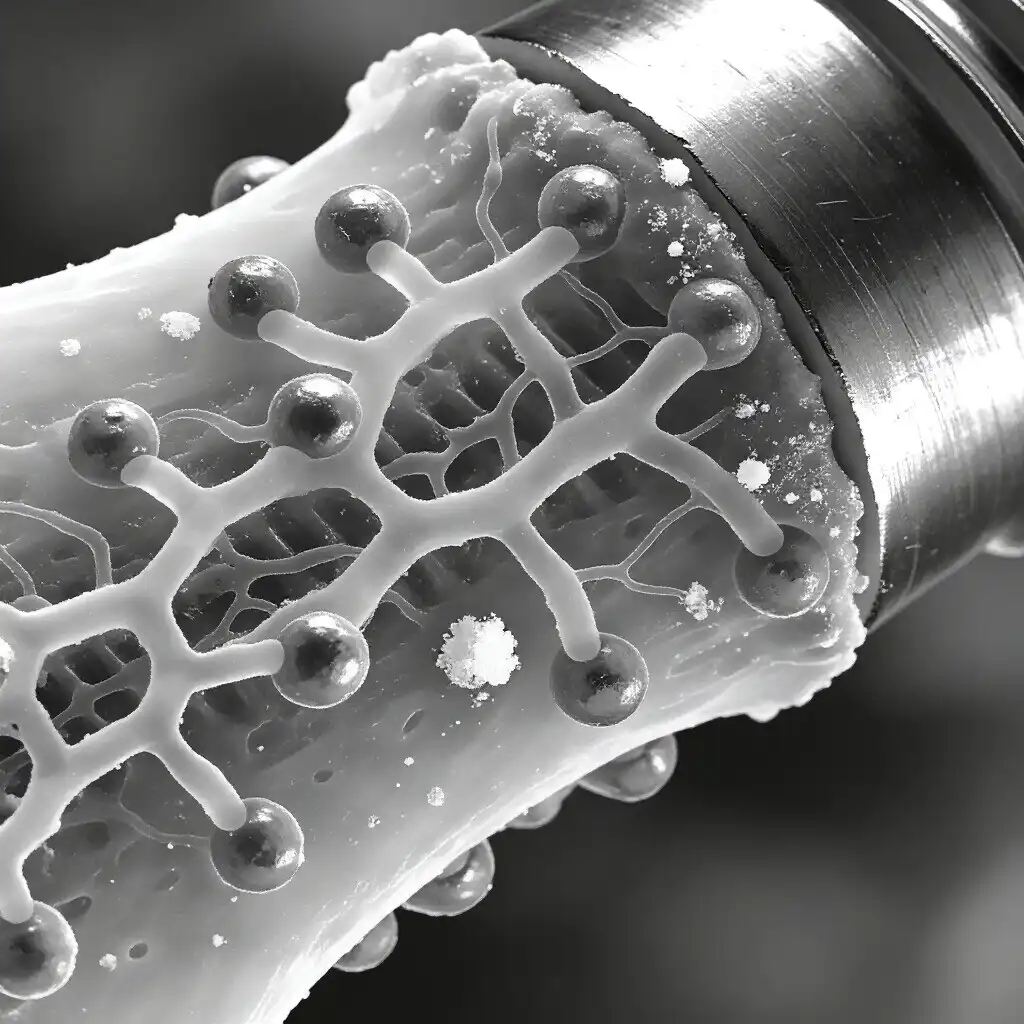
Understanding Titanium Rods and Their Biocompatibility
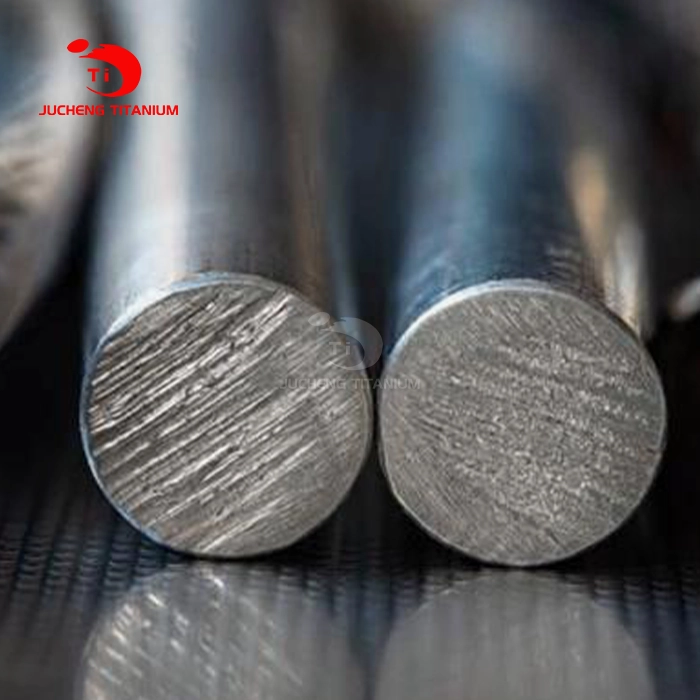
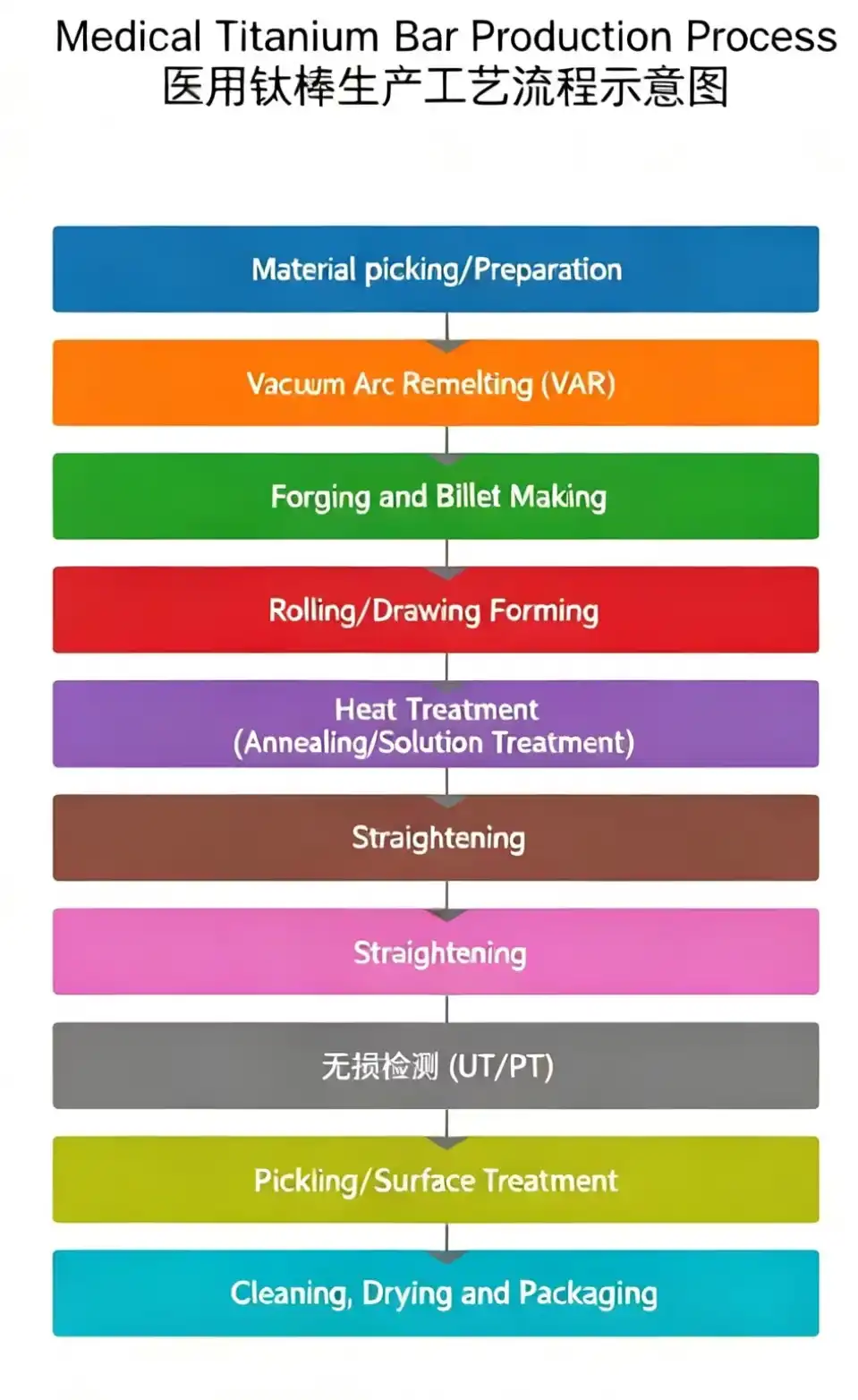
In the field of biomedical engineering, titanium rods are unrivaled in their combination of mechanical strength, rust resistance, and biological compatibility. It takes a lot of work, like vacuum freezing, casting, and precise cutting, to make these round metal bars that meet strict medical and business standards.
Medical-Grade Titanium Classifications
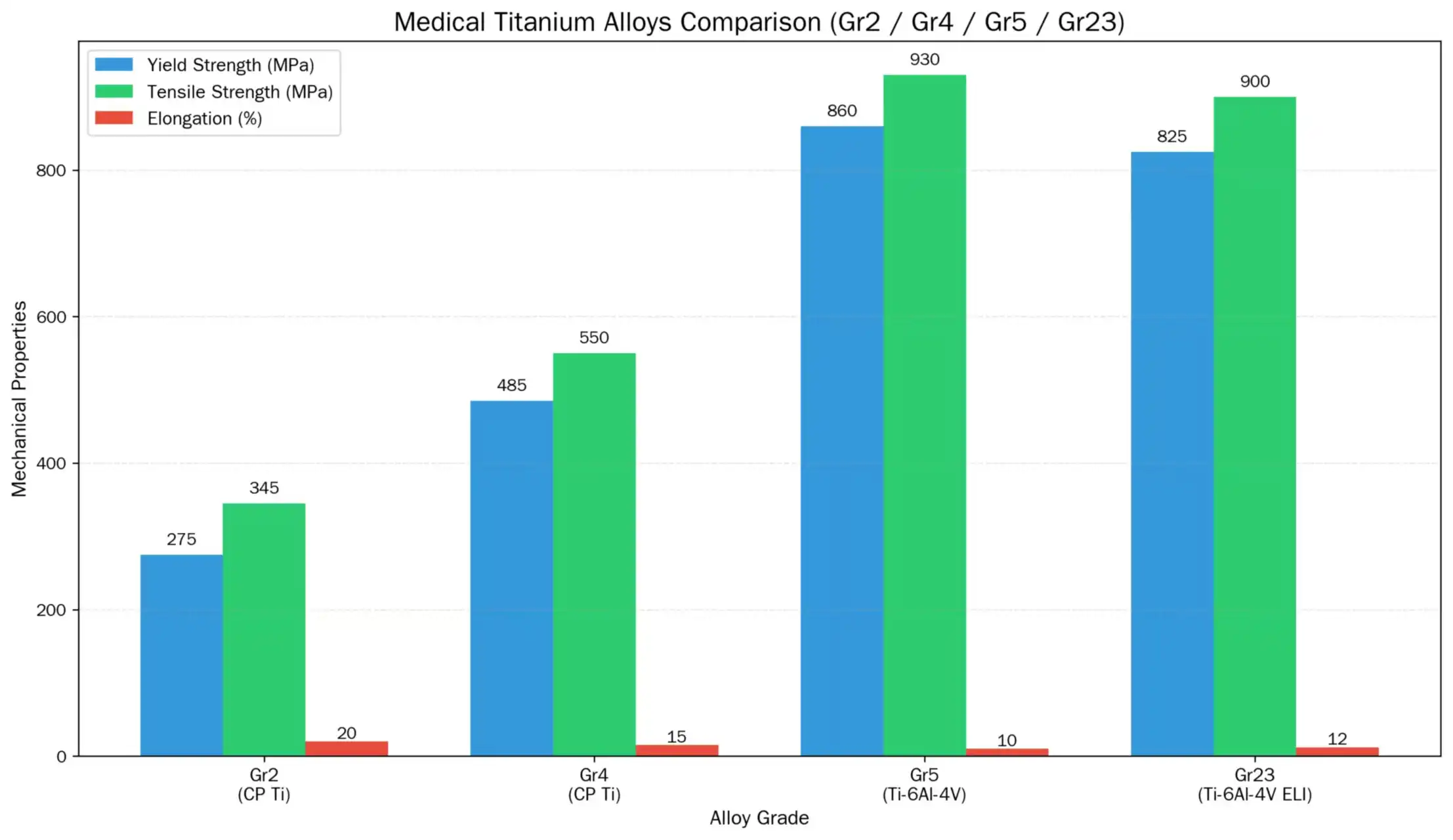
The type of titanium rods you get makes a big difference in how biocompatible they are. Because it is more flexible and doesn't wear down as quickly as Grade 5 alloys, Grade 23 (Ti-6Al-4V ELI, or "Extra Low Interstitial") is the best metal for metal implants. Pure titanium grade 2 is very immune to rust and works well in settings that aren't too tough. What about grade 4 titanium? It is stronger and works better mechanically.
This grade difference is important for medical gadget makers to make sure that patients get the best care. Medical devices made of Grade 23 titanium must follow the rules set by ASTM F136, which is made by the American Society for Testing and Materials. In order to meet biocompatibility standards, intermediate elements such as carbon, nitrogen, and oxygen must be tightly managed.
The Science Behind Titanium Biocompatibility
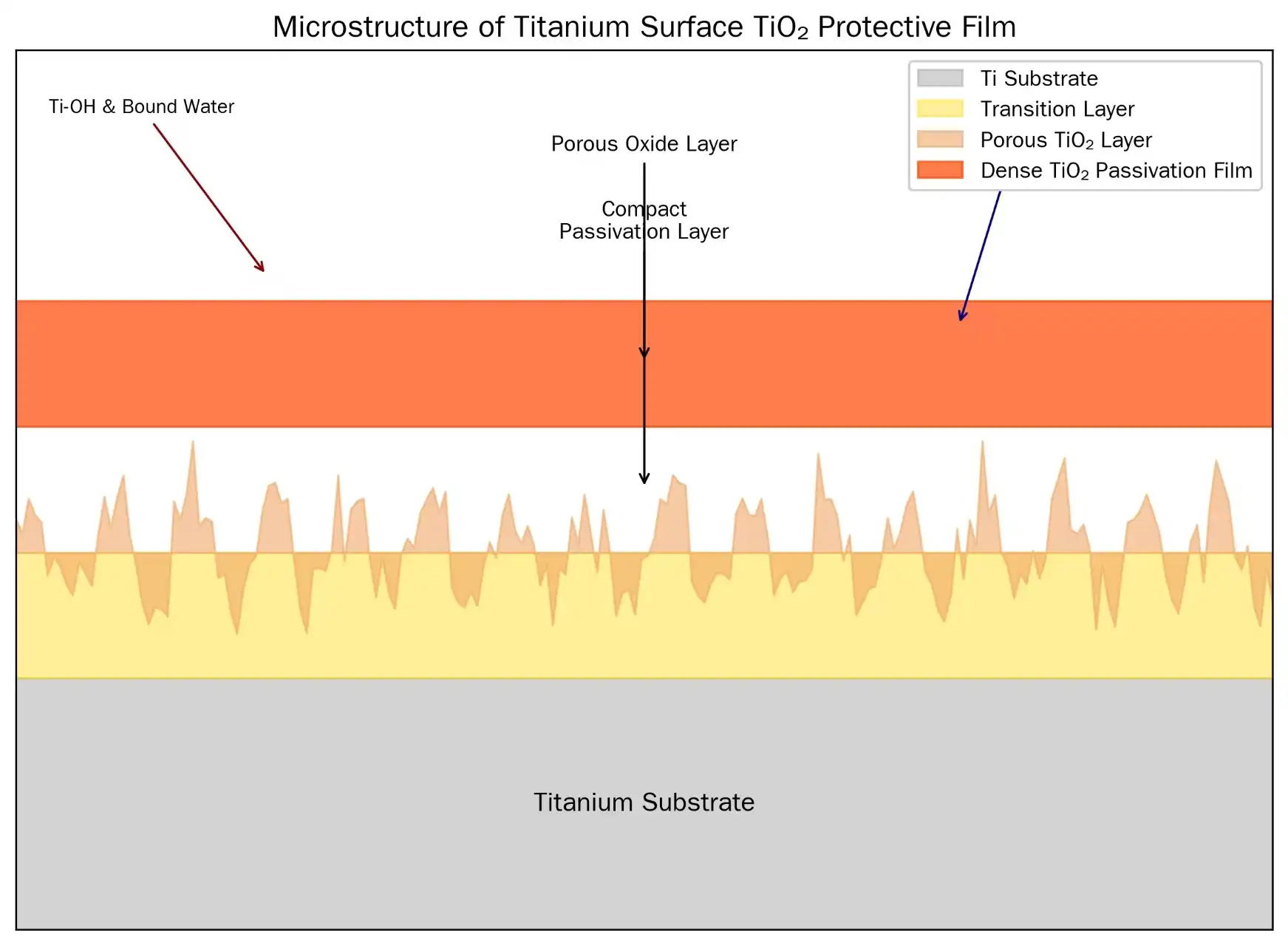
Titanium is safe for living things because it can form a stable, self-healing oxide layer (TiO2) when it comes in touch with air. This inactive layer, which is only 2 to 5 nanometers thick, keeps live cells away from the metal substrate. With this, the defense system doesn't get to work. Titanium doesn't give off dangerous ions like cobalt-chromium or stainless steel do, which could lead to responses that are painful.
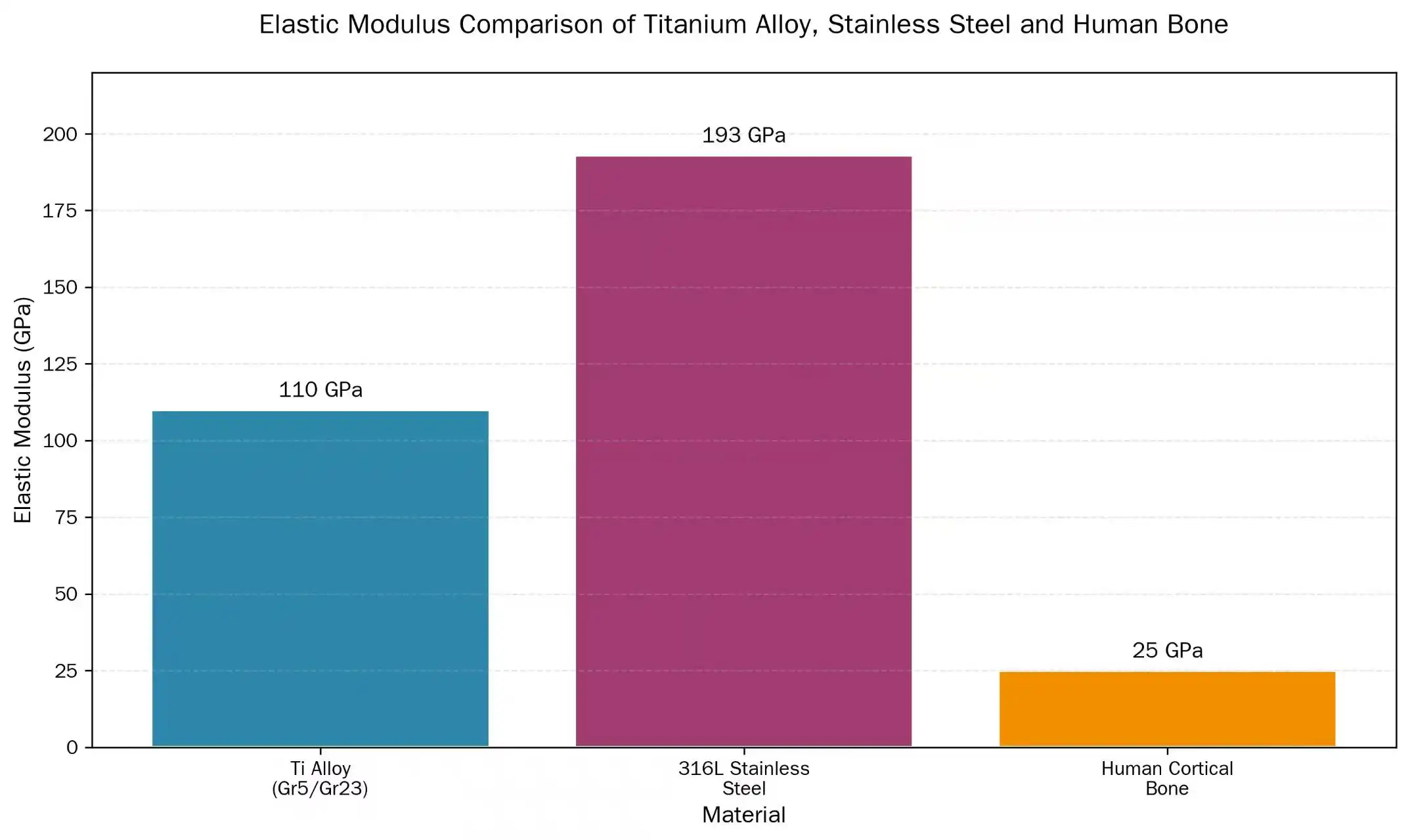
Titanium has a modulus of flexibility of about 110 GPa, which is about the same as human cortical bone (15–30 GPa), but stainless steel has a modulus of 200 GPa. In other words, titanium doesn't take on the same amount of stress that can make bone break down around implants. With this artificial fit, the implant will stay in place over time and be less likely to come loose or fail.
Can Your Body Reject Titanium Rods? Exploring the Biological Response
True refusal of titanium is not the same as other problems with implants, but both need to be looked at carefully by doctors. Sourcing experts can choose the best materials and surface methods for each job when they know these differences.
Distinguishing Rejection from Complications
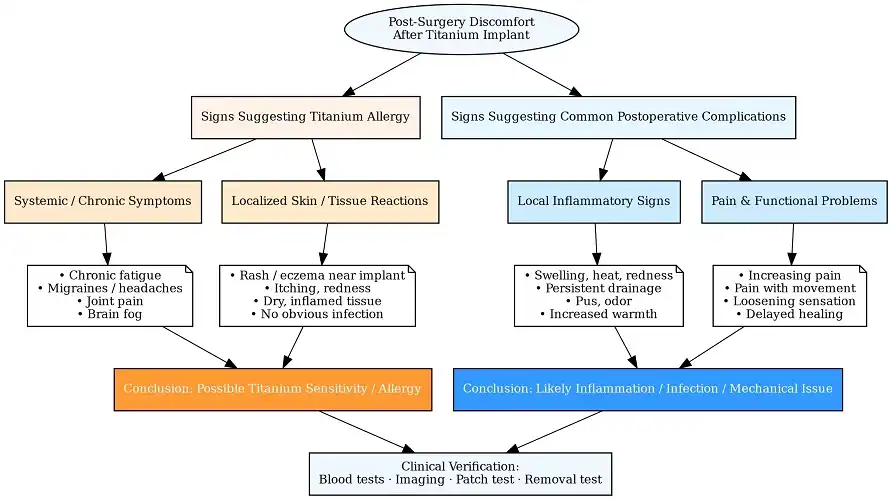
There are delayed-type hypersensitivity responses that happen a few weeks to a few months after the implant was put in. These are the signs of real titanium hypersensitivity. Chronic inflammation, implants coming loose, or cuts taking longer than normal to heal are some signs. A study in the Journal of Biomedical Materials, on the other hand, found that less than 6 of every 1,000 people who get implants are actually allergic to titanium.
The word "rejection" seems to be used a lot when there are issues with the surgery, an infection, or something about the patient that makes them unique, like having a weak immune system or smoking. Some of these effects may have similar signs, but they need very different ways to be treated. That's why patch tests and tissue research are so important for making a correct diagnosis.
Surface Treatment Impact on Biocompatibility
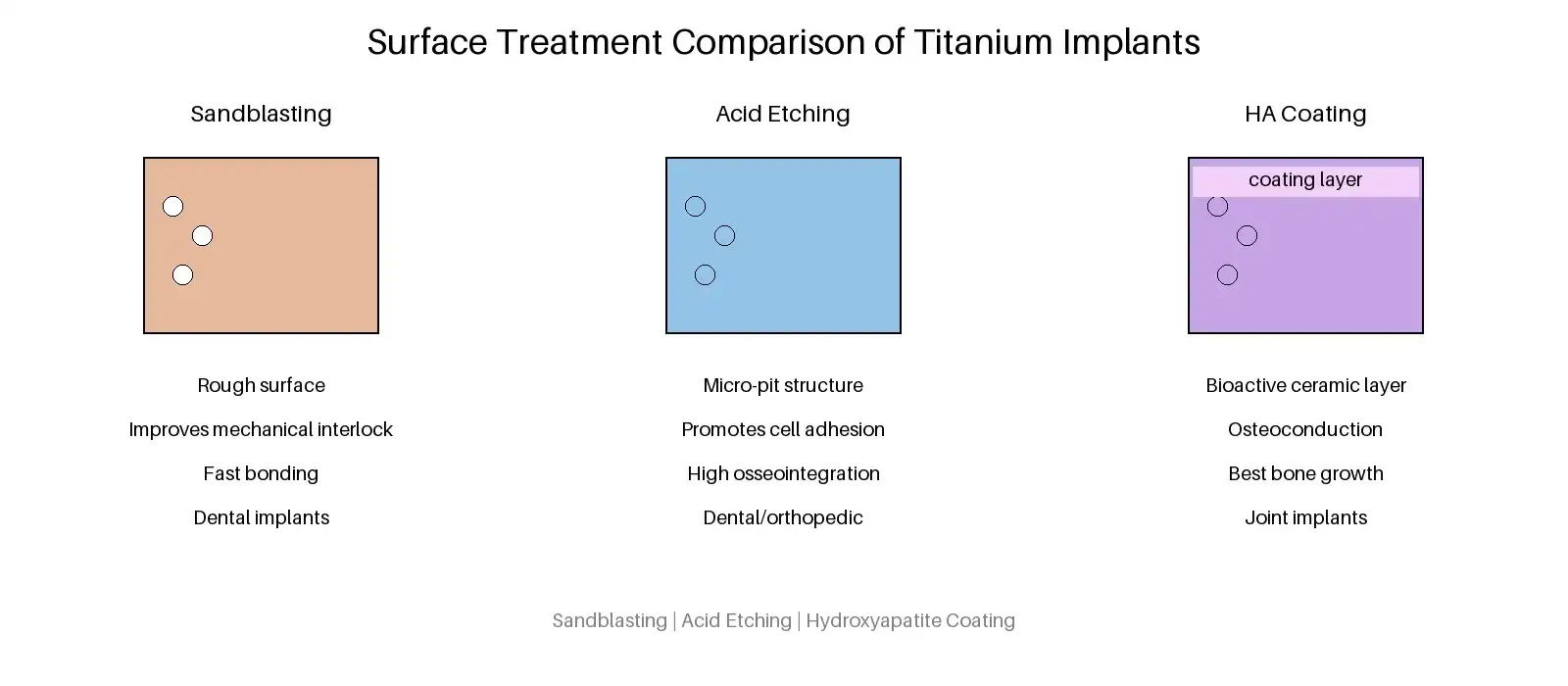
The body responds to titanium implants in very different ways depending on the type of skin that is used. After being sanded or acid-etched, surfaces become bigger and more shaped so that cells can connect to them better. This helps bones bond together better. Plasma-sprayed hydroxyapatite coats can help bones grow faster, and there are special ways to get rid of industrial waste that could cause reactions that are irritating.
So that they can be used in living things, new titanium rods are prepared in a number of steps. Some of these are controlled oxygen packing, chemical cleaning, and electrolytic polishing. These treatments get rid of the dirt on the surface while leaving behind the healthy oxide layer that living things need.
Technical Insights: Machining, Welding, and Corrosion Resistance of Titanium Rods
There is a direct link between how titanium rods are made and how well they work in business and medicine. It is best to use titanium in harsh environments because it doesn't rust and can be carefully machined and combined using advanced techniques.
Precision Machining for Medical Applications
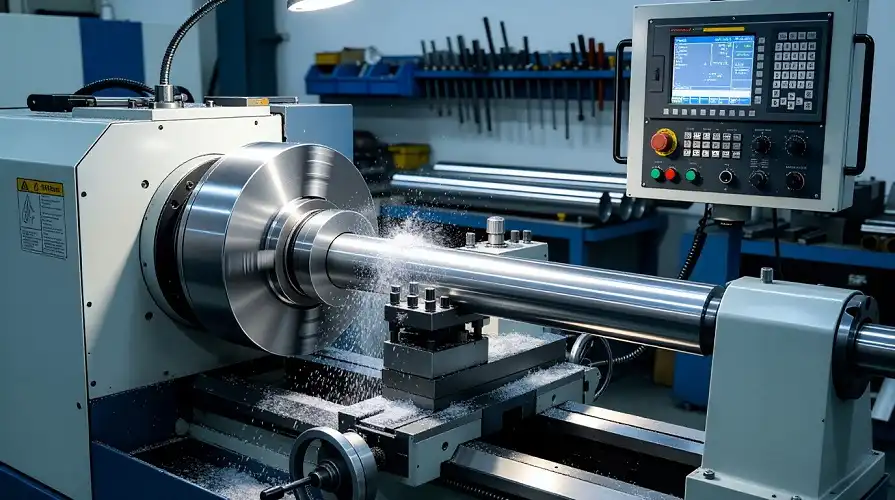
To keep the cleanliness of the material and the quality of the surface finish, medical-grade titanium must be made in a certain way. Most of the time, the way things are cut produces too much heat, which can change the shape and make them less biodegradable. Modern manufacturers use high-pressure cooling systems, carbide tools with particular forms, and controlled feed rates to keep the material's properties.
Centerless grinding is generally used to machine titanium rods so that Ra values are below 0.2 micrometers. This makes it possible to control the thickness very precisely. They make sure the parts fit perfectly in surgical tools and keep their smooth surfaces, which are important for the best tissue integration.
Welding and Joining Technologies
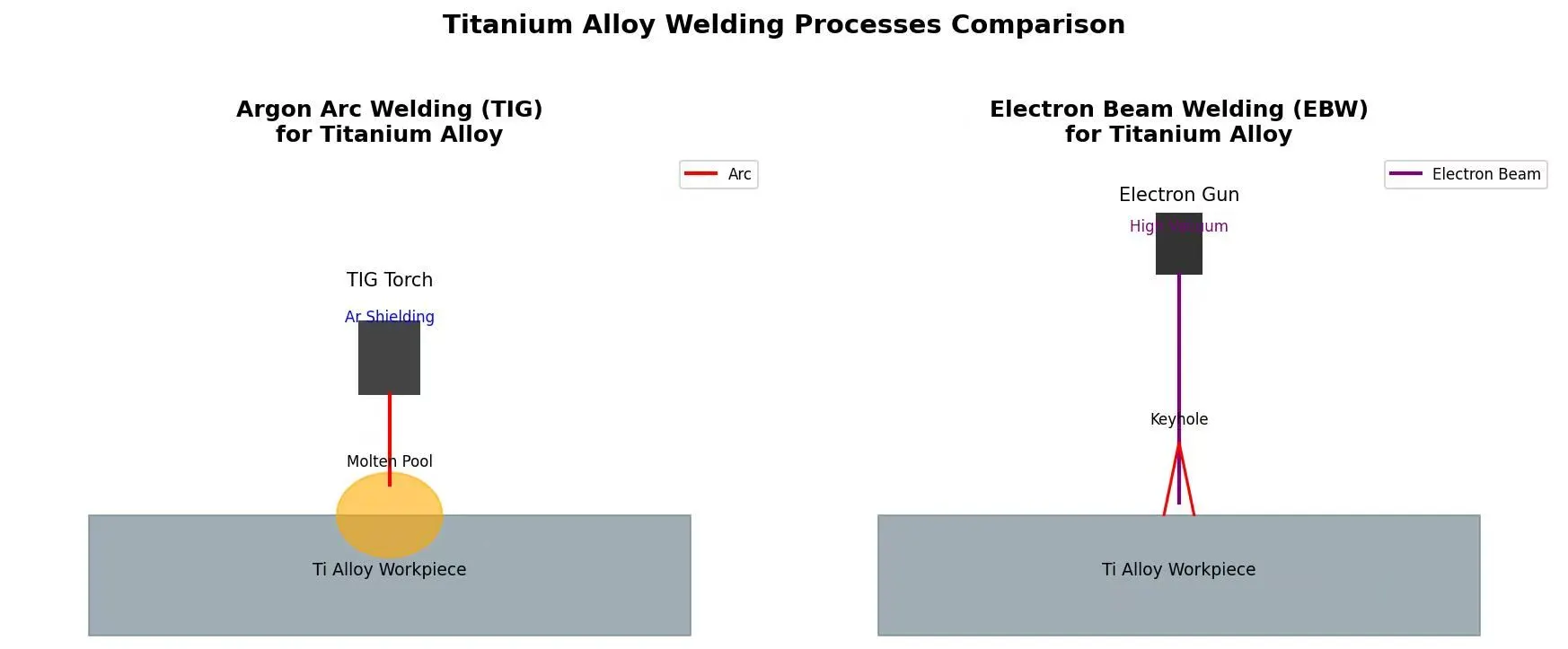
When fusing titanium, it's important to do it in a place where nitrogen, hydrogen, and air can't get into the metal. When gas tungsten arc welding (GTAW) is done in rooms filled with argon, the joints are very strong and don't rust or break down. For big jobs that need as few heat-affected areas as possible, electron beam welding gives you complete control.
A good way to weld keeps the structure of the inactive oxide layer and makes sure that the joins are fully penetrated and don't have any holes in them. These techniques are very important for making titanium parts that are very difficult and cannot fail, like those used in spaceships or medical devices.
Corrosion Resistance in Biological Environments
Titanium is better than almost all other construction metals at not rusting in live environments. Inside our bodies, the inactive oxide layer stays the same in all pH levels from 2 to 12. In lab-made body fluids, the rate of rusting is less than 0.001 mm/year, while in the same conditions, the rate for stainless steel is between 0.1 and 1 mm/year.
With this high amount of rust protection, it will last longer and need less maintenance in a business setting. Titanium doesn't need a protective layer or to break down in harsh conditions, which is why it is useful for chemical processing equipment, military parts, and airplane structures.
Procurement Guide for Titanium Rods: Sourcing and Buying Tips for B2B Clients
It's important to know what the dealer can do, how to get the titanium approved, and what the specific needs of the job are before you buy it. Strategic sourcing decisions affect the standard of the product, when it will be supplied, and the total cost of ownership over the life of a component.
Evaluating Supplier Qualifications
The best titanium suppliers have full quality management systems that include being approved by ISO 9001, meeting AS9100 aircraft quality standards, and being registered with the FDA to make medical products. It's important to follow the rules and have these licenses to show that you are committed to quality.
You should look at a supplier's output ability, professional skills, and how safe their supply chain is when you are judging them. A lot of stock is kept by well-known companies (3,000 tons or more for big sources), which lets them send quickly when needed. Having different types of land and more than one place to make things protects the supply from interruptions.
Material Certification and Traceability
In detailed mill test records, you should write down what chemicals were used to make each batch of titanium rods, how they worked mechanically, and how they were heated. With these papers, it is possible to keep track of everything from where the raw materials come from to where the end product is delivered. Their job is to meet the legal needs of the medical gadget and aircraft businesses.
It is set by ASTM B348, ASME SB348, and AMS 4928 what titanium bars for use in commerce and airplanes must meet. If you want to use it for medical purposes, you need to follow ASTM F136 and ISO 5832-3 standards even more. These have stricter rules on biocompatibility tests and intermediate parts.
Cost Optimization Strategies
Titanium costs are based on how much the raw materials cost, how hard the process is, and how much people want it. If you agree to buy a lot of something and be flexible about when it ships, you can often get better deals and a steady supply. Moving to a different grade may save money if speed standards allow it and won't hurt the application's chances of success.
Long-term supply deals keep prices stable and make sure that certain things get shipped first when stocks are low. Strategic sellers make connections with several good suppliers to make sure they can get the best deals and a steady supply of materials for big projects.
Benefits of Choosing Titanium Rods Over Alternatives
Titanium rods are more expensive, but they are worth it because they work better, last longer, and need less maintenance. The total cost of ownership is often lower than with other materials because these benefits add up over the life of the part.
Superior Strength-to-Weight Performance
Titanium is harder than steel, aluminum, and most superalloys when you look at how much they weigh. This is true in all sorts of weather, from very cold to very hot. Because of this, parts made of these materials weigh 40–50% less than steel parts that do the same or better work. This loss of weight is very helpful for space applications because it saves fuel and lets more be carried.
Since titanium rods don't wear down as quickly as other materials, they can be used for longer periods of time and with fewer checks. Titanium can go through millions of stress cycles without breaking, as shown by high-cycle wear tests. This is very important for places that will be vibrated or have tools that spin.
Corrosion Resistance Advantages
If you want to keep titanium from rusting, you don't need any safe layers or cathodic protection systems. It fixes itself right away if the spontaneous oxide layer gets broken, so it can protect itself from restricted attack. Being able to work in places where other materials would break quickly saves money because it doesn't need to be coated all the time.
Titanium doesn't break when it comes into contact with salt stress rust, but stainless steel does. Because of this, it can be used in chemical processes. If you can work with strong acids, bases, and salt solutions without breaking down your tools, they will last longer and cost less to replace.
Lifecycle Cost Benefits
It's not just the cost of the products that make up the total cost of ownership. You also have to pay for repairs, replacements, and downtime. Titanium often keeps its value well over time, even if it costs more at first. This is because it requires less maintenance and lasts longer. People who work in chemical processing, military engineering, and power creation are aware of these lifecycle effects.
The tubes in titanium heat exchangers can last at least 20 years before they need to be replaced. Every three to five years, copper or steel choices need to be changed. Longer service times save money on maintenance workers and keep them from having to stop working, which would have caused a loss of production.
Conclusion

The body rarely rejects titanium; less than 1% of implant patients have this happen. Titanium is the best material for medical uses all over the world because it works well with living things. In many situations, titanium rods are better than steel, aluminum, and other common materials because they are stronger, don't rust, and can be used by living things. To make the best buying decisions that will save them money in the long run, procurement professionals need to know about grade levels, seller qualifications, and the total cost of ownership. Titanium has been used for a long time in tough situations, like in orthopedic implants and airplane parts. This proves that it works well and is stable, which is why buyers should buy this cutting-edge material technology.
FAQ
Q1: What percentage of patients experience titanium rod rejection?
Clinical studies indicate that true titanium allergic reactions occur in fewer than 0.6 percent of people who get metal implants. The vast majority of complications attributed to "rejection" actually result from surgical factors, infection, or patient-specific conditions rather than material incompatibility. Titanium's biocompatibility rating remains among the highest of all implant materials, with success rates exceeding 95% in orthopedic applications.
Q2: How do different titanium grades affect biocompatibility?
Health devices should be made of Grade 23 (Ti-6Al-4V ELI), which is purer and more flexible. Titanium that is labeled "Extra Low Interstitial" has less oxygen, nitrogen, and carbon than regular Grade 5 titanium. This makes it better for living things. Grades 1–4, which are economically pure, don't rust easily but aren't as strong, which means they can be used in some medical devices.
Q3: What testing determines titanium hypersensitivity?
Before getting an implant, a patch test with titanium tetrachloride or titanium dioxide can help find out if you are allergic to them. There isn't a strong link between these tests and how well the implant works, though, and bad results don't always mean that it won't. Changes in lymphocytes are a better way to show how cells' immune systems respond to titanium, but they can only be done in certain labs.
Q4: How long do titanium rods typically last in the body?
Well-designed titanium implants demonstrate excellent longevity, with orthopedic rods functioning effectively for 20+ years in many patients. Implant lifespan depends on factors including patient age, how much they move, the doctor's skill, and how the device was made. After 10 years, correction rates for titanium spine rods are still below 5%. This shows that they last a long time and are well accepted by the body.
Partner with Jucheng Titanium for Premium Titanium Rod Solutions
Jucheng Titanium makes high-quality titanium rods that meet the toughest international standards, like ASTM B348, ASME SB348, and ASTM F136. These rods are used in medicine. We have over 3,000 tons of different grades of steel in stock, ranging from economically pure Gr1 to aerospace-grade Gr23 (Ti-6Al-4V ELI), and we can get them to you quickly. The widths can be anywhere from 6mm to 450mm. We have been in the titanium business for more than 20 years and are known across the country as a specialized "little giant" company. We offer one-of-a-kind solutions that are backed by 4 idea patents and 41 utility model innovations. Email our expert team at s4@juchengti.com to tell them about your specific needs and get prices from approved titanium rod suppliers.

References
1. Sicilia, A., Cuesta, S., Coma, G., Arregui, I., Guisasola, C., Ruiz, E., & Maestro, A. (2008). Titanium allergy in dental implant patients: a clinical study on 1500 consecutive patients. Clinical Oral Implants Research, 19(8), 823-835.
2. Goutam, M., Giriyapura, C., Mishra, S. K., & Gupta, S. (2014). Titanium allergy: a literature review. Indian Journal of Dermatology, 59(6), 630-638.
3. Chaturvedi, T. P. (2009). Allergy related to dental implant and its clinical significance. Clinical, Cosmetic and Investigational Dentistry, 1, 57-61.
4. Hosoki, M., Nishigawa, K., Miyamoto, Y., Ohe, G., & Matsuka, Y. (2016). Allergic contact dermatitis caused by titanium screws and dental implants. Journal of Prosthodontic Research, 60(3), 213-219.
5. Valentine-Thon, E., & Schiwara, H. W. (2003). Validity of MELISA for metal sensitivity testing. Neuroendocrinology Letters, 24(1-2), 57-64.
6. Müller, K. E., Zoidis, P. (2017). Titanium hypersensitivity reactions in dental implantology: A systematic literature review. Journal of Prosthodontic Research, 61(4), 410-417.