
How to Choose Sheets of Titanium for Industrial Fabrication Projects
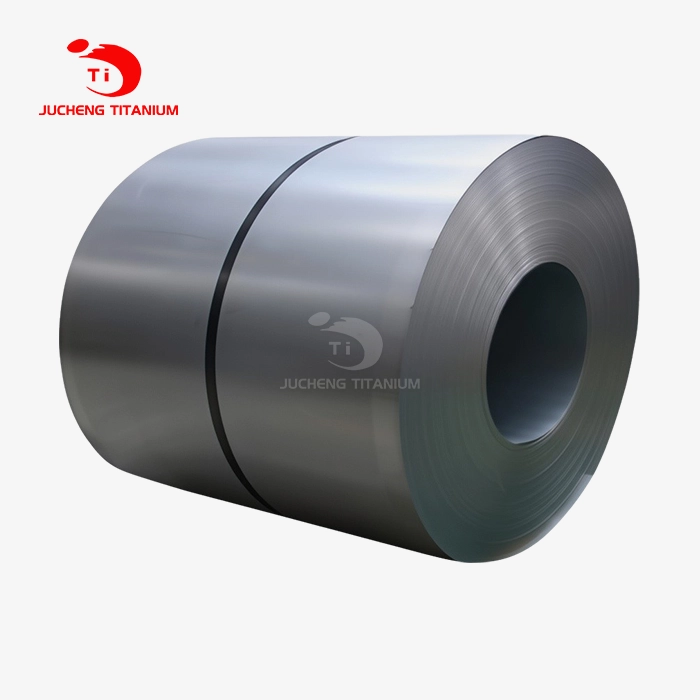
Choosing the right titanium sheet material for industrial fabrication is not a matter of picking the shiniest option from a catalog. It demands a thorough understanding of your application's mechanical stresses, environmental exposures, and long-term performance expectations. High-quality sheets of titanium deliver unmatched corrosion immunity, exceptional strength-to-weight ratios, and biocompatibility, making them indispensable for aerospace components, chemical equipment, and medical devices. Success lies in matching alloy grade, thickness specifications, surface treatments, and supplier certifications to your project's unique demands—eliminating guesswork and maximizing return on investment.

Defining Your Industrial Fabrication Needs for Titanium Sheets
Assessing Application-Specific Performance Requirements

Before you call providers for sheets of titanium, be clear on what your part needs to be able to handle. When aerospace structure parts are loaded and unloaded many times, they need to have high tensile strength and wear resistance. Chemical reactors need to be able to handle acids and chlorides that are very strong at high temperatures. Medical implants must be approved to be biocompatible according to ISO 5832 and ASTM F67. Setting these factors limits the types of materials you can choose from to grades that meet operating requirements without spending money on properties that aren't needed.
Identifying Industry-Specific Standards and Certifications
Regulatory frameworks are different for each industry. Aerospace companies must get materials that meet AMS 4911 standards so that they can track the structural stability of their products. Pressure vessel builders use ASME SB265 to make sure they are following the rules. To keep medical devices from becoming too weak, companies that make them need mill test results that confirm the limits for oxygen and nitrogen in the interstitial space. Making sure that your provider keeps these licenses up to date will help you avoid costly project delays and extra work.

Evaluating Environmental and Mechanical Stress Factors
Think about the service environment in a broad sense. Will the part be exposed to ocean, temperatures below 0°C, or high-speed erosion? Does your design need the ability to be shaped by deep drawing or to be compatible with heat treatment after welding? By answering these questions, you'll know if commercially pure grades are enough or if alpha-beta alloys are needed. This makes it easier to talk to vendors and speeds up the process of getting accurate quotes.

Core Selection Criteria for Titanium Sheets in Industrial Projects
Understanding Titanium Grade Classifications and Properties
ASTM B265 divides sheets of titanium into grades that are commercially pure and grades that are alloys. Grade 1 is less strong but more flexible, making it ideal for difficult shaping tasks. Grade 2 is the workhorse of chemical processing equipment because it is both easy to shape and moderately strong. Grade 5 (Ti-6Al-4V) has yield strengths of more than 828 MPa, making it perfect for use in aircraft and high-stress structural uses. Palladium is added to Grades 7 and 12 to make them more resistant to reducing acids, which is very important in hydrometallurgical settings.
At Jucheng Titanium, we can make Gr1, Gr2, Gr4, Gr5, Gr7, Gr9, and Gr12. These grades are made through precise hot rolling, annealing, and pickling. To make sure it meets the requirements of ASTM B265 and AMS 4911, each grade goes through strict quality checks.

Mechanical Properties and Performance Metrics
Tensile strength, yield strength, and elongation percentages show how a material behaves when it is loaded. Grade 2 usually has a tensile strength of 340 MPa and an extension of 20%, which means it can be cold formed without breaking. Grade 5 has a tensile strength of 895 MPa, but it is less flexible. Compare these features to the safety factors and working pressures of your design. The ability to be machined is related to the hardness of the material. Softer grades are easier to work with but may not have a durable surface for abrasive uses.

Surface Treatment and Dimensional Specifications
The surface finish affects both how well something works and how quickly it can be made. In pharmaceutical labs, polished surfaces make it harder for particles to stick to them. Acid-pickled finishes get rid of scale so that the weld can go through easily. Machined surfaces make sure that closing contacts have tight tolerances. At Jucheng Titanium, we can smooth, machine, or acid-pickle your metal to meet your specific needs for assembly.

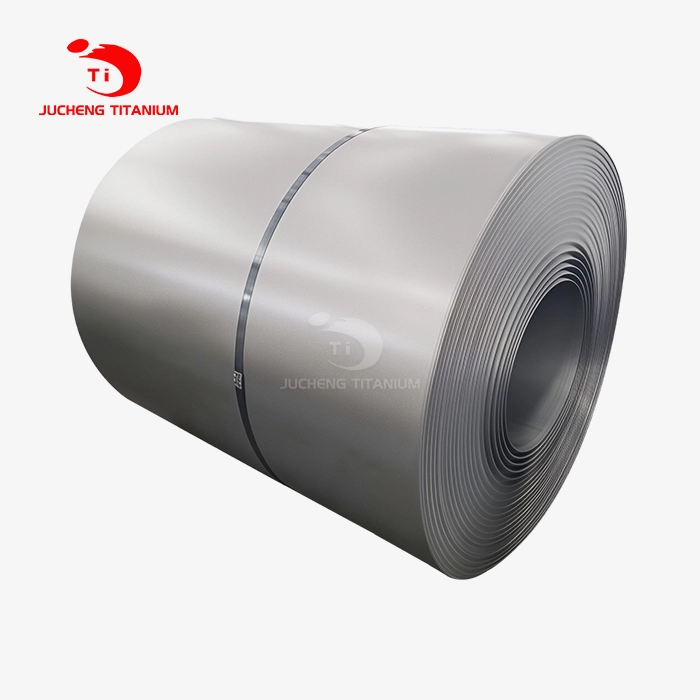
It doesn't matter what the dimensions are. Our sheets come in thicknesses from 4mm to 80mm, widths from 950mm to 2500mm, and lengths up to 10,000mm. They can also be fully customized to fit your exact needs. This gives you the freedom to avoid wasteful actions and extra cuts.
Comparing Titanium Sheets with Alternative Materials: Making the Right Decision
Titanium Versus Stainless Steel in Corrosive Environments
Stress corrosion cracking happens when chromium oxide passivation breaks down in chloride-rich or reducing conditions, which is bad for stainless steel. Titanium's self-healing titanium dioxide film grows back right away, even if it gets scratched. This makes sheets of titanium permanently resistant to chlorine, salt, and wet chlorine gas. Titanium has a much lower total cost of ownership than stainless steel because it doesn't need expensive coatings, replacements, or unintended downtime. This is especially true in chemical plants and remote platforms.

Contact our procurement specialists at s4@juchengti.com to discuss your project requirements with an expert titanium sheet seller. We don't just deliver materials; we also offer engineered solutions that lower your total cost of ownership and make sure your project is finished on time.
References
Strength-to-Weight Advantages Over Aluminum Alloys
Titanium is stronger than aluminum, but aluminum has a lower density. Grade 5 titanium has twice the tensile strength of 7075-T6 aluminum but only 60% more mass. This means that buildings can be made lighter without losing their ability to hold weight. In aerospace applications, this benefit is very important because every kilogram saved means more fuel efficiency over many years of use.
Cost-Benefit Analysis for Long-Term Industrial Use
Titanium's higher raw material cost often keeps buyers on a tight budget away. Lifecycle cost analysis, on the other hand, tells a different story. In a petrochemical plant, a Grade 2 titanium heat exchanger may cost 40% more at first than a similar nickel metal heat exchanger, but it won't need to be serviced for 25 years, while other options need to be replaced every 10 years. When you add up the costs of downtime, staff for reinstallation, and lost production during shutdowns, titanium is often the most cost-effective option.
Procurement Strategies for Buying Titanium Sheets
Selecting Certified Suppliers with Proven Track Records
Project success depends on how trustworthy the vendor is. Make sure that sellers follow ISO 9001 quality standards and have the right business certifications. For each lot of sheets of titanium, you should ask for a mill test report that lists the chemical makeup, mechanical properties, and heat treatment settings. Our 20 years of deep industry involvement, national high-tech enterprise status, and specialized "little giant" recognition at Baoji Jucheng Titanium Industry show that we are always committed to quality and technical innovation. Our 3,000-ton warehouse lets us fulfill orders quickly without affecting the ability to track them.
These benefits directly address common problems, like making sure materials are consistent, following certification rules, and having a reliable supply chain. Our partnerships with organizations like the Northwest Institute for Nonferrous Metal Research and our work with Tsinghua University give us access to the most up-to-date knowledge on how to create and process alloys.
Balancing Bulk Orders with Custom Fabrication Needs
Buying in bulk is a good way for large aerospace contracts to lock in prices and make sure they can keep getting supplies. On the other hand, small-batch customization and flexible minimum order amounts are needed for test projects or specialty medical devices. Check your annual storage capacity and consumption forecast. As project plans change, suppliers who have both stock and custom processing capabilities, like our facility's 120,000 square meters and annual output of 500+ titanium equipment units, give us strategic freedom.
Navigating Pricing Trends and Lead Time Considerations
Prices on the market are set by the global ability to make titanium sponge and the demand cycles in the aircraft industry. Keeping an eye on these trends lets you buy strategically when prices drop. Lead times depend on the thickness and complexity of the surface treatment. Standard annealed sheets ship within weeks, but special orders for unusual alloys may take 8–12 weeks. Spread out deadlines early on and include extra time in your project plans to avoid having to pay extra for faster shipping.
Practical Guidelines and Best Practices for Working with Titanium Sheets
Welding Techniques and Joint Integrity
Titanium welding needs an inert gas cover to keep the metal from becoming weak from air pollution. Keep the oxygen level in the protected zone below 50 ppm. Use argon purging on both the weld face and the root sides. TIG welding with Grade 2 filler wire works best for most available pure grades. To restore ductility and relieve residual stresses when using sheets of titanium, Grade 5 needs to be heated to 150°C before it is welded and then heated to 540°C for two hours afterward.

Machining Parameters and Tool Selection
Titanium doesn't transfer heat well, so heat builds up at the cutting edges, which speeds up tool wear. Use carbide or clay tools that have cutting edges that are very sharp and relief angles that are wide. To keep the work from getting too hard, keep the cutting speeds low (15–25 m/min) and the feed rates high. Using flood coolant gets rid of heat and makes tools last longer. Avoid cuts that are halted because they can cause shaking and chipping.
Storage and Handling to Preserve Material Quality
To keep the surface from getting scratched or dirty, store sheets horizontally on wooden dunnage. Stay away from steel racks that stain with galvanic corrosion. Use clean cotton gloves to handle it; fingerprints and skin oils can make it harder to weld. Keep storage areas below 40% relative humidity to keep thin oxide layers from absorbing water.

Real-world proof: Our all-titanium air coolers became popular in the petrochemical markets in North America because they were handled carefully, keeping the surface clean so they could be installed right away in the field without any extra work. In the same way, our titanium spiral plate heat exchangers for WUGANG Group have been working well for decades thanks to precise fabrication.
Conclusion
Figuring out which sheets of titanium are best for industrial fabrication depends on carefully matching the properties of the material with the needs of the application, checking the certifications of the supplier, and following strict fabrication methods. Different practical needs can be met by grades ranging from commercially pure to high-strength alloys. Surface treatments and customizing dimensions make fitting into current systems easy. Even though titanium costs more up front than other metals, it has a higher lifetime value, which is measured by its resistance to rust, reduced weight, and lack of upkeep. Working with experienced suppliers gives you access to technical know-how, consistent quality, and dependable supply chains, all of which are important for making products that can compete in the market.
FAQ
1. What titanium grade is best for chemical processing equipment?
Grade 2 is still the standard in the chemical industry because it is very resistant to corrosion and easy to shape. For settings with a lot of reducing agents, like hydrochloric acid, choose Grade 7 or Grade 12 with palladium additions. These stop hydrogen from weakening the metal and speed up the passivation process.
2. How does titanium sheet thickness affect fabrication costs?
Heavy-section parts can be machined faster with thicker sheets, but they cost more and need higher-tonnage making tools. Thinner gauges use less raw materials, but they need stricter process controls to keep them from twisting while they're being welded. Instead of using random safety factors to find the best thickness, use structure analysis.
3. Can titanium sheets be sourced with full material traceability?
Reliable suppliers give mill test reports that show heat numbers, chemical composition (using spectrometry), mechanical test results, and a history of the processing. This tracking meets the needs of aerospace standard AS9100 and pressure tank code rules. To make sure you're following the rules and getting good quality, always ask for certified paperwork before accepting shipments.
Partner with Jucheng Titanium for Reliable Sheets of Titanium Supply
Navigating titanium procurement complexity becomes straightforward with the right partner. Jucheng Titanium has been making specialized products for more than 20 years and has 4 invention patents and 41 utility model patents that are used in all of our product lines. As a specialized "little giant" company on the national level that is traded on the National Equities Exchange, we have strict quality standards that are backed up by our partnerships with Jiangxi Copper Group and clients in the defense sector.

Our large inventory of 3,000 tons lets us deliver standard grades right away, and our custom fabrication capabilities—every year we make more than 500 pieces of titanium equipment—allow us to meet specific needs. Whether you need sheets of titanium that meet ASTM B265 standards for chemical reactors, materials that meet AMS 4911 standards for aerospace structures, or biocompatible grades for medical devices, our technical team can help you with advice that is based on real-world installation data.
Contact our procurement specialists at s4@juchengti.com to discuss your project requirements with an expert titanium sheet seller. We don't just deliver materials; we also offer engineered solutions that lower your total cost of ownership and make sure your project is finished on time.
References
1. Boyer, R., Welsch, G., & Collings, E.W. (1994). Materials Properties Handbook: Titanium Alloys. ASM International, Materials Park, Ohio.
2. Donachie, M.J. (2000). Titanium: A Technical Guide, 2nd Edition. ASM International, Materials Park, Ohio.
3. Lutjering, G., & Williams, J.C. (2007). Titanium, 2nd Edition. Springer-Verlag, Berlin Heidelberg.
4. Schutz, R.W., & Watkins, H.B. (1998). Recent Developments in Titanium Alloy Application in the Energy Industry. Materials Science and Engineering A, 243(1-2), 305-315.
5. ASTM International. (2020). ASTM B265-20: Standard Specification for Titanium and Titanium Alloy Strip, Sheet, and Plate. West Conshohocken, Pennsylvania.
6. Peters, M., Kumpfert, J., Word, C.H., & Leyens, C. (2003). Titanium Alloys for Aerospace Applications. Advanced Engineering Materials, 5(6), 419-427.