



How to choose titanium grade 4 plate for medical implants
When it comes to medical implants, the first step in selecting the appropriate titanium grade 4 plate is to have an awareness of its material categorisation. The most durable of the four commercially pure (CP) titanium grades is Grade 4, which is classified as UNS R50700 and is made in accordance with ASTM B265 and ASTM F67. The tensile strength of this material may reach up to 550 MPa due to the presence of up to 0.40% oxygen and 0.50% iron. Because of its biocompatibility, resistance to corrosion, and absence of alloying elements like vanadium, it is a substrate that is highly favoured for use in load-bearing implants, dental fixtures, and surgical gear, all of which are situations in which long-term tissue compatibility is an absolute must.
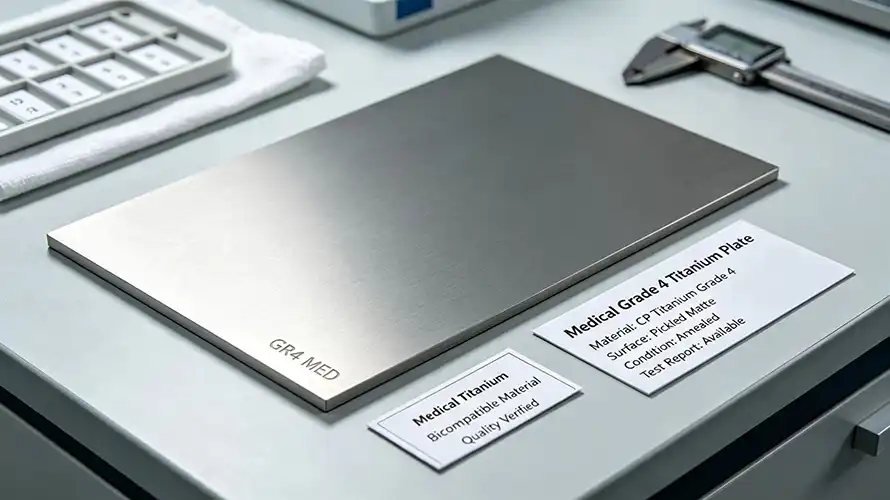

Understanding Titanium Grade 4 Plate for Medical Use
Before you make a purchase, you should have a thorough understanding of the distinctions that exist between Grade 4 and the other grades of CP titanium, as well as the reasons why these distinctions are significant in a clinical environment.
Chemical Composition and Purity
It is specified that the chemistry of grade 4 is comprised of oxygen (≤0.40%), iron (≤0.50%), nitrogen (≤0.05%), carbon (≤0.08%), and hydrogen (≤0.015%). The presence of these controlled trace elements is responsible for the tensile strength exceeding 550 MPa. All of this is accomplished while maintaining the corrosion resistance that is inherent to titanium that has not been alloyed. It is important to note that Grade 4 (Ti-6Al-4V) does not include either vanadium or aluminium, in contrast to Grade 5 (Ti-6Al-4V). In accordance with the requirements for biocompatibility established by ISO 10993, these components have the potential to cause damage to cells when they are used in implant applications that are intended to be used for an extended period of time.
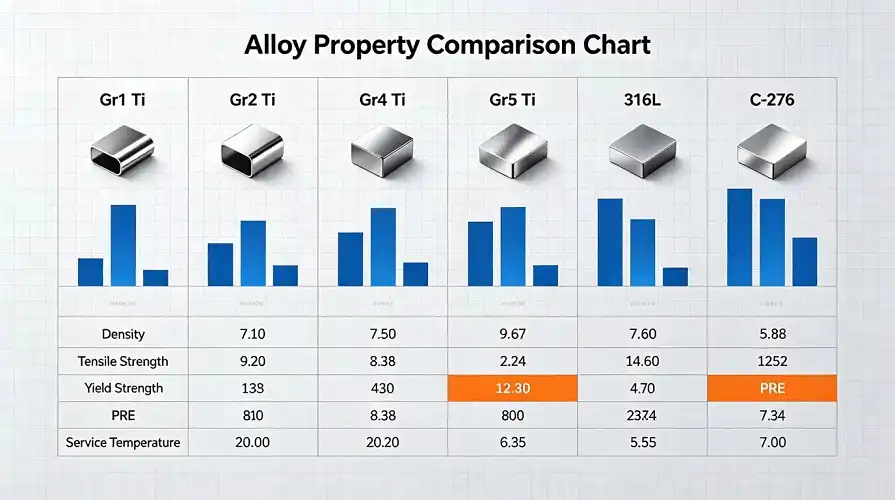
Mechanical Properties That Matter in Implants
In order to meet the requirements of ASTM F67, Grade 4 CP titanium plate must have a maximum tensile strength of 550 MPa, a yield strength of 483 MPa, and an extension of 15% over its length. As a result of these values, it is suitable for use in craniofacial plates, oral implant abutments, and spine fixation components that are loaded physiologically on a recurrent basis. The orthopaedic literature that has been evaluated by experts in the field also has a great deal of information on how well it resists fatigue under cyclic load.
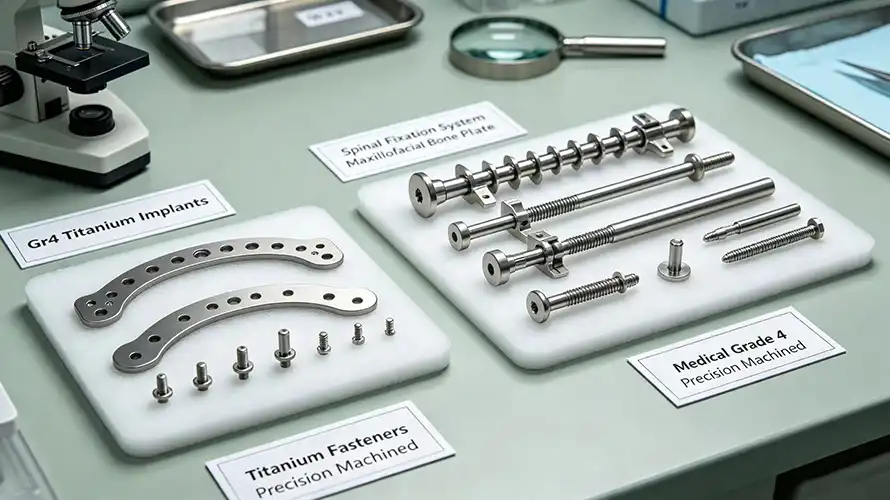
Biocompatibility and Hypoallergenic Profile
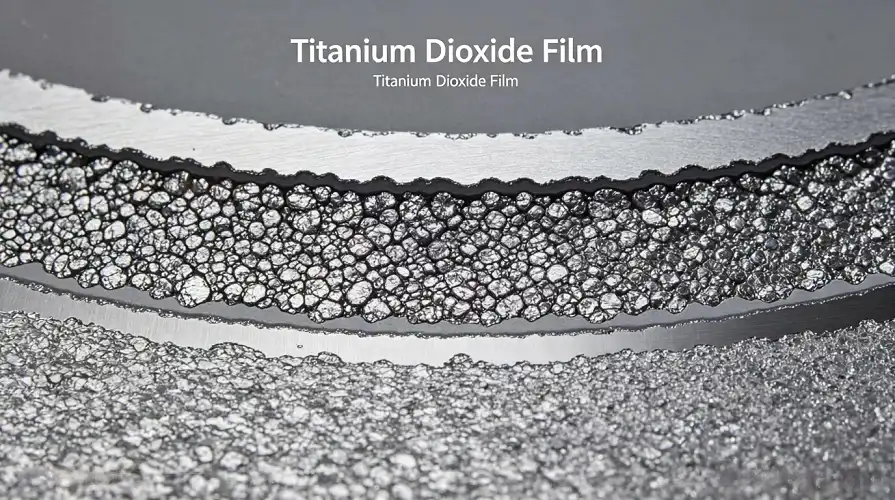
Its surface is coated with a coating of titanium dioxide (TiO2) that automatically fixes itself, making it a stable material. Because of this layer, the material is completely risk-free since it prevents ions from penetrating the tissue that is around it. The findings of studies that were published in the journal Biomaterials demonstrate that cobalt-chromium alloys had lower osseointegration rates compared to CP titanium grades. In light of this, bone-anchored implants will continue to be stable for a considerable amount of time.
Core Selection Criteria When Choosing Titanium Grade 4 Plate
After you understand the material, you need to decide if a certain titanium grade 4 plate product meets your needs for making. These are the main things that I think every buying team should check before placing an order.
The effectiveness of implants and the length of time it takes for officials to give their approval are directly affected by the following:
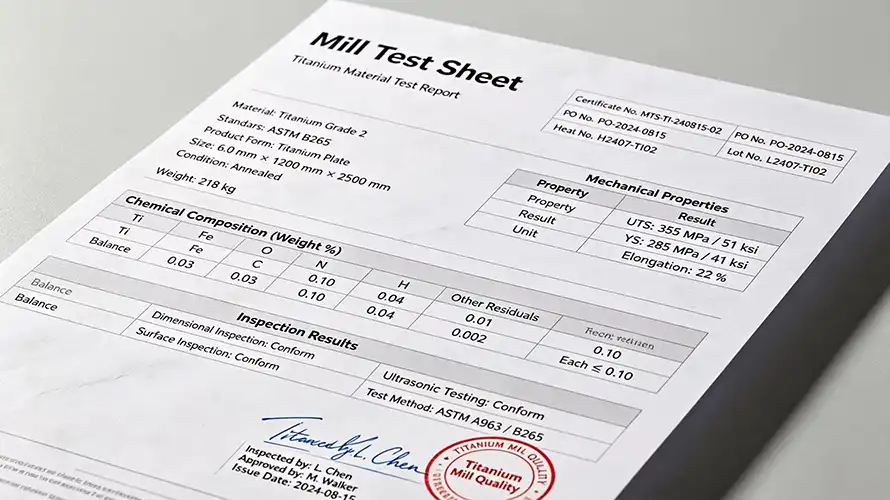
- Checking the mechanical properties: According to ASTM F67 or AMS 4911, you need to ask for mill test results that show a tensile strength of 550 MPa, a yield strength of 483 MPa, and an elongation of at least 15%. Any departures from these levels for Class II medical devices could lead to a new review by the FDA under the 510(k) program.
- To meet the requirements for making medical implants, surfaces must usually be acid-pickled, polished, or cut, and their Ra values must be less than 1.6 µm. Acid pickling gets rid of the deformed top layer that forms after hot rolling. This helps the bone to fuse together better and lowers the risk of contamination.

- Many different thicknesses (4 mm to 80 mm), widths (950 mm to 2,500 mm), and lengths (up to 10,000 mm) of plates are available to meet most implant blank and attachment needs. There are also options for dimensional accuracy and tailoring. Custom size helps cut down on material waste when the job needs to be done precisely.
- Getting along with the standard: As per ASTM B265, ASTM F67, AMS 4911, and ASME SB265, please make sure that the plate is certified. In order to get medical-grade materials, it is necessary to keep track of everything from the raw sponge to the finished plate.
As required by either ASTM F67 or AMS 4911, you must ask for mill test results that show the tensile strength is at least 550 MPa, the yield strength is at least 483 MPa, and the stretch is at least 15%. This has to be done in order to make sure that the mechanical properties are correct. If there are changes outside of these ranges, the Food and Drug Administration (FDA) may use the 510(k) process to look at Class II medical devices again.
Comparing Titanium Grade 4 Plate with Other Implant Materials
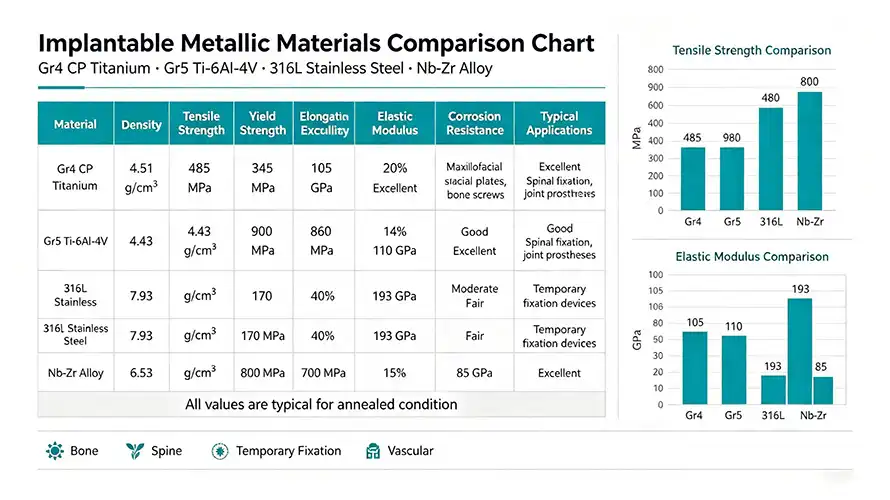
The choice of implant material is never made by itself. Knowing where Grade 4 stands in comparison to other options helps procurement teams explain their material choices to engineering and regulatory officials.
Grade 4 vs. Grade 5 (Ti-6Al-4V)
Grade 5 has a higher tensile strength (about 895 MPa), but the scientific literature is still debating how to use it because it contains aluminium and vanadium. At high ion concentrations, the ISO 10993 series marks vanadium as a possible cytotoxin. When biocompatibility and resistance to corrosion are more important than raw strength, like in dental and craniofacial applications, Grade 4 is the best choice.
Grade 4 vs. Surgical Stainless Steel (316L)
Because it is cheap, stainless steel 316L is still widely used, but it is about 60% heavier than titanium and can cause nickel release in people who are sensitive to it. The American Academy of Orthopaedic Surgeons (AAOS) says that allergic responses are less common with titanium implants than with metals that contain nickel. Grade 4 is the best in terms of weight, resistance to rust, and patient safety.
Grade 4 vs. Niobium and Zirconium Alloys
Niobium and zirconium-based materials offer excellent biocompatibility but come at significantly higher material costs and limited supplier availability globally. For high-volume implant production requiring consistent supply, titanium Grade 4 plate remains the more practical and cost-efficient choice without compromising on clinical performance.
Procurement Considerations for Titanium Grade 4 Plate
Making sure you choose the right metal is only one part of a good procurement plan. Lots of things, like how reliable your supply chain is, how many certifications it has, and how responsive your suppliers are, can change many parts of your production strategy and legal position.
The cost of medical-grade CP titanium plate is affected by several things, such as the number of sales, how well the surface is cleaned, and changes in the titanium sponge market around the world. But the smallest amount that can be bought should be able to cover both production runs and test blanks. A lot of the time, buying in bulk makes the price per kilogram of the goods much lower. It could take anywhere from two to six weeks to finish the surface after hot rolling, heating, levelling, pickling, and finishing. But this time range depends on how big the plate is and what kind of treatment is needed.
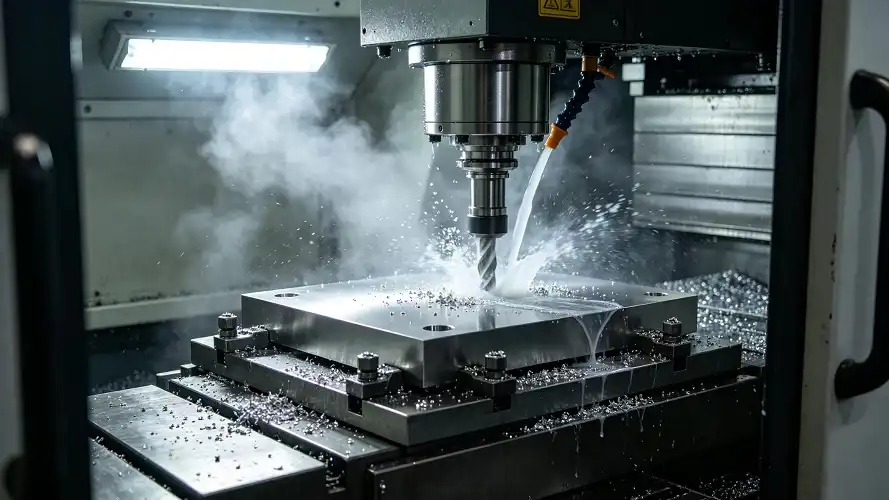
When this happens, the way the data is handled is important. When it comes to cutting, plates that have been hot-rolled and then cooled have the most uniform grain structure and sizes. When you anneal something after rolling it, you get rid of any stress that might have been left behind and level it out so that it meets the smoothness standards needed for CNC cutting implant pieces. If you want to lower the risk of contamination, you can ask the mill to finish the surface with acid pickling or polishing. You don't have to do any editing on your own after this.
Always make sure to get full certificates of the materials, heat numbers, and test results from a supplier you can trust. According to 21 CFR Part 820, medical devices controlled by the FDA must keep tracking papers for as long as the device is on the market plus two years.
Why Source Your Titanium Grade 4 Plate from Jucheng Titanium
Jucheng Titanium has been working on its own in the titanium business since 2004. As the heart of titanium production in China, Baoji serves as the site of the company's offices. It was the first private titanium company in Shaanxi Province to be listed on the National Equities Exchange and Quotations in 2017. This was something that the company did well. The company has fifty million RMB in listed capital and 41 utility model patents, as well as four innovation patents at the moment.
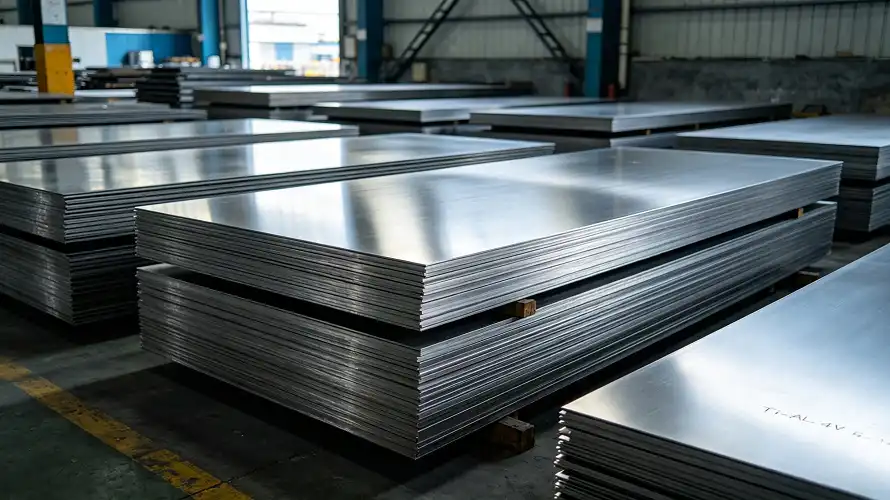
Plates made of CP titanium can be bought from Jucheng Titanium. They come in grades Gr1, Gr2, Gr4, Gr5, Gr7, Gr9, and Gr12. Each of these plates is made in line with ASME SB265, ASTM B265, ASTM F67, AMS 4911, and ASTM B265. When it comes to the hot-rolled and annealed plates, you can choose from different styles, such as acid-pickled, machined, or polished. These materials come in thicknesses from 4 mm to 80 mm, widths from 950 mm to 2,500 mm, and lengths from 950 mm to 10,000 mm. If you need a different size, you can order it.
The company keeps a stockpile of about 3,000 tonnes of titanium all year long. This lets it quickly send materials to meet the production plans of medical products that still need to be made. The Northwest Institute for Nonferrous Metal Research and Tsinghua University are two of the institutions that it works with to do technology research and development. This lets procurement teams get help from materials engineers right away, which is very helpful when they have to deal with unusual regulatory applications or implant specifications.
Conclusion
Choosing the right material for medical implants is a choice that impacts the health of the patient and your regulatory path. Titanium grade 4 plate has strong mechanical properties, is biocompatible, and is chemically stable, which not many other materials at its price can match. Procurement teams can confidently source goods by checking technical approvals, surface finish standards, dimensional tolerances, and the ability to trace back to the seller. Starting with a properly approved, mill-tested CP titanium plate takes away one important variable from a complicated process, whether you are increasing production or making sure a new implant design works.
FAQ
1. Why is Grade 4 preferred over Grade 2 for load-bearing implants?
The oxygen level in Grade 4 is up to 0.40%, compared to about 0.25% in Grade 2. This makes the tensile strength about 35–40% higher. For uses that need to hold weight, like spinal plates or tooth abutments, this strength margin makes the implant cross-section smaller while keeping the structure's integrity.
2. Can Grade 4 titanium plate be machined to implant tolerances?
Yes, but when it comes to cutting, it acts like austenitic stainless steel. To keep the work from getting too hard, you need sharp tools, slow cutting speeds, heavy feeds, and a steady flow of coolant. A lot of companies that make implants get acid-pickled plates straight from the mill so that they can start with a clean, flat surface before they do any CNC work.
3. What certifications should a medical-grade titanium plate carry?
At the very least, you should look for mill test results that go with ASTM F67, ASTM B265, and AMS 4911 certificates. Implants that are controlled by the FDA or CE must have ISO 10993 biocompatibility paperwork and full heat traceability.
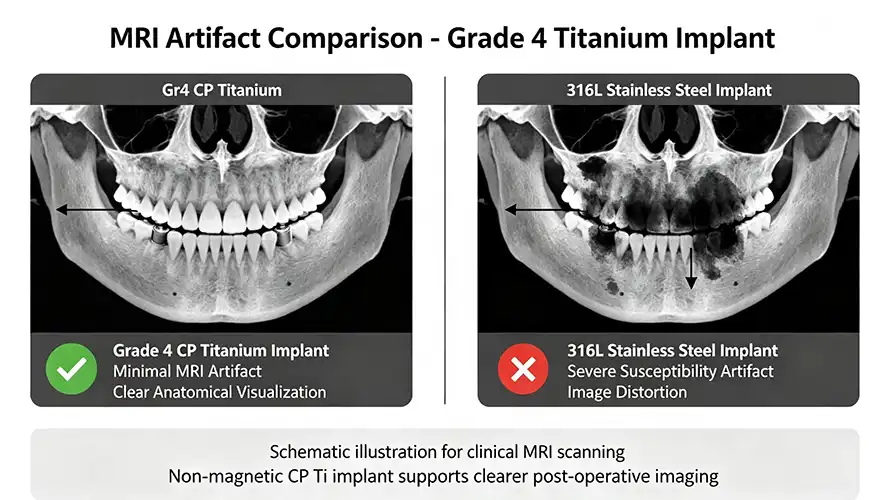
4. Does Grade 4 interfere with MRI imaging?
Not at all. Grade 4 CP titanium is paramagnetic, just like all other grades. A big clinical benefit over ferromagnetic implant materials is that it doesn't create any quantifiable magnetic susceptibility artifacts and won't get in the way of MRI equipment.
Partner with Jucheng Titanium for Your Next Medical Implant Project
Jucheng Titanium sells certified titanium grade 4 plate to companies in North America and around the world that make medical devices and implants. We can support both production runs and concept development because we have more than 3,000 tons in stock, are fully certified by ASTM and AMS, and can make sizes to fit your needs. As a titanium grade 4 plate manufacturer with more than 20 years of experience, we provide checked materials that can be fully tracked. To get a price or information about the materials, please email our team at s4@juchengti.com.

References
1. ASTM International. ASTM F67: Standard Specification for Unalloyed Titanium for Surgical Implant Applications. ASTM International, 2023.
2. Niinomi, M. "Mechanical Biocompatibilities of Titanium Alloys for Biomedical Applications." Journal of the Mechanical Behavior of Biomedical Materials, 2008.
3. Rack, H. J., & Qazi, J. I. "Titanium Alloys for Biomedical Applications." Materials Science and Engineering: C, 2006.
4. Long, M., & Rack, H. J. "Titanium Alloys in Total Joint Replacement — A Materials Science Perspective." Biomaterials, 1998.
5. American Academy of Orthopaedic Surgeons (AAOS). Metal Sensitivity and Implant Materials in Orthopaedic Surgery. AAOS Monograph, 2019.
6. ASM International. Titanium: A Technical Guide, 2nd ed. ASM International, 2000.