



How to Compare Titanium Sheet Suppliers Before Placing an Order
Quality, dependability, and pricing must be considered while comparing sheets of titanium vendors before ordering. Titanium sheets available in different grades and standards, making supplier selection important for aerospace, medical, chemical processing, and industrial applications. The proper source offers customisation, ASTM B265, AMS 4911, or ASME SB265-certified materials, enough inventory, clear pricing, and solid after-sales service. Understanding these comparative criteria safeguards your investment and ensures material performance meets project needs.
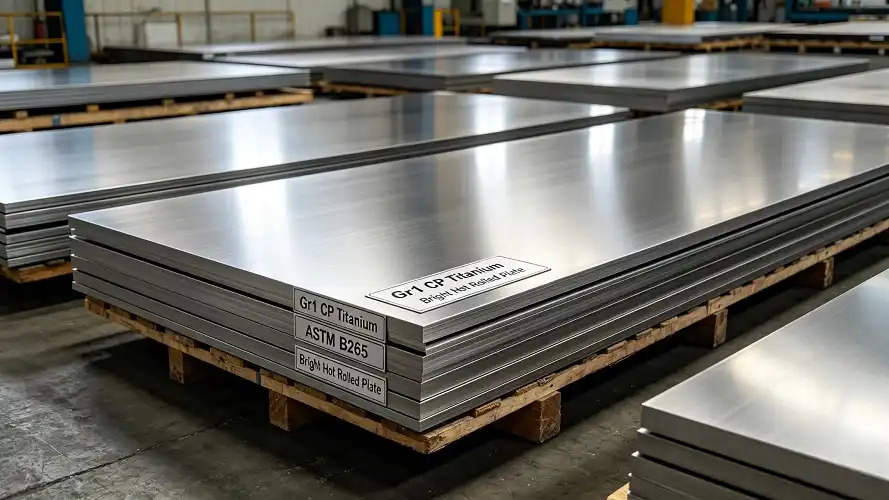
Understanding Your Procurement Needs for Titanium Sheets
Find out how to get the titanium sheets you need. Before you call sources, be sure they know what kind of material you need. You will be able to avoid mistakes that cost a lot of money and cause project delays. Suppliers are picked based on the types of materials that different industries need.
Identifying Application-Specific Requirements
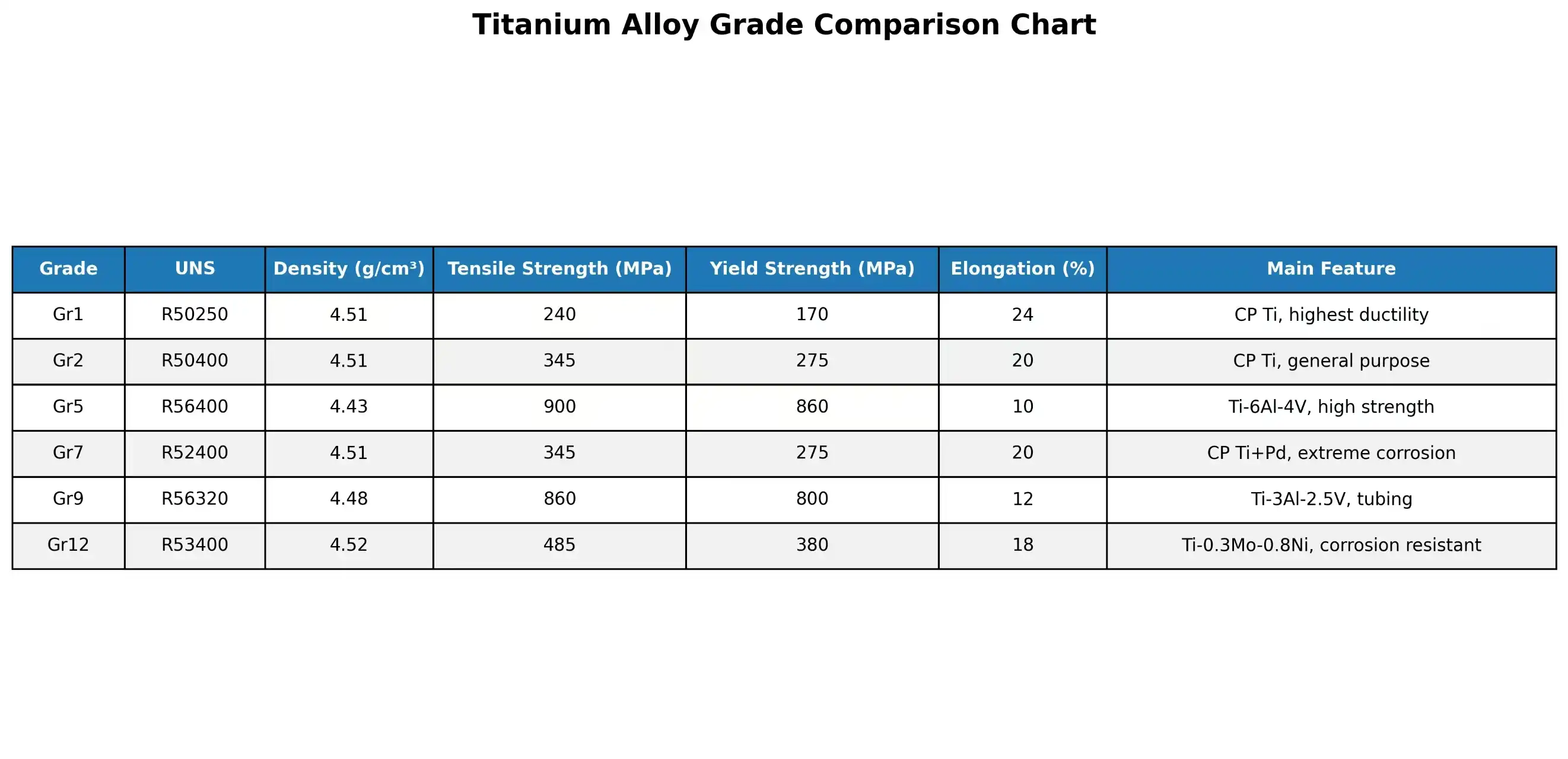
The aerospace business needs very pure titanium bars, plates, and machined parts that can be tracked back to their source. Manufacturers of medical devices need grades that are biocompatible and have controlled interstitial constituents. Instruments used in chemical processing need materials that don't rust and are strong. There are different grades needed for different things. It is easy to form Gr2; it is stronger than Gr5 (Ti-6Al-4V); and it is better at resisting rust in reducing acids.
Defining Material Specifications
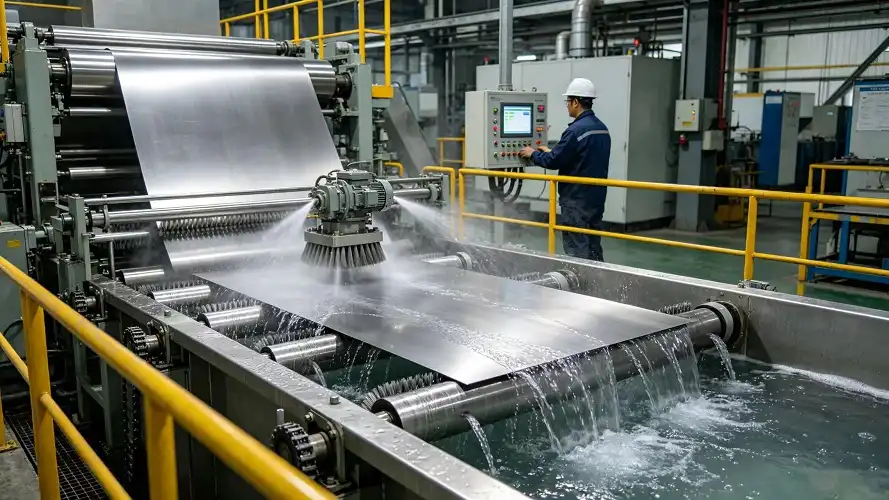
Using the right grade of titanium affects how well it works. Gr1, Gr2, and Gr4 types that are sold in stores are flexible and easy to shape when they are cold. This makes them perfect for deep sketches and detailed shaping. Mechanically, Gr5, Gr7, Gr9, and Gr12 alloys are better for use in structures. Production needs may be met by sheets that are 4 mm to 80 mm thick, 950 mm to 2500 mm wide, and up to 10,000 mm long. Polishing, grinding, and acid-pickling can change how something looks and how well it resists rust.
Volume and Lead Time Planning
You can save money by buying in bulk, but you have to pay for storage and pay for it. If the source is reliable and close, just-in-time delivery can lower the cost of inventory. Order numbers are easier to figure out when you know how quickly you use things up. Realistic wait times are affected by problems with quality testing, factory timing, and shipping goods from other countries. This is very important for specific needs that need rolling, annealing, levelling, and pickling.
Core Criteria for Evaluating Titanium Sheet Suppliers
Systematic review of suppliers protects buying investments and makes sure that the standard of materials stays the same over long-term relationships.
Certification and Standards Compliance
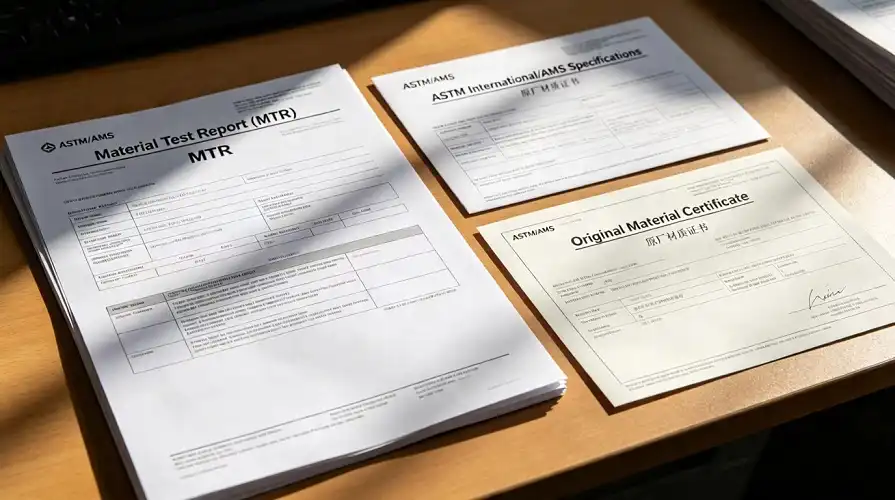
Reputable suppliers maintain quality and compliance certificates. ISO 9001 accreditation indicates long-standing quality systems. Industry-specific norms matter. ASTM B265 specifies commercial titanium sheet standards, ASTM F67 defines surgical implant materials, and AMS 4911 sets aircraft structural criteria. Suppliers that engage with regulated firms should easily provide MTRs, CoCs, and third-party inspection documentation. These certificates verify chemical composition, mechanical properties, and raw material-to-final-product tracking.
Quality Assurance Processes
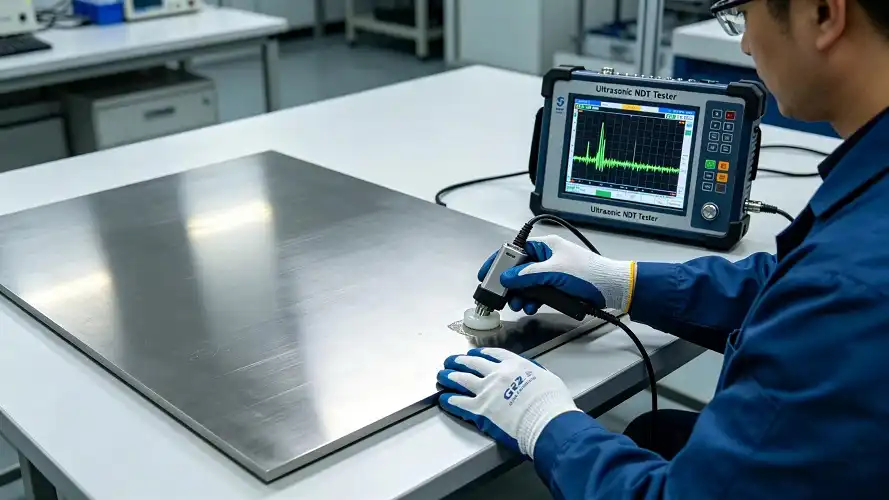
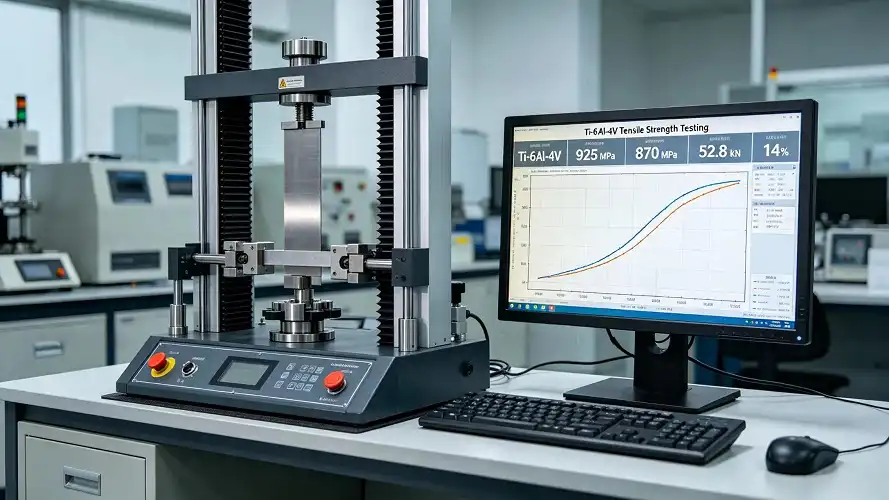
Quality control for sheets of titanium goes beyond certificates to include testing techniques. Reliable suppliers assess product quality for interstitial element restrictions. Too much oxygen or nitrogen weakens titanium alloys. Tensile strength testing ensures mechanical performance meets specification minimums. Testing for corrosion resistance ensures a material is acceptable for its environment. Suppliers should demonstrate their ability to discover product problems using non-destructive testing (NDT) procedures such as ultrasonic inspection, eddy current testing, and dye penetrant examination.
Product Range and Customization Capabilities
Supplier product diversity indicates manufacturing process sophistication and adaptability. Having titanium grades Gr1, Gr2, Gr4, Gr5, Gr7, Gr9, and Gr12 offers you alternatives when project needs change. The flexibility to customise thickness, breadth, length, and surface treatments shows how versatile manufacturing is. Supplier services, including precision cutting, edge preparation, and protective coating application, minimise downstream processing costs and simplify supply chain management. Research-and-development companies might collaborate to enhance materials for specialised purposes.
Supply Chain Reliability and Capacity
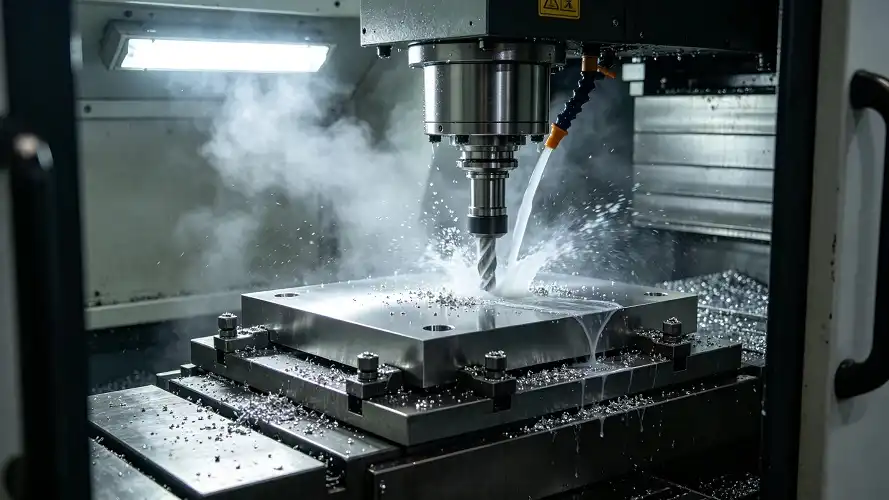
How successfully sellers develop with your firm hinges on production. Suppliers' annual inventory levels demonstrate their stockkeeping commitment. Suppliers with 2,000 to 3,000 tonnes of titanium inventory reduce wait times and protect themselves against raw material shortages. Factory and warehouse locations affect delivery time and freight cost. Planning for supply interruptions with alternate sources and safety stock rules prevents production halts. A diverse client base makes a provider stable, but too few consumers may indicate rigidity or market rejection.
Comparing Pricing and Cost Structures
Transparent cost analysis shows the real value beyond the original price quotes. This keeps the budget from going over and lets the parties negotiate with more knowledge.
Understanding Market Pricing Drivers
The price of sheets of titanium depends on many things, such as the cost of the raw materials, the complexity of the metal, and how much work goes into making them. Changes in the market price of titanium sponge have a direct effect on the cost of sheets. When compared to commercially pure grades, complex alloys that need precise elemental control cost more. Because they are made with fewer steps, hot-rolled sheets usually cost less than cold-rolled ones. Putting titanium up against stainless steel or aluminum options gives you an idea of how much it costs. Titanium is three to five times more expensive than these materials at first, but it has many benefits over the course of its life, such as not rusting, being lighter, and not needing any upkeep.
Identifying Hidden Costs
Most of the time, quoted sheet prices don't include all landing costs. When you ship things internationally by sea freight, it takes longer to get them to you, but it costs less than shipping by air freight. Costs can go up by 10 to 25 percent because of customs charges, import taxes, and brokerage fees that depend on the country of destination. Costs for projects go up because of certification testing fees for checking materials, measuring, and making sure mechanical properties are correct. Minimum order amounts that force people to buy more than they need raise the cost of keeping supplies. Asking for quotes that include everything and break down the costs item by item helps you stick to your budget and avoids nasty shocks.
Negotiation Strategies and Volume Discounts
Long-term supply deals usually get better prices by promising to buy a certain amount. Annual contracts that include estimated amounts of goods can help suppliers plan production and buy raw materials more efficiently, which saves them money that they can share with customers by lowering the cost of each item. Partnerships that last more than one year show dedication, which sellers reward by giving better prices and faster access to products when there are shortages in the market. Flexible payment terms, like longer net terms or early payment savings, give you choices for planning your finances. When you build collaborative relationships with suppliers instead of just doing business with them, they are more likely to offer competitive prices while keeping service quality high.
Evaluating Supplier Reputation and After-Sales Support
The credibility of the supplier and support after the purchase have a big effect on the success of the project and the buyer's long-term satisfaction with the purchase of sheets of titanium.
Researching Supplier Credentials and History
A company's longevity shows that the market likes it and that it runs smoothly. Suppliers that have been in business for 15 to 20 years have seen many economic turns and built mature processes. Industry honors, like national high-tech enterprise designations or specialized innovation awards, show that technical skills are strong. Patent portfolios show your investment in research and development (R&D) and your unique processing knowledge. Client lists with well-known names or Fortune 500 companies say that the work has been done successfully in the past under strict conditions. By researching sources like well-known companies in the same field, you can use them as standards to judge newcomers.
Verifying Customer Testimonials and Case Studies
Real customer feedback gives suppliers useful information about how they're doing. Problem-solving skills can be shown through detailed case studies that describe specific applications, technical challenges that were overcome, and measurable results. Video testimonials and site visits to customers who are used as references back up claims and show how operations are run. Forums for businesses, trade groups, and professional networks let people who are going through the same buying problems get their honest views. By asking for examples from customers who have used similar products, placed similar amounts of orders, and had similar quality standards, you can get useful success indicators.
Assessing Technical Support and Expertise
When suppliers offer easy-to-reach technical support, they become strategic partners instead of just vendors. Expert advice on choosing the right grade for the right temperature ranges, chemical exposures, and stress levels is essential for getting the best performance out of materials and avoiding costly specification mistakes. Support from application engineers in areas like finite element analysis (FEA), corrosion models, and manufacturing suggestions is very helpful. Quick problem resolution is made easier by responsive contact methods with acceptable response times (24 to 48 hours). Suppliers who hire metallurgists, corrosion specialists, and application engineers show that they care about their customers' success in more ways than just a business relationship.
Understanding Warranty Terms and Return Policies
Clear guarantee terms protect investments in buying and set standards for who is responsible for what. Material warranties usually cover flaws in the way the product was made, problems with its dimensions, and mechanical properties that don't match the specifications. Knowing how to file a claim, how long the warranty lasts, and your options for fixing the problem (replacement, credit, or refund) before you order keeps disputes from happening. Return policies for unwanted items or items that don't match the specifications should be flexible while also having fair return fees. Procedures for managing defects, such as figuring out the root cause and writing down what was done to fix the problem, show dedication to quality and a mindset of continuous growth.
Logistics, Lead Time, and Delivery Considerations
Getting materials from the supplier to your facility quickly and easily helps you stick to your production schedules and keep your working capital investment low.
Shipping Options and International Delivery
When choosing a transportation method, you have to weigh cost and time. When you can wait 4–8 weeks for your package, sea freight is a cheap way to send large amounts of goods. Air freight speeds up delivery to 3–7 days, but it costs a lot more. This is okay for urgent needs or high-value, low-weight orders. Land transportation serves customers in the same area and can deliver items in one to five days. Suppliers who have experience exporting to other countries know what paperwork is needed, how to arrange freight forwarders, and how to keep track of packages. Shipments in containers with the right amount of dunnage protect sheets during handling and transport, keeping them from getting damaged by shifting or being exposed to the elements.
Managing Customs Clearance and Import Regulations
For shipments across borders, you need to keep very detailed records, like business bills, packing lists, certificates of origin, and material certifications. The accuracy of a Harmonized System (HS) code tells you what duty rates and rules apply. When suppliers know the rules of the target country, they can speed up the customs clearance process and lower the risk of being held. Imports that follow local rules for safety, the environment, and standards keep shipments from being rejected or needing expensive changes. Working with expert customs agents or suppliers who handle the whole import process cuts down on paperwork and speeds up the delivery of goods.
Packaging Standards and Material Handling
Throughout the supply chain, the purity of sheets of titanium and their certifications are kept safe by using the right packaging. Protective interleaving keeps the surface from getting scratched when stacking and moving are done. In wet places, moisture shields keep germs from spreading. Putting things in boxes or on pallets makes them easier to move by machine and keeps the ends from getting damaged. Labels with the grade, heat number, measurements, and handling directions make sure that things can be tracked and that they are stored correctly. Suppliers who follow industry standards for packaging show that they pay attention to detail, and this extends to the quality of the products they make.
Supplier Flexibility for Urgent Orders
As a business grows, its suppliers must be able to adapt to sudden changes in demand. When standard lead times aren't enough, expensive production interruptions can be avoided by having the ability to meet tight deadlines with expedited production, even if it costs more. Flexibility that focuses on the customer means being willing to change shipment amounts, delivery times, or split orders between multiple locations. Strategic inventories of common specs kept by suppliers allow for quick delivery, and the ability to make things to order meets specific needs. Assessing responsiveness during the quotation and sample steps can help predict the quality of future teamwork.
Conclusion
To find the best titanium sheet provider, you need to carefully look at their certifications, quality control, product offerings, dependability of the supply chain, price clarity, reputation check, and logistics skills. Sheets of titanium are big investments that need suppliers who work with them as strategic partners instead of just as transactional vendors. Comprehensive comparison stops specification mistakes, quality problems, and delivery delays that cost a lot of money and put project schedules and budgets at risk. Your buying program will be successful in the long run if you focus on sellers with a history of success in your industry, strong technical support, and a track record of being flexible.
FAQ
1. What certifications are essential for aerospace-grade titanium sheets?
Titanium sheets that meet AMS 4911 specifications are needed in aerospace applications. These specifications set strict requirements for composition, mechanical properties, and inspection. ASTM F67 is for surgical implant materials, while ASTM B265 is for more general commercial standards. Suppliers should give Material Test Reports (MTRs) that show chemical analysis, tensile testing, and proof of heat treatment. Inspection certificates from third-party, approved labs give your business more authority. ISO 9001 certification shows that a company has quality management systems in place. AS9100 certification, on the other hand, only covers aerospace quality requirements and shows that suppliers know how to meet the unique documentation, traceability, and process control needs of the industry.
2. How can I verify titanium purity and quality before purchasing?
Request Material Test Reports (MTRs) that reveal the material's chemical composition, focusing on intermediate elements. Quantities of oxygen, nitrogen, carbon, and iron affect mechanical properties. Tensile test results should verify that yield, ultimate, and elongation fulfil grade standards. Ask someone else to test samples if the order value supports the expense of verification. Close inspection should reveal a smooth, flat surface without layers, gaps, or other flaws. Reliable merchants let other parties test their goods and offer heat numbers from raw ingredients to the final sheet. The whole supply chain may be checked.
3. What are typical lead times for bulk custom titanium sheet orders?
Reliable vendors with stock provide standard-quality sheets in typical sizes in two to four weeks. Bulk titanium sheet orders with special dimensions, surface treatments, or non-standard grades might take 6–12 weeks. Depends on the manufacturing timeline and raw material availability. Complex metals or special testing may take 12–16 weeks. International delivery might add one to eight weeks, depending on the method and customs clearance speed. Suppliers with overstock and flexible production may reduce wait times. This makes them good partners for projects with tight timelines or unpredictable demand predictions.
Partner with a Trusted Titanium Sheet Manufacturer
Jucheng Titanium has been making and processing titanium materials for more than 20 years and works with companies around the world that make aerospace, chemical, medical, and industrial equipment. In Baoji, China, which is known as the "Titanium Valley," our 120,000-square-meter warehouse keeps about 3,000 tons of titanium in stock all year long. This lets us quickly deliver sheets of titanium in grades Gr1, Gr2, Gr4, Gr5, Gr7, Gr9, and Gr12. We make hot-rolled sheets that are between 4mm and 80mm thick, up to 2500mm wide, and up to 10,000mm long. These sheets meet the standards set by ASTM B265, AMS 4911, and ASME SB265. You can have the surface of our annealed sheets cleaned, cut, or acid-pickled, depending on your needs. We are a national high-tech company with 4 invention patents and 41 utility model patents. Our professional technical R&D team helps with unique production, and we offer full after-sales support. Get in touch with our purchasing experts at s4@juchengti.com to talk about your titanium sheet needs and get competitive quotes from a supplier who cares about the success of your project.

References
1. American Society for Testing and Materials. (2021). ASTM B265: Standard Specification for Titanium and Titanium Alloy Strip, Sheet, and Plate. West Conshohocken, PA: ASTM International.
2. Boyer, R., Welsch, G., & Collings, E.W. (1994). Materials Properties Handbook: Titanium Alloys. Materials Park, OH: ASM International.
3. Donachie, M.J. (2000). Titanium: A Technical Guide (2nd ed.). Materials Park, OH: ASM International.
4. Lutjering, G., & Williams, J.C. (2007). Engineering Materials and Processes: Titanium (2nd ed.). Berlin: Springer-Verlag.
5. Peters, M., Kumpfert, J., Ward, C.H., & Leyens, C. (2003). Titanium Alloys for Aerospace Applications. Advanced Engineering Materials, 5(6), 419-427.
6. Veiga, C., Davim, J.P., & Loureiro, A.J.R. (2012). Properties and Applications of Titanium Alloys: A Brief Review. Reviews on Advanced Materials Science, 32(2), 133-148.