
How To Cut a Titanium Plate?
Titanium is very strong, but it doesn't let heat pass through it well, and when it gets hot, it responds chemically. Because of these things, you need special skills and tools to cut a titanium plate. For accurate work, waterjet cutting is best. Plasma cutting is best for thick pieces. Laser cutting is best for clean lines. And overall, mechanical cutting with carbide tools is best. To make sure readings are correct, keep the material's integrity, and keep the work from getting too hard, each method needs its own set of settings and cooling methods.
Understanding Titanium Plates Before Cutting
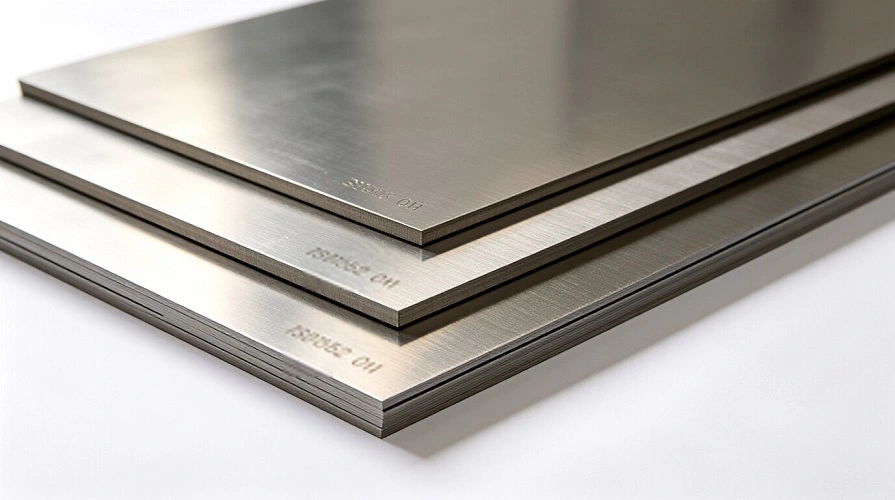
Before you cut titanium plates, learn about them.
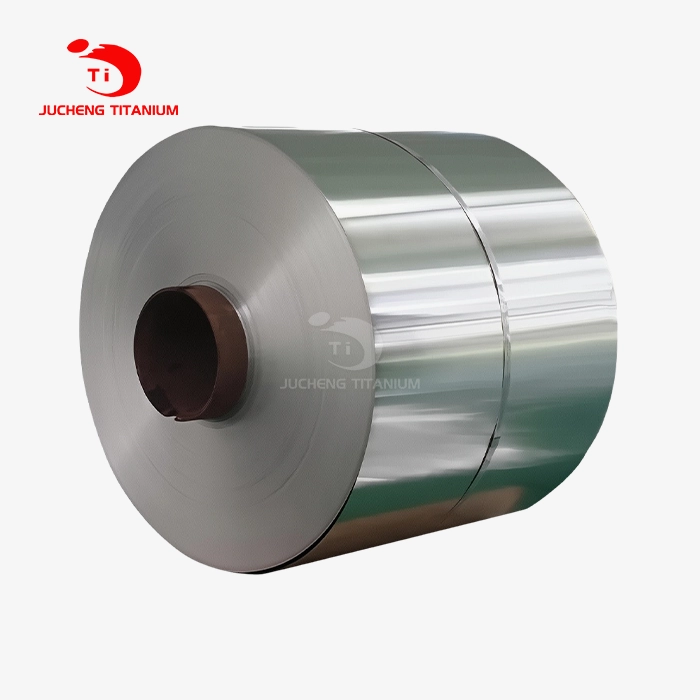
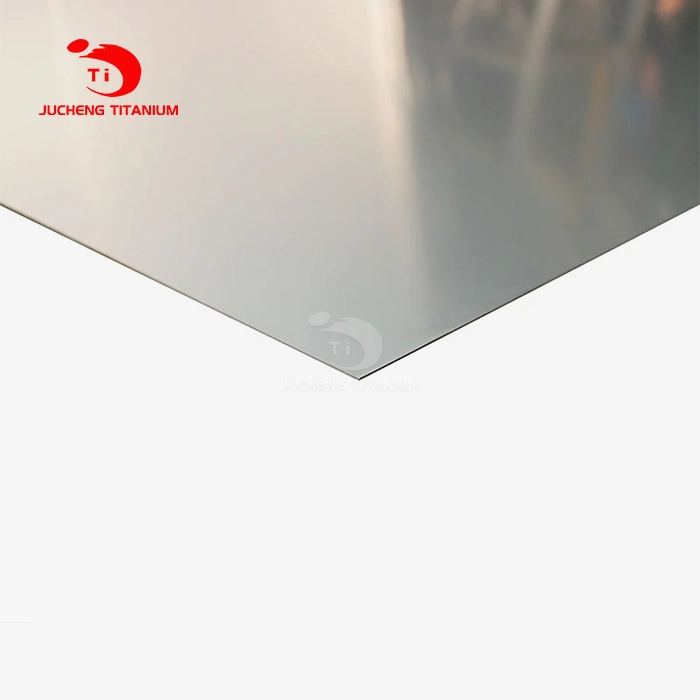
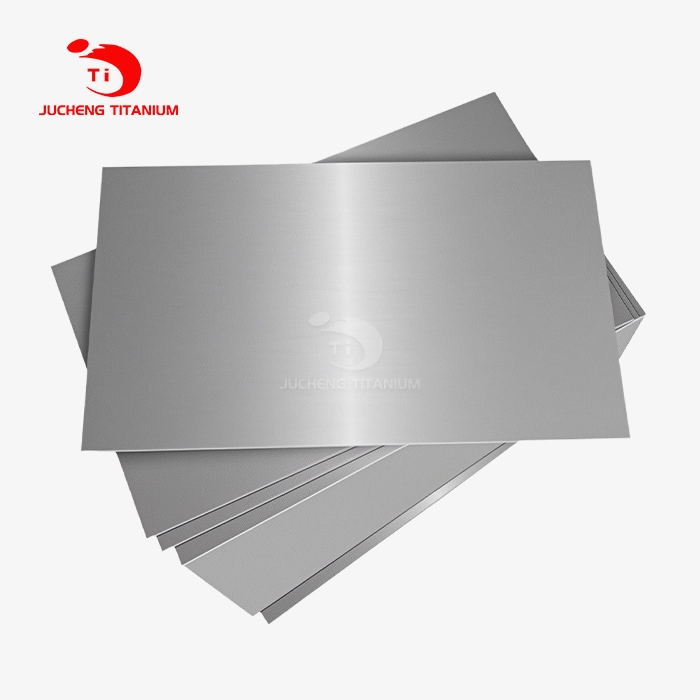
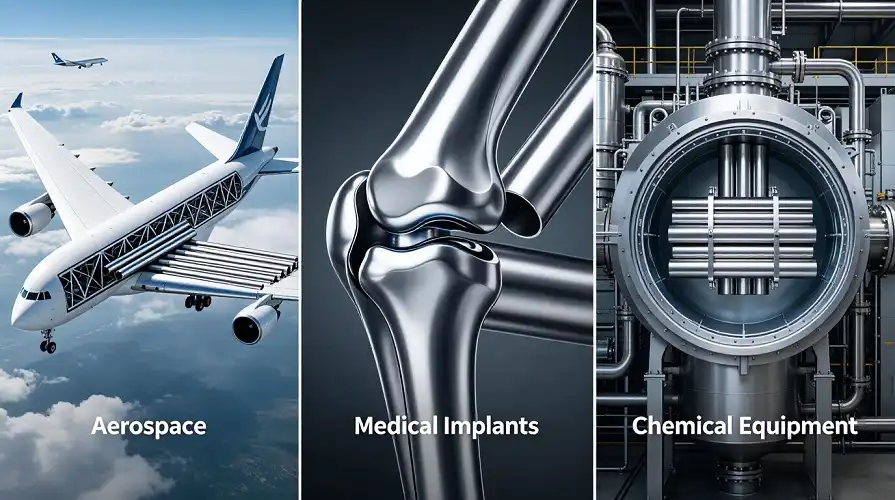
Titanium plates are one of the strongest and most useful materials used to make things today. The mechanical properties of these flat-rolled products, which are usually thicker than 4 mm, are so good that they have changed fields from airplanes to chemical processing. Titanium is a very important element because it is strong, doesn't rust, and is safe for living things.
Common Titanium Grades and Their Applications
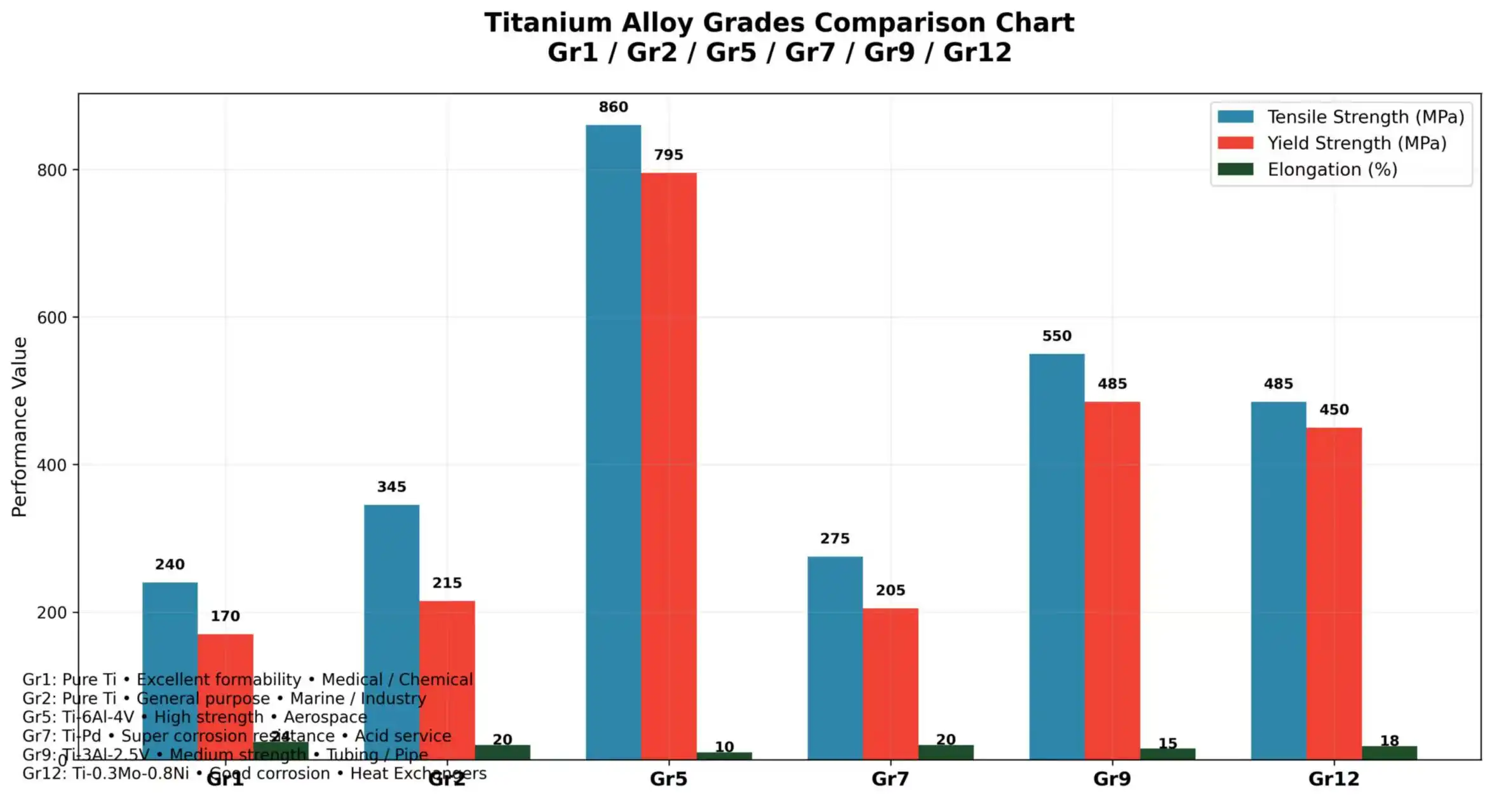
For different reasons and in different ways, different types of titanium are used in different fields. Because it is easy to shape and doesn't rust, grade 2 titanium is great for making tools for working with chemicals. Grade 5 (Ti-6Al-4V) is stronger for its weight, which is important for parts that support an airplane. It is important to know about these grade differences when picking cutting factors and methods.
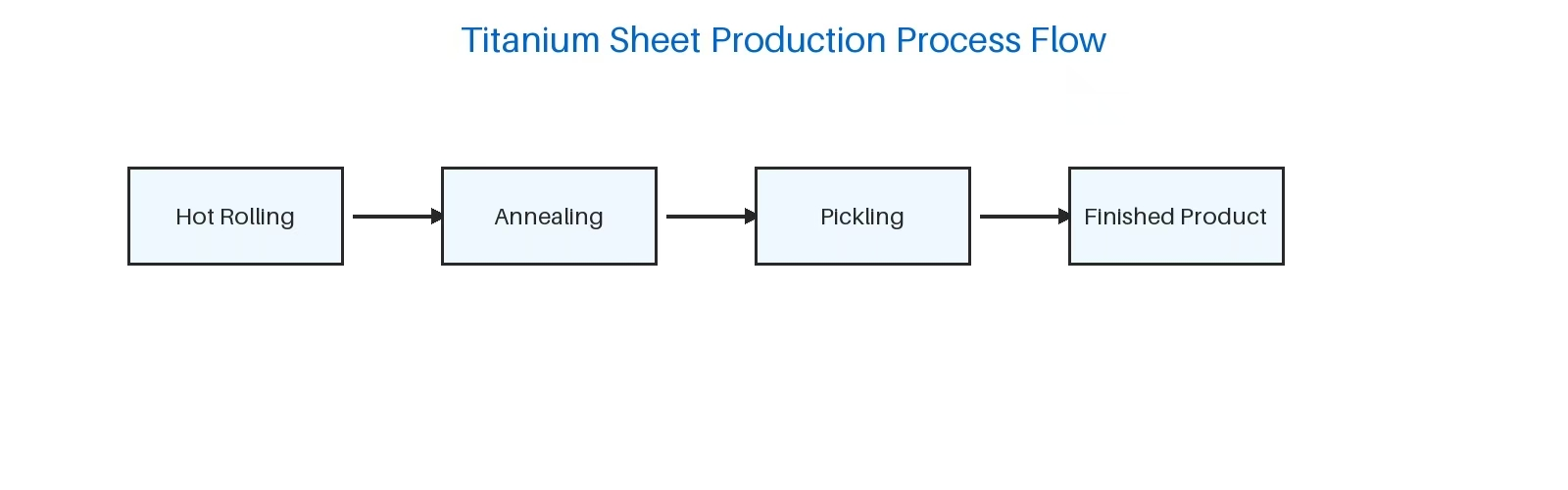
Titanium plate grades 5 that meet the standards of ASTM B265 and AMS 4911 are typically requested by commercial airplane manufacturers. Sizes range from 4 mm to 80 mm. These plates are put through tough steps such as hot rolling, heating, and finishing the surface. The annealed form makes the metal easy to work with while keeping the mechanical properties needed for strong structures.
Material Properties Affecting Cutting Performance
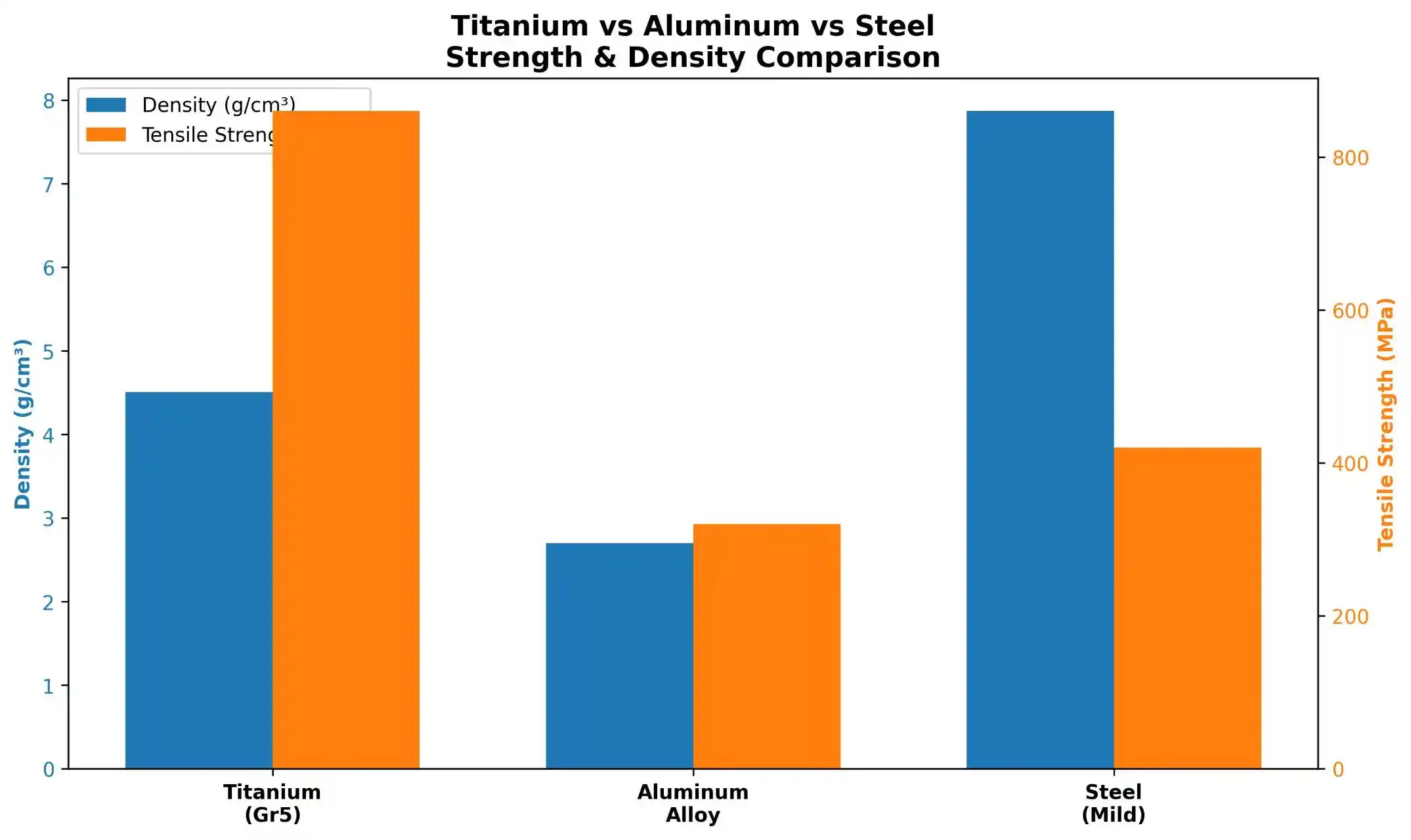
Titanium plate doesn't keep heat well, so when it's cut, heat builds up and can push the work too far or break the tool. The material needs strong cutting forces because it is very strong. Its chemical reaction can make cutting tools hurt and build up edges when it gets hot. Because of these things, titanium is not the same as common materials like aluminum and stainless steel.
Titanium is about twice as strong as aluminum, but it is also heavy. It is about the same strength as steel as it is half as heavy. Because of this, it is necessary for tasks that require heavy lifting. The same thing, though, means that precise cutting methods are needed to keep the shape and surface structure.
Challenges in Cutting Titanium Plates
Cutting titanium can be tricky, which can slow down production and lower the quality of the parts. The way the material is made means that it has a lot of cutting issues that can't be fixed with normal casting methods.
Heat Generation and Thermal Management
A low thermal conductivity means that heat builds up at the cutting edge instead of spreading out across the piece of work. This makes temperatures rise quickly, and in some places they can hit over 1000°C. It can get harder to work with metals and change the way they are built in other ways. As long as the temperature is kept low, the material will keep its properties, and the surface will look good.
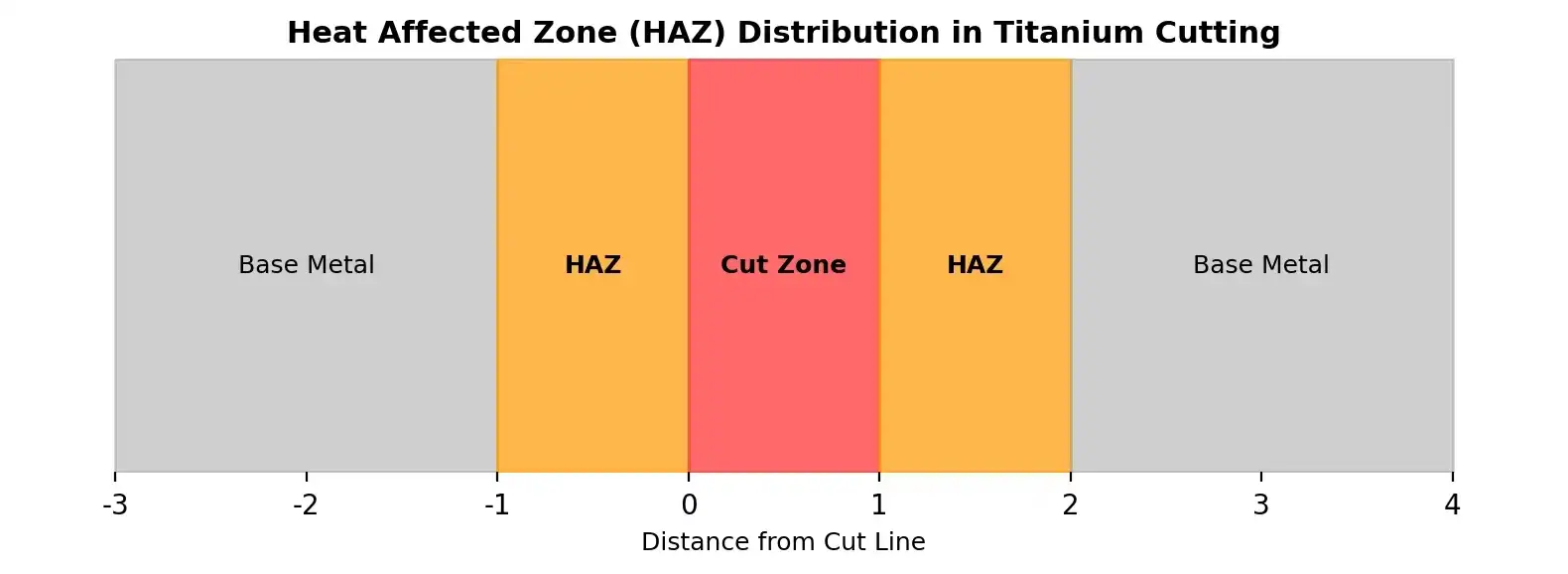
When titanium is cut incorrectly, the heat-affected zone can grow out from the edge of the cut several millimeters. In important cases, this could make the mechanical parts less stable. Parts used in spacecraft, for example, need to tightly control the amount of heat that goes into them so that microstructural changes don't happen that could make them less durable or protect them from rust.
Tool Wear and Cost Implications
Normal cutting tools wear out faster when they are used on titanium due to its rough nature and high cutting forces. CBN tools last longer than high-speed steel ones, but they still need to be changed or fixed up quite often. This means that tools will cost more and work may take longer to finish.
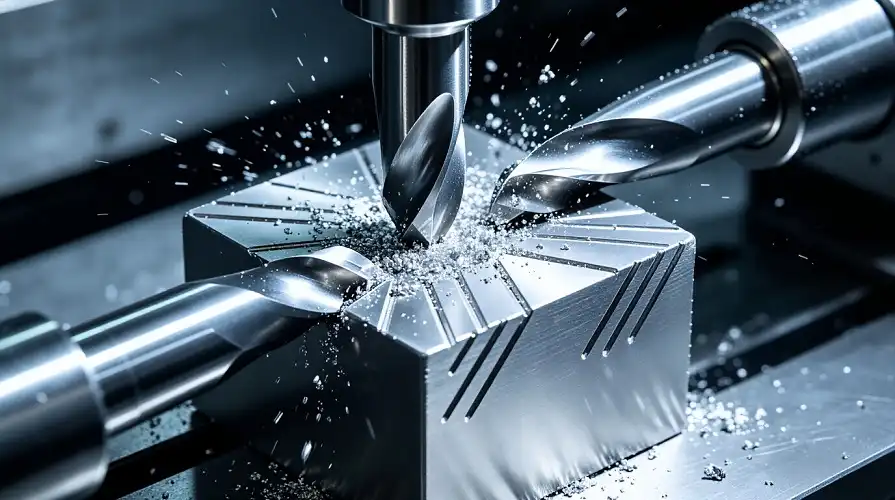
Titanium and the materials used to make cutting tools react chemically with each other at high temperatures. This makes more wear mechanisms. When the tool material goes into the object and back again, this is called diffusion wear. It can quickly damage the cutting edge's shape and finish.
Proven Methods for Cutting Titanium Plates
Titanium has its own set of problems that can only be solved by making cutting tools smarter. Each method has its own pros and cons that depend on the goal, the thickness of the material, and the quality standards.
Waterjet Cutting Technology
Wet-jet cutting is the best way to make titanium plates that are very exact. With this cold cutting process, you can get rid of areas that were damaged by heat and get very accurate readings and a smooth surface. It is possible to cut titanium plates up to 200 mm thick with an accuracy of ±0.1 mm when coarse particles are mixed with the high-pressure water stream (often over 60,000 PSI).
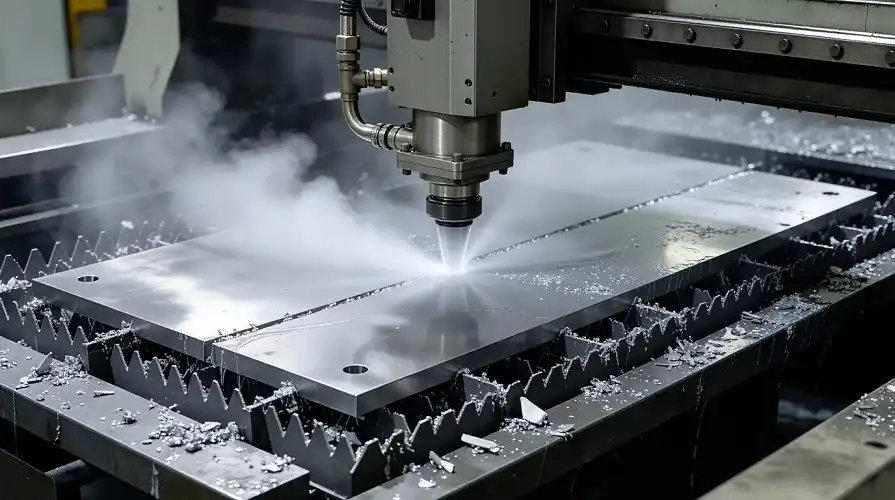
The first step is to get the material ready by cleaning the area and putting it somewhere it won't move. For each type of titanium, the cutting factors need to be fine-tuned, and the turn speed is generally between 50 and 200 mm/min, depending on the thickness. The edges that were cut don't bend much, so they don't need many or any extra steps to be finished.
Laser Cutting Applications
The way titanium is cut has changed thanks to fiber laser technology. Now you can get very good lines and work faster on smaller pieces. Laser systems today are very good at cutting titanium plates up to 25 mm thick, with only a small area of heat damage. This is because they can control power more accurately and handle gases better.
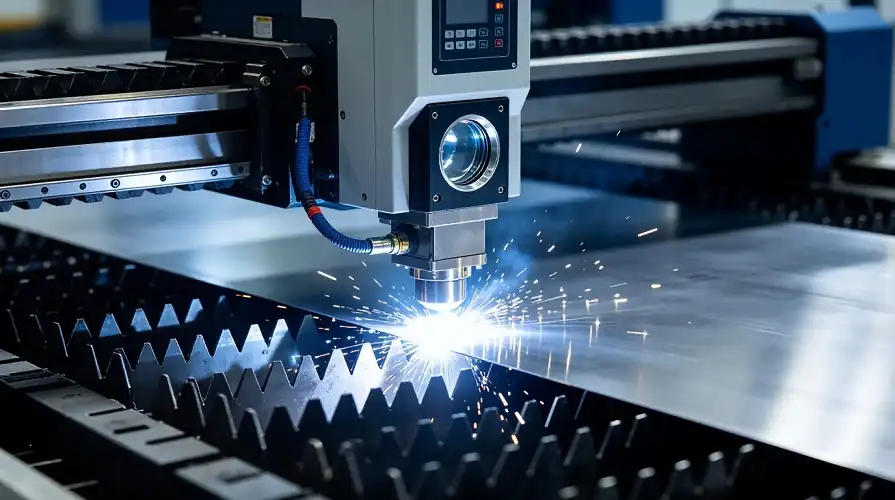
When you cut something with nitrogen help gas, the edge doesn't rust and is great for welding later. Pay close attention to the focus point, cutting speed, and power density if you want laser cutting to work well. The speed at which things are cut is generally between 0.5 and 3.0 meters per minute, but it varies on how thick the material is and the quality standards.
Plasma Cutting Solutions
Plasma cutting is an easy and cheap way to cut thick titanium plates that don't need to be exact. Pieces of titanium that are bigger than 100 mm can be cut with this method, which keeps prices and cutting speeds low.
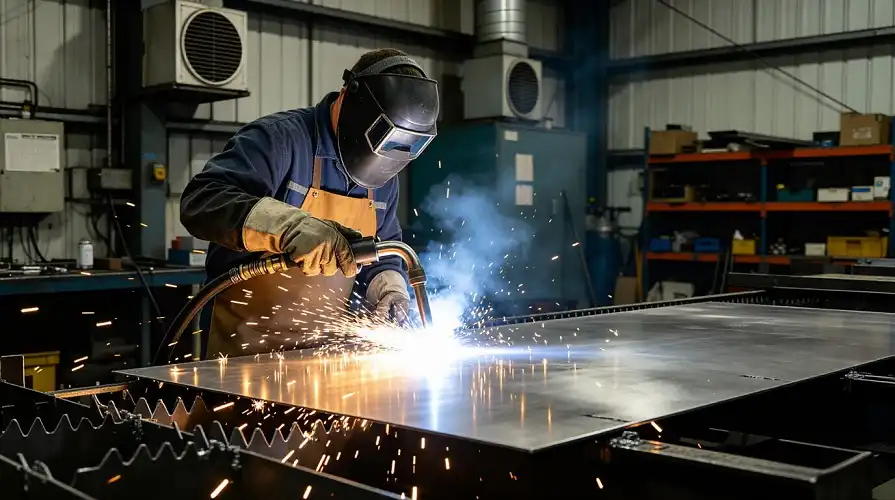
The plasma spark raises the temperature above 20,000°C, which melts the material in the cut zone and takes it away right away. There is a bigger heat effect zone with this method than with waterjet cutting, but it can be kept to a minimum by setting the parameters correctly. It is important to pick the right supplies. For titanium uses, high-hafnium electrodes work best.
Selecting the Best Titanium Plate and Supplier for Your Needs
To buy titanium successfully, you need to look closely at the specs of the metal, the skills of the seller, and the quality certifications. You can't say enough good things about how important good material is for cutting. Plates that haven't been treated properly can be very hard to grind.
Material Grade Selection Criteria
The score should be based on what the program needs and how it will be cut. When it comes to chemicals, Grade 2 titanium is very easy to work with. Grade 5 titanium, on the other hand, is harder and better for making parts for airplanes. Palladium is added to certain grades, like Grade 7, to make them less likely to rust in tough chemical environments.
There are different widths (950mm to 2500mm) to meet different production needs. The lengths can go up to 10000mm to hold large structural parts. You can choose from different custom sizes, which lets you meet the goals of your job and cut down on waste.
Supplier Evaluation Parameters
Quality rules like AMS 4911 compliance, ASTM B265, and ASTM F67 make sure that materials can be tracked and that goods always work the same way. For suppliers who have been in business for a while, they keep thorough testing methods that cover standards for chemical make-up, mechanical features, and surface quality.
Adding steps like hot rolling, heating, and cleaning the surface all have an impact on how well the cutting works. Suppliers whose surfaces have been cleaned, sanded, or acid-pickled sell materials that are ready to cut. This saves time on preparation and makes cutting better.
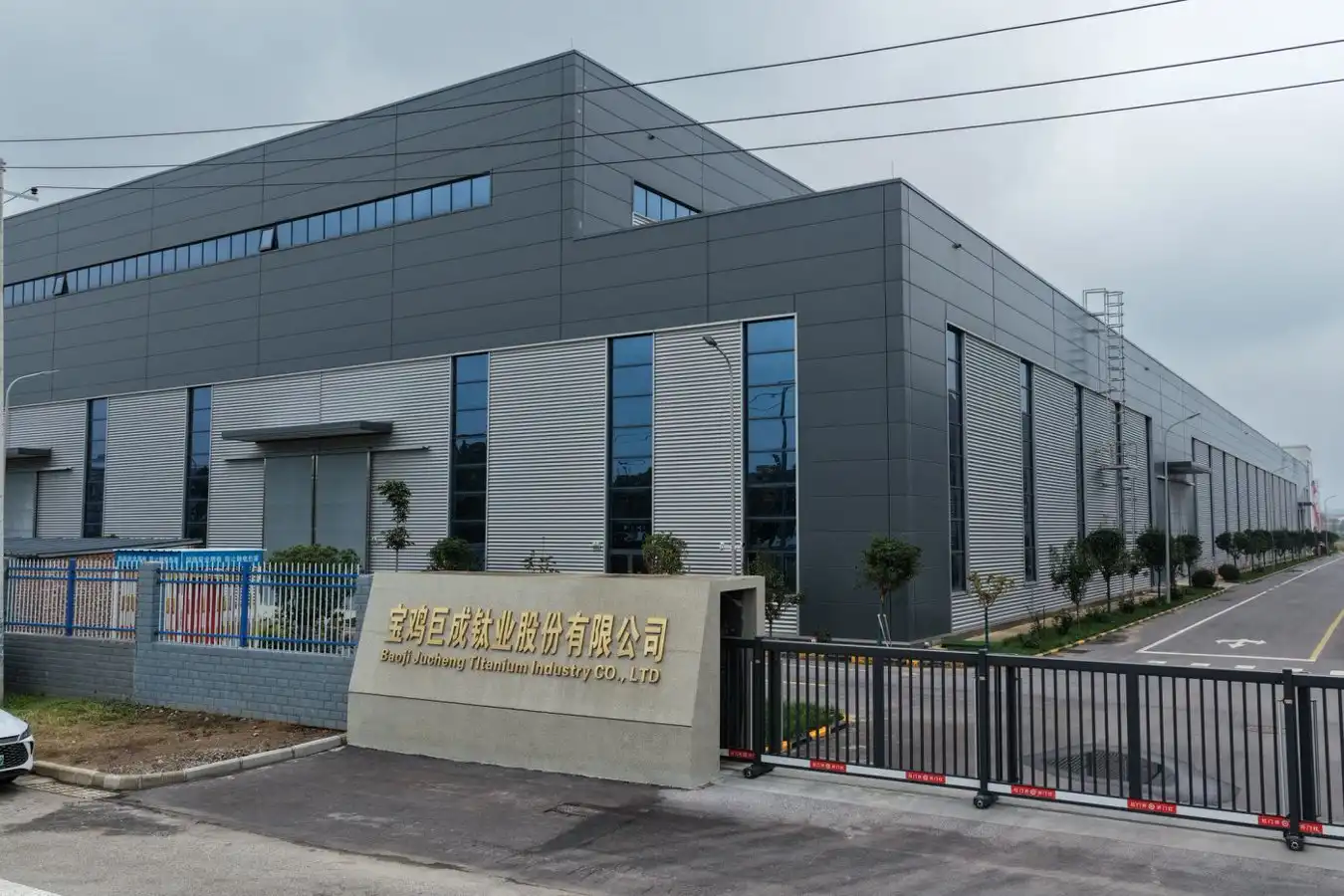
There is a company called Baoji Jucheng Titanium Industry that really knows a lot about titanium. With more than 20 years of experience and 3,000 tons of stock, they can trust their supply chain solutions to get things done when things go wrong. They have Grades 1, 2, 4, 5, 7, 9, and 12 of their hot-rolled annealed plates. The prices are fair, and they meet strict worldwide standards. They can also be sent out on different schedules.
Maintaining Quality and Maximizing ROI After Cutting Titanium Plates
A quality check after cutting makes sure that the parts made meet the requirements for performance and style. Problems are found with thorough checking methods before parts are used in important ways.
Dimensional Inspection Procedures
As long as the shapes are clear and the mistakes are small, coordinate measuring tools make sure that the measures are right. It is important to make sure that the cutting parameters meet the finish requirements by measuring the surface hardness. A visual check can also find problems like small cracks or spots where too much heat was applied.
If you use ultrasound to test something, you can find flaws below the surface that could make it less strong. This is very helpful in combat and medical situations. These methods of checking don't damage the parts, so you can be sure they will work without changing the properties of the materials.
Surface Treatment and Finishing
After the parts are cut, they are ready for other steps, like welding or painting, that make them less likely to rust. Acid cleaning gets rid of the dirt and rust on the surface, and mechanical finishing can smooth out the surface and make it look better.
When you handle things the right way, they don't get dirty, which could hurt their ability to kill rust or work with living things. Clean handling rules and tools made of stainless steel keep the titanium plate's natural traits while it is being made.
Conclusion
You need to know about the unique properties of the titanium plate, pick the right cutting methods, and make sure you follow the right quality control steps to cut it properly. Wet-jet cutting is more accurate for important jobs, but plasma cutting is cheaper for bigger pieces. Laser technology fills in the gaps with great edge quality for small lengths. It's also important to pick the right source. You can get the high-quality products and expert help you need for production projects from well-known companies like Jucheng Titanium. It's important to make sure that parts meet strict performance standards and give you the best return on investment after they've been cut.
FAQ
Q1: What is the most cost-effective method for cutting thick titanium plates?
Plasma cutting offers the most economical solution for titanium plates exceeding 50mm in thickness. While waterjet cutting provides superior edge quality, plasma cutting delivers acceptable results for structural applications at significantly lower operational costs. Proper parameter optimization minimizes heat-affected zones while maintaining reasonable cutting speeds.
Q2: Can titanium plates be cut without specialized equipment?
Standard metalworking tools struggle with titanium's unique properties and typically produce poor results. Conventional band saws and shears create excessive heat buildup, leading to work hardening and tool damage. Specialized cutting equipment designed for titanium processing ensures optimal results and cost-effectiveness.
Q3: How does the titanium grade affect the cutting strategy?
Different titanium grades require specific cutting parameters due to varying strength and thermal properties. Grade 2 titanium cuts more easily than Grade 5 due to lower strength levels. Grade 5 titanium requires reduced cutting speeds and enhanced cooling to prevent work hardening. Proper parameter selection based on grade specifications ensures optimal cutting performance.
Q4: What surface finish can be achieved when cutting titanium plates?
Waterjet cutting typically achieves surface finishes between 125-250 microinches Ra, suitable for most applications without secondary machining. Laser cutting produces finishes ranging from 63-125 microinches Ra on thinner sections. Plasma cutting generally requires secondary finishing operations to achieve precision surface requirements.
Q5: How important is material certification for cutting operations?
Material certification provides essential information about chemical composition, mechanical properties, and processing history that directly affects cutting parameters. ASTM and AMS certifications ensure material traceability and performance consistency. Certified materials reduce cutting challenges and improve component reliability.
Partner with Jucheng Titanium for Superior Titanium Plate Solutions
Jucheng Titanium stands as your trusted titanium plate manufacturer, offering over two decades of specialized expertise in producing high-quality titanium materials for demanding applications. Our comprehensive inventory of 3,000 tons ensures immediate availability of Grade 1, 2, 4, 5, 7, 9, and 12 titanium plates conforming to ASTM B265 and AMS 4911 standards. With advanced hot rolling, annealing, and surface finishing capabilities, we deliver precision-cut ready materials that optimize your fabrication processes while reducing overall project costs. Contact our technical team at s4@juchengti.com to discuss your specific requirements and discover how our proven titanium plate supplier expertise can streamline your next project.
References
1. Donachie, Matthew J. "Titanium: A Technical Guide, 2nd Edition." ASM International, 2000.
2. Lutjering, Gerd and James C. Williams. "Titanium: Engineering Materials and Processes." Springer-Verlag, 2007.
3. American Society for Testing and Materials. "ASTM B265-20: Standard Specification for Titanium and Titanium Alloy Strip, Sheet, and Plate." ASTM International, 2020.
4. Boyer, Rodney, Gerhard Welsch, and E.W. Collings. "Materials Properties Handbook: Titanium Alloys." ASM International, 1994.
5. Aerospace Material Specification. "AMS 4911: Titanium Alloy, Sheet, Strip, and Plate." SAE International, 2019.
6. Peters, Manfred, Joachim Kumpfert, and Christoph Leyens. "Titanium and Titanium Alloys: Fundamentals and Applications." Wiley-VCH, 2003.