
Where to buy grade 1 titanium sheet?
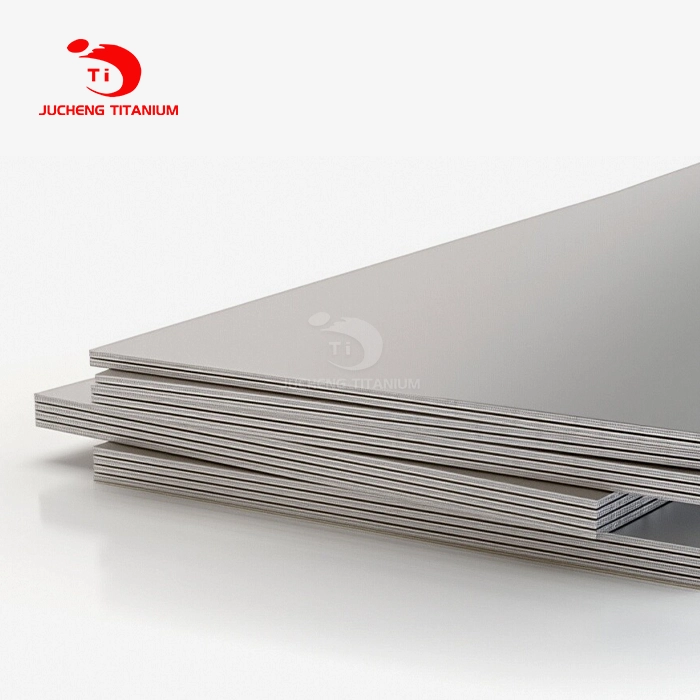
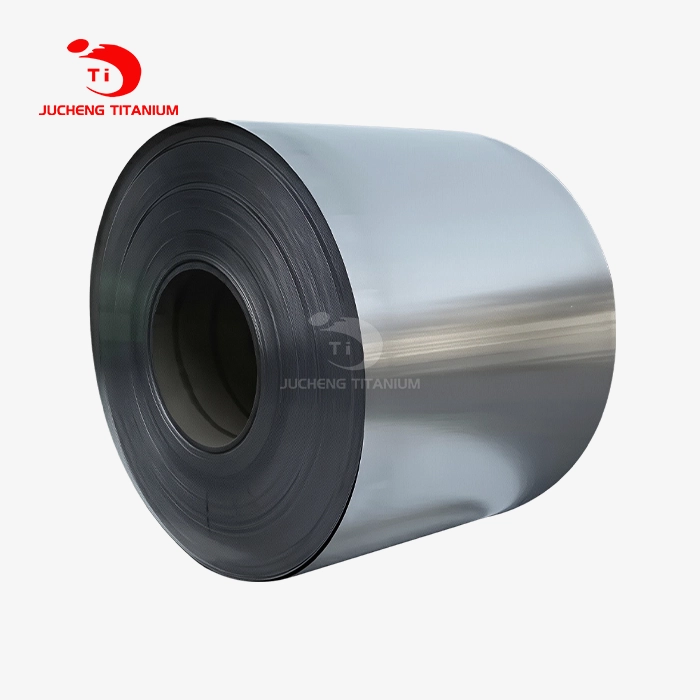
B2B buyers need certified manufacturers with a history of processing titanium and the ability to sell around the world in order to find reliable places to buy gr1 titanium sheet. It is the purest grade of titanium that can be bought in stores. Grade 1 titanium sheets are perfect for important uses in the aircraft, medical, and chemical processing industries because they don't rust and are easy to shape. It is important to find suppliers that have strict quality standards, give full certifications, and consistently deliver materials that meet foreign standards such as ASTM B265 and ASME SB265 standards.
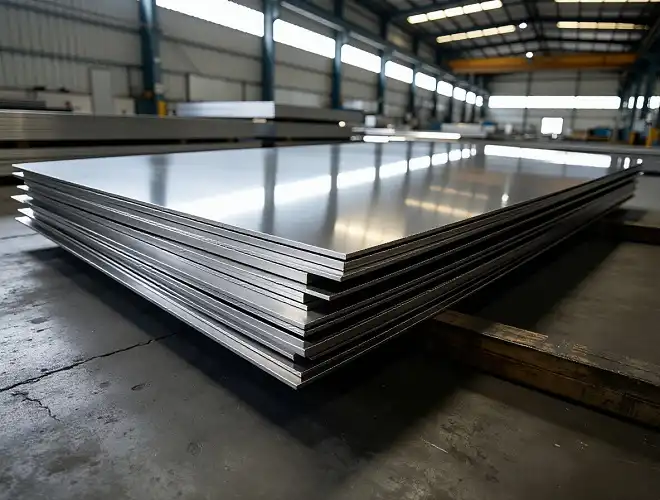
Understanding Grade 1 Titanium Sheet: Properties and Specifications
If you want to buy commercially pure titanium, the Grade 1 titanium sheet is the best. It is made of the cleanest chemicals and works the best. This material has the least amount of interstitial elements of all the titanium types. It has less than 0.20% iron and less than 0.18% oxygen. The value of elasticity is also the lowest of all the titaniums. It is also the most flexible.
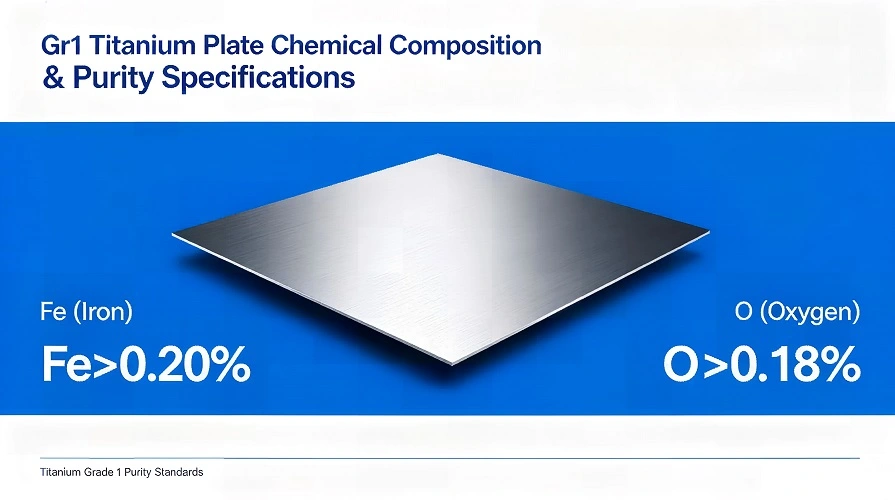
Chemical Composition and Purity Standards
There is no doubt that type 1 titanium sheet is the best type of titanium that you can buy in stores. The titanium used to make this is purer than 99.5%, and the name for it is UNS R50250. This tool was made to be the best for cold forming and deep drawing. Since the material doesn't have many alloying elements, its qualities don't change when it's worked on. This makes it great for uses that need precise stability in size and consistent performance.
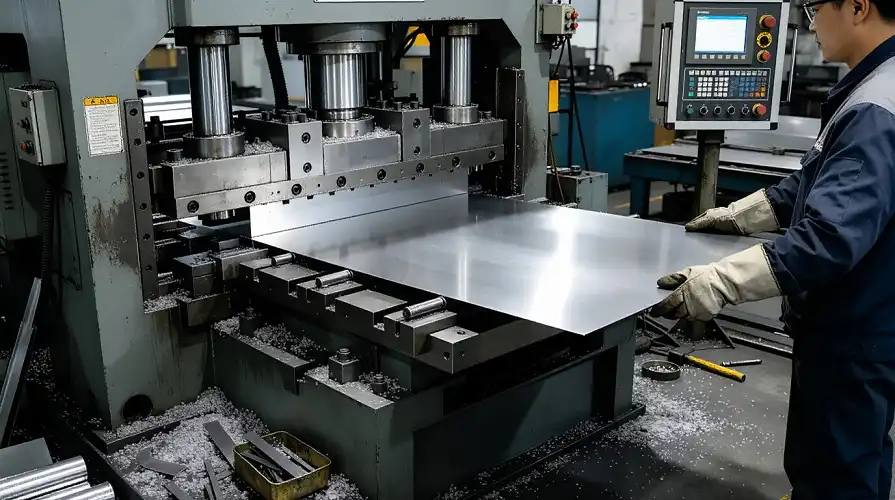
Mechanical Properties and Performance Characteristics
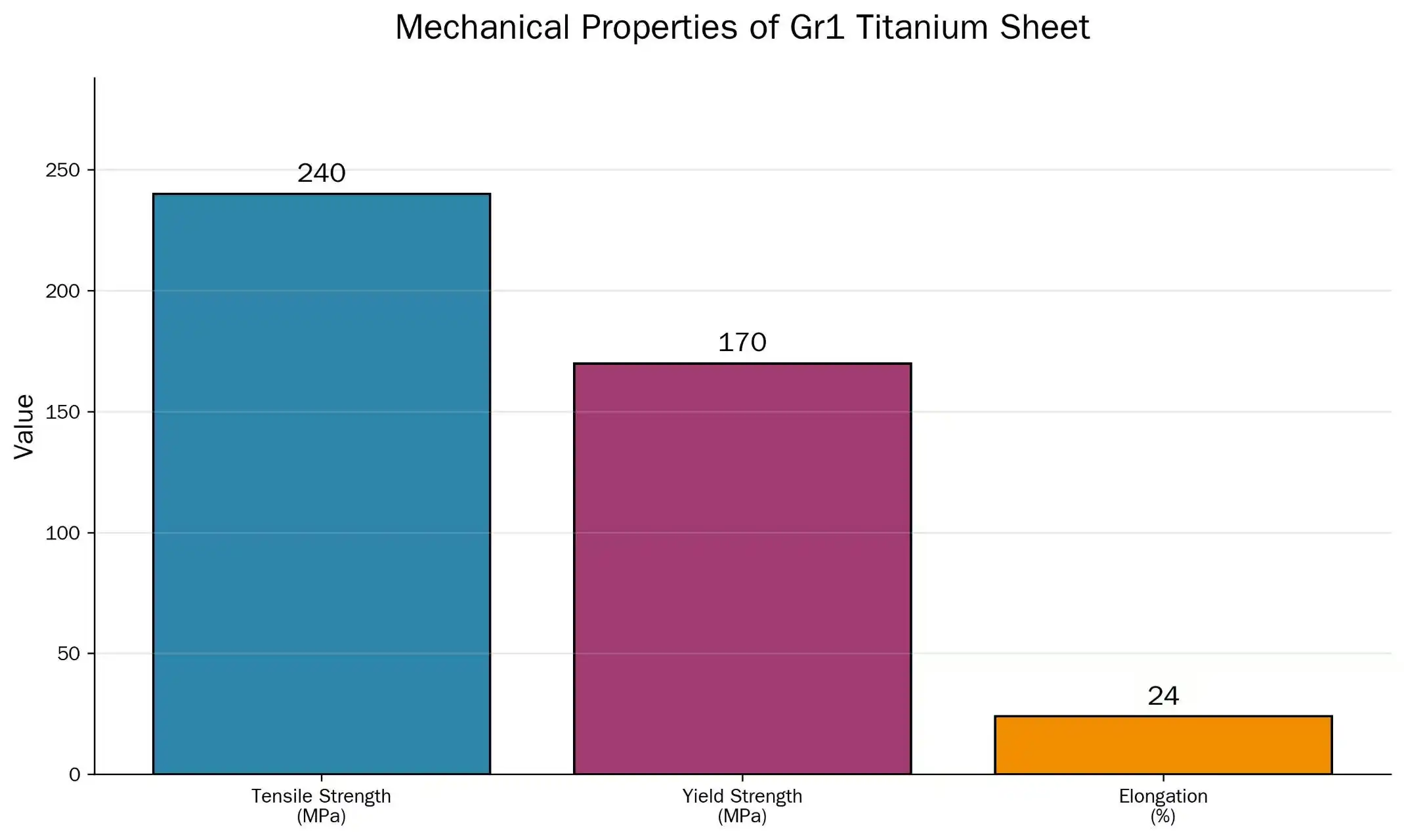
Gr1 titanium sheet is different from titanium metals with better strengths because of the way it is made. The tensile strength is between 240 and 350 MPa, and the yield strength is at least 170 MPa. A lot of the time, the extension number is over 24%. Because of these traits, complicated shaping processes can be carried out without any annealing steps in between. People who use it will save a lot of money and time on costs.
When it comes to weight, the material is 4.51 g/cm³, which is about 45% less than stainless steel parts of the same size and shape. A tough, self-healing TiO2 oxide film forms on it, which also makes it less likely to rust. Ocean water, wet chlorine gas, and many organic acids can't damage this oxide layer at all, which makes it very useful for chemical processes.
Standard Specifications and Compliance
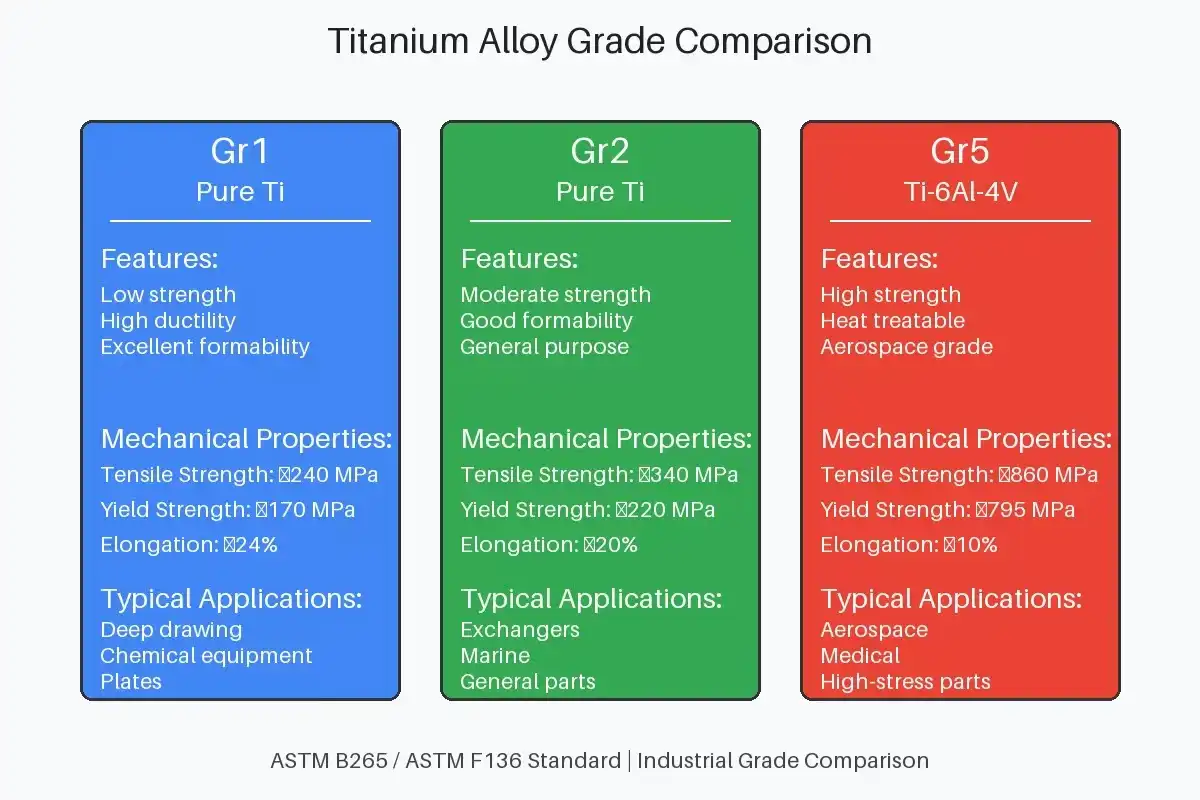
Several international standards are followed when making modern Gr. 1 titanium sheets, such as ASTM B265, ASTM F67, AMS 4911, and ASME SB265. They make sure that materials can be tracked and that the quality is the same from one seller to the next and from one production batch to the next. The material comes in different types, such as Gr1, Gr2, Gr4, Gr5, Gr7, Gr9, and Gr12. Its thickness ranges from 4mm to 80mm, and its widths range from 950mm to 2500mm, so it can meet a wide range of business needs.
Comparing Grade 1 Titanium Sheet to Other Grades and Materials
Procurement workers can make smart choices based on application needs and performance standards when they know the differences between different grades of titanium and other materials.
Grade 1 versus Grade 2 Titanium Analysis
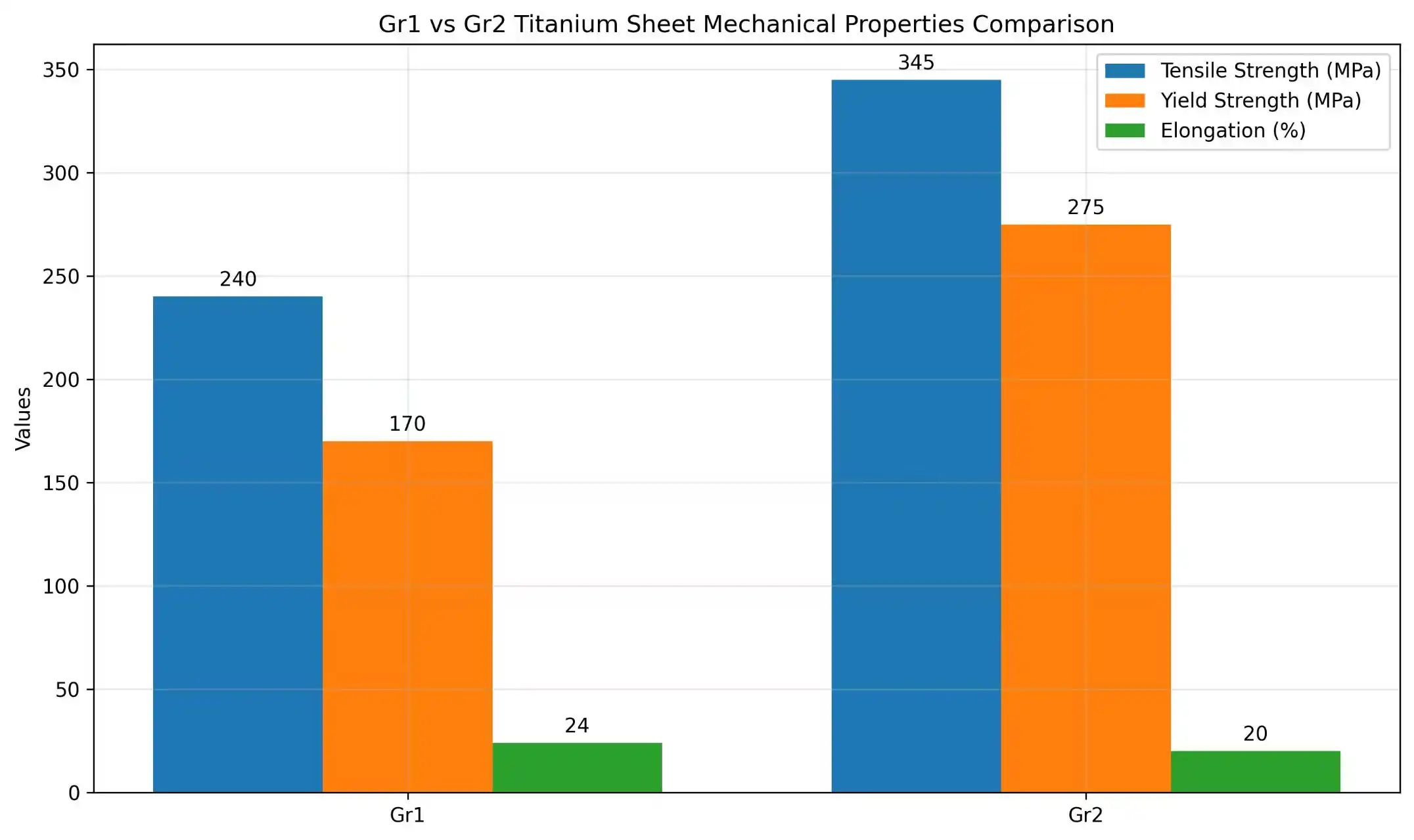
Oxygen and iron levels are the main differences between Grade 1 and Grade 2 titanium. These levels have a direct effect on their mechanical qualities and processing features. Grade 1 keeps the amount of impurities low, which makes the material lighter and more flexible. Its yield strength is around 170 MPa. On the other hand, Grade 2 is stronger at about 275 MPa because it has more oxygen and iron in it. This makes it better for building uses that need stronger load-bearing abilities.
Procurement decisions between these grades should consider the intended application's formability requirements versus structural strength needs. Grade 1 is better for deep drawing and difficult shaping tasks where a smaller yield strength is useful, while Grade 2 is better for tasks that need a higher level of structural stability.
Comparison with Stainless Steel Alternatives
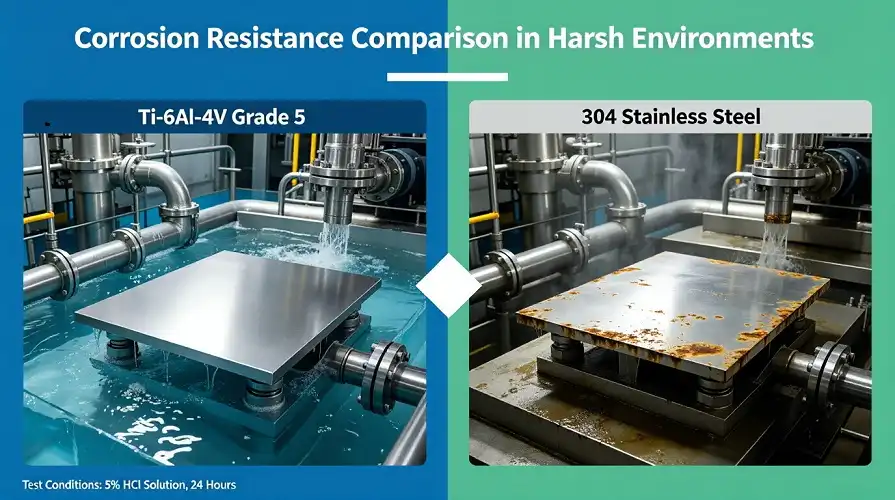
Grade 1 titanium sheets are better at resisting corrosion than stainless steel sheets, and they are also much lighter, which has long-term operational benefits. Because the material is so resistant to chloride stress corrosion cracking, it doesn't break in the ways that stainless steel usually does in naval and chemical processing settings. Furthermore, the drop in weight brought about by using titanium can lead to big energy savings in transportation and space uses.
Performance Contrast with Higher-Strength Titanium Grades
While Grade 5 (Ti-6Al-4V) titanium offers enhanced strength qualities, gr1 titanium sheet has better formability and corrosion protection for uses where strength is not the most important factor. Which of these types to use relies on whether the application values chemical resistance and ease of fabrication more than maximum mechanical strength.
How and Where to Buy Grade 1 Titanium Sheet: Procurement Considerations
When buying Grade 1 titanium sheet, it's important to carefully look at the skills of the seller, the standards for certification, and the dependability of the supply chain to make sure that the quality of the material and shipping performance are always the same.
Supplier Certification and Quality Assurance
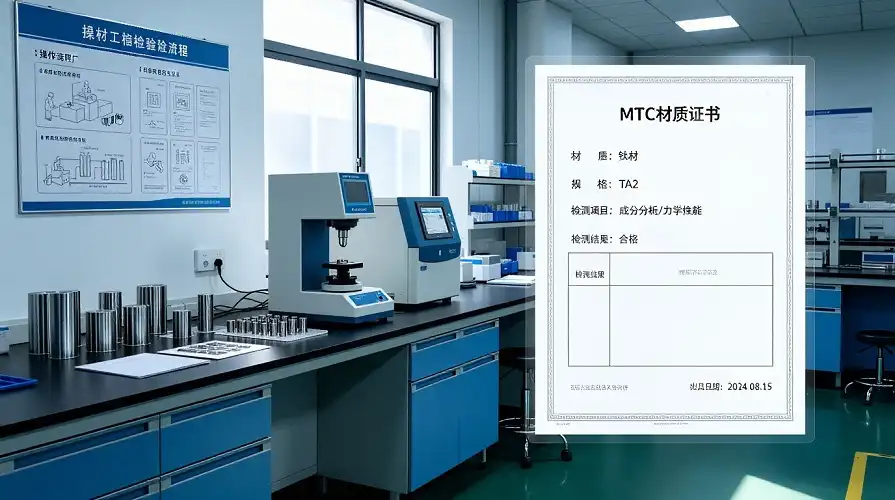
Suppliers with a good reputation keep full quality control systems that include ISO 9001 certification and special approvals for medical and aircraft uses. These licenses make sure that the methods used in manufacturing meet strict quality standards and give important applications the traceability information they need. For each output batch, suppliers should give Material Test Certificates (MTC) that list the chemical make-up, mechanical qualities, and size requirements.
Supply Chain Transparency and Reliability
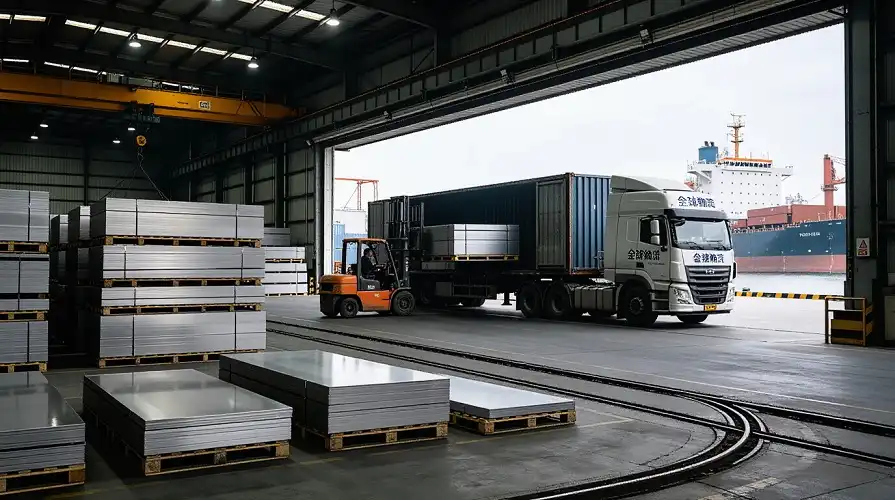
When looking for gr1 titanium sheet for big projects or ongoing production needs, it's important to have good supply chain management. Suppliers with well-established global delivery networks and large stockpiles can offer shorter wait times and lower supply risk. Companies that keep at least 3,000 tons of inventory show that they can meet instant shipping needs and make sure that materials are available even when the market changes.
Customization and Processing Capabilities
Today's titanium providers give a wide range of customization choices, such as rolling, annealing, leveling, pickling, and different surface finishing methods. With these manufacturing options, providers can send materials that have been softened and have their surfaces polished, machined, or acid-pickled, depending on the needs of the application. Custom cutting services and changes to dimensions add value by lowering the amount of work that end users need to do later.
Pricing Strategies and Market Considerations
Titanium prices depend on how much the raw materials cost, how hard the process is, and how much desire there is in the market. Instead of just looking at the unit price, people who work in procurement should think about the total cost of ownership, which includes how well the material works, how long it lasts, and how much upkeep it needs. Price security and priority allocation during times of high market demand are often built into long-term relationship deals.
Technical Insights to Support Your Purchase Decision
When people buy Grade 1 titanium sheet, they can make decisions that are best for performance and cost in their specific uses by learning about how it is made and its scientific properties.
Manufacturing Quality Control Processes
Modern factories that make titanium sheets use complex quality control methods all the way through the production process. Hot rolling is carefully controlled to keep thickness tolerances and surface quality uniform. After rolling, cooling processes make sure that the microstructure develops in the best way possible. Getting rid of the alpha case by freezing or mechanical finishing stops stress concentration points that could cause the part to fail too soon during the making process.
Welding and Fabrication Considerations
Gr1 titanium sheet is very easy to weld because it has a single-phase alpha microstructure. It can be welded using TIG, MIG, or plasma arc methods, and it doesn't need to be heated first. However, careful inert gas protection with argon or helium is needed for efficient welding to avoid contamination from the air. Because the material is so easy to shape when cold, complex shaping processes can be done with bend radii less than 2T without having to anneal in between.
Industry-Specific Performance Applications
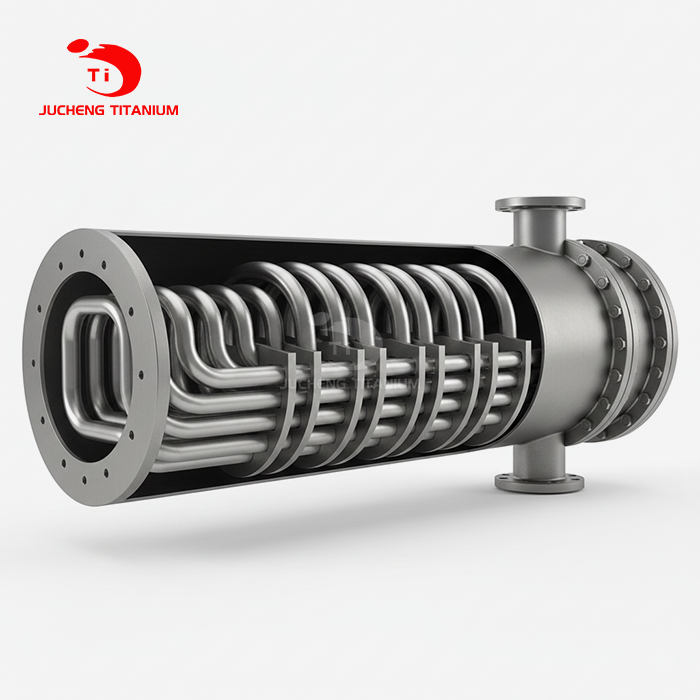
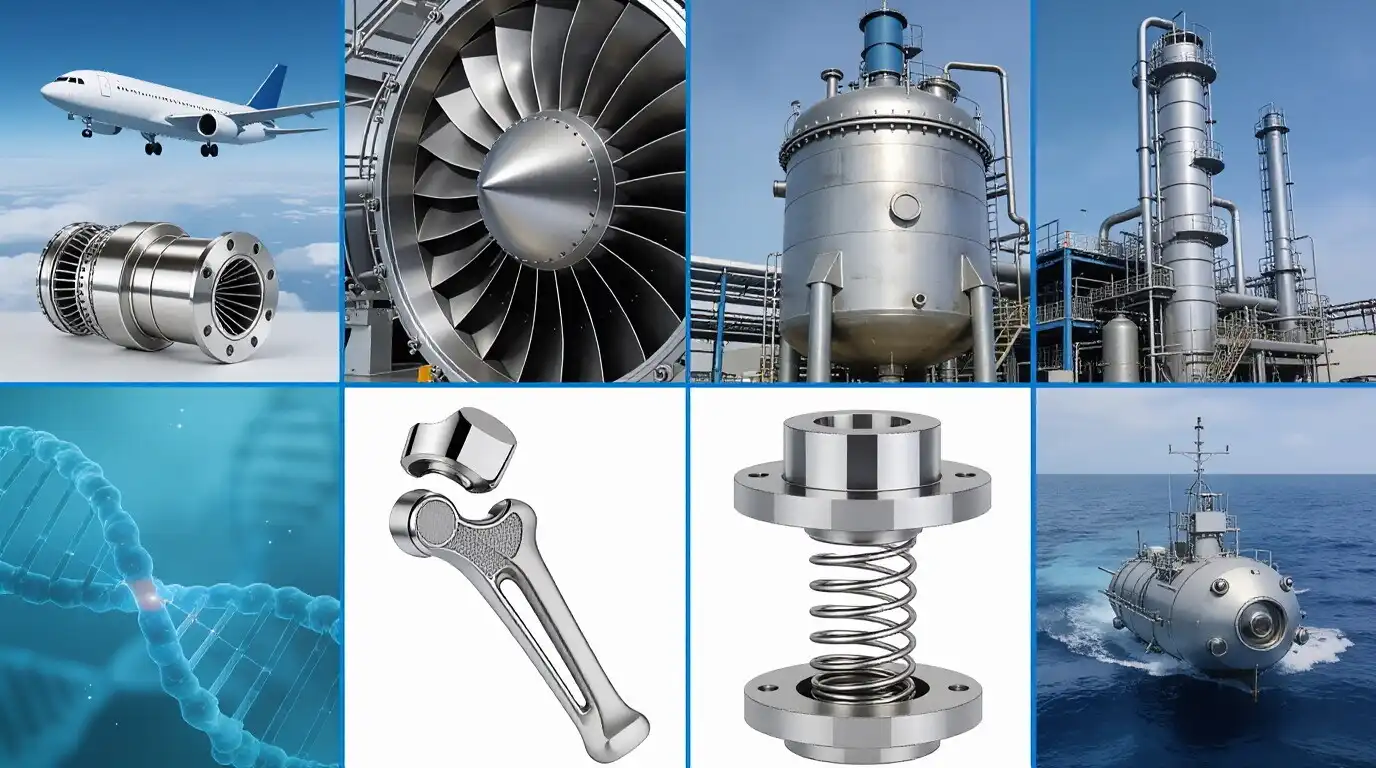
Due to its lightweight nature and resistance to rust, Grade 1 titanium is useful in aerospace uses, especially for parts that will be exposed to salt water or harsh weather. Biocompatibility and clean processing are features of the material that medical device makers use for surgical tools and implants. For heat exchanger parts and reactor vessel building, the chemical processing industries use it because it is very resistant to chloride conditions and organic acids.
Quality Verification and Testing Protocols
As part of the inspection process for new materials, their mechanical qualities should be checked by tensile tests and hardness measures. Grade 1 is different from grades with higher strengths because its Vickers hardness is usually less than 120 HV. Verification of the chemical makeup makes sure that the purity levels are met, and review of the dimensions makes sure that the product meets the requirements that were given.
Building Long-Term Partnerships with Grade 1 Titanium Sheet Suppliers
For long-term procurement success, you need to build strong working partnerships with sellers who can consistently provide high-quality goods, on-time deliveries, and expert support.
Supplier Evaluation Criteria
A full review of a supplier should look at their ability to make things, their quality certifications, their financial security, and their expert help resources. Suppliers that can do a lot of research and development (R&D) and work with research institutions show that they are dedicated to always getting better and coming up with new ideas. Being able to offer OEM and ODM services shows that you can adapt to specific needs and help with product development projects.
Value-Added Services and Technical Support
The best sellers offer a wide range of professional support, such as help with choosing materials, making things, and applying engineering principles. After-sales service makes sure that customers are supported throughout the lifecycle of a product, and customization services let sellers change their products to meet the needs of individual customers. These value-added services make buying more efficient and help projects get done well.
Global Distribution and Logistics Capabilities
Suppliers with well-established foreign distribution networks for gr1 titanium sheet can make sure that materials are always available in a number of different areas. Logistics skills that work well make sure that deliveries happen on time and that supply chain problems are kept to a minimum. Being able to handle both large bulk sales and smaller number needs shows that the business is flexible enough to meet the needs of a wide range of customers.
Long-Term Partnership Benefits
Established relationships with suppliers offer benefits such as priority distribution during market gaps, better prices, and chances to work together on developing new uses. When suppliers spend in long-term relationships with customers, they often offer better professional support and the ability to make changes that help both companies grow and come up with new ideas.
Conclusion
When looking for gr1 titanium sheet, you need to think carefully about the supplier's skills, the material requirements, and the possibility of a long-term relationship. Special features of Grade 1 titanium, such as being very pure, highly resistant to rust, and easy to shape, make it very useful in many important industries, such as aircraft, medicine, and chemical processing. Finding providers who meet strict quality standards, provide full certifications, and show solid supply chain skills is key to successful procurement. By paying attention to these important factors and building strong relationships with suppliers, procurement pros can make sure they always have access to high-quality products that meet the needs of their specific applications while lowering the total cost of ownership.
FAQ
Q1: What makes Grade 1 titanium sheet different from other titanium grades?
Grade 1 titanium sheet is the best grade of titanium that can be bought in stores. It has the lowest amount of interstitial elements, which makes it very flexible and easy to shape. Grade 2 is stronger because it has more oxygen in it, but Grade 1 is better at cold forming and resisting rust, which makes it perfect for deep drawing operations and harsh chemical conditions.
Q2: Can Grade 1 titanium sheet be welded to other materials?
When connected to other grades of titanium or reactive metals like zirconium under strict inert gas protection, grade 1 titanium welds very well. But it can't be fusion welded to steel or aluminum because the intermetallic alloy that forms is too weak. If you use the right gas or helium insulation, TIG, MIG, or plasma arc welding will work well.
Q3: What are the temperature limitations for Grade 1 titanium sheet applications?
Up to 400°C (750°F), grade 1 titanium sheet works best. Above that temperature, its strength qualities drop greatly, and its oxidation rates rise. Alloyed grades, like Grade 5 or Grade 9, work better for uses that need to prevent creep at high temperatures.
Q4: How do you verify the quality of the received Grade 1 titanium sheet?
Checking the quality of something means looking at Material Test Certificates to see the yield strength and stretch values, checking the Vickers hardness (usually less than 120 HV for Grade 1), and analyzing the chemical makeup. Visual inspection should prove that the surface has been properly treated and that there are no alpha cases that could stop the forming process from working.
Q5: What surface treatments are available for Grade 1 titanium sheet?
Standard finishes for surfaces are cut, polished, and acid pickled. The alpha case layer that forms when rolling is removed by acid pickling, and smooth surfaces make things look better for uses that people will see. The choice is based on the needs of the final program and the processing steps that will follow.
Partner with Jucheng Titanium for Premium Grade 1 Titanium Sheet Solutions
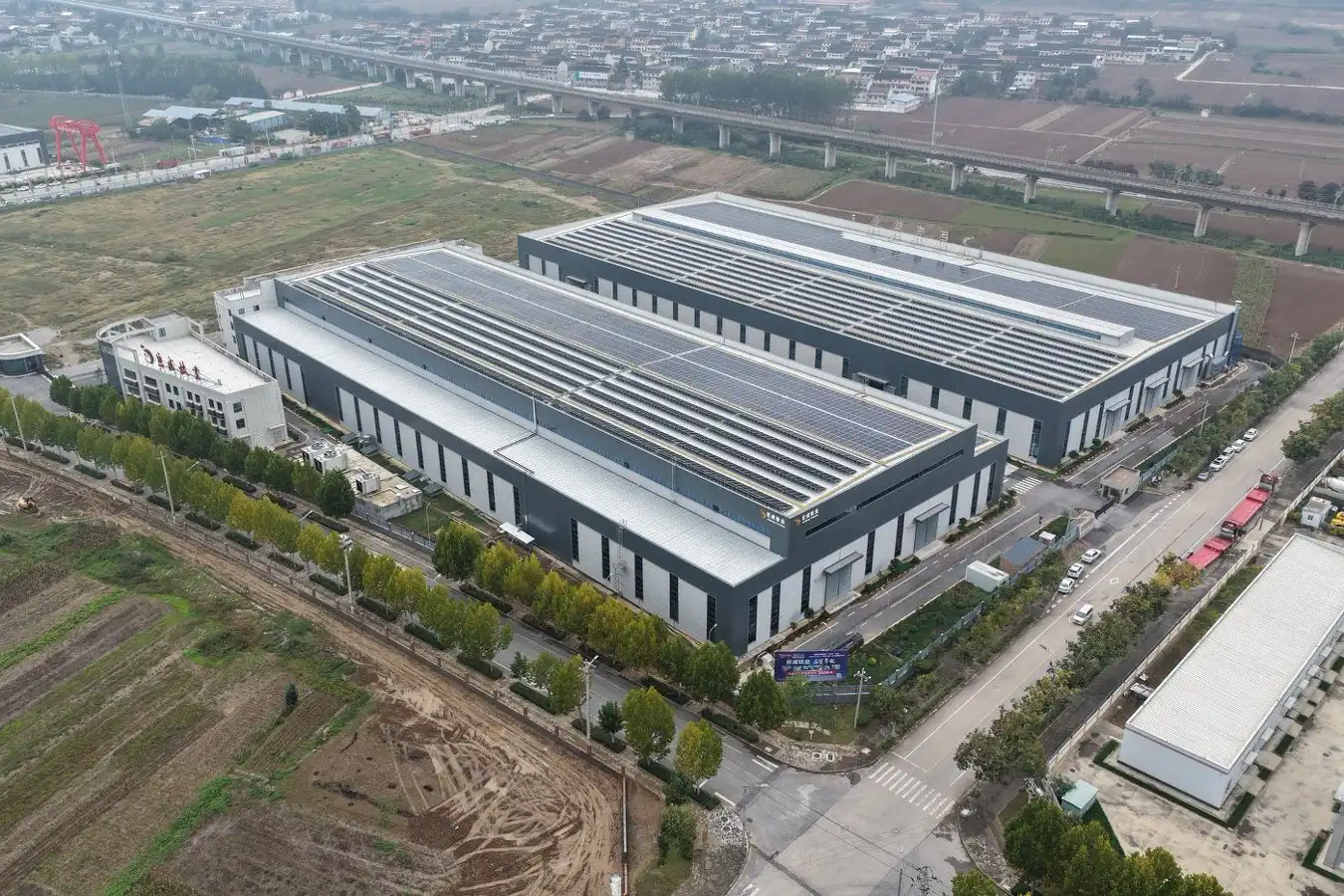
Jucheng Titanium stands as your trusted gr1 titanium sheet manufacturer, combining over 20 years of titanium industry expertise with cutting-edge production capabilities. Our facility maintains 3,000 tons of titanium inventory year-round, ensuring immediate availability for your critical projects. With 45 patents and recognition as a National High-Tech Enterprise, we deliver certified materials meeting ASTM B265 and ASME SB265 standards. Contact our technical team at s4@juchengti.com to discuss your specific requirements and experience our comprehensive OEM/ODM capabilities that have earned trust from leading aerospace and chemical processing companies worldwide.
References
1. American Society for Testing and Materials. "Standard Specification for Titanium and Titanium Alloy Strip, Sheet, and Plate." ASTM B265-20.
2. Boyer, Rodney, Gerhard Welsch, and E.W. Collings. "Materials Properties Handbook: Titanium Alloys." ASM International, 1994.
3. Lutjering, Gerd, and James C. Williams. "Titanium: Engineering Materials and Processes." Springer-Verlag Berlin Heidelberg, 2007.
4. Peters, Manfred, Joachim Kumpfert, and Christoph Leyens. "Titanium and Titanium Alloys: Fundamentals and Applications." Wiley-VCH, 2003.
5. Donachie, Matthew J. "Titanium: A Technical Guide, Second Edition." ASM International, 2000.
6. American Society of Mechanical Engineers. "Specification for Titanium and Titanium Alloy Strip, Sheet, and Plate." ASME SB-265-2019.