
Everything You Need to Know About Seamless Titanium Pipes
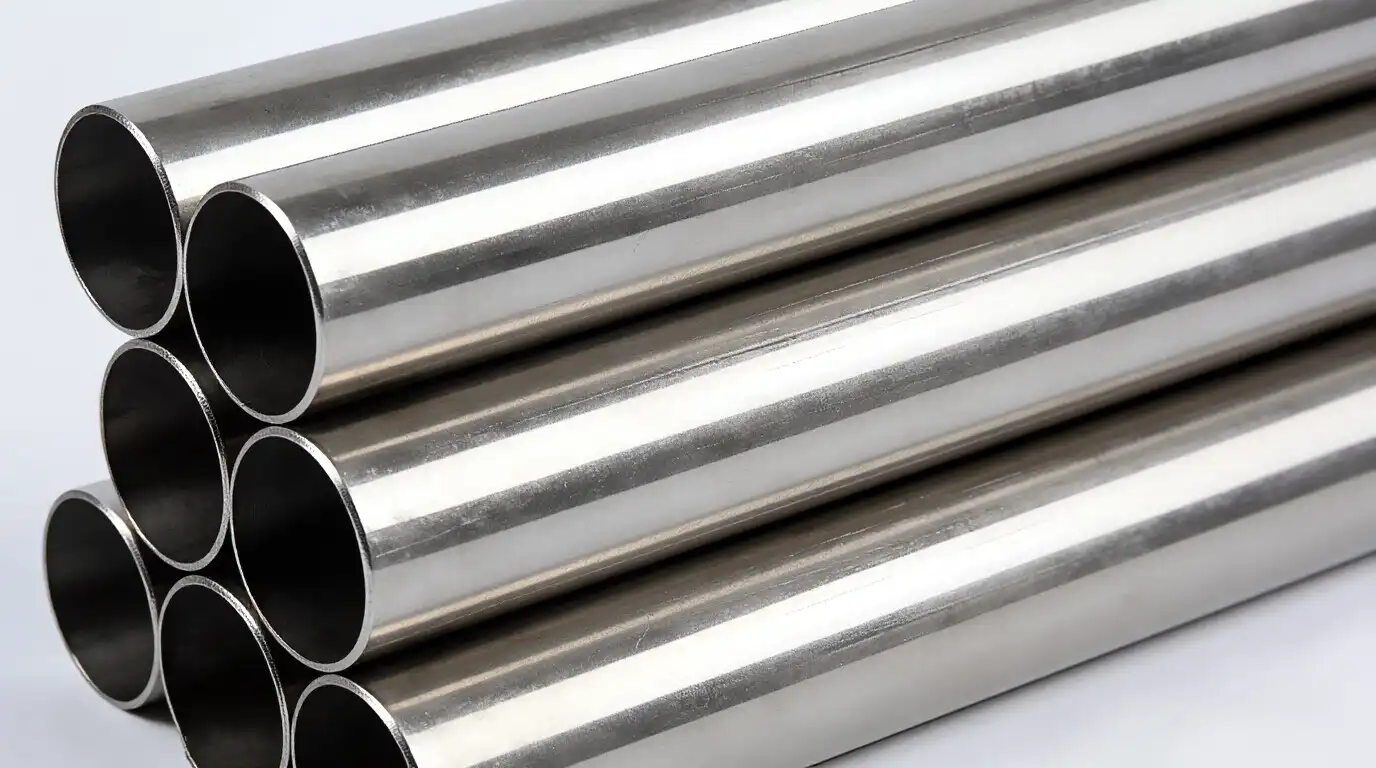
Seamless titanium pipes are the best way to connect pipes in the industry because they have the best structural stability and performance for tough jobs. Through advanced extrusion or rotary piercing methods, a titanium seamless tube is made without longitudinal weld lines. This gets rid of any weak spots that could make the tube less reliable. These pipes have great rust resistance, great strength-to-weight ratios, and consistent metallurgical qualities all the way through their structure. Seamless titanium pipe systems are used in places where traditional materials fail, like chemical processing plants and hydraulic systems in spacecraft. They provide long-term value by lowering upkeep costs and increasing service life.
Understanding Seamless Titanium Pipes: Properties, Grades, and Manufacturing
Manufacturing Excellence Through Advanced Processes
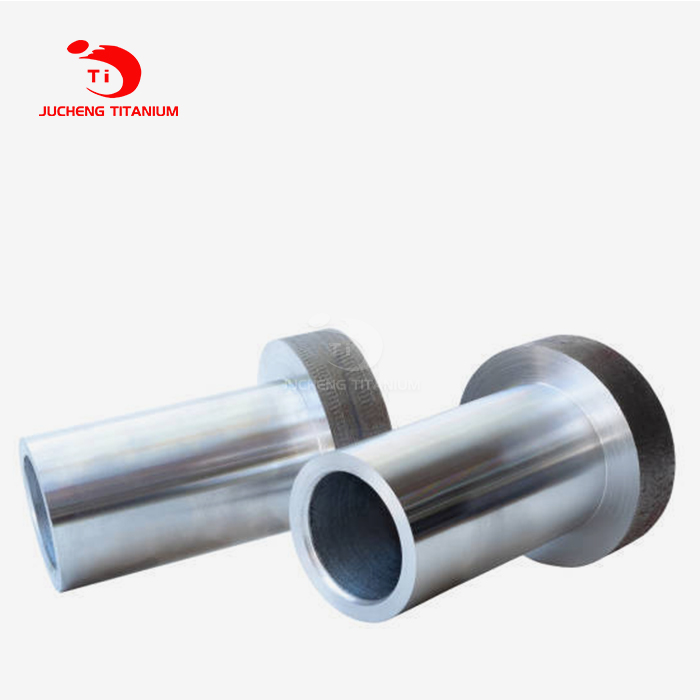
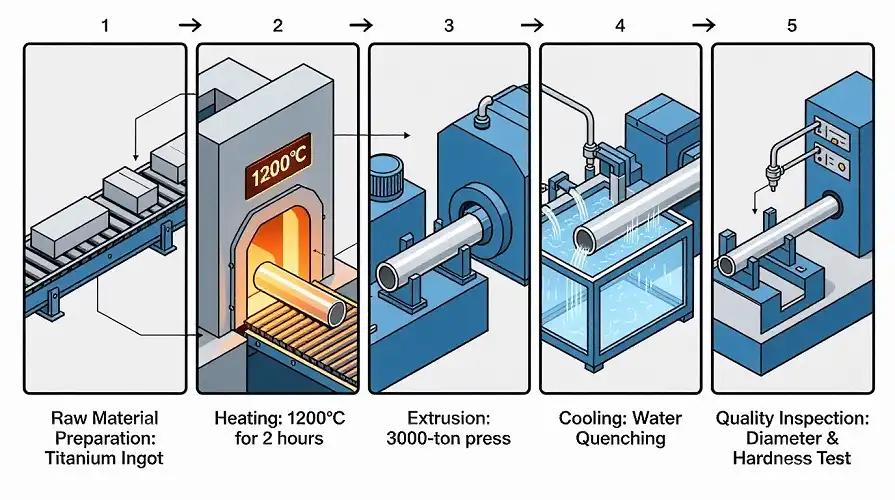
To make smooth titanium pipes, you need to use complex manufacturing methods that guarantee stable quality and performance. The process starts with high-quality titanium billets that are extruded, pierced, cold rolled, annealed, pickled, and straightened. When this complete method is used, pipes are made with regular wall thickness and better mechanical properties than soldered options.
Rotating drilling and cold pilgering are two modern methods used in factories to get exact tolerances on dimensions. The first hollow shape is made by extrusion. Later, cold rolling operations bring out the details and improve the material's mechanical properties. Vacuum annealing processes improve the microstructure, making sure that the pipe wall is as strong and resistant to rust as it can be.
Material Grades and Technical Specifications
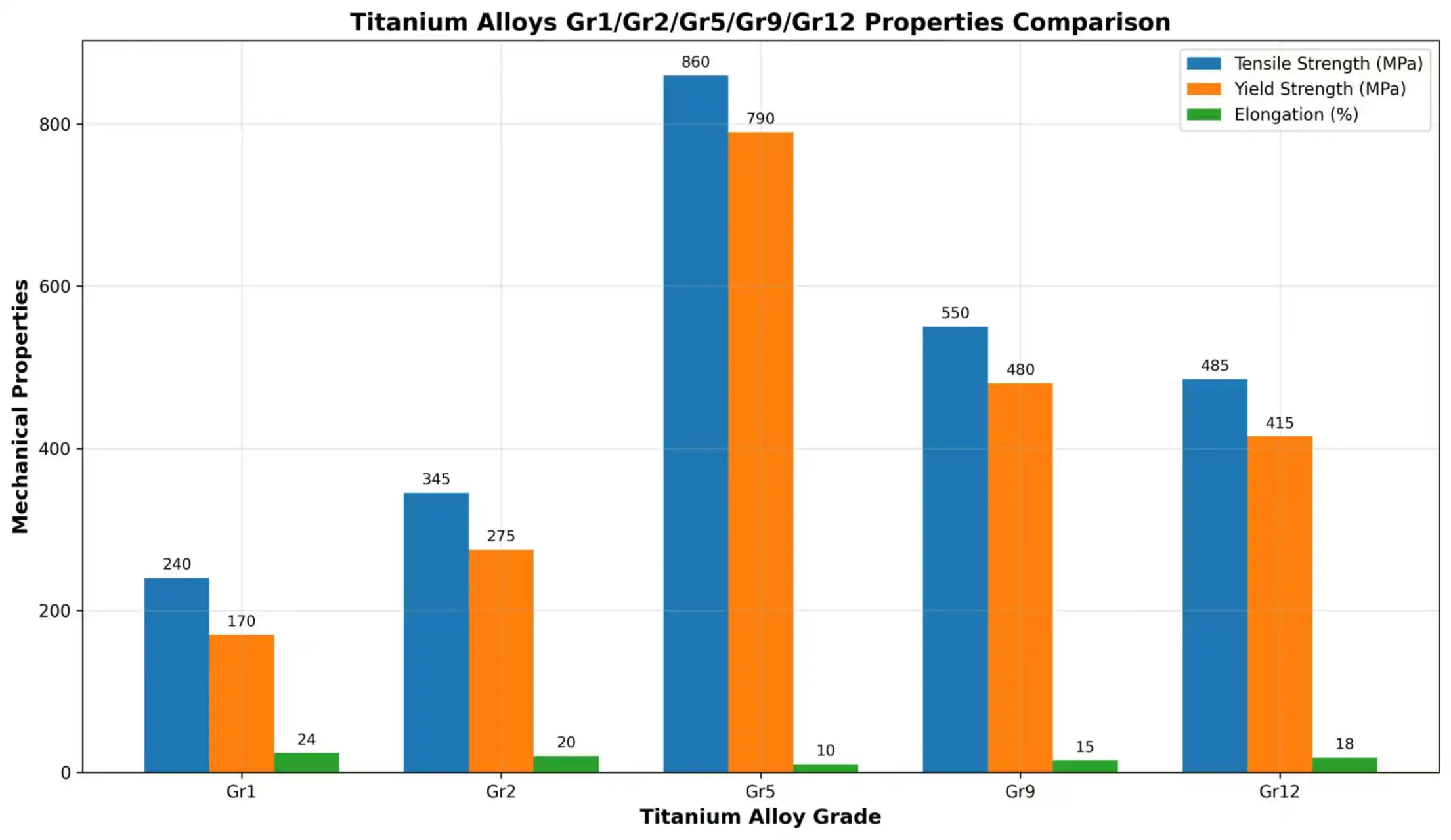
There are different types of seamless titanium pipes to meet the needs of different applications. For chemical processes, Grade 1 (Gr1) has the best corrosion protection and ductility, while Grade 2 (Gr2) has the best mix of strength and workability. Grade 5 (Gr5, Ti-6Al-4V) is very strong and is used in aircraft. Other grades, like Gr7, Gr9, and Gr12, have alloying elements added to them to make them work better.
The outer sizes range from OD3 to OD219 mm, and the wall thicknesses range from 0.5 mm to 20 mm. Customized specs can be made to fit the needs of each project. Standards for manufacturing, like ASTM B337, ASTM B338, ASTM B861, AMS 4942, and ASME SB338, make sure that quality is always the same and that products meet foreign standards. Surface treatments include machined, polished, and acid-pickled finishes. Depending on the needs of the product, the shipping state can be annealed, pickled, or bright.
Mechanical Properties and Performance Characteristics
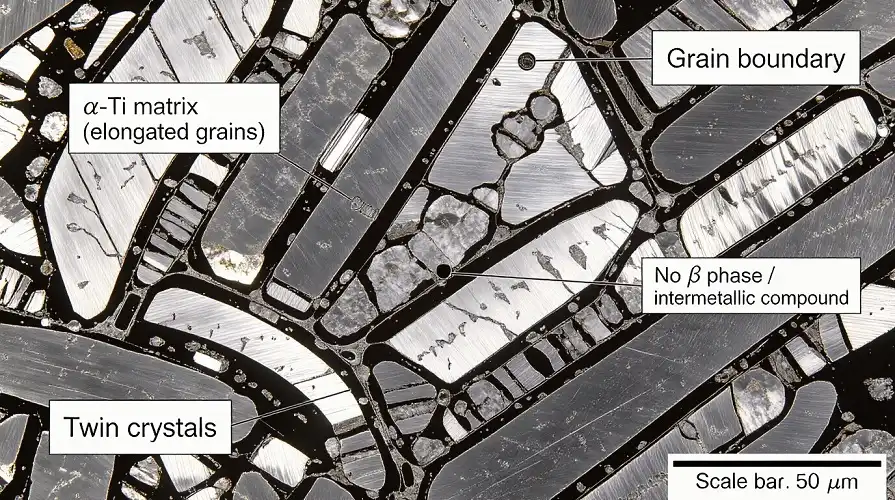
Seamless titanium pipes, like titanium seamless tube, have better dynamic qualities because their microstructure is uniform and there are no heat-affected zones. These pipes are great for places with a lot of energy because they don't wear out easily, even when they're loaded and unloaded many times. The natural ratio of strength to weight is higher than that of most materials, and it still has great flexibility and toughness.
The ability to prevent corrosion is a major benefit, especially in chloride-rich settings where other materials break down quickly. The natural oxide layer protects against aggressive media passively, making it last a lot longer than stainless steel options in chemical and sea settings.
Comparing Titanium Seamless Pipes with Alternative Materials
Seamless vs. Welded Titanium Construction
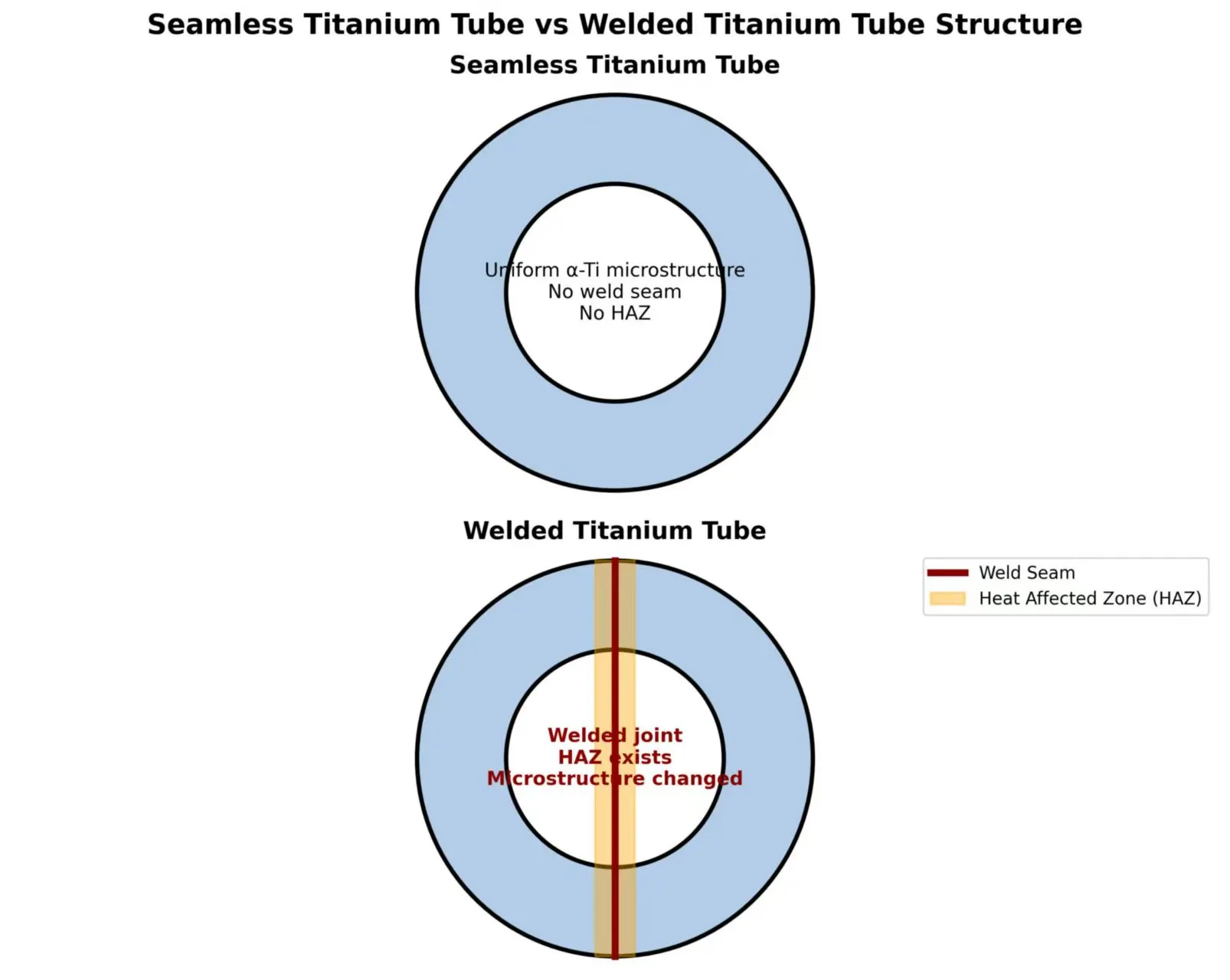
When you compare seamless and soldered titanium construction, you can see that they have big changes in performance that affect which applications are best for them. Longitudinal seams in welded pipes create metallic defects and possible failure points when the pressure is high. In welding construction, the heat-affected zone has a different microstructure that can make the structure less resistant to rust and less strong.
These worries are taken away by a titanium seamless tube, which has a regular wall design and no weld seams. When there is a lot of pressure cycling, this design advantage is very important because soldered joints are usually the weakest parts of a structure. The lack of joint zones also stops galvanic rusting, which can happen where the base metal meets the weld material.
Performance Against Traditional Materials
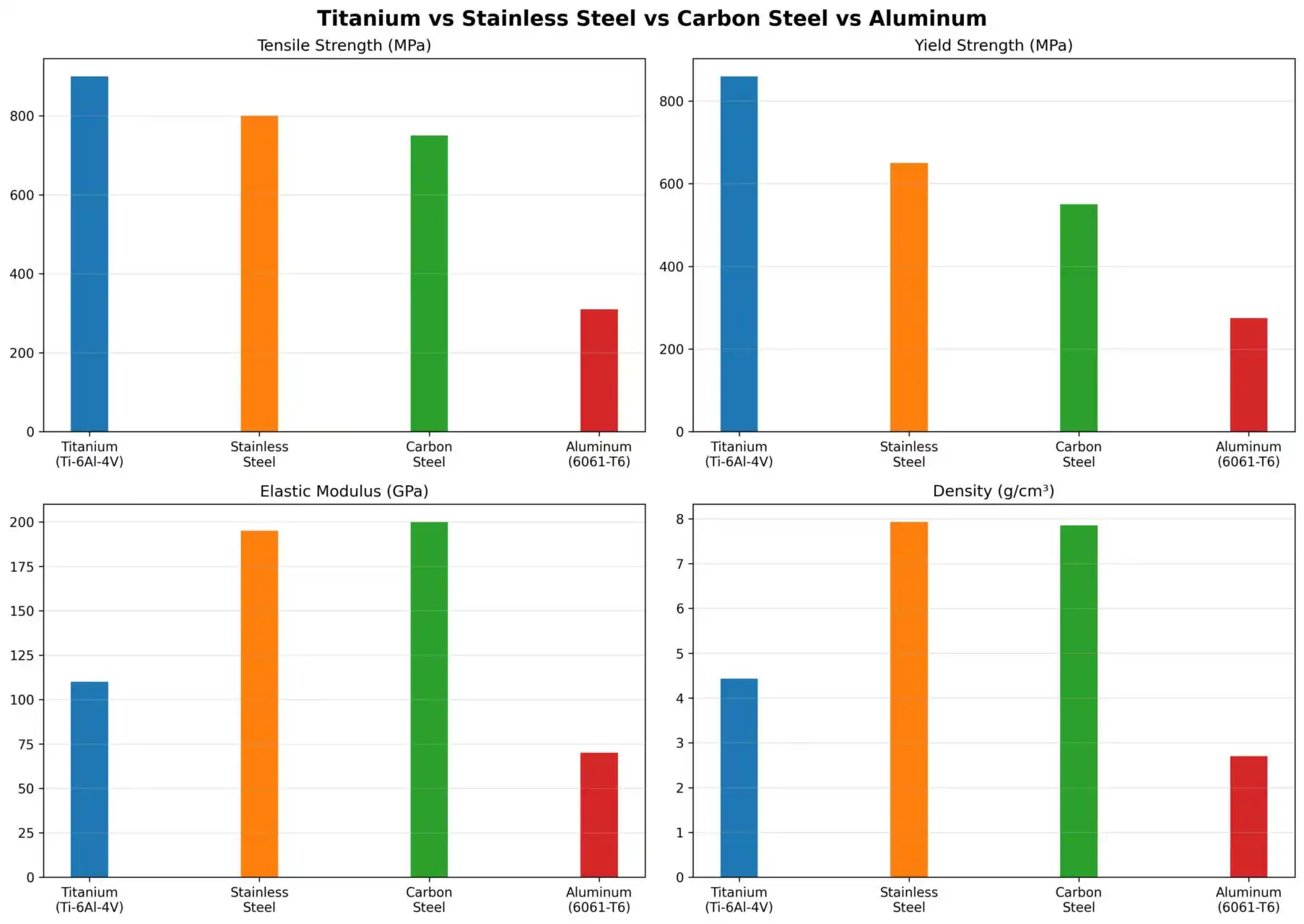
When compared to stainless steel options, seamless titanium pipes are less heavy and better at resisting corrosion in harsh settings. In naval settings, chloride-induced pitting and crevice rust mean that stainless steel systems need to be replaced often. Titanium systems, on the other hand, last for decades and years of reliable service.
Even though carbon steel pipe systems are cheap at first, they need to be protected with coats and maintained regularly because they rust and oxidize. When downtime costs are higher than material price gaps, titanium options are better in terms of total cost of ownership. Alternatives to aluminum don't have the steadiness and strength at high temperatures that are needed for tough manufacturing processes.
Application-Specific Material Selection
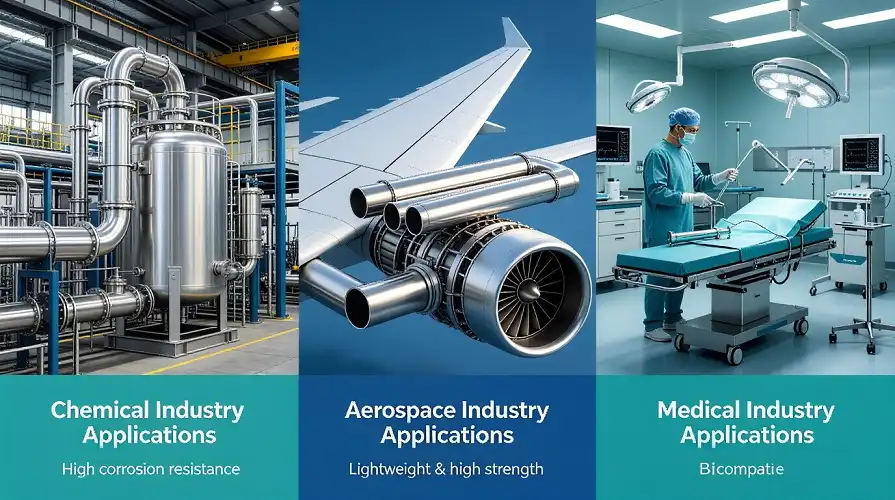
When choosing seamless titanium pipes, the factors of the surroundings and the performance needs play a big role. Grade 2 titanium is very resistant to organic acids and chlorine substances, which makes it useful for chemical processing. Grade 9 titanium metals are very strong and can handle changes in temperature and pressure that are very high in aerospace hydraulic systems.
Biocompatible materials that can safely bond with human flesh are needed to make medical devices. Titanium is the best material for surgical implants and medical tools where biosafety and material purity are very important. It is strong and doesn't magnetize.
Procurement Guide: How to Buy Titanium Seamless Pipes for Your Business?
Supplier Evaluation and Quality Assurance
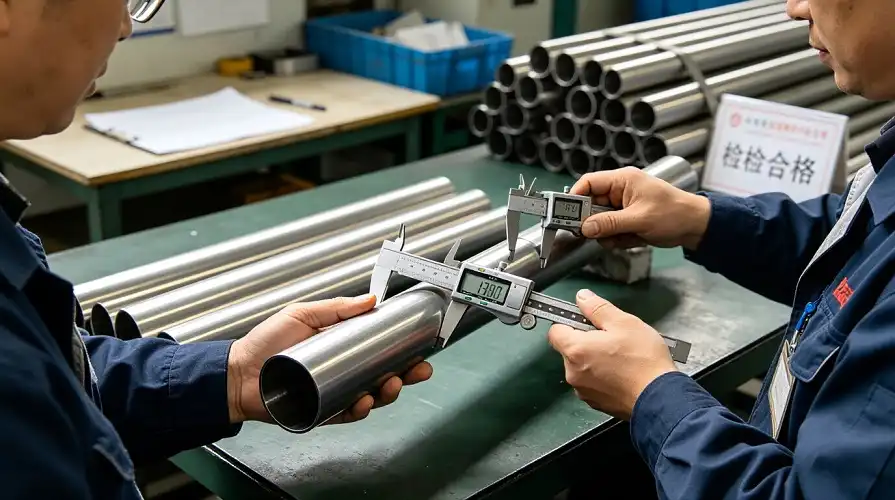
To successfully buy seamless titanium pipes, you need to carefully evaluate suppliers and check the quality of their products. Manufacturers with a good reputation keep thorough quality control systems that include full paperwork for material certifications and traceability. To make sure you always get the right product, the supplier's production skills should match your exact grade needs and size tolerances.
The supplier's dedication to quality standards is shown by quality certifications such as ISO 9001, AS9100 for aerospace uses, and approvals relevant to the business. Material test records, dimensional inspection certificates, and paperwork on the surface finish are all important ways to make sure that the product meets the standards. Suppliers who have quality systems in place usually keep statistical process control data that helps them predict how the manufacturing process will turn out.
Pricing Factors and Cost Optimization
Knowing how the prices of seamless titanium pipes are structured helps you make better choices about what to buy and how to spend your money. Material grade is the main factor that affects price, with higher-strength metals being more expensive because they require more complex processes and more expensive alloying elements. Dimensional requirements affect prices by making production more difficult. For example, making thin-wall tubes requires more exact control, which raises the cost.
Order number has a big effect on unit prices by affecting how efficiently goods are made and how setup costs are spread out. Larger orders usually get savings for buying in bulk, but if you have unique needs, you may have to pay for tools or setup. Lead times depend on the grade that is available and the size that is needed. Standard sizes are usually available from stock, but special sizes need time to be manufactured.
The titanium seamless tube pricing structure is based on the costs of raw materials, the difficulty of making them, and the need for quality control. Long-term supply deals often keep prices stable and give priority to certain items when demand is high or materials are in short supply.
Logistics and Supply Chain Considerations
For seamless titanium pipe needs, good supply chain management makes sure that orders are delivered on time and that material is used most efficiently. Some things to think about when sending things around the world are the right way to package things to protect pipes while they're in transit, and the paperwork needed for foreign deliveries. Reliable sellers keep up-to-date transport networks that cut down on shipping times and the chance of damage during handling.
Strategies for managing inventory weigh the costs of keeping items in stock against the risk of running out, especially for important uses where the supply of materials affects output schedules. Consignment programs and vendor-managed inventory deals can help you get the most out of your working capital and make sure you always have the materials you need. For maintenance and repair tasks where the cost of extended downtime is higher than the cost of faster shipping, emergency delivery becomes important.
Advantages and Applications of Titanium Seamless Pipes Across Industries
Chemical Processing and Petrochemical Applications
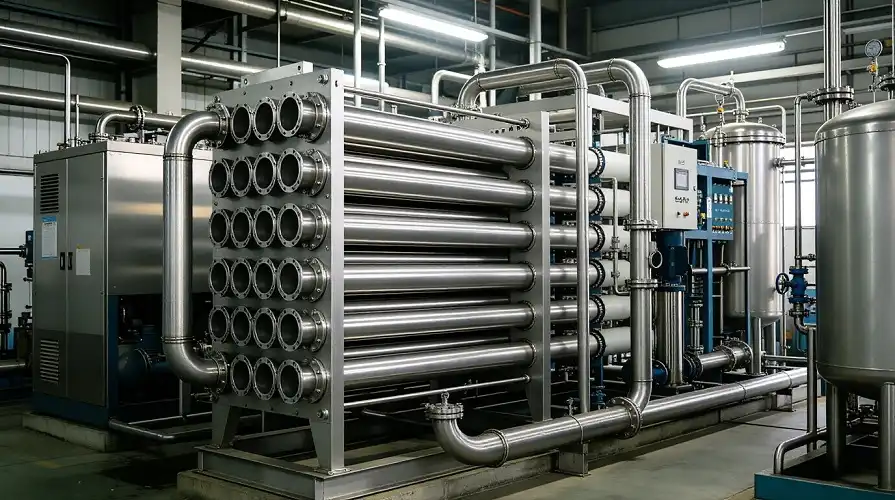
The chemical processing industry relies heavily on seamless titanium piping for handling corrosive media that would quickly wear down other materials. Acetic acid production facilities use Grade 2 titanium systems because they are very resistant to organic acids and don't change temperature easily. Localized corrosion, which frequently happens at bonded joints in harsh chemical conditions, is avoided by the uniform wall construction of the titanium seamless tube.
In desalination units and heat transfer systems where seawater contact needs high chloride protection, petrochemical companies use seamless titanium lines. Compared to copper-nickel systems, titanium systems have a much longer useful life, which means they need less upkeep and repair costs. More and more, companies that make process equipment want reactor tanks and distillation columns that handle corrosive feedstocks to be made of smooth titanium.
Aerospace and Defense Applications
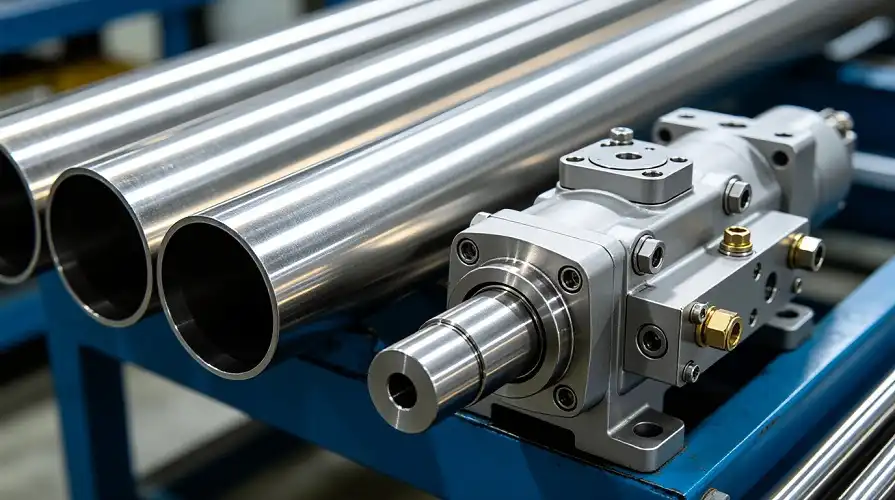
The best performance standards are needed for hydraulic and fuel system parts in aerospace applications. In military airplanes, Grade 9 titanium seamless pipes are used in high-pressure hydraulic systems where mission-critical dependability and weight reduction are important. When there is a lot of vibration and pressure cycles, like in battle, the wear resistance of seamless construction keeps the structure from breaking.
Commercial flight systems benefit from the corrosion resistance and weight savings of titanium piping in environmental control systems and fuel distribution networks. Since there are no welded joints, there are no possible leak lines that could put flying safety at risk. Titanium materials are used in spacecraft because they can work in a vacuum and let gas escape, which is important for life support and power systems.
Medical Device and Biomedical Manufacturing
Medical device manufacturers depend on seamless titanium lines for parts of surgical tools and implantable devices. Because it is biocompatible and not magnetic, medical-grade titanium is needed for surgery tools and prosthetic implants that can be used with MRIs. When keeping clean fluids from getting contaminated is very important, pharmaceutical processing equipment uses smooth titanium construction.
When used in hospital settings, seamless pipes are easier to clean and sterilize because they have a smooth finish on the inside. Titanium is biologically neutral and doesn't corrode, which makes it useful for drug delivery systems and surgery suction systems. Biomedical research institutions need the purity and stability that titanium seamless tube building provides for their test equipment.
Industrial Equipment and Heat Exchanger Systems
In power plants that use saltwater cooling, which makes corrosion very likely, seamless titanium lines are used in condenser systems. Because titanium is both thermally conductive and resistant to rust, it can move heat efficiently and last for decades without breaking. Manufacturers of industrial heat exchangers choose seamless construction to avoid the problems that often happen with welded systems, where the joints between tubes and sheets fail.
Desalination plants all over the world use smooth titanium pipes for important process lines that come into contact with saltwater and need to be very resistant to corrosion. The lifecycle cost study always favors titanium systems, even though they cost more at first, because they last longer and need less upkeep. Manufacturers of food processing equipment use seamless titanium lines for cleaning purposes, where the material needs to be pure and easy to clean.
Conclusion
When standard materials don't meet the performance needs of challenging industrial uses, seamless titanium pipes are the best choice. Because they are highly resistant to rust, have a high strength-to-weight ratio, and maintain their structural integrity, these pipes are essential in the aircraft, chemical processing, medical device, and industrial equipment industries. When you know about the different types of materials, how they are made, and the benefits for each application, you can make smart purchasing choices that improve both performance and total cost of ownership. Investing in seamless titanium pipe systems always pays off in the long run because they require less upkeep, last longer, and work reliably in tough conditions where failure of the material is not acceptable.
FAQ
Q1: What distinguishes seamless from welded titanium pipes?
Seamless titanium pipes are manufactured without longitudinal weld seams through extrusion or rotary piercing processes, creating uniform wall construction throughout the pipe circumference. Welded pipes contain a heat-affected zone at the weld seam that can create metallurgical discontinuities and potential failure points under high-pressure or corrosive conditions.
Q2: Which titanium grades are most suitable for chemical processing applications?
Grade 2 titanium offers the best combination of corrosion resistance and mechanical properties for most chemical processing applications. Grade 7 provides enhanced corrosion resistance in reducing acid environments, while Grade 12 offers improved strength characteristics for high-pressure chemical systems.
Q3: How do I verify supplier certifications and material quality?
Reputable suppliers provide material test reports, dimensional inspection certificates, and traceability documentation with each shipment. Quality management system certifications such as ISO 9001 and industry-specific approvals demonstrate manufacturing capability. Independent third-party testing can verify material properties and chemical composition when required.
Q4: What factors influence seamless titanium pipe pricing?
Material grade, dimensional specifications, order quantity, and delivery requirements represent the primary cost drivers. Higher-strength alloys and thin-wall constructions typically command premium pricing due to manufacturing complexity. Volume discounts and long-term supply agreements can provide cost optimization opportunities.
Q5: Can seamless titanium pipes be customized for specific applications?
Manufacturing capabilities accommodate custom dimensional specifications, specialized grades, and unique surface treatments based on application requirements. Custom tooling may be required for non-standard sizes, which can impact pricing and lead times. Collaboration with experienced manufacturers enables optimization of specifications for specific performance criteria.
Partner with Jucheng Titanium for Premium Seamless Titanium Solutions
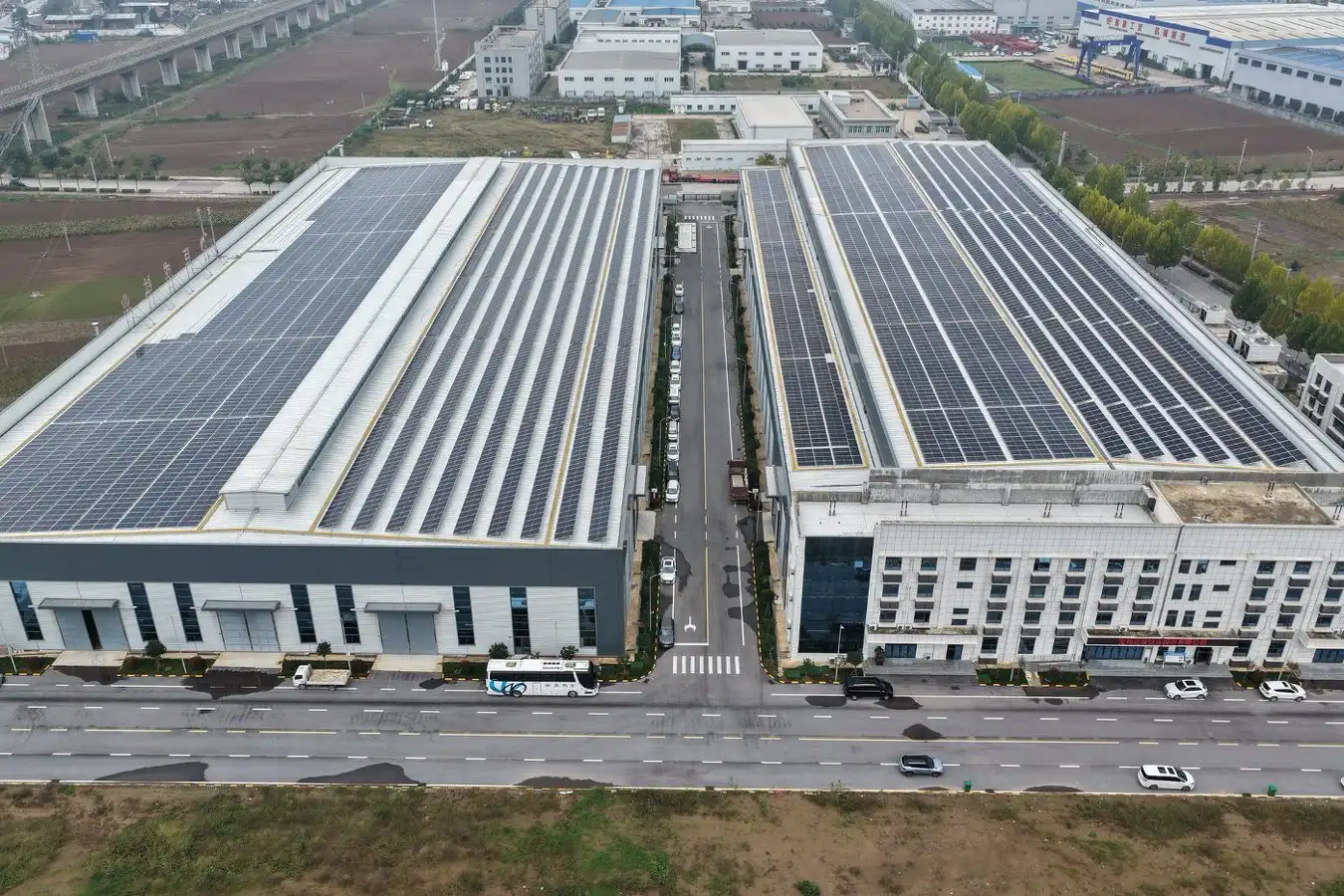
Jucheng Titanium brings over two decades of specialized expertise in manufacturing high-quality titanium seamless tube products that meet the most demanding industrial requirements. As a titanium seamless tube supplier with comprehensive manufacturing capabilities, we maintain 3,000 tons of titanium inventory for rapid delivery while offering complete customization services for unique specifications. Our state-of-the-art facility produces over 500 sets of titanium equipment annually, backed by 45 patents and recognition as a National High-Tech Enterprise. Contact our technical team at s4@juchengti.com to discuss your seamless titanium pipe requirements and discover how our proven solutions can optimize your operations.
References
1. ASM International. "Titanium: Physical Metallurgy, Processing, and Applications." Materials Park: ASM International Press, 2015.
2. Boyer, Rodney R. "An Overview on the Use of Titanium in the Aerospace Industry." Materials Science and Engineering: A, Vol. 213, 1996.
3. Schutz, R.W. and Thomas, D.E. "Corrosion of Titanium and Titanium Alloys." Corrosion: Materials, ASM Handbook Volume 13, 2017.
4. Lutjering, Gerd and Williams, James C. "Titanium: Engineering Materials and Processes." Manchester: Manchester University Press, 2007.
5. American Society for Testing and Materials. "Standard Specification for Seamless and Welded Titanium and Titanium Alloy Tubes." ASTM B337-18, 2018.
6. Donachie, Matthew J. "Titanium: A Technical Guide, 2nd Edition." Materials Park: ASM International, 2000.