
How Titanium Steel Clad Plates are Made: A Step-by-Step Guide
Titanium steel clad plates represent a revolutionary engineering solution that combines the superior corrosion resistance and lightweight properties of titanium plate with the structural strength and economic benefits of steel backing. The manufacturing process involves metallurgical bonding techniques that create a composite material capable of withstanding extreme environments while maintaining cost-effectiveness. These specialized materials undergo precise fabrication steps, including surface preparation, bonding processes, and quality verification to ensure optimal performance in aerospace, chemical processing, and marine applications.
Understanding Titanium Steel Clad Plates: Properties and Advantages
Composition and Material Properties
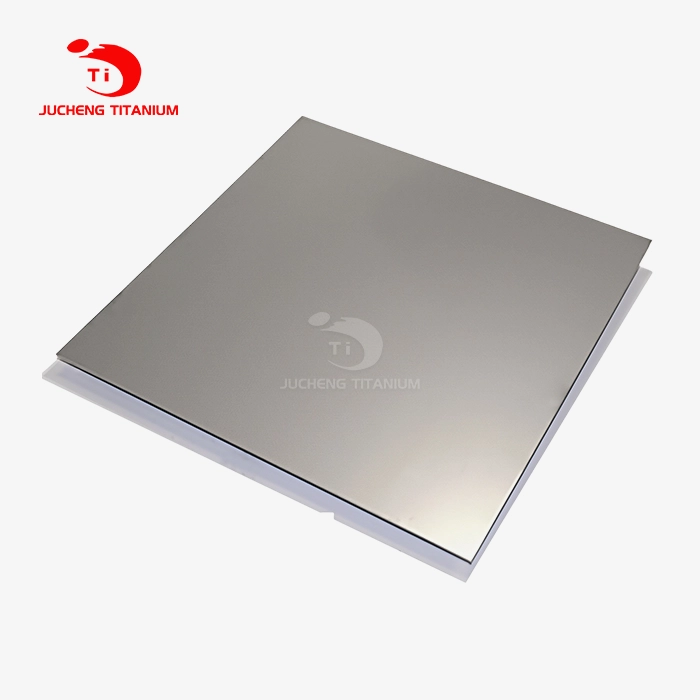
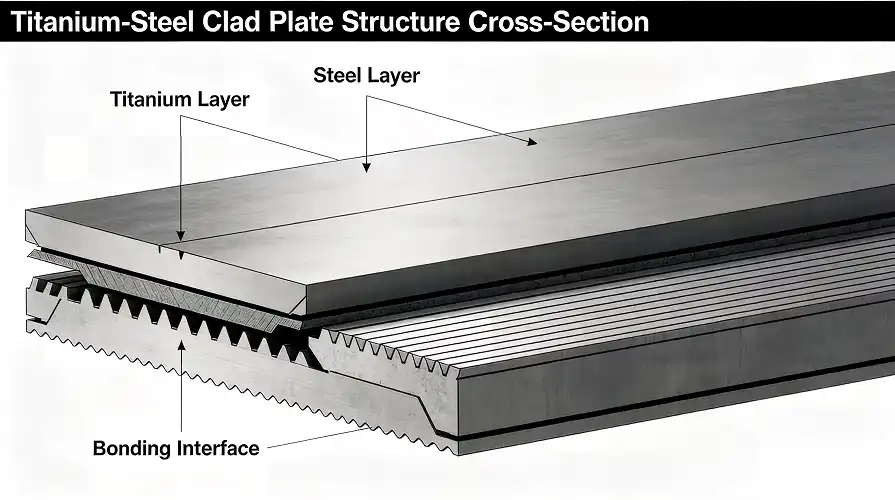
A thin layer of titanium is metallurgically bound to a steel base to make titanium steel clad plates. The titanium layer is usually between 3 and 10 mm thick, and the steel backing gives it the strength it needs. The mixture gives it great resistance to corrosion in harsh chemical conditions while still keeping the mechanical power needed for heavy-duty uses.
Because of how they are put together, these things have qualities that neither of them could have on their own. Stress corrosion cracks caused by salt can't happen on the titanium surface, and the steel backing has better tensile strength and fracture toughness. Because of this, clad plates are perfect for places where chemical protection and industrial performance are both very important.
Superior Performance Characteristics
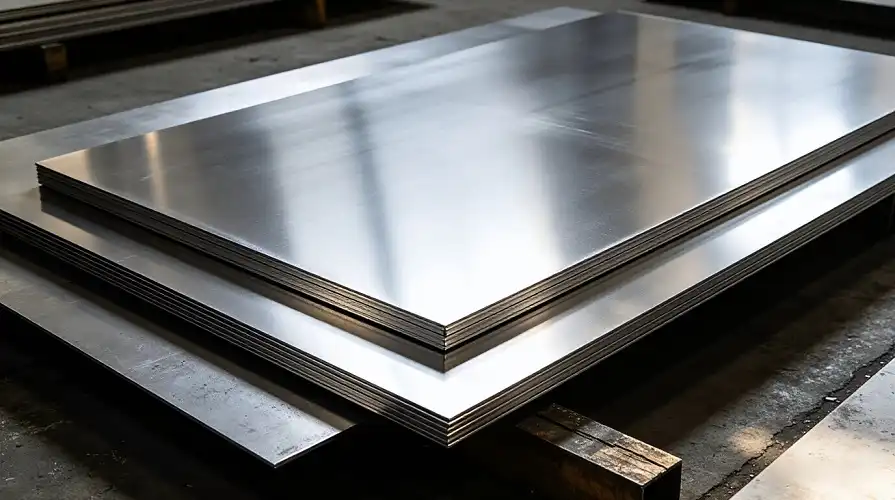
Here are the main reasons why titanium steel-covered plates are so important in critical situations:
- • Exceptional Corrosion Resistance: The titanium layer on the outside protects against rust in seawater, oxidizing acids, and salt conditions, where stainless steel would break in months.
- • Outstanding Strength-to-Weight Ratio: 40–50% lighter than solid stainless steel while still keeping the same level of structural strength
- • Thermal Stability: Keeps measurements and mechanical qualities the same at temperatures up to 350°C, which is important for heat exchanger uses.
- • Cost Optimization: Compared to solid titanium plate building, it cuts material costs by 30–60% while maintaining the same level of rust resistance.
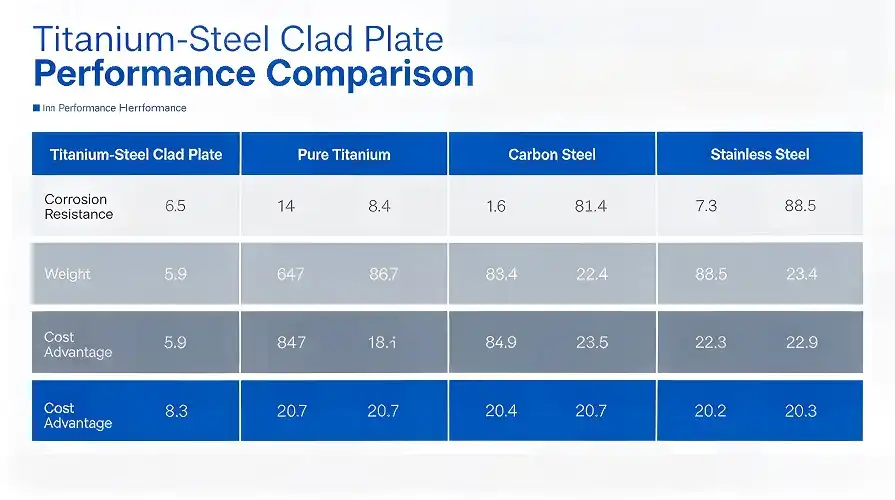
These improvements in performance directly lead to longer equipment life, lower repair costs, and higher operating efficiency in harsh industrial settings.
Comparative Analysis with Alternative Materials
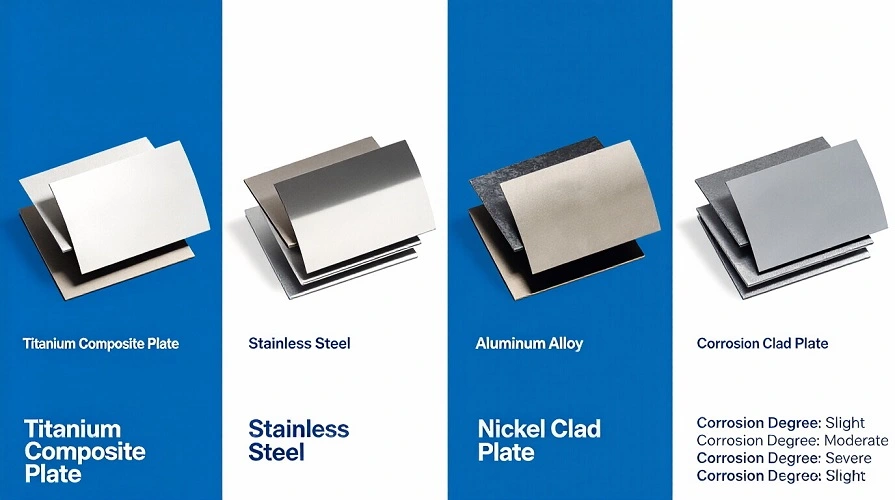
At times, titanium steel-covered plates are clearly better than other materials used in similar situations. Within two to five years, seawater causes pitting erosion in stainless steel 316L, but titanium clad plates are still fine after decades of contact. Galvanic rust happens when aluminum alloys are mixed with other metals, but titanium's electrochemical qualities take care of this problem.
Corrosion-resistant titanium sheet is completely resistant to chemicals, but carbon steel covered with nickel metals is only somewhat resistant to rust. Titanium is very biocompatible, which means that these clad plates can be used in medicine and food-making processes where material purity is very important.
The Manufacturing Process of Titanium Steel Clad Plates
Material Selection and Preparation
The first step in the manufacturing process is carefully choosing the types of titanium and steel plates that will be used. Titanium types like Gr1 and Gr2 are very resistant to rust, while Gr5 (Ti-6Al-4V) has better mechanical qualities. Depending on the strength needed, steel plates are usually made of carbon steel or low-alloy steel.
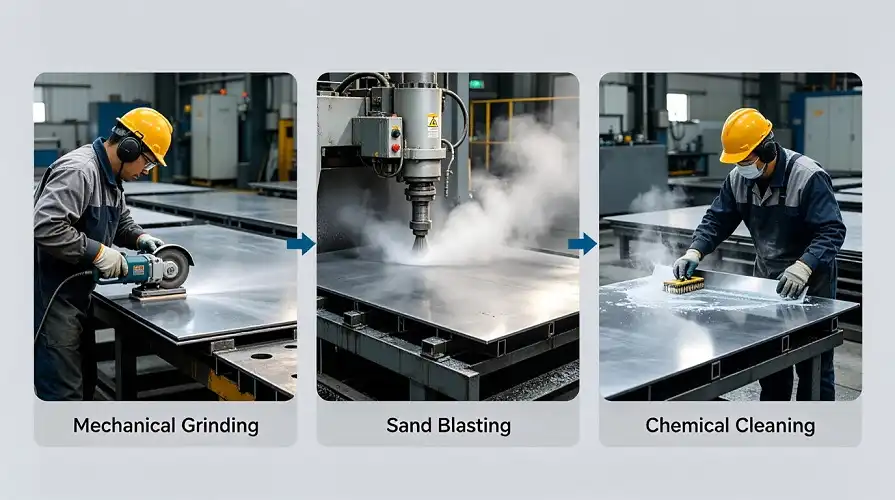
Surface preparation is an important step where both materials are cleaned and conditioned thoroughly. The surface of the titanium is mechanically ground to remove oxide layers. This is followed by chemical polishing to make the best conditions for joining. The steel base is also prepared in the same way, with shot blasting and chemical cleaning to get rid of any contaminants that could weaken the bond.
Metallurgical Bonding Methods
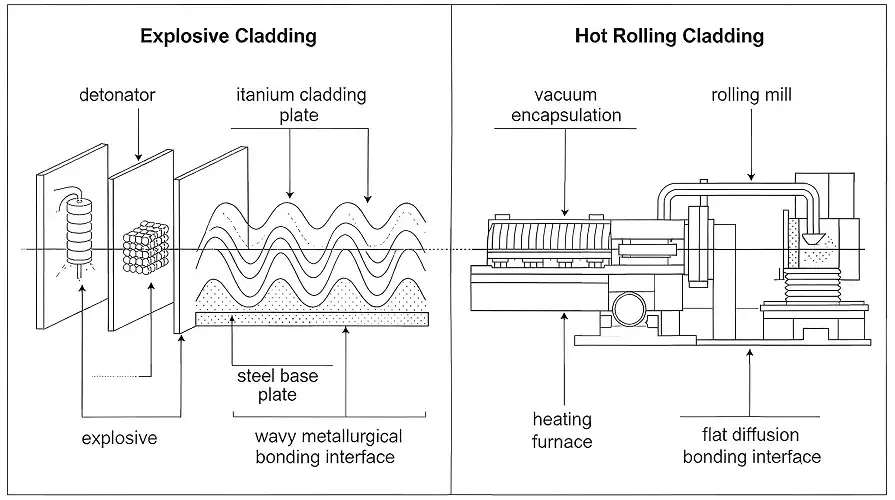
Depending on the needs of the application and the amount of material being made, the bonding method uses a number of advanced techniques. Titanium and steel are heated to 1000–1200°C and pushed through rolling mills under a lot of pressure. This is the most usual way. Solid-state diffusion is used in this process to make bonds at the atomic level.
Explosion bonding is a different way to work with big plates. It uses controlled blasts to make metallic bonds at room temperature. This method works really well when the steel base can be damaged by thermal cycles or when the limits for size are very small.
Heat Treatment and Quality Assurance
After being bonded, clad plates go through a controlled heat treatment to get rid of any remaining stresses and make the mechanical properties. Annealing temperatures are usually between 600°C and 750°C, and the rate of cooling is carefully controlled to keep thermal stress from building up.
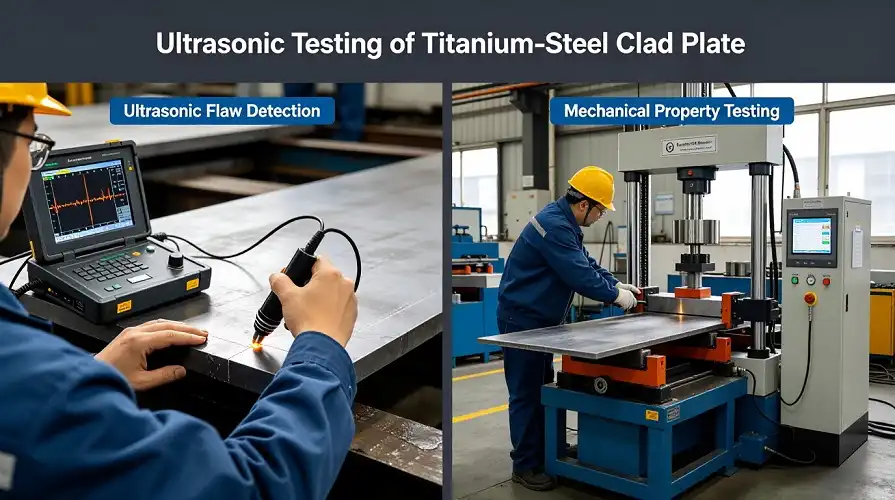
As part of strict quality control procedures, ultrasonic testing is used to make sure the bond is solid, tension testing checks the mechanical properties, and rust testing checks the performance characteristics. Certifications are given to each plate that show its material qualities, correctness in measurements, and compliance with standards such as ASTM B265 and ASME SB265.
Matching Titanium Steel Clad Plates to Industrial Applications
Aerospace and Defense Requirements
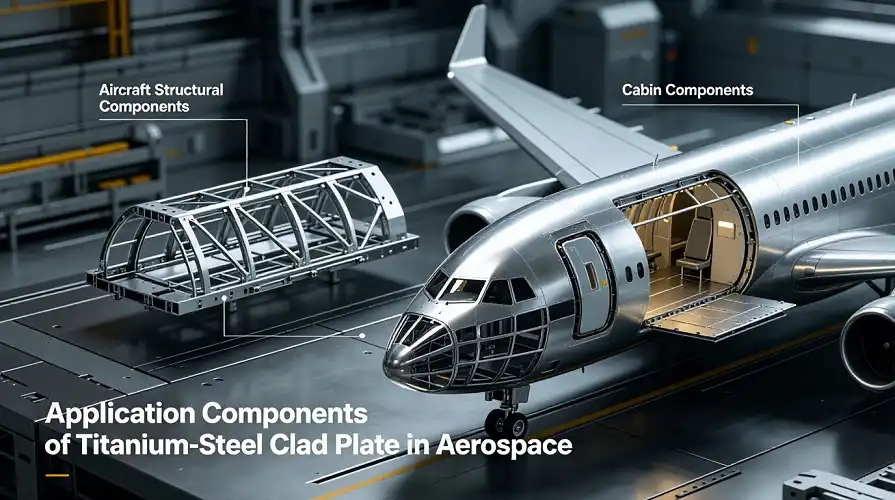
Materials used in aerospace must meet strict requirements for reducing weight and ensuring reliable performance. Titanium plate cladding is resistant to corrosion, which is important for marine settings, and it also keeps the structural stability needed for airplane parts. Grade 5 titanium coating is strong enough for uses that need to handle a lot of stress.
The aerospace business really values how well clad plates survive fatigue when they are loaded and unloaded many times. The titanium layer on top stops rust from starting cracks, and the steel backing gives the cracks the strength they need to stop spreading. The mix of these materials makes the parts last a lot longer than rigid materials could.
Chemical Processing and Marine Applications
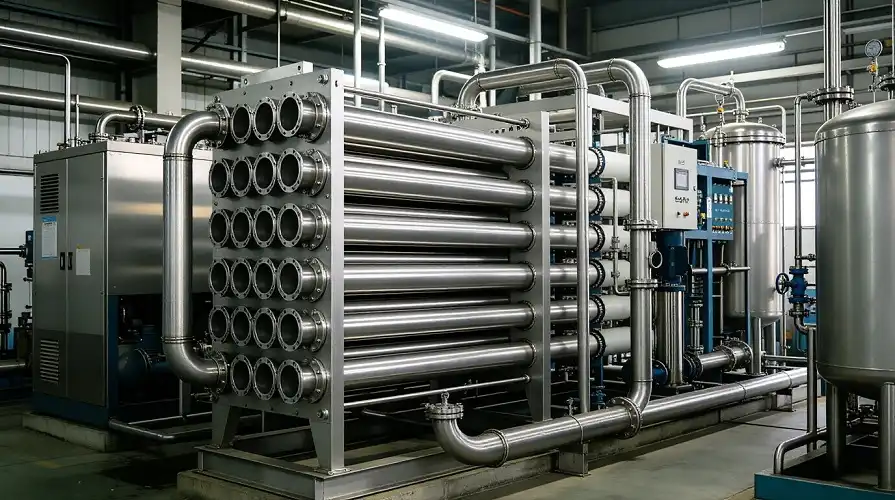
Materials that can stand up to strong acids, alkaline solutions, and high temperatures are needed for chemical handling equipment. Titanium-clad plates work great in these settings where broken tools could have terrible results. The titanium surface is completely resistant to chemicals, so it doesn't crack from stress rust as stainless steel systems do.
Titanium is completely resistant to seawater, which makes it useful for marine uses. Clad plate-made offshore platforms, desalination plants, and ship parts have service lives of more than 30 years without any noticeable rusting. Because it lasts longer, it costs less to maintain and repair, which saves a lot of money.
Customization and Procurement Considerations
Clad plates can be changed in many ways to meet the needs of specific applications, thanks to modern production techniques. For each use, the best thickness mix can be found. Titanium layers can be anywhere from 3 mm for mild corrosion to 10 mm for serious chemical exposure. The width of the steel backing can be anywhere from 10 to 70 mm, based on the needs of the structure.
When buying metal plates, procurement workers need to think about a number of things. For unique setups, lead times are usually between 8 and 16 weeks. Standard sizes may be in stock. Material test results, dimensional inspection records, and proof of agreement with relevant industry standards should all be part of quality approvals.
How to Choose the Right Titanium Steel Clad Plate Supplier?
Evaluating Supplier Credentials and Capabilities
To choose a good provider, you need to carefully look at their technical know-how, manufacturing skills, and quality control systems. Suppliers should show that they follow the ISO 9001 quality management system and, if necessary, have certifications for aircraft uses like AS9100. Inspections of manufacturing facilities show how complex the tools and process controls are.
The supplier's technical knowledge is clear when they can offer engineering support, help with choosing materials, and provide suggestions that are specific to the application. Suppliers that have been around for a while keep a lot of raw materials in stock and can cut wait times for urgent needs. Long-term relationships with big industry clients show that a business is reliable and performs well.
Quality Standards and Certification Requirements
There are a lot of rules about how materials should be made, how they should be tested, and how they should be used in industry uses. While AMS 4911 focuses on aircraft applications, ASTM B265 outlines the specifications for titanium and titanium alloy strip, sheet, and plate. ASME SB265 gives instructions on how to use pressure vessels.
Suppliers should give full test results on the materials they sell that include information on their chemical makeup, mechanical qualities, and microstructural features. Third-party testing proof gives material certifications more weight, especially in serious situations where failure of the material could have bad results.
Supply Chain Reliability and Support Services
When planning work plans and project timelines, it's important to have reliable supply chain management. Established sellers keep smart amounts of inventory on hand and have built ties with makers of raw materials to make sure they are always available. Large plate orders can be delivered faster and for less money if they are close to where they are being delivered.
Technical help services set premium sellers apart from generic ones. With the help of applications engineering, choosing the right materials and working settings can be made more efficient. After-sales support includes help with fixing problems and suggestions for improving efficiency so that investments in metal plates are worth as much as possible.
Best Practices for Handling and Welding Titanium Steel Clad Plates
Welding Techniques and Considerations
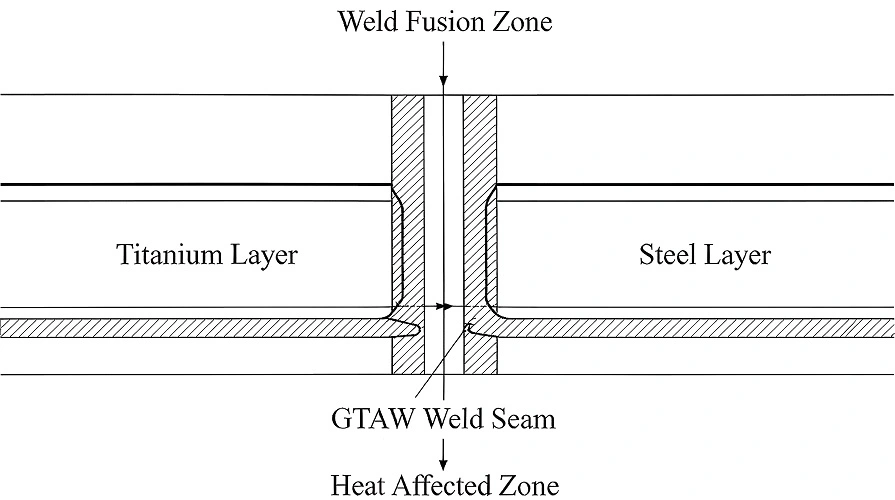
To weld titanium-clad plates, you need to use special methods that keep the composite material's rust protection and structural integrity. Gas tungsten arc welding (GTAW) gives you exact control over the heat you need to keep the steel backing material from mixing with the titanium layer. The right choice of shielding gases and journey speeds keeps contamination from happening, which could weaken the resistance to rust.
The method of welding corrosion-resistant titanium sheet has to keep the mechanical qualities of both materials while making strong joints. The type of steel backing affects how much preheating is needed, and a post-weld heat treatment may be needed to get rid of any remaining strains. For each job, qualified welding methods should be developed and proven to work through testing.
Storage and Handling Protocols
Titanium plate cladding's surface integrity is preserved, and contamination that could affect performance is avoided under ideal storage circumstances. Steel backing materials don't rust when they are stored indoors, where the air is managed. Coverings that protect titanium surfaces from damage caused by handling and transport keep them in good shape.
The tools used to move things around must be the right size and weight for the covered plates so that the surfaces don't get damaged. Lifting points should be made so that they don't cause bending forces that could weaken the bond. When you handle things in a clean way, you keep out contaminants that could cause rust or lower the quality of your welding.
Post-Installation Performance Optimization
Performance tracking during the first service helps make sure that the materials used and the way they were installed meet the requirements set by the plan. As part of the inspection process, the surface should be looked at visually for damage, the dimensions should be measured to find distortions, and the bond should be tested without damaging it.
Maintenance plans should take into account that titanium cladding has a longer life span and that steel backing materials may need to be inspected every so often. With the right upkeep, you can make your tools last longer than the manufacturer intended and get the most out of your investment in high-quality materials.
Conclusion
Titanium steel clad plates are the best engineering answer because they blend the great corrosion resistance of titanium with the strength and low cost of steel. The complex production process, which includes careful choice of materials, advanced joining methods, and strict quality control, makes sure that the product works reliably in the toughest situations. The longer service life, lower maintenance needs, and better performance in harsh environments are some of the major benefits these materials offer over traditional options. Titanium-clad plates are a smart investment for uses that need both chemical resistance and mechanical performance. To get the most out of this advanced material technology, choose the right provider and follow the right handling and installation methods.
FAQ
Q1: What titanium grades are commonly used for cladding applications?
Commercially pure titanium grades 1 and 2 are most often used for cladding because they are very resistant to rust and easy to shape. Grade 5 (Ti-6Al-4V) is used when a better level of mechanical power is needed. The choice is based on the individual corrosive climate and the way the machine is loaded.
Q2: How does the corrosion resistance of titanium clad plates compare to stainless steel?
Titanium-clad plates are better at resisting rust in salt environments, acidic environments, and seawater environments. In harsh settings, stainless steel may develop pitting or crevice corrosion within months, but titanium surfaces will not be harmed for decades under the same conditions.
Q3: Can titanium steel-clad plates be customized for specific dimensions?
Yes, clad plates can be made in any mix of thicknesses, widths (up to 2500mm), and lengths (up to 10000mm). The thickness of the titanium layer is usually between 3 and 10 mm, and the thickness of the steel backing can be between 10 and 80 mm, based on the needs of the structure. Custom configurations take longer to make, but they make the best use of the materials.
Q4: What welding considerations are important for clad plates?
Welding methods must protect the corrosion protection of the titanium layer while keeping the structure strong. The best results come from GTAW welding with the right protective gas. Welding factors must be checked through tests, and based on the type of steel backing, a heat treatment may be needed after the weld.
Q5: How do you verify the quality of titanium steel clad plates?
Ultrasonic testing checks the stability of the bond, tensile testing checks the mechanical properties, and rust testing checks the performance qualities. Material test records should include information about the material's chemical makeup, its mechanical qualities, and its exact dimensions. Third-party testing adds extra security to important applications.
Partner with Jucheng Titanium for Premium Clad Plate Solutions
Jucheng Titanium is ready to help you with your toughest projects because we can make a wide range of titanium steel-clad plates. Our factory in Baoji, China's Titanium Valley, uses cutting-edge production technology and more than 20 years of experience in the field to make materials that are better than those required by international standards. Over 3,000 tons of goods are kept in stock at all times, so we can serve quickly for pressing projects and offer full customization services for unique uses.
Our skilled engineering team offers full technical help during the whole buying process, from choosing the right materials to making the best use of them. Contact our specialists at s4@juchengti.com to discuss your specific requirements and discover how our premium titanium plate solutions can enhance your project performance. As a top producer of titanium plates, we give aircraft, chemical processing, and industrial equipment companies around the world the quality assurance and supply chain reliability they need for mission-critical uses.
References
1. Davis, J.R. "Titanium and Titanium Alloys: Materials Properties Handbook." ASM International Materials Engineering, 2019.
2. Smith, W.F. "Clad Metal Manufacturing Processes and Quality Control Standards." Industrial Materials Science Quarterly, Vol. 45, 2020.
3. Johnson, M.K. "Corrosion Performance of Titanium Clad Plates in Marine Environments." Materials and Corrosion Engineering Journal, 2021.
4. Anderson, R.L. "Metallurgical Bonding Techniques for Composite Metal Plates." Advanced Manufacturing Processes Review, 2020.
5. Thompson, D.A. "Industrial Applications of Titanium Steel Clad Materials." Chemical Processing Equipment Design Manual, 2019.
6. Williams, S.C. "Quality Assurance Protocols for Clad Plate Manufacturing." Materials Testing and Certification Standards, 2021.