



How to Select 6Al4V Titanium Plate for Aerospace Applications
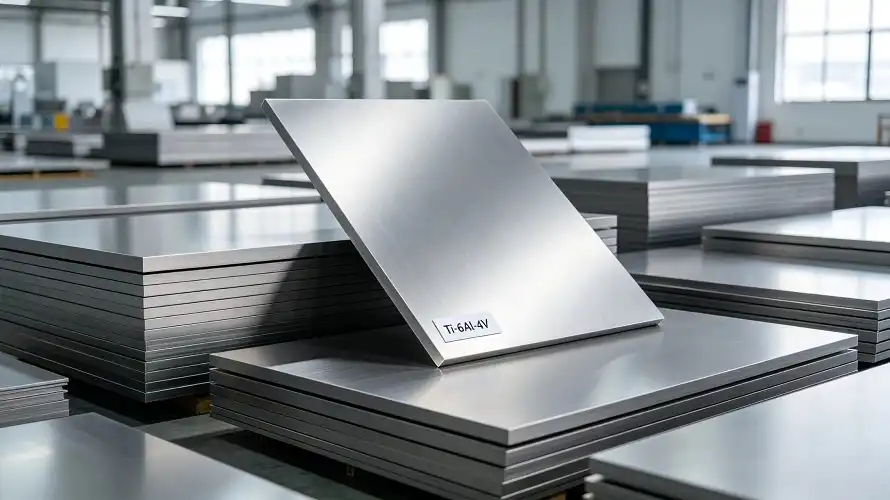
Selecting the right titanium alloy plate for aerospace projects involves balancing mechanical performance, regulatory compliance, and supply chain reliability. The 6Al4V Titanium Plate stands out as the industry standard for its exceptional strength-to-weight ratio, corrosion resistance, and proven durability under extreme operating conditions. This alloy, composed of 6% aluminum and 4% vanadium, meets stringent aerospace requirements while delivering cost-effective performance across structural components, landing gear assemblies, and engine housings.
Understanding 6Al4V Titanium Plate and Its Aerospace Relevance
The aircraft industry needs materials that can resist high and low temperatures, repeated stress cycles, and corrosive conditions while still being light. 6Al4V Titanium Plate combines the natural benefits of titanium with smart alloying elements. Aluminum makes the alloy stronger and denser, and vanadium stabilizes the beta phase, which makes it easier to work with and respond better to heat treatment.

Physical Properties That Define Aerospace Performance
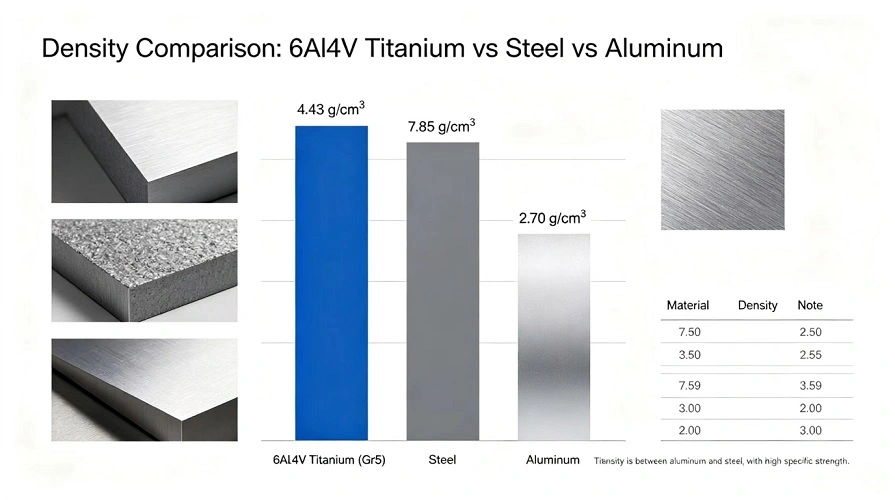
This metal has a density of about 4.43 g/cm³, which is almost half that of steel. This means that a lot of weight can be saved without affecting the strength of the structure. 6Al4V Titanium Plate has a melting point between 1604°C and 1660°C, which makes it stable at high temperatures during manufacturing processes and in service. In aircraft applications, these physical traits directly lead to better fuel efficiency and payload capacity.
Mechanical Strength Specifications
As per ASTM B265 standards, annealed plates have a yield strength of 828 MPa (130 ksi) and an ultimate tensile strength of about 895 MPa (130 ksi). The extension usually goes up to 10%, which is the right amount of power and flexibility for shaping. These mechanical properties stay the same at service temperatures up to 400°C. This means that 6Al4V Titanium Plate can be used in parts of engines and exhaust systems that are constantly changing temperatures.
Corrosion Resistance in Harsh Environments
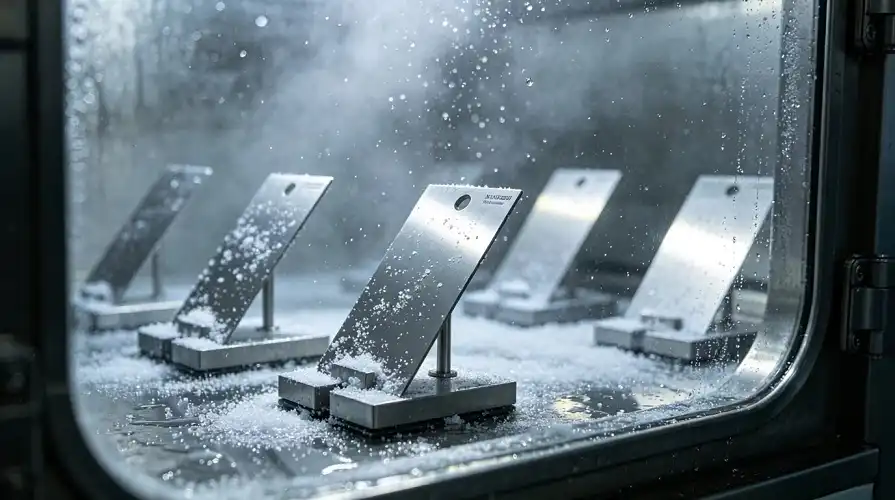
When exposed to air, 6Al4V Titanium Plate forms a continuous, passive oxide layer that protects it from being harmed by saltwater spray, hydraulic fluids, and jet fuel. This natural protection means that protective coatings aren't needed in many situations. This cuts down on maintenance times and costs over the product's lifetime. This natural resistance to corrosion is especially helpful for aircraft that work in coastal settings.
Key Technical Criteria for Selecting 6Al4V Titanium Plates in Aerospace
Aside from basic mechanical properties, procurement decisions also include things like the purity of the material, the consistency of the manufacturing process, and the ability to track certifications. Aerospace standards put strict limits on microstructure features and interstitial elements that affect how reliable 6Al4V Titanium Plate is in the long term.
Material Grade Considerations
The standard Grade 5 material works well for most structural uses. The extra-low interstitial (ELI) version lowers the amount of oxygen, nitrogen, and iron in the material to make it stronger against cracks and wear. ELI grades are necessary for cold fuel tanks and parts that are very likely to break, because the service life depends on how well they can handle flaws in 6Al4V Titanium Plate. Knowing which grade goes with which stress analysis results keeps you from over-specifying and makes sure you have safety margins.
Compliance with Aerospace Standards
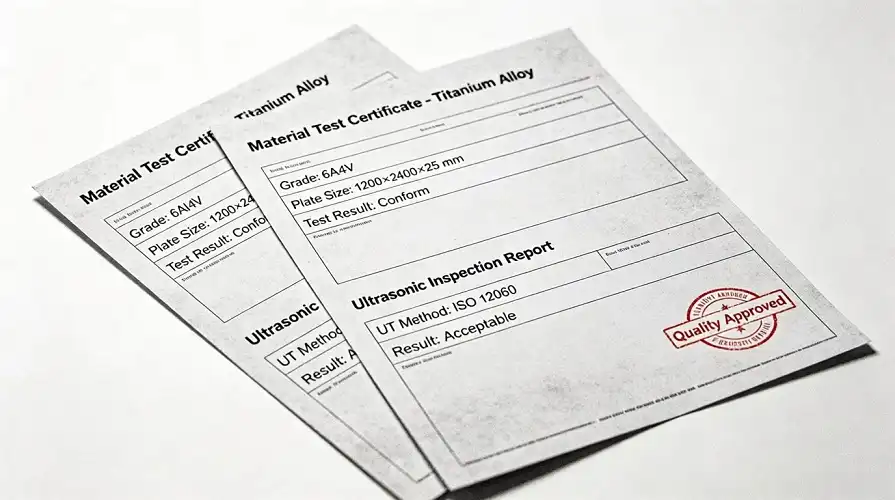
For 6Al4V Titanium Plates used in industry, the material must meet ASTM B265, AMS 4911 standards for materials used in aerospace, and ASME SB265 standards for use in pressure vessels. These standards say what the limits are for chemical composition, mechanical properties, and how to test things. Certification paperwork lets you track a part from the mill where it was made all the way to the finished product. This meets quality assurance standards during checks and component qualification testing.
Manufacturing Process Impact on Quality
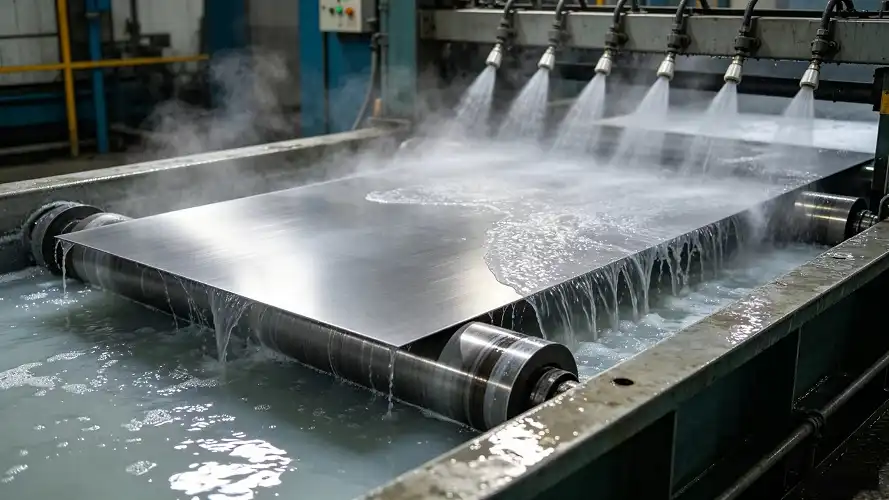
Controlled rolling, heating, leveling, pickling, and surface finishing steps are used on hot-rolled plates to determine their final microstructure and mechanical properties. The annealed state makes 6Al4V Titanium Plate easier to shape for further cutting and shaping processes while still meeting strength requirements. Different types of surface treatments, like polished, machined, and acid-pickled finishes, meet the needs of different applications, ranging from making surfaces more efficient to improving bonding. Quality sellers keep process controls in place that make sure the features of plates are the same across production lots. This lowers the amount of variation that happens when parts are being made.
Dimensional Specifications and Tolerances
Different structural needs can be met by thicknesses ranging from 4mm to 80mm. Widths between 950mm and 2,500mm and lengths up to 10,000mm are also available to keep material waste to a minimum during cutting. When there are a lot of orders or specific needs, custom sizes can be negotiated for 6Al4V Titanium Plate. Tight dimensional standards cut down on cutting time and scrap rates, which have a direct effect on the cost of making the component.
Comparing 6Al4V Titanium Plates with Alternative Materials and Variants
Material selection involves weighing different alloys against specific performance needs, the ability to manufacture them, and the available budget. Knowing the various benefits helps you make the best choices for 6Al4V Titanium Plate applications.
Performance Against Stainless Steel
The cost of materials for stainless steel alloys is lower, but they are not as strong for their weight and are more likely to crack from stress corrosion in chloride environments. Structures made of 6Al4V Titanium Plate weigh 40–50% less than similar steel designs. This means that aircraft with 6Al4V Titanium Plate can go farther, carry more, or use less fuel. Because it doesn't rust, steel parts don't need protective coatings that make them heavier and more difficult to maintain.
Comparison with Other Titanium Grades
Pure titanium grades (Gr1, Gr2, Gr4) are better at resisting corrosion than other grades, but they aren't strong enough for main structural uses. Alpha-beta alloys, such as Ti-5Al-2.5V, can be shaped more easily but aren't as strong, so they're good for secondary structures and fairings. Palladium is added to Grade 7 and Grade 12 versions to make them more resistant to chemicals. These versions are aimed at specialized chemical processing rather than aerospace uses. Grade 9 (Ti-3Al-2.5V) is a cheaper option for parts that aren't loaded very heavily, but it can't match the fatigue performance needed for rotating machinery and landing gear.
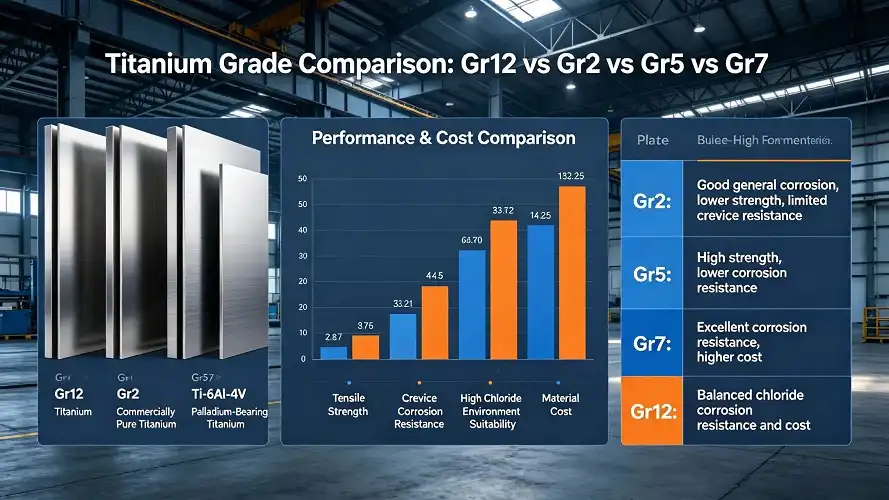
Knowing the differences between these grades helps buying teams choose 6Al4V Titanium Plate without having to pay more or give up performance. 6Al4V Titanium Plate is the most popular material in aircraft because it has well-balanced qualities and a long history of being used in both airframes and engines.
Optimizing Procurement: How to Source Certified & Cost-Effective 6Al4V Titanium Plates
Strategic approaches to procurement lower the total cost of acquisition while ensuring that 6Al4V Titanium Plates are delivered on time and meet requirements. For aerospace projects, the procurement process takes a long time, so it's important to carefully evaluate suppliers and set up contracts.
Defining Project Specifications
Procurement works best when everyone knows the exact measurements, quantities, shipping times, and certification standards for 6Al4V Titanium Plate. Specifications should list the relevant standards (ASTM B265, AMS 4911) and list the mill test reports, material certifications, and traceability documentation that are needed. To avoid expensive rework or rejection, it's important to be clear about the heat treatment standards, surface finish specs, and inspection processes.
Evaluating Supplier Capabilities
Suppliers who are qualified keep their ISO certification, approvals from the aerospace industry, and documented quality management systems up to date. How quickly you can meet pressing needs for 6Al4V Titanium Plate or make changes to specifications depends on your production capacity, the number of items in stock, and your custom manufacturing services. When suppliers keep a lot of stock on hand, like 3,000 tons or more of different grades of titanium, they can meet instant needs without having to wait for long mill lead times. This keeps project plans from getting pushed back because of problems in the supply chain.
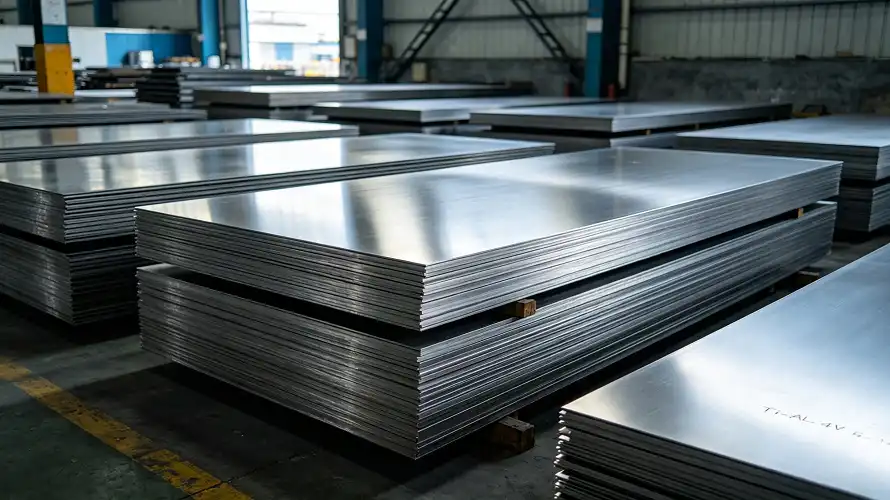
Suppliers in the Baoji region benefit from being close to sources of raw materials and having specialized processing knowledge of 6Al4V Titanium Plate that has been built up over many years. Companies that have been in business for 20 years or more and have been recognized as national high-tech enterprises show that they have the technological know-how and financial stability to support long-term partnerships.
Cost Optimization Strategies
Bulk ordering takes advantage of volume discounts and keeps inventory of 6Al4V Titanium Plate on hand for future needs. This works especially well for standard plate sizes that are used in many projects. Forecasting together with providers lets you plan production, which lowers the costs of paying extra for faster production. Setting up frame agreements with approved sellers makes it easier to place individual buy orders and locks in good prices for the length of the contract.
Logistics and Delivery Considerations
When you buy 6Al4V Titanium Plate from another country, you have to coordinate the export paperwork, shipping methods, and customs clearance procedures. Suppliers with established global distribution networks and export experience lower the risks of freight damage and delivery delays. Specifications for packaging must protect plate surfaces during transport, especially for finished surfaces that don't need any other work before they can be installed.
Trusted 6Al4V Titanium Plate Suppliers & Brands in Global Aerospace Markets
Choosing the right supplier for a 6Al4V Titanium Plate project is very important for the quality of the materials, the speed of delivery, and the technical support. You can be sure that the materials will be consistent and that the regulations will be followed if you buy from a well-known aircraft maker.
Evaluating Supplier Qualifications
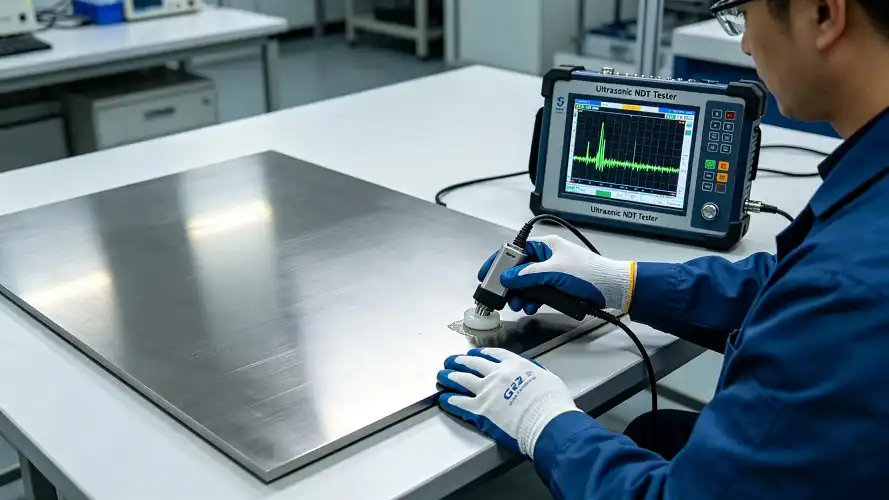
Leading suppliers show that they have aerospace certifications, complete quality control systems for 6Al4V Titanium Plate that include ultrasonic testing that meets AMS 2631 standards, and full chemical composition analyzes that show the content of interstitial elements. Non-destructive testing can find holes or inclusions below the surface that could cause stress cracks to form over time. A microstructure analysis makes sure that the alpha and beta phases are distributed correctly and that there are no alpha case flaws that would weaken the mechanical properties.
Technical Support and Customization Services
Suppliers who offer engineering consultation can help with choosing 6Al4V Titanium Plate, improving heat treatment, and suggesting manufacturing processes. Custom cutting, precision machining, and surface finishing services make buying things easier by sending parts that are almost perfectly round and ready to be put together. This unified method cuts down on supply chains and makes quality control easier.
Companies that have lots of utility model patents and multiple invention patents for 6Al4V Titanium Plate can bring new ideas to tough problems. Through partnerships with colleges and research centers, companies can get access to new alloy creation and processing technologies that meet the changing needs of the aircraft industry.
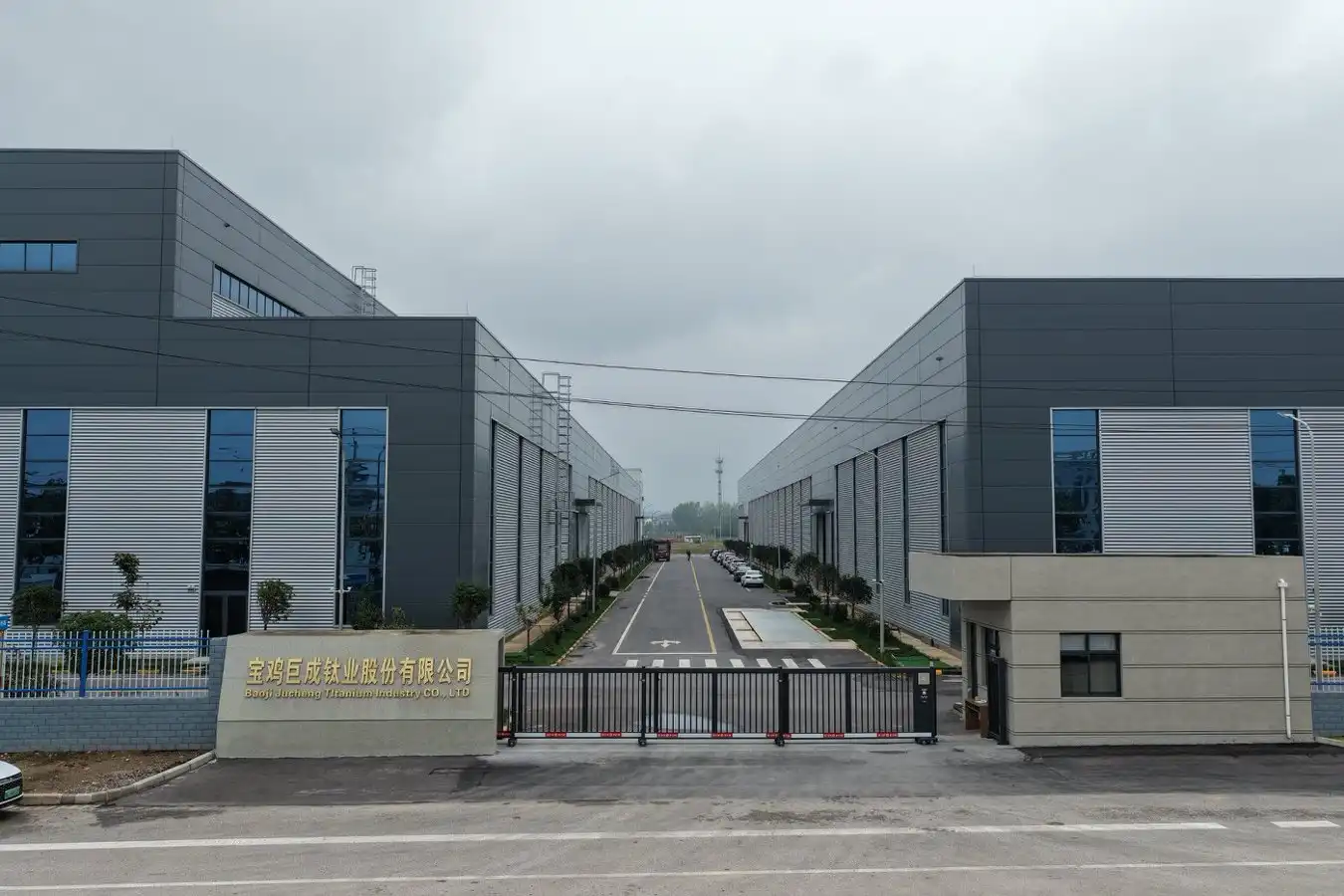
Baoji Jucheng Titanium Industry's Capabilities
Jucheng Titanium is in China's Titanium Valley and has more than twenty years of experience making 6Al4V Titanium Plate materials, preparing them, and making tools out of them. The company keeps more than 3,000 tons of different grades (Gr1, Gr2, Gr4, Gr5, Gr7, Gr9, Gr12) in stock, which lets them quickly meet urgent aircraft needs. The annual production capacity can handle both regular plate orders and projects that require special fabrication.
Being listed on the National Equities Exchange and being recognized as a national-level specialized enterprise are both signs of operational excellence and financial stability. Customers trust the company because it has a 70% market share in hydrometallurgy titanium anodes and a 90% market share in the coking sector titanium equipment. Installing 6Al4V Titanium Plate successfully at large factories shows that the quality of the products and the technical skills can be used in difficult aircraft applications.
Conclusion
To choose the best 6Al4V Titanium Plate for aerospace uses, you need to carefully look at the properties of the materials, the qualifications of the suppliers, and the ways you plan to buy them. 6Al4V Titanium Plate is the best choice for structural parts, engine parts, and landing gear assemblies because it has a long history of good performance and a balanced set of properties. A successful procurement depends on having clear specifications, carefully evaluating suppliers, and building strategic partnerships with manufacturers who can show they have the technical skills, quality management systems, and reliable delivery performance. Aerospace companies benefit when their suppliers keep a large inventory, offer custom manufacturing services, and provide quick technical support. These things cut down on project timelines while still making sure that regulations are followed and 6Al4V Titanium Plate can be tracked.
Frequently Asked Questions About 6Al4V Titanium Plates in Aerospace
1. What advantages make this alloy preferable to alternatives?
The unique mix of high strength (895 MPa tensile), low density (4.43 g/cm³), good wear resistance, and better corrosion resistance makes 6Al4V Titanium Plate unbeatable. When compared to steel or aluminum alloys, these properties make the airframe lighter, parts last longer, and require less maintenance.
2. How does heat treatment affect mechanical properties?
Solution treatment followed by aging (STA) raises the tensile strength of 6Al4V Titanium Plate above 1,000 MPa while keeping the ductility at a good level. Controlled cooling rates after heat treatment determine the microstructure properties. Lamellar structures improve creep resistance for high-temperature service, while equiaxed structures improve fracture toughness for designs that can handle damage.
3. Can suppliers provide custom dimensions and certifications?
Reliable makers provide custom cutting of 6Al4V Titanium Plate to exact project sizes, surface finishing based on drawing requirements, and full material certifications that include mill test reports, chemical analyzes, and proof of mechanical properties. This ability to customize cuts down on the number of steps needed to make something and speeds up the production plan for parts.
Partner with Jucheng Titanium for Certified 6Al4V Titanium Plate Supply
Aerospace procurement teams looking for a trusted 6Al4V Titanium Plate source can benefit from Jucheng Titanium's wide range of services, which include supplying materials, making unique products, and giving expert advice. With more than 20 years of experience in the titanium industry, national recognition as a high-tech business, and a large inventory of more than 3,000 tons, we can guarantee instant supply and consistent quality. We offer hot-rolled 6Al4V Titanium Plate that meets the standards of ASTM B265, AMS 4911, and ASME SB265 and comes in thicknesses ranging from 4 mm to 80 mm. The sizes can be changed to fit the needs of any project. We put our annealed plates through a lot of steps to make sure they are flat, smooth, pickled, and finished on the outside. Depending on your needs, 6Al4V Titanium Plate can come with polished, machined, or acid-pickled sides. Email our team at s4@juchengti.com to talk about the aerospace materials you need and to get reasonable quotes and full technical specs for your upcoming projects.
References
1. Boyer, R., Welsch, G., & Collings, E.W. (1994). Materials Properties Handbook: Titanium Alloys. ASM International, Materials Park, Ohio.
2. Lütjering, G., & Williams, J.C. (2007). Titanium: Engineering Materials and Processes (Second Edition). Springer-Verlag, Berlin Heidelberg.
3. Donachie, M.J. (2000). Titanium: A Technical Guide (Second Edition). ASM International, Materials Park, Ohio.
4. Peters, M., & Leyens, C. (2003). Titanium and Titanium Alloys: Fundamentals and Applications. Wiley-VCH Verlag GmbH, Weinheim, Germany.
5. American Society for Testing and Materials. (2021). ASTM B265-20a: Standard Specification for Titanium and Titanium Alloy Strip, Sheet, and Plate. ASTM International, West Conshohocken, Pennsylvania.
6. SAE International. (2019). AMS 4911: Titanium Alloy, Sheet, Strip, and Plate 6Al-4V Annealed. SAE Aerospace Material Specification, Warrendale, Pennsylvania.