
Selecting the Ideal Grade 5 Titanium Plates for Your Project
You must consider its specific qualities, demanding approval standards, and provider reliability to select the finest grade 5 titanium plate for challenging projects. This corrosion-resistant Ti-6Al-4V metal has a high strength-to-weight ratio. This makes it ideal for aerospace, chemical, medical device, and other sectors. To buy effectively, make sure the thickness, surface finish, and heat treatment condition of the materials fit your project's mechanical loads, environmental exposure, and regulatory restrictions. Work with recognized vendors to ensure consistent, trackable quality.
Understanding Grade 5 Titanium Plate: Specifications and Properties
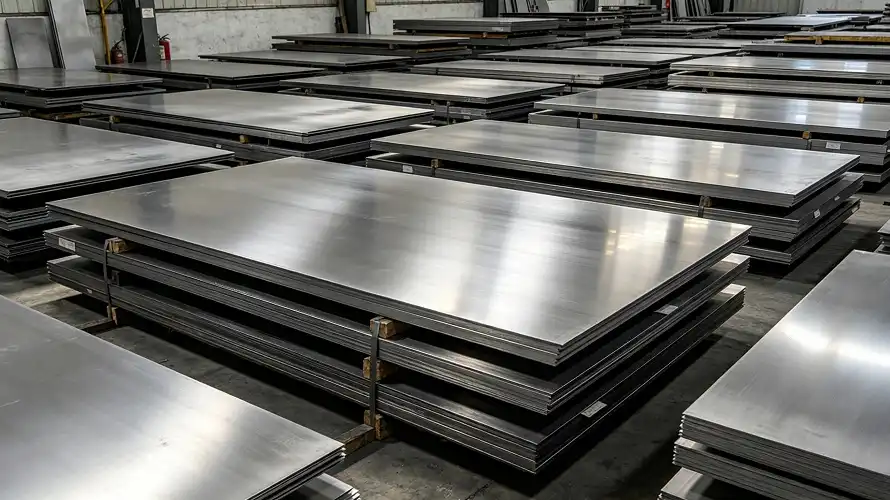
Grade 5 titanium (Ti-6Al-4V) accounts for almost half of all titanium use worldwide. The alloy has 6% aluminum and 4% vanadium. This creates an alpha-beta microstructure with high formability and mechanical performance. This chemical yields annealed tensile strengths between 895 MPa and 930 MPa, which are greater than commercially pure titanium grades but yet flexible.

Mechanical Performance and Heat Treatment Capabilities
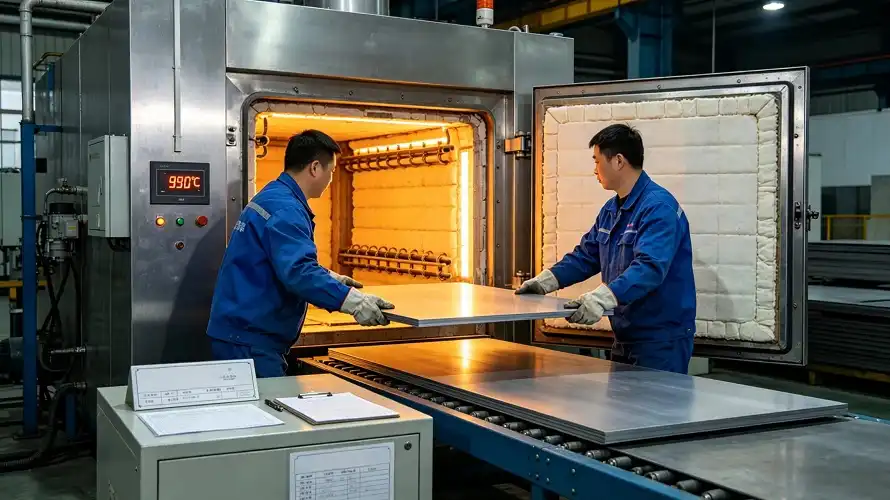
The mechanical design of Ti-6Al-4V plates makes them superior to lower-grade choices. Typical yield strength is 828 MPa, and elongation is 10–15%. The material is flexible enough for modest bend radii cold forming. Some thermal treatments improve these properties. For structures that need to be as robust as feasible, solution treatment and aging can improve tensile strength over 1100 MPa.
This metal operates at 400°C, making it suitable for hot-section airplane components and high-temperature chemical processing equipment. The material doesn't shrink or lose its mechanical structure as temperature changes, which might damage its stability at high temperatures.
Chemical Composition and Corrosion Resistance
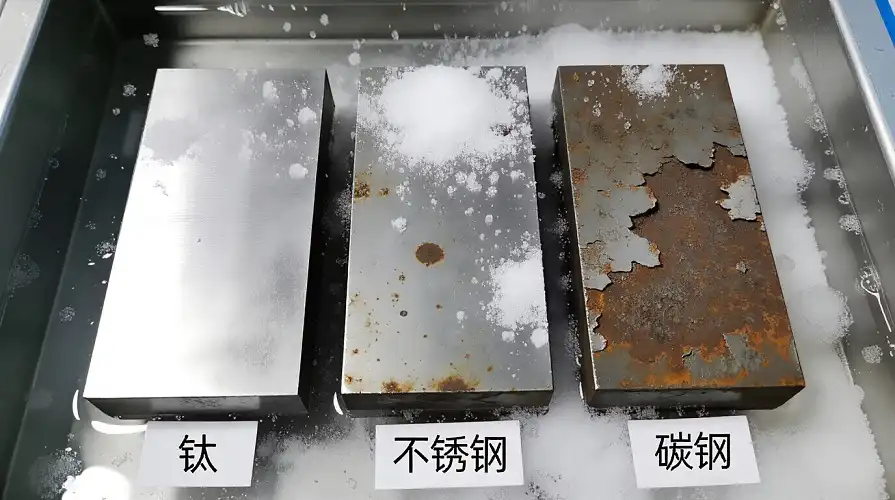
The metal is mechanically robust and resistant to oxidizing acids, chloride solutions, and marine environments. Aluminum stabilizes titanium's natural oxide layer. Vanadium strengthens metal without reducing corrosion resistance. This combination is useful in chemical labs with nitric acid or hypochlorite solutions because stainless steel breaks down fast.
The material doesn't display stress corrosion cracking in chloride conditions, where austenitic stainless steels fail in saltwater or brine. This makes grade 5 titanium plates essential for purification equipment and offshore platform portions exposed to salt spray and water absorption.
Grade 5 Titanium Plate vs. Alternatives: Making the Right Comparison
Before picking a material, consider its performance, cost, and difficulty to create. Ti-6Al-4V costs more than stainless steel or aluminum, but it lasts longer and requires less maintenance, lowering lifetime expenses.
Comparison with Other Titanium Grades
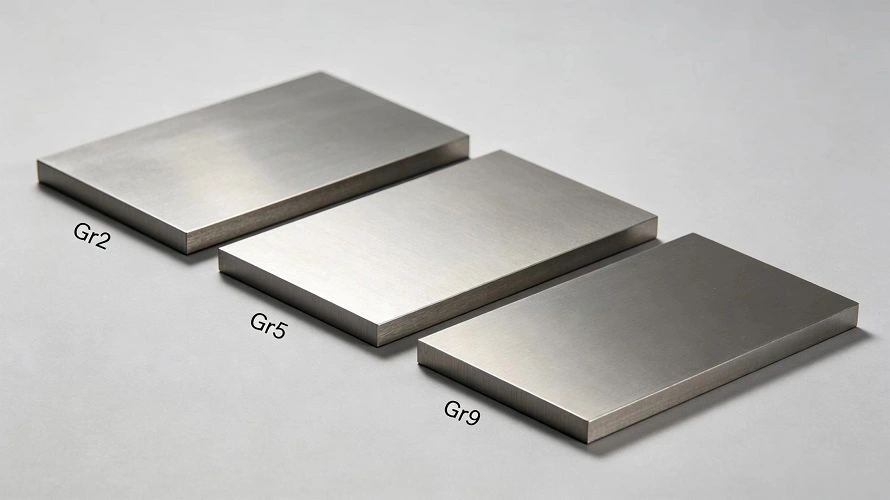
Grade 2 economically pure titanium is cheaper and more flexible than Grade 5, but its yield strength is only 345 MPa, less than half that of Grade 5. When structural loads are high, Ti-6Al-4V is warranted. Palladium makes Grade 7 more resistant to reducing acids, but it lacks mechanical strength for weight-bearing sections.
Grade 9 (Ti-3Al-2.5V) is medium. It costs 70% less than Grade 5 and is stronger than Grade 2. Because it has less aluminum than 6-4 metal, it can't be welded or endure high temperatures. The hierarchy is clear: Grade 2 is optimal for acidic formation, Grade 9 for tubing and moderate-strength usage, and Grade 5 titanium plate for structural performance that can't be compromised.
Metallic Alternatives and Performance Context
Compare titanium to other metals to observe their differences. Aluminum alloys are 40% lighter than steel but one-third as strong and corrode fast in acidic or marine settings. In many instances, stainless steel 316L resists corrosion, although it is roughly twice as heavy as titanium and breaks down badly in hot chloride solutions.
Nickel-based superalloys like Inconel 625 perform well in hostile chemical conditions and high temperatures, but cost three to four times more and weigh more. Grade 5 titanium is suitable for tasks that demand strength, corrosion resistance, and weight reduction without spending a lot on exotic nickel alloys.
Procurement Essentials: How to Buy Grade 5 Titanium Plates
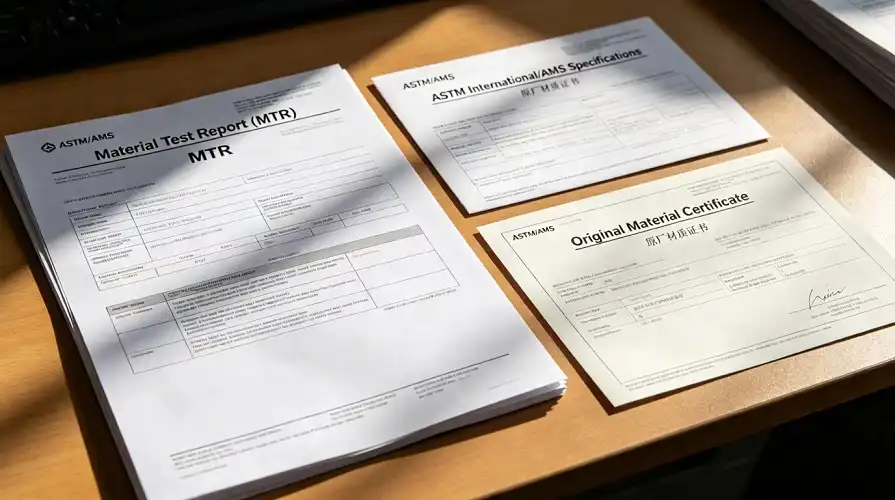
Effective buying begins with selecting materials that satisfy international standards. ASTM B265 governs grade 5 titanium plate items in North America, including their composition, manufacturing, and measurement accuracy. AMS 4911 includes aircraft-specific criteria, such as increased chemical controls and inspections. European purchasers utilize ASME SB265, which satisfies ASTM and pressure tank code requirements.
Certification Requirements and Traceability
MTRs are required for plate exports. Chemical analysis, mechanical test findings, and heat treatment records may be traced to the melt batch. Mill certifications that meet AMS criteria are needed for aeronautical tracking. This includes AMS 2631 ultrasonic testing for internal discontinuities.
Outsourced groups like Nadcap verify provider quality for critical usage. Procurement managers should ensure vendors' certifications are current and apply statistical process controls to preserve batch consistency. A failure of this type might be devastating, hence this is essential.
Inventory Availability and Lead Time Management
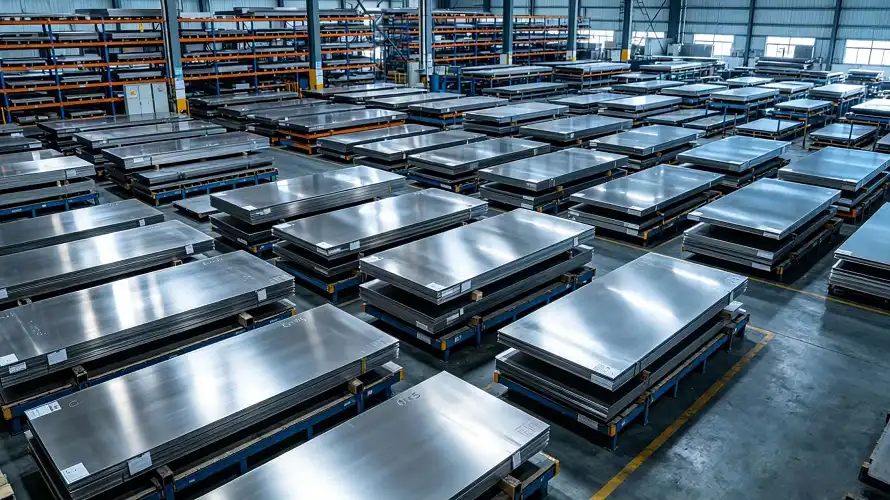
Global supply lines for specialist titanium products might delay mill-direct orders by 8–16 weeks. Strategic sellers use wholesalers with lots of stock to prevent project delays. Suppliers with more than 3,000 tons of titanium in various grades and sizes may satisfy urgent demands without pausing production.
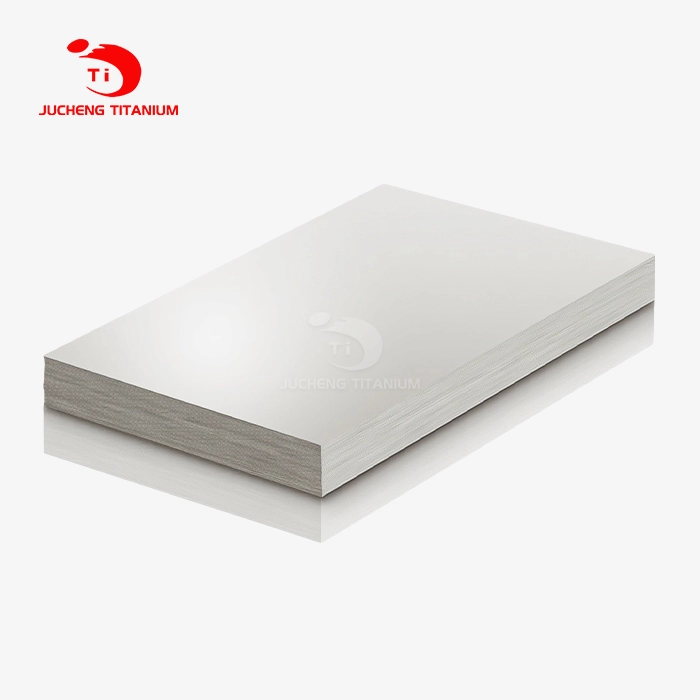
Plate sizes typically range from 4 to 80 mm thick, 950 to 2500 mm wide, and up to 10 meters long. Custom size enables purchasers to order measures that match component end geometry, saving waste, labor, and money on cutting and trash.
Selecting Grade 5 Titanium Plates: Criteria and Best Practices
Engineers must consider the seller's capabilities and price while selecting supplies. First, determine working parameters including maximum stress, largest temperature ranges, corrosive media exposure, and fatigue life. These determine the minimal surface and mechanical properties.
Thickness and Surface Finish Specifications
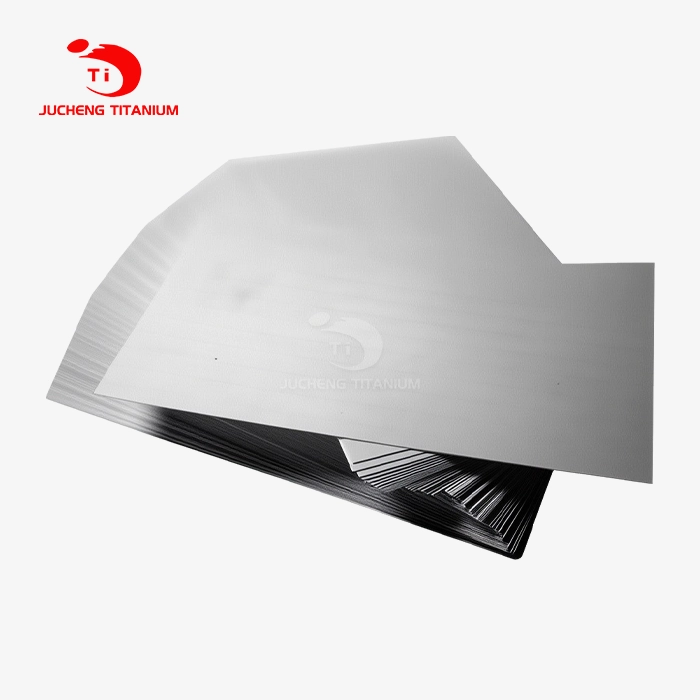
Plate thickness balances construction demands with weight and cost reduction. Aircraft skin panels and ducting employ thinner gauges (4–12 mm), whereas heavy machinery parts and pressure tank shells use heavier gauges (40–80 mm). Softened hot-rolled material is the most cost-effective and easiest to form for most industrial purposes.
Surface treatments affect function and appearance. Acid-pickled surfaces are smooth and matte, perfect for welding and chemical exposure, without the hot-rolled metal layer. Machined surfaces provide precise measurement limitations for pieces that fit together, whereas polished finishes satisfy consumer goods aesthetics or fluid-handling surface roughness for the grade 5 titanium plate.

Supplier Evaluation and Quality Assurance
You must go beyond material availability to locate dependable providers. Find companies that provide bespoke machining, waterjet cutting, and manufacturing. Thus, you'll avoid several suppliers. Titanium companies with 20 years or more of experience may advise on materials and processing.
Technical support distinguishes exceptional sellers from commodity merchants. Metallurgical professionals increase heat treatment, production, and welding safety. Partnerships with research institutes demonstrate a commitment to improving and innovating titanium processing technologies.
Quality control requires in-house chemical, mechanical, and non-destructive testing facilities. Audits of supplier facilities ensure written processes are followed and that measurement instruments are calibrated. This offers clients confidence that the material is suitable.
Case Studies and Practical Insights: Real-World Applications of Grade 5 Titanium Plates
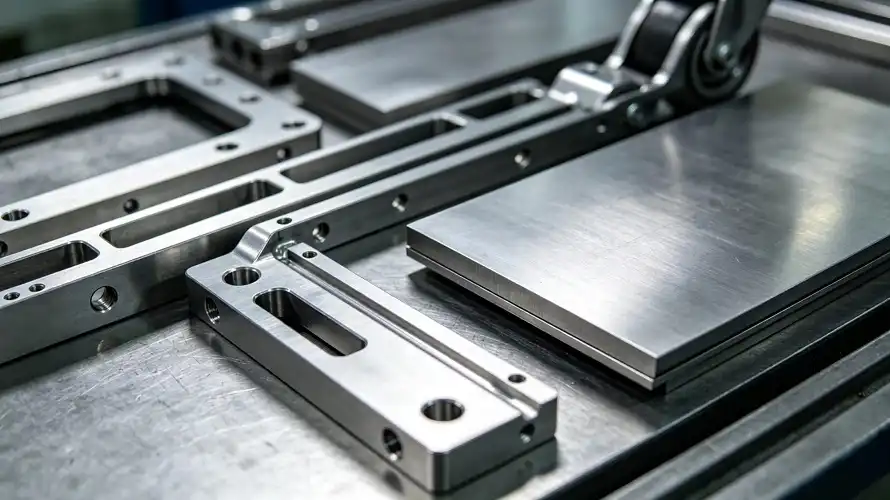
Case studies demonstrate that selecting the correct materials and working with the right vendors are crucial to project success in many disciplines. Aerospace manufacturers create bulkheads and landing gear using grade 5 titanium plates. These plates reduce weight, improving fuel efficiency and loading capacity. Materials approved to the AMS 4911 criteria are tracked throughout the supply chain and satisfy rigorous FAA restrictions.
Chemical Processing Equipment Applications
A large petrochemical factory converted from nickel alloys to Grade 5 titanium condenser tube sheets. This reduced the weight by 30% and prevented high-chloride process stream corrosion. Titanium may extend equipment life from 8 to 25 years or more, lowering lifetime expenses despite a larger initial material expenditure, as seen at Luoyang Petrochemical.
In coking processes, high temperatures, sulfur compounds, and thermal cycles create severe conditions. Due to its reliability, hot-rolled tempered plate titanium equipment holds over 90% of the market. Custom-built heat exchangers and reactors produced from 25–50 mm plates can withstand these harsh circumstances and retain their form after numerous heating and cooling cycles.
Performance Validation and Procurement Strategy
Marine usage demonstrates titanium's corrosion resistance. Grade 5 plate offshore platform parts may withstand decades of salt spray without coatings. Costs like painting and rust inspection are reduced. Microbes tear down metal faster in seawater cooling systems; the material's resistance to rust is useful.
Successful procurement plans prioritize long-term supplier relationships over one-time purchases. Relationships with producers that offer vast material inventories, bespoke processing, and professional assistance reduce project risks and speed up urgent response times. Large stocks—3,000 tons or more—indicate financial stability and customer service, preventing supply issues.
Conclusion
You must balance technical requirements, seller abilities, and project expenses to find the best grade 5 titanium plate. It's robust for its weight, rust-proof, and stable at high and low temperatures. These qualities make it vital for high-performance aircraft, chemical processing, and manufacturing. Certification, seller qualification, and material tracking are crucial to a seamless purchase. Working with experienced manufacturers with a big inventory, specialized processing, and technical expertise may reduce supply chain risks and ensure products operate well in a variety of demanding applications and operating situations.
FAQ
Q1: What distinguishes Grade 5 from other titanium plate specifications?
Although 2.5 times stronger than pure Grade 2 titanium, Grade 5 titanium plate (Ti-6Al-4V) may be easily molded. The alpha-beta matrix of 6% aluminum and 4% vanadium achieves Grade 895+ MPa tensile strength compared to 345 MPa for Grade 2. Grade 5 is needed for structural usage requiring high strength-to-weight ratios. However, Grade 2 is best for non-load-bearing items that need the maximum rust resistance.
Q2: How does heat treatment affect Ti-6Al-4V performance?
Annealed Grade 5 plate has a tensile strength of 895–930 MPa and can stretch 10–15%. Solution treatment at 955°C and aging at 540°C can increase strength to 1100 MPa and decrease flexibility to 8–10%. Heat treatment depends on the application. Annealed material is simpler to shape for manufacture, while aged material is stronger for high-stress portions that require full shaping.
Q3: Where can I source certified material for aerospace projects?
AMS 4911 specifications for aerospace-grade Ti-6Al-4V require tighter chemistry, ultrasonic testing, and comprehensive melt monitoring. Qualified vendors deliver Material Test Reports that satisfy aeronautical requirements and maintain Nadcap certification. This ensures regulators and prime contractors accept supplies.
Partner with a Trusted Grade 5 Titanium Plate Supplier
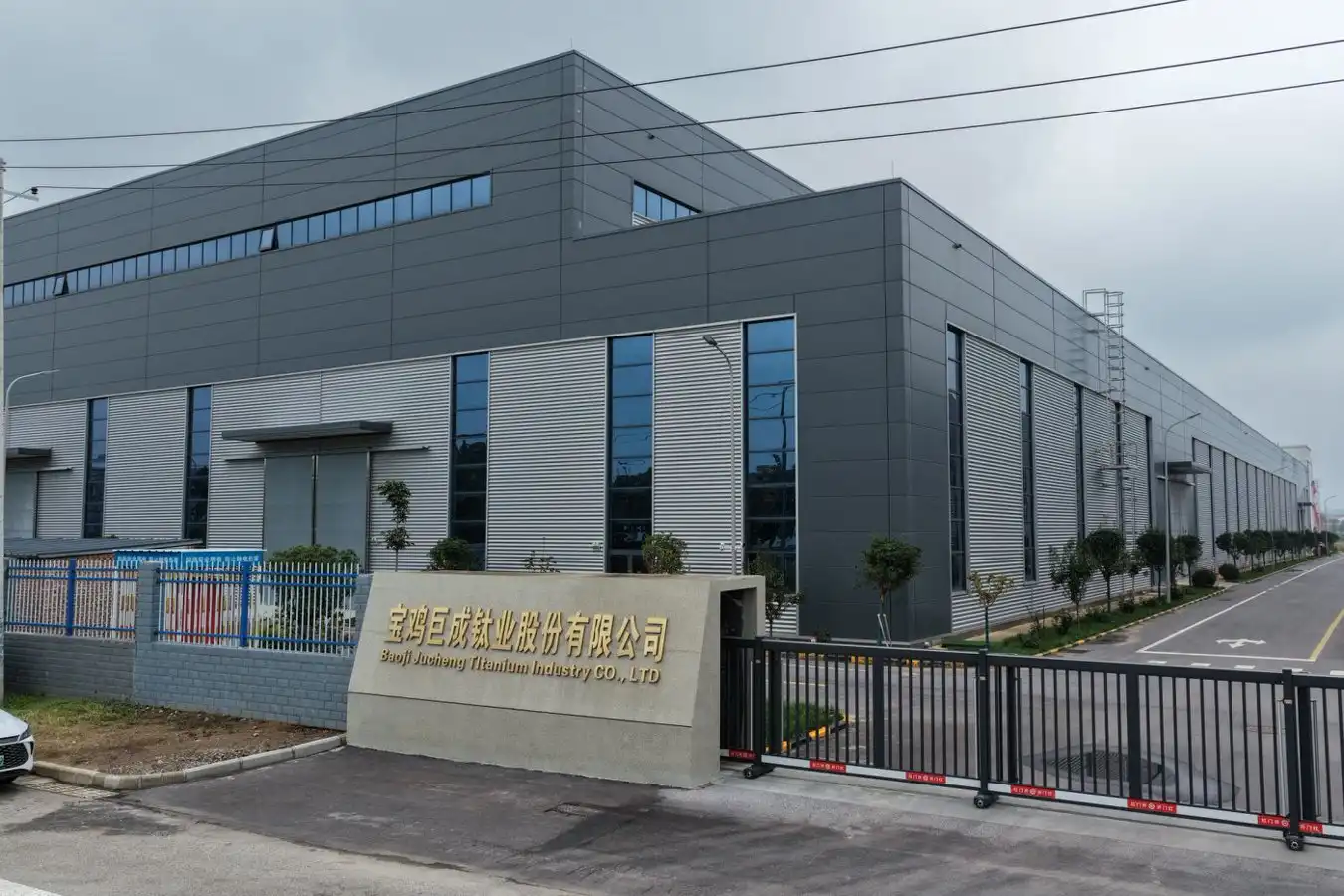
Over 20 years, Jucheng Titanium has manufactured grade 5 titanium plates for the aerospace, chemical processing, and industrial equipment industries worldwide. Our 120,000-square-meter center in Baoji, China's Titanium Valley, has over 3,000 tons of certified inventory in all main grades to address urgent project demands. We are a National High-Tech Enterprise with 45 innovative processing patents. Special machining, production, and quality control are our strengths.
Our experts assist you in choosing resources and ensure a smooth final review. They verify that your specs fulfill application requirements and legislation. Our hot-rolled, annealed material fulfills ASTM B265, AMS 4911, and ASME SB265 requirements and can be monitored for standard plate sizes or custom cuts. Talk to our buying specialists at s4@juchengti.com about your project and obtain competitive prices with assured quality and on-time delivery worldwide. Let us demonstrate why top-flight parts, chemical, and tool manufacturers use Jucheng Titanium for mission-critical titanium materials.
References
1. Boyer, R., Welsch, G., and Collings, E.W. (1994). Materials Properties Handbook: Titanium Alloys. ASM International.
2. Donachie, M.J. (2000). Titanium: A Technical Guide, 2nd Edition. ASM International.
3. Lutjering, G. and Williams, J.C. (2007). Titanium: Engineering Materials and Processes. Springer-Verlag.
4. ASTM International (2022). ASTM B265-22: Standard Specification for Titanium and Titanium Alloy Strip, Sheet, and Plate.
5. SAE International (2021). AMS 4911P: Titanium Alloy, Sheet, Strip, and Plate 6Al-4V, Annealed.
6. Peters, M., Kumpfert, J., Ward, C.H., and Leyens, C. (2003). "Titanium Alloys for Aerospace Applications." Advanced Engineering Materials, Vol. 5, No. 6.