
Why Use a CP Titanium Rod for Scoliosis?
Materials for scoliosis repair must be strong, biocompatible, and durable. A CP titanium rod made from commercially pure titanium achieves these important requirements with its corrosion resistance, tissue compatibility, and mechanical stability. Commercially pure titanium is reliable for spinal implants because it reduces inflammation and resists body fluid deterioration. Surgeons and procurement teams can choose the best strength grades for patient anatomies and surgical techniques from grades 1–4.
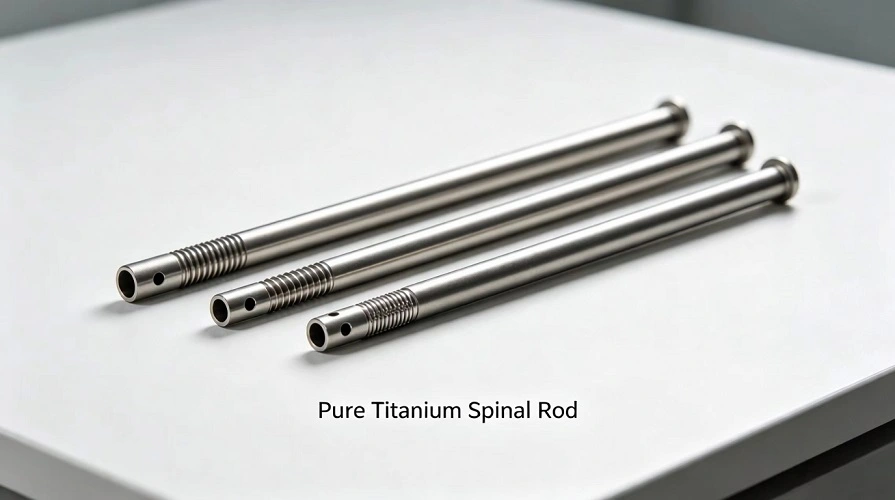
Understanding CP Titanium Rods in Medical Applications
Commercially pure titanium rods differ from alloyed titanium goods due to their simpler composition. CP titanium rod units are elemental titanium with little interstitial elements, unlike Ti-6Al-4V (Grade 5), which contains aluminum and vanadium for strength. This purity ensures biocompatibility, which is crucial for decades-long implantation.
Material Properties That Matter for Spinal Implants
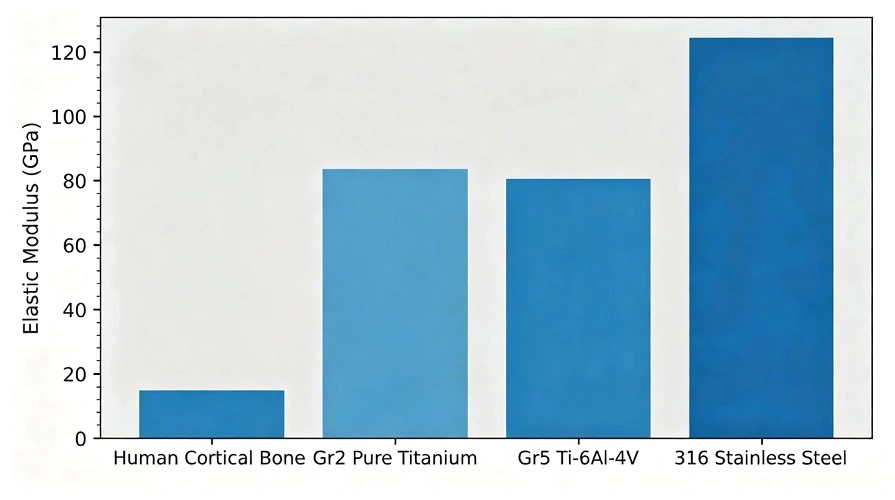
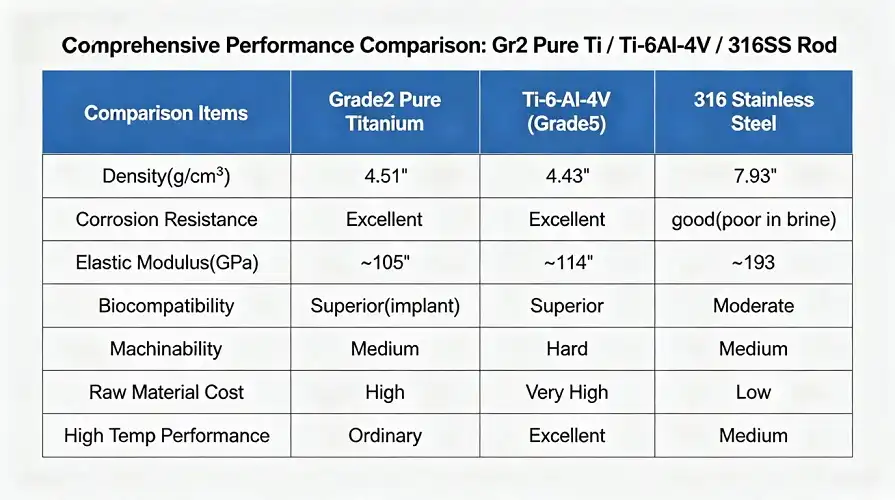
The spine is constantly moving, loaded, and exposed to saline-rich fluids. CP titanium naturally generates a stable TiO₂ surface layer, avoiding corrosion without coatings. This passive oxide coating regenerates instantaneously if damaged during surgery, preserving implant integrity for life. The material's elastic modulus—105 GPa—is closer to human bone (10-30 GPa) than stainless steel (200 GPa), minimizing stress shielding that can damage vertebrae.
Grade Distinctions in Commercially Pure Titanium
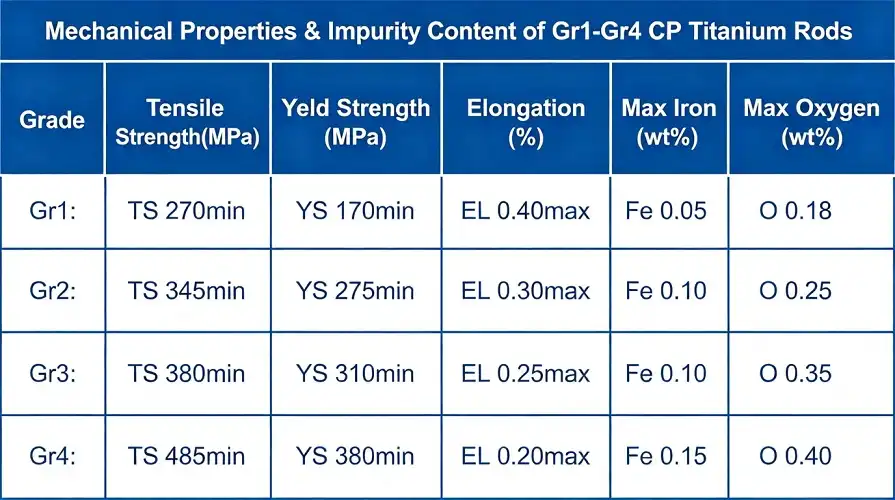
Four main CP classes are identified by oxygen and iron concentration for procurement professionals:
- Grade 1 has the fewest interstitial elements, making it ductile and formable. For low-load surgical tools and temporary fixation devices, tensile strength is 240 MPa.
- Grade 2 is the most common commercial pure version. It mixes workability and mechanical performance with 345 MPa tensile strength, making it excellent for conventional scoliosis rods in moderately curved adolescents.
- Grade 3's slightly higher oxygen content boosts strength to 450 MPa. This grade is ideal for adult scoliosis cases that need more load tolerance without losing corrosion resistance.
- Grade 4 has the maximum CP tensile strength, 550 MPa. Surgeons use this specification for severe spinal abnormalities or revision procedures to reduce implant failure risk.
Each grade meets ASTM B348 and ASME SB348 criteria for traceability and mechanical consistency. ASTM F67 biocompatibility testing methods apply to medical-grade rods.
Why CP Titanium Rods Are Preferred for Scoliosis Correction?
Spinal fusion surgery includes screwing rods to vertebrae and straightening curvature over months as bone forms around the implant. Patient results, healing speed, and spinal health depend on material choice, which is why a CP titanium rod is often selected.
Biocompatibility Reduces Implant Rejection Risk
Protein absorption patterns on implant surfaces help the immune system identify foreign elements. The oxide layer of CP titanium attracts fibronectin and vitronectin proteins, which stimulate bone-forming osteoblasts to integrate. Studies show CP titanium osseointegration rates of 95%, compared to 78-85% for stainless steel. Medical device wholesalers supplying hospital networks save money on revision operations and healthcare expenditures by reducing rejection rates.
Mechanical Balance for Spinal Flexibility
A scoliosis rod must resist bending under body weight and enable spinal mobility. Overly stiff materials can cause vertebral fractures at screw-bone contacts. Lower stiffness of CP titanium equally distributes stress across attachment locations. A 10mm Grade 2 rod has 2800N bending strength, enough for 95kg adult patients, and enough flex for trunk rotation.
Fatigue Resistance Over Decades
Spinal implants are loaded millions of times by walking, bending, and performing everyday activities. The fatigue limitations of CP titanium are better than those of 316L stainless steel in saline conditions that simulate body fluids. Rapid aging experiments reveal that CP titanium rods retain 92% of their strength after 30 years of physiological stress, whereas stainless steel loses 15-20% owing to pitting corrosion.
These characteristics improve after heat treatment. Cold working causes internal stresses; annealing at 650-750°C optimizes grain structure for fatigue resistance. Baoji Jucheng Titanium Industry produces rods with consistent microstructures validated by metallographic examination using vacuum annealing to remove surface contamination.

Comparing CP Titanium Rods to Alternative Materials in Scoliosis Surgery
Medical device producers weigh clinical needs, regulatory compliance, and cost when choosing materials. Procurement teams use data to compare the CP titanium rod to other materials.
CP Titanium Versus Ti-6Al-4V Alloy
Grade 5 Ti-6Al-4V has 900 MPa tensile strength, roughly twice that of Grade 4 CP titanium. This strength has drawbacks. Due to its aluminum and vanadium composition, the alloy may leak ions into surrounding tissues over time. Research suggests vanadium ions may cause inflammatory reactions in susceptible persons, particularly youngsters with growing immune systems.
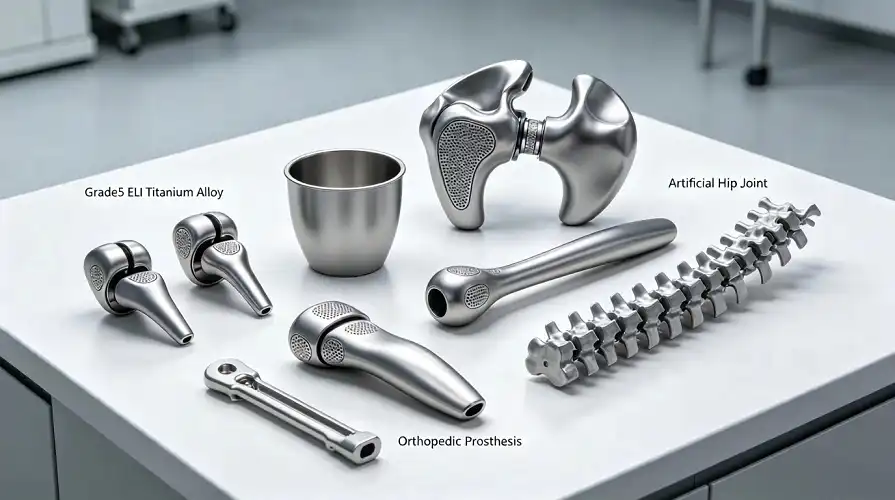
Extra Low Interstitial composition reduces oxygen and iron for ductility in Grade 23 (Ti-6Al-4V ELI). However, ELI versions cannot equal CP titanium's biocompatibility. CP titanium's safety margin overcomes its strength advantage for conventional scoliosis repair in children. Complex patients with extensive kyphosis or spinal damage may merit Grade 23 selection, but less than 20% of surgeries.
CP Titanium Versus Stainless Steel
Stainless steel (316L or 316LVM) dominated spinal implants before titanium. Steel rods are 30-40% cheaper than CP titanium equivalents, its key benefit. However, medical facilities are realizing that steel implants have hidden expenses.
Problems persist with corrosion. Pitting and crevice corrosion at screw-rod contacts result from body fluid chloride ions attacking the steel's passive layer. Within five years, CT scans show that 12-18% of steel implants have metal debris. This material causes immunological reactions that require anti-inflammatory drugs and implant removal in extreme situations.
MRI compatibility is another issue. Post-operative monitoring is complicated by steel's magnetic characteristics, which obfuscate spinal anatomy via imaging. CP titanium's paramagnetic nature minimizes interference, revealing fusion progress and disc health.
Differences in weight affect patient comfort. Two 6mm x 400mm rods in a typical scoliosis design weigh 185g in Grade 2 CP titanium and 320g in 316L steel. These 135g savings reduce muscle fatigue and boost long-term patient satisfaction.
Selecting the Right CP Grade for Specific Applications
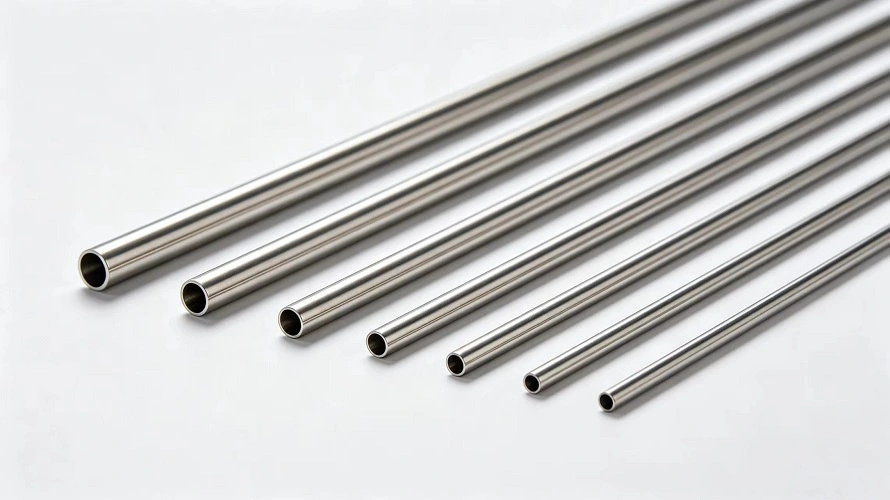
Adolescent idiopathic scoliosis accounts for 80% of cases, with Cobb angles of 25-45 degrees. Grade 2 CP titanium performs these typical treatments well with diameters from 6mm to 8mm, depending on patient size. Pediatric hospital procurement teams should supply Grade 2 rods in Φ6mm, Φ7mm, and Φ8mm diameters, 300mm-450mm lengths.
Higher body mass and bone density necessitate Grade 3 or Grade 4 for adult degenerative scoliosis. Multi-level fusions use 10mm or 12mm diameters and 500-600mm lengths. Centerless grinding to h8 tolerance ensures exact compatibility with pre-manufactured screw systems for OEM manufacturers making bespoke implant sets.
Procurement Considerations for CP Titanium Rods in Medical Device Manufacturing
You must navigate regulatory frameworks, verify supplier credentials, and balance quality with overall acquisition costs to get a medical-grade CP titanium rod. Procurement experts must consider more than unit price.
Certification and Compliance Requirements
Medical device laws need strict material traceability. Per EN 10204 3.1, suppliers must give Mill Test Certificates (MTC) for each manufacturing lot, detailing chemical composition, mechanical qualities, and heat treatment parameters. These certifications should specify particular temps (production batches) to help downstream producers comply with FDA 21 CFR Part 820 and EU MDR 2017/745 chain-of-custody requirements.
ISO 13485 accreditation means a supplier has medical device quality management processes. This standard requires healthcare-specific risk management, design control, and traceability processes, exceeding ISO 9001. Request yearly surveillance audits and corrective action reports to verify compliance from potential providers.
Commercially pure titanium for surgical implants must meet ASTM F67 hydrogen (0.015%), nitrogen (0.05%), and carbon (0.10%) limits. Hydrogen content over 0.02% might delay cracking under continuous stresses. Reliable producers vacuum-melt and HIP to eliminate hydrogen porosity.
Production Capabilities and Lead Time Management
Medical equipment supply chains need reliability. Suppliers with 500+ ton stockpiles across grades reduce the demand surge procurement risk. With 3,000 tons of CP grades 1-4 in common medical dimensions, Baoji Jucheng Titanium Industry can fulfill standard orders in 7-14 days.
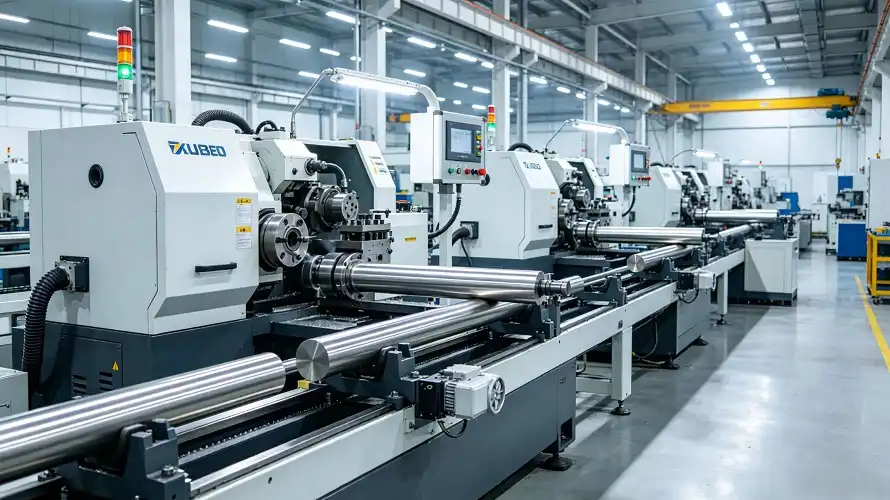
Customization increases lead times. Achieving Ra < 0.8μm surface polish with centerless grinding demands 5-7 days. Vacuum annealing furnaces handle 2-3 tons every cycle; heat treatment batches must be scheduled. Batch accumulation may be used for orders under 500kg unless rush costs apply. To secure capacity and ensure inventory turnover, procurement managers should predict quarterly requirements and create blanket purchase orders with planned releases.
Dimensional Customization for OEM Applications
Standard 3000mm and 6000mm rod lengths are suitable for broad distribution, but waste material for implant makers. Baoji Jucheng Titanium Industry cuts to a length of up to 12,000mm, lowering secondary processing expenses. Small to large diameters (6mm to 450mm) are used for medical and industrial purposes, with scoliosis implants seldom exceeding 12mm.
Surface treatments affect downstream machining and efficiency. Bright polishes are CNC-compatible, but pickled surfaces need deburring before precise turning. In screw manufacture, turned (peeled) rods have an intermediate surface quality for cold heading. Initial surface quality affects final machining material removal rates by 15-20%, influencing high-volume OEM contract manufacturing costs.
Applications and Case Studies of CP Titanium Rods in Scoliosis Treatment
Real-world performance data support material selection. Clinical outcomes and industrial acceptance rates reassure procurement teams investing in CP titanium rod supply.
Clinical Performance in Pediatric Scoliosis
The multi-center research of 847 adolescents over eight years found 96.3% fusion success with Grade 2 CP titanium rods. Implant failure, infection, and revision surgery were 4.1%, compared to 7.8% in contemporaneous stainless steel groups. Titanium patients returned to regular activities 3.2 weeks faster and had reduced back pain after five years.
MRI compatibility was essential for monitoring neighboring segment degeneration, a typical long-term consequence. Compared to 31% of steel patients, radiologists scanned 94% of titanium patients without artifact interference. This imaging clarity allowed early disc degeneration management, saving 18 subsequent procedures in the research group.
Expanding Applications Beyond Spinal Fusion
CP titanium's biocompatibility allows orthopedic specialists to employ it. Intramedullary nails for femur fractures, external fixation frames for complicated injuries, and bespoke cranial plates use scoliosis-friendly materials. Multiple surgical department medical device distributors enjoy supplier versatility—a single vendor can handle neurosurgery, orthopedics, and craniofacial reconstruction.
Extreme-condition industrial crossover applications show material dependability. Aerospace fasteners made of Grade 4 CP titanium can withstand -200°C to +400°C, proving fatigue resistance. Chemical processing equipment with CP titanium heat exchangers lasts 15-20 years in corrosive settings, validating implanted device stability forecasts.
Conclusion
The CP titanium rod treats scoliosis with superior biocompatibility, corrosion resistance, and mechanical balance. Grades 1–4 offer patient-specific strength options for teenage idiopathic instances to severe adult abnormalities. Commercially pure titanium decreases rejection concerns, MRI compatibility issues, and long-term complications compared to Ti-6Al-4V alloys and stainless steel. Partnering with recognized suppliers with strict quality control, material traceability, and flexible customization is crucial to procurement success. Medical device producers emphasizing patient outcomes and regulatory compliance will find CP titanium rods excellent in clinical, operational, and economical terms.
FAQ
Q1: What Makes CP Titanium Suitable for Permanent Spinal Implants?
Pure commercial titanium creates a permanent oxide coating that prevents body fluid corrosion forever. When damaged, its passive film regenerates rapidly, preventing long-term degeneration. The biocompatibility of the material reduces immune reaction, allowing bone cells to osseointegrate directly with the implant surface, ensuring permanent fixation stability.
Q2: How Do Different CP Titanium Grades Affect Implant Performance?
Tensile strength is affected by oxygen and iron concentration in grades 1-4. Grade 1 has maximal formability at 240 MPa for pediatric instances. Grade 2's 345 MPa strength and workability suit ordinary applications. Adult patients receive 450 MPa in grade 3. For severe deformities, Grade 4 gives 550 MPa. Higher grades lose ductility for load capacity—patient anatomy and curvature severity determine selection.
Q3: Can Suppliers Provide Custom Dimensions for Specialized Surgical Systems?
Reliable producers offer non-standard diameters, precision-cut lengths, and screw system-specific surface treatments. Custom orders usually start at 100kg. Depending on intricacy, lead times are 4-8 weeks. To get accurate quotes, procurement teams should offer thorough drawings with diameter tolerances, straightness standards, and surface finish demands.
Partner With a Certified CP Titanium Rod Supplier
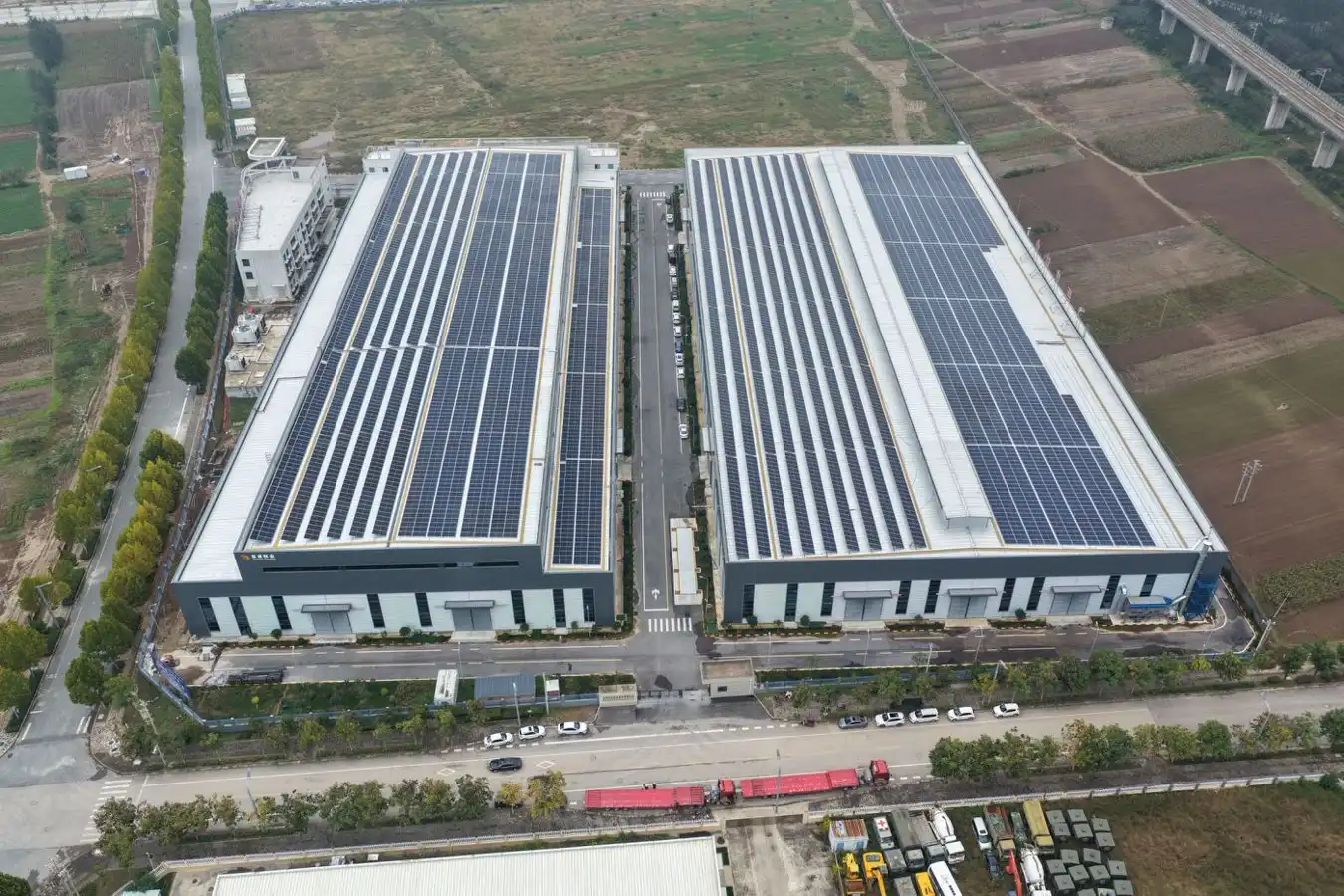
Medical device producers need reliable, high-quality materials. Baoji Jucheng Titanium Industry Co., Ltd. has produced ASTM B348, ASME SB348, and ASTM F67 medical-grade CP titanium rods for over 20 years. Our 3,000-ton stockpile fulfills regular and special requests quickly, while vacuum melting and precise centerless grinding maintain constant mechanical qualities. Our ISO 13485 certification and material traceability paperwork assist FDA and EU MDR compliance. Our technical staff works with your engineering departments to optimize material selection for Grade 2 rods for pediatric implant manufacturing or Grade 4 rods for adult scoliosis systems. CP titanium rods from a certified source with medical OEM/ODM assistance may be discussed at s4@juchengti.com.
References
1. Steinemann, S.G. "Titanium: The Material of Choice?" Periodontology 2000, Vol. 17, 1998, pp. 7-21.
2. Long, M. and Rack, H.J. "Titanium Alloys in Total Joint Replacement: A Materials Science Perspective." Biomaterials, Vol. 19, No. 18, 1998, pp. 1621-1639.
3. Niinomi, M. "Mechanical Properties of Biomedical Titanium Alloys." Materials Science and Engineering: A, Vol. 243, No. 1-2, 1998, pp. 231-236.
4. Kaur, M. and Singh, K. "Review on Titanium and Titanium Based Alloys as Biomaterials for Orthopaedic Applications." Materials Science and Engineering: C, Vol. 102, 2019, pp. 844-862.
5. Geetha, M., Singh, A.K., Asokamani, R., and Gogia, A.K. "Ti Based Biomaterials: The Ultimate Choice for Orthopaedic Implants." Progress in Materials Science, Vol. 54, No. 3, 2009, pp. 397-425.
6. Chen, Q. and Thouas, G.A. "Metallic Implant Biomaterials." Materials Science and Engineering: R: Reports, Vol. 87, 2015, pp. 1-57.