
What is a Grade 5 titanium plate Used For?
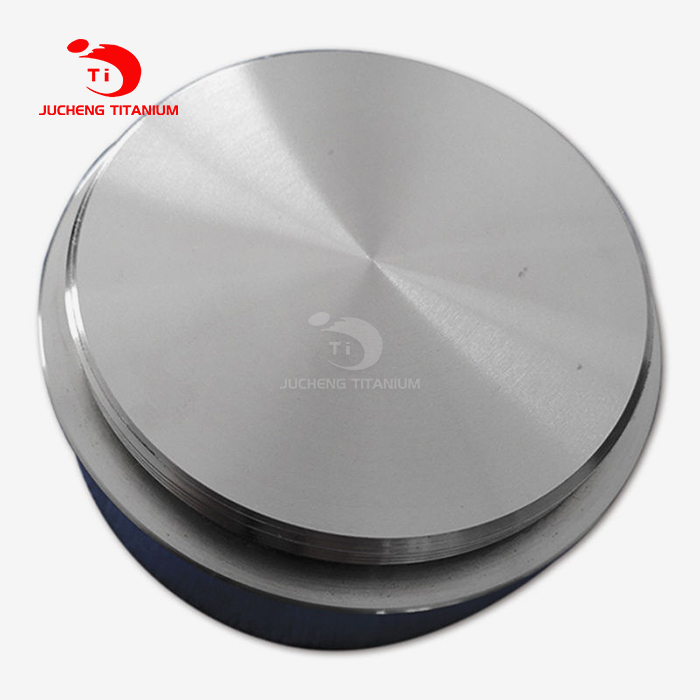
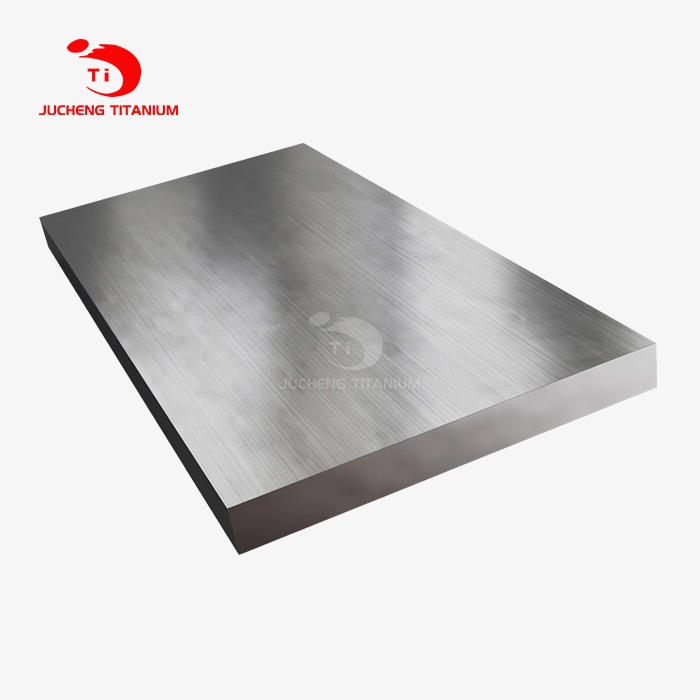
The most often requested titanium alloy is grade 5 titanium plate, Ti-6Al-4V, which accounts for half of titanium metal consumption worldwide. This alpha-beta alloy with 6% aluminum and 4% vanadium offers high strength-to-weight ratios and corrosion resistance up to 400°C. This material is used in aircraft structural components, medical implants, chemical processing equipment, and high-performance automobile parts when traditional metals fail under stress, heat, or corrosion.
Understanding Grade 5 Titanium Plate: Properties and Characteristics
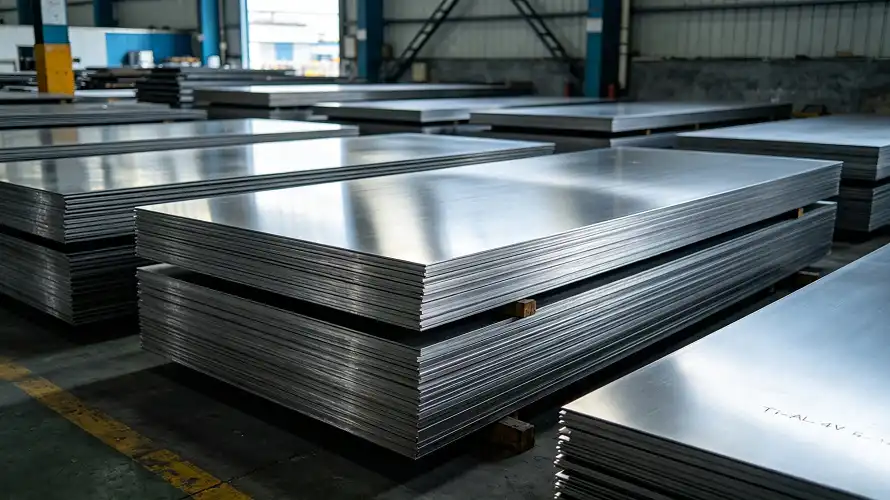
Grade 5 titanium plate is ideal for mechanically and chemically demanding situations due to its composition. Aluminum increases strength while decreasing density, while vanadium stabilizes the beta phase for heat treatment to personalize hardness. This combination yields annealed tensile strengths of 895-930 MPa, exceeding commercially pure titanium grades.

Chemical Composition and Mechanical Performance
Precision elemental balance determines performance reliability. Aluminum is usually 5.5%–6.75%, and vanadium 3.5%–4.5%. Oxygen above 0.20% lowers ductility and cold-forming processes; iron, oxygen, and nitrogen are closely regulated as interstitial elements. Jucheng Titanium's controlled environment annealing keeps oxygen levels below 0.18%, providing elongation values above 10% across all plate thicknesses from 4mm to 80mm.
Heat Treatment Capabilities
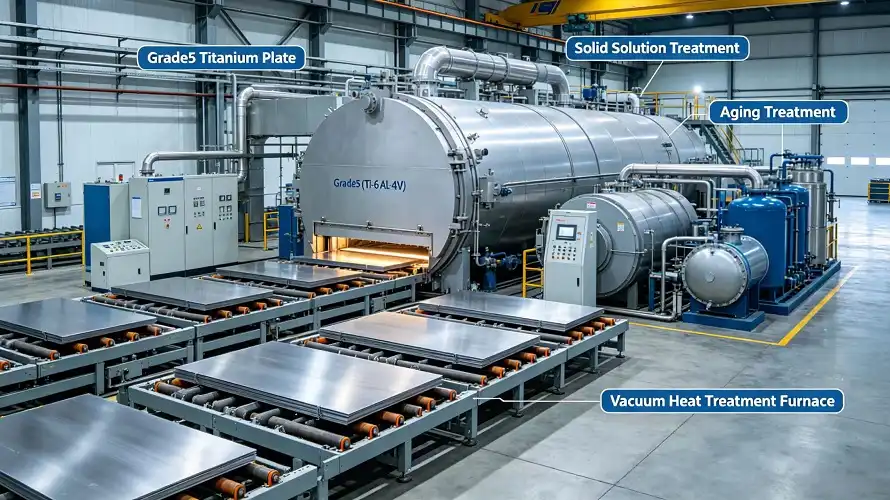
Grade 5 titanium plate reacts to solution treatment and aging, unlike Grade 2 commercially pure titanium. Mill-annealed plates yield 828 MPa, but solution treatment at 955°C and aging at 540°C can increase yield strength to 1100 MPa. This flexibility allows procurement teams to define material conditions that meet load requirements, lowering weight-sensitive application over-engineering costs.
Corrosion Resistance Across Environments
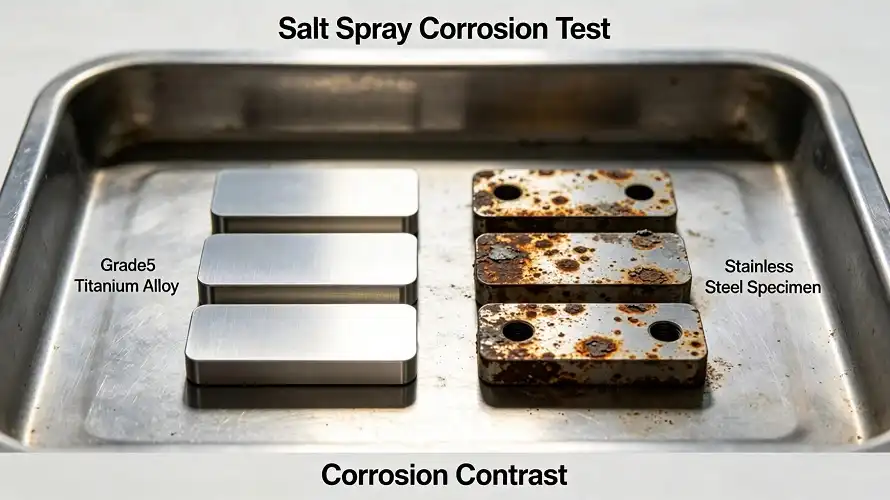
The alloy retains passive oxide film stability in saltwater, moist chlorine gas, and dilute acid at moderate temperatures. Grade 7 titanium contains palladium for acid resistance, although grade 5 titanium plate handles oxidizing acids and chloride solutions without the cost premium. Grade 5 titanium plate heat exchangers at petrochemical plants last over 20 years in condensing seawater situations, while stainless steel fails after 36 months owing to crevice corrosion.
Primary Uses of Grade 5 Titanium Plate Across Industries
Its multi-industry applicability solves technological issues in industries with different performance requirements, making the grade 5 titanium plate crucial.
Aerospace Structural Components
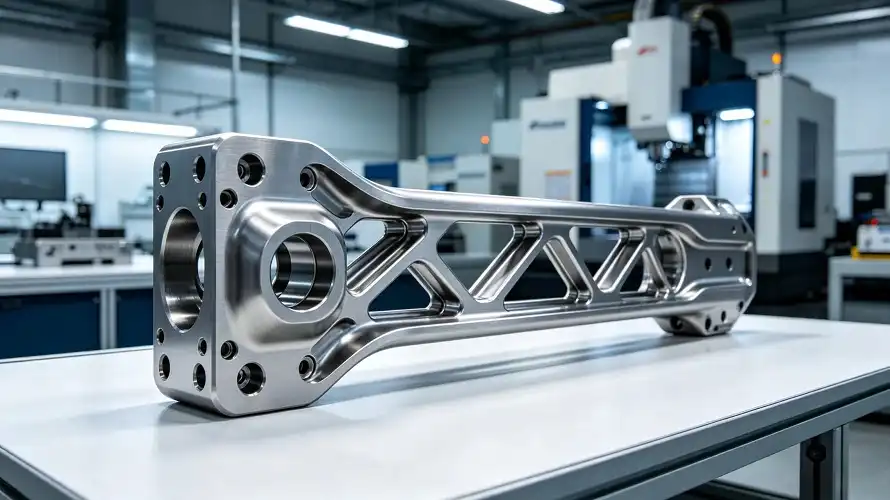
Aircraft manufacturers use this alloy for skins, bulkheads, landing gear, and engine casings. The material is 40% lighter than steel and can endure cyclic fatigue stress at cruising altitudes. Compressor blades made from our hot-rolled plates have grain flow alignment that improves fatigue fracture resistance, reducing catastrophic blade-out occurrences. Integrated mill test reports and batch-specific ultrasonic inspection records meet defense contractors' ASTM B265 and AMS 4911 certification criteria with complete traceability.
Medical Device Manufacturing
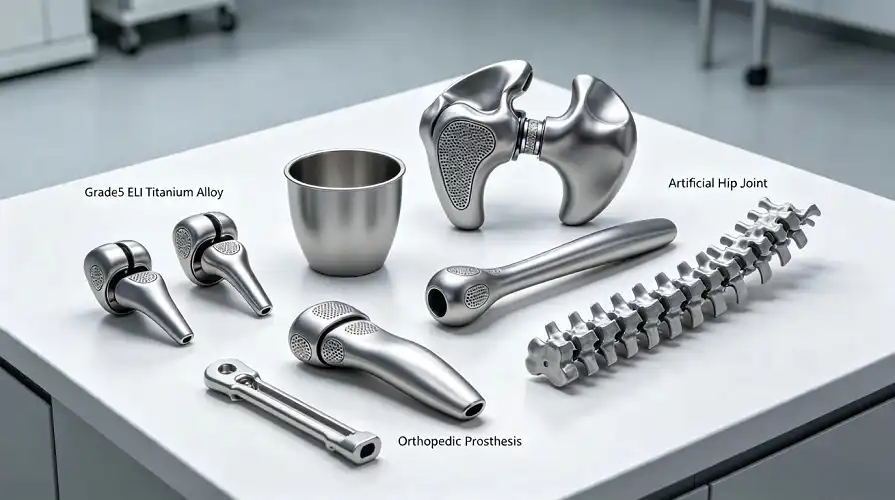
Grade 5 titanium plate is used for hip stems, knee replacements, and spinal fusion cages due to its biocompatibility and osseointegration. The alloy's modulus of elasticity at 113 GPa matches cortical bone better than cobalt-chromium alloys, minimizing implant loosening due to stress-shielding. Precision-ground plates' edge retention and autoclave sterilization allow surgical tool producers to make bone saws and drill bits. Our cooperation with medical device makers offers ASTM F136 extra-low interstitial (ELI) variations with nitrogen concentration below 0.05% to maximize ductility for complicated forming.
Chemical Processing Equipment
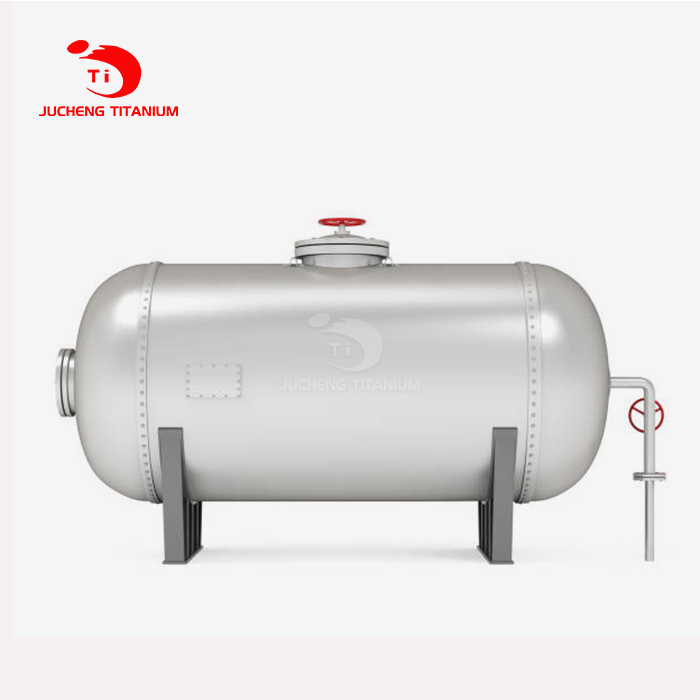
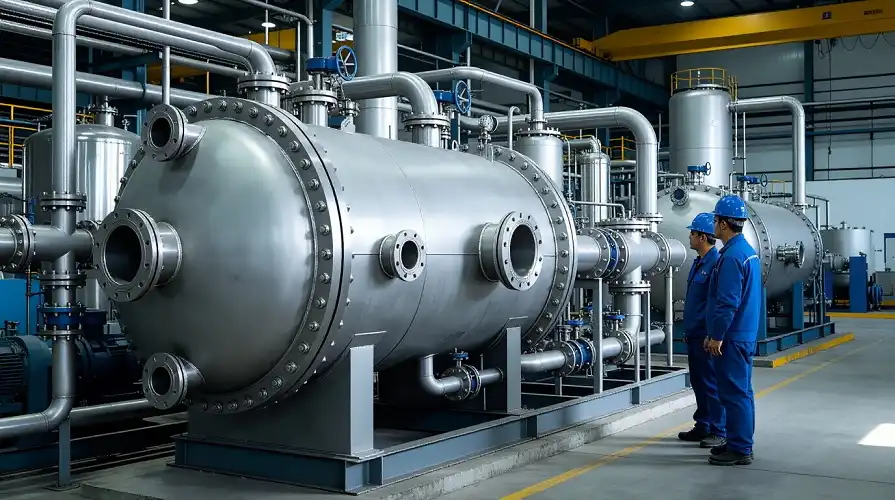
Chloride-induced stress corrosion cracking is prevented in grade 5 titanium plate reactors, heat exchangers, and pressure vessels handling corrosive fluids. This alloy is used in cathode structures in saturated brine solutions at high temperatures in chlor-alkali plants. The replacement of Hastelloy C-276 with our grade 5 titanium plates in ammonium nitrate concentrators at a fertilizer manufacturing facility reduced material costs by 30% and extended inspection intervals from 18 to 60 months. Pressure cycling causes creep deformation in austenitic stainless steels, although yield strength preservation at 260°C protects vessels.
Industrial and Marine Applications
Grade 5 titanium plate is used in drilling risers and subsea manifold housings on offshore oil installations exposed to hydrogen sulfide. The car racing industry produces connecting rods and valve springs from our annealed plates, saving 20% weight over titanium forgings and retaining fatigue life through grain orientation control. Our pickled and leveled plates are used to make spiral-wound heat exchangers for 50-million-gallon desalination facilities. The smooth surface reduces biofouling attachment points and facilitates maintenance cleaning.
How to Choose Grade 5 Titanium Plates for Your Procurement Needs?
Material selection optimises project results and costs by balancing mechanical standards, fabrication needs, and supplier capabilities.
Evaluating Mechanical Requirements
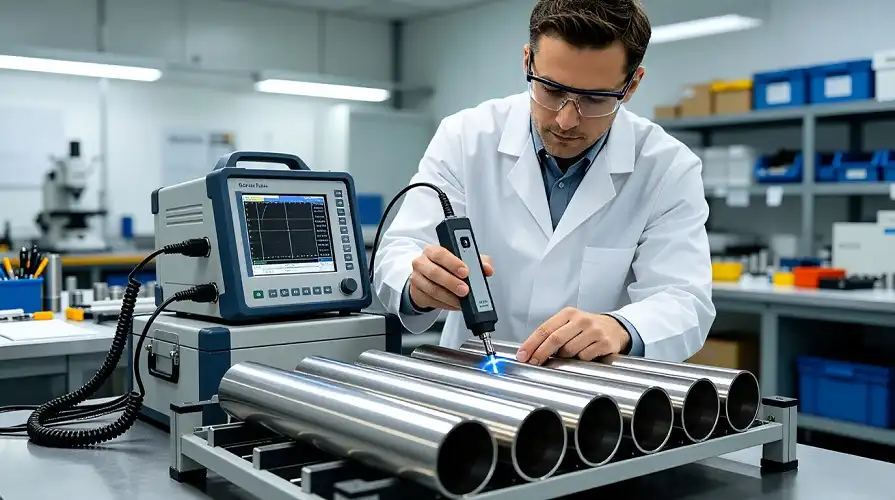
Stress analysis and environmental exposure mapping should precede procurement. Structures with tensile loads under 600 MPa can use mill-annealed material, while sustained loads exceeding 700 MPa at room temperature require solution-treated and aged conditions. Fatigue-critical components need ultrasonic examination per AMS 2631 Class A to detect internal discontinuities over 1.6mm equivalent flat-bottom hole size. Our quality control processes include 100% ultrasonic scanning for plates over 12mm thick and computerized C-scan mapping for customer traceability.
Form Factor Selection
Fabrication paths vary for plates, sheets, and forged products. Rolling direction grain structure improves weld zone toughness in hot-rolled plates from 4mm to 80mm thickness. Our rolling process has thickness tolerances of ±0.4mm for dimensions under 25mm, ensuring material removal within intended stock allowances during CNC machining. Blanks matching nest patterns reduce material waste from 35% to 18% for complicated component geometries with custom cutting.
Supplier Certification and Reliability
Project longevity depends on supplier reliability and technical support. We undergo yearly recertification audits for ASTM B265, ASME SB265, and AMS 4911 process controls and testing equipment calibration. Extended lead periods hamper aircraft production schedules, but our 3,000-ton inventory buffer guarantees 72-hour delivery windows for common standards. Our metallurgists help customers optimize welding procedures and heat treatment cycles beyond material supply.
Comparing Grade 5 Titanium Plate with Other Materials for Decision Making
In today's industrial supply chain, informed procurement demands understanding performance and cost tradeoffs among multiple material systems.
Ti-6Al-4V versus Commercially Pure Grades
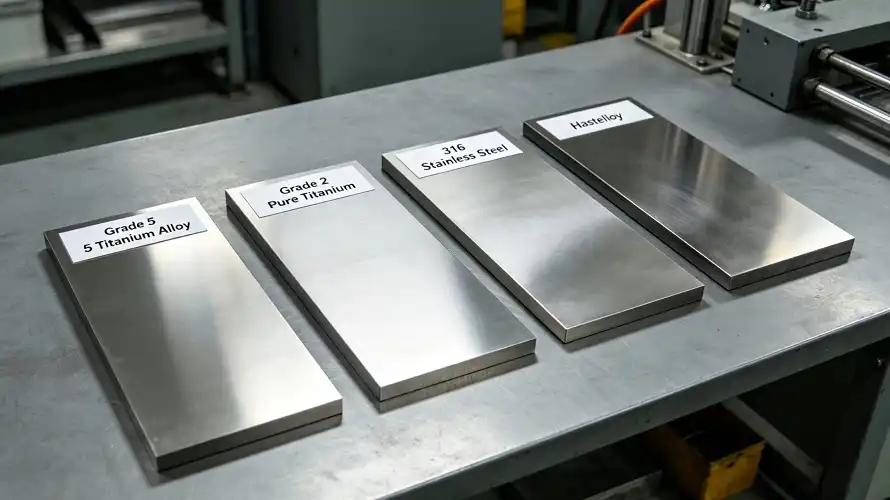
Grade 2 titanium is ideal for chemical tanks with deep drawing or complicated geometries because of its cold formability and reduced cost. Grade 5 titanium plate's 828 MPa annealed strength precludes section thickness escalation, but its 345 MPa yield strength restricts structural uses. Grade 5 titanium plate pressure vessel designs have 40% lower wall thickness than Grade 2 at equal burst pressure ratings, resulting in lighter constructions and lower welding costs despite 25% higher material unit pricing.
Performance Against Stainless Steel and Nickel Alloys
Austenitic stainless steels like 316L cost less per kilogram but suffer chloride pitting at 60°C and stress corrosion cracking in maritime splash zones. Inconel 625 outperforms grade 5 titanium plate above 450°C, but has a density penalty and machining issues that increase fabrication labor. Despite greater initial material cost, titanium's corrosion immunity removed protective coating systems and decreased maintenance shutdowns, resulting in 15-year total ownership costs 40% lower than coated stainless steel for offshore platform components.
Real-World Application Outcomes
A European aerospace company switched from 300M steel to solution-treated grade 5 titanium plate, saving 450kg per aircraft while satisfying 60,000 flight cycles of fatigue life. This improvement lowered fuel usage by 2.3% during the airframe's service life, showing how material performance affects operational economics beyond procurement price comparisons.
Guide to Procuring Grade 5 Titanium Plates: Pricing, Suppliers, and Customization
Strategic grade 5 titanium plate procurement requires managing worldwide supply networks, specification complexity, and delivery coordination across project deadlines.
Know pricing structures to allocate budgets accurately. Base material prices vary with titanium sponge market pricing, which depends on aerospace demand and mining capacity. Processing fees for tight tolerances, extra testing, and non-standard surface treatments add 15-30% to commodity cost. Contract pricing with quarterly adjustments connected to published metal indices for volume commitments over 5 tons yearly provides budget predictability for multi-year initiatives.
Verification and Customization Services
Material certification authentication minimizes expensive supply chain failures from counterfeit or substandard material. Independent third-party chemical analysis and mechanical testing verify that the material meets purchasing criteria. Customization options provide precision sawing to ±1mm length tolerances, CNC plasma cutting for intricate curves, and Ra 0.8μm surface grinding for sealing purposes. Stress relieving, solution treating, and aging cycles in vacuum furnaces with automated thermal profiling assure plate cross-sectional metallurgical consistency.
Inventory and Delivery Planning
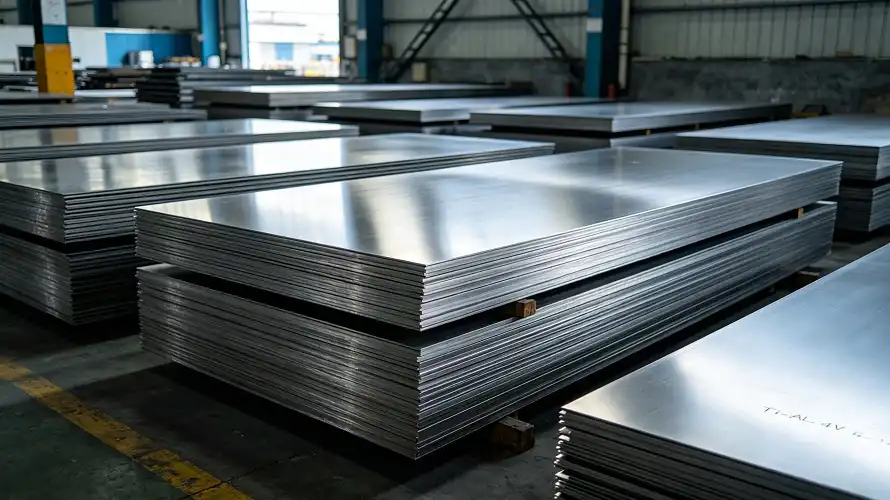
Immediate manufacturing needs may be met with our year-round supply of 3,000 tons of Gr1, Gr2, Gr4, Gr5, Gr7, Gr9, and Gr12. Standard parameters of 4mm-80mm thickness, 950mm-2500mm width, and 10,000mm lengths serve most industrial applications. Custom rolling is available for particular needs. International logistics coordination involves export documentation, container loading optimization, and freight forwarding relationships for on-time North American, European, and Southeast Asian delivery.
Conclusion
A proven alternative for demanding applications where conventional materials compromise performance, safety, or lifetime economics is grade 5 titanium plate. Its balanced mechanical qualities, corrosion immunity, and heat treatment adaptability make it popular in aerospace, medical, chemical, and industrial applications. Matching material requirements to application pressures, choosing suppliers with consistent quality processes, and using customisation services to lower fabrication costs are key to procurement success. Early material investment pays off through prolonged service life, reduced maintenance, and weight reductions that minimize operational costs across equipment lifecycles.
FAQ
Q1: What thickness range is available for Grade 5 titanium plates?
Standard hot-rolled grade 5 titanium plates include thicknesses from 4mm to 80mm, widths from 950mm to 2500mm, and lengths up to 10,000mm. Special rolling campaigns can create custom dimensions beyond these limits with minimum order quantities starting at 500kg per specification.
Q2: How does Grade 5 compare to Grade 23 titanium?
Grade 23 is an extra-low interstitial grade 5 titanium plate with decreased oxygen, nitrogen, and iron content for medical implant ductility and fracture toughness. Grade 5 titanium plate is stronger in conventional configurations and 15% cheaper, making it ideal for aerospace and industrial applications where maximum elongation is not necessary.
Q3: What certifications should I require when purchasing titanium plates?
For industrial applications, procurement standards should include ASTM B265 or ASME SB265 compliance, plus AMS 4911 for aerospace projects needing traceability. Medical device makers must specify ASTM F136 for surgical implant-grade material. All shipments should include mill test reports, chemical analysis certifications, and mechanical property test findings.
Partner with Jucheng Titanium for Your Grade 5 Titanium Plate Supplier Needs
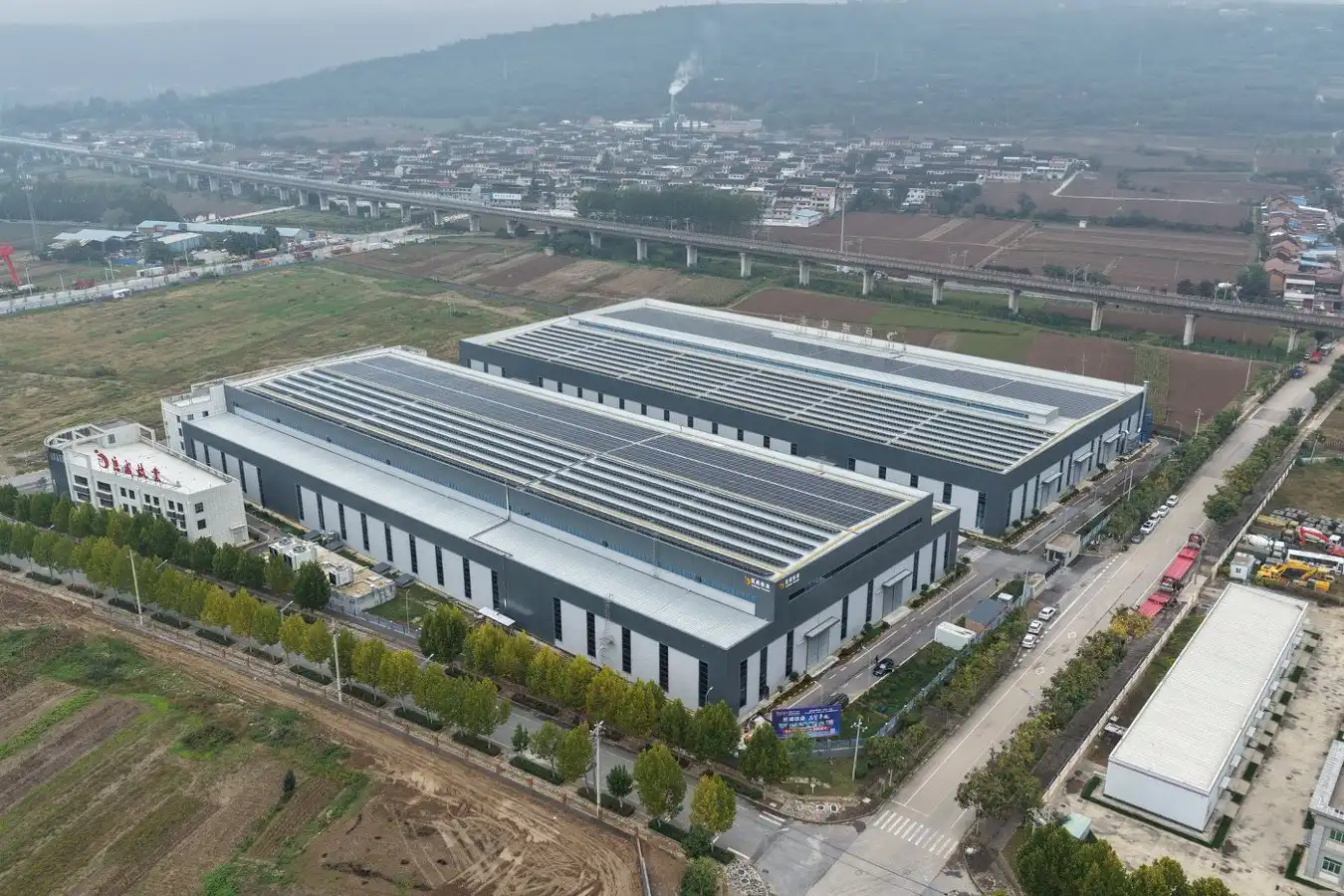
Over 20 years of titanium processing experience from Baoji Jucheng Titanium Industry meet your essential material needs. We provide constant quality and technological depth as a national specialized business with 45 patents and High-Tech business accreditation. Our 120,000-square-meter titanium equipment factory stocks a large inventory and offers precision cutting, heat treatment, and surface finishing. From ASTM B265-certified grade 5 titanium plate for aircraft structural components to custom-dimensioned blanks for chemical processing equipment, our team provides material traceability, timely delivery, and engineering assistance throughout your project. Contact s4@juchengti.com to discuss your needs and obtain precise prices with lead times appropriate to your production schedule.
References
1. Boyer, R., Welsch, G., & Collings, E.W. (1994). Materials Properties Handbook: Titanium Alloys. ASM International.
2. Donachie, M.J. (2000). Titanium: A Technical Guide, 2nd Edition. ASM International.
3. Lutjering, G., & Williams, J.C. (2007). Titanium: Engineering Materials and Processes. Springer-Verlag Berlin Heidelberg.
4. Schutz, R.W., & Thomas, D.E. (1987). "Corrosion of Titanium and Titanium Alloys." ASM Handbook Volume 13: Corrosion, ASM International, pp. 669-706.
5. Peters, M., Kumpfert, J., Ward, C.H., & Leyens, C. (2003). "Titanium Alloys for Aerospace Applications." Advanced Engineering Materials, Volume 5, Issue 6, pp. 419-427.
6. Veiga, C., Davim, J.P., & Loureiro, A.J.R. (2012). "Properties and Applications of Titanium Alloys: A Brief Review." Reviews on Advanced Materials Science, Volume 32, pp. 133-148.