
Advantages of Using Grade 5 titanium plate
Selecting the correct material for your industrial project affects its performance, cost, and durability. Ti-6Al-4V alloy, or grade 5 titanium plate, is the most flexible and commonly used titanium metal. By blending pure titanium with aluminum and vanadium, this material offers a high strength-to-weight ratio, corrosion resistance, and durability in severe environments. Ti-6Al-4V outperforms stainless steel and aluminum in aeronautical structural parts, chemical processing equipment, and medical implants. Engineers and procurement experts who demand dependability and value choose it first.
Understanding Grade 5 Titanium Plate: Composition and Properties
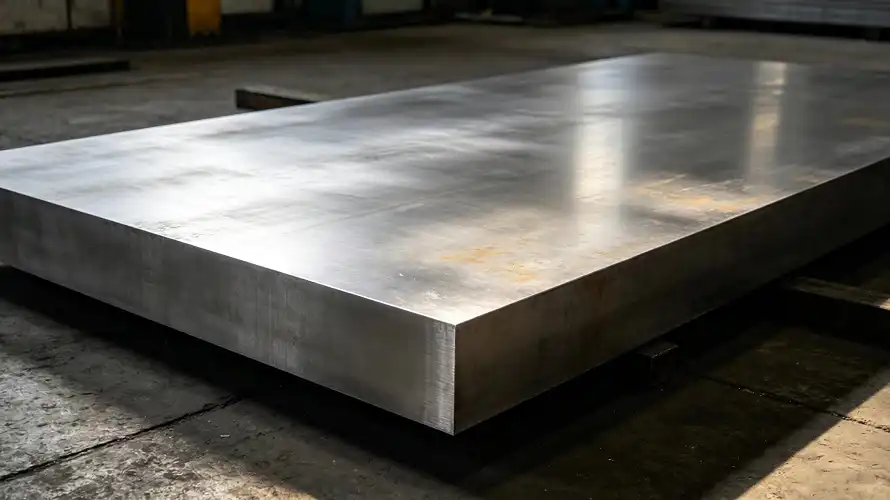
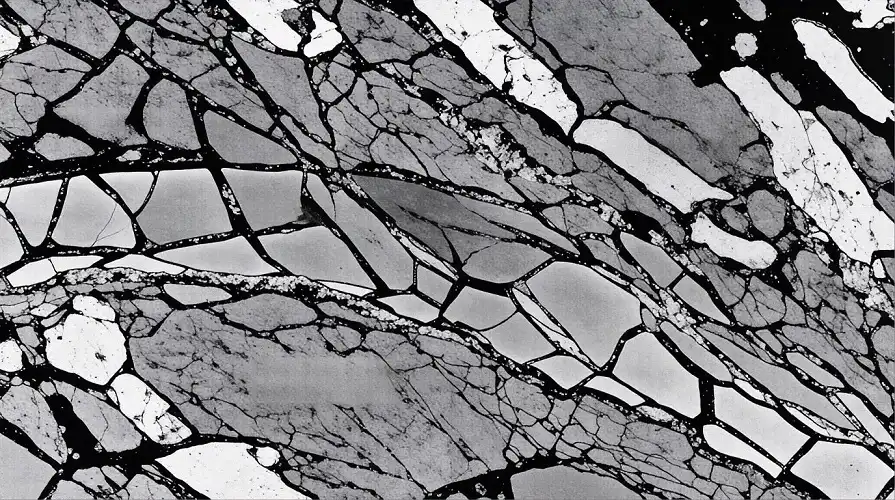
Ti-6Al-4V, an alpha-beta metal having 6% aluminum and 4% vanadium, is strong and shapeable. The material's chemical composition enables tensile strengths of 130 ksi with a density of 4.43 g/cm³, about half that of steel. Aluminum makes it rust-resistant and lighter, while vanadium stabilizes the beta phase, making it stronger and simpler to heat treat.
Manufacturing Excellence Through Proven Processes
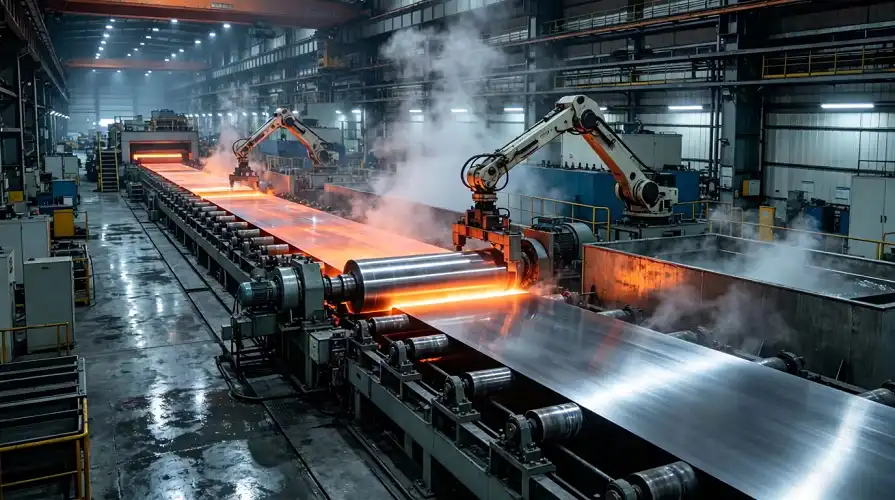
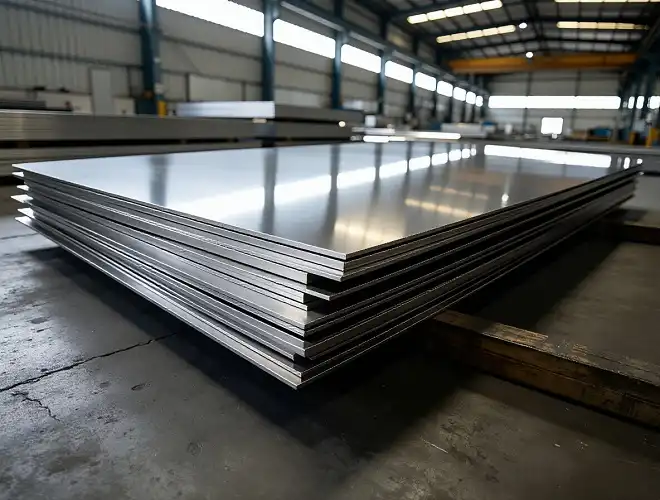
Hot-rolled Ti-6Al-4V plate requires rolling, heating, leveling, pickling, and finishing. Annealed material is the most flexible and stress-free, making it easiest to cut and attach. Surface cleaning methods include acid pickling, polishing, and grinding. These techniques meet ASTM B265, F67, AMS 4911, and ASME SB265 requirements. This tracks and certifies all contents.
Plate thicknesses range from 4mm to 80mm, widths from 950mm to 2,500mm, and lengths up to 10,000mm. Quality suppliers restrict these sizes. Custom sizing reduces waste and machining time for each task.
How Ti-6Al-4V Surpasses Commercial Alternatives
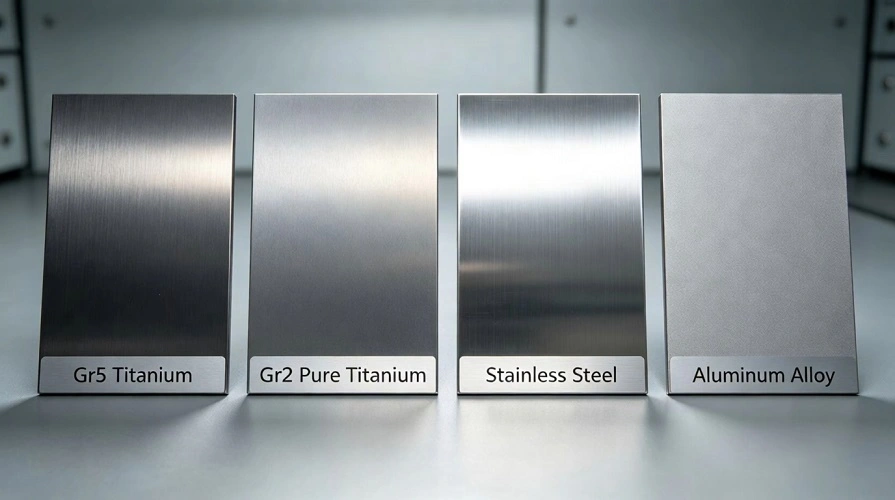
Grade 5 titanium has almost double the tensile strength of commercially pure Grade 2 and is just as rust-resistant. Ti-6Al-4V works as well as stainless steel but weighs 45% less. This makes it lighter in marine and more fuel-efficient in flight. Aluminum alloys are lighter but unstable at high temperatures and don't resist corrosion well enough for chemical and maritime energy.
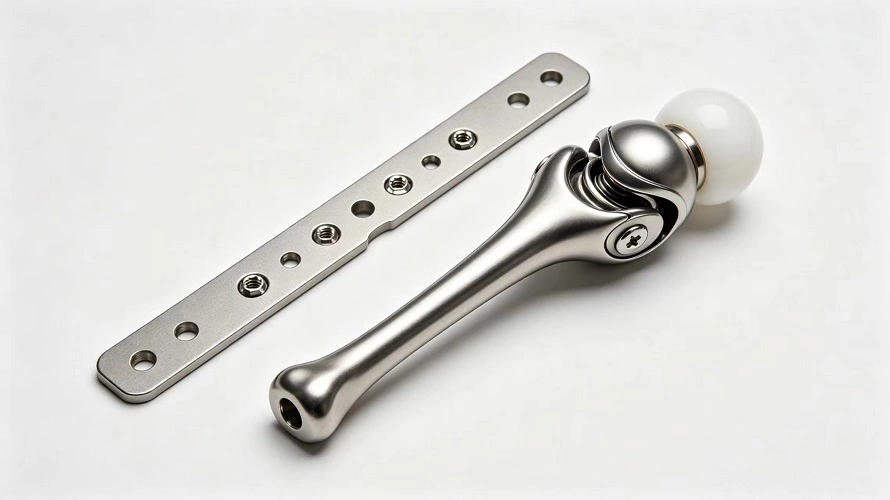
Metal is like bone due to its low modulus of elasticity. It's ideal for orthopedic implants, because stress buffering might weaken bone. Medical device companies use grade 5 titanium plate (Ti-6Al-4V) for surgical plates and joint replacements due to its biocompatibility and wear resistance.
Key Advantages of Using Grade 5 Titanium Plate in Industrial Applications
Buying teams can justify material costs and prepare for long-term savings by understanding Ti-6Al-4V's advantages. The following advantages address common chemical, industrial, and aeronautical issues.
Superior Strength-to-Weight Performance
The best strength-to-weight ratio of all metals is Ti-6Al-4V. Titanium parts replace steel in airplanes, reducing weight by hundreds of pounds. Lighter weight equals less fuel, greater range, and more carry. This feature enables landing gear, engine bulkheads, and aircraft structural elements to manage strong g-forces and vibrational stress without increasing weight.
Unmatched Corrosion Resistance in Harsh Environments
Chemical handling equipment is constantly exposed to strong acids, alkaline solutions, and salty environments. It forms a solid, self-healing oxide coating that prevents pitting, crevice corrosion, and stress corrosion fractures at high temperatures. Deep-sea oil and gas platforms, desalination plant heat exchangers, and marine turbine blades can withstand seawater temperatures above 260°C. Its lengthy lifespan reduces replacement and maintenance costs, lowering the overall cost of ownership.
Extended Service Life and Reduced Maintenance
Industrial machinery manufacturers want materials that reduce unscheduled shutdowns. Ti-6Al-4V parts in heat exchangers, reactors, and pressure tanks last two to three times longer than stainless steel. Power plants and industrial facilities have recurrent stress, yet the alloy's fatigue fracture prevention protects the structure. Less frequent repairs save money and increase plant availability.
Biocompatibility for Medical Device Applications
Medical materials must function with human cells. Ti-6Al-4V is used in orthopedic bone fixation plates, spine fusion devices, and oral implants since it's non-toxic and doesn't corrode. Its modulus of elasticity is closer to bone than stainless steel; it doesn't buffer stress and damage bone.
Comparing Grade 5 Titanium Plate with Other Materials
To buy well, you must compare Ti-6Al-4V to other materials in real life. Even with greater startup costs, total lifecycle studies frequently yield considerable savings.
Grade 5 vs. Grade 2 Titanium
Grade 2 is cheaper and offers greater rust prevention, but it's not robust enough for high-stress circumstances. Grade 2 chemical tanks and pipelines require medium power, therefore buying teams prefer it. Bolts in spacecraft and propeller blades in ships require Grade 5 for greater temperatures, pressures, and mechanical stresses.
Ti-6Al-4V vs. Stainless Steel and Aluminum
316L stainless steel resists rust but is heavy and less effective in chloride environments. Aluminum metals are lightweight but can't withstand severe chemicals or high temperatures. The grade 5 titanium plate (Ti-6Al-4V) covers this gap by being resistant to most industrial toxins and having strong mechanical properties from extremely cold to 400°C.
Comparison with Advanced Alloys
Grade 9 (Ti-3Al-2.5V) is preferable for cold-shaping tubes, while Grade 23 (extra-low interstitial Ti-6Al-4V) is excellent for military and medical applications. Inconel and other nickel-based superalloys outperform titanium above 550°C but cost twice as much and weigh twice as much. Procurement experts balance these trade-offs against project needs, money, and performance.
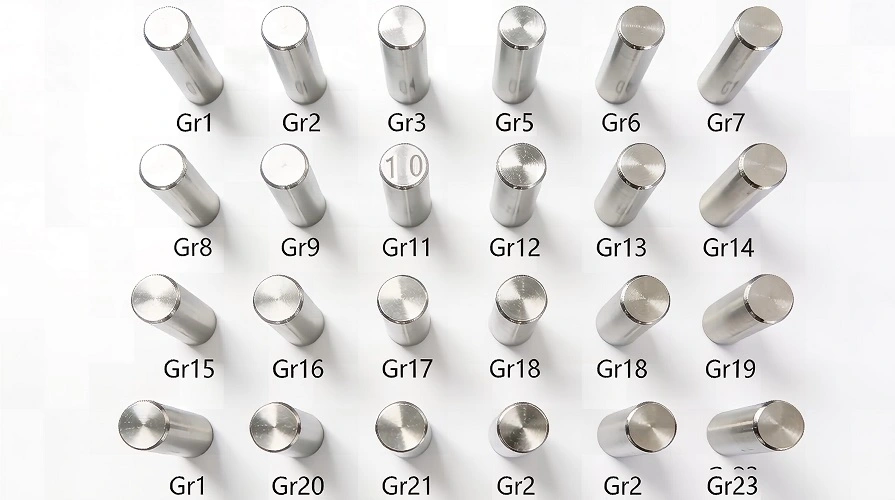
Procurement Guide for Grade 5 Titanium Plate: How to Choose and Buy?
To discover authentic Ti-6Al-4V, carefully analyze vendors and pay attention to paperwork. Global purchasers should choose partners with proven track records, clear quality procedures, and fast professional assistance.
Verifying Supplier Credentials and Certifications
Suppliers with ISO 9001 quality management systems offer detailed material test results (MTRs) showing chemical composition, mechanical qualities, and heat treatment history. Certificates should identify applicable ASTM, AMS, or ASME standards. Buyers should request third-party inspection documents and verify industry group registration.
Baoji, China (known as "Titanium Valley") has historically produced titanium and has extensive metalworking knowledge. National high-tech and "little giant" companies innovate and produce reliably.
Understanding Pricing Dynamics and Bulk Purchasing
Ti-6Al-4V prices depend on raw material costs, global demand, and availability. Long-term supply contracts ensure product availability and cheaper costs. Buying in bulk decreases unit costs and maintains material quality across manufacturing runs. Ask vendors about payment conditions, minimum order amounts, and shipment schedules that fit their projects.
Custom Fabrication and Value-Added Services
Many uses need precise cuts, sizes, or surface finishes. Suppliers who weld, machine, and heat treat can reduce wait times and streamline supply lines. Custom plate dimensions that match the finished product save waste and processing costs. Find partners that can build parts from engineering blueprints and have experienced technical teams.
Logistics, Lead Times, and After-Sales Support
International shipping requires careful coordination of export documentation, freight forwarding, and customs clearance. Suppliers with strong worldwide transportation and marketing networks provide items to North America, Europe, and the Asia-Pacific markets on schedule. Stock plates normally take two to four weeks, while bespoke orders might take up to eight weeks, depending on the specifications. After-sales assistance for material certification and application engineering adds value to a product.
Industry Applications Highlighting the Advantages of Grade 5 Titanium Plate
Real-world examples demonstrate how Ti-6Al-4V addresses complex technological issues in numerous sectors. These instances demonstrate ways to boost performance and minimize expenses.
Aerospace and Defense Systems
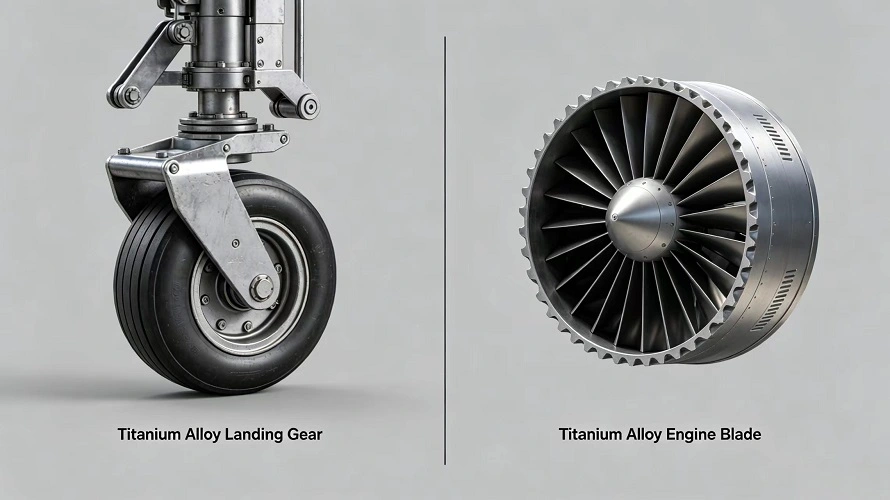
Aircraft bulkheads, landing gear, and engine shields are made of Ti-6Al-4V. The material can withstand high g-forces during takeoff and landing and retain its form after tens of thousands of flights. Ti-6Al-4V jet engine fan blades may operate at metal-damaging temperatures and speeds. Armor coating and missile pieces made from the metal reduce weight, which affects range and maneuverability.
Medical and Surgical Device Manufacturing
Orthopaedic implant manufacturers employ Ti-6Al-4V for bone fixation plates, hip joint stems, and spine fusion bars. Biocompatible and mechanically stable, the alloy doesn't react poorly with flesh. Surgical tool boxes and sterilization equipment don't corrode after repeated autoclave and disinfectant exposure. Medical-grade Ti-6Al-4V satisfies purity criteria to safeguard patients and comply with regulations.
Chemical Processing and Petrochemical Equipment
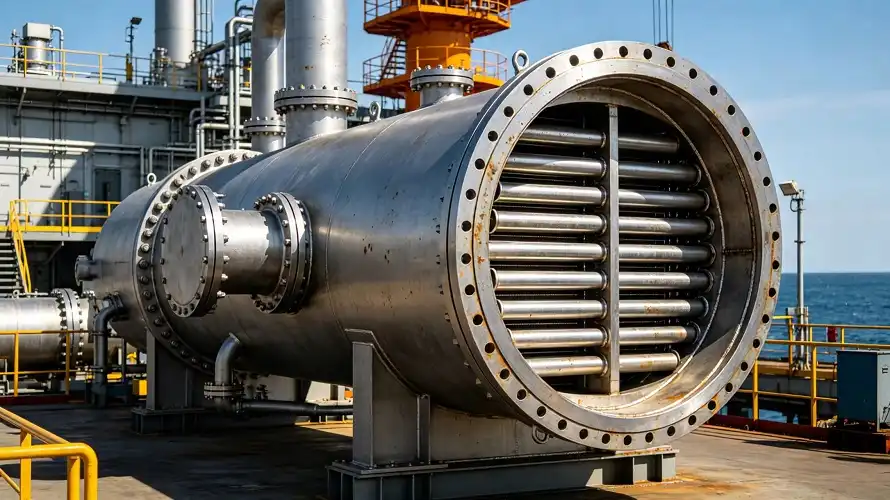
Chemical reactors for sulfuric acid, hydrochloric acid, and organic solvents employ grade 5 titanium plate (Ti-6Al-4V) reactor tanks, heat transmission tubes, and agitator blades. The material doesn't rust at high temperatures or in large amounts, which destroys stainless steel and other exotic metals. In deeper places where repair is difficult, offshore oil platforms employ titanium risers and other subsea equipment. A component failure can cost millions in manufacturing.
Marine and Offshore Energy
Since it doesn't rust or biofoul in saltwater, Ti-6Al-4V is utilized in ship propeller shafts, hydrofoil constructions, and desalination plant parts. Even buried in saline water, marine propellers used in tidal energy systems can last decades. The alloy's strength allows thinner wall portions, reducing system weight and improving hydrodynamic efficiency.
Conclusion
Businesses that need excellent performance in severe environments could utilize the Ti-6Al-4V titanium plate. Its great strength, low weight, corrosion resistance, and biocompatibility make it perfect for medicinal, chemical, marine, and aircraft applications. Material costs are greater than traditional options, but the long-term benefits of reduced maintenance, longer service life, and superior operational efficiency are tempting. Experienced sellers may provide approved supplies, custom manufacturing, and technical expertise to help procurement staff streamline projects and reduce supply chain risks.
FAQ
Q1: What distinguishes Grade 5 titanium plate from other titanium grades?
Grade 5 titanium plate has 6% aluminum and 4% vanadium. The alpha-beta combination structure is roughly twice as powerful as commercially pure grades like Grade 2. Heat treatment, mechanical properties, and corrosion resistance are all good with this material. Grade 2 is excellent for low-stress purposes and Grade 5 for medical, aerospace, and industrial equipment, high-load structural parts.
Q2: How does corrosion resistance impact the total cost of ownership?
In acidic, alkaline, and saline environments, Ti-6Al-4V forms a stable oxide layer that prevents degradation. This metal is better for building equipment than stainless steel or carbon steel since it lasts longer and requires less maintenance. Service life enhancements of 200 to 300 percent in chemical manufacturing facilities cut lifetime costs significantly, even when materials cost more initially.
Q3: Can the Grade 5 titanium plate be customized to specific dimensions and certifications?
Trustworthy suppliers can manufacture unique plates with thicknesses from 4mm to 80mm, widths of 2,500mm, and lengths of 10,000mm. Custom manufacturing involves accurate cutting, surface cleaning, and heat treatment to satisfy customer specifications. All materials have mill test results that meet ASTM B265, AMS 4911, and other international standards. This ensures medical and aeronautical materials can be traced back to their source.
Partner with Jucheng Titanium for Reliable Grade 5 Titanium Plate Supply
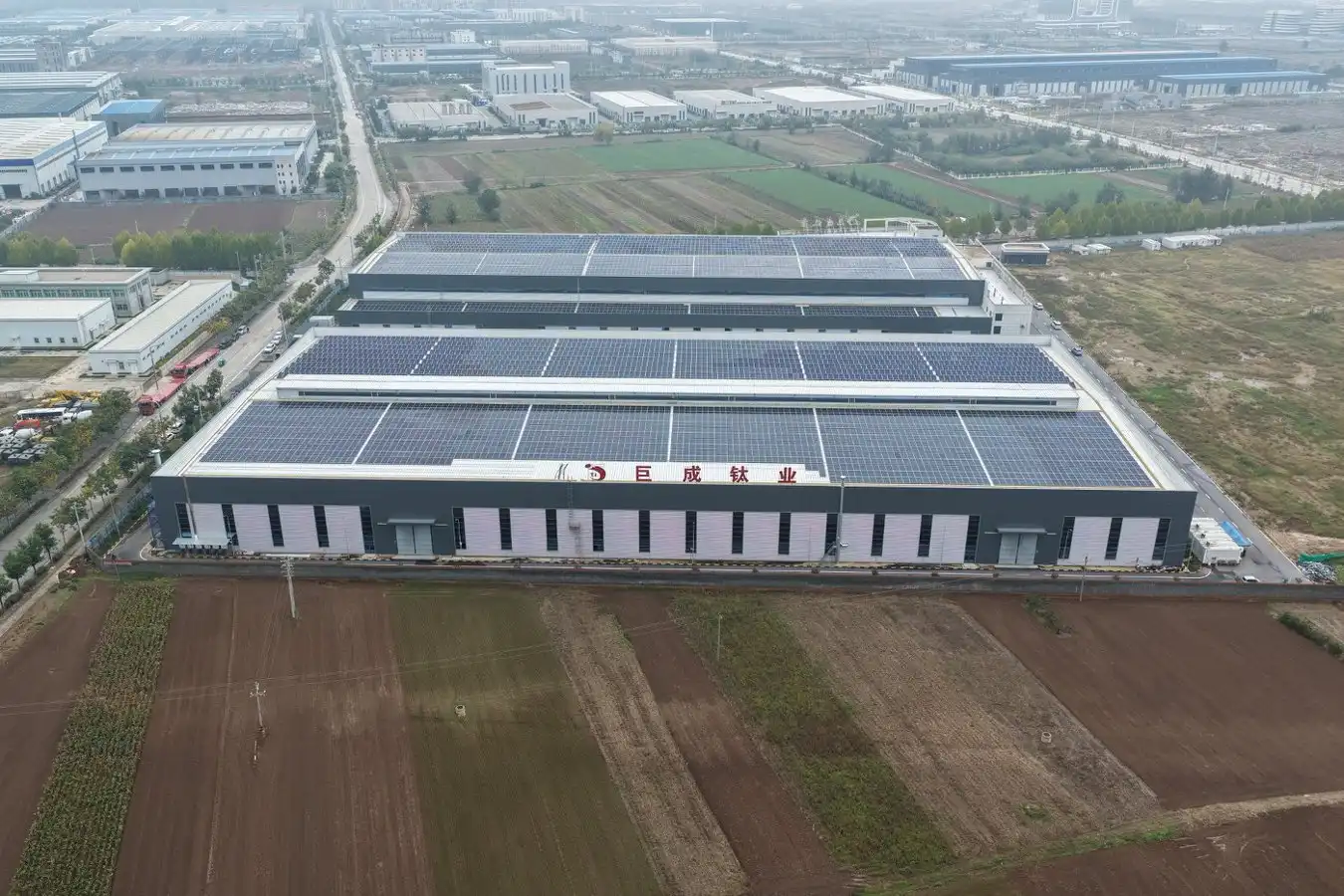
After 20 years in the titanium industry, Jucheng Titanium can assist worldwide B2B buyers in locating authorized, high-quality Ti-6Al-4V plate. Our warehouse in Baoji, China's Titanium Valley, holds over 3,000 tons of stock to accommodate immediate buying demands. Hot-rolled, annealed plate satisfies ASTM B265 and AMS 4911 specifications in our ISO-certified plants. You may choose any size or surface treatment. As a national high-tech firm and specialized "little giant," we offer competitive rates, technical guidance, and comprehensive post-sale support for grade 5 titanium plate. Contact s4@juchengti.com to discuss your project demands with our engineering team and obtain a detailed price with material certifications and quality assurance papers.
References
1. Boyer, R., Welsch, G., & Collings, E.W. (1994). Materials Properties Handbook: Titanium Alloys. ASM International.
2. Donachie, M.J. (2000). Titanium: A Technical Guide (2nd Edition). ASM International.
3. Lutjering, G. & Williams, J.C. (2007). Titanium (2nd Edition). Springer-Verlag Berlin Heidelberg.
4. Peters, M., Kumpfert, J., Ward, C.H., & Leyens, C. (2003). Titanium Alloys for Aerospace Applications. Advanced Engineering Materials, Volume 5, Issue 6.
5. Schutz, R.W. & Watkins, H.B. (1998). Recent Developments in Titanium Alloy Application in the Energy Industry. Materials Science and Engineering A, Volume 243, Issues 1-2.
6. ASTM International. (2015). ASTM B265-15: Standard Specification for Titanium and Titanium Alloy Strip, Sheet, and Plate. ASTM International Standards.