
CP Titanium Welding Rod: Procedure & Tips
For widely pure titanium welding processes, it is important to know how to choose CP titanium rods and how to weld them. These welding supplies are made from highly polished titanium (ASTM Grades 1–4) that has very little interstitial material and is very resistant to rust. Correct choice and use affect the strength of joints in aircraft assembly, chemical processing equipment, and marine constructions, as well as how long they last and how much they cost. The right way to weld these pieces keeps the strength-to-weight ratio and biocompatibility of the parent material, which lowers the chance of mistakes and costly repairs.


Understanding CP Titanium Welding Rods: Properties & Applications
What Makes CP Titanium Rods Unique?
Titanium alloys are different from commercially pure titanium bars used for welding because they don't mix with other metals very much. Grade 4 is stronger than Grade 1, which is the lightest and most flexible. Levels of oxygen and iron change. In tough environments like the ocean and acidic workplaces, pure materials don't rust. The low amount of aluminium and vanadium in Grade 5 metals makes them less strong when pulled apart, but they are easier to shape and join.
Core Applications Across Industries
These CP titanium rods are necessary in fields that need to be kept strong. For its light weight and resistance to corrosion, CP titanium is used in aircraft for non-structural parts and ducts. In chemical plants, these rods are used to build or fix heat exchangers, reaction tanks, and pipes that are exposed to chloride and sulphuric acid. Corrosion in seawater-cooled condensers and gear on offshore platforms can lead to catastrophic breakdowns; marine engineers need CP welding rods to fix these problems. They are sometimes used to make prototypes of surgical tools. For implantable equipment, Grade 23 is best.

Comparison with Alternative Welding Consumables
Trade-offs exist between CP titanium rods and Grade 5 or stainless steel welding wires. Grade 5 titanium alloy rods have 30% better tensile strength but less corrosion immunity and danger of stress corrosion cracking in chloride-rich conditions. Although cheaper and faster to process, stainless steel rods lack titanium's strength-to-weight ratio and suffer pitting corrosion in marine applications, which titanium easily resists. Operating circumstances, mechanical load, and long-term maintenance expenses determine the option. These characteristics typically convince procurement teams that CP titanium's endurance warrants the higher initial cost.

CP Titanium Welding Rod Procedure: Step-by-Step Guide
Pre-Weld Surface Preparation
Titanium weld flaws are mostly caused by surface contaminants. Use acetone or methanol-soaked lint-free towels to remove oils, greases, and marking inks. Mechanical cleaning using titanium-specific stainless steel wire brushes eliminates oxide scale without cross-contamination with ferrous metal brushes. Immediately before welding, wash the joint and filler rod with clean solvent to remove moisture and particles. This careful preparation prevents weld cycle hydrogen uptake and nitrogen embrittlement.

Establishing an Inert Atmosphere
Titanium reacts violently with oxygen and nitrogen at 400°C, forming brittle surface layers that impair welding. Gas Tungsten Arc Welding (GTAW/TIG) requires 99.99% pure argon shielding gas provided at 15-20 cubic feet per hour via the flame. Critical welds need trailing shields and backing purging systems to cool the weld zone below the reactive temperature threshold. For pipe welding, cleanse the interior with argon to displace oxygen and check oxygen levels below 50 ppm using a calibrated oxygen analyzer before striking the arc.
Executing the Weld Pass
Choose DCEN polarity to heat the workpiece instead of the tungsten electrode. Thoriated or lanthanated tungsten electrodes prevent contamination and maintain steady arcs. Keep the arc length short—about one electrode diameter—and feed the CP titanium rod into the molten puddle's leading edge steadily. Avoid excessive weaving and use stringer beads with low oscillation to avoid heat and grain formation. Weld bead width should be 2-2.5 times rod diameter at travel speed.

Post-Weld Cooling and Inspection
For narrow portions, let the weldment cool naturally under continuous argon shielding for 2-3 minutes until the metal surface dips below 200°C. Quenching or forced cooling causes residual tension that can break. After cooling, check for surface discoloration. Bright silver or light gold indicates good shielding, whereas blue, purple, or white oxide layers indicate contamination that needs removal and rewelding. Liquid penetrant inspection and radiography evaluate interior soundness, especially for pressure-retaining joints.

Comparing CP Titanium Rods with Alternative Materials
CP Titanium Versus Titanium Alloys
Grade 5 titanium alloy rods are best for load-bearing aircraft constructions, although CP grades are best for corrosion immunity. A Grade 2 CP titanium rod passivates in hot concentrated brine, whereas a Grade 5 may experience crevice corrosion. CP grades simplify post-weld machining, cutting tool life, and secondary finishing because to their lower hardness. Aerospace fasteners and rotating components require alloy rods for stress cycling that exceeds CP titanium's capabilities.
Stainless Steel as an Alternative
A sixth of the cost of CP titanium rods, type 316 stainless steel welding wire is corrosion-resistant for many industrial applications. However, chloride-laden settings like desalination plants and marine exhaust systems cause localized pitting and through-wall failures in stainless steel within years. Scraped titanium's self-passivating oxide coating regenerates quickly, enabling decades of maintenance-free service. Titanium's 4.5 g/cm³ density, compared to stainless steel's 8.0 g/cm³, allows for greater payload in maritime boats and airplanes, making it ideal for weight-sensitive applications.
Selecting the Optimal Product Form
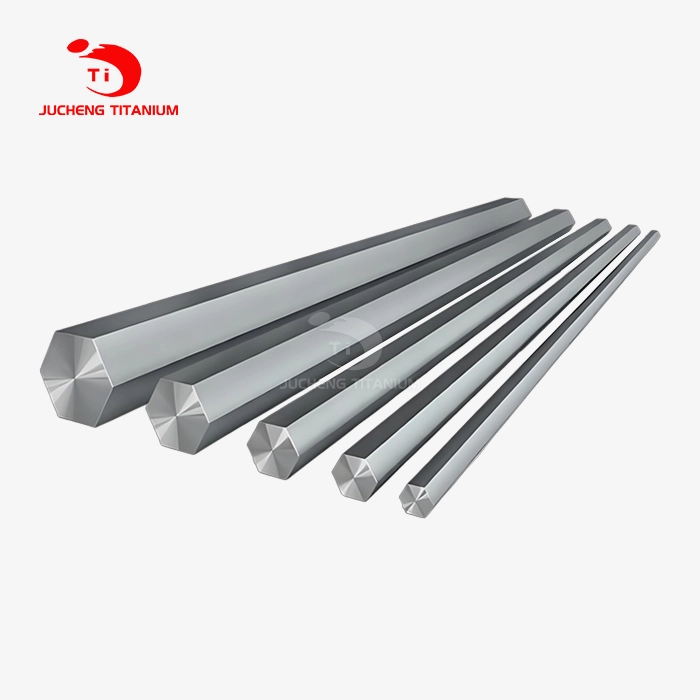
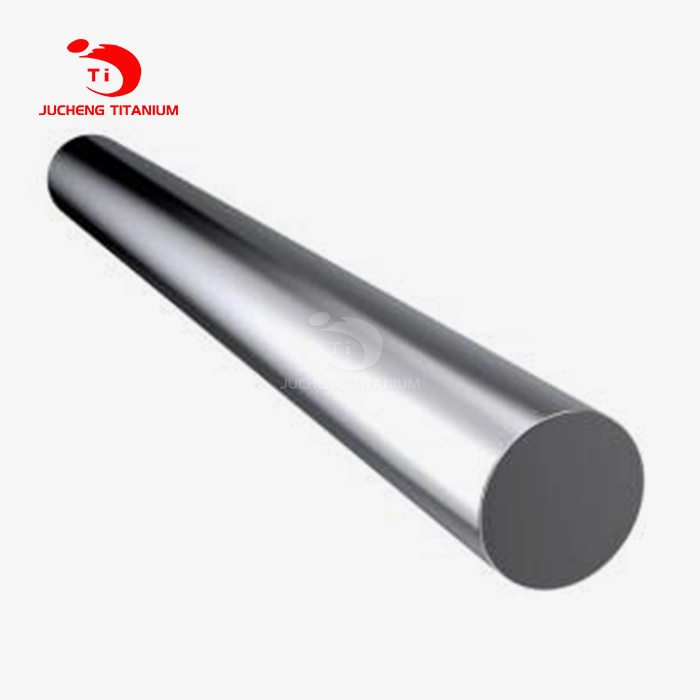
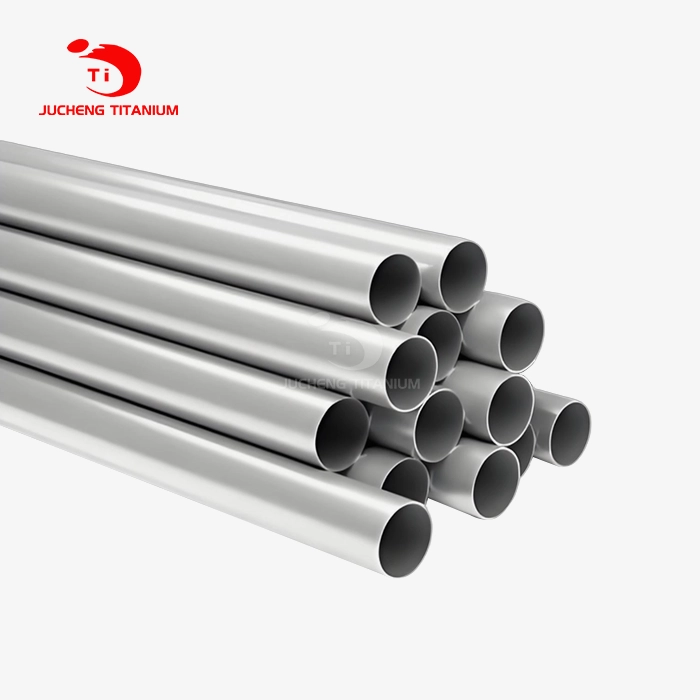
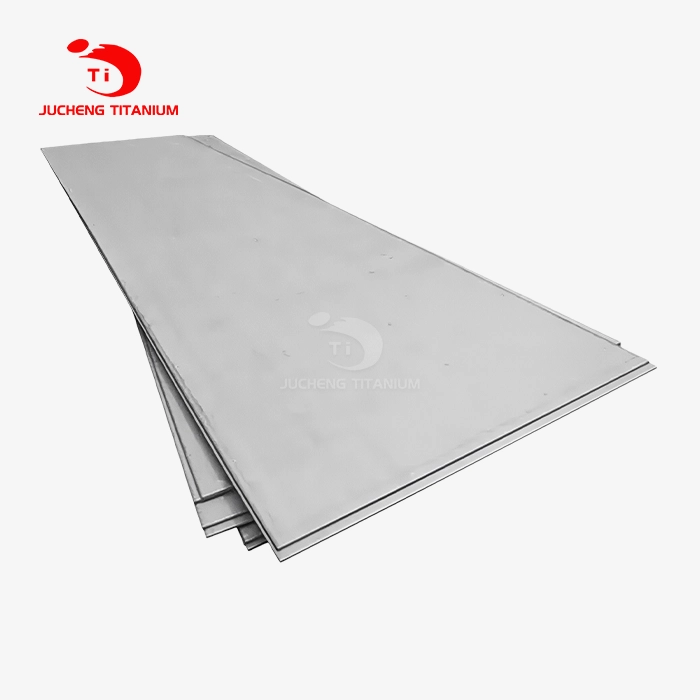
Titanium comes as welding rods, solid bars for machining, plates for fabrication, and wires for automated welding. Product form must match production procedures during procurement. Vacuum melting and rotary forging solid round bars provide uniform microstructures for CNC machining into precision components. Diameters from 6mm to 450mm and lengths up to 6000mm or bespoke lengths up to 12000mm meet different manufacturing needs. Centerless grinding, polishing, and pickling provide dimensional uniformity and cleanliness, which affect welding results.

Procurement Guide for CP Titanium Welding Rods
Essential Supplier Certifications
Reliable CP titanium rod suppliers follow ASTM B348, ASME SB348, AMS 4928, and ISO 5832-3. Aerospace and medical applications need these chemical composition restrictions, mechanical qualities, and production traceability criteria. Make sure that suppliers produce Mill Test Certificates (MTC) per EN 10204 3.1, including heat figures, tensile test data, and chemical analysis for each manufacturing lot. AS9100 certification shows aerospace-specific process controls that limit batch-to-batch variability, whereas ISO 9001 certification shows quality management systems.
Evaluating Supplier Reliability and Capacity
Long-term project success depends on suppliers' inventories and production flexibility. Annual titanium stockpiles of 3,000 tons allow manufacturers to meet urgent needs without disrupting project deadlines. Suppliers making over 500 titanium equipment assemblies yearly have vertical integration capability for bespoke fabrication. Assess suppliers' engineering engagement with research universities to generate specialty alloy compositions or non-standard dimensions not accessible from commodity wholesalers.
Sizing Standards and Bulk Ordering Considerations
CP titanium rods are available in annealed form with diameters from 6mm to 450mm and lengths up to 6000mm, with bespoke manufacture up to 12000mm for particular applications. Volume pricing benefits bulk orders, but procurement teams must weigh cost reductions against inventory carrying costs and material certification validity dates. Gr1, Gr2, Gr3, and Gr4 are pure titanium grades, whereas Gr7, Gr9, Gr12, and Gr23 are slightly alloyed variations with improved characteristics. Discuss surface treatment options—polished, turned, centerless ground, or pickled—which affect welding preparation time and component tolerances.

Troubleshooting & Tips for Optimizing CP Titanium Welding Rod Performance
Preventing Contamination-Related Defects
Welds with contamination are embrittled, discolored, or porous. CP titanium rods should be stored separately from steel and aluminum to avoid galvanic contact and particle transmission. During rod preparation, use clean cotton gloves and lint-free cloths. If welds are too porous despite shielding, check shielding gas lines or electrode storage for moisture. Keep rods in climate-controlled locations below 50% relative humidity to avoid hydrogen pickup and delayed cracking beyond 24-48 hours.
Optimizing Welding Parameters for Different Grades
Due of its lower strength and higher ductility, Grade 1 CP titanium requires less heat than Grade 4. Standard GTAW settings for 3mm Grade 2 material use 80-100 amperes and 15 CFH argon flow to move 6-8 inches per minute. Grade 4 comparable thickness material can withstand 100-120 amps without penetration. Insufficient heat input causes incomplete fusion, whereas high amperage burns and coarsens grain, reducing corrosion resistance. Perform AWS D1.9 or ASME Section IX method qualification tests to check production welding settings.
Implementing Quality Monitoring Protocols
Before costly rework or field failures, systematic inspection finds problems. AMS 2631 ultrasonic testing reveals internal discontinuities unseen to the naked eye, essential for pressure vessel applications. Sample weld metallographic cross-sectioning shows acceptable Alpha phase microstructure without oxygen-enriched Alpha Case layers beyond 0.05mm depth. Mechanical testing verifies that weld tensile strength meets or surpasses base metal parameters, usually 240-550 MPa, depending on CP grade. Documented inspection findings meet customer quality standards and aid process improvement.
Conclusion
Successful use of CP titanium rod solutions requires strict surface preparation, inert gas protection, and proven welding conditions for specific grades and geometries. Commercially pure titanium's corrosion resistance and biocompatibility justify its premium and careful treatment for aerospace, chemical processing, and marine applications. Choosing recognized suppliers with established production capacity, thorough traceability documentation, and technical support resources positions procurement teams for long-term material supply. Titanium weldments last for decades without maintenance due to ongoing welder training, equipment calibration, and non-destructive testing.
FAQ
Q1: Can CP Titanium Rods Withstand Marine Environments?
Where stainless steel pits and crevices exist, CP titanium rods resist saltwater corrosion and preserve structural integrity. Natural titanium dioxide passive layer regenerates rapidly after damage, offering ongoing protection without coatings or cathodic systems.
Q2: What Are Standard Dimensional Specifications?
Commercially pure titanium rods include diameters from 6mm to 450mm and lengths up to 6000mm. Specialty structural applications need 12000mm of custom manufacturing. ASTM B348 dimensions and surface treatments include polished, turned, centerless ground, and pickled.
Q3: How Does Welding Strength Compare to Grade 5 Titanium?
CP titanium welds get 240-550 MPa, depending on grade, whereas Grade 5 alloy welds get 900-950 MPa. Despite lower absolute strength, CP grades are better for chemical processing equipment because they have better ductility and fatigue endurance in corrosive situations where alloy welds may experience stress corrosion cracking.
Partner with Jucheng Titanium for Certified CP Titanium Rod Solutions

For over 20 years, Baoji Jucheng Titanium Industry has supplied aerospace, chemical industrial, and medical device businesses with precision-engineered titanium products. Our CP titanium rod Grades 1-4 are certified by ASTM B348 and ASME SB348 and stored in climate-controlled facilities to ensure material integrity. We avoid essential project delays with 3,000 tons of titanium stock accessible year-round and customisation possibilities up to 12000mm lengths. Our engineers work with clients to improve material selection, welding, and quality verification standards for specific applications. Our National High-Tech Enterprise certification and specific manufacturing capabilities assist your quality and delivery goals for titanium rod production or technical consultancy for difficult fabrication projects. Talk to our procurement specialists at s4@juchengti.com about titanium welding rods and certified material test results for your next project.
References
1. American Welding. (2019). AWS Publications: Titanium Structural Welding Code, D1.9/D1.9M, Miami.
2. M.J. Donachie (2000). Technical Guide to Titanium (2nd ed.). ASM International Materials Park.
3. International ASTM. (2021). The ASTM B348-21 standard specifies titanium and titanium alloy bars and billets. West Conshohocken: ASTM.
4. Jo.C. Williams & G. Lutjering. (2007). Second edition: Titanium. Springer-Verlag Berlin.
5. American Mechanical Engineers. (2020). Section IX: Welding and Brazing Qualifications, ASME Boiler and Pressure Vessel Code. New York: ASME Press.
6. R. Boyer, G. Welsch, and E.W. Collings. (1994). Titanium Alloys Materials Properties Handbook. ASM International Materials Park.