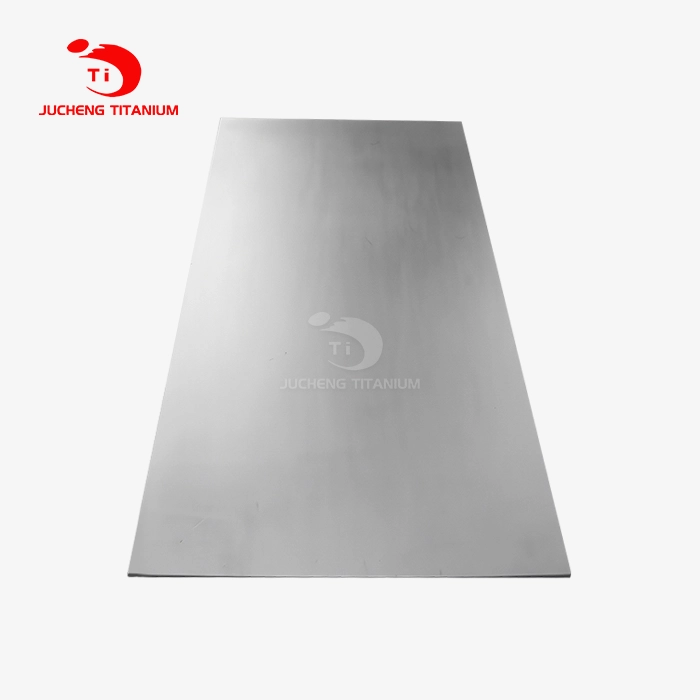

Ti-6Al-4V plate: Properties, Applications, Manufacturing
The Ti-6Al-4V plate is the most common titanium metal used in engineering. It is made up of 90% titanium, 6% aluminium, and 4% vanadium. It is used to solve important industrial problems. M=ore than half of all titanium used in the world is this alpha-beta alloy, which is also called Grade 5. It meets the high-performance standards of the aircraft, medical, and chemical processing industries, even though pure titanium isn't very strong. The material's density of 4.43 g/cm³ gives it a high strength-to-weight ratio. It can also be treated with heat and is resistant to corrosion, so it can be used in situations where structural soundness and environmental robustness are important.
Understanding Ti-6Al-4V Plate Properties
The chemicals that make up Grade 5 titanium form a special structure that changes how well it works mechanically. Aluminium, which is an alpha stabiliser, makes the metal harder and lighter. Vanadium, which is a beta regulator, makes it more bendable and changes how it responds to heat better. This well-balanced piece is great in a lot of different ways.
Mechanical Strength Characteristics
The tensile strength must be 895 MPa (130 ksi), and the yield strength must be 828 MPa (120 ksi). It is written in ASTM B265. It works better than some types of stainless steel and is 40% lighter, so the Grade 5 titanium plate is good for building parts that need to be light. If you add 10% to a two-inch gauge length, you can shape it without losing its ability to hold weight. As long as the rock hardness is 36 HRC, it won't wear down when used with moving contacts.

Temperature and Environmental Performance
Up to 752°F (400°C), the metal keeps its mechanical qualities. This is hot enough for most jobs in the industry and the air. It is stronger than aluminium metals in engine rooms and chemical labs that are over 200°C when grade 5 titanium is used. Because its melting point is getting close to 1660°C, it can be worked on and processed without getting too hot. Titanium oxide naturally forms on top of the metal it is made of, guarding it from things like chlorine, saltwater, and acidic solutions. This is where stainless steels fall short.
Heat Treatment Capabilities
In addition to heating, solution treatment and ageing (STA) can make steel stronger. Unlike widely pure titanium grades, Grade 5 can be heated, which lets manufacturers change the material properties. Because it is strong and flexible, the annealed Ti-6Al-4V plate is great for general-purpose uses. On the other hand, STA-processed material is harder for parts that need to be durable.
Key Applications of Ti-6Al-4V Plates in Industry
Because it is flexible, the Grade 5 titanium plate is used in many fields where the performance of the material affects safety, economy, and the life of the product. These uses help people who work in buying figure out when this metal is best.
Aerospace and Defence Components
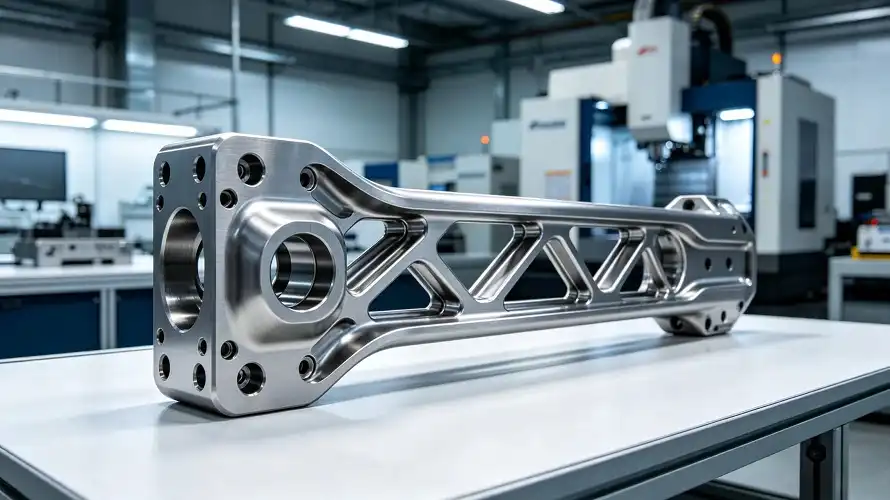
Parts of the plane's frame, the landing gear, and bolts that need to be strong but light are made of grade 5 titanium. A lot of aeroplane parts are made of Grade 5 titanium. This metal is used to make engine housings, blades, and discs for compressors that can handle high temperatures and stress. It is used by defence companies to make parts of planes, weapons, and armour systems that need to work well in harsh situations. Because the material is strong against wear, cracks don't spread during cyclic loading. This makes the part safe over decades of stress cycles.
Medical and Biomedical Applications
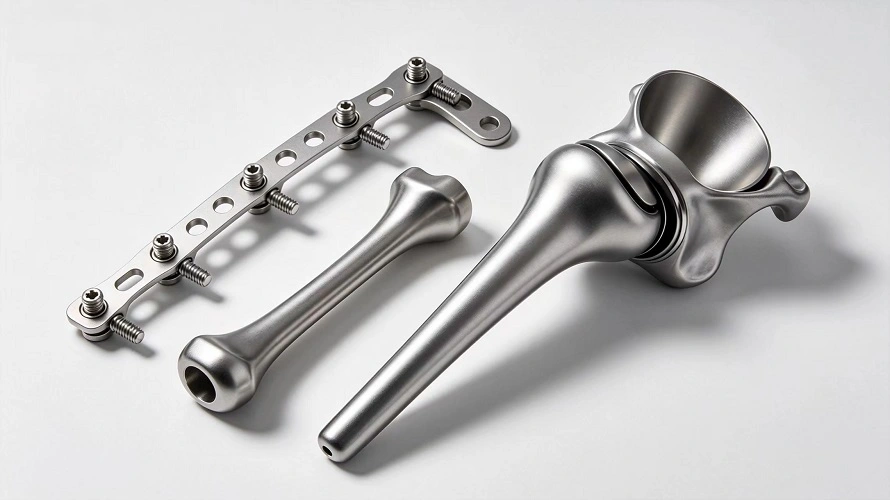
Medical implants are made from Grade 5 titanium, especially Grade 23 extra-low interstitial (ELI). This is used to make orthopaedic plates, spine support devices, and joint replacement prostheses. Biocompatibility means that the metal can be used without hurting living things. Its 113 GPa elastic stiffness fits bone better than stainless steel. This means that it lowers the effects of stress buffering that could cause the bone to break down. A lot of care goes into the osseointegration process by companies that make tooth implants. This process lets the bone join together without any soft tissue. Tools used in surgery that are made from it don't rust or break down after being cleaned many times.
Chemical Processing and Industrial Equipment
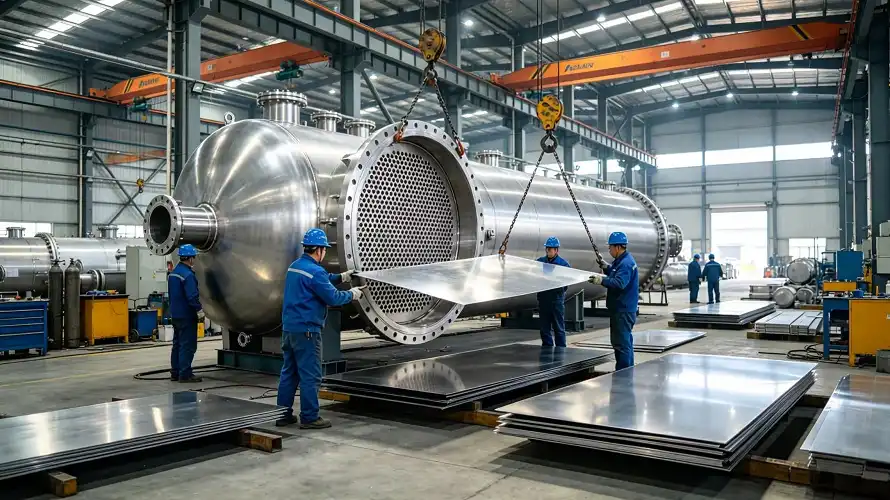
Grade 5 titanium plates are used for heat exchanger shells, reactor tanks, and pipe systems that deal with oils, chemicals that are chlorinated, and brines that are very hot. The longer-lasting equipment is cheaper than stainless steel because it doesn't rust or pit in salty settings. The materials are more expensive at first, but they are worth it because they last longer. Plates and tubes for heat exchangers are made of this metal. They don't rust in either the process water or the cooling water. Shipbuilders use it to make propeller shafts, pump housings, and parts for water treatment plants, since saltwater quickly breaks down other metals.
Energy Sector Installations
To make cooling systems, oil and gas sites at sea, and geothermal energy plants, power plants use Grade 5 titanium. Because it is strong and doesn't rust, it can be used in difficult conditions where broken equipment could lead to expensive shutdowns or safety issues. In oil and gas plants, a titanium plate is used to handle streams of hydrogen sulphide that wear down high-nickel metals.
Manufacturing and Technical Processing of Ti-6Al-4V Plates
To get uniform properties and the right measurements, the Quality Grade 5 titanium plate needs to be closely watched during many stages of processing. By knowing these production steps, buyers can judge a supplier's skills and set quality standards.
Hot Rolling and Forming Operations
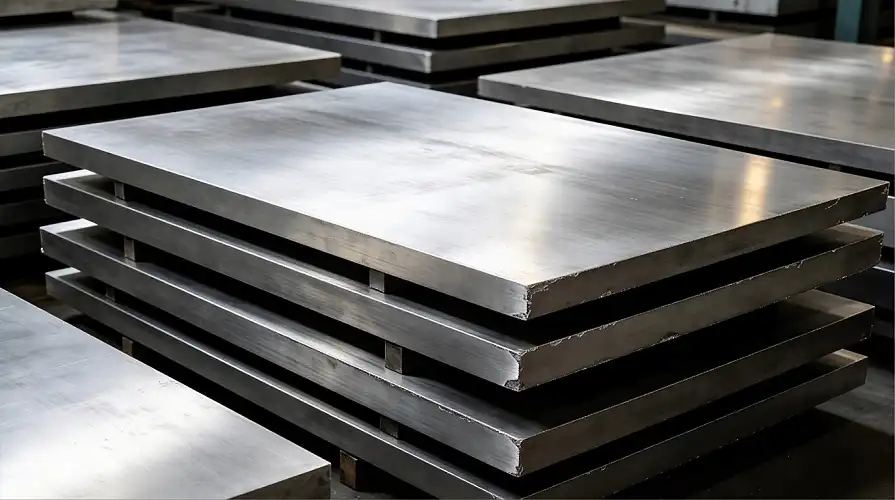
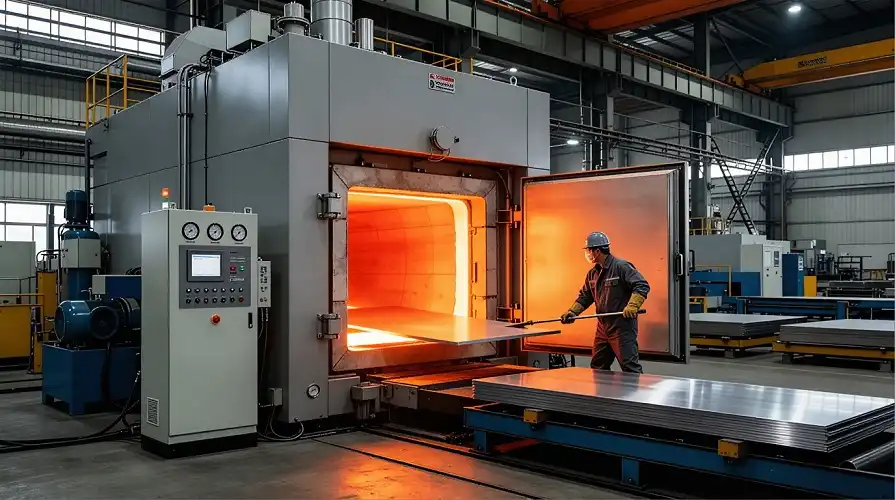
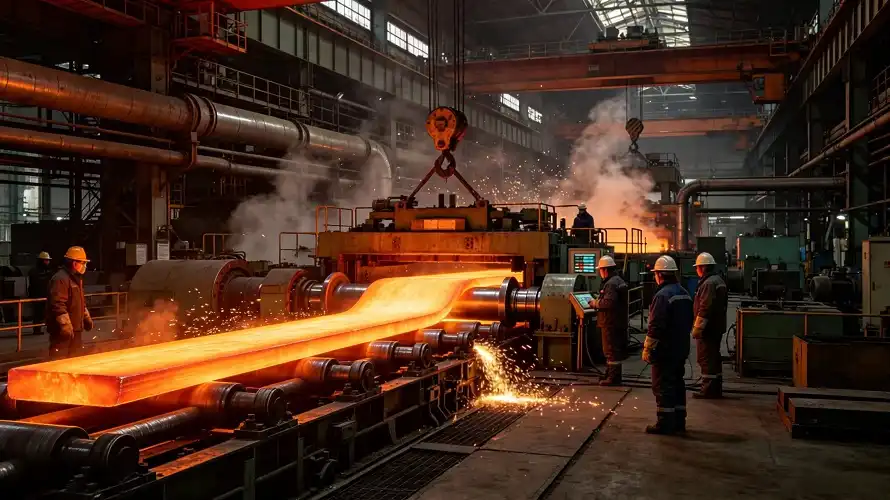
Hot roll titanium lumps into plates several times at 900°C to 1050°C. To get the right thickness, this method breaks down the as-cast structure. Because rolling direction affects grain structure and mechanical properties, manufacturers keep a close eye on reduction ratios and warming processes. Plates can be 4 mm thick up to 80 mm thick and 950 mm wide up to 2500 mm wide, which is enough for most component needs. For some uses, custom sizes can get close to 10 meters, but standard plate sizes are cheaper and easier to find.
Annealing and Stress Relief
Thermal annealing gets rid of any stresses that are still there from hot working and improves the microstructure of the Ti-6Al-4V plate so that it is as strong and flexible as it can be. According to ASTM B265 and AMS 4911 guidelines, these plates need to be heated to 730°C and then cooled down slowly. For aircraft and medical uses that need to be safe, the mechanical properties of the plate cross-section must be the same all the way through. This can be achieved through thermal processing. When done right, annealing lowers work-hardening and makes the metal easier to machine.
Surface Treatment Options
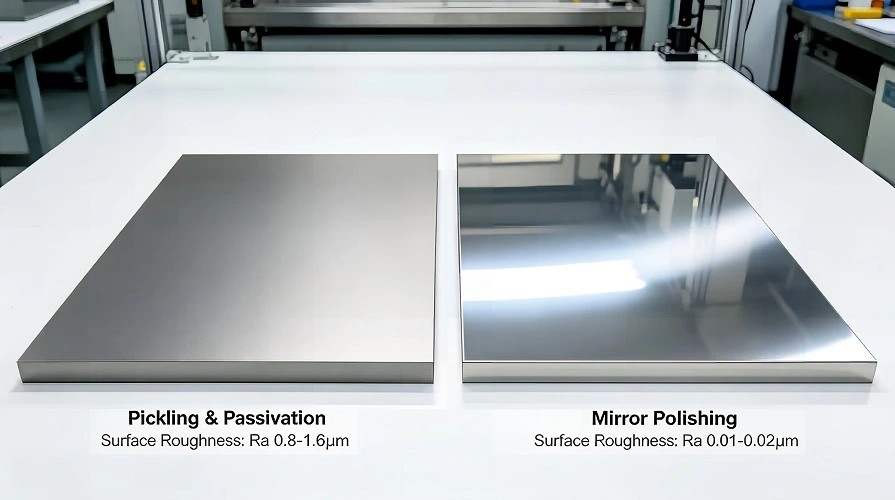
Preparing the surface has a big effect on how it looks and how well it works. Acid pickling gets rid of the alpha case oxidation layer that forms after hot processing. This leaves a clean base metal that is very resistant to rust. Machined surfaces help parts that have tight tolerances or areas that fit together well. Polished finishes make things look better and reduce surface roughness that could harbour germs in hospital settings. Bad finishing can make a material less useful; the way the surface is treated should depend on what it will be used for.
Quality Control and Certification
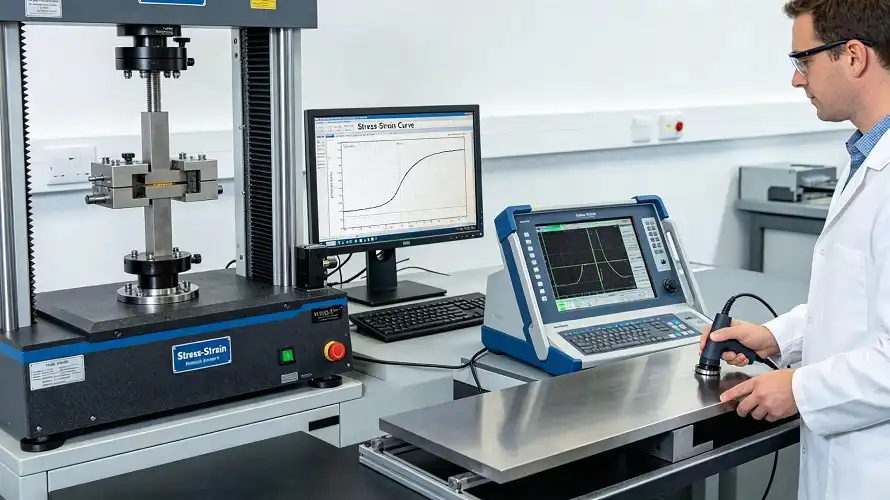
Thorough checks make sure that the quality of the plates meets the specs. Ultrasonic testing according to ASTM B594 or AMS 2631 finds problems inside a material, like holes, gaps, and inclusions, that could lead to early failure. Metallographic testing shows that the alpha-beta phase is spread out and that there are no harmful alpha case microstructures. A chemical test proves the basic makeup, focusing on interstitial elements like hydrogen, oxygen, and nitrogen that have a big effect on how flexible the material is. Grade-compliant strength, stretch, and formability are confirmed by tensile and bend tests. Tough regulations mean that material test records (MTRs) are needed to keep track of each plate and its manufacturing heat and test results in medical and aerospace uses.
Comparing Ti-6Al-4V Plates with Alternative Materials
You should think about performance, cost, and supply when picking a material. Depending on the purpose, grade 5 titanium has a lot of different options.
Grade 5 versus Grade 23 (Ti-6Al-4V ELI)
Level 23 is an extra-low interstitial form of Level 5, but it has stricter limits on oxygen, nitrogen, and iron. It is great for safe and fatigue-resistant medical implants because it is very flexible and hard to break, as it is pure. When more property changes aren't worth the higher cost of Grade 23, Grade 5 is used in industry and aeronautical settings. There is no choice between grades because they are both strong. Instead, the grade is chosen based on how pure it is.
Titanium versus Stainless Steel
Austenitic stainless steels, like 316L, are less expensive and easier to work with, but they can't handle seawater, strong acids, or chlorides at high temperatures. Grade 5 titanium is about half as heavy as stainless steel at the same level of strength, which is a big plus for mobile and aircraft equipment. Titanium works better over the life of the equipment in aggressive media, while stainless steel works well in mild corrosion circumstances.
Titanium versus Nickel-Base Superalloys
Titanium rusts at temperatures above 500°C, but nickel metals like Inconel shine. It costs a lot more and has a bigger density penalty to use nickel metals instead of Grade 5 titanium. Titanium is great for chemical processes because it is lighter and less expensive than other metals that prevent corrosion below 400°C. Nickel metals are only needed when they will be used in situations with very high temperatures.
Aluminium vs. Titanium Alloys
Aluminium alloys are indeed the cheapest and densest construction metals, but their strength drops quickly at high temperatures, and they corrode easily in many situations. Because it is 60% denser and twice as strong as 7075-T6 steel, Grade 5 titanium has a higher specific strength. When titanium is stronger, more resistant to high temperatures, or less likely to rust, aircraft designers choose it. They are happy to pay more for better performance.
Procurement Guide for Ti-6Al-4V Plates
To find a high-quality Grade 5 titanium plate, you need to know what your provider can do, what your specifications are, and how the different parts of the supply chain affect price and delivery reliability.
Manufacturer Selection Criteria
For aerospace, medical, and pressure tools, top makers have AS9100, ISO 13485, and ASPE certifications. These quality control methods make sure that documentation and production are all the same. When you buy from a well-known company, you can track everything from the raw materials to the finished plate, which is important for safety-critical uses. Larger makers can handle urgent or large orders, which makes wait times more reliable. Buyers should look at how much expert help providers offer for choosing materials, figuring out what specifications mean, and designing applications.
Standard Specifications and Grade Selection
ASTM B265 is the main standard for titanium plates. It describes the chemical makeup, mechanical properties, and size limits. AMS 4911 uses stricter standards to make sure that aircraft quality is met. When used in medicine, ASTM F67 or F136 is used for Grade 5/23 or commercially pure titanium. ASME SB265 talks about pressure tank plates for chemical processes. Buyers need to pick the right standard for their product based on efficiency and regulatory needs. The most common types are Gr2 (commercially pure), Gr5 (regular Ti-6Al-4V), Gr7 (palladium-enhanced corrosion), Gr9 (less aluminium for weldability), and Gr12 (molybdenum-modified for hard settings).
Order Quantities and Custom Processing
For certain factors, the smallest amount of Ti-6Al-4V plate that can be ordered is 100 kg, and the largest amount is full mill runs. This depends on the source and the size of the plate. Standard shapes are easier to find and cost less, but custom cutting services make the best use of materials and reduce waste. Some companies offer CNC grinding, waterjet cutting, and shaping to get rid of the need for extra suppliers and make supply lines more efficient. Inventory stocking solutions help users with a lot of items keep up production while cutting down on capital costs.
Delivery and Logistics Considerations
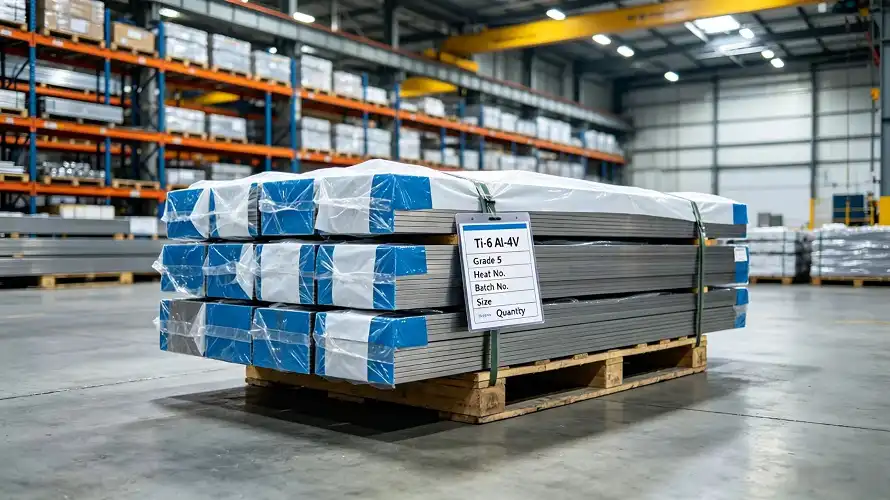
Export compliance affects shipping to other countries, especially of materials that are used in aircraft and are controlled for export. Buyers should make guesses about when they can get stock sizes and custom mill orders, which can take weeks or months. Titanium is very dense, so freight costs affect the total landing cost. This means that optimising transportation is very important for controlling costs. Reliable sellers help with planning production schedules by keeping extra inventory on hand and keeping their shipping promises.
Conclusion
Grade 5 titanium plate is strong, doesn't rust, and is easy to work with. It is used in medicine, chemicals, aeroplanes, and industry. Its dynamic properties are better than those of most similar materials, and it can handle harsh conditions longer than steel and aluminium, which can make tools less useful for longer. To pick the best grade and supplier, you need to know about the material's features, how it's made, and what it's used for. Companies all over the world are always trying to do better. Grade 5 titanium is a key material for uses that need to be safe, light, and resistant to rust.
FAQ
Q1: What distinguishes Grade 5 titanium from commercially pure grades?
Aluminium and vanadium alloys in Grade 5 make it stronger than commercially pure titanium (Grades 1-4). Pure grades give the greatest corrosion resistance and formability, while Grade 5 has approximately double the tensile strength for load-bearing structural applications. The alloy's heat treatment allows property optimisation not possible with pure grades.
Q2: Can a Grade 5 titanium plate be welded without losing properties?
Welding is possible with argon shielding to prevent air embrittlement. Critical applications sometimes require post-weld heat treatment because the heat-affected zone may have different mechanical characteristics than the base metal. Design should account for weldment properties in fatigue-critical structures, although proper welding maintains joint integrity equivalent to parent material performance.
Q3: How does temperature affect Grade 5 titanium performance?
The alloy retains mechanical qualities until 400°C, when strength diminishes and oxidation increases. As low as -253°C, cryogenic performance is ideal for liquid hydrogen and oxygen handling. To prevent deterioration over 400°C, use alternate alloys or coatings.
Partner with Jucheng Titanium for Reliable Grade 5 Material Supply
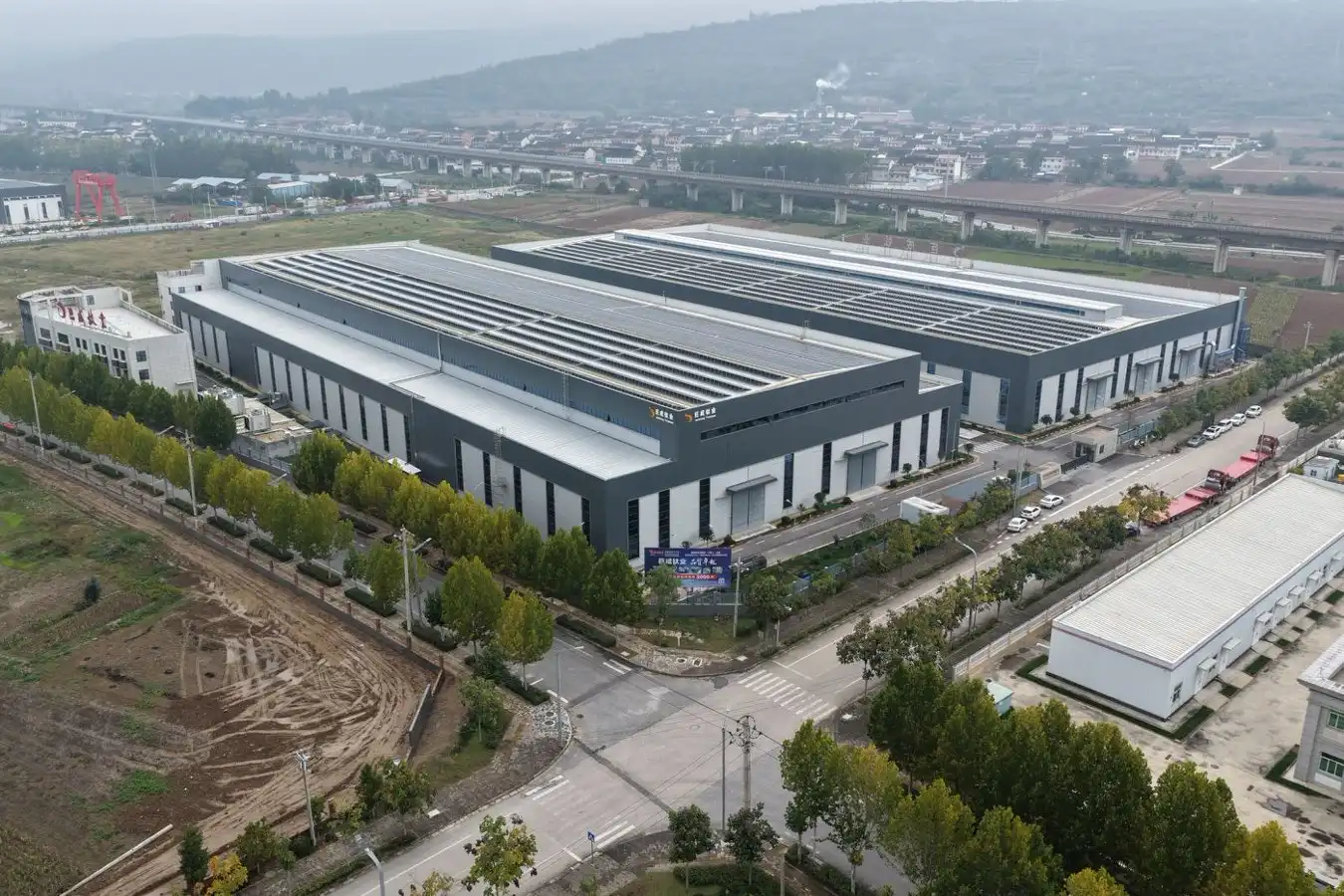
Certified Ti-6Al-4V plate for demanding applications is Baoji Jucheng Titanium Industry Co., Ltd.'s specialty for over 20 years. Our manufacturing plant is a National High-Tech Enterprise with 4 innovation patents and 41 utility model patents safeguarding our innovative processing methods. We have 3,000 tons of titanium year-round for fast delivery to meet manufacturing deadlines. Our engineering team advises on material selection, specification interpretation, and bespoke processing for aerospace, chemical, and industrial applications. Grade 5 titanium plate producer with established export capabilities to North American and European markets, we provide constant quality, traceability documentation, and fast after-sales service. Our technical sales team at s4@juchengti.com can discuss your needs and how our tailored solutions may improve supply chain dependability.
References
1. Boyer, R., Welsch, G., and Collings, E.W. (1994). Materials Properties Handbook: Titanium Alloys. ASM International, Materials Park, Ohio.
2. Donachie, M.J. (2000). Titanium: A Technical Guide, 2nd Edition. ASM International, Materials Park, Ohio.
3. Lutjering, G. and Williams, J.C. (2007). Titanium, 2nd Edition. Springer-Verlag, Berlin Heidelberg.
4. Peters, M., Kumpfert, J., Ward, C.H., and Leyens, C. (2003). "Titanium Alloys for Aerospace Applications." Advanced Engineering Materials, Volume 5, Issue 6, pp. 419-427.
5. Rack, H.J. and Qazi, J.I. (2006). "Titanium alloys for biomedical applications." Materials Science and Engineering: C, Volume 26, Issues 8, pp. 1269-1277.
6. Veiga, C., Davim, J.P., and Loureiro, A.J.R. (2012). "Properties and applications of titanium alloys: A brief review." Reviews on Advanced Materials Science, Volume 32, pp. 133-148.