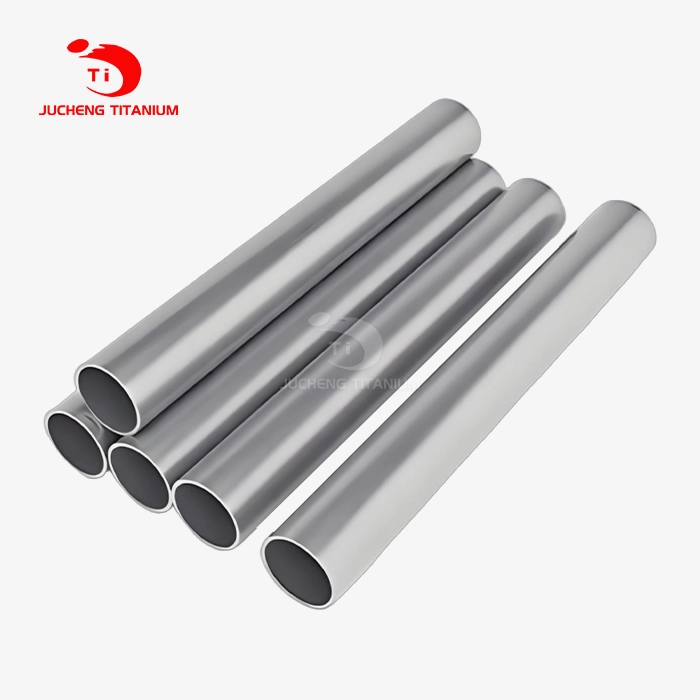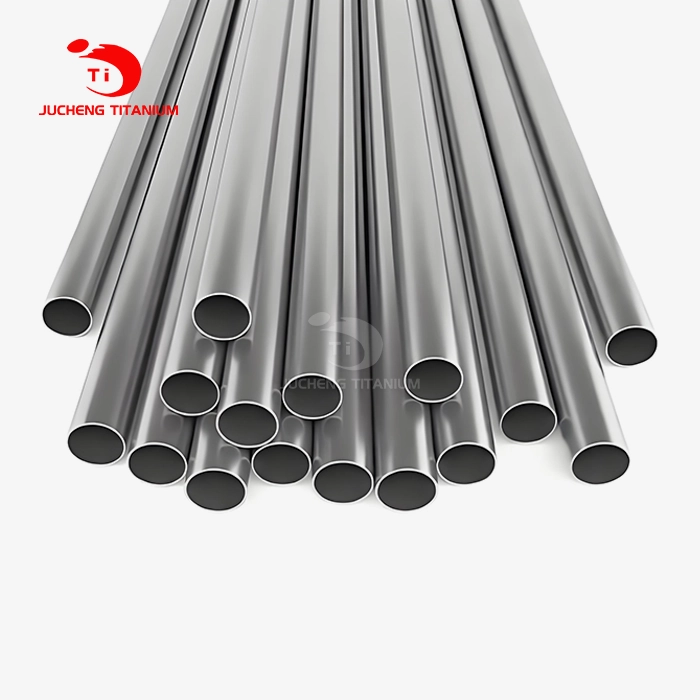

Gr1 Titanium Tube for Low-Pressure Industrial Pipelines
Traditional materials often fail prematurely when corrosive media attack pipeline integrity. Procurement managers face expensive replacements and unforeseen shutdowns. Gr1 Titanium Tube transforms low-pressure industrial pipes with commercially pure titanium that resists corrosion and forms. This seamless tubing meets the needs of chemical processors, heat exchanger makers, and marine system integrators who need consistent performance in harsh conditions without the exorbitant expense of higher-grade metals.
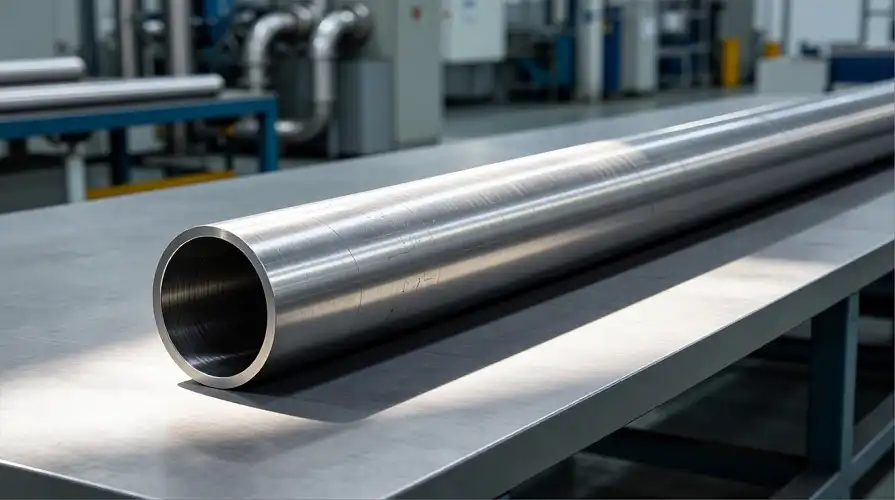
Understanding Gr1 Titanium Tube: Properties and Industrial Benefits
Grade 1 commercially pure titanium tubing is the softest and most ductile. This grade is appealing because low-pressure applications need balancing corrosion resistance and cost.
Chemical Composition and Purity Standards
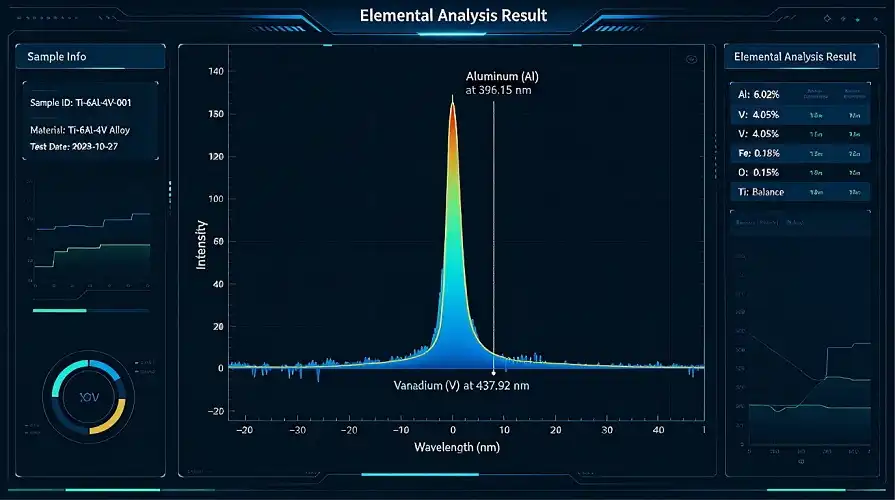
The purity profile of commercially pure titanium Grade 1 determines its performance. An alloy with good formability has a maximum iron level of 0.20%, oxygen at 0.18%, and nitrogen at 0.03%. This formulation forms a persistent, self-healing oxide layer immediately following air exposure, protecting against chloride solutions, hypochlorites, and diluted organic acids. Our manufacturing process follows ASTM B337, ASTM B338, ASTM B861, and ASME SB338 requirements, assuring uniform metallurgical qualities throughout batches. This grade is appropriate for installations that need substantial bending, flanging, or expansion due to its reduced interstitial element content compared to Gr2 and higher grades.
Mechanical Performance in Low-Pressure Environments
Minimum tensile strength is 240 MPa, and yield strength is 170 MPa, sufficient for systems below 1.0 MPa pressure ratings. The tube can withstand thermal expansion cycles and vibration without stress fractures since its elongation capacity reaches 24% and typically 30% in seamless forms. The density of 4.51 g/cm³ results in a 45% weight decrease over stainless steel alternatives. Reduced structural support and easier installation result from this weight advantage. The material is dimensionally stable from cryogenic to 300°C, yet most industrial applications have optimal corrosion resistance below 200°C.
Corrosion Resistance Mechanisms
When titanium touches oxygen, the protective oxide coating develops instantly, forming a nanometer-thick but durable barrier. Damaged passive layer regenerates automatically, offering "self-healing" protection. Chloride-rich conditions resist pitting and crevice corrosion better than austenitic stainless steels, avoiding localized attack on traditional pipe materials. This corrosion resistant titanium pipe is ideal for brackish water handling, desalination pre-treatment systems, and coastal facility applications with frequent salt spray exposure because it resists stress corrosion cracking in hot chloride solutions.
Comparing Gr1 Titanium Tubes with Other Materials and Titanium Grades
An incomplete lifecycle cost analysis causes material selection uncertainty. We've helped several procurement teams conduct comparative evaluations that disclose economic surprises beyond purchase price.
Stainless Steel versus Commercially Pure Titanium
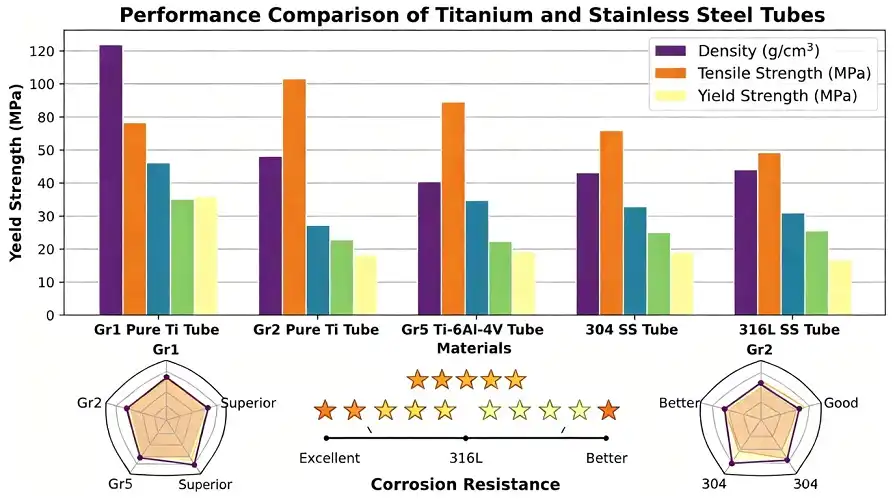
Type 316L stainless steel seems cheap, but chloride-induced pitting over 60°C adds costs. Brackish water or chemical service drastically reduces maintenance intervals and replacement cycles. Titanium solves these issues, increasing service life beyond 40 years in settings where stainless steel fails within 5-10 years. Lighter components reduce installation labor costs, and the lack of corrosion tolerances allows thinner wall designs without sacrificing integrity. Because smoother interior surfaces reduce friction coefficients with time, pumping system energy consumption lowers significantly.
Grade Differentiation within Titanium Families
Gr2 has 0.25% maximum oxygen, boosting tensile strength to 345 MPa but decreasing ductility. Gr2 is better for moderate-pressure systems due to this trade-off. Gr5 (Ti-6Al-4V) has high strength-to-weight ratios but is expensive and difficult to weld for pipeline building. Gr7 targets niche applications where Gr1 Titanium Tubes work well by adding palladium to improve crevice corrosion resistance in decreasing acid conditions. We make seamless tubes in Gr1, Gr2, Gr3, Gr5, Gr7, Gr9, and Gr12 for perfect application matching. Cost study favors Gr1 for systems below 0.8 MPa operating pressure because of its corrosion resistance.
Procurement Considerations and Supplier Selection for Gr1 Titanium Tubes
Over 20 years in global industrial markets taught us that procurement goes beyond price negotiation. Partnership quality matters more than marginal cost differences for project success.
Certification and Quality Assurance Frameworks
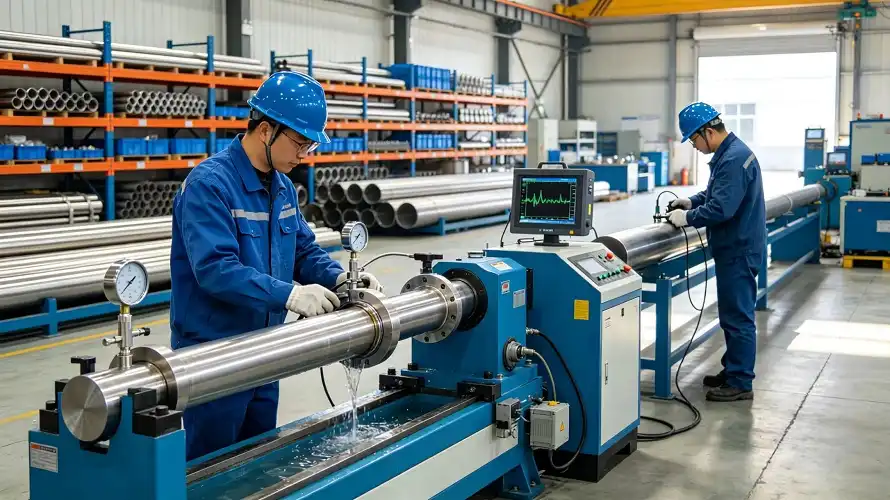
Mill test certificates with heat numbers recording chemical composition, mechanical qualities, and non-destructive testing begin authentication. Our ISO 9001:2015 accreditation and National High-Tech Enterprise status validate our quality management systems against worldwide standards. Ultrasonic, hydrostatic pressure, and dimensional examination are performed on every seamless tube before shipment. Material certificates meet ASTM B338 standards for pressure vessel code compliance and regulatory clearances. Our 41 utility model and 4 invention patents illustrate continual processing innovation that improves product consistency.
Customization Capabilities and Lead Times
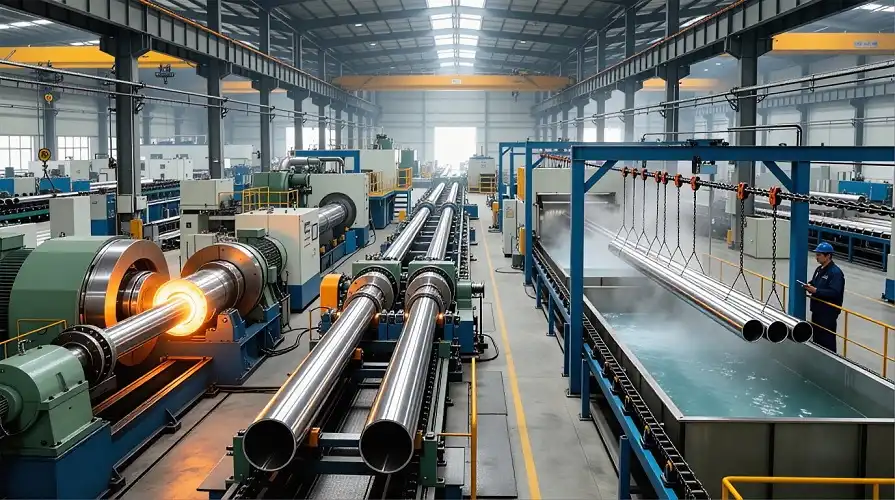
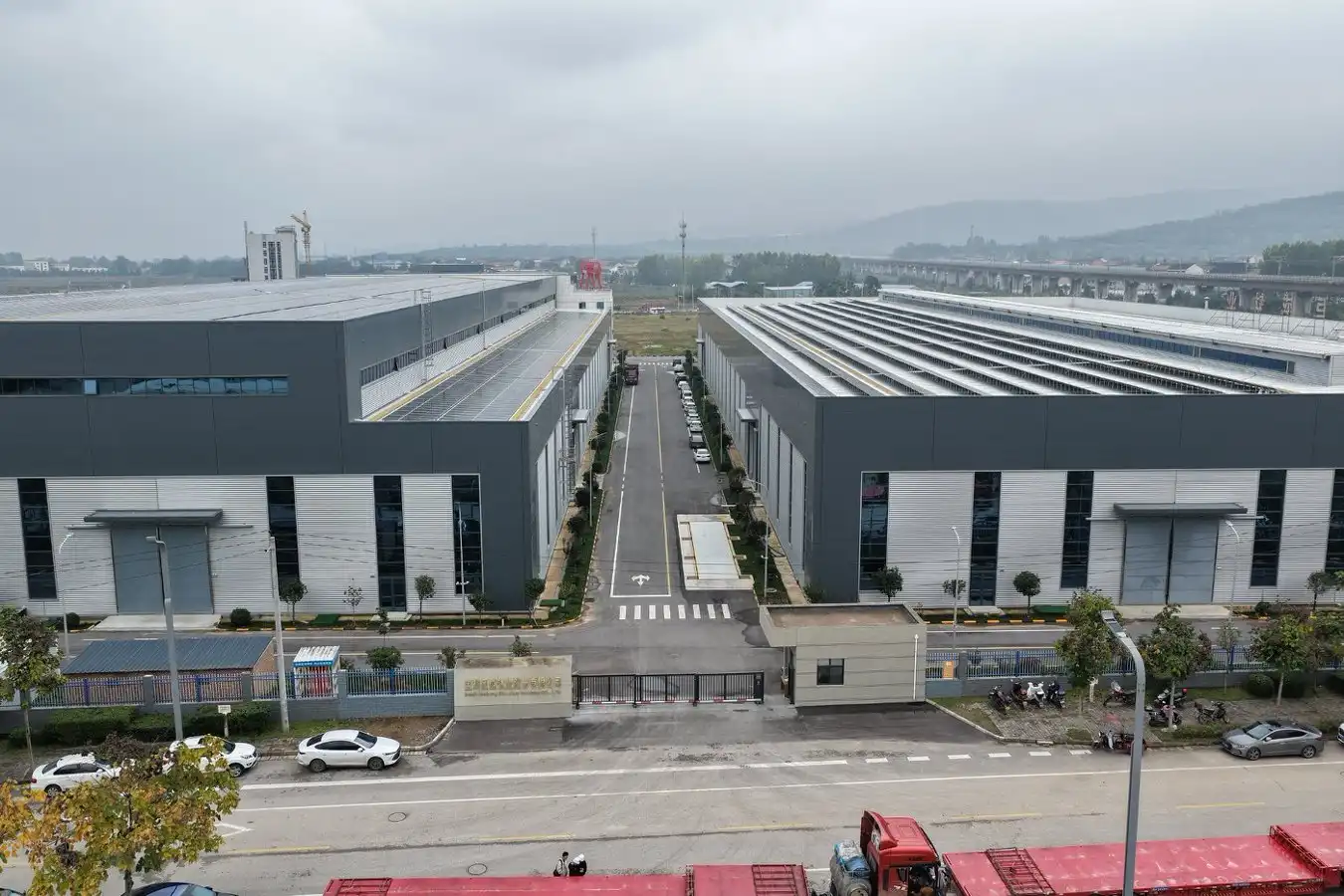
Standard inventory has outer diameters from OD3 to OD219 mm and wall thicknesses from 0.5 to 20 mm, but bespoke dimensions meet project requirements. Our 120,000-square-meter factory produces non-standard sizes in 4-6 weeks using extrusion, piercing, cold rolling, annealing, pickling, and straightening equipment. Polished, machined, or acid pickled finishes meet client demands, and annealed, pickled, or brilliant finishes are available. Our 3,000 tons of titanium inventory helps us to fulfill urgent requests quickly, earning collaborations with large companies like Jiangxi Copper Group. Large-scale projects and trial installations might use variable minimum order quantities.
Logistics and Technical Support Infrastructure
Experience exporting in Europe, North America, and Southeast Asia assures knowledge of international shipping rules, documentation, and customs processes. Door-to-door delivery and protective packaging for containerized items are available from our logistics partners. Our ties with the Northwest Institute for Nonferrous Metal Research and Tsinghua University provide technical consultancy for difficult installations beyond product delivery. Our skilled R&D staff helps with material selection, compatibility studies, and failure analysis during operational issues.
Application Case Studies: Real-World Uses of Gr1 Titanium Tubes in Low-Pressure Pipelines
Field performance validates theoretical benefits. These case implementations show industry sector-wide gains.
Chemical Processing Plant Upgrade
A North American chemical factory had repeated stainless steel pipe failures conveying 15% sodium hypochlorite. Replacement costs surpassed $180,000 annually, and unscheduled shutdowns slowed productivity. After switching to seamless commercially pure titanium tubing, the plant went five years without a corrosion event. Maintenance costs decreased due to routine inspections, and the increased service life prediction surpasses 30 years. Since the tubing's pressure rating and dimensions matched system criteria, installation needed just material replacement. Despite its greater material cost, the project paid off in 28 months.
Marine Cooling System Integration
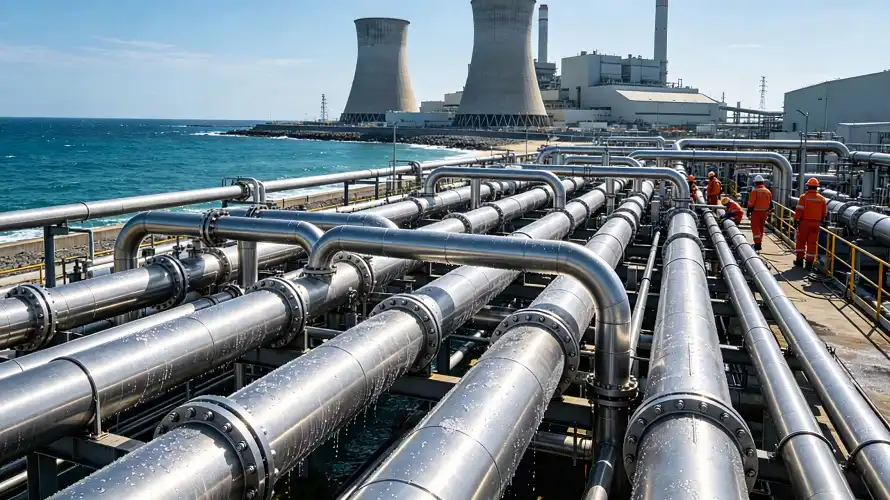
Copper-nickel alloys in saltwater cooling loops of a coastal power plant corroded within 8 years. Replacement with Gr1 Titanium Tube seamless pipes avoided galvanic corrosion and internal fouling. Biofouling organisms struggle to stick to the smooth titanium oxide coating, reducing cleaning from quarterly to annually. The 45% weight reduction eased structural support, and thermal conductivity was lower than that of copper alloys but sufficient for heat rejection. Three-year operational data indicate consistent performance with minimal wall thickness loss, verifying lifespan cost forecasts that drove material choice.
Food and Beverage Processing Compliance
A dairy processing plant needed plumbing for alkaline and acidic CIP (clean-in-place) cycles. Sanitizing solutions might cause chloride stress corrosion cracking in stainless steel, while other materials could be contaminated. All FDA material compliance criteria were satisfied using commercially pure titanium tubing, which survived severe cleaning chemistries and retained surface smoothness to avoid bacterial colonization. The installation passed rigorous cleanliness checks, and product purity tests showed no metallic ion leaching. This instance shows how material selection affects regulatory compliance in sectors with significant product contamination.
How to Identify and Verify Authentic Gr1 Titanium Tubes?
Material authenticity prevents costly replacement fraud in worldwide supply chains. We use various verification stages to ensure product quality.
Non-Destructive Testing Protocols
Ultrasound finds internal discontinuities, porosity, and inclusions that might affect pressure containment. Our testing equipment detects 1.5 mm faults at titanium's acoustic frequencies. Eddy current examination verifies seamless production without cold shuts or laminations by verifying surface integrity and wall thickness homogeneity. Each production batch is hydrostatically pressure-tested at 50% over rated values to ensure structural integrity under stress situations above service standards. Before shipment, our facility performs non-destructive examinations and issues quality certifications.
Chemical Analysis and Traceability Systems
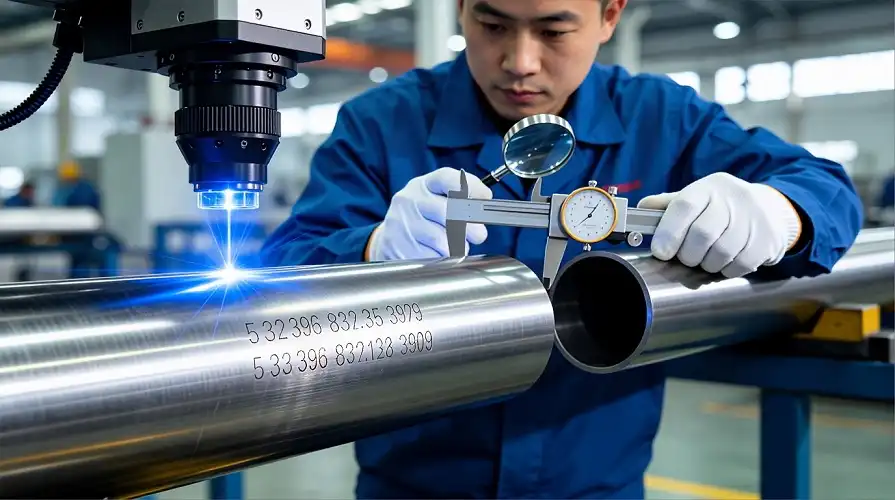
Optical emission spectroscopy may identify titanium grades by interstitial element concentrations. Spectral analysis of every manufacturing heat is stored in our quality management database for decade-long traceability. Laser-etched batch numbers on tubing connect items to production records, mill test certifications, and raw material sources. This traceability framework meets aerospace and military sector requirements, while our low-pressure industrial tubing is used for less demanding applications. Witness testing during production cycles allows procurement teams to independently verify manufacturing and quality control processes.
Visual Inspection Standards and Markings
Process control and manufacturing ability for corrosion resistant titanium pipe are shown by surface finish. Bright-annealed tubing is silver-gray without discoloration, staining, or oxide scale. Pickled surfaces are matte and devoid of pitting, scratches deeper than 5% of wall thickness, and geometric imperfections. Dimensional tolerances provide consistent installation fit-up with outside diameter variations of ±0.2mm and wall thickness of ±10%. ASME-compliant permanent marks include material grade, heat number, manufacturing standard reference (ASTM B338), and manufacturer identity. These visual indicators authenticate before lab testing.
Conclusion
Gr1 Titanium Tube performs well in low-pressure industrial pipeline applications where corrosion resistance trumps strength. The material's lightweight, ductility, and self-healing oxide protection overcome major issues with current pipe materials. For over 20 years, we've made titanium solutions in Baoji, China's Titanium Valley, gaining experience that guides every manufacturing choice. Our seamless tubes exceed international requirements and are cost-competitive due to efficient manufacturing and high inventory. Successful procurement requires suppliers with technical expertise, quality assurance commitment, and quick customer support throughout project lifecycles.
FAQ
Q1: What temperature ranges suit commercially pure titanium tubing applications?
From cryogenic to 300°C, commercially pure titanium tubing remains structurally sound. Most industrial media have optimal corrosion resistance below 200°C. Some conditions increase oxidation at higher temperatures, yet mechanical qualities remain constant. Low-pressure systems perform well within these thermal restrictions; common applications rarely have temperature limits.
Q2: How does service life compare between titanium and stainless steel piping?
Field research shows commercially pure titanium pipe lasts 40+ years in corrosive situations when Type 316 stainless steel lasts 5-10 years. The self-healing oxide layer minimizes chloride-induced degradation in stainless alloys. Despite a costlier initial investment, titanium becomes economically superior after 5-7 years, especially when maintenance and replacement downtime are included.
Q3: Can commercially pure titanium tubing be welded during installation?
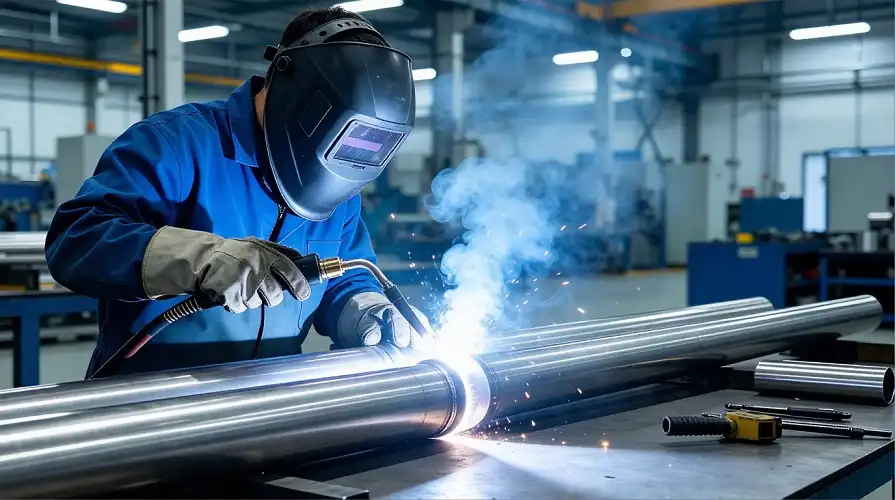
Gr1 Titanium Tube welds well with TIG (GTAW) and inert gas shielding. Due to its ductility, the material may expand during welding without cracking. Both weld face and root sides must be argon-purged to prevent ambient contamination during cooling. Our technical staff specifies welding procedures and recommends titanium joining-experienced welding contractors.
Partner with a Gr1 Titanium Tube Manufacturer You Can Trust
Choose the proper titanium tubing supplier to ensure your low-pressure pipeline project meets performance and lifetime goals. With 45 patents and two decades of specialized production expertise, Baoji Jucheng Titanium Industry Co., Ltd. is a National High-Tech Enterprise. Our 3,000-ton inventory has ASTM B338 and ASME SB338-compliant seamless titanium tubes in standard and bespoke sizes for fast delivery. We provide material selection, installation, and application engineering advice and have complete quality certifications. Our sales staff at s4@juchengti.com can help procurement managers, engineering teams, and distributors find a reputable Gr1 Titanium Tube supplier.
References
1. American Society for Testing and Materials. (2021). Standard Specification for Seamless and Welded Titanium and Titanium Alloy Tubes for Condensers and Heat Exchangers. ASTM B338-21.
2. Boyer, R., Welsch, G., & Collings, E.W. (1994). Materials Properties Handbook: Titanium Alloys. ASM International, Materials Park, Ohio.
3. Schutz, R.W., & Thomas, D.E. (1987). Corrosion of Titanium and Titanium Alloys. In Metals Handbook, 9th Edition, Volume 13: Corrosion. ASM International.
4. Donachie, M.J. (2000). Titanium: A Technical Guide, 2nd Edition. ASM International, Materials Park, Ohio.
5. International Organization for Standardization. (2019). Titanium and Titanium Alloys - Seamless and Welded Tubes for Industrial Application. ISO 24034:2019.
6. Lutjering, G., & Williams, J.C. (2007). Titanium, 2nd Edition. Springer-Verlag, Berlin Heidelberg.