
What temperature does the titanium rod melt?
Commercially pure titanium rods melt at 1668°C (3034°F), whereas grade 5 titanium bar (Ti-6Al-4V alloy) melts at 1604-1660°C (2920-3020°F). Adding 6% aluminium and 4% vanadium changes the alloy's crystalline structure and thermal behaviour. Aerospace manufacturers, chemical processing engineers, and industrial fabricators who use titanium's high-temperature strength-to-weight ratio and corrosion resistance must understand these temperature limits.
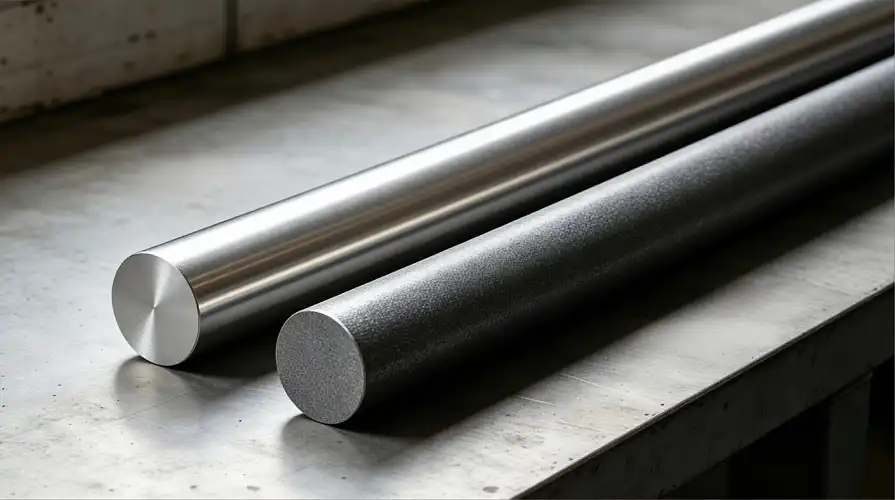
Understanding the Melting Temperature of Titanium Rods
The melting points of titanium vary. Knowing these distinctions helps you choose the correct material for your next work. Pure titanium melts at 1668°C. Vanadium and aluminium alloys like Ti-6Al-4V lower the melting point to 1604°C to 1660°C. This little feature and the metal itself have altered, affecting how it bonds, heats, and performs under temperature stress.
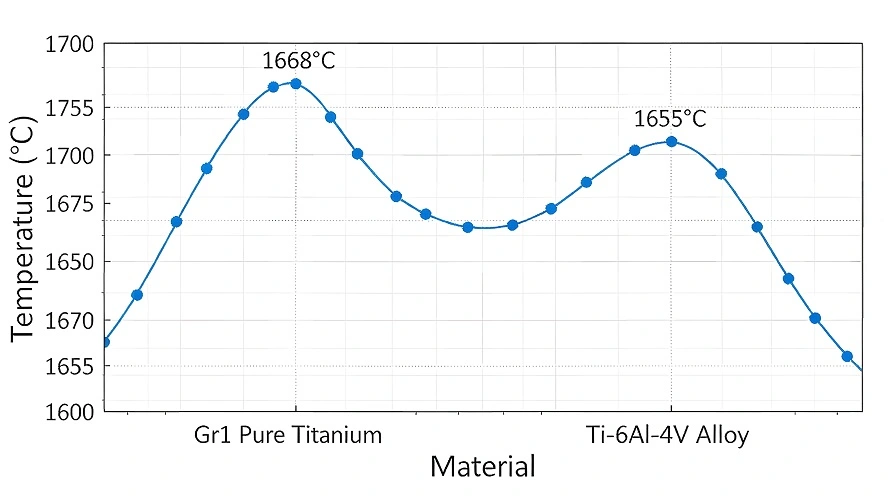
Why Alloying Elements Matter
Aluminium makes titanium alloys tougher and thinner. A beta stabiliser, vanadium makes heated metals more flexible and shapeable. These elements form a sturdy, easy-to-work-with two-phase design. The melting point of titanium is decreased due to these alloying agents. More importantly, they increase the temperature range where the material may be utilised without breaking down. Aerospace engineers hunt for turbine components that can withstand temperatures beyond 400°C without shrinking or failing.
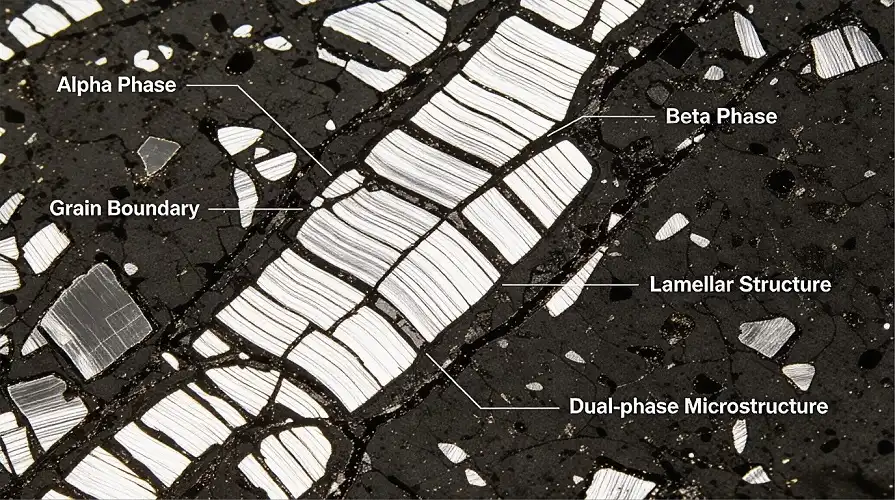
Manufacturing Variables That Influence Melting Characteristics
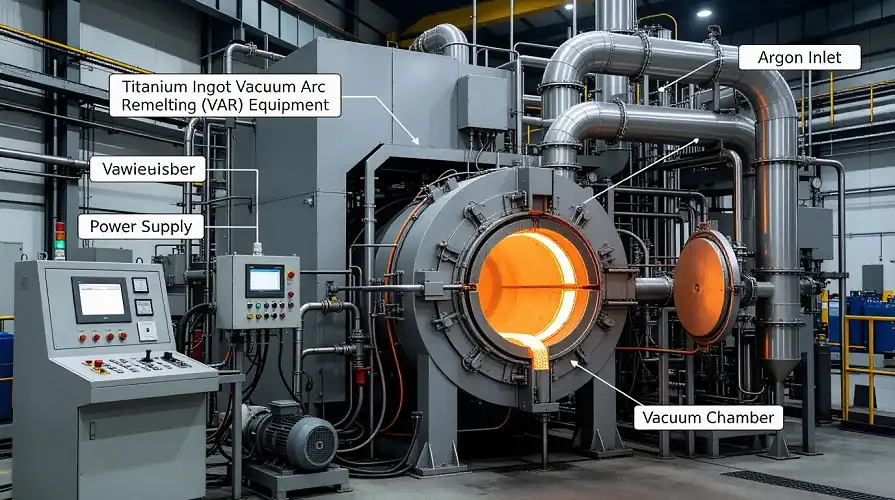
How titanium bars are manufactured affects their behaviour around the melting point. Jucheng Titanium uses vacuum arc remelting. Oxygen, nitrogen, and hydrogen impurities that cause uneven melting are removed. Forging matches grain structures. This helps the material transport heat and prevents hot spots when connected or utilised at high temperatures. Heat treatment rounds improve mechanical characteristics and stabilise melting. Alpha-beta balance is also improved. Teams should use ASTM B348 and AMS 4928 to verify these controls when buying from wholesalers. How materials are manufactured and constructed is strictly regulated.
Industrial Relevance for High-Temperature Applications
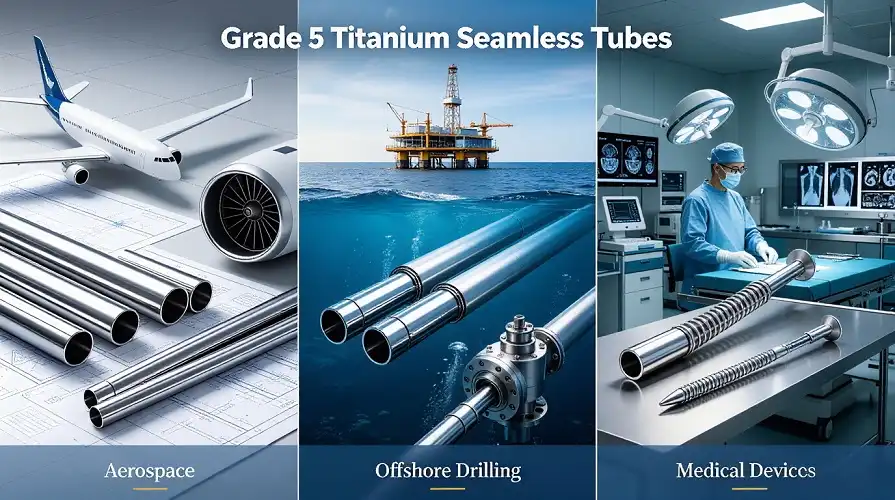
Materials must not melt to resist rust in chemical facilities with reactors heated to 300–500°C. Defence industries must ensure their aircraft body metals can withstand supersonic heat. Medical device manufacturers must avoid phase shifts that might impact biocompatibility while sterilising implants at 134°C. To determine safe work limits, you must know each setting's freezing temperatures. How do titanium bars used in these instances vary in service temperature and melting point? Engineers can estimate thermal safety factors and material lifespan under cyclic loading circumstances.
Comprehensive Properties of Grade 5 Titanium Bars
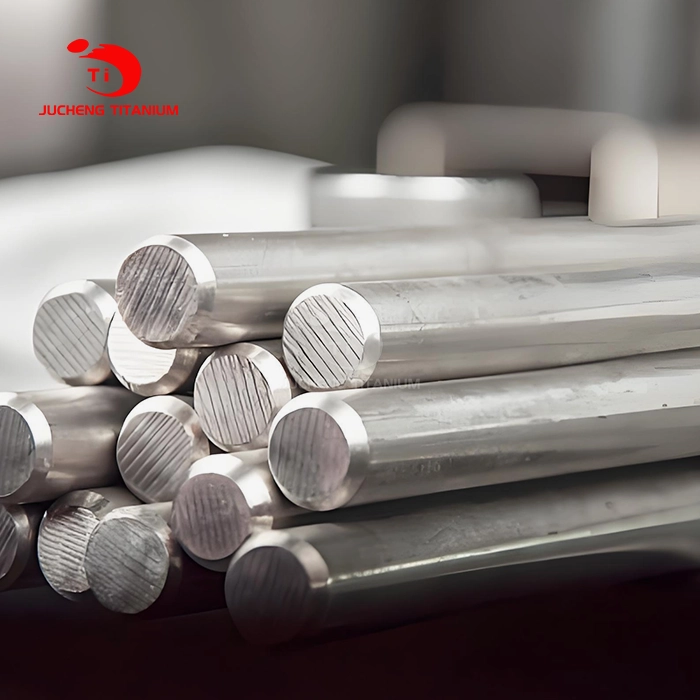
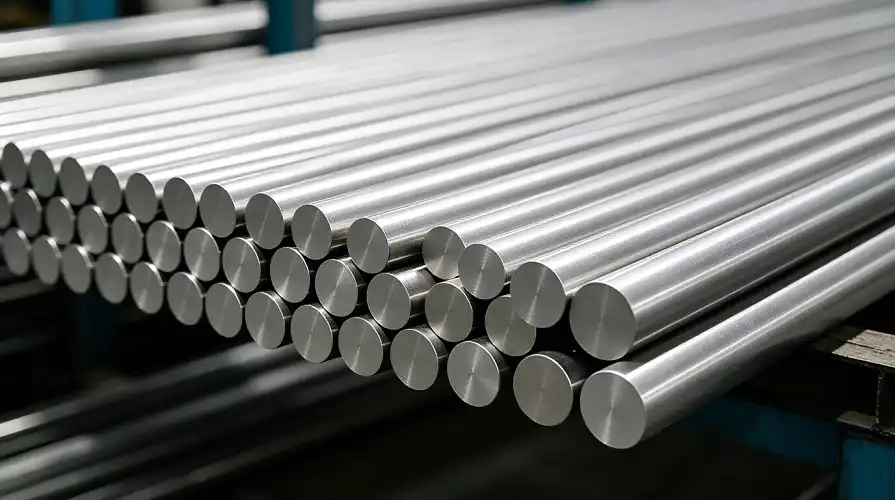
Ti-6Al-4V alloy makes up over half of the titanium utilised worldwide, making it the most significant portion of the titanium industry. Because it is the most robust, rust-resistant, and high-temperature stable. Jucheng Titanium follows ASTM B348, ASME SB348, and AMS 4928 to make this material. Available diameters range from æ6mm to æ450mm, with lengths up to 6000mm (or 12000mm for specific applications).
Chemical Composition and Mechanical Performance
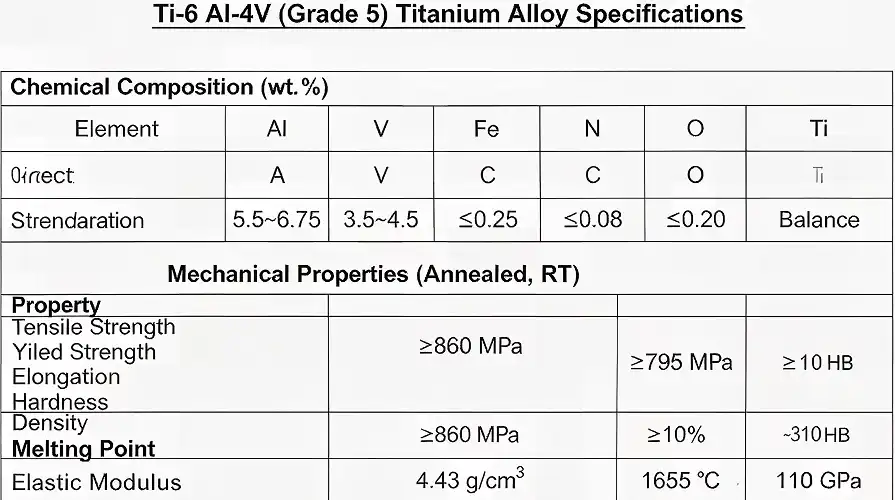
Metals must meet tight iron, oxygen, and hydrogen limits. Between 5.5 and 6.75% is aluminium, and 3.5 to 4.5% vanadium. This precise science shows that the weakest point is 895 MPa (130 ksi), the weakest is 828 MPa (120 ksi), and the strongest is more than 10% increase. Notably, at 4.43 g/cm³, it is almost twice as strong as 316 stainless steel in terms of weight-to-strength. Making structures robust without adding bulk has always been a challenge. The issue is resolved. Ti-6Al-4V is essential for lighter, more fuel-efficient aeroplane landing gear, chemical heat exchangers, and remote drilling equipment.
Corrosion Resistance and Thermal Stability
Titanium's inherent oxide layer repairs quickly after damage. This makes it sturdier against seawater, chlorine, sulphuric acid, and alkaline solutions, which erode stainless steel and cause cracks and pits. Passivity is stable up to 315°C, and the material remains robust up to 400°C in acidic conditions. Ti-6Al-4V exhibits minimal thermal expansion (8.6 µm/m·K) below melting. This reduces thermal stress in frequently heated and cooled elements. By replacing stainless steel reactors with titanium ones, chemical firms may extend equipment life by 8–10 years. Replacement is cheaper, and production downtime is reduced.
Fatigue Resistance in Dynamic Applications
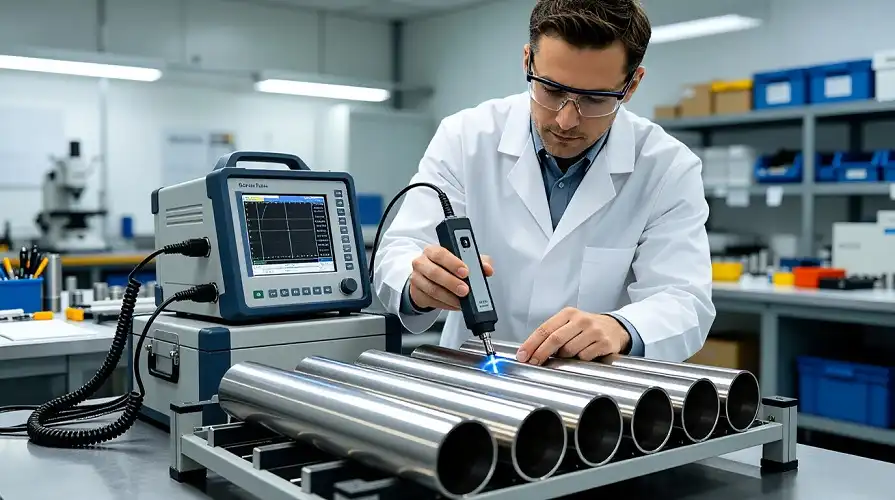
For reciprocating compressor rods, automobile valve springs and helicopter rotor components, grade 5 titanium bar can resist millions of load reversals without cracking due to its 510 MPa high-cycle fatigue strength. This durability outperforms aluminium alloys by 40-60% while keeping 60% of steel's weight. Industrial equipment manufacturers using this feature claim decreased bearing loads, energy consumption, and maintenance intervals. Our forging and heat treatment processes optimise grain flow to maximise fatigue life, and ultrasonic testing finds subsurface discontinuities before they damage components at Jucheng Titanium.
Grade 5 Titanium Bar vs. Other Materials: A Comparative Analysis
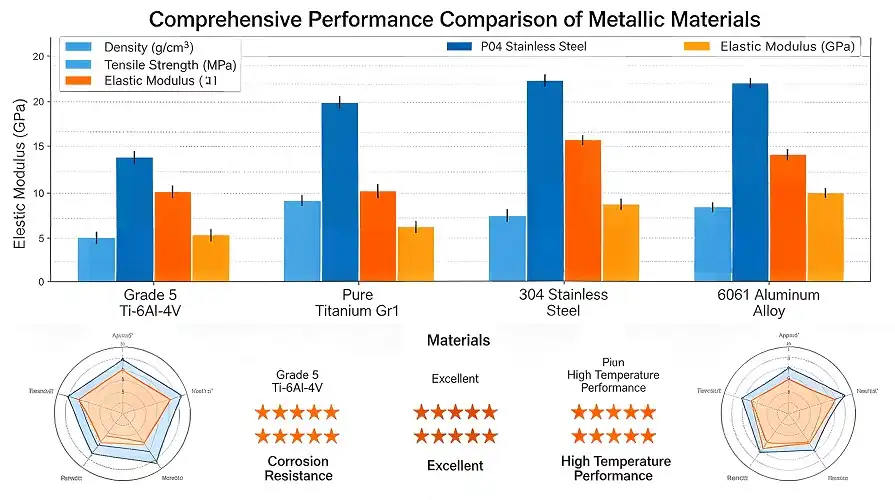
Comparing Ti-6Al-4V to other alloys based on physical properties, heat resistance, and cost is important. It will help you pick the ideal material for challenging projects. Compare the initial cost of a material to its lifespan expenses, and more procurement managers are discovering grade 5 titanium bar advantages in acidic or weight-sensitive environments.
Comparison with Stainless Steel and Aluminum
Stainless steel 316 melts at 1400–1450°C, somewhat lower than Ti-6Al-4V. However, it weighs almost twice as much as titanium (8.0 g/cm³). When heat exchanges are implemented, the structure weighs more heavily and requires additional support and setup. 6061-T6 and other aluminium alloys melt between 582–652°C, hence they can't be utilised where titanium works well. Metal is cheaper per kilogram, but it rusts when exposed to water and has to be coated and updated periodically. These expenditures accumulate over 20 years. Water plants, chemical processing facilities, and remote locations benefit from Titanium's one-time investment.
Grade 5 vs. Commercially Pure Titanium Grades
Commercially pure kinds (Gr1, Gr2, Gr3, and Gr4) contain few contaminants. Ti-6Al-4V is 828 MPa, whereas Gr2 is 275 MPa. However, they rust less. These CP grades are useful for creating panels and electroplating anodes that don't require low strength since they're inexpensive and simple to form. Grade 23 Ti-6Al-4V ELI has a lower interstitial oxygen content of 0.13% but maintains strength. This makes medical implants tougher to shatter, per ASTM F136. Distributors that deal with several companies may benefit from Jucheng Titanium's wide range of products. This helps them swiftly satisfy diverse consumers without having to reach a minimum order.
Global Supplier Landscape Considerations
These businesses produce most of our titanium. TIMET, ATI Metals, VSMPO-AVISMA. Specialised manufacturers like Jucheng Titanium provide value via custom casting, precision machining, and surface treatments. Baoji, China's "Titanium Valley", has most of the world's titanium handling information. Jucheng has around 3,000 tonnes of titanium in various forms to ship promptly. Buying teams should go beyond prices when evaluating wholesalers. They should also check their stock, production, and certifications. Mill test records, third-party inspection certifications, and measurement limitations from the supplier ensure the material will function with your production process.
How Grade 5 Titanium Bar is Manufactured and Its Effect on Melting Behaviour
There is a direct link between how the grade 5 titanium bar is made and its microstructural uniformity and temperature properties. These properties then affect how they melt and how well they work in service. When procurement workers know about these steps in the production process, they can set quality standards and rate the skills of sellers.
Vacuum Arc Remelting and Forging
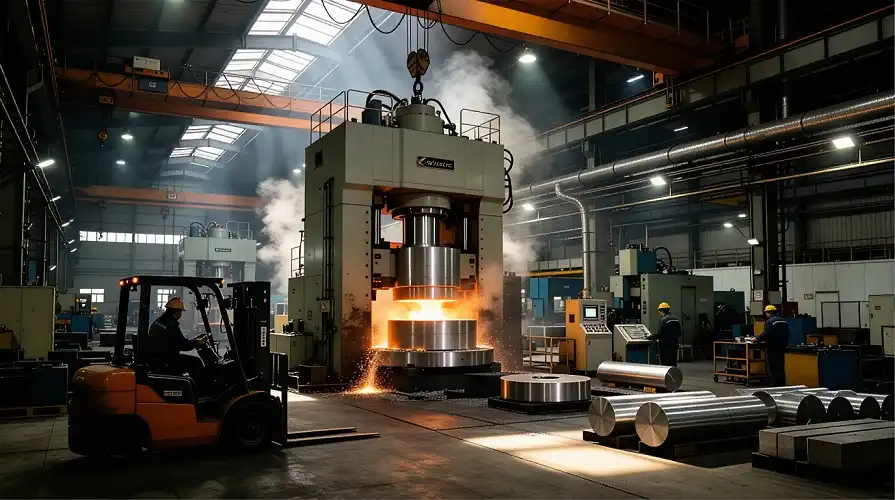
Vacuum arc remelting (VAR) is the first step in the production process. This is when the titanium sponge and alloying elements are burned several times under vacuum to get rid of any air bubbles and make the mixture equal. This process drops the hydrogen level to less than 0.015 per cent. This keeps the metal from getting weak and makes sure that the whole ingot melts at the same rate. After VAR, hot forging at temperatures between 900°C and 1050°C removes cast structures and adjusts grain size mechanically. If you work at Jucheng Titanium, we use spinning forging techniques that make it easier to use ultrasonics and give bars even distortion. All of these things are very important when cutting or soldering bars that are almost too hot.
Hot Rolling and Heat Treatment Protocols
By hot rolling, billets that have been forged are made into bars with precise widths between 6 mm and 450 mm. Care is taken to keep rolling temperatures in check so that the alpha-beta phase stays balanced. This is because grains get bigger when there is too much heat, which lowers the fatigue power. After that, heating at 700–850°C for 1–4 hours gets rid of any last stresses and makes the microstructure stable. This makes sure that the sizes don't change while the customer cuts them. When metal is annealed, it is at its strongest and most flexible. This means that secondary operations like cutting, tapping, or cold forming can be done without making microcracks. This is something that material approvals need to keep an eye on to make sure that it meets medical standards like ISO 5832-3 and aeroplane standards like AMS 4928.
Surface Treatment and Quality Control
The finish on the surface changes both how well it resists rust and how well it wears. There are several ways to treat Jucheng Titanium. It can be centerless ground for tight specs (±0.05mm), turned for general stock cutting, or pickled to get rid of the alpha case that forms during forging. Sandblasting can sometimes get surfaces ready for paint or coatings to stick to them. We use spectrometry to look at chemicals, ASTM E8 for tension testing, ASTM E273 for ultrasound inspection, and coordinate measuring machines to check the sizes as part of our quality control process. This makes sure that there are no structural differences, internal flaws, or physical problems with the goods before they are shipped. This cuts down on the ones that customers don't want and the time it takes to make them.
Practical Procurement Guide for Grade 5 Titanium Bars
To find titanium bars, you have to find a mix between the technical needs, the cost, and how reliable the supply chain is. When procurement teams have a lot of experience, they build relationships with suppliers that make sure they have all the products they need, that the prices are fair, and that they can get expert help quickly.
Identifying Reliable Suppliers and Inventory Availability
With a lot of stock on hand, suppliers can meet the needs of a project fast and without having to wait a long time. A lot of types of titanium, from Gr1 to Gr23, are kept in stock by Jucheng Titanium. This means that regular orders can be sent out the same week. There are a lot of different kinds of parts in stock, which is very helpful when something breaks down and needs new parts right away or when customers want jobs to be finished faster. You should ask for inventory reports that list the sizes, grades, and heat numbers that are available when you are looking at possible sources. Mill test records from well-known sources show the material's chemical makeup, mechanical properties, and industrial history. This makes it possible to track the material. Space and nuclear power need to know the full background of a material, so this is useful knowledge for them.
Understanding Price Influencing Factors
Titanium bars are priced based on how much the raw materials cost, how hard they are to work with, how big the order is, and how the market changes in demand. It costs more for bars wider than 150 mm because they are harder to shape and break more often. Any special lengths that are longer than 6000 mm will cost more to ship and handle. Unit prices change a lot based on how many orders are placed. When you buy more than 500 kg, you generally get a discount, but study groups that are less than 50 kg may have minimums that must be met for each order. Things in the market also play a role. In aerospace, for example, sudden rises in demand can make inventories tight, and prices go up. On the other hand, in business sectors, overcapacity can make it possible to buy things. When people work in buying, they should keep an eye on what's new in their field and make deals that lock in good prices for 12 to 24 months.
Evaluating Supplier Certification and After-Sales Support
Certification files can tell the difference between workers who are licensed and those who aren't. As well as meeting PED standards, make sure that the pressure equipment also has ISO 9001 quality control systems and AS9100 aeroplane certifications. Jucheng Titanium is a specialised "little giant" company on the national level. This means it has strong financial roots and advanced technical skills. Customer service after the sale, not awards, is what makes a friendship valuable in the long run. Providers you can trust will help you choose the right materials, figure out the best cutting settings, and fix problems that come up during the process. Our customer service team is trained to answer questions within 24 hours. They can explain measurement limits, tell you about heat treatment, and set up faster shipping for jobs that need to be done quickly.
Conclusion
When engineers and buyers know the melting point of titanium bars, especially the range of 1604 to 1660°C for Ti-6Al-4V alloy, they can choose materials that are safe for uses that will be exposed to high temperatures and rust. You can make a grade 5 titanium bar in a way that makes it very strong for its weight. They also don't rust and work well in chemical processing, aeroplanes, and other industries. What makes a difference in how well things work and how well the project turns out is how well they are made, how well they are followed, and how reliable the sources are. Working with experienced manufacturers like Jucheng Titanium promises access to approved stock, the freedom to make changes, and the technical know-how that turns the specs of the material into top-notch performance.
Frequently Asked Questions
1. What is the exact melting point of grade 5 titanium bar?
It melts between 1604°C and 1660°C (2920°F to 3020°F), which is a little lower than the melting point of pure titanium, which is 1668°C. This is because aluminium and vanadium are mixed in. It's not just one spot that shows the liquidus-solidus gap; this whole range does. This is where solids and liquids interact while melting.
2. Does melting temperature affect welding procedures?
Of course. Some parts of the metal get so hot during welding that they almost melt. You have to carefully control how much heat you put in so that the microstructure stays whole and the liquid doesn't crack. Before each pass, the temperature is limited to 150–200°C. This keeps too much heat from building up, which would make the grain structures rougher and the joint strength lower.
3. Can grade 5 titanium bars operate continuously at 500°C?
At 400°C, Ti-6Al-4V keeps about 85% of its strength. At 500°C, it can be used for short amounts of time. If something is in touch with air for a long time above 500°C, alpha cases can form. This is why safety atmospheres or surface coatings are needed. You need to look at a material's description and do thermal-mechanical tests in normal circumstances to find out if it can be used for a certain thing.
Partner with a Trusted Grade 5 Titanium Bar Supplier
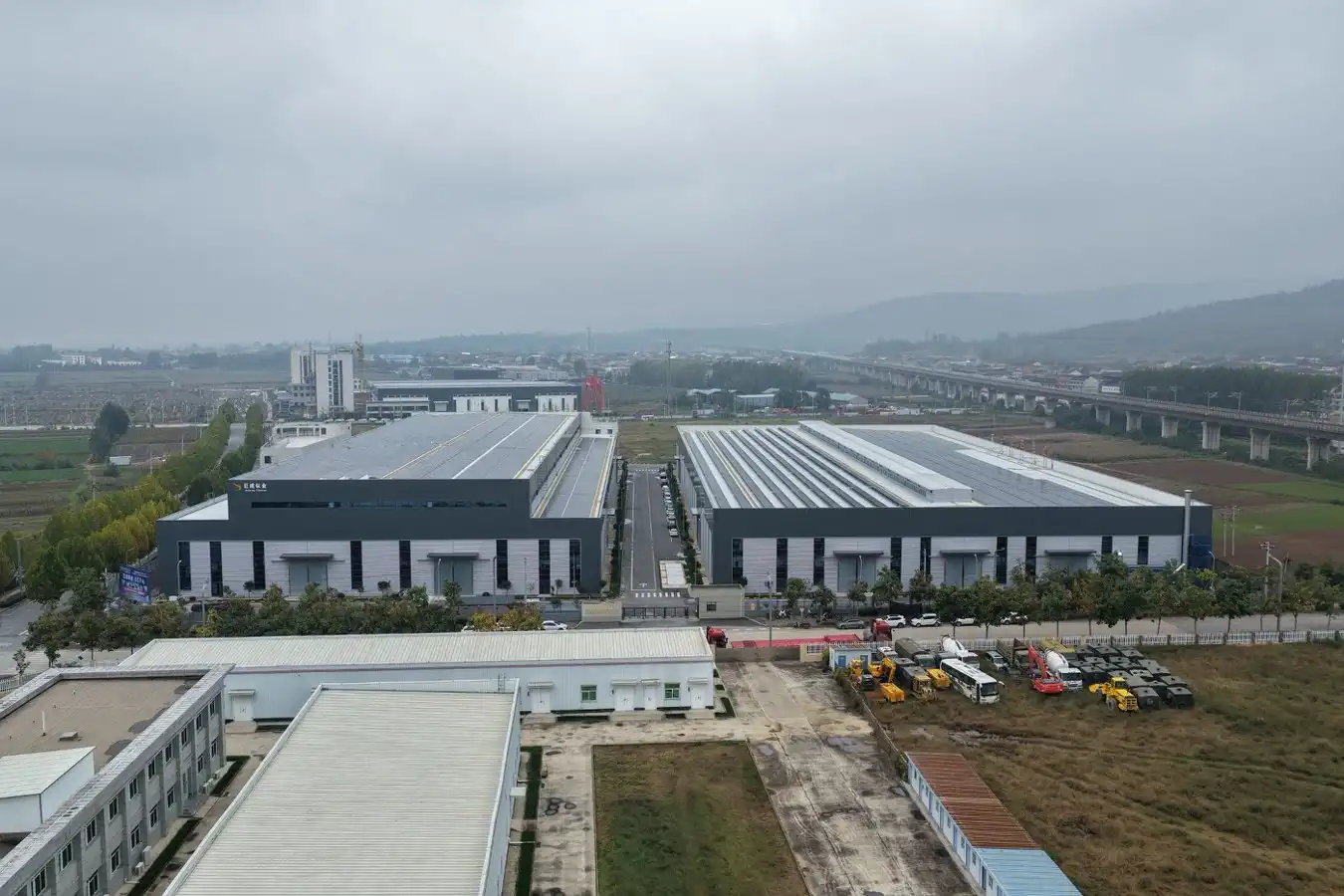
You need more than just low prices to get strong titanium parts. You also need a seller with a lot of stock, a history of making things, and quick expert help. Jucheng Titanium has been helping companies make planes, chemicals, and other things for more than 20 years from our Baoji plant. We keep 3,000 tons of different types of approved stock. Always up to the standards set by ASTM B348, AMS 4928, and ISO 5832-3, our precision casting and vacuum melting methods make sure of that. We can help you choose the right material, figure out how to machine it, and get the grade 5 titanium bar to you faster, whether you need standard round bars or bars that are made to order up to 12000 mm long. Email our buyers at s4@juchengti.com to get detailed datasheets, mill test results, and bulk prices on grade 5 titanium bar that is for sale.
References
1. Boyer, R., Welsch, G., & Collings, E.W. (1994). Materials Properties Handbook: Titanium Alloys. ASM International, Materials Park, Ohio.
2. Donachie, Matthew J. (2000). Titanium: A Technical Guide, 2nd Edition. ASM International, Materials Park, Ohio.
3. Lütjering, Gerd & Williams, James C. (2007). Titanium, 2nd Edition. Springer-Verlag Berlin Heidelberg.
4. Peters, M., Kumpfert, J., Ward, C.H., & Leyens, C. (2003). "Titanium Alloys for Aerospace Applications." Advanced Engineering Materials, Volume 5, Issue 6.
5. ASTM International. (2020). ASTM B348-13: Standard Specification for Titanium and Titanium Alloy Bars and Billets. West Conshohocken, Pennsylvania.
6. Froes, F.H. (2015). Titanium: Physical Metallurgy, Processing, and Applications. ASM International, Materials Park, Ohio.