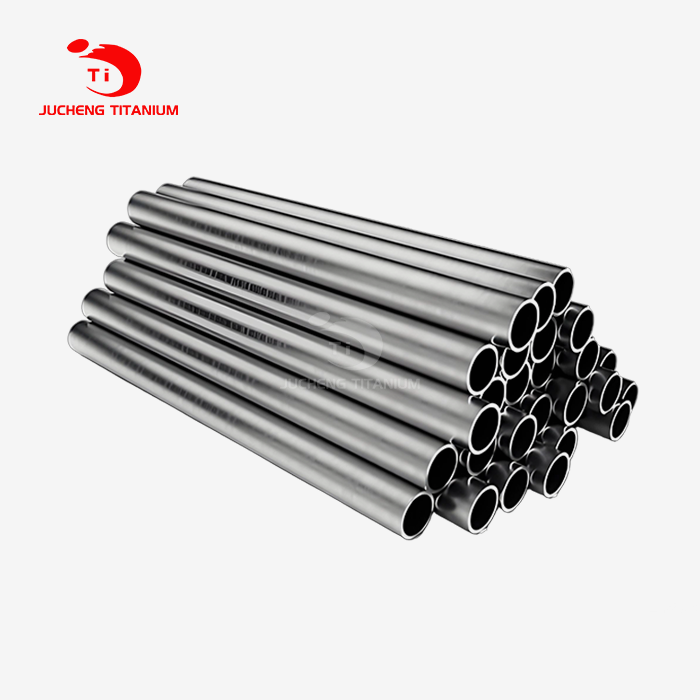

How to Choose Titanium Grade 5 Seamless Tube Suppliers?
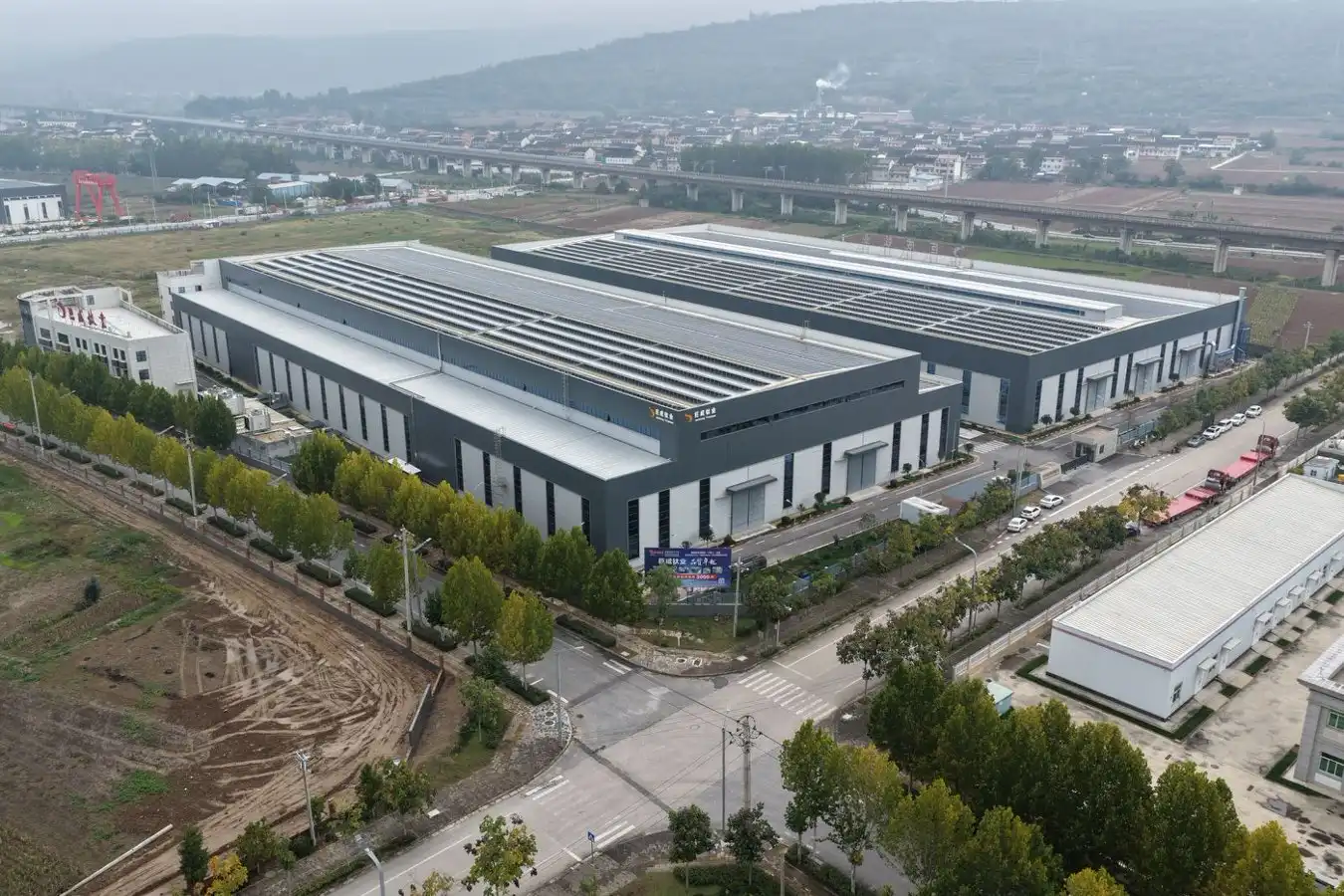
Manufacturing certifications (ASTM B861, AMS 4943 compliance), production transparency (factory audit accessibility), technical capability (seamless extrusion equipment and heat treatment facilities), and supply chain stability (inventory depth and lead time predictability) are key to choosing the right titanium grade 5 seamless tube supplier. Patents, third-party testing reports, and traceable material certifications show that quality suppliers understand mission-critical aerospace hydraulic systems, offshore drilling tooling, and high-performance motorsports components. Rising aerospace, chemical processing, and medical demand drive the worldwide titanium seamless tube market. Analysts expect the market to approach $1.8 billion by 2027, with Asia-Pacific manufacturers dominating owing to cost and technical advancement. China dominates, especially in Baoji, known as "China's Titanium Valley." The region has over 600 titanium firms and generates 60% of the world's titanium processing products. To stand out, firms invest extensively in R&D, precise equipment, and quality processes in this competitive ecosystem. Ti-6Al-4V seamless tubing buyers must identify capable producers from intermediaries or unqualified workshops. Material failures in hydraulic lines or surgical equipment are devastating. Procurement teams managing six-to-18-month project cycles or building long-term supply agreements must understand China's manufacturing advantages, certification landscapes, and supplier assessment methods.
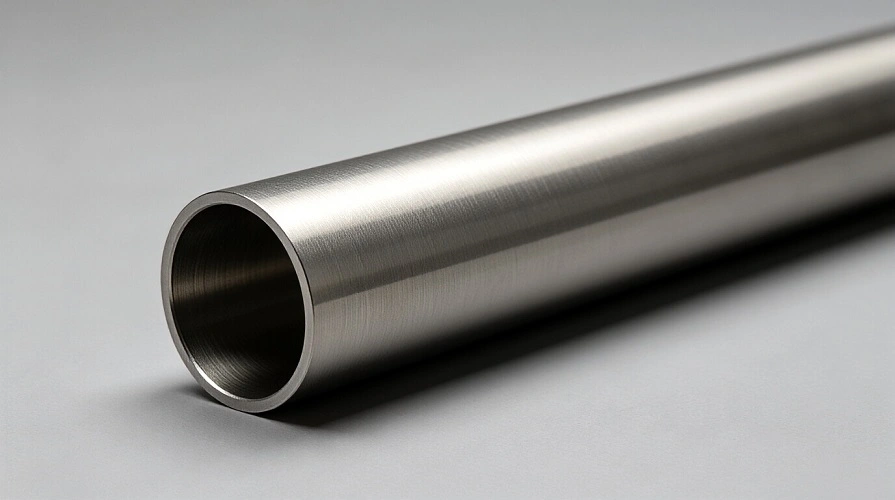
Why China Leads in Titanium Grade 5 Seamless Tube Manufacturing
Raw Material Access and Cost Efficiency
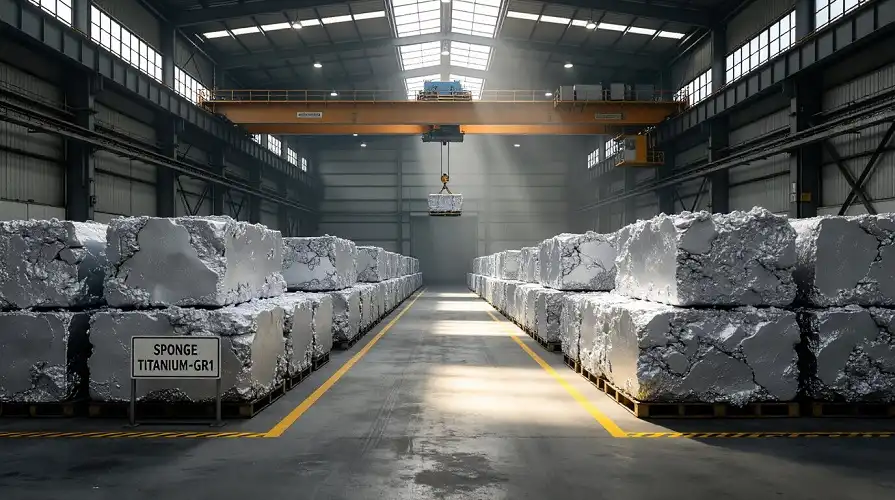
Titanium sponge manufacturing in China exceeds 150,000 metric tonnes annually. This vertical integration lets firms buy feedstock at a lower price than European or North American competitors. Location near sponge producers in Liaoning and Shaanxi provinces minimises logistical expenses and assures uninterrupted extrusion material flow.
Advanced Processing Infrastructure
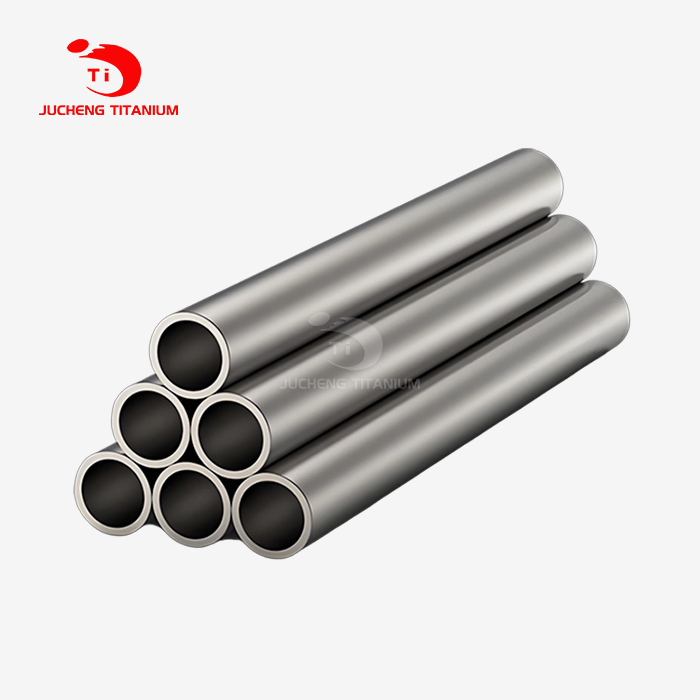
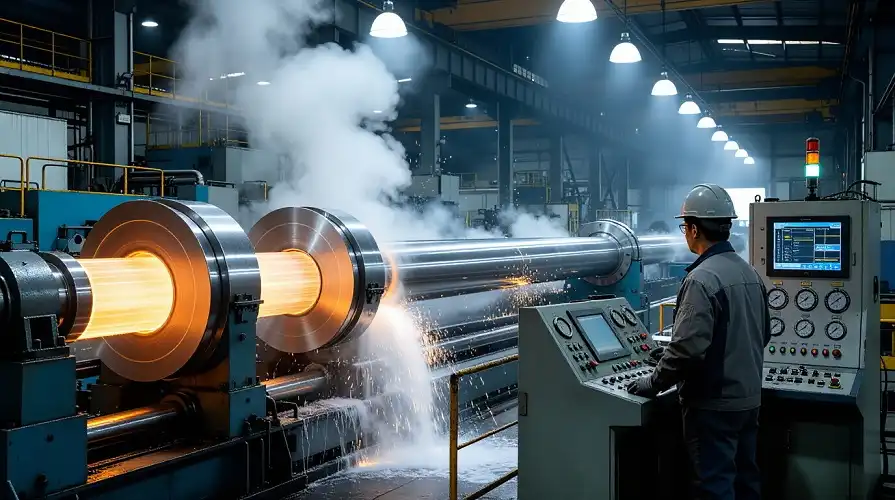
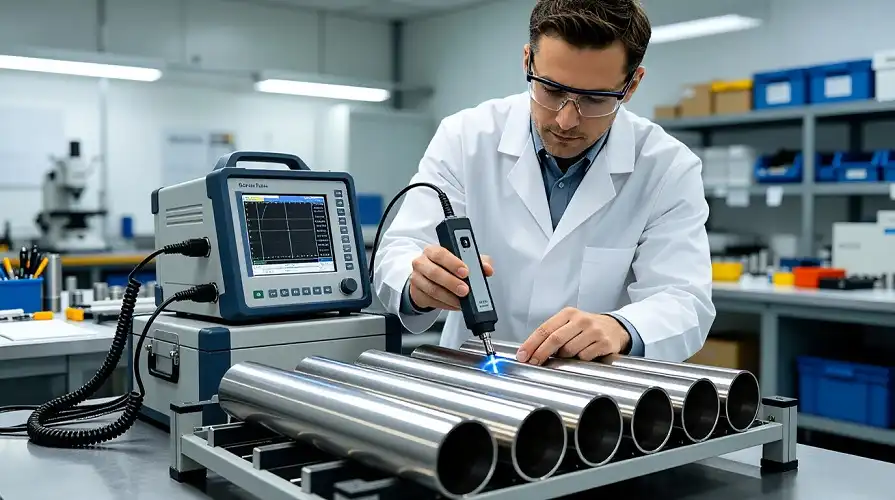
Rotary piercing mills, multi-pass cold pilger machines and vacuum annealing furnaces for high-strength alloys are owned by major Chinese firms. These facilities produce seamless tubes with outer diameters ranging from 3mm to 219mm and wall thicknesses as low as 0.5mm, with aerospace standards of ±0.05mm. Modern facilities use real-time ultrasonic testing to find interior flaws that older inspection methods miss.
Technical Expertise and Patent Innovation
Top providers employ alpha-beta titanium alloy processing metallurgical experts with decades of expertise. Extrusion and heat treatment patent holders demonstrate technical expertise, not just production. Producing tubes with appropriate grain structures for fatigue resistance or customised mechanical characteristics through solution treatment and ageing cycles requires this skill.
Practical Methods for Evaluating Potential Manufacturers
Verify Production Capabilities Through Factory Documentation
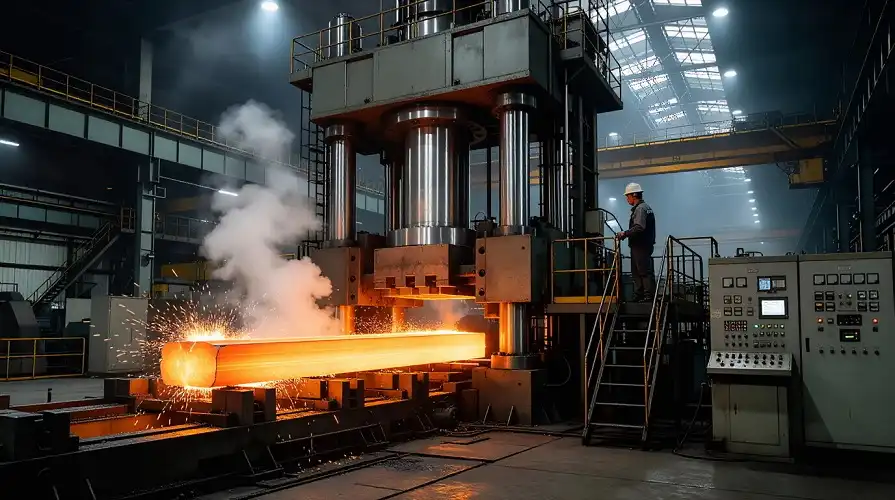
Equipment lists, production flowcharts, and quality control processes should be requested. Genuine manufacturers' paperwork, billet preparation to final inspection. Check whether they own or outsource extrusion presses (usually 2000-ton minimum for Grade 5). Fragmented procedures enhance quality variability in seamless tube manufacture.
Assess Material Traceability Systems
High-stakes titanium grade 5 seamless tube applications require material genealogy. Quality providers link completed tubes to mill test reports, heat treatment records, and inspection data with lot tracking systems. Request sample Material Test Certificates (MTCs), including spectrometry-based chemical composition analysis, tensile testing, and grain size measurements. Certificates should cite ASTM B861 or AMS 4943 rather than ambiguous internal specifications.
Examine Certification Portfolio Depth
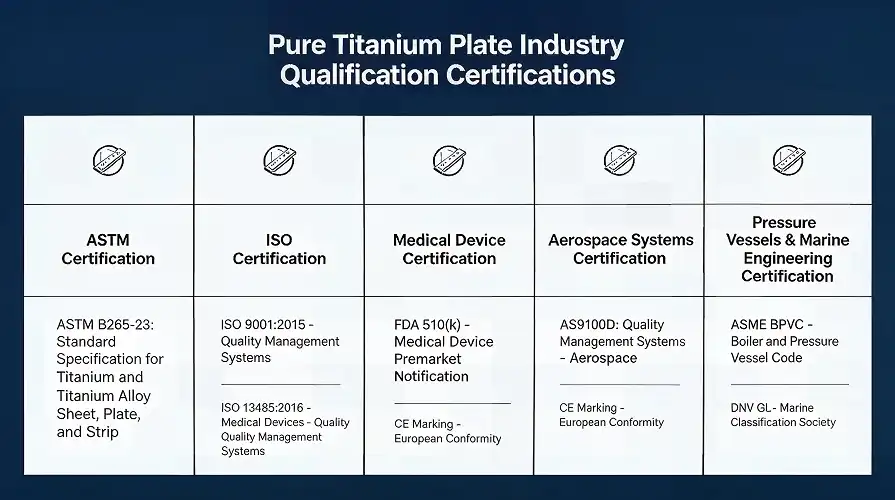
AS9100D for aerospace, NADCAP for unique processes, and FDA for medical applications are industry-specific approvals beyond ISO 9001. These certifications involve stringent third-party factory control audits. Defence contractors' suppliers frequently have security clearances or export permits, indicating integrity and maturity.
Evaluate Technical Support Infrastructure
Can the supplier's technical team offer tube dimensions for a 4500 psi hydraulic system? Do they comprehend cycle loading fatigue life calculations? Strong manufacturers hire application engineers who speak end-use industry technical language, not just catalogue standards.
Review Client References and Case Studies
Request contact information for similar-industry consumers. Reliable vendors supply aerospace OEM, chemical plant contractor, and medical device maker references. Case studies of problem-solving methods like bespoke alloy compositions and accelerated delivery show real-world effectiveness beyond marketing claims.
Investigate Inventory Management Practices
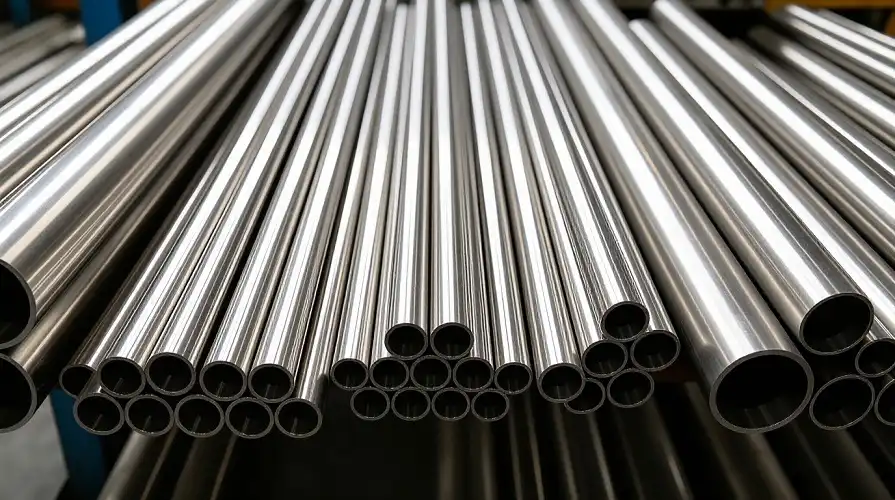
Suppliers with 3,000 tonnes or more of various grades and sizes can meet urgent needs quickly. This inventory purchase shows financial stability and client service. Request minimum order quantities and lead times for standard and bespoke requirements.
Analyse Communication Responsiveness and Cultural Fit
Clear communication is essential for teamwork. Assess if the supplier has English-speaking technical contacts, answers to enquiries within 24 hours, and understands industry terminology. Suppliers that suggest changes or highlight possible concerns provide more value to long-term collaborations than those who merely complete orders.
Essential Certification Standards for Seamless Titanium Tubing
International Material Specifications
ASTM B861 specifies seamless titanium pipe for general corrosion and high temperatures. Chemical composition limitations, mechanical property minimums, and dimension variations are included in this standard. With tougher restrictions for aerospace applications, AMS 4943 tests cleanliness and microstructure. EU customers generally use EN 3.7165 (Ti-6Al-4V), which matches ASTM standards but may specify alternative test frequencies.
Quality Management Certifications
ISO 9001:2015 sets industry-wide quality management standards. AS9100D certification includes aviation-specific configuration management, risk assessment, and counterfeit part avoidance requirements for aerospace vendors. ISO 13485 certification for biocompatible material processes is required for medical devices.
Special Process Approvals
NADCAP certifies heat treatment and non-destructive testing separately. This program examines technical skills, not management systems. Titanium heat treatment suppliers with NADCAP accreditation have calibrated furnaces, proven thermal cycles, and skilled people to prevent embrittlement or inadequate stress release.
Environmental and Safety Standards
ISO 14001 accreditation means managing pickling acids and processing trash responsibly. OHSAS 18001 or ISO 45001 occupational health standards safeguard workers from titanium dust and mechanical risks, indicating operational discipline and product quality.
Strategic Sourcing Channels for Titanium Components
Direct Manufacturer Engagement
Distributors charge 15-30% of material cost; contacting manufacturers directly reduces this. Find trade assurance manufacturers in Alibaba's verified supplier list or ThomasNet. Engineering teams give technical talks and facilities visits at trade fairs, including the Baoji Titanium Industry Expo and TITANIUM USA.
Industry Association Networks
International Titanium Association (ITA) member directories list certified suppliers. Membership entails ethical business practices and industry norms. Association conferences allow first interactions and knowledge sharing without sales pressure.
Strategic Partnership Platforms
Certain procurement teams use metals and alloys B2B matching services. These systems reduce buyer due diligence by pre-screening producers for export compliance, financial soundness, and manufacturing capacity. Escrow payment protection and third-party quality assessments are common.
Technical Collaboration Pathways
Researchers and producers may create new materials together. These academic channels identify innovative suppliers, not commodity producers. Joint research initiatives reveal a manufacturer's technical skills and problem-solving methods.
Navigating OEM and ODM Partnerships Successfully
Define Intellectual Property Boundaries
IP agreements are needed for custom tube designs and processing technologies. Define tooling, engineering drawings, and process documentation ownership. Chinese firms, especially those eyeing overseas markets, respect IP restrictions, but clear contracts prevent misunderstandings.
Establish Design Validation Protocols
OEM connections need thorough design verification. Before ordering production, agree on prototype numbers, testing methods, and acceptance standards. For important applications, demand third-party lab-verified first item inspections with dimensional reports and mechanical testing.
Structure Scalability into Agreements
Before establishing long-term contracts, test quality and compatibility with pilot orders. Include volume discount levels to encourage expansion and prevent supply problems. List manufacturer inventory buffer stockpiles for fast replacement.
Implement Quality Assurance Checkpoints
Establish incoming material verification, in-process dimensions checks, and final surface quality assessment inspection hold points. Select whether your team inspects on-site or uses third-party auditors. Buyers often utilise SGS or TÜV for impartial quality assurance.
Negotiating Minimum Orders and Competitive Pricing
Understand Manufacturing Economics
Changing die sets, calibrating extrusion settings, and validating heat treatment cycles for titanium grade 5 seamless tube manufacture are expensive. Minimum order quantities for normal sizes are 500 kg; special sizes might be several tonnes. On levels that justify specialised production runs, manufacturers provide a better price than fragmenting scheduled operations.
Leverage Market Timing
Sponge costs and global demand cycles affect titanium prices. Try to get good contracts amid market weakness. Long-term projects benefit from price protection clauses from some suppliers that fix costs for six or twelve months.
Bundle Requirements for Leverage
Ordering numerous grades or product shapes (tubes and fittings) boosts your buying power. When the order value surpasses $50,000, suppliers may lower the per-unit cost.
Negotiate Payment Terms Strategically
Standard conditions are 30% deposit, balance before shipping. Relationships can secure net-30 or net-60 payment periods. Suppliers receive bank guarantees, and purchasers confirm quality before payment release via letter of credit arrangements. Avoid full prepayment unless working with trusted partners.
Request Transparent Costing Breakdowns
Understanding pricing components—raw material, processing, testing, packaging—reveals bargaining chances. Discuss lowering repeat order testing frequency following quality history if testing expenses appear excessive. Transparent vendors disclose cost structures rather than refuse price talks.
Factory Audit Best Practices and Quality Control Verification
Pre-Audit Preparation
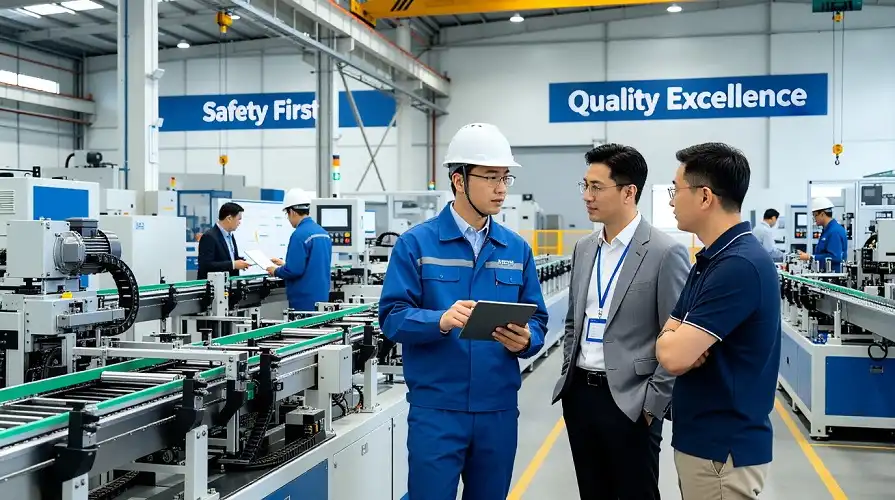
Visit during production to see real operations, not contrived ones. Prepare a complete checklist for manufacturing equipment, measurement instruments, quality documentation, and material handling. Bring titanium metallurgical experts who can probe process controls.
Equipment and Capability Assessment
Check crucial machinery: Are extrusion presses maintained? Does cold pilger mill wear excessively? Check calibration records for tensile testers, hardness gauges, and ultrasonic defect detectors. Even skilled operators cannot create aerospace-grade tubing with outdated or badly maintained equipment.
Quality System Evaluation
Check internal audit, corrective action, and customer complaint logs. Continuous improvement is shown by documented issue solving in quality systems. Is the manufacturer tracking nonconforming material rejection rates? Do root cause analyses enhance processes?
Material Handling and Storage
Titanium needs cautious treatment to avoid surface contamination. Check that tubes are wrapped, graded and labelled. Poor storage can confuse Grade 2 with Grade 5 tubing, which might be disastrous in high-stress applications.
Personnel Qualifications
Meet quality control and production supervisors. Which training programs exist? Key workers have how many titanium-specific years? Knowledgeable workers discover issues before they spread through production, whereas unskilled teams rely on final inspection—insufficient protection.
Characteristics Defining Leading Suppliers in 2026
Digital Integration and Traceability
Top manufacturers use Industry 4.0 technology, including IoT sensors to monitor boiler temperatures, blockchain systems to track materials, and AI algorithms to anticipate equipment repairs. Digital twins reduce trial-and-error waste by simulating manufacturing runs before real processing.
Sustainability Commitment
Responsible environmental behaviour is now required. Leading providers recycle titanium scrap, reduce acid bath waste, and use renewable energy. Customers with ESG standards like yearly sustainability reports that quantify carbon footprint reductions.
Agile Production Models
Flexible manufacturers accept small-batch bespoke orders without high fees. Advanced scheduling systems enable "lot size one" manufacturing runs for prototype or low-volume specialised applications. Research organisations and companies researching new titanium uses benefit from this adaptability.
Global Service Networks
Established providers of corrosion resistant titanium pipe have regional distribution and technical support facilities. North American and European customers use local inventories for fast fulfilment while purchasing from China. Customer care teams in several languages and time-zone-aligned channels improve coordination.
Collaborative Innovation Mindset
Forward-thinking manufacturers advise Grade 9 alloy for cost savings in moderate-strength applications, surface treatments to improve fatigue life, or co-developing bespoke alloy compositions instead of just meeting requirements. Consultation develops partnerships, not transactional supplier relationships.
Conclusion
Finding the proper Chinese titanium grade 5 seamless tube manufacturer demands a thorough examination of technical skills, certification compliance, and operational maturity. Through careful supplier verification, customers may access world-class production facilities and reasonable prices in Baoji. Factory audits, reference checks, and unambiguous contractual frameworks match quality objectives with production realities in successful procurement strategies. Digitalisation improves traceability, sustainability constraints improve processes, and collaborative innovation models replace buyer-seller interactions. Instead of pursuing the lowest quoted prices, organisations that engage in supplier relationships establish robust supply chains that can support mission-critical applications where material failure is unacceptable.
FAQ
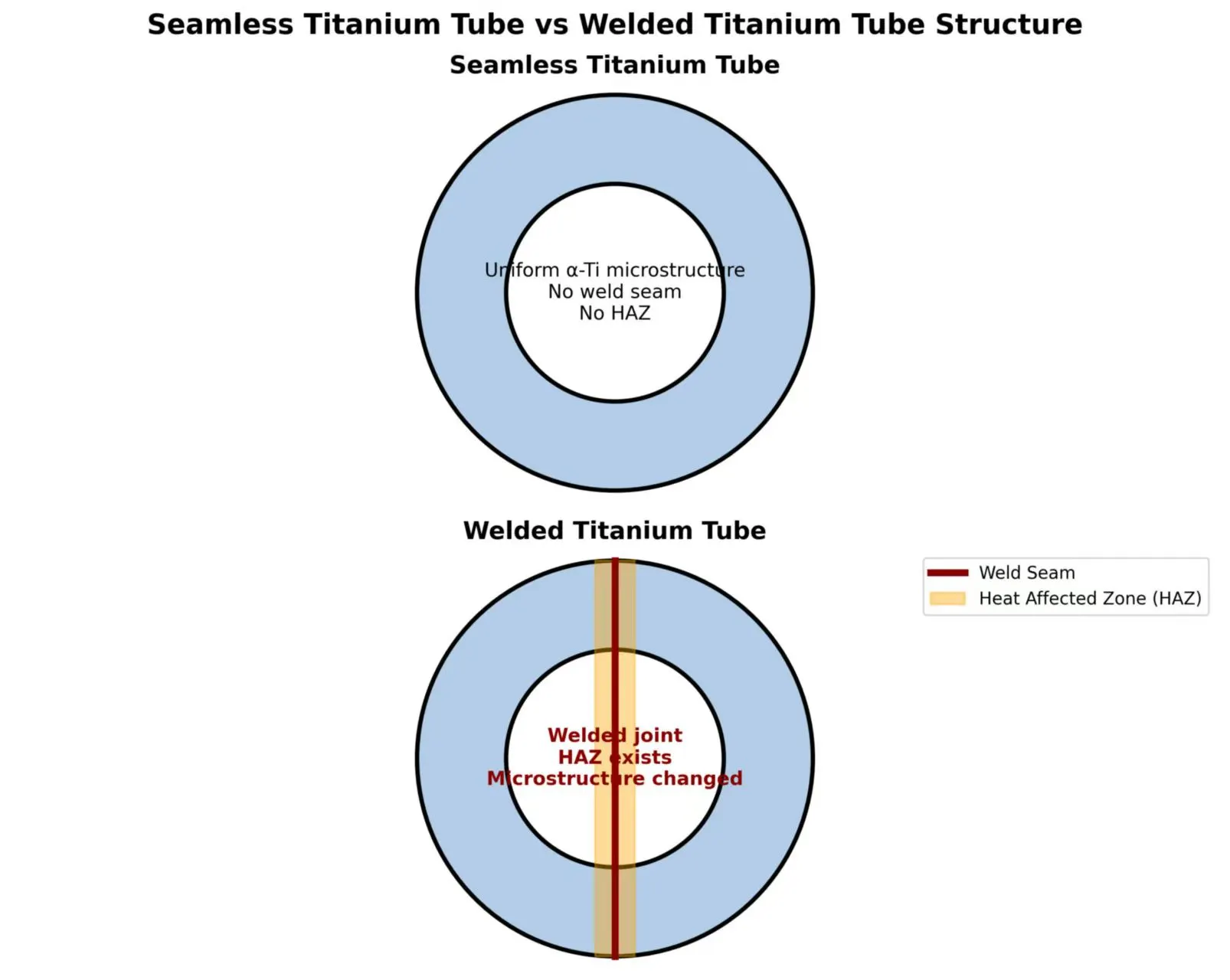
Q1: What distinguishes seamless from welded Grade 5 titanium tube?
Seamless tubes lack longitudinal weld seams that create stress concentration points. This eliminates the primary failure mode in high-pressure cyclical loading applications. Welded tubes cost less and suit moderate-stress environments, but aerospace hydraulic systems and offshore drilling tools demand seamless construction for reliability.
Q2: How do Chinese manufacturers compare to Western suppliers in quality?
Leading Chinese titanium producers match or exceed Western quality standards, particularly those serving aerospace and medical markets. Key differentiators lie in certification depth and quality system maturity rather than inherent manufacturing capability. Tier-one Chinese suppliers hold identical NADCAP and AS9100 certifications as their European or American counterparts.
Q3: What typical lead times should buyers expect?
Standard seamless tube specifications ship within 4-6 weeks from established inventory. Custom dimensions requiring new tooling or specialised heat treatments extend timelines to 10-14 weeks. Rush orders may be accommodated at premium pricing if production schedules allow insertion.
Q4: Can manufacturers provide material certificates traceable to original mill batches?
Reputable suppliers furnish complete material test reports, including heat numbers, chemical analysis, mechanical properties, and processing history. These certificates should reference specific ASTM or AMS standards and include third-party laboratory verification for critical applications.
Partner with Jucheng Titanium for Aerospace-Grade Seamless Tube Solutions
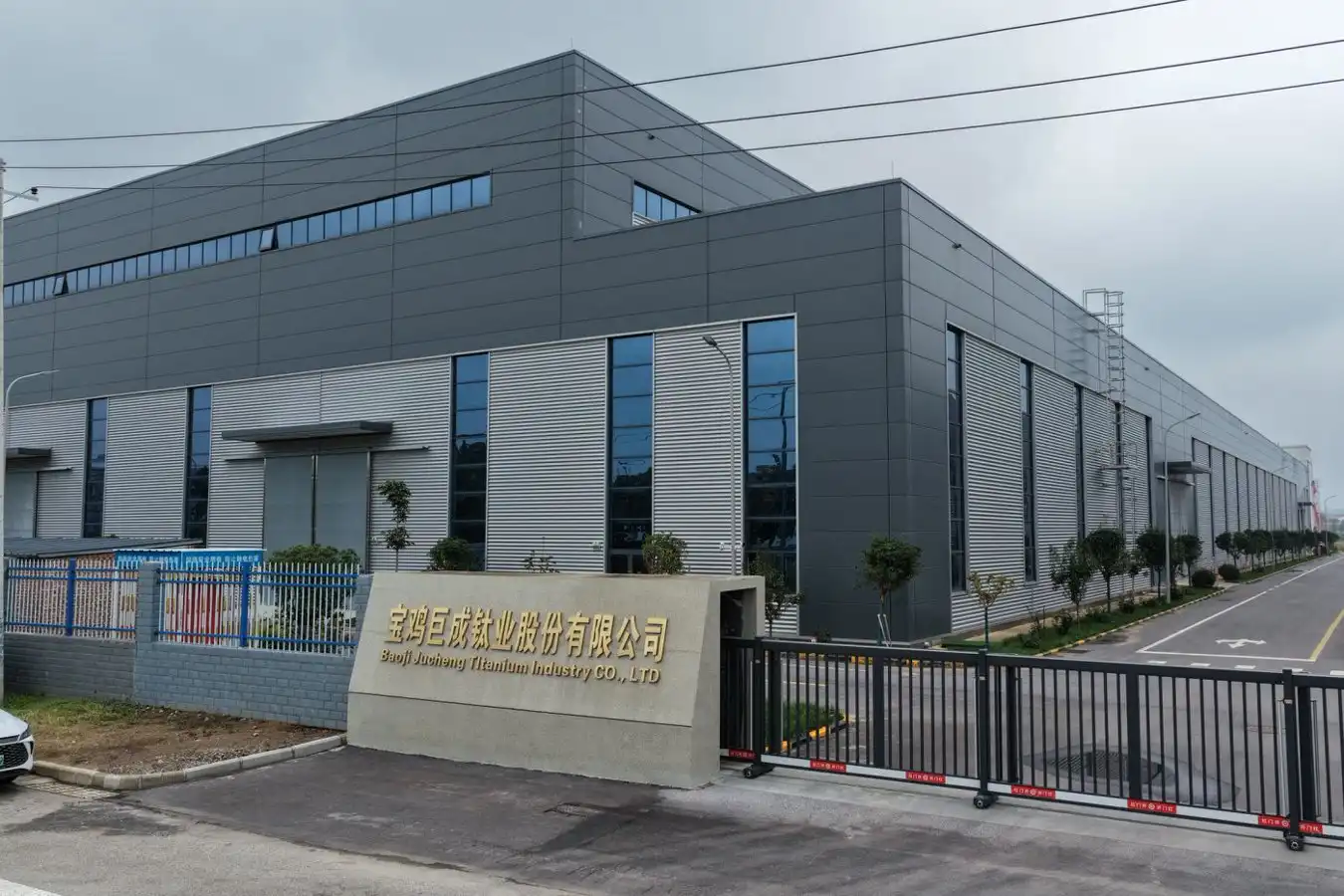
Baoji Jucheng Titanium Industry Co., Ltd. stands as a national-level specialised "little giant" enterprise with over two decades of seamless tube manufacturing excellence. Our 120,000-square-meter facility houses advanced extrusion and cold pilgering equipment capable of producing precision titanium grade 5 seamless tube from OD 3mm to OD 219mm with wall tolerances meeting AMS 4943 specifications. Holding 45 patents and maintaining a 3,000-ton inventory across multiple grades, we serve aerospace OEMs, chemical processors, and medical device manufacturers through rapid delivery and customised engineering support. Contact our technical team at s4@juchengti.com to discuss your seamless tube requirements with titanium grade 5 seamless tube manufacturer specialists who understand your application challenges.
References
1. Boyer, R., Welsch, G., & Collings, E.W. (2007). Materials Properties Handbook: Titanium Alloys. ASM International, Materials Park, Ohio.
2. Donachie, Matthew J. (2000). Titanium: A Technical Guide, 2nd Edition. ASM International, Materials Park, Ohio.
3. Peters, M., Kumpfert, J., Ward, C.H., & Leyens, C. (2003). Titanium Alloys for Aerospace Applications. Advanced Engineering Materials, Volume 5, Issue 6.
4. International Titanium Association. (2019). Titanium Industry Market Overview and Trends Analysis Report. ITA Technical Committee Publications.
5. ASTM International. (2021). ASTM B861-21: Standard Specification for Titanium and Titanium Alloy Seamless Pipe. West Conshohocken, Pennsylvania.
6. Lütjering, Gerd & Williams, James C. (2007). Titanium, 2nd Edition. Springer-Verlag Berlin Heidelberg Engineering Materials and Processes Series.