
How does the CP Titanium rod perform in low – temperature environments?
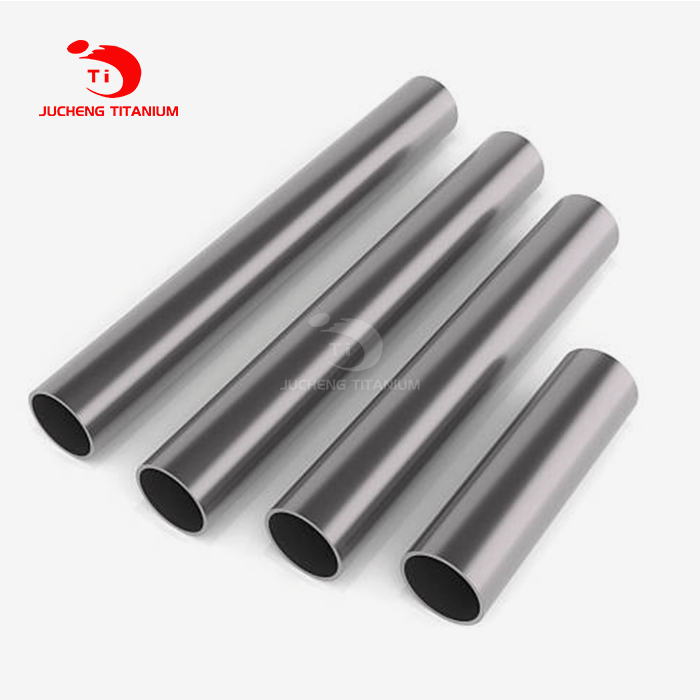
CP titanium rods are mechanically stable and corrosion-resistant in cryogenic and subzero temperatures. Unlike many alloys that become brittle at -196°C, the CP titanium rod remains ductile and tensile. Titanium's face-centered cubic crystal structure resists phase change, explaining its unique property. This material is used in Arctic maritime conditions, aerospace cryogenic fuel systems, and liquefied natural gas facilities because it resists embrittlement and maintains structural integrity under cold exposure.
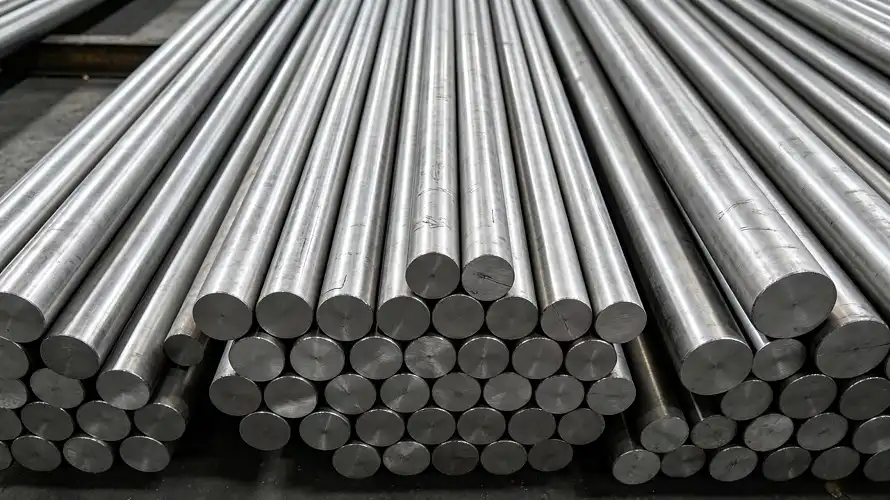
Understanding CP Titanium Rods and Their Properties
CP titanium rods are unalloyed titanium products with few trace elements and high corrosion resistance. These ASTM B348 and ASME SB348 Grades 1–4 materials differ mostly in oxygen and iron content.
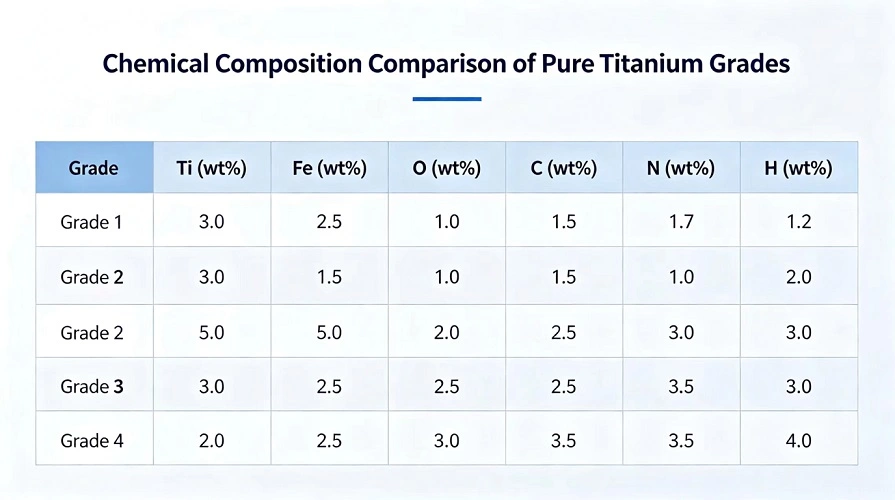
Chemical Composition and Grade Variations
Grade 1 has the lowest interstitial elements (oxygen ≤ 0.18%) and best formability and weldability. Grade 4 oxygen concentration is 0.40%, which boosts strength but decreases ductility. We manage impurity levels during vacuum melting to provide consistent material qualities in each rod batch. CP titanium rods are ideal for applications that need corrosion resistance above strength because they lack alloying components like aluminum and vanadium.
Mechanical and Thermal Characteristics
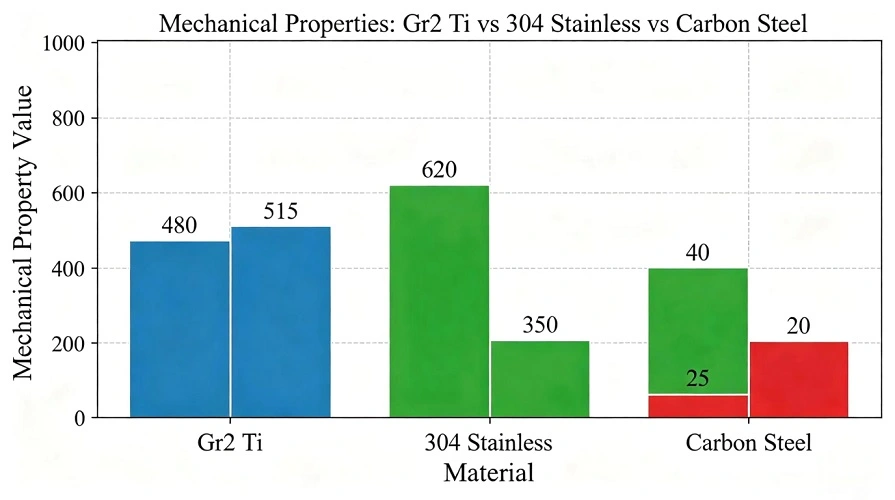
Tensile strength is 240 MPa in Grade 1 and 550 MPa in Grade 4, with elongation between 15% and 24%. These rods have a modulus of elasticity around 103 GPa, half that of steel, reducing stress concentration in complicated assemblies. The thermal expansion coefficient is 8.6 × 10⁻⁶/°C, much lower than stainless steel's 17 × 10⁻⁶/°C. This dimensional stability keeps precise fasteners tight and preserves clearances in cryogenic valve assemblies with frequent temperature cycles.
Corrosion Resistance Fundamentals
For the CP titanium rod, in oxidizing and somewhat reducing situations, a stable titanium dioxide passive layer spontaneously forms, providing excellent protection. This oxide film survives submersion in saltwater at -40°C, when many protective coatings fail. This intrinsic resistance saves chemical processing equipment manufacturers money on coating renewal and substrate corrosion repair.
How Low Temperatures Affect the Performance of CP Titanium Rods?
Structures' cryogenic behavior influences their applicability for critical safety applications. Titanium performs differently from engineering alloys due to its unique metallurgical properties.
Mechanical Property Retention at Cryogenic Conditions
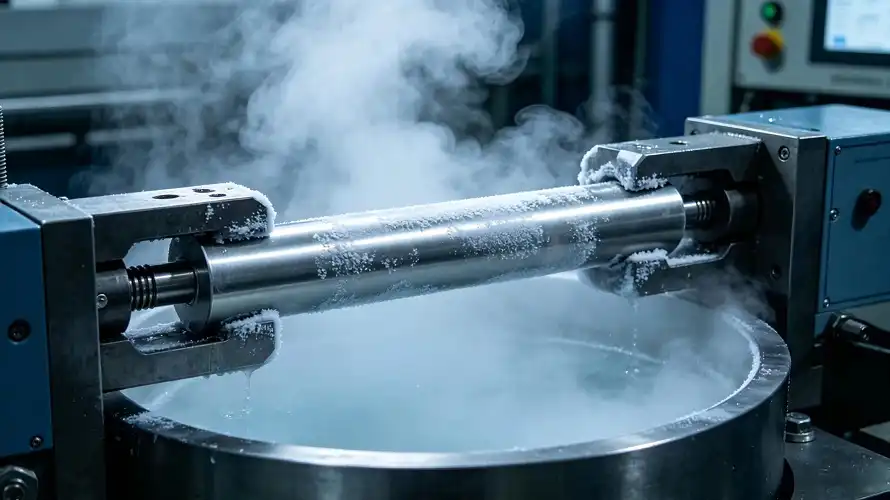
ASTM E8 testing shows that CP titanium's tensile strength rises 20-30% at -196°C compared to room temperature. Importantly, Grade 2 specimens tested at -253°C absorb enough energy to prevent catastrophic brittle fracture. Aircraft fastener makers use this feature in liquid hydrogen storage tanks, where a brittle failure might cause explosive decompression.
Dimensional Stability Under Thermal Cycling
Repeated temperature changes between ambient and cryogenic environments cause thermal fatigue loads that break mismatched expansion coefficient materials. Our centerless ground rods maintain h9 diameter tolerances after 500 temperature cycles between +20°C and -160°C. Heat exchanger tube bundles require stability because differential expansion causes tube-to-tubesheet junction leakage in stainless steel but not in correctly specified titanium grades.
Corrosion Behavior in Cold Environments
Dissolved oxygen or oxidizing impurities in cryogenic liquids exacerbate the assault on passive coatings weakened by low temperatures. Titanium's oxide layer is protective and self-healing even in liquid oxygen at -183°C, when many materials fire spontaneously. The material's chloride stress corrosion cracking resistance is temperature-independent, making it indispensable in offshore LNG platforms in salty Arctic atmospheres.
CP Titanium Rod vs. Alternative Materials in Low-Temperature Applications
Mechanical performance, corrosion resistance, weight, and lifespan cost must be considered while choosing a cryogenic material. Procurement professionals must weigh material class trade-offs against application needs.
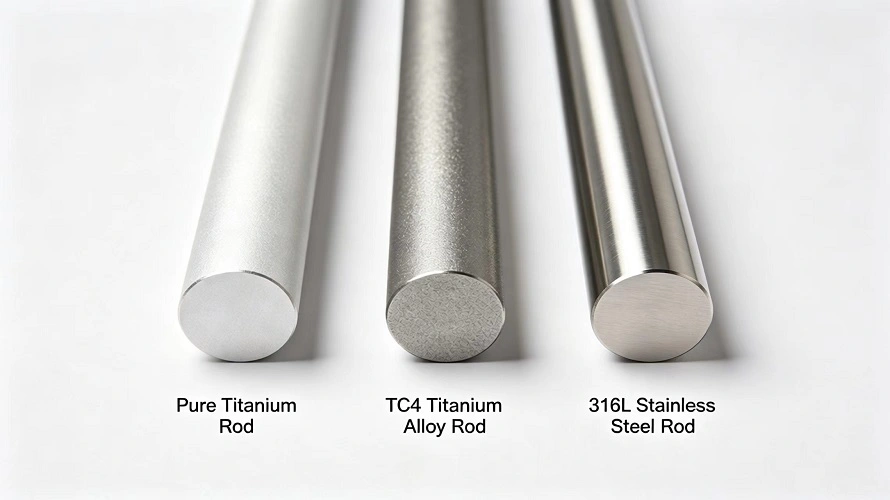
Comparison with Titanium Alloys
Grade 5 titanium alloy (Ti-6Al-4V) has better strength—900 MPa—but worse corrosion resistance and higher material cost. When your design calculations demonstrate Grade 2 CP titanium rods have appropriate strength margins, the 30-40% cost savings and enhanced weldability make them the economically sensible choice. Grade 23 ELI versions provide outstanding low-temperature toughness for medical implants but cost more when ASTM F136 biocompatibility certification is required.
Performance Against Stainless Steel
While austenitic stainless steels like 316L remain ductile at cryogenic temperatures, their density of 8.0 g/cm³ results in prohibitive weight penalties for aircraft constructions. Titanium's 4.5 g/cm³ density provides identical strength with 44% less weight. Additionally, titanium reduces galvanic corrosion issues that affect stainless steel in seawater-exposed assemblies with aluminum components. Titanium heat exchanger bundles last 15-20 years without maintenance, but stainless counterparts need tube replacement every 5-7 years owing to gasket interface crevice corrosion.
Procurement and Supply Chain Considerations
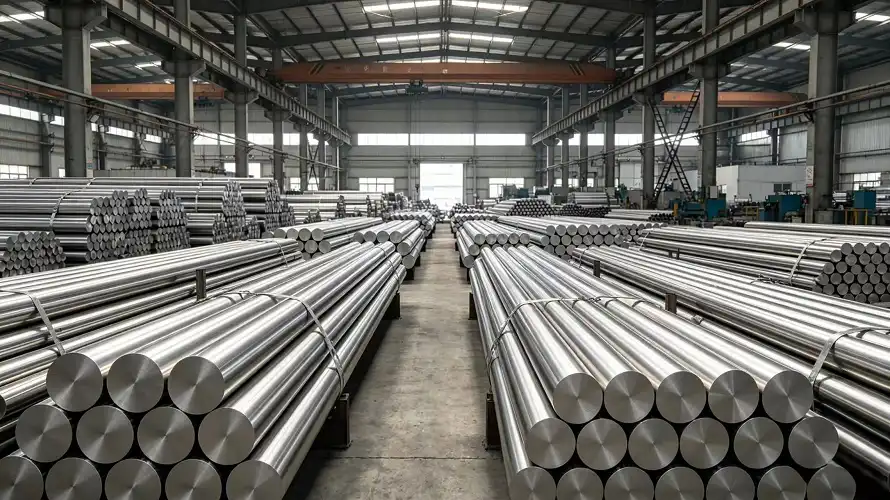
Lead time and material availability affect project scheduling. Approximately 3,000 tons of titanium inventory, including various grades, allows Baoji Jucheng Titanium Industry to dispatch standard diameter rods (Φ6mm to Φ450mm in lengths up to 6,000mm) within one week of order confirmation. Vacuum melting, forging, and surface treatment take 4-6 weeks for 12,000mm custom dimensions. This supply chain stability contrasts with specialist stainless alloys' 12-16 week mill lead periods, which put time-sensitive petrochemical turnaround operations at risk.
Practical Applications and Case Studies in Low-Temperature Environments
Real-world deployments verify theoretical material qualities and highlight practical issues that lab testing cannot predict. Current material selection judgments are based on decades of performance data from severe temperature industries.
Aerospace and Cryogenic Propulsion Systems
Liquid hydrogen rocket engines cycle between -253°C propellant and +500°C combustion zones in milliseconds. Grade 4 CP titanium rod fasteners and structural brackets resist fatigue fractures from thermal shocks better than high-strength alloy equivalents. Launch vehicle manufacturers choose our ASTM B348 certified bars because traceability documentation and ultrasonic testing to AMS 2631 Class A requirements ensure human-rated spaceflight program quality.
Chemical Processing and LNG Facilities
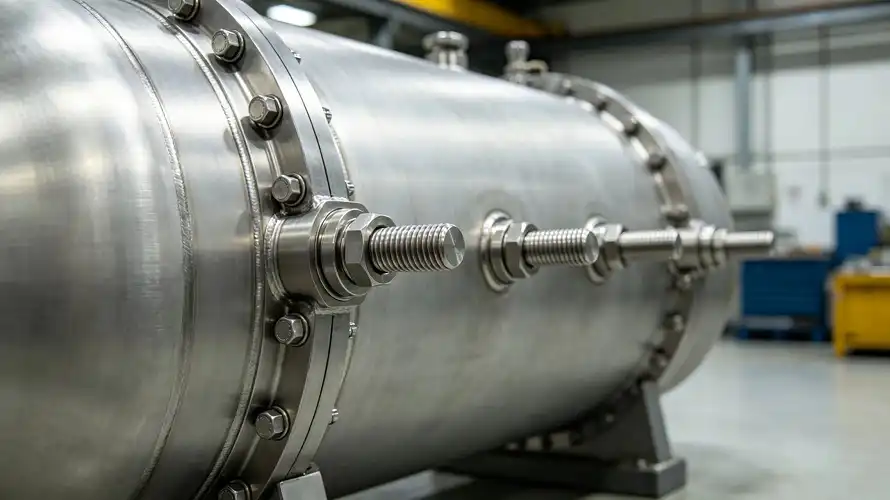
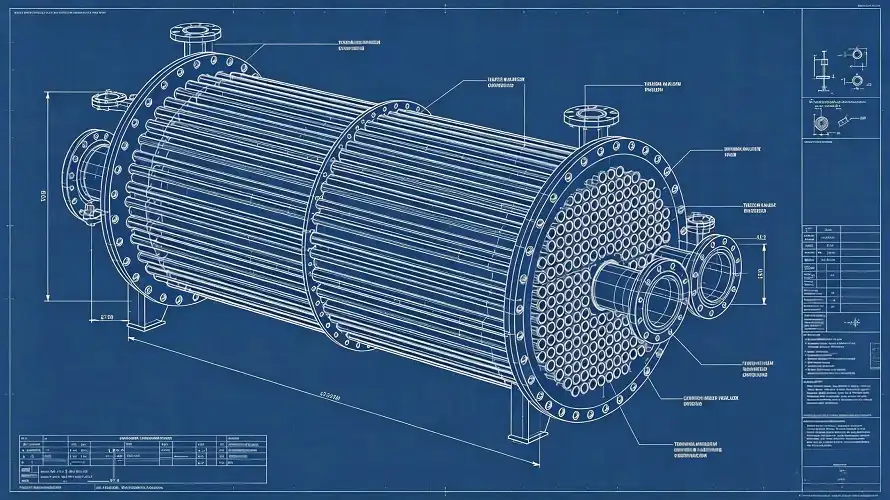
A Gulf Coast petrochemical facility replaced stainless steel heat exchanger tubes with Grade 2 titanium rods cut to precise tube specifications. The original stainless installation cracked from chloride stress corrosion after 18 months with liquid ethylene at -104°C. The titanium replacement has run for nine years without a tube failure, avoiding unscheduled shutdowns that cost $2.3 million yearly in output. The larger initial material investment's 3.5-year payback period showed the total cost of ownership advantage that encourages harsh service environment acceptance.
Medical Device and Surgical Instrument Manufacturing
High-thermal-conductivity, biocompatible probe shafts are needed for liquid nitrogen-freeze cryosurgical probes. These components are machined from ASTM F67-compliant Grade 2 rods by medical device makers. Non-magnetic characteristics avoid MRI interference, while strength permits probe sizes small enough for minimally invasive treatments. Our clean manufacturing environment and batch-traceable production records meet FDA Quality System Regulation criteria for medical component suppliers.
Procurement Considerations for CP Titanium Rods in Low-Temperature Projects
Critical applications need rigorous supplier selection and specification management for titanium materials. Project delays and quality non-conformances far outweigh initial cost savings when procurement selections are made without knowing material certification criteria and fabrication tolerances.
Supplier Certification and Quality Assurance
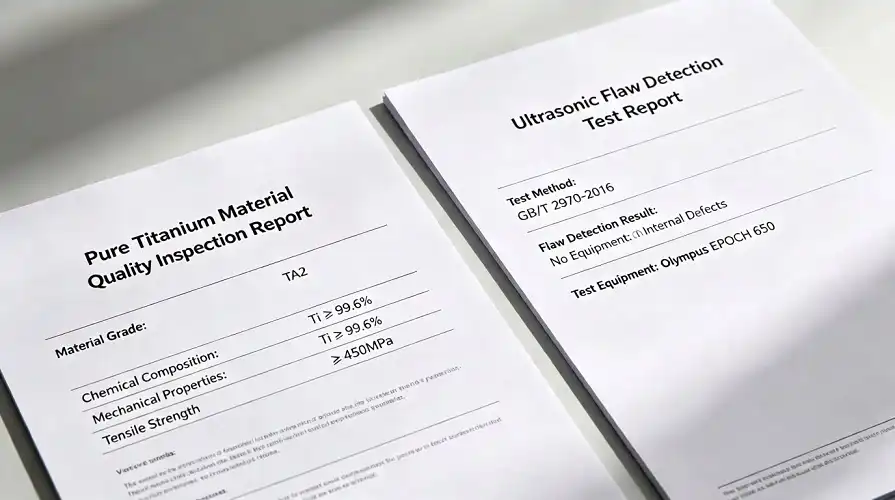
Material certifications for CP titanium rod must include chemical analysis that meets ASTM B348 compositional limitations for oxygen, nitrogen, carbon, hydrogen, and iron, which determine grade classification. Reports on mechanical properties should include room temperature and cryogenic tensile testing with specimens from the same manufacturing lot as the transported material. Because internal voids start cracks under cyclic cryogenic stress, AMS 2631 ultrasonic inspection certifications are necessary. Every shipment from Baoji Jucheng Titanium Industry includes EN 10204 3.1 Mill Test Certificates, tying material chemistry and characteristics to ingot heat numbers for full vacuum melting manufacturing traceability.
Specification Management and Customization
Standard rod diameters 10mm–50mm ship from inventory, whereas special dimensions require manufacture schedule. Turned (peeled) surfaces are best for rods that will be machined, whereas centerless ground finishes provide tighter diameter tolerances (h8 or h9) for precise sliding fits. Polished bright surfaces reduce chemical service crevice corrosion but increase base material cost by 15-20%. Avoid costly rework when obtained material doesn't fit application assumptions by clearly articulating these needs during the quote.
Bulk Purchasing and Logistics Optimization
Consolidating purchases with forging production runs saves per-kilogram pricing by improving manufacturing efficiency. A chemical equipment manufacturer we supply buys quarterly shipments that match our manufacturing calendar, saving 18% above spot-market pricing. Shipping using a container instead of air freight saves money when project timelines allow the 4-6 week ocean transit period from Baoji to North American ports. Customs documentation and domestic haulage are coordinated by our logistics staff to minimize handling and surface damage.
Conclusion
The low-temperature performance of CP titanium rods addresses significant technical difficulties in aircraft, chemical processing, cryogenic systems, and medical devices. Mechanical property retention, corrosion resistance, dimensional stability, and procurement dependability must be considered while choosing materials. Grades 1–4 retain cryogenic service ductility and toughness while offering varied property profiles for different stress and corrosion combinations. Partnering with experienced manufacturers who maintain large inventories, give comprehensive material traceability, and offer customisation enables project success in challenging applications where material failure has unacceptable safety and economic ramifications.
FAQ
Q1: Which CP titanium grade performs best in liquid nitrogen service at -196°C?
Grade 2 is best for liquid nitrogen applications because of its strength, hardness, and affordability. At -196°C, its tensile strength reaches 550 MPa while maintaining ductility to prevent brittle fracture. Grade 4 is stronger but costs 25-30% more—justified when design calculations demonstrate Grade 2 cannot achieve structural requirements.
Q2: Can you supply expedited orders with full material certification?
With our 3,000-ton inventory, we can dispatch standard diameters (Φ10mm to Φ100mm) within 5-7 business days, replete with EN 10204 3.1 Mill Test Certificates and ultrasonic inspection reports. Producing custom measurements or surface treatments takes 4-6 weeks. Please contact our technical team at s4@juchengti.com to discuss your timetable and expediting possibilities.
Q3: How does commercially pure titanium compare to stainless steel for cryogenic heat exchangers?
Titanium prevents chloride stress corrosion cracking that shortens stainless steel service life in marine and chemical conditions. During thermal cycling, its reduced thermal expansion coefficient minimizes tube-to-tubesheet junction stress. Initial material cost is 3-4 times greater, but 15-20 years maintenance-free service life against 5-7 years for stainless steel improves lifetime economics in corrosive cryogenic use.
Partner with a Trusted CP Titanium Rod Manufacturer
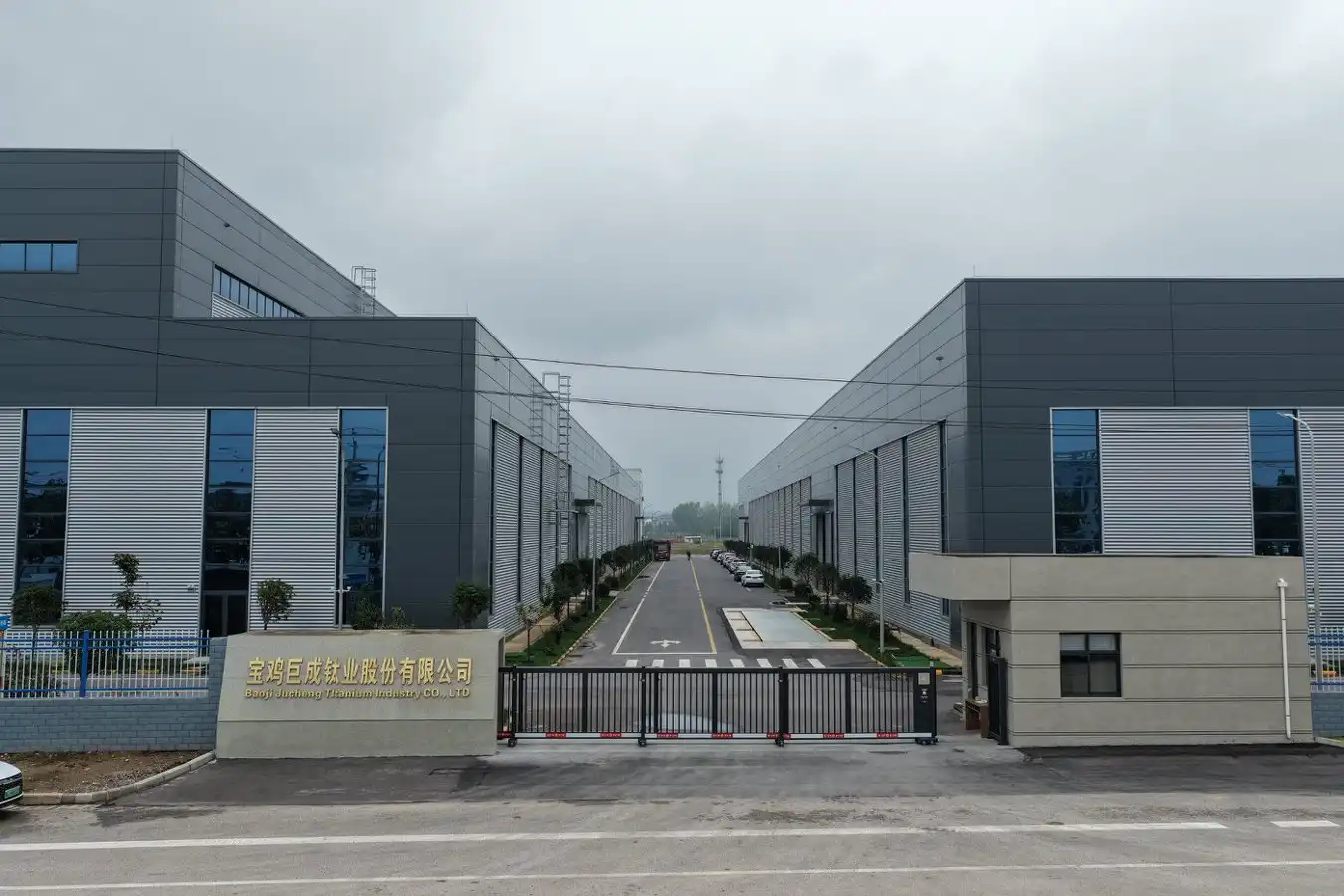
For over 20 years, Baoji Jucheng Titanium Industry has produced high-quality CP titanium rods for cryogenic and low-temperature applications. We strictly manage vacuum melting, forging, and precision finishing as a National High-Tech Enterprise and "little giant" in specialized manufacturing. North American and European aircraft, chemical equipment, and medical device industries use our ASTM B348 and ASME SB348-certified products. We provide material reliability and technical assistance for low-temperature projects with 3,000 tons of inventory and bespoke fabrication up to 12,000mm lengths. Contact our technical team at s4@juchengti.com to discuss your needs with cryogenic material-savvy CP titanium rod suppliers.
References
1. Boyer, R., Welsch, G., & Collings, E.W. (1994). Materials Properties Handbook: Titanium Alloys. ASM International, Materials Park, Ohio.
2. Schutz, R.W. & Watkins, H.B. (1998). Recent developments in titanium alloy application in the energy industry. Materials Science and Engineering: A, 243(1-2), 305-315.
3. American Society for Testing and Materials. (2020). ASTM B348-20: Standard Specification for Titanium and Titanium Alloy Bars and Billets. West Conshohocken, PA.
4. Lutjering, G. & Williams, J.C. (2007). Titanium (2nd Edition). Springer-Verlag, Berlin Heidelberg.
5. Donachie, M.J. (2000). Titanium: A Technical Guide (2nd Edition). ASM International, Materials Park, Ohio.
6. Seagle, S.R. (1995). The state of the USA titanium industry in 1995. Materials Science and Engineering: A, 213(1-2), 1-7.