
Grade 9 vs Grade 5 Titanium Comparison: Choosing The Right Titanium Alloy For The Job
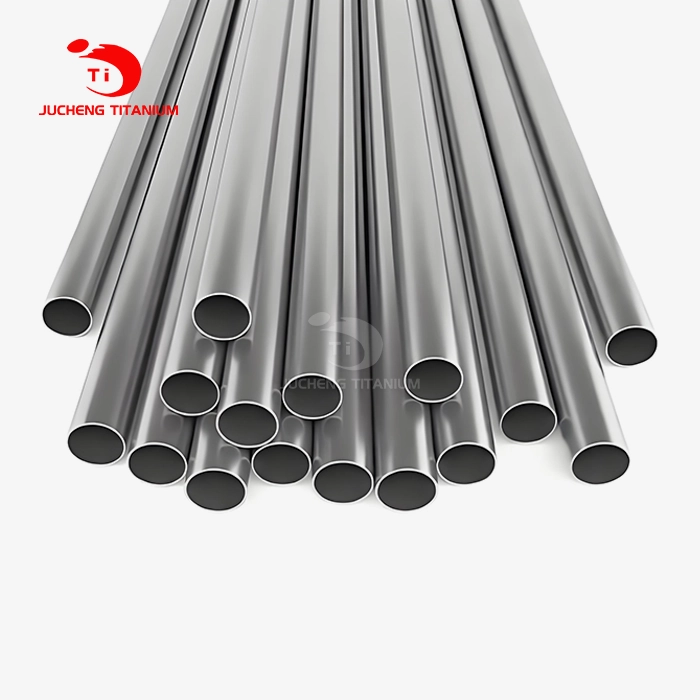
When choosing between Grade 9 and Grade 5 titanium alloys, the success of the job depends on how well you understand their different qualities. Grade 5 titanium plate, which is also called Ti-6Al-4V, has great strength-to-weight ratios and is perfect for high-stress and aircraft uses. Grade 9 (Ti-3Al-2.5V) is great for making tubing and chemical processing equipment because it can be cold shaped well and doesn't rust. Your choice will depend on the mechanical needs, the area where it will be used, and the manufacturing needs.
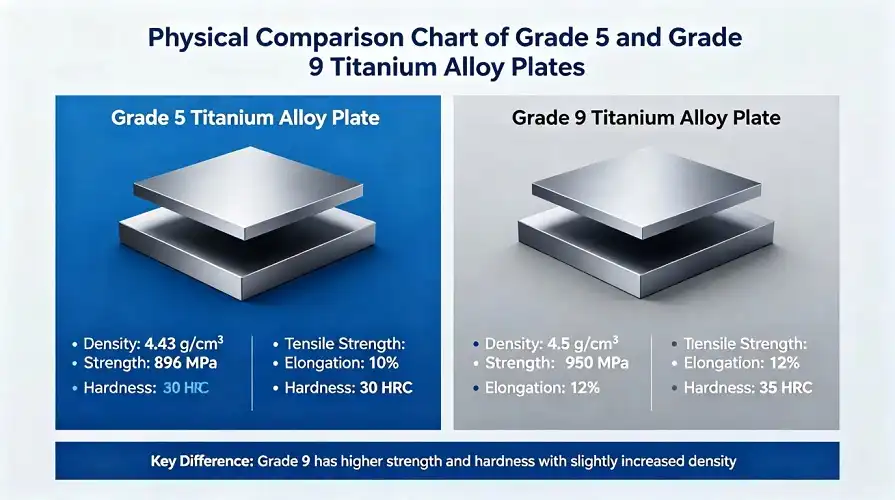
Understanding the Fundamental Composition Differences
The special properties of these titanium alloys come from the chemicals that make them up. Grade 5 is the most common titanium metal in the world because it has 6% aluminium and 4% vanadium. In the heated state, this material has tensile strengths of up to 130 ksi (895 MPa). The aluminium part makes the metal stronger while also making it less dense, and the vanadium stabilises the beta phase so that it responds better to heat treatment.
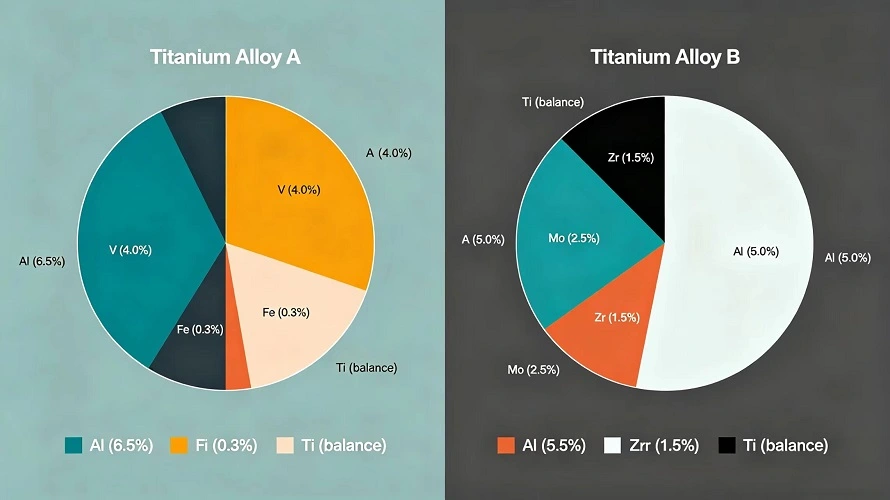
Grade 9 has 3% aluminium and 2.5% vanadium in it. This makes a "alpha-beta" metal that has different effects. The lower amount of alloying keeps the great corrosion protection while making it easier to weld compared to Grade 5. The tensile strength of this titanium alloy plate is about 90 ksi (620 MPa), which puts it between pure types that are sold in stores and high-strength versions.
Three main effects on composition:
- At high temperatures, the amount of aluminium directly affects how strong something is and how well it resists rusting.
- Vanadium amounts affect how flexible and easy it is to work with something.
- Lower amounts of metal in Grade 9 make it easier to work with cold without breaking.
Grade 5 titanium sheet is better if your application needs maximum strength with only modest shaping needs. On the other hand, Grade 9 is easier to work with for projects that need to bend tubes a lot or do difficult operations.
Mechanical Performance: Strength vs Formability Trade-offs
Real-world testing shows that these two choices for aerospace titanium plates work very differently in important ways. In the annealed state, Grade 5 has a yield strength of 828 MPa and a final tensile strength of 895 to 930 MPa. Its stretch is usually between 10 and 15 per cent, which is enough for many structural uses. At 113.8 GPa, the modulus of elasticity is very high, which means it is very hard.
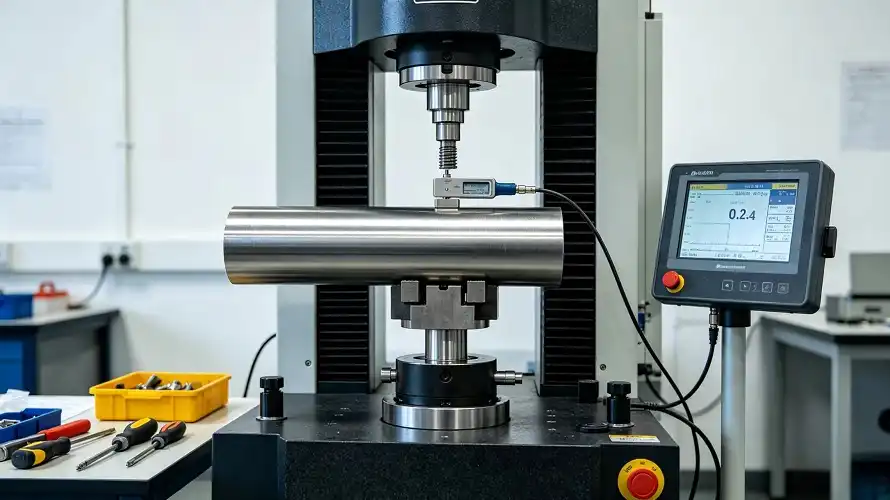
The tensile strength of Grade 9 is between 620 and 690 MPa, and the yield strength is around 483 MPa. The expansion rate goes up to 15–20%, which means the material is easier to shape. This Grade 5 titanium plate is very strong, but it also has a similar elastic modulus of 103.4 GPa. This keeps the structure rigid even though the exact strength numbers are lower.
Testing for fatigue resistance shows that Grade 5 can handle about 240 MPa of stress over 107 cycles. This makes it perfect for places with changing loads, like the landing gear of an aeroplane. Grade 9 can handle about 180 MPa using the same testing methods, which is still good enough for industrial use.
Key points of the performance comparison:
- Grade 5 has a tensile strength that is 44% stronger than Grade 9.
- Grade 9 has 33% more extension for complicated shaping tasks.
- Both of them keep their strength very well up to 300°C working temperatures.
- Grade 5 is stronger than Grade 9 when it comes to crack resistance (75 MPa√m vs. 65 MPa√m).
Grade 5 titanium metal plate is the best choice if your project calls for high-stress structure parts or work at high temperatures. Applications that need complex shapes or a lot of cold forming work turn out better with Grade 9.
Corrosion Resistance Across Industrial Environments
Both metals are very resistant to corrosion, but small differences can be important in some chemical conditions. Titanium that is sold commercially naturally makes a protective oxide layer. Both types of titanium have this property, plus extra benefits from alloying elements.
Both of the titanium metal plates work very well in naval settings. Both grades show rust rates below 0.001 mm/year when tested in a 3.5% sodium chloride solution at room temperature. Because it is marine grade, titanium is widely used in offshore bases and tools for desalination.
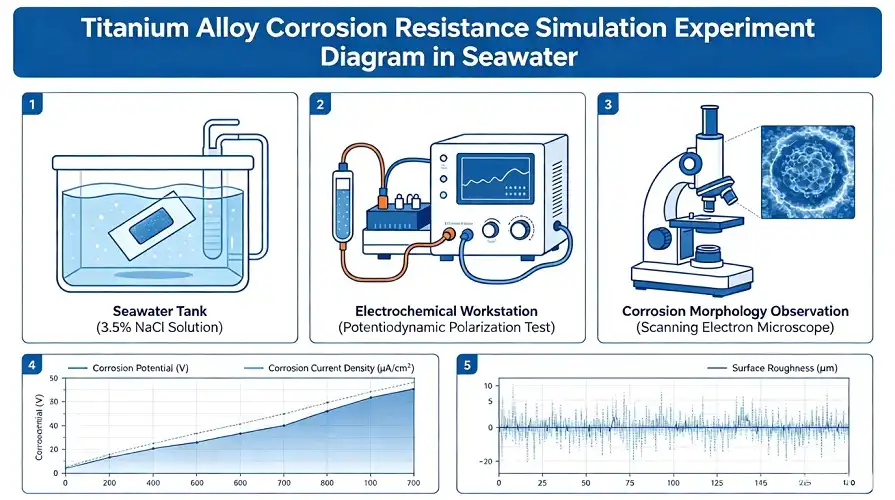
Chemical working settings show more complex differences. Because it has less aluminium, Grade 9 is slightly more resistant to reducing acids. In hydrochloric acid liquids with less than 5% strength and at room temperature, Grade 9 behaves passively more consistently. Grade 5 does a great job, but it may have a localised attack in some lower circumstances.
Oxidising conditions are good for both metals in the same way. Titanium is very stable, as shown by nitric acid, chlorine dioxide, and wet chlorine. When tested in 68% nitric acid at its boiling point, Jucheng Titanium found that neither type corroded after 240 hours of contact.
Factors that protect against corrosion:
- Both grades of chloride stress corrosion cracking protection are good, and no failures have been reported below 450°C.
- Resistance to hydrogen embrittlement: Grade 9 is a little more immune because of its makeup.
- Compatible with galvanic corrosion: Both types are cathodic to most solid metals, which stops galvanic corrosion.
If your equipment comes into contact with reducing acids or needs to be completely resistant to rust, Grade 9 might be a better choice. Both types of corrosion-resistant titanium work the same in oxidising chemical service or sea settings.
Fabrication and Machining Considerations
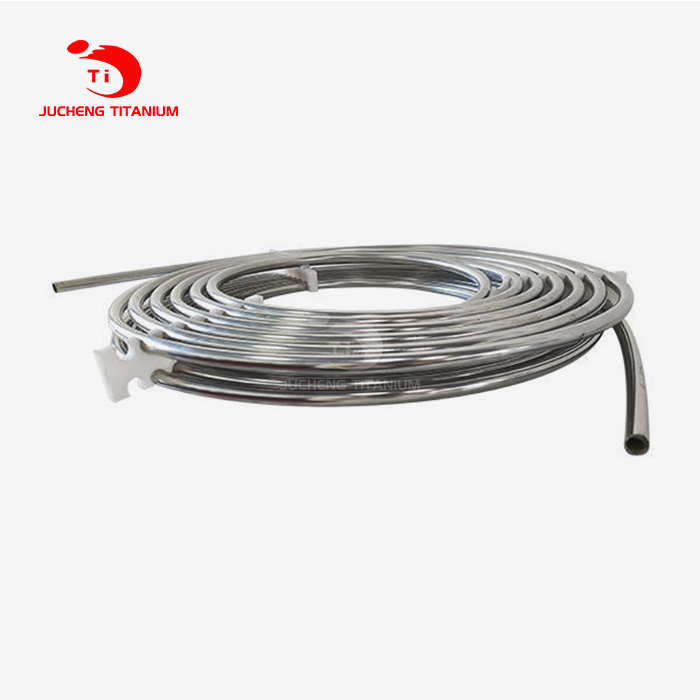
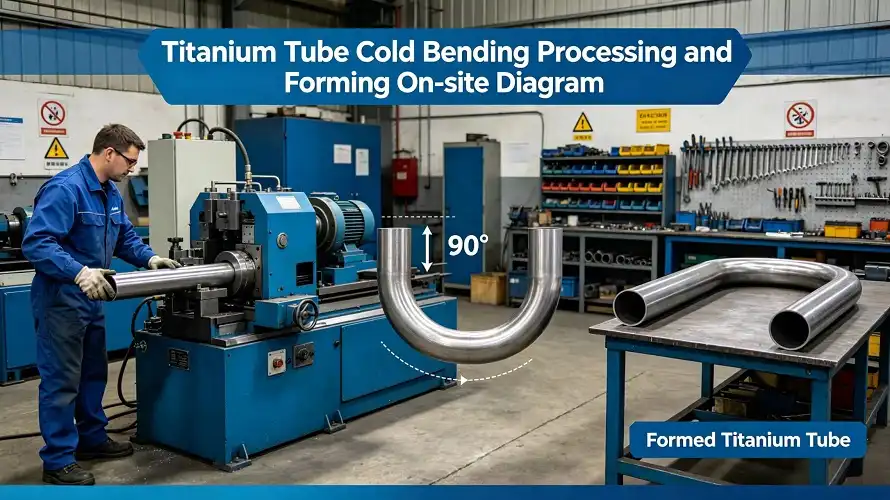
Characteristics of manufacturing have a big effect on project prices and schedules. Grade 9 titanium is known as the "workhorse" titanium for tube uses because it can be cold-formed more easily than other grades. For Grade 9 tubes, the bend radius must be at least 2.5 times the diameter without annealing. For Grade 5 tubes, it must be at least 3.5 times the diameter or go through intermediate annealing steps.
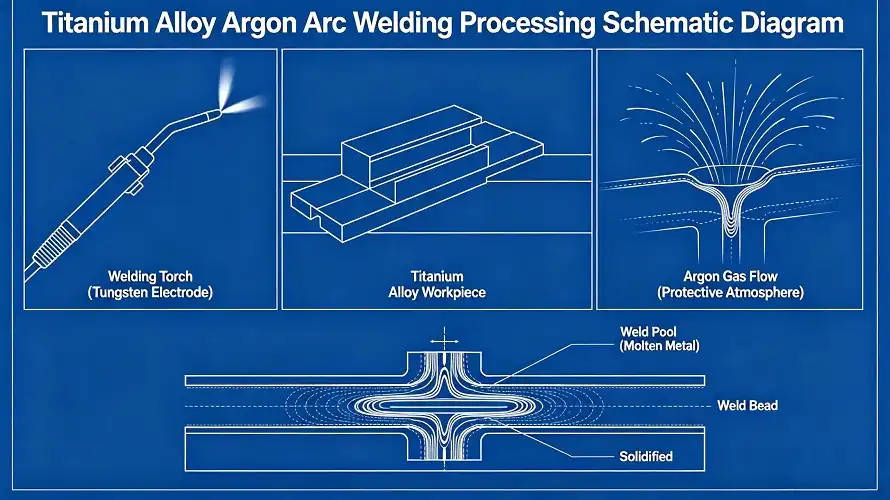
Inert gas shielding is needed to weld both metals, but Grade 9 has bigger process windows. The lower amount of aluminium lowers the risk of weld zone embrittlement. Using gas tungsten arc welding (GTAW), Jucheng Titanium's production data shows that weld joint efficiencies hit 95–98% for Grade 9 and 90–95% for Grade 5.
Both light titanium sheets and titanium alloys are hard to machine because they don't conduct heat well and react chemically with cutting tools. Grade 9 machines about 15 to 20 per cent faster than Grade 5 when the surface finish needs to be the same. When handling Grade 9 instead of Ti-6Al-4V with the same cutting settings, tool life is increased by 25 to 30 per cent.
The temperature ranges for hot forming are not the same. For the best formability, heat Grade 5 titanium plate to 900–950°C. For the best formability, heat Grade 9 to 750–850°C. This 100–150°C difference lowers the cost of energy and reduces the risk of rusting while the Grade 5 titanium plate is being made.
Comparison of how efficient fabrication is:
- When cold forming, Grade 9 needs 30% less force to bend the same amount.
- Annealing cycles: Grade 9 needs fewer intermediate anneals when it is formed in more than one step.
- Spring-back: Grade 5 has 15% more spring-back, which needs to be fixed.
- Heat treatment response: solution cleaning and ageing work for Grade 5, but not for Grade 9.
Even though Grade 9 is weaker in its raw state, it lowers production costs if your process includes a lot of shaping, welding, or milling. Grade 5's better mechanical qualities make it possible to make complex aircraft parts that are worth the extra cost of production.
Application-Specific Selection Criteria
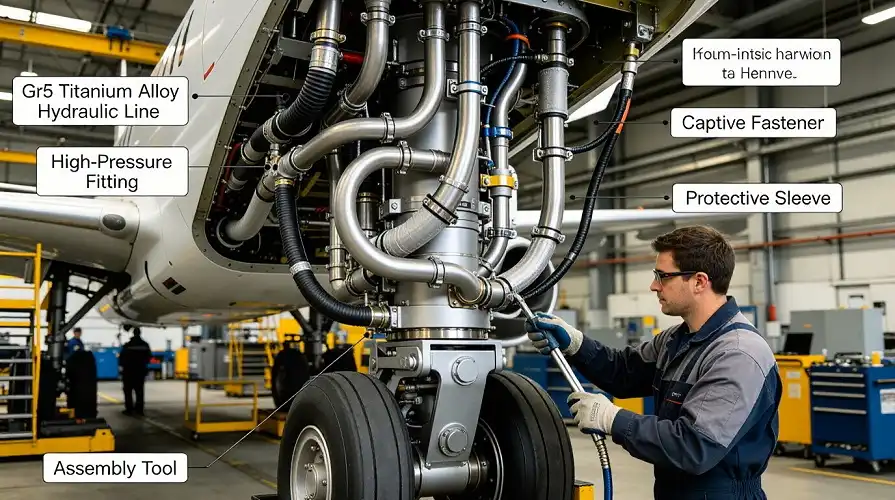
Based on success goals, industry sectors make their choices very clear. Most of the time, Grade 5 titanium sheet is used for aircraft structures, engine parts, and landing gear in aerospace and defence uses. The ratio of strength to weight is still unmatched, and the ability to work in temperatures up to 400°C is very important. Over 15% of the structural weight of commercial planes like the Boeing 787 is titanium, mostly Ti-6Al-4V.
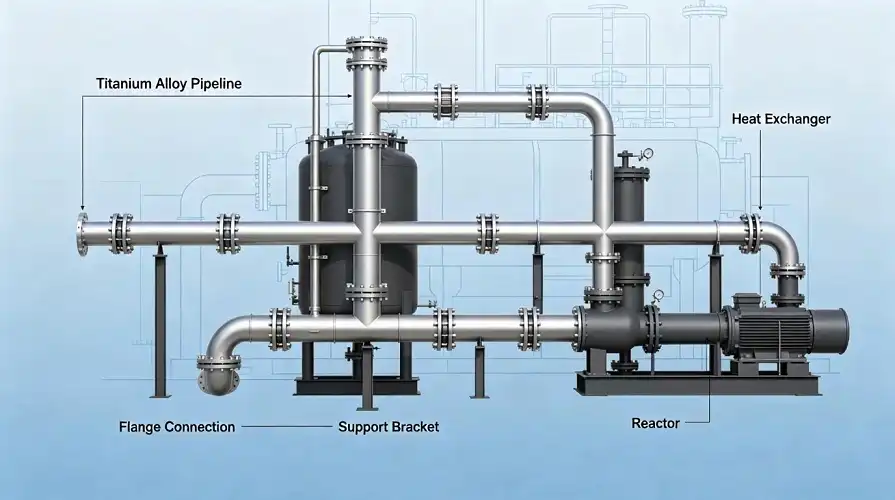
Grade 9 is best for heat exchanger tubes, reactor tanks, and pipe systems in the chemical processing and petrochemical businesses. A big coking plant in Shanxi Province uses 2,000 meters of Grade 9 tubing in acidic work and has had no problems with it in eight years. Because it is resistant to rust and easy to shape, Grade 6 can be used to make heat exchangers with complicated shapes that would not be possible with Grade 5.
Both classes are used carefully by companies that make medical devices. Medical-grade titanium in Grade 5 is used for surgical procedures that need to be very strong, like hip stems and bone plates. Commercially pure grades are usually used for dental implants and tools that only need to be biocompatible and moderately strong. However, Grade 9 is sometimes used for high-performance uses.
Cost and efficiency are two things that business tools builders think about. Grade 5 titanium is best for turbine blades and compressor discs because it can handle high temperatures. When Grade 9 condenser tubes and cooling systems work well enough, the costs of materials and assembly are lower.
Matrix for industry applications:
- Aerospace: Grade 5 is mostly used for fasteners, engines, and structures.
- For chemical handling, Grade 9 is best for tubes and Grade 5 is best for tank shells.
- For medical devices, Grade 5 is for load-bearing, and Grade 9 or commercially pure is for tools.
- Marine engineering: Both grades can be used; the choice relies on the power needs.
- For oil and gas, drilling parts get a Grade 9 and underwater structure parts get a Grade 5.
If you need to reduce weight and increase strength, the Grade 5 industrial titanium plate will meet your needs perfectly. Grade 9 selection is better for projects that need to keep costs down and have enough power reserves.
Economic Considerations and Supply Chain Factors
The cost of materials depends on the alloying level and how the market is moving. Because it has more vanadium and is in higher demand, Grade 5 titanium metal plate usually costs 15 to 25 per cent more per kilogram than Grade 9. By making production more efficient, bulk prices from well-known sources like Baoji Jucheng Titanium Industry close this gap.
Processing prices make a big difference in the economic balance. While the Grade 5 titanium plate incurs higher processing costs due to its greater strength, Grade 9 is easier to shape; 20 to 30 per cent less work is needed to make tubes. Machine costs can be cut by 15 to 25 per cent because tools last longer and can cut at faster speeds. When the total project expenses are looked at properly, these output efficiencies often make up for higher raw material costs.
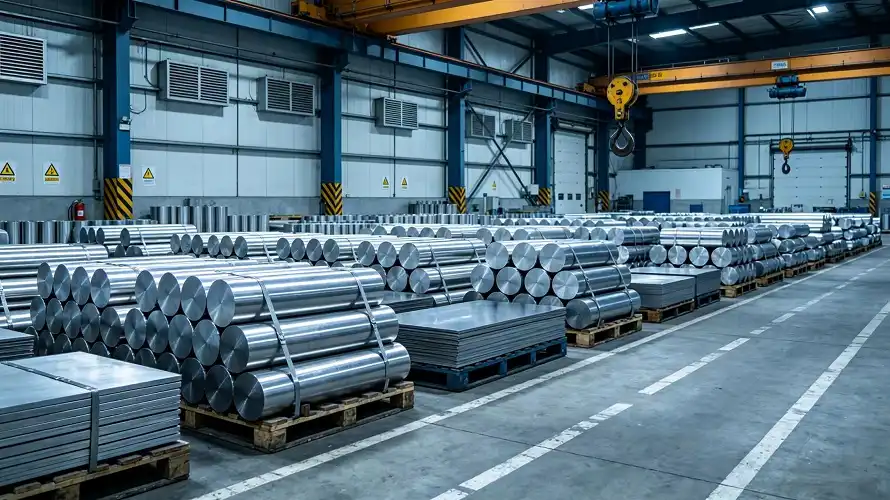
Lead times depend on the grade and the specifics. Due to aircraft demand, Grade 5 keeps a wider range of supplies available around the world, which speeds up shipping for standard thicknesses. Direct connections with manufacturers are helpful for sales of specialised sizes or a large number of items. Jucheng Titanium keeps 3,000 tonnes of different types of titanium in stock, so they can quickly meet both standard and unique needs.
What affects the total cost of ownership:
- Raw material: Grade 5 costs 15 to 25 per cent more than Grade 9
- Fabrication work: Grade 9 cuts the cost of making by 20 to 30 per cent.
- Tooling and consumables: Grade 9 makes tools last longer, which lowers the cost of cutting.
- Quality control: The tests and certifications for both grades must be the same.
- Service life: Grade 5's better strength may allow for thinner parts, which would lower the weight.
If you care most about having what you need right away and having standard specs, Grade 5 titanium plate provider networks can help. Even though there may be higher prices for raw materials, projects that try to minimise their total cost of production often have better finances with Grade 9.
Conclusion
To choose between Grade 9 and Grade 5 titanium alloys, you need to carefully look at the mechanical needs, the working surroundings, and the manufacturing needs. Grade 5 is great for high-strength structural uses, work at high temperatures, and aircraft parts that need to be light. For chemical processing and industry tools, Grade 9 is the best choice because it is easy to shape, doesn't rust, and can be made cheaply. Knowing these differences will help you choose the best materials for your project, which will also meet your technical and financial goals. Partnering with experienced sellers ensures the quality of the materials, compliance with certifications, and technical help throughout the whole buying process.
Jucheng Titanium: Your Trusted Partner for Premium Titanium Alloy Solutions
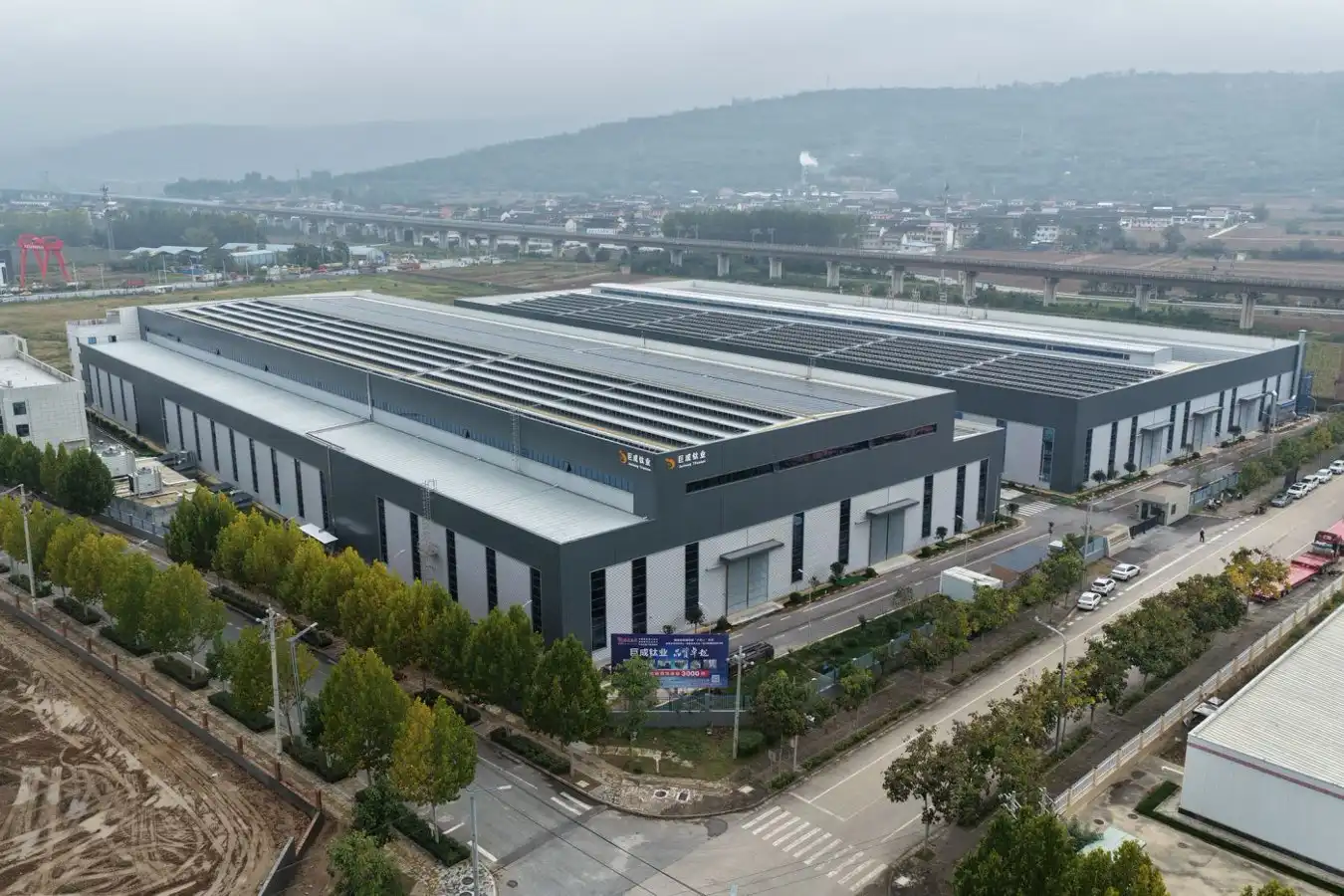
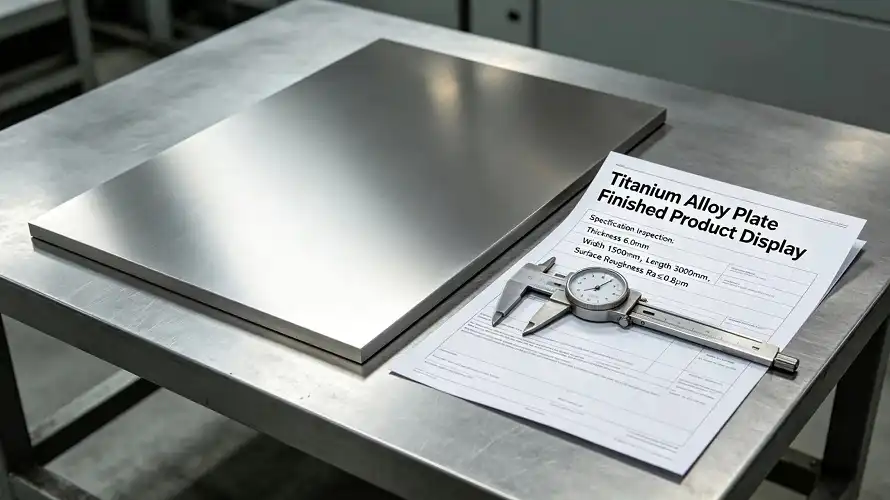
You can trust Baoji Jucheng Titanium Industry Co., Ltd. to make high-quality grade 5 titanium plates. They have been making these plates for 20 years and have a large collection and the ability to make unique orders. We keep both Grade 5 and Grade 9 titanium alloy plates in stock at our plant. The plates are available in widths of up to 2,500mm and thicknesses ranging from 4mm to 80mm. They meet ASTM B265, AMS 4911, and ASME SB265 standards and come fully certified and traceable. Get in touch with our technical team at s4@juchengti.com to talk about your unique application needs and get professional material selection advice. Our National High-Tech Enterprise status and 45 patents in titanium processing technology back up this service.
References
1. Boyer, R., Welsch, G., & Collings, E.W. Materials Properties Handbook: Titanium Alloys. ASM International, Materials Park, Ohio, 1994.
2. Donachie, Matthew J. Titanium: A Technical Guide, 2nd Edition. ASM International, 2000.
3. Lütjering, Gerd & Williams, James C. Titanium: Engineering Materials and Processes. Springer-Verlag Berlin Heidelberg, 2007.
4. Schutz, R.W. & Thomas, D.E. "Corrosion of Titanium and Titanium Alloys." ASM Handbook Volume 13B: Corrosion Materials, ASM International, 2005.
5. Peters, M., Kumpfert, J., Ward, C.H., & Leyens, C. "Titanium Alloys for Aerospace Applications." Advanced Engineering Materials, Volume 5, 2003.
6. Cotton, J.D., Briggs, R.D., Boyer, R.R., et al. "State of the Art in Beta Titanium Alloys for Airframe Applications." Journal of Materials, Volume 67, 2015.