
The Advantages of Titanium Plates (Gr1-Gr4) in Surgical Instrument Manufacturing
Because they are biocompatible, non-rusting, and extremely strong, titanium plate types Gr1 through Gr4 have changed the production of medical tools. This titanium plate material works better than common metals like stainless steel, which is why it is the best choice for important medical work. Since these grades are very pure and don't weigh much, they keep patients as safe as possible and give doctors tools that they can count on to work correctly during tough treatments.
Understanding Titanium Plates in Surgical Instrument Manufacturing
Titanium products made for medical use have changed the way surgical tools are made because they are strong, safe, and don't rust. For different medical and industrial needs, each grade from Gr1 to Gr4 is better in its own way.
Grade Classification and Properties
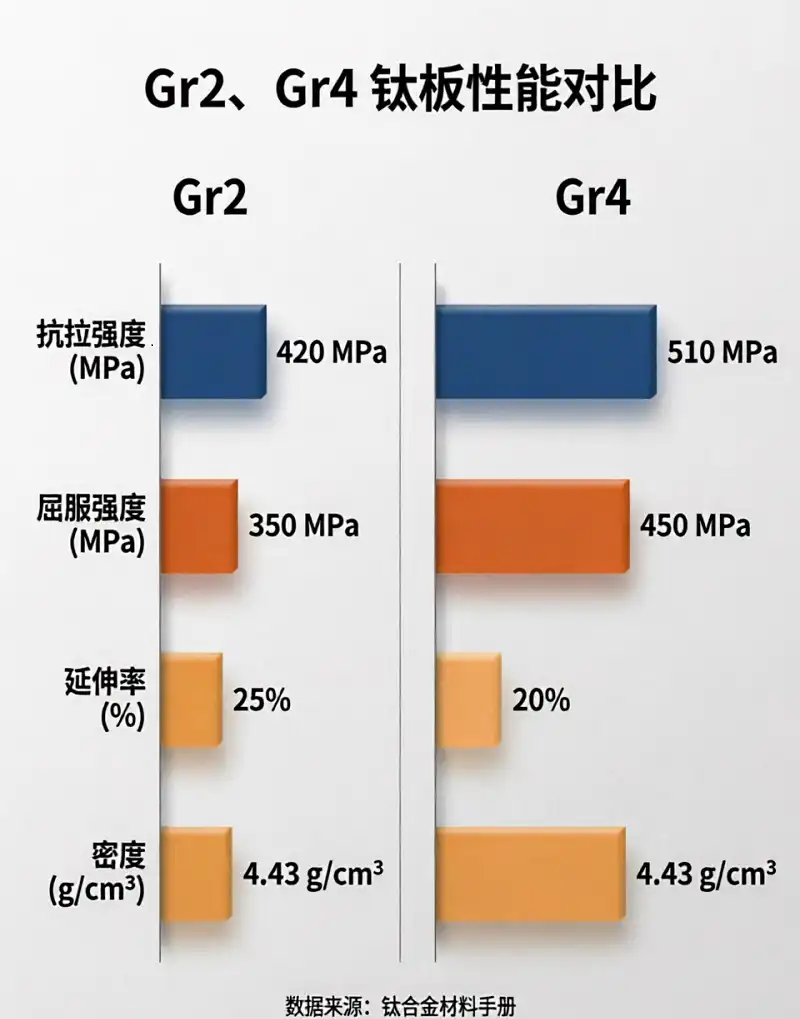
The best type of titanium is grade 1, which is made up of 99.5% titanium and very little air. This grade is very bendable and easy to shape, which makes it great for making difficult surgical instruments with lots of different shapes. Because it doesn't rust, it will last a long time in clean places.
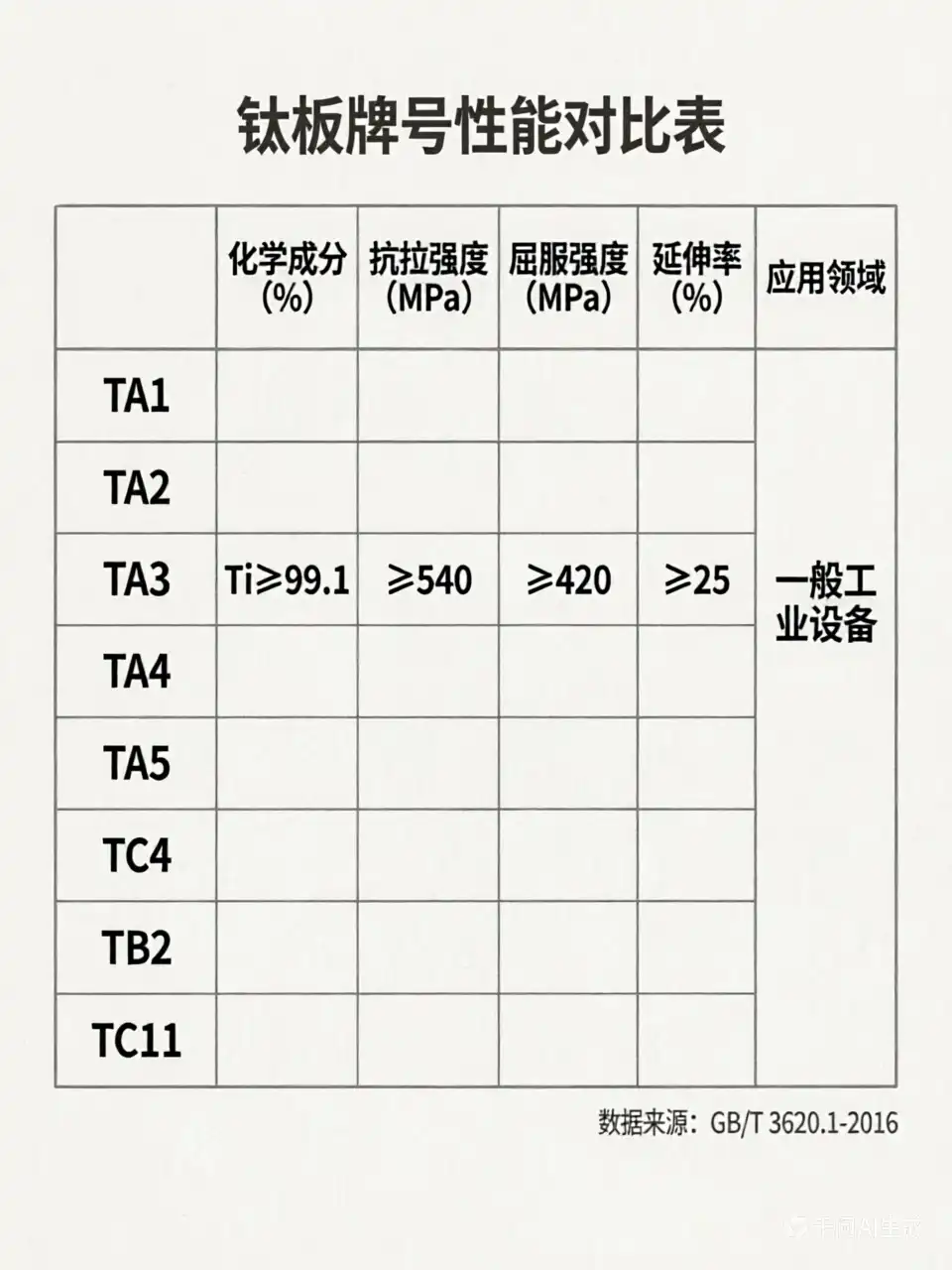
Steel Grade 2 is stronger than Grade 1 steel, but it is still very clean. This grade works well physically and is easy to work with, so it can be used for a bigger range of medical tools. The material is very hard to wear down, so it will keep working well even when it's under a lot of stress.
Grade 4 is the best grade of pure titanium because it has a few more elements in the middle that make it stronger. This grade is great for uses that need to hold a lot of weight while still passing the biocompatibility standards needed for medical goods.
Biocompatibility and Safety Standards
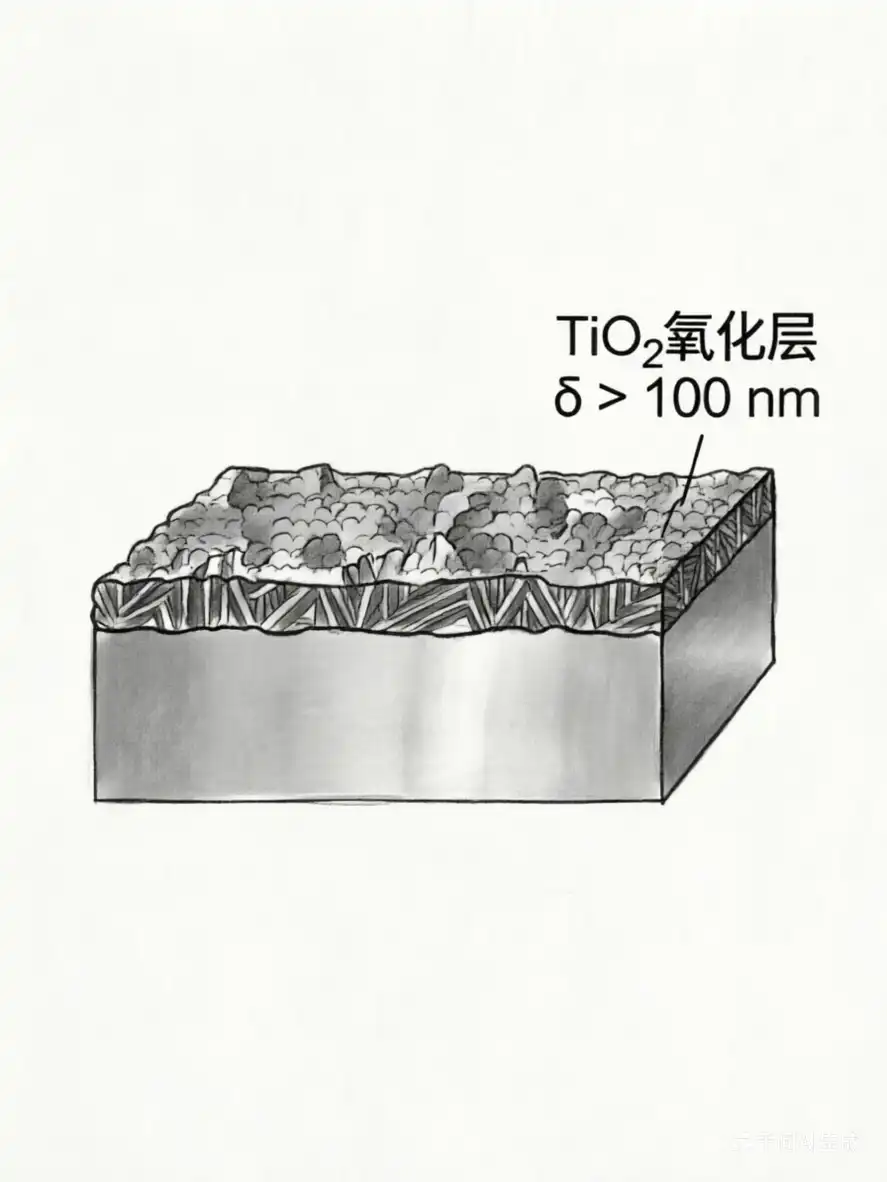
Titanium is safe for living things because it can form a thick oxide layer that keeps ions from getting into the tissues nearby. You don't have to worry about allergic reactions or tissue rejection that can happen with other metals because of this strength. When titanium devices and tools are used on people, they don't cause as many problems, and the effects are better.
The material can be used with magnetic resonance imaging (MRI) because it is not magnetic. This means that the tools won't get in the way of the people getting the tests they need. This benefit makes it easy to keep an eye on the places of surgery and treatment as time goes on.
Comparative Analysis: Titanium Plates vs Alternative Materials in Surgical Instruments
When it comes to making surgical tools, titanium often works better than other materials in a number of important ways. People who buy things can make smart choices that improve both the quality of the tools and the safety of the patients if they know about these changes in performance.
Strength-to-Weight Ratio Advantages
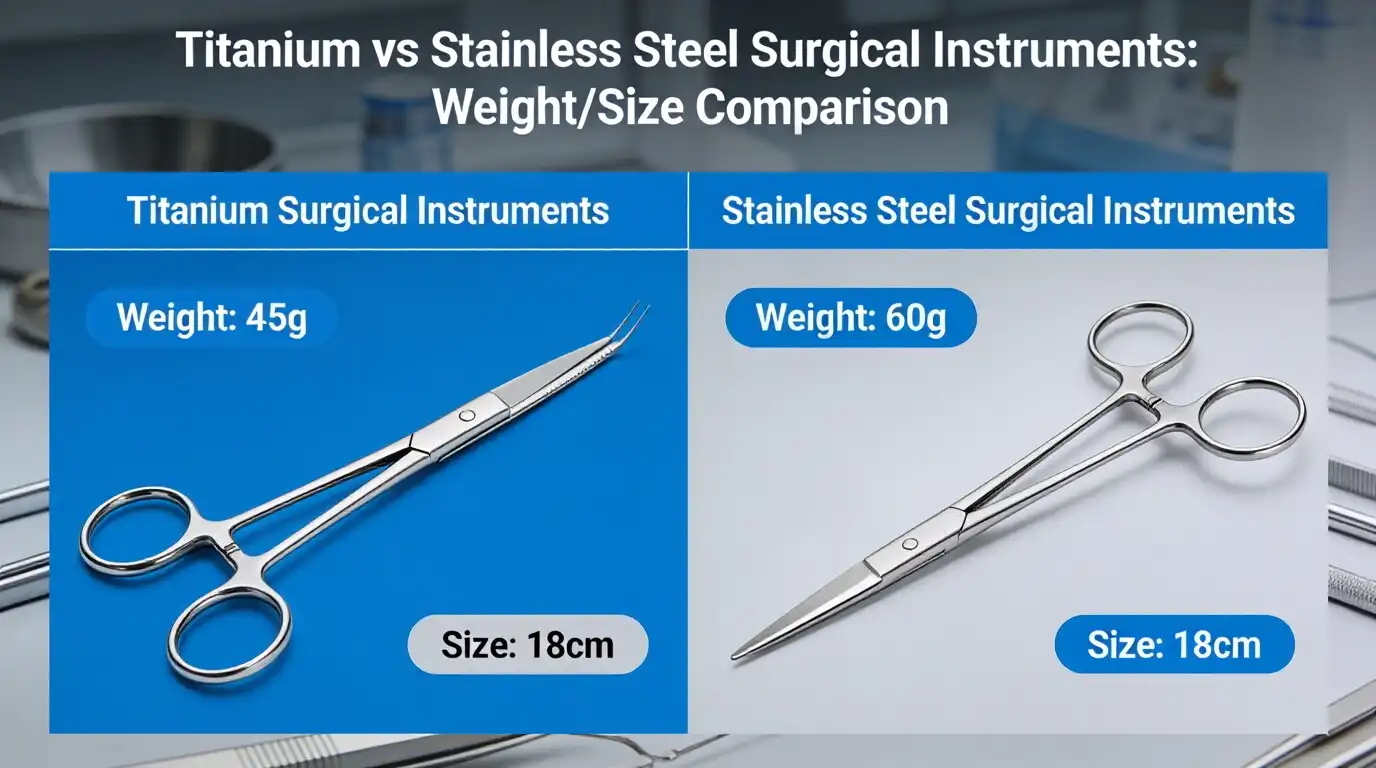
Because titanium plate materials are twice as strong as stainless steel, they can be used to make tools that are lighter without losing their strength. One benefit is that it keeps doctors from getting tired during long procedures. It also lets them keep the accuracy and control they need for delicate operations. When it comes to the special tools used in microsurgery and other minimally invasive procedures, the weight loss is very clear.
Aluminum is light, but it's not strong enough to be used in surgery, and it might not be safe for living things. Carbon steel is strong, but it rusts easily and could be harmful, so it can't be used in medicine.
Corrosion Resistance Performance
Titanium doesn't rust as easily as stainless steel does, especially in places like hospitals that have a lot of salt. When it comes to body fluids and cleaning chemicals, stainless steel can break and split, but titanium stays strong even after being used a lot.
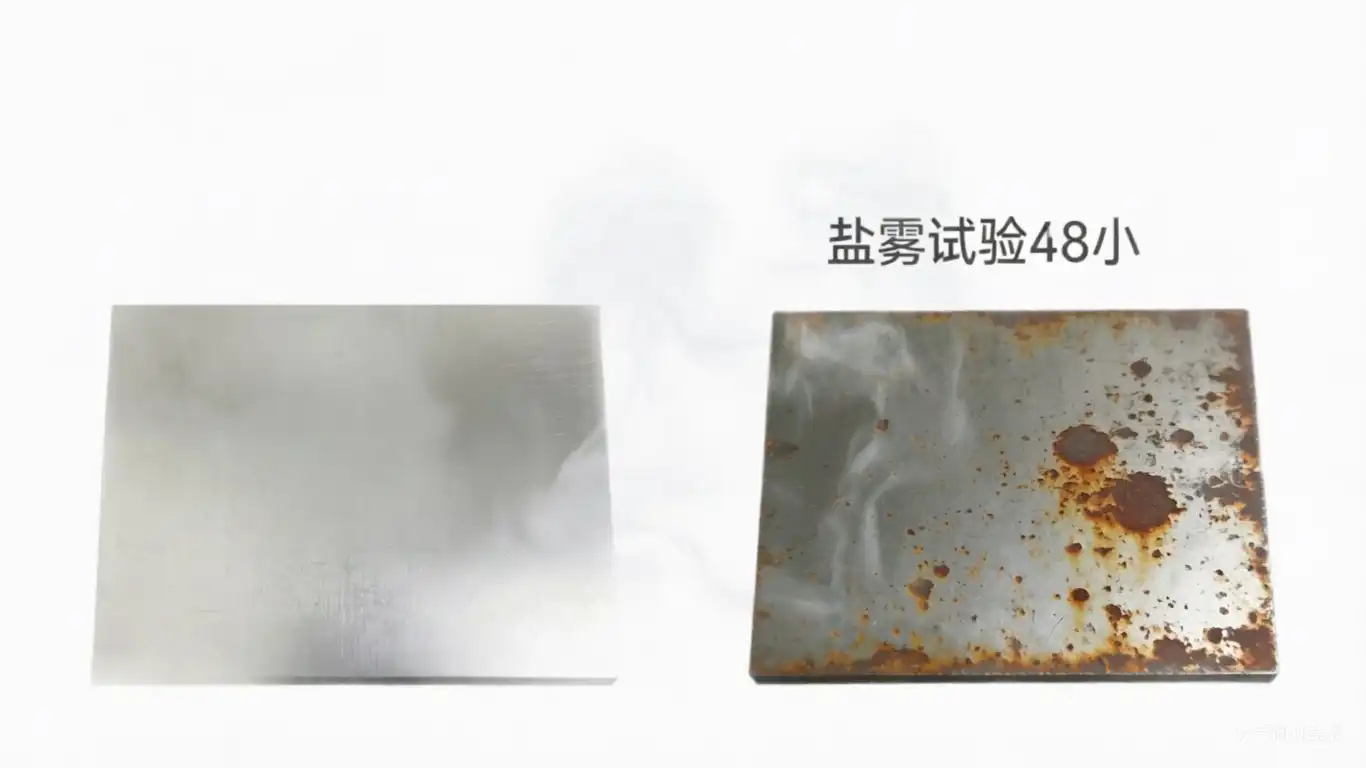
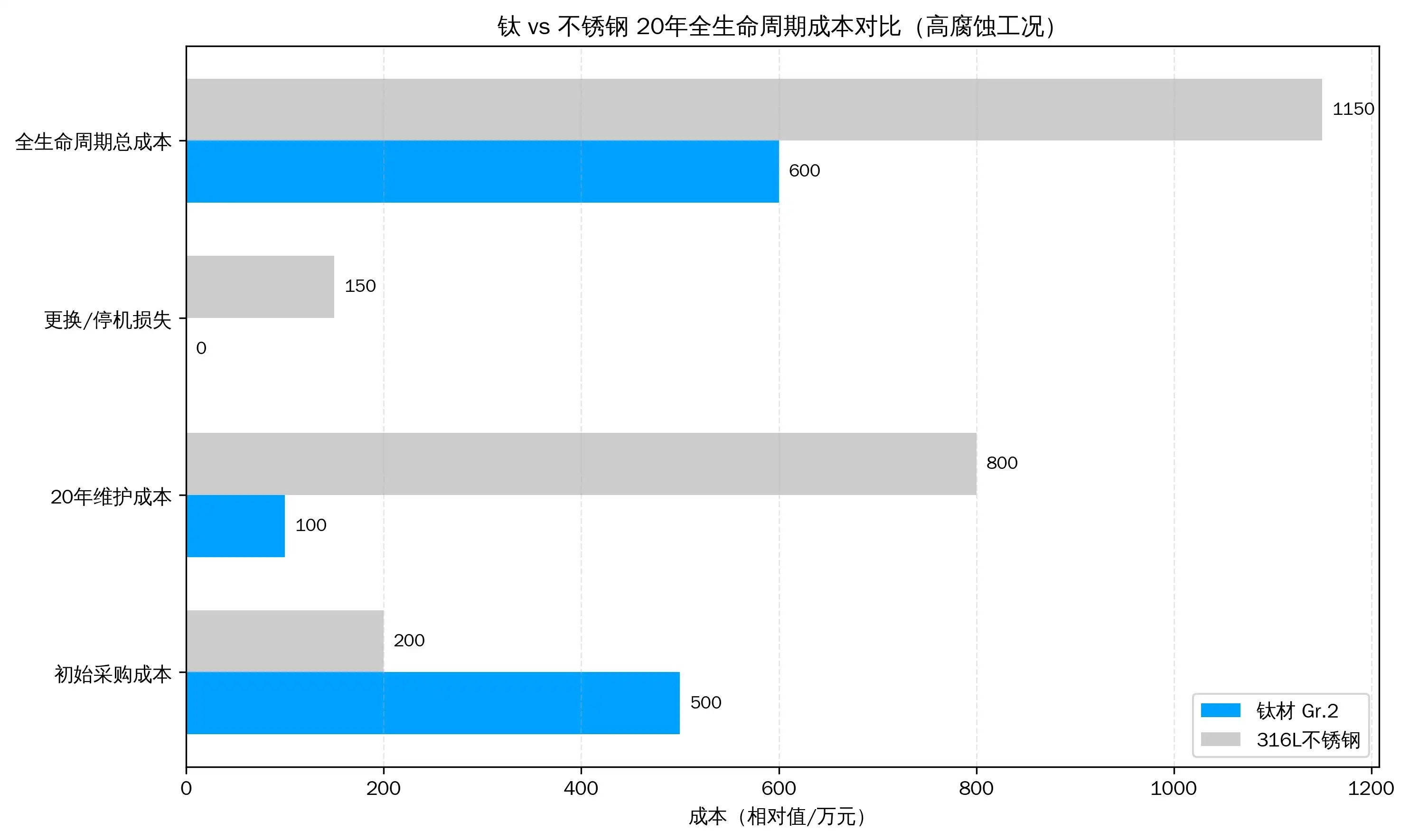
This makes instruments last longer, fixes them for less money, and makes sure they always work the same way. Medical facilities should have lower replacement costs because that makes them more effective for important surgeries.
Cost-Benefit Analysis
Even though titanium costs more up front than stainless steel, it generally costs less over time because it lasts longer and doesn't need as much maintenance. The material lasts a long time, so it doesn't need to be changed as often. It also works well with living things, so there aren't as many issues that could lead to costly second surgeries.
Manufacturing Process and Quality Considerations of Titanium Plates
When buying, teams know how medical-grade titanium is made, they can judge the skills of sellers, and make sure that quality standards are met all along the supply chain. A lot of important steps must be taken from the raw titanium to the finished titanium plate. These steps affect the quality of the final product.
Hot Rolling and Annealing Processes
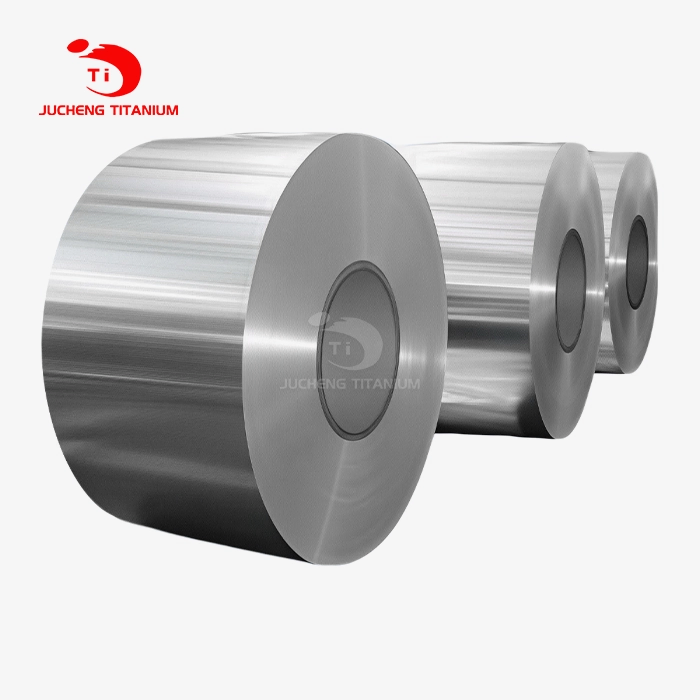
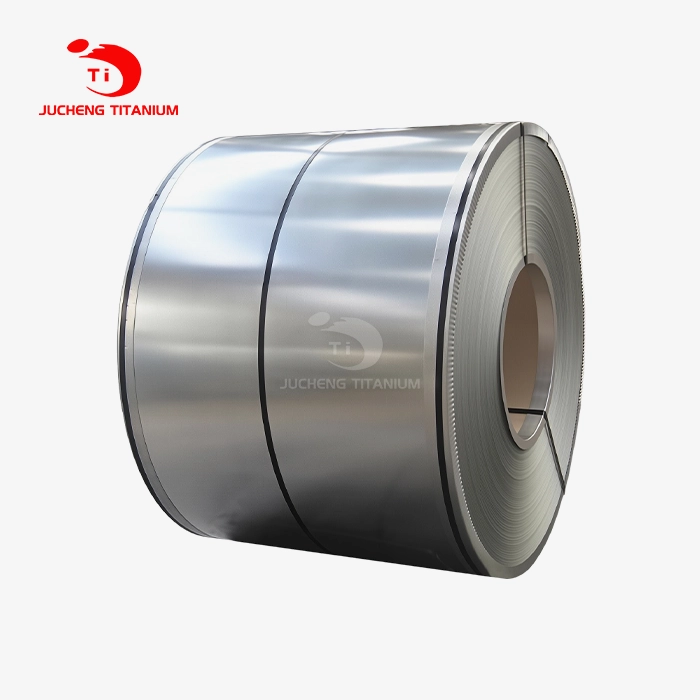
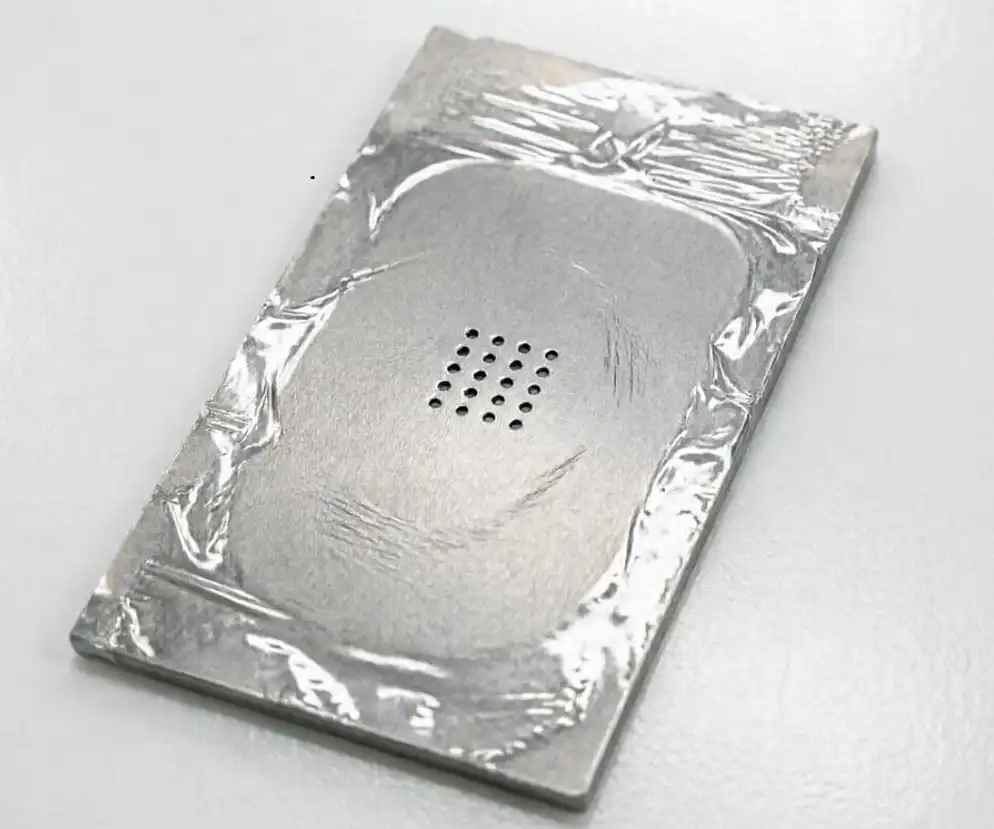
Steel bars made of titanium are hot-rolled into plates that can be any width between 4 mm and 80 mm. It is important to carefully control the temperature for this method so that the material's properties are kept, and the measures are correct. When you roll something, the grain patterns stay the same, which helps the plate's mechanical features stay the same all over.
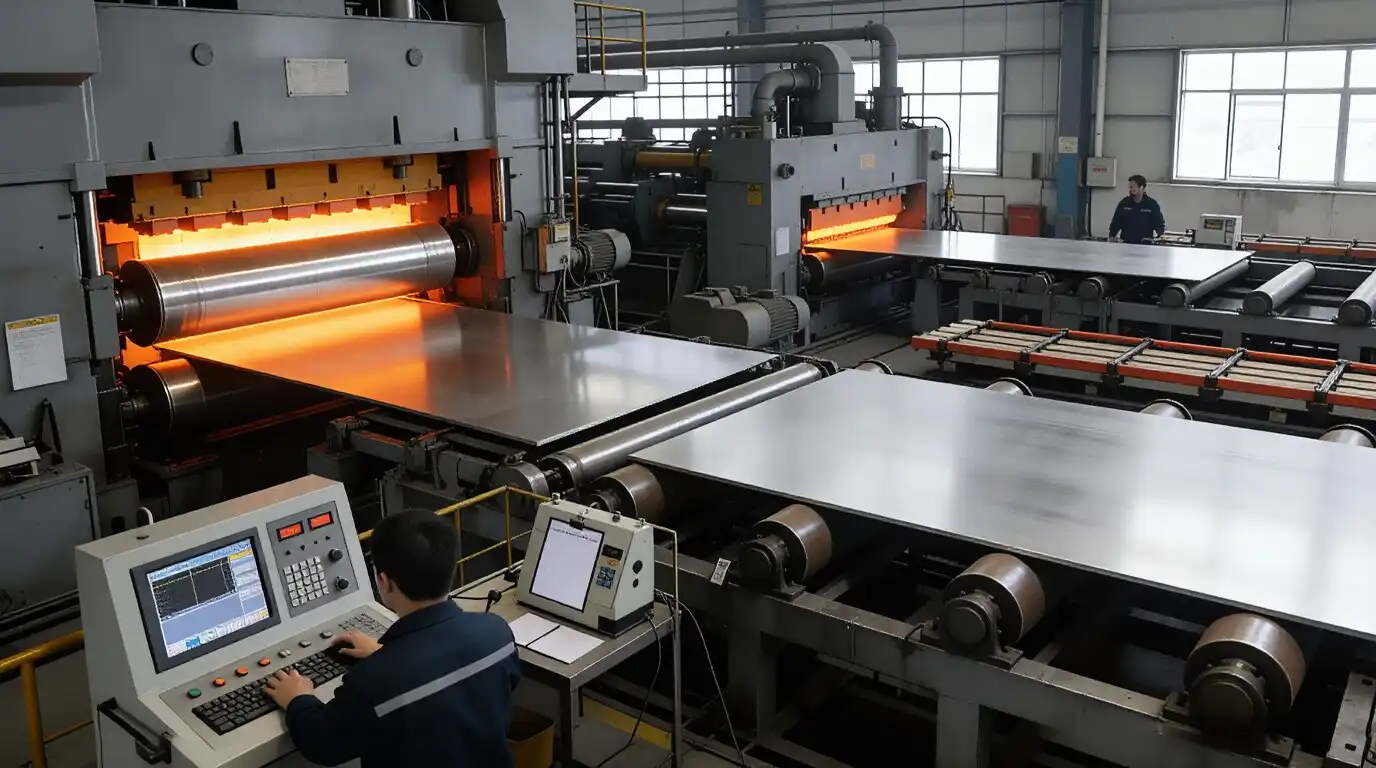
A process called annealing is used to get rid of internal stresses and make the structure better after hot rolling. It is ensured that the material is strong and flexible enough with this heat treatment method. It is also very resistant to rust. Getting the temperature just right affects how easy it is to cut and shape the metal when making tools.
Surface Treatment and Finishing
When you sand, grind, or pickle something in acid, you change the properties of the material in ways that make it better for certain jobs. Tools that need to be cleaned and germ-free quickly should be kept on surfaces that are fine and smooth. If you need a certain amount of grip or sticking power, you can decide how hard a machined surface is.

Pickling in acid gets rid of dirt and rust on the surface. This makes sure the stuff is as clean as it can be for biology projects. The clean and smooth surface is easier to use and less likely to get infected during surgery because of this process.
Quality Standards and Certifications
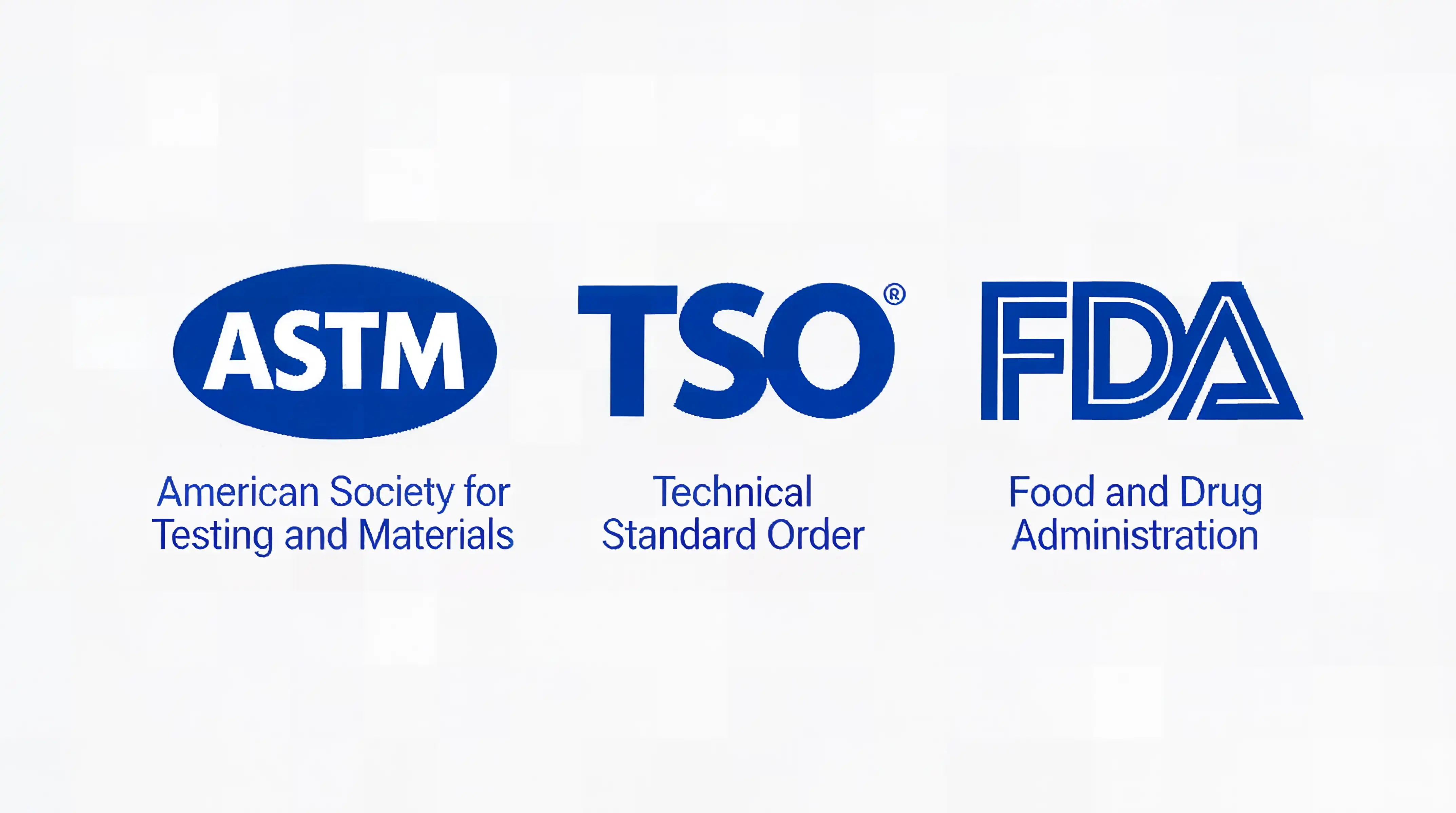
Medicines that use titanium must follow strict rules such as ASTM B265, ASTM F67, AMS 4911, and ASME SB265. The rules for these things mean that they can be used in medical situations. They list the chemicals that make it up, its mechanical qualities, and the standards for testing it. Respect should be shown by suppliers by doing their best and writing down everything.
A chemistry study, mechanical tests, and a look at the surface are some of the ways that quality control checks the features of materials. Systems that keep track of things from the time they are made into raw bars until they are no longer being worked on keep track of them. This makes it easy to find and fix any quality problems that may come up.
Procurement Guide: Selecting and Sourcing Titanium Plates for Medical Instruments
To buy medical-grade titanium plate materials that work, you need to carefully consider the skills of the providers, the specifications of the materials, and the ways that they ensure the quality of the materials. For medical equipment, this all-around way makes sure the supply chain works well and meets strict rules.
Grade Selection Criteria
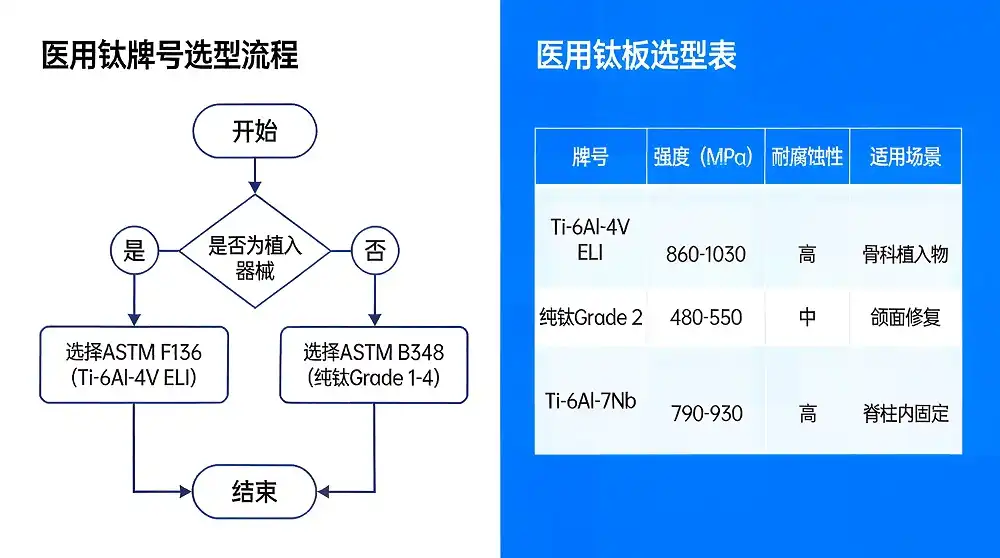
When picking the right titanium type, it's important to think about the job and performance goals. If you need the most flexibility and security against corrosion, Grade 1 is the best choice for hard instrument forms. Grade 2 is good for basic surgery tools because it is strong but still easy to work with.
The purest grade 4, which is 4, is the hardest. It can be used for tools and parts that have to hold a lot of weight. To get the most for their money, the picking process has to find a balance between the cost, the needs of the manufacturing process, and the quality of the material.
Supplier Evaluation and Qualification
Certified suppliers have worked with medical-grade titanium for a long time and keep their quality control systems and certifications up to date. To work with medical device makers, you must have worked with them before and be approved by ISO 13485 and the FDA. These things are some of the most important ones that are checked.
The company should be able to give customization, shipping on time, and help from experts. It is important to be able to show material approvals, test results, and record paperwork to make sure FDA rules and quality standards are followed.
Inventory Management and Logistics
A good store manager knows how to keep costs low while still making sure there are enough supplies. When top manufacturers keep 3,000 tons of stock on hand, for example, they can get it from large extra suppliers quickly. This gives manufacturers the freedom to plan their output schedules.
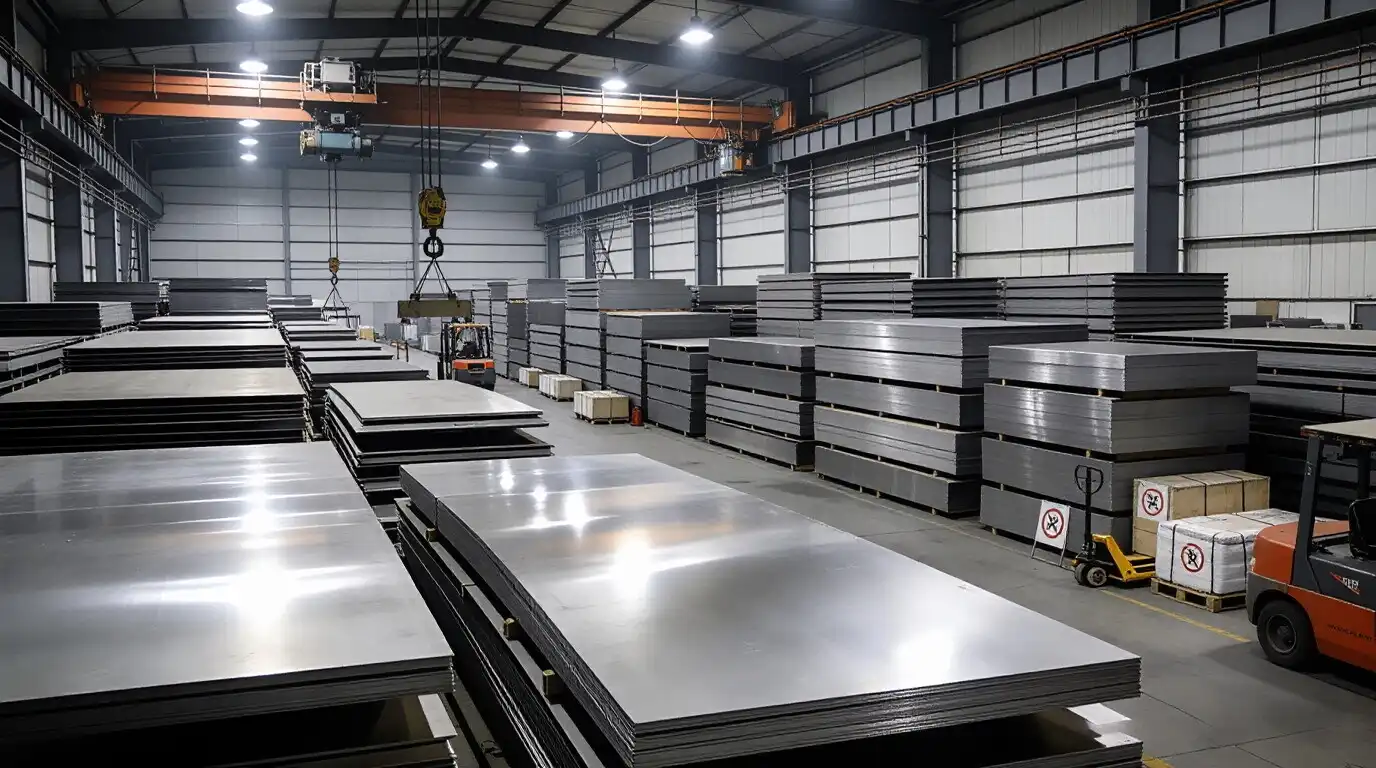
Being able to change things about the surface, like its size and shape, helps businesses make things better while also cutting down on extra work. Suppliers should be able to show that they can meet certain goals and still live up to their claims about quality and service.
Case Studies and Practical Applications of Titanium Plates in Surgery
Titanium plate materials are useful for making surgical tools, as demonstrated by their practical applications. These examples show how picking the right material can change how well a tool works, how well a patient does, and how healthcare is provided in general.
Orthopedic Instrument Applications
Orthopedic procedures benefit significantly from titanium's unique properties, particularly in bone fixation systems and joint replacement instruments. The material's excellent biocompatibility ensures long-term integration with bone tissue, while its strength characteristics provide reliable support during healing processes.
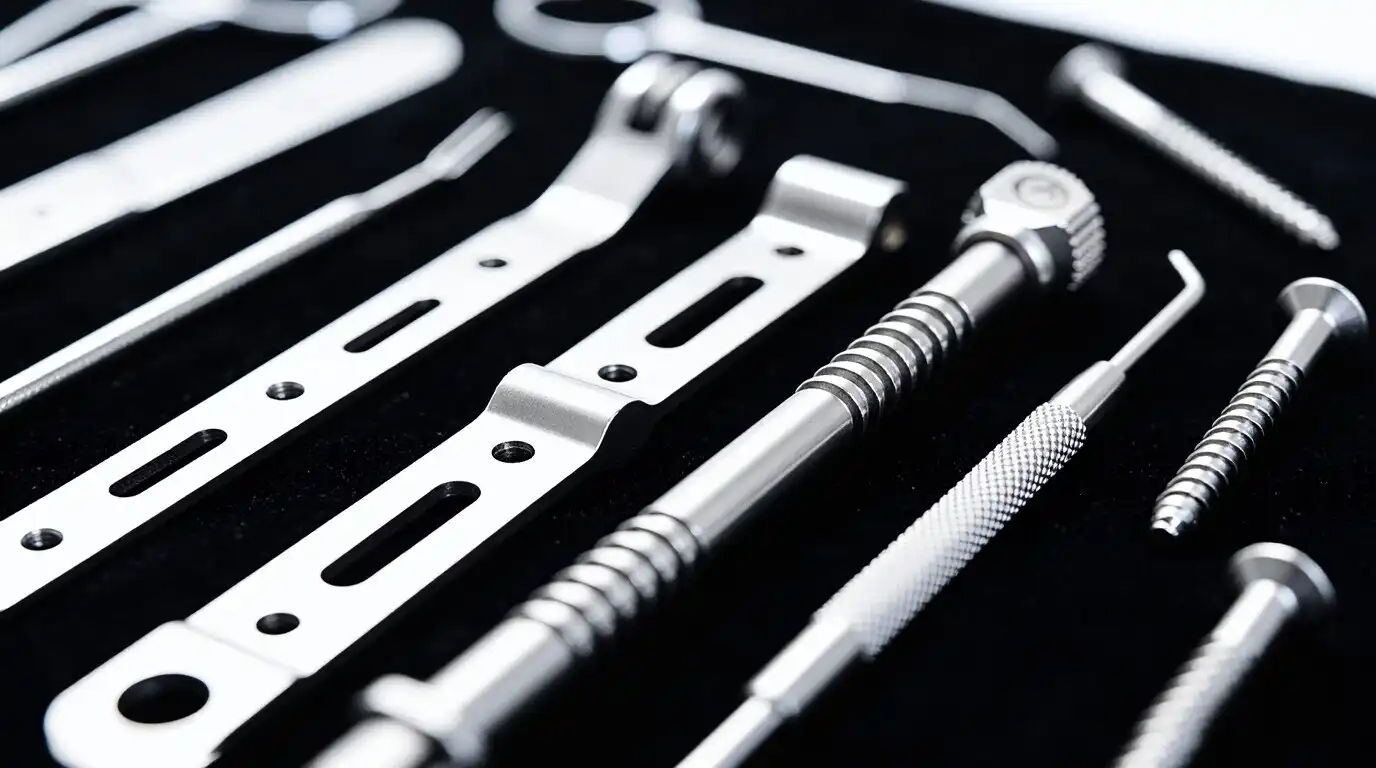
Trauma surgery instruments utilize titanium's fatigue resistance and corrosion resistance to maintain performance throughout demanding procedures. The material's radiolucent properties enable clear imaging during post-operative monitoring, facilitating accurate assessment of healing progress and treatment effectiveness.
Dental and Oral Surgery Tools
Dental applications showcase titanium's advantages in long-term biocompatibility and corrosion resistance. Implant systems benefit from titanium's osseointegration properties, promoting natural bone growth and stable implant retention. Surgical instruments maintain sharpness and precision throughout extended use, ensuring consistent treatment quality.
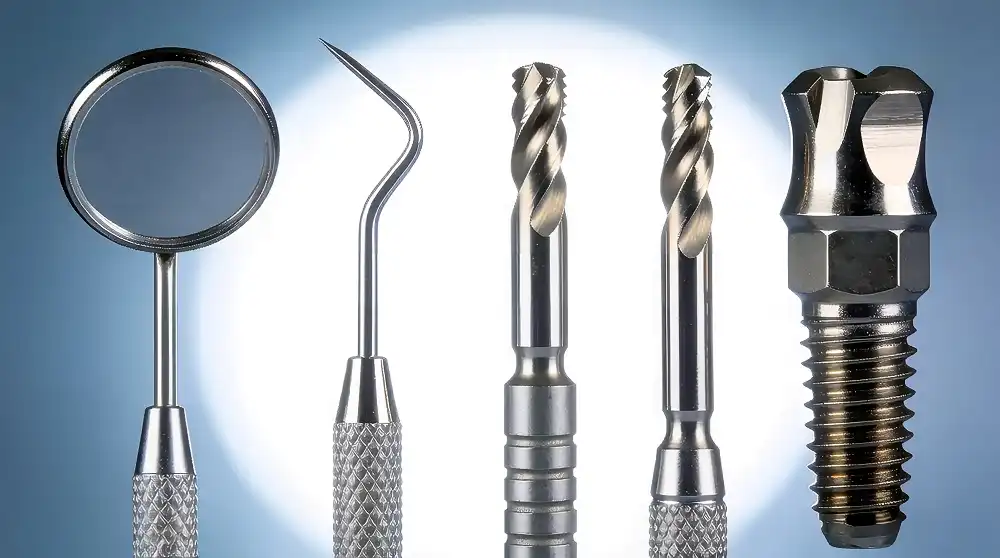
The material's non-reactive nature prevents galvanic corrosion when in contact with other dental materials, eliminating complications that can arise with dissimilar metal combinations. This compatibility ensures reliable long-term performance in complex oral environments.
Minimally Invasive Surgery Innovations
Minimally invasive surgical techniques leverage titanium's lightweight characteristics to create precise, maneuverable instruments. The material's strength enables the development of thin-walled instruments that maintain structural integrity while providing surgeons with enhanced tactile feedback and control.
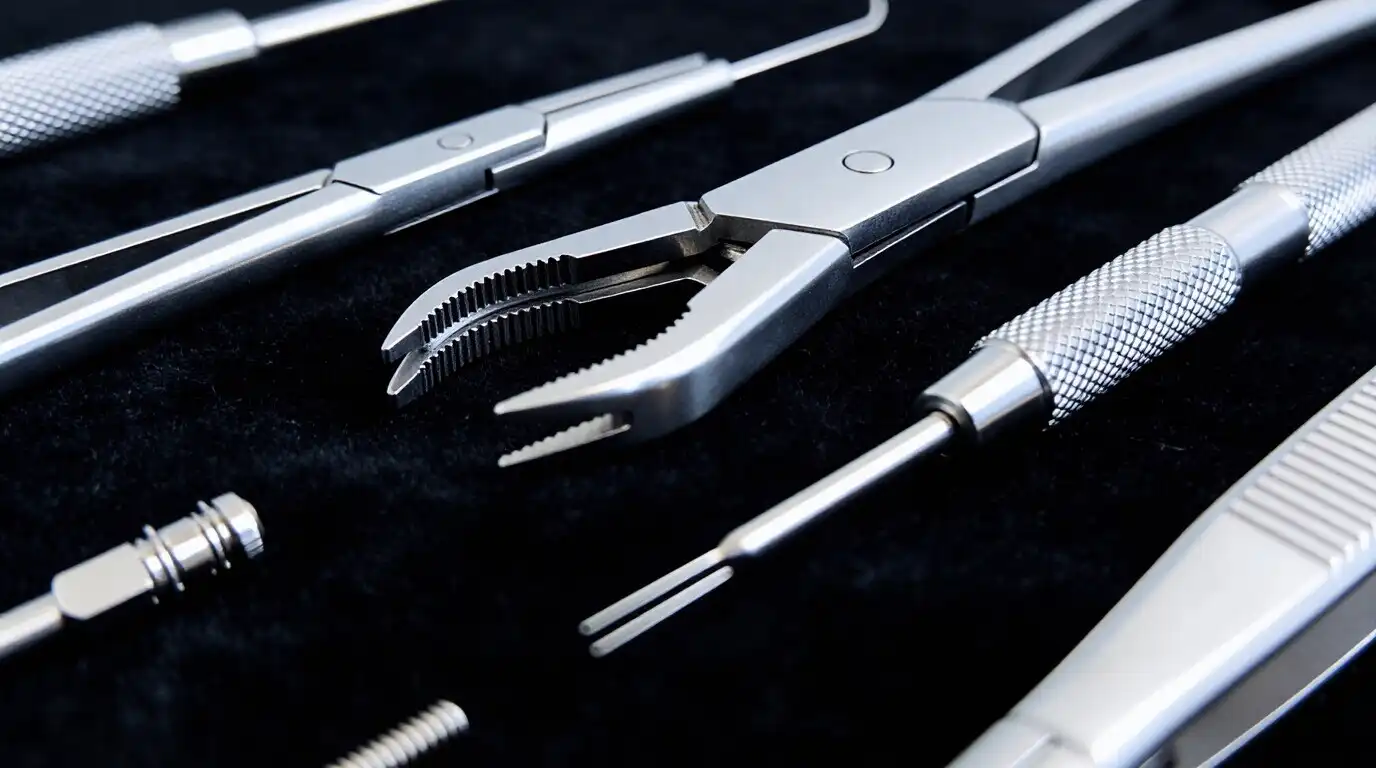
Endoscopic instruments benefit from titanium's corrosion resistance and biocompatibility, ensuring reliable performance in challenging internal environments. The material's durability reduces instrument replacement frequency, supporting cost-effective healthcare delivery while maintaining high-quality patient care standards.
Conclusion
Titanium plates in grades Gr1 through Gr4 can be used to make many useful medical tools. That is, they are better at being safe, immune to corrosion, and stronger than other materials. That is why this substance is the best choice for important medical uses: it is safe, doesn't weigh much, and is strong for its weight. Companies that make medical devices can choose the best materials while still meeting strict quality standards if they know the features, making methods, and buying factors that are unique to each grade. Titanium is a special metal that is used to make new surgical tools and improve patient care. This is important because medical technology keeps getting better.
FAQ
Q1: Why are titanium plates (Gr1-Gr4) superior for surgical instruments compared to stainless steel?
Titanium plates offer superior biocompatibility, eliminating risks of allergic reactions or tissue rejection common with stainless steel. The material provides twice the strength-to-weight ratio, enabling lighter instruments that reduce surgeon fatigue. Titanium's exceptional corrosion resistance surpasses stainless steel's performance in medical environments, ensuring longer service life and consistent performance.
Q2: Can titanium plates be customized for specific surgical instrument requirements?
Modern titanium processing capabilities support extensive customization options, including variable thickness (4mm-80mm), width specifications (950-2500mm), and custom surface treatments. Manufacturers can specify dimensions, surface finishes, and mechanical properties to meet precise instrument design requirements while maintaining medical-grade quality standards.
Q3: What quality standards ensure titanium plates meet medical device requirements?
Medical-grade titanium has to meet the requirements set by ASTM B265, ASTM F67, AMS 4911, and ASME SB265. These specs explain the chemicals that will be used, how they will be tested, and how they will be made to make sure the goods are safe and always work the same way. Suppliers give full material approvals and tracking paperwork to help make sure that regulations are followed.
Q4: How do different titanium grades (Gr1-Gr4) compare for surgical applications?
Of all the grades, Grade 1 is the most bendable and simple to make. Grade 2 makes simple surgery tools stronger while still being very simple to use. Grade 4 is the purest grade 4, is the strongest, and can be used to hold weight. Your performance needs and the way the product is made will determine your pick.
Partner with Jucheng Titanium for Premium Medical-Grade Titanium Solutions
Baoji Jucheng Titanium Industry is ready to help you make surgery tools because they have more than 20 years of experience working with titanium in a certain way. There are types Gr1, Gr2, and Gr4 titanium plates in our big collection. These plates are made to meet ASTM B265 and ASTM F67 standards. For your wants, you can pick the plates' exact sizes and edges. Our company makes a lot of titanium plates, so we keep 3,000 tons of stock on hand so that we can quickly meet the needs of pressing output. Our expert team can help you pick the right materials, come up with new ways to process them, and set up quality control systems to make sure the production of your medical device goes smoothly. Contact our specialists at s4@juchengti.com to talk about your needs and find out how our knowledge of titanium can help your patients do better, and your tools work better.

References
1. American Society for Testing and Materials. "Standard Specification for Titanium and Titanium Alloy Strip, Sheet, and Plate." ASTM International, 2021.
2. Williams, David F. "Biocompatibility of Titanium Implants in Medicine." Journal of Biomedical Materials Research, 2018.
3. Boyer, Rodney R. "Titanium for Aerospace and Medical Applications." Materials Science and Engineering Review, 2020.
4. International Organization for Standardization. "Implants for Surgery - Metallic Materials - Titanium Requirements." ISO Medical Devices Standards, 2019.
5. Rack, Henry J. and Qazi, Junaid I. "Titanium Alloys for Biomedical Applications." Materials Science and Engineering Reports, 2017.
6. FDA Center for Devices and Radiological Health. "Guidance for Industry: Use of International Standard ISO 10993 Biological Evaluation of Medical Devices." Federal Register Medical Device Guidelines, 2020.