



Titanium grade 4 plate vs grade 2 plate: strength comparison
When engineers and procurement managers ask me which CP titanium plate handles higher structural loads, the answer comes down to one clear distinction: oxygen content. A titanium grade 4 plate contains up to 0.40% oxygen and 0.50% iron, pushing its minimum tensile strength to 550 MPa — roughly 35–40% stronger than Grade 2's 345 MPa. Both grades meet ASTM B265 and ASME SB265 standards, yet they serve different performance tiers. If your application demands maximum strength within the commercially pure titanium family while keeping corrosion resistance intact, Grade 4 is the logical step up.
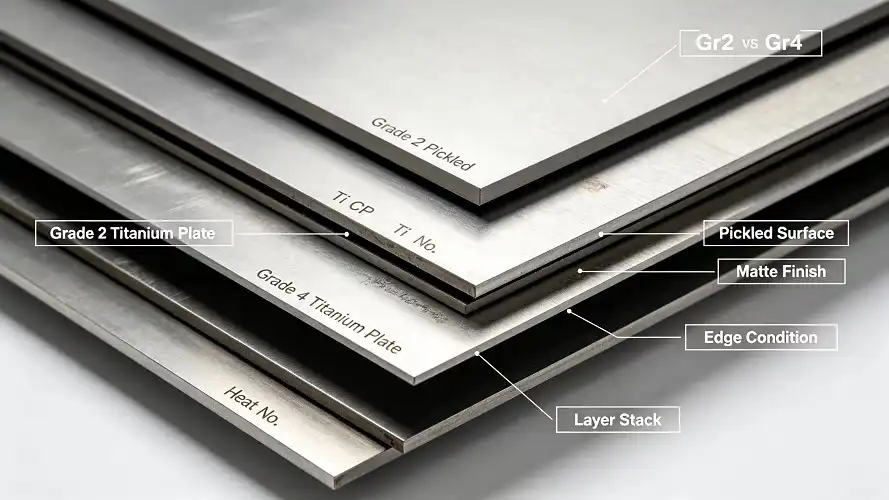
Understanding Titanium Grade 4 and Grade 2 Plates
Chemical Composition Differences
While both Grade 2 (UNS R50400) and Grade 4 (UNS R50700) are made of pure titanium, their interstitial element limits make them mechanically different. The oxygen level in Grade 4 is up to 0.40%, while the iron level is up to 0.50% and the oxygen level is 0.25% in Grade 2. These managed rises are not flaws; they are intentional ways to make the material stronger and raise the yield strength without adding aluminum or vanadium to the alloy.
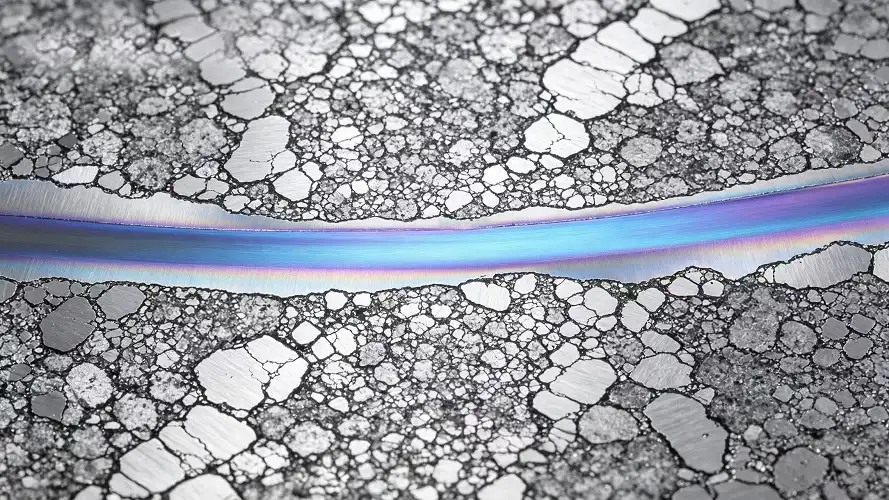
Mechanical Property Breakdown
Key mechanical data according to ASTM B265 can be seen next to each other below:
The minimum tensile strength is 345 MPa (50 ksi) and the minimum yield strength is 275 MPa (40 ksi). The minimum elongation is 20%, and the minimum elongation is 15%. The minimum hardness is 145 HB and the minimum hardness is 195 HB.
| Property | Grade 2 | Grade 4 |
|---|---|---|
| Min. Tensile Strength | 345 MPa (50 ksi) | 550 MPa (80 ksi) |
| Min. Yield Strength | 275 MPa (40 ksi) | 483 MPa (70 ksi) |
| Elongation (min.) | 20% | 15% |
| Hardness (Brinell) | ~145 HB | ~195 HB |
Grade 4 is stronger than Grade 2, but Grade 2 is more flexible and easier to shape. Grade 2 is still the best choice for situations where pressing complicated geometries is more important than load-bearing ability.
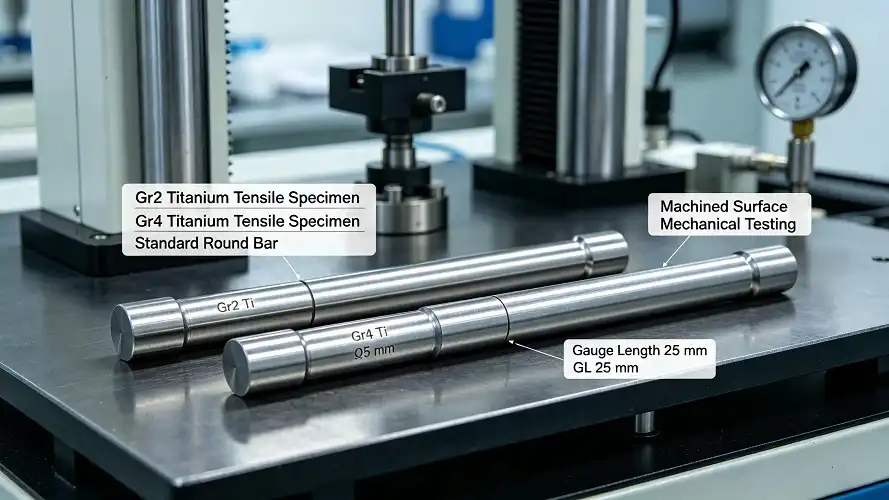
Corrosion Resistance and Durability
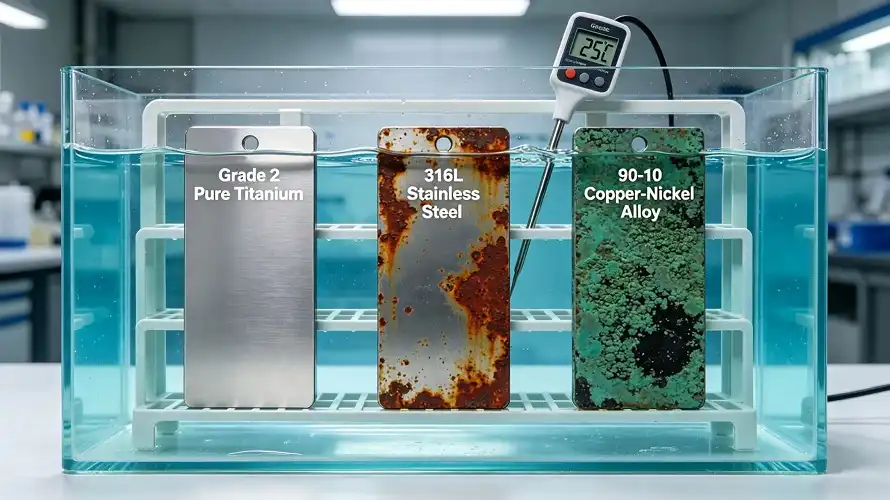
The titanium in both grades has a natural oxide layer that protects it from pitting, crevice corrosion, and stress corrosion cracking in seawater, chloride environments, and many acidic media. ASTM data show that both grades don't rust in seawater up to 300°C. The small amount of extra iron in Grade 4 doesn't really change how well it resists corrosion in most industrial settings. This makes it a reliable material for use in naval, chemical processing, and aircraft settings alike.
Strength Comparison: Titanium Grade 4 vs Grade 2
Tensile and Yield Strength Analysis
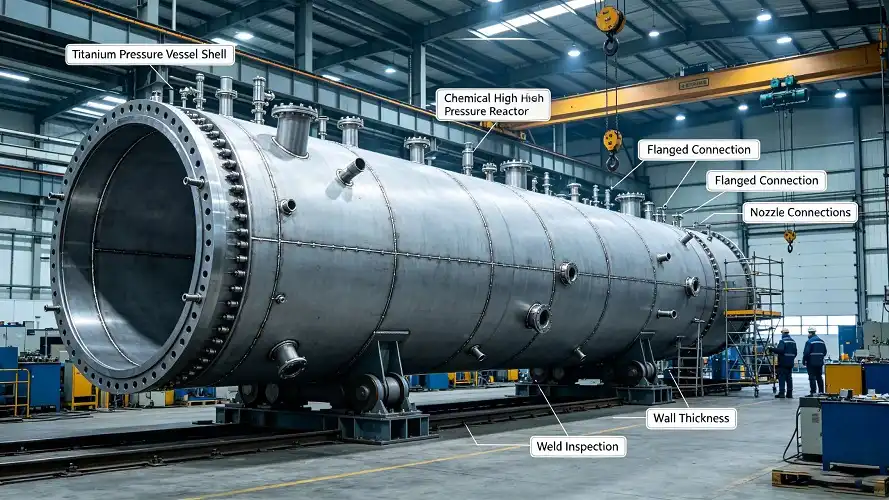
There is no doubt about what the numbers mean for titanium grade 4 plate. It is 76% stronger than Grade 2 (275 MPa), which has a minimum tensile strength of 483 MPa. In terms of structural engineering, this means that lighter plate pieces can carry the same amount of weight. When it comes to aerospace frames or high-pressure chemical vessels, this weight loss means real practical savings that don't come at the cost of structural safety.
Fatigue Resistance Under Cyclic Loading
Grade 4 does much better when stressed over and over again. Its stronger oxygen-strengthened matrix stops microcracks from starting more effectively than Grade 2 in situations where there is shaking, pressure cycling, or dynamic loads. For example, the walls of a chemical reactor go through daily changes in temperature and pressure. Over a number of years, Grade 4's better fatigue resistance means that it needs less upkeep and replacement. This is something that buying managers should think about when weighing the higher initial cost of the material.
Cost-Performance Trade-Off
Depending on the market in the US and Europe, Grade 4 plate costs 15–25% more per kilogram than Grade 2. However, Grade 4 is often a better deal in high-stress settings when you look at the overall cost, taking into account things like longer service intervals, fewer replacement parts, and less downtime. Grade 2 is still the most cost-effective choice for low-load uses like general piping, architectural panels, or heat exchanger tubing that doesn't need to be very strong.
Application Suitability: Choosing Between Grade 4 and Grade 2
Aerospace and Medical Industry Standards
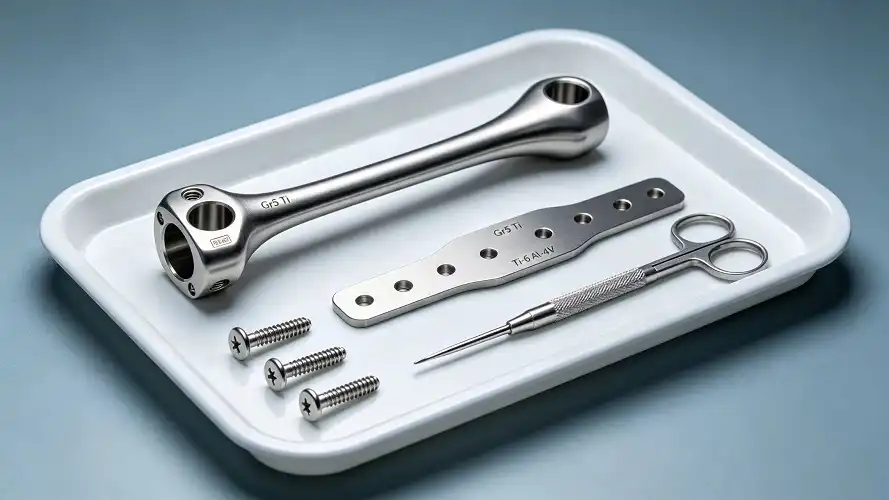
There are approved military and medical supply chains that use both grades, but they play different roles. According to ASTM F67, Grade 2 is the most common grade for medical implants because it is more flexible and easier to work with when cold. As mentioned in ASTM F67, Grade 4 is used when implant designs need higher mechanical strength. It is used in certain dental and orthopedic applications because it doesn't contain the aluminum and vanadium that are in Ti-6Al-4V (Grade 5), which isn't allowed by some medical protocols. In aircraft, Grade 4 is used for shields, pressure bulkheads, and structural brackets where AMS 4901 calls for CP titanium with high strength.
Fabrication and Machining Considerations
The two types are different in how they behave when being machined and formed, which has a direct effect on the cost of production. Before deciding on a score, engineers should look over these useful manufacturing points:
- Bending: Grade 4 requires a minimum bend radius of 3t to 4t, compared to 2t to 2.5t for Grade 2, because its lower elongation (15% vs. 20%) increases springback and cracking risk during tight-radius forming.
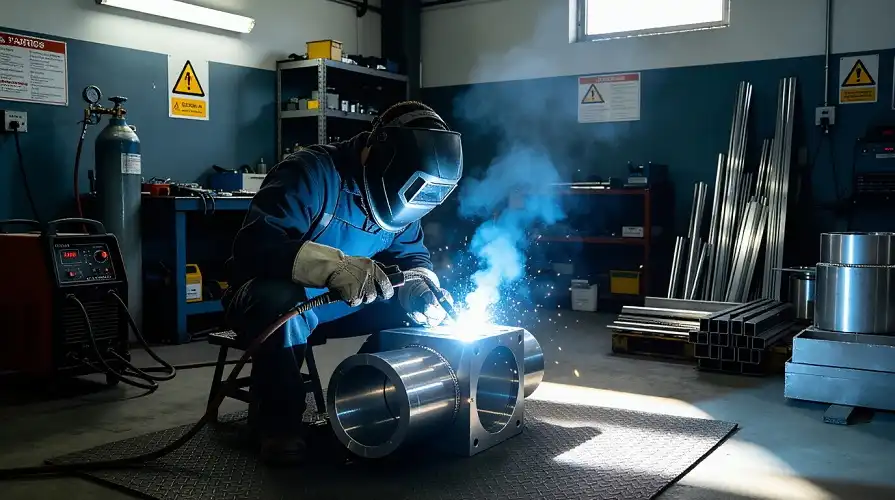
- Welding: Both grades weld well using TIG processes under pure argon shielding. However, Grade 4 requires stricter trailing shield coverage to prevent heat-affected-zone embrittlement given its higher oxygen content. Post-weld stress relief at 480–595°C is recommended for complex assemblies.
- Machining: Grade 4 behaves similarly to austenitic stainless steel — it work-hardens under dull tooling. Sharp carbide tools, slow cutting speeds, heavy feeds, and continuous coolant application are standard practice.
When it comes to welding titanium grade 4 plate, both grades work well with TIG processes and pure argon shielding. But because Grade 4 has more oxygen, it needs stricter trailing shield coverage to keep the heat-affected zone from becoming weak. For complicated assemblies, it is best to do stress relief after welding at 480–595°C.
Chemical Processing and Marine Environments
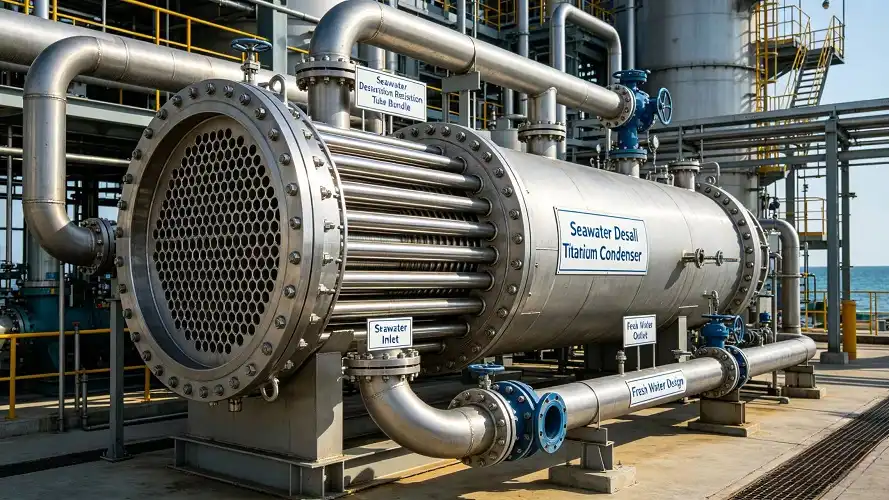
In harsh chemical conditions like chlorine gas, wet chlorine, seawater, and weak acids, Grade 4 is just as resistant to corrosion as Grade 2, but it can handle higher working pressures. Because of this, it is the best material for parts that have to withstand both structural loads and corrosion, like chemical reactor shells, heat exchanger tube sheets, and saltwater desalination parts. Grade 2 works just as well and costs less for lower-pressure pipelines and general-purpose chemical ducting where corrosion resistance is the only thing that matters.
Procurement Insights for Purchasing Managers
Supplier Certification and Traceability
When buying titanium plates for businesses that are controlled, you must include certification paperwork. A good provider should give you mill test records, heat number traceability, and certificates that show they follow ASTM B265, AMS 4911, ASTM F67, and ASME SB265. Aerospace and medical procurement teams face audit and liability risks when they buy from suppliers who can't fully track the materials they use. Always make sure that test results talk about the exact heat batch and not just a general grade certificate.
Pricing Trends and Bulk Procurement
Titanium costs change based on how much sponge is available from China, Japan, and Russia, which are the key suppliers. On the US market, Grade 2 hot-rolled plate (4–80 mm thick) usually costs about the same per kilogram as Grade 4. Grade 4, on the other hand, costs more because it has stricter chemical controls and more processing steps. Volume discounts are usually given for large orders, especially ones that are common sizes like 950–2500 mm wide and up to 10,000 mm long. With custom cut-to-size services, you can get rid of even more waste during the manufacturing process, which lowers your total material cost per finished part.
Delivery, Logistics, and After-Sales Support
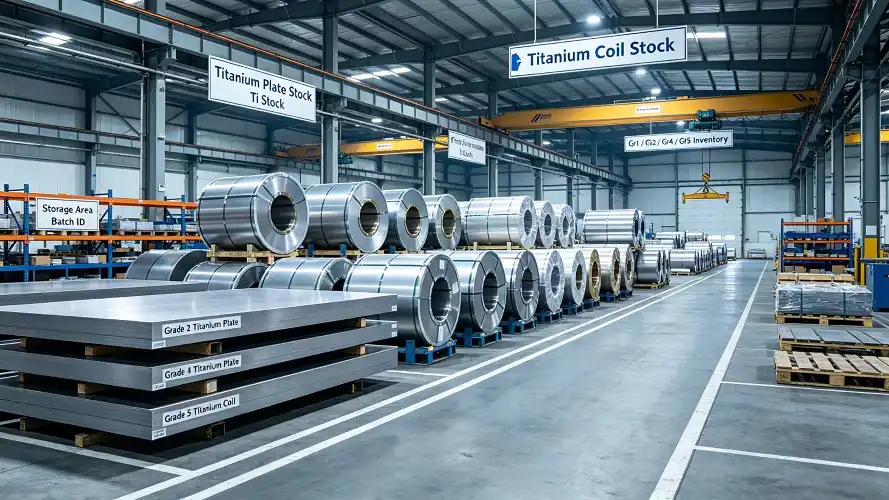
Getting titanium is always hard because of the lead time. If a supplier has a lot of stock on hand instead of making each package from scratch, they can fill urgent requests in days instead of weeks. Make sure that your seller keeps real stock of standard grades like Gr1, Gr2, Gr4, Gr5, Gr7, Gr9, and Gr12. These grades can be rolled, annealed, leveled, pickled, and given different surface finishes, such as polished, machined, or acid-pickled. Technical support after the sale, such as help with welding procedures, suggestions for heat treatment, and application engineering advice, lowers the chance of problems in the field and is there for your production team throughout the whole project cycle.
Conclusion: Making the Right Choice for Your Business Needs
Once the needs of the application are clear, picking between Grade 4 and Grade 2 titanium grade 4 plate is a simple matter of engineering and cost. Grade 4 has better fatigue resistance and 35–40% higher tensile strength, so it is the best choice for structural aircraft parts, high-pressure chemical tanks, and medical implants that hold a lot of weight. Grade 2 is cheaper and easier to shape when cold, so it's good for basic chemical processing, heat exchanger tubes, and medical uses with less stress. This is what ASTM B265, ASTM F67, AMS 4911, and ASME SB265 say about both grades. Make sure the grade fits the load you need to carry, the climate, and the way you're making the product. Also, work with a qualified supplier who can provide full paperwork for every shipment.
FAQ
1. What is the main strength difference between Grade 4 and Grade 2 titanium plate?
Grade 4 has a minimum tensile strength of 550 MPa versus Grade 2's 345 MPa — approximately 35–40% stronger. This results from higher controlled oxygen content (0.40% max in Grade 4 vs. 0.25% in Grade 2).
2. Can a titanium grade 4 plate be welded in industrial applications?
Yes. Grade 4 is weldable using TIG or MIG processes under pure argon shielding. Trailing shields are necessary to protect the weld zone from oxidation. Stress relief at 480–595°C after welding is recommended for complex structures.
3. Does Grade 4 corrode faster than Grade 2 due to higher iron content?
No. In most industrial environments — seawater, chlorides, dilute acids — both grades provide equivalent corrosion resistance. The modest increase in iron content does not meaningfully compromise the protective oxide layer.
4. Which grade is better for medical implants?
Grade 2 is more common for implants requiring cold-forming. Grade 4 is selected where higher mechanical strength is needed and alloying elements like aluminum or vanadium must be avoided — both are covered under ASTM F67.
Get Reliable Titanium Grade 4 Plate from Jucheng Titanium
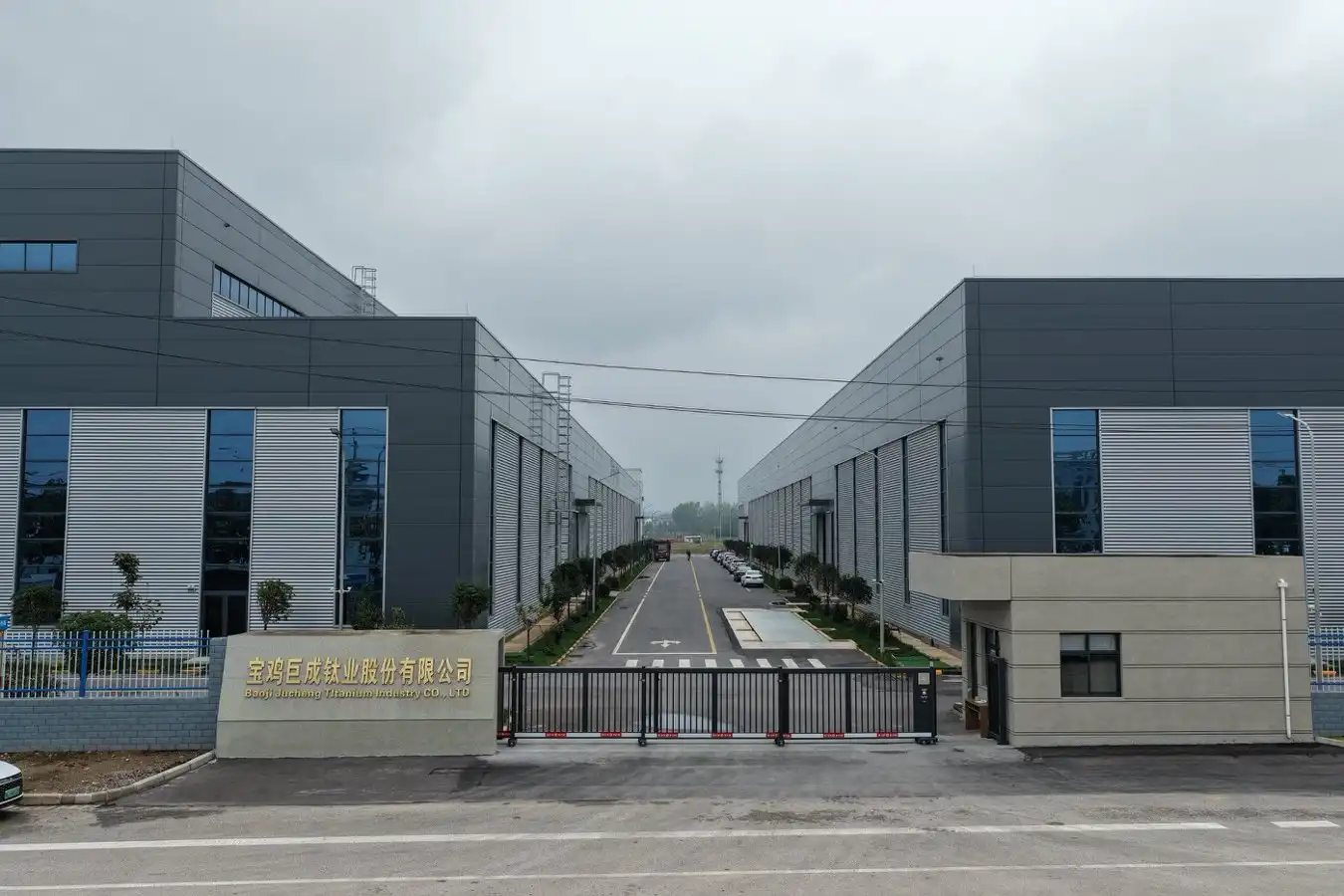
For more than 20 years, Jucheng Titanium has sold approved titanium plates to chemical, medical, and aircraft companies in the US and around the world. For plates in grades 1, 2, 4, 5, 7, 9, and 12, we have them all in stock. The plates are 4 mm to 80 mm thick, up to 2500 mm wide, and up to 10,000 mm long. They have all been treated to ASTM B265 and AMS 4911 standards and come with full mill certifications. As a verified manufacturer of titanium grade 4 plates with 3,000 tons of stock on hand, we can meet both immediate shipping needs and unique customer requirements. Send us an email at s4@juchengti.com to get a quote right away.
References
1. ASTM International. ASTM B265: Standard Specification for Titanium and Titanium Alloy Strip, Sheet, and Plate. ASTM International, 2020.
2. ASTM International. ASTM F67: Standard Specification for Unalloyed Titanium for Surgical Implant Applications. ASTM International, 2019.
3. SAE International. AMS 4911: Titanium Alloy Sheet, Strip, and Plate. SAE International, 2015.
4. Donachie, Matthew J. Titanium: A Technical Guide, 2nd ed. ASM International, 2000.
5. Lutjering, G., and Williams, J.C. Titanium, 2nd ed. Springer, 2007.
6. Boyer, R., Welsch, G., and Collings, E.W. Materials Properties Handbook: Titanium Alloys. ASM International, 1994.