



Titanium sheet 300x100mm cutting, shearing and surface finish
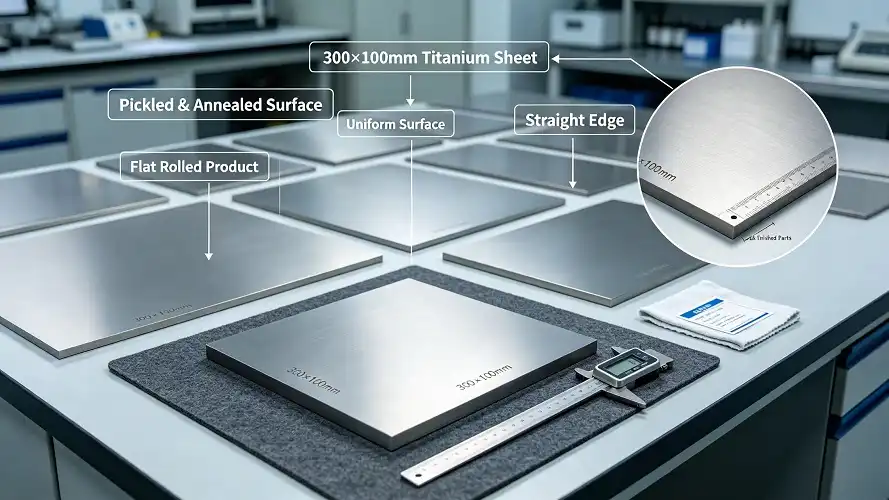
Titanium sheet 300x100mm is a precision-cut flat titanium product used across aerospace, chemical processing, medical device, and industrial manufacturing sectors. Produced under ASTM B265, AMS 4911, and ASME SB265 standards, this ready-to-fabricate blank minimizes material waste while delivering exceptional strength-to-weight performance. Understanding the correct cutting methods, shearing limitations, and surface finish options for this specific format is essential for procurement teams aiming to reduce costs, maintain dimensional accuracy, and meet strict application requirements.

Understanding Titanium Sheet 300x100mm: Properties and Specifications
Key Grades and Their Mechanical Properties
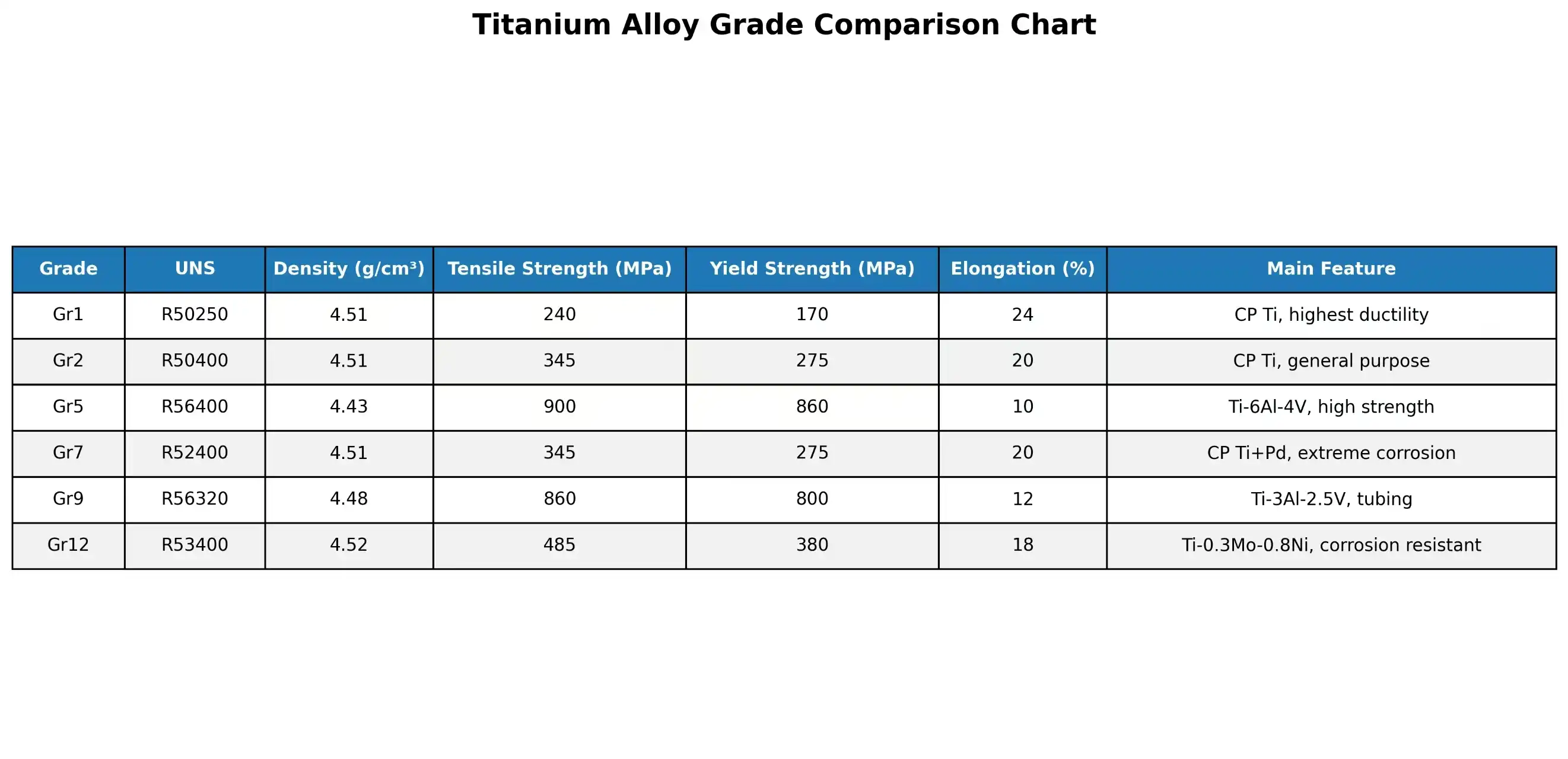
At Jucheng Titanium, an assortment of grades of titanium flat sheets are available for purchase. G1, G2, G4, G5, G7, G9, and G12 are the grades that are included in this list. Each grade is optimal for a certain kind of load and particular kind of environment. A tensile strength of 345 MPa and an elongation of at least 20 percent are both characteristics of Grade 2 (commercially pure) raw materials. Because of this, it is the product of choice for chemical and marine applications. The tensile strength of Grade 5 (Ti-6Al-4V) is at least 895 MPa, and it is often used in the construction of structural components for aeroplanes. To make it more resistant to acid, Grade 7 incorporates palladium, while Grade 9 finds a good balance between strength and weldability, making it an excellent choice for the production of pipes and sheets.
Standard Specifications and Dimensions
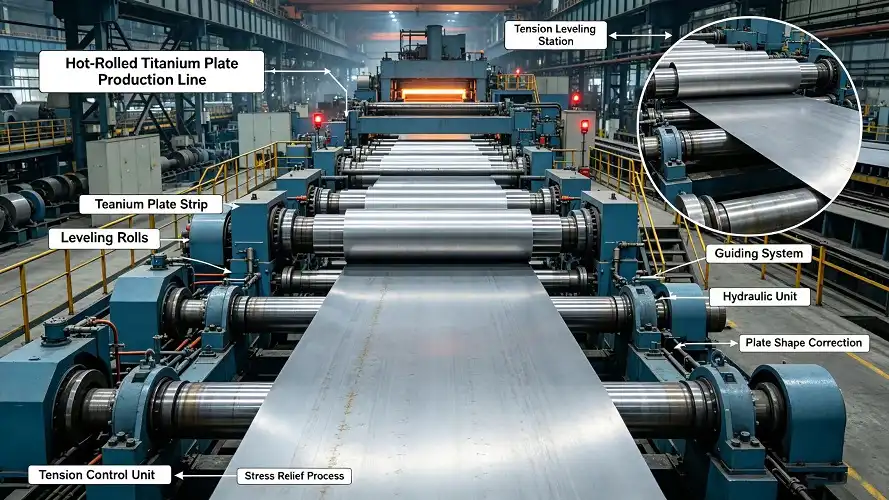
In addition to ASTM B265, ASTM F67, AMS 4911, and ASME SB265, our hot-rolled titanium plates also meet all of these standards. The standard sizes vary from 4 millimetres to 80 millimetres in thickness, from 950 millimetres to 2500 millimetres in width, and up to 10,000 millimetres in length. Creating blanks in specific sizes, such as the 300 x 100 mm ones that are typical in prototype and precision machining, may be accomplished via the application of finishing techniques such as rolling, annealing, levelling, pickling, and surface finishing. The annealed condition ensures that the grain structure is consistent throughout the sheet and that it may be moulded in the same manner irrespective of where it is located on its surface.
Why Titanium Outperforms Stainless Steel and Aluminum
Stainless steel weighs around 43% more than titanium, which has a mass of 4.51 grams per cubic centimetre. On the other hand, its compressive strength is about the same or even greater. The self-healing TiO2 oxide layer that it has offers protection against stress corrosion cracking that is brought on by chloride, which is a very valuable property in chemical reactors and saltwater. According to statistics provided by ASTM International, Grade 2 titanium does not rust nearly as much as Grade 3 titanium does under acidic circumstances. In contrast, Grade 3 stainless steel fails in only a few months.

Best Practices for Cutting and Shearing Titanium Sheet
Common Challenges in Titanium Cutting
Titanium is hard to machine because it work-hardens quickly and doesn't conduct heat well. The cutting zone gets hot very quickly, which can make an alpha-case layer—a rough, oxygen-rich surface—that shortens the wear life. When feeds and speeds are not set correctly for a titanium sheet 300x100mm, tool wear goes faster. Mechanical shearing can be done on thin-gauge sheets less than 1 mm thick, but shearing alone often leads to edge microcracking on normal 300x100mm titanium blanks that are 4–10 mm thick.

Recommended Cutting Methods by Application
Titanium sheets may be accurately cut in three primary ways, and each of these methods has its own set of advantages and disadvantages:
- As a result of the fact that waterjet cutting is a cold-cutting technique that does not include a heat-affected zone (HAZ), it is an excellent choice for sheets of grades 5 and 7, in which metallurgical integrity is not susceptible to compromise. When measured over a length of 300mm, tolerances approach ±0.1mm, which is well within the flatness criteria of ASTM B265.

- When it comes to speed, CNC laser cutting is ideal for thinner portions (four to six millimetres). On the other hand, in order to avoid surface oxidation, a shielding gas composed of nitrogen or argon is required. In the absence of enough gas coverage, the cut edge has the potential to create an alpha-case contamination layer.
- In low-tolerance applications, mechanical shearing is effective for sheets of grades 1 and 2 that are less than 3 millimetres in thickness. This is the most cost-effective solution for mass blanking; nevertheless, it needs post-cut deburring and edge conditioning in order to fully function.
These strategies are effective for a wide variety of levels of patience and financial resources. In the event that you choose the incorrect technique, you run the risk of experiencing dimensional rejection as well as costly rework. This is particularly true in supply chains for aviation parts, which are required to have approved tracking in place prior to shipment.
Maintaining Tight Tolerances and Reducing Waste
Before cutting, tension leveling lowers the remaining stress and bow in hot-rolled titanium plates. This makes sure that the flatness deviation stays below 3mm over a 300mm length, which is what ASTM B265 requires. Using 300x100mm blanks that are close to the net shape directly lowers buy-to-fly ratios, which is a number that aircraft buying teams keep a close eye on. In one known case of aerospace prototyping, using pre-cut titanium blanks instead of large-format plates cut down on machining waste by about 35%.

Surface Finishing Options and Their Impact on Performance
Acid Pickled and Annealed (APA) Finish
The most common surface state for commercial titanium sheets is acid pickled, which removes the oxide scale formed during hot rolling. Pickling in a bath of hydrofluoric acid and nitric acid makes a clean, matte gray surface that is free of alpha-case contamination. For most materials that meet ASTM B265 standards, this finish is the standard. It works well in situations where further cutting or welding is planned. All Jucheng Titanium sheets are sent out already annealed and pickled, unless you ask for something different.

Polished and Machined Surfaces
Polished finishes (Ra < 0.8µm) are required for parts of medical implants and food-contact areas where keeping the surface clean and resistant to germs is important on a titanium sheet 300x100mm. Mechanical polishing gets rid of small scratches and cuts down on the surface area that can start crevice corrosion. Precision milling creates surfaces that are machined to meet exact size standards for aircraft brackets and chemical reactor parts. Which finish you choose—Ra 0.4µm mirror shine or Ra 1.6µm machined finish—has a direct effect on how resistant it is to fatigue cracks starting, especially in settings with cyclic loads.
Advanced Surface Treatments for Corrosive Environments
Extra surface treatments greatly increase the useful life of chemical processing equipment that comes into contact with hot, concentrated acids. Anodizing makes the natural TiO2 layer thicker, which makes it more resistant to corrosion and wear. Bead blasting makes a smooth, matte surface that helps industrial finishes stick better to paint. Properly finished Grade 12 titanium sheets have been used in petrochemical heat exchangers for more than 15 years in chloride-containing media, while similar stainless steel parts only last 3–5 years.

Procurement Guide: Buying Titanium Sheet for B2B Needs
Evaluating Grade, Thickness, and Certification Requirements
Procurement decisions begin with matching the titanium grade to the operating environment. Gr2 suits general corrosion resistance at lower cost; Gr5 is the aerospace standard; Gr7 and Gr12 serve aggressive acid and marine applications. Thickness selection affects both weight budget and machinability—thicker plates (above 20mm) require slower cutting feeds and higher-powered waterjet systems. All professional B2B suppliers must provide Mill Test Certificates (MTC) per EN 10204 3.1, documenting heat number, chemical composition confirmed via ICP or OES analysis, and mechanical test results.
Comparing Suppliers: Certifications, MOQ, and Lead Times
For the purpose of purchasing titanium flat items, the following are the primary characteristics that procurement teams should screen against:
- Process control is validated by quality certifications such as ASTM B265, AMS 4911, and ISO 9001, in addition to other certifications. Ultrasonic testing in accordance with AMS 2631 Class A1 may identify internal laminations in plates with a thickness more than 10 millimetres.
- The minimum order quantity (MOQ) indicates that specialised suppliers such as Jucheng Titanium are able to accommodate both bulk contracts for industrial equipment makers and small-batch bespoke orders for research and development laboratories.
- Delivery capacity: Jucheng Titanium is able to fulfill urgent demands without the long lead periods that usually compromise project timelines because they hold an inventory of roughly 3,000 tonnes of titanium throughout the whole year.
- The availability of custom processing services, such as precision cutting, surface finishing, and OEM packaging assistance, helps purchasers in the United States of America and other worldwide markets reduce the number of downstream fabrication processes.
These criteria directly address the supply chain risks that manufacturers of chemical equipment and aeronautical equipment rate as their top worry when it comes to procurement. The elimination of several single points of failure in your supply chain is accomplished by a supplier that combines in-house research and development, inventory depth, and verified processing.

Conclusion
Before placing an order for a precision titanium sheet 300x100mm, it is important to be clear about the grade, thickness, cutting method, and surface finish. The choice of grade affects how well it resists rust and how strong it is. The method of cutting determines the accuracy of the dimensions and the integrity of the edges. The surface finish impacts the fatigue life, cleaning, and requirements for further processing. Purchasing teams that work with licensed sellers that keep a lot of stock and offer custom production services lower both the cost of materials and the risk of missing deadlines. Jucheng Titanium has been in business since 2004 and has over 20 years of experience processing titanium for business-to-business customers in the aerospace, chemical, medical, and manufacturing fields around the world. The company has 4 idea patents and 41 utility model patents.
Frequently Asked Questions
1. Can titanium sheet 300x100mm be sheared, or does it need laser cutting?
Thin gauges below 1mm can be sheared cleanly. For standard thicknesses in the 4–10mm range, waterjet or CNC laser cutting is recommended to avoid edge microcracking and work-hardening issues associated with mechanical shearing.
2. What flatness standard applies to titanium plates under ASTM B265?
ASTM B265 requires a flatness deviation of less than 3mm over a 300mm length. Tension leveling during processing helps meet this requirement consistently.
3. What surface finishes are available for industrial titanium sheets?
Standard options include acid pickled (matte gray), polished (Ra < 0.8µm), and precision machined surfaces. The choice depends on the application environment—polished finishes suit medical and food-contact uses, while pickled surfaces are standard for industrial fabrication.
4. Does Jucheng Titanium supply Mill Test Certificates with orders?
Yes. All shipments include EN 10204 3.1 MTC documentation covering heat number, chemical composition, and mechanical test results, meeting the traceability requirements of aerospace and chemical industry buyers.
Request a Quote from Jucheng Titanium — Trusted Titanium Sheet Manufacturer
For more than 20 years, Jucheng Titanium has sold precision titanium sheet 300x100mm to chemical and industrial customers in North America and around the world. Our 300x100mm titanium sheet and custom-sized goods are fully approved under ASTM B265 and AMS 4911. We also keep 3,000 tons of stock ready to ship right away. You can email our technical team at s4@juchengti.com to get a custom quote or talk about the details of your project.

References
1. ASTM International. ASTM B265: Standard Specification for Titanium and Titanium Alloy Strip, Sheet, and Plate. ASTM International, 2020.
2. Boyer, R., Welsch, G., & Collings, E. W. Materials Properties Handbook: Titanium Alloys. ASM International, 1994.
3. Donachie, M. J. Titanium: A Technical Guide. 2nd ed. ASM International, 2000.
4. Leyens, C., & Peters, M. (Eds.). Titanium and Titanium Alloys: Fundamentals and Applications. Wiley-VCH, 2003.
5. SAE International. AMS 4911: Titanium Alloy Sheet, Strip, and Plate, 6Al-4V, Annealed. SAE International, 2015.
6. Rack, H. J., & Qazi, J. I. "Titanium alloys for biomedical applications." Materials Science and Engineering: C, 26(8), 1269–1277, Elsevier, 2006.