



Titanium Sheet 4mm for Aerospace: Key Specifications Explained
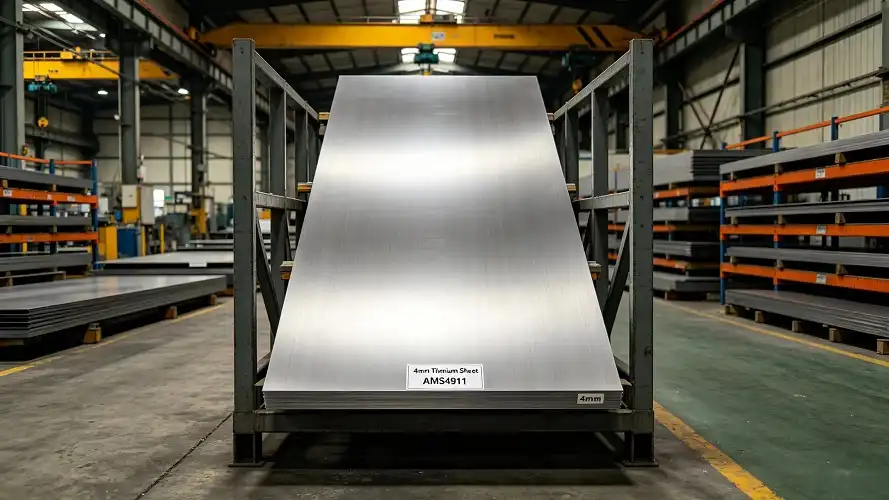
When aircraft engineers and buyers seek dependable structural materials, a titanium sheet 4mm thick always comes out as a precision-engineered answer. Sitting on the important border between narrow gauge sheet and heavy plate, this standard provides a remarkable combination of structural stiffness, formability and corrosion resistance. It is produced to ASTM B265, AMS 4911, ASME SB265 and ASTM F67 specifications and is used for fuselage bulkheads, engine firewalls and structural brackets where weight savings and mechanical integrity are paramount.
Understanding 4mm Titanium Sheets: Properties and Grades
The selection of the proper titanium grade for 4mm thickness is one of the most essential considerations in aerospace material engineering. The standard you choose will determine how long something will last, how it reacts to corrosion and how simple it is to manufacture.
Commercially Pure Grades vs. Titanium Alloys
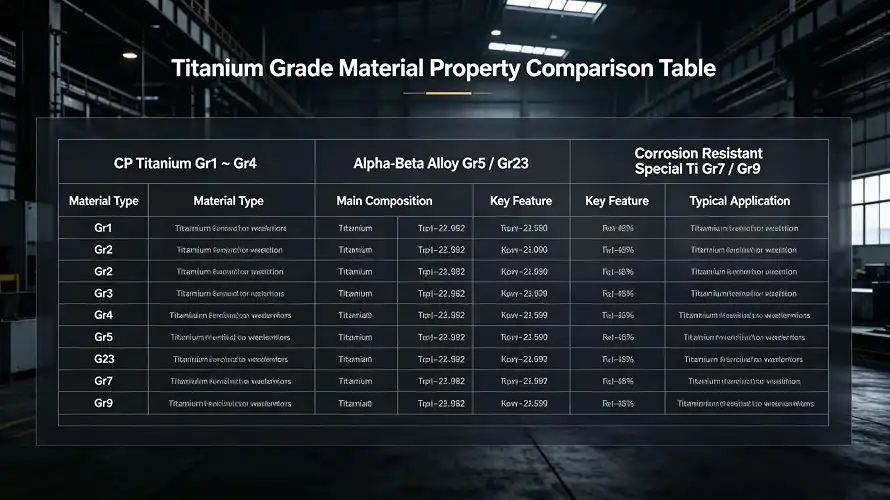
Grades Gr1 and Gr2 are particularly corrosion resistant and simple to form commercially pure titanium. This makes them suitable for panels, plates and non-structural aircraft parts that are exposed to chemicals. Gr4 is stronger in the CP range. But Gr5 has a tensile strength of more than 895 MPa, which is approximately twice as much as Gr2. This makes it the prime candidate for aeroplane structures that carry load.
Mechanical and Thermal Performance
Gr7 and Gr12 have superior resistance to reducing acids. Gr9 is a compromise between CP titanium and Ti-6Al-4V for tubes and low-load applications.
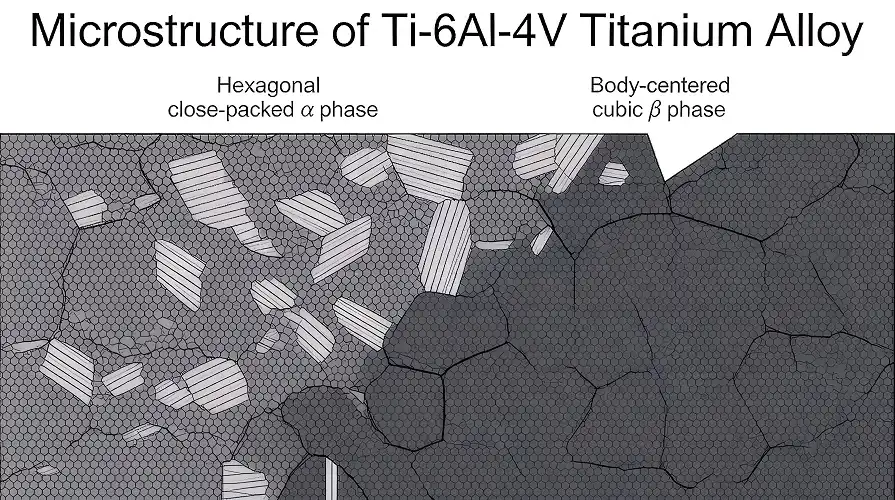
Titanium has a density of around 4.51 g/cm³ and strong tensile strength. This provides a strength-to-weight ratio better than 304 stainless steel and 7075 aluminium in high-temperature situations. The elastic modulus is at 105 GPa. This gives it strong self-healing characteristics, and it does not permanently alter form when loaded and discharged multiple times. That is a very significant feature in aeroplanes which are under continuous vibration and wear. Titanium can endure temperatures greater than 1,660 degrees Celsius and keep its form until 600 degrees Celsius. This makes it an attractive alternative for engine nacelle shields where aluminium would soon lose its strength over 150°C.
Comparative Analysis: Titanium Sheet 4mm vs Other Metals for Aerospace
Material choices are never solely a scientific concern when you’re designing stuff for spacecraft. Factors include the cost, weight and lifetime maintenance of the material. So where does a 4mm military titanium plate stand out on critical performance factors?
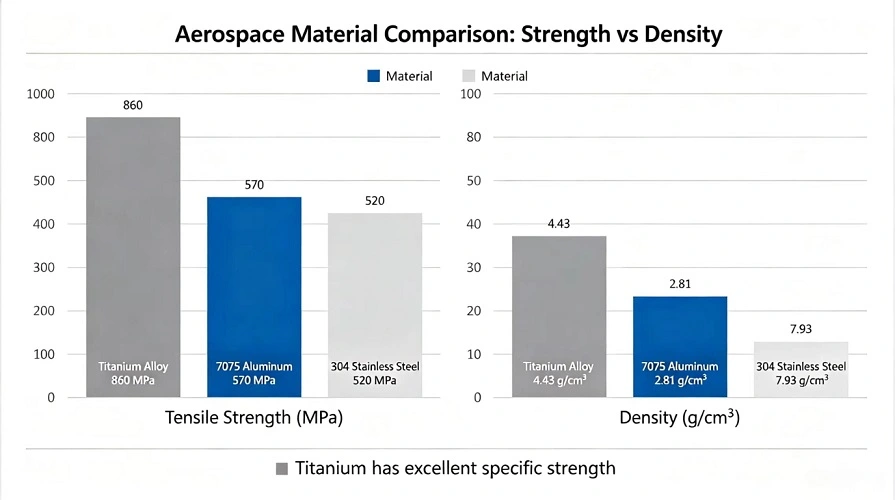
A 4 mm titanium sheet weighs about 56% less than its equivalent thickness and area stainless steel sheet with the same yield strength. Aluminium, while lighter, loses its structural integrity at temperatures over 150°C and may still corrode in coastal or marine flying conditions due to chloride. Titanium solves both difficulties at the same time.
Titanium is normally 5 to 10 times the cost per kg of stainless steel; however, the lower replacement costs during its service life more than compensate for this. For example, a titanium sheet 4mm used in aeroplane components may last for 20 to 30 years of operation, which makes the original expenditure a fair bargain.
The 3mm titanium sheet has some sacrifice in cross-sectional load capacity and may require additional support structures. When the thickness is 5 mm, the weight penalty may be noticed on a whole airframe. The 4mm gauge is a good compromise, having appropriate load-bearing capability for key buildings without being excessively heavy. This equilibrium has been shown in commercial aviation projects across the globe.
Machining and Fabrication of 4mm Titanium Sheets for Aerospace
Titanium doesn’t transfer heat very well, about 7 W/m. ·K for Grade 5, as opposed to 16 W/m ·K for stainless steel; therefore, heat accumulates in the cutting zone. Tools will fail soon and surfaces will not remain smooth without effective heat management. Any manufacturer working with aircraft-grade titanium flat bar or sheet material should be aware of these qualities.
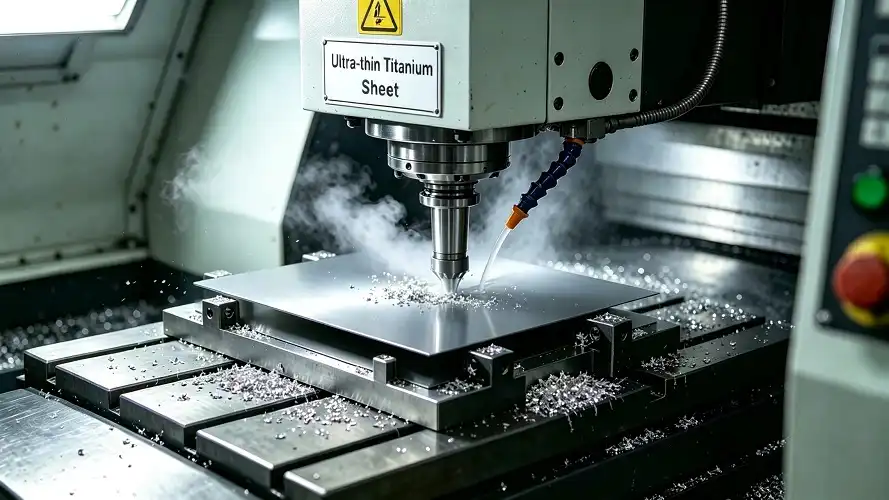
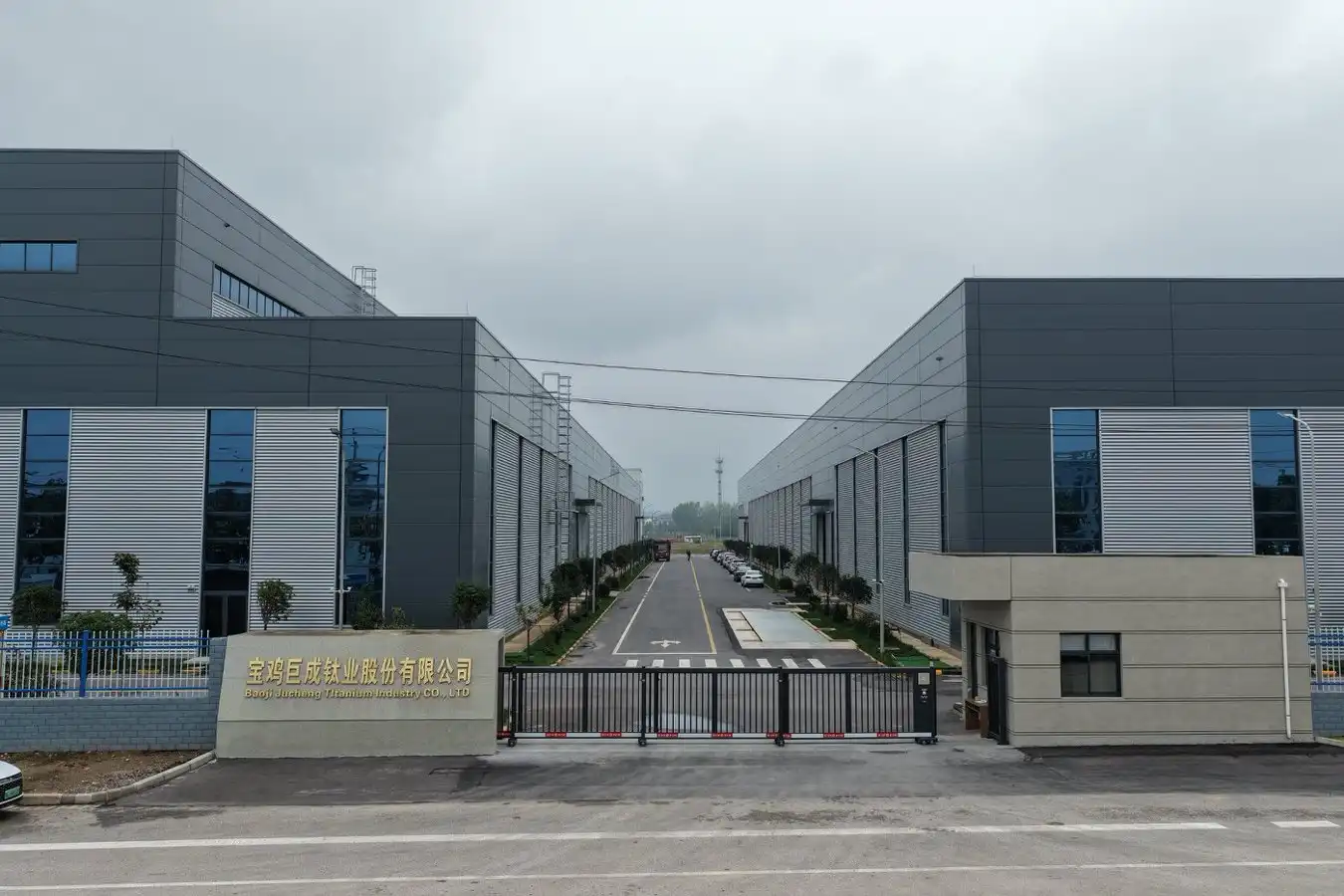
Jucheng Titanium utilises a regulated process of hot rolling, heating, levelling, pickling and surface finishing on 4 mm sheets to make sure that the grains are all lined up uniformly and the mechanical characteristics of the metal are the same everywhere. Reduced residual tension in the annealed condition prevents deformation of the material during CNC machining or laser cutting.
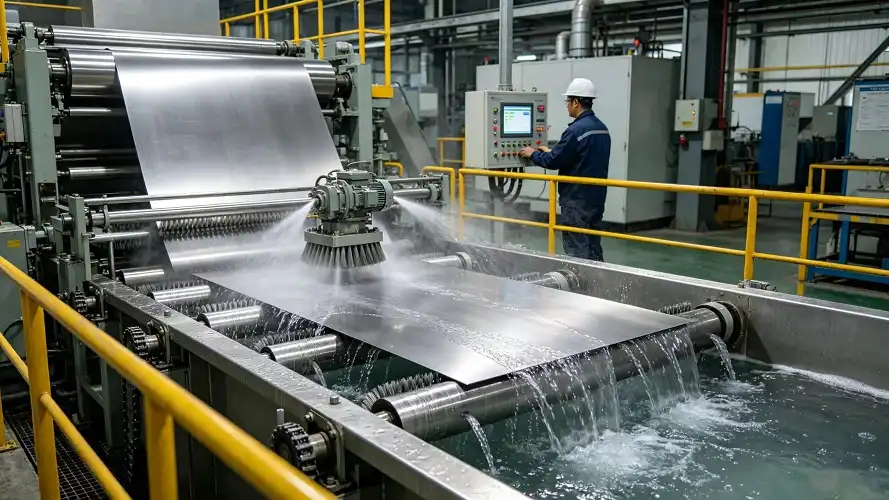
The following considerations are critical to remember while fabricating aircraft titanium sheet of this thickness:
- Tooling selection Carbide or polycrystalline diamond tooling with sharp cutting edges and large rake angles decreases cutting force and minimises heat production at the tool-chip contact.
- Cooling strategy: High-pressure flood coolant is applied to the cutting zone to avoid work hardening and to preserve dimensional tolerances within the standards of aeronautical drawings.
- Surface treatment choices include polished, machined and acid-pickled finishes, each fulfilling distinct fatigue and bonding requirements for aerospace assembly.
These in-process controls ensure that the finished item fulfils the exacting flatness tolerances and surface roughness criteria dictated by aviation quality systems.
Procurement Guide for 4mm Titanium Sheets in Aerospace
When buying titanium sheets for aerospace projects, B2B procurement teams have to go through a structured process called supplier qualification that goes far beyond just comparing prices. Certification compliance, being able to track down materials, and the accuracy of inventory all have the same amount of weight.
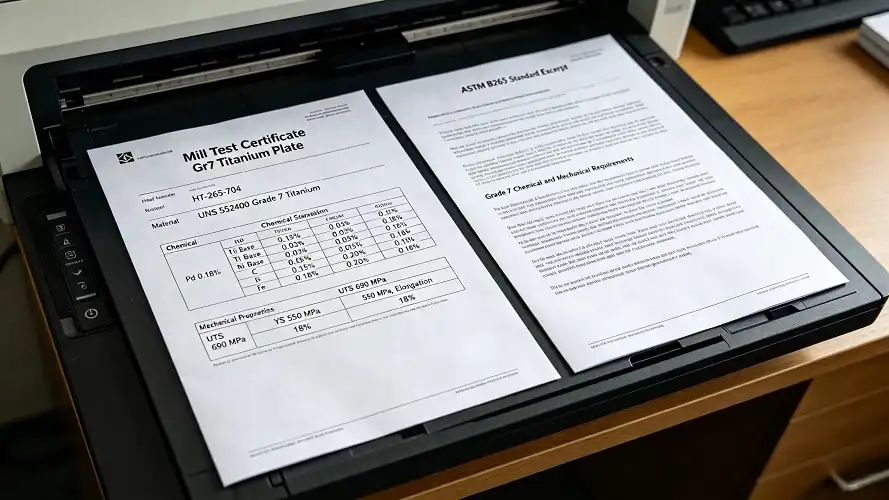
Titanium sheet used in aerospace must have full mill certifications that can be traced back to ASTM B265, AMS 4911, or ASME SB265. Aerospace projects that follow AS9100 must have heat number tracking, chemical composition records, and mechanical test data. For applications requiring titanium sheet 4mm, make sure that your seller keeps these records and can give them to you when you ask for them.
Jucheng Titanium keeps about 3,000 tonnes of titanium in stock all year, which directly addresses the lead time risk that often throws off production schedules in the aerospace industry. Grades that are offered are Gr1, Gr2, Gr4, Gr5, Gr7, Gr9, and Gr12. Sheet sizes range from 4 mm to 80 mm thick, 950 mm to 2500 mm wide, and up to 10,000 mm long. Custom sizes are also possible.
Buying in bulk from well-known companies lowers the cost per unit and limits the effects of changes in the price of raw sponge titanium on the supply chain. Hiring a seller that has exported to the U.S. market before and knows about customs classification and packing requirements cuts down on delivery times and administrative hassles.
Aerospace-Specific Applications of 4mm Titanium Sheets
4mm titanium sheet is used in many aerospace subsystems because it can be used in a lot of different ways. It is used in the real world for both main aircraft sections and parts that are close to high-heat propulsion.
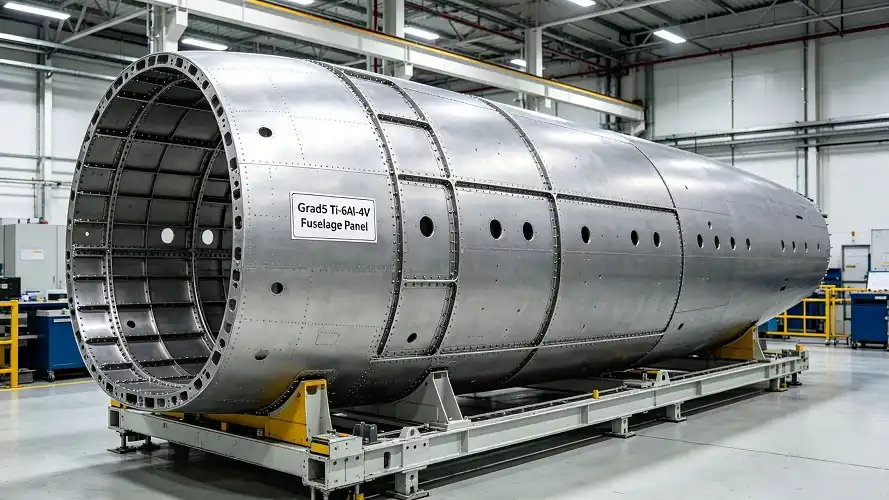
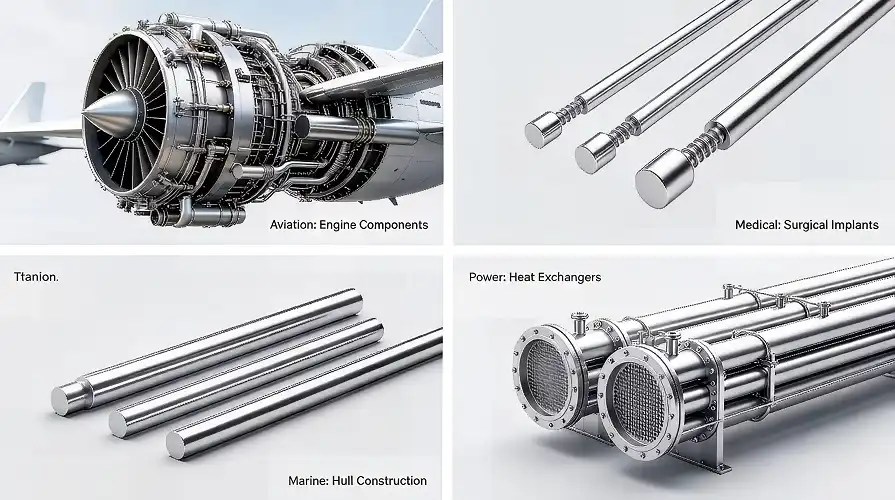
For commercial and military planes, 4mm Grade 5 titanium sheet is used for the bulkheads of the body, the engine firewall panels, and the structural brackets in the nacelle sections. The material is better than metal in these areas because it doesn't burn through and doesn't get worn down when it's loaded with vibrations. Defence companies use the same standard for armoured housings and thermal shielding in planes that fly at high altitudes, where temperatures can change quickly.
The same material standard that has been proven to work in aircraft can also be used directly in marine engineering applications, such as deep-sea instrument housings and desalination equipment, where rust from seawater calls for the same level of material rigour. In the medical field, implant and surgery tool makers need biocompatibility and precise dimensional control. Grade 2 and Grade 5 titanium sheets that have been processed to aircraft surface standards meet these needs. Cross-application of aerospace titanium standards into these nearby fields shows how versatile the material is without affecting its original performance level.
Conclusion
A 4mm titanium sheet made to flight standards is not a normal product; it is a precision specification product that depends on grade choice, processing order, surface treatment, and certification paperwork. For applications requiring titanium sheet 4mm, selecting the appropriate grade and manufacturing process is essential to achieving the required balance of strength, corrosion resistance, and dimensional stability. From Grade 2's resistance to corrosion to Grade 5's ability to maintain its shape at high temperatures, the material performs better than stainless steel and aluminium throughout its entire service lifecycle. When purchasing teams understand these specs and only buy from certified, experienced makers, their products and supply chains work better over time, giving them a long-term competitive edge.
FAQ
1. How does 4mm titanium sheet strength compare to aluminium at the same thickness?
At 4 mm, Grade 5 titanium has a tensile strength of more than 895 MPa, while 7075-T6 aluminium has a strength of about 503 MPa. In addition to being very strong, titanium keeps its mechanical qualities above 150°C, which is much higher than the temperature at which aluminium alloys weaken. This makes titanium the best material for aircraft structures that are close to engines.
2. What certifications should aerospace titanium sheet carry?
Titanium sheet used in aerospace should be approved to ASTM B265, AMS 4911, or ASME SB265 and come with full mill test results that list the chemical make-up and mechanical properties of the material. For programmes to be AS9100-compliant, heat number traceability is a must.
3. Can 4mm titanium sheets be customised for specific aerospace component geometries?
Yes. Reliable providers can cut, level, and treat the surface in a variety of ways, such as by polishing, machine finishing, or acid pickling, so that they can match exact component models. Within normal working limits, custom widths of up to 2,500 mm and lengths of up to 10,000 mm are possible.
4. What are typical lead times for aerospace titanium sheet orders?
Lead times depend on the grade and the amount. When suppliers keep a lot of stock on hand, like 3,000 tonnes, they can fill normal orders in days instead of weeks. This makes project-driven aerospace procurement much safer for production timeline risk.
Source Your Aerospace Titanium Sheet with Jucheng Titanium
For more than 20 years, Jucheng Titanium has sold certified titanium products to buyers in North America in the chemical, aircraft, and manufacturing fields. We can help you with your next procurement cycle because we are a confirmed producer of titanium sheet 4mm and have 3,000 tonnes of ready-to-ship inventory, full mill certifications, and the ability to make custom parts from Gr1 to Gr12. To get a quote or a sample of the material, email our technical team at s4@juchengti.com.
References
1. ASM International — Titanium: A Technical Guide, 2nd Edition, 2000.
2. ASTM International — ASTM B265: Standard Specification for Titanium and Titanium Alloy Strip, Sheet, and Plate, 2021.
3. SAE International — AMS 4911: Titanium Alloy Sheet, Strip, and Plate, 6Al-4V, Annealed, 2015.
4. Boyer, R., Welsch, G., & Collings, E.W. — Materials Properties Handbook: Titanium Alloys, ASM International, 1994.
5. Journal of Materials Engineering and Performance — "Fatigue Behaviour of Ti-6Al-4V Sheet in Aerospace Structural Applications", Volume 28, 2019.
6. Donachie, M.J. — Titanium: A Technical Guide, ASM International, 2000.