



Titanium Sheet 4mm Weight, Tolerance, and Size Guide
Before buying a titanium sheet 4mm thickness, you should know the weight, tolerance, and dimensions of flat titanium items used in aeronautical structures, chemical reactors, or heat exchangers. We have discovered that this gauge at a nominal thickness of 4mm strikes a sweet spot — it is structurally robust enough to be used in load-bearing assemblies, yet light enough to provide substantial weight savings over stainless steel or nickel alloys. This book is a one-stop shop for procurement professionals, covering weight calculations, dimensional tolerances, grade selection, fabrication issues, and supplier verification methods.
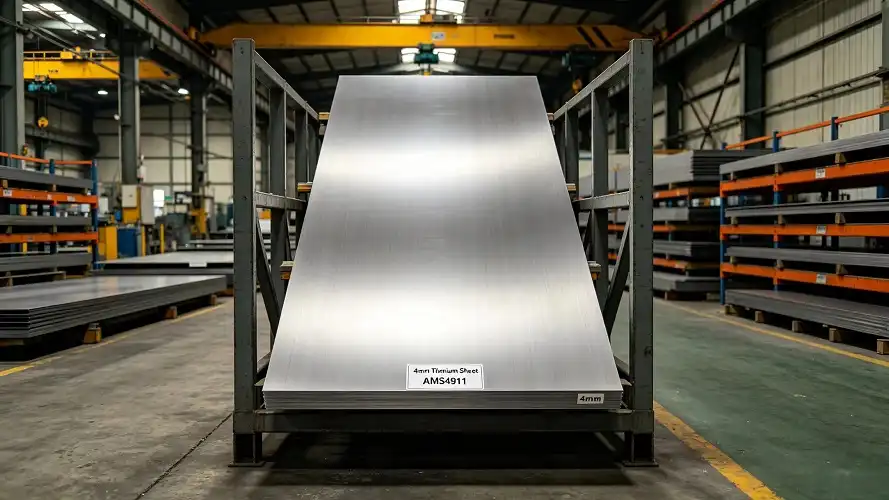
Understanding 4mm Titanium Sheet Dimensions and Weight
Standard Dimensions and Size Range
Hot rolled titanium sheet 4mm thick dimensions and shape as below: Jucheng Titanium:
- Thickness: 4mm to 80mm
- Width 950mm - 2,500mm
- Size: up to 10,000mm
- Standards ASTM B265 ASTM F67 AMS 4911 ASME SB265
- Condition: annealing
- Surface finish: Machined, acid pickled, polished
These measures are applicable to most industrial production needs, from the manufacture of structural aircraft panels to linings for chemical tanks.
Weight Calculation and Density Reference
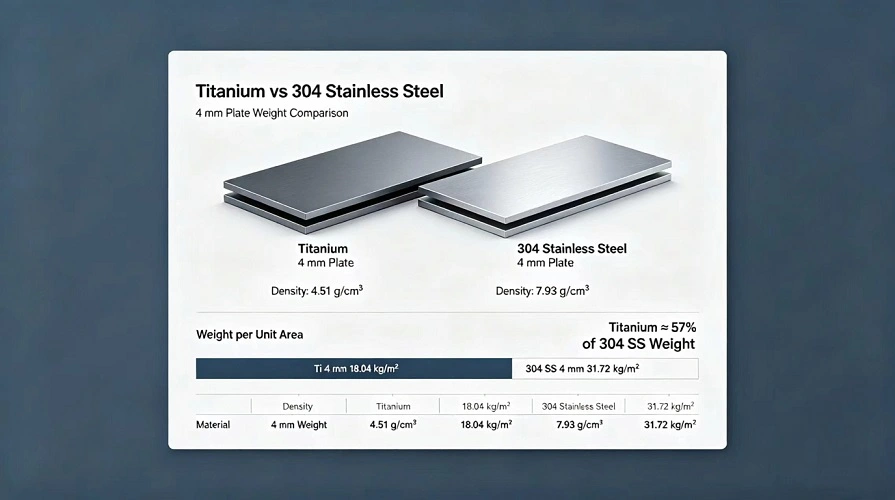
Titanium is less dense. Its density is around 56% of the density of 304 stainless steel. You may work out weight using this formula:
Weight (kg) = Thickness (m) × Width (m) x Length (m) x Density (kg/m3)
For example, a standard 4mm × 1,000mm × 2,000mm sheet of Grade 2 would weigh roughly 36.1 kilograms. However, a stainless steel plate of the same dimensions weighs around 63.4 kg. This difference is particularly important in aviation systems and offshore structures, where the need is to control the mass of the cargo and the structure itself extremely closely.
Grade 5 has a slightly different density, and titanium sheet 4mm of the same gauge is a little lighter. Confirm the grade-specific density with your supplier before finalising your logistics numbers.
Dimensional Tolerances per ASTM B265
4mm titanium sheet thickness is generally within the range of ±0.30mm to ±0.38mm according to the width of the sheet, as per ASTM B265. Flatness differences are usually managed to fewer than 3 mm per metre. Width tolerance of the mill cut sheet is +6mm, length tolerance is -0mm. These tolerances are stricter than many carbon steels because titanium has to be worked more precisely while rolling and levelling.## 4mm Industrial Grade Titanium Sheet: Features and Benefits
Properties and Benefits of 4mm Titanium Sheet for Industrial Use
Mechanical and Chemical Performance
A 4mm titanium plate has several further advantages for harsh situations beyond its modest weight. The primary engineering specifications for most grades are as follows:
- 2 Grade Tensile strength, min. 345 MPa, yield strength, min. 275 MPa. Recommended for strong corrosion resistance in chloride and acid conditions.
- Grade 5 Minimum Tensile Strength 895 MPa Minimum Yield Strength 828 MPa Applications with strength requirements. Aerospace bulkheads, engine firewalls, defensive bracing.
- Grade 7: Same corrosion resistance as Grade 2, but more resistant to reducing acids. Suitable for use in chemical processing plants where sulphuric or hydrochloric acids are diluted.
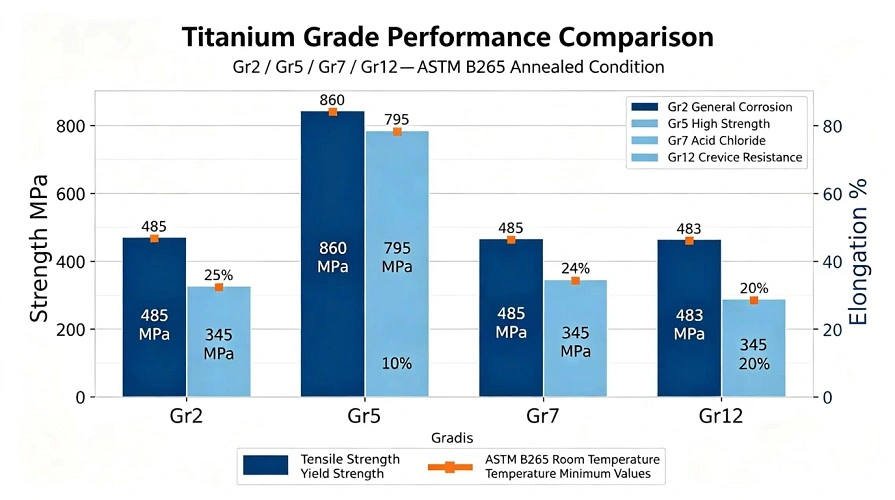
- These qualities are not just ideas. The nacelle shields are normally made from 4mm Grade 5 titanium by aerospace companies since the material retains its strength at temperatures beyond 400 degrees C, at which point aluminium alloys quickly lose their effectiveness.
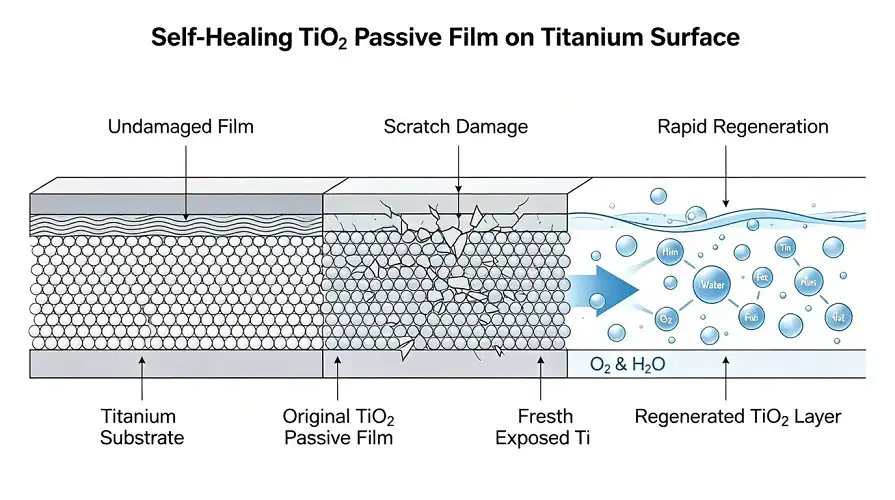
Titanium also has a self-healing oxide layer on its surface. This makes it virtually immune to seawater, wet chlorine, and oxidising acids. This is a passive film that will repair itself in milliseconds if damaged. That implies 4mm titanium sheets will endure 15-20 years in corrosive environments, compared to stainless steel that would have to be replaced every 5-8 years.
Size and Thickness Variations: How to Choose the Right 4mm Titanium Sheet?
Comparing Adjacent Gauges: 3mm vs. 4mm vs. 5mm
To choose the right width, you have to weigh the structure's needs against the cost and weight. A 3mm sheet cuts the cost of the material by about 25%, but it loses some of its cross-sectional stiffness. It's good for light wrapping, but not for parts that hold weight. A 5mm sheet adds about 25% more weight and material cost, and it's best for high-pressure vessel walls or parts that will be worn down by abrasion.
The 4mm gauge is the best size for uses where weight and pressure control are important, such as heat exchanger tubesheets, marine sensor housings, and aerospace panel assemblies.
Grade Selection by Application
Costly specification mistakes can be avoided by matching the grade and product requirements to the application. Grade 2 and Grade 4 are used in places where corrosion is common, like chemical tanks and distillation equipment. For projects requiring specific dimensions, such as titanium sheet 4mm for fabrication and processing needs, selecting the right grade and thickness is also essential. When aerospace and defense structural parts need to be strong, Grade 5 is the standard choice. Grade 9 is a good choice for hydraulic tubing because it has a medium strength-to-weight ratio. Marine heat exchangers made of Grade 12 are more resistant to crack rust than other grades.
Fabrication and Cutting Guidance
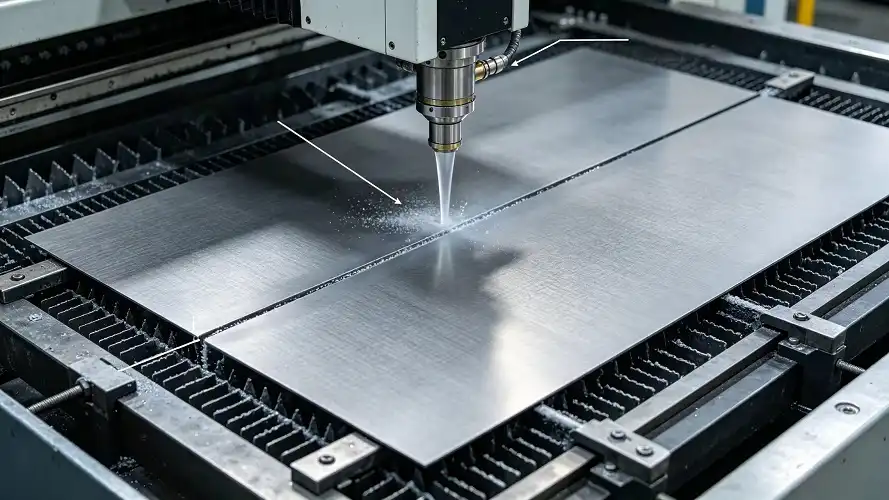
Laser cutting, waterjet cutting, and CNC grinding all work well on titanium that is 4mm thick. Work hardening is the biggest risk during cutting because titanium doesn't conduct heat well, so it builds up heat at the cut area. This doesn't happen at all with waterjet cutting, which is the best way to make parts for aerospace that need to be precise. When CNC cutting, it is common to use carbide tools with a lot of water flow. After the product is made, it is given a polished, machined, or acid-pickled finish to meet certain requirements for surface roughness.
Market Comparison and Procurement Insights for 4mm Titanium Sheets
It is well known that titanium costs more up front than carbon steel or aluminum. Lifecycle cost study, on the other hand, always shows that titanium is better in corrosive working circumstances. When bought, a 4mm stainless steel 316L plate might be 60–70% cheaper per kilogram, but in places with salt water or a lot of chloride, the cost advantage is quickly lost after 3–5 years of use. Titanium sheets 4mm have a longer total cost of ownership because they last 15 to 20 years in normal circumstances.
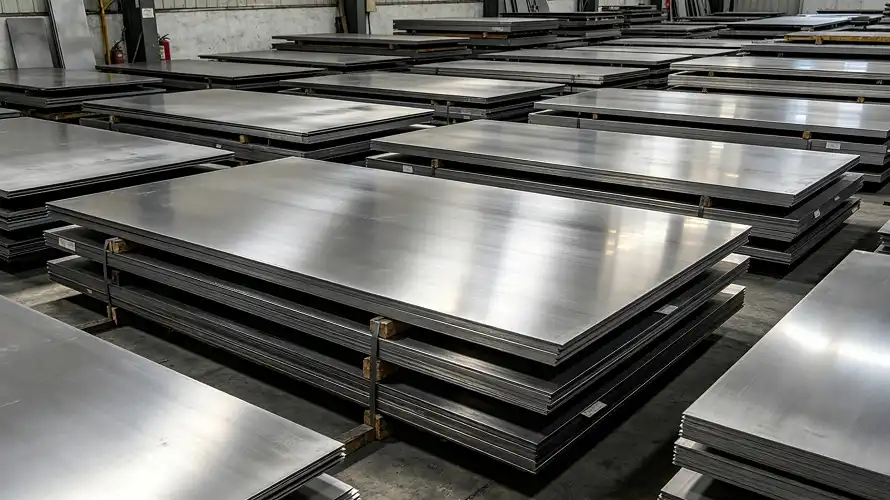
Prices for titanium sheet vary by region based on the cost of the raw sponge, the conversion process, and the logistics. North American buyers who buy directly from well-known manufacturers in Baoji, China, can get full mill certifications and reasonable prices. Baoji is recognized as China's titanium production hub. Key procurement considerations include:
- MOQ: Most reputable suppliers offer flexible MOQs for custom-cut sheets, especially for project-based aerospace or chemical processing procurement.
- Lead time: Standard mill sizes typically ship in two to four weeks; special sizes take four to eight weeks, based on processing complexity.
- Certifications: Always ask for mill test reports, chemical composition reports, and third-party inspection certificates where required by project specifications.
Ensuring Quality and Reliability in Your 4mm Titanium Sheet Purchase
Quality control in buying titanium starts with certifications that can be checked. ASTM B265 sets the rules for flat-rolled titanium sheet and strip. It specifies the minimums for chemical composition, mechanical properties, and allowed dimensional tolerances. AMS 4911 is only for Ti-6Al-4V sheet used in aerospace and calls for better control over grain structure and surface integrity.
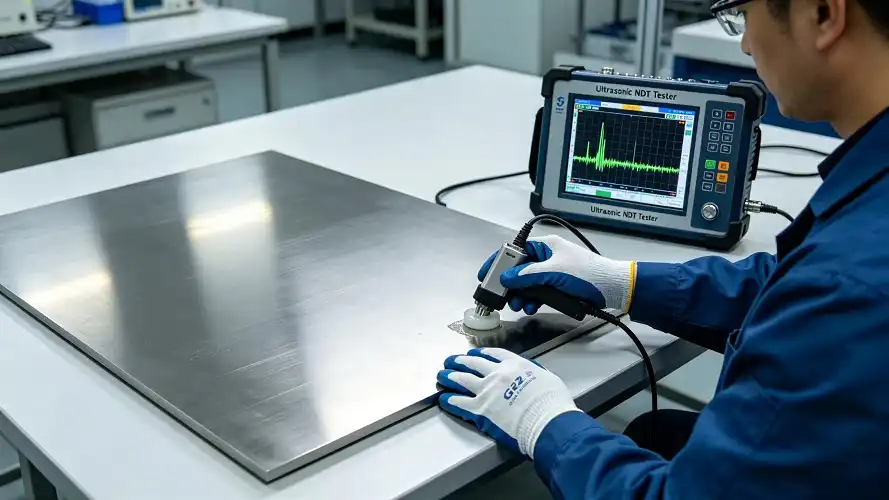
Standard tests for compliant titanium flat plate products include tension testing according to ASTM E8, chemical analysis according to ASTM E2371, and ultrasonic checking for internal discontinuities in thicker gauges. Buyers should request documentation for each batch, not just a generic supplier quality certificate.
A practical example: a North American marine engineering contractor sourcing 4mm Grade 2 titanium sheet for deep-sea equipment housing, specified ASTM B265 Grade 2, acid-pickled surface finish, and 100% dimensional inspection. By partnering with a supplier holding documented traceability from sponge to finished sheet, they eliminated field failures caused by grade substitution — a recurring issue in lower-tier supply chains.
Conclusion
A titanium sheet 4mm thick delivers a proven combination of strength, corrosion immunity, and weight efficiency that no comparable metal achieves at this gauge. The 4mm specification serves as an engineering-grade solution across multiple demanding sectors, from chemical plant liners certified per ASTM B265 to aerospace firewalls built to AMS 4911. Understanding weight calculations, dimensional tolerances, grade characteristics, and procurement best practices ensures you select the right material — and the right supplier — the first time.
FAQ
1. How do I calculate the weight of a 4mm titanium sheet?
Multiply thickness (0.004m) × width (m) × length (m) × density (4,510 kg/m³). A 4mm × 1,000mm × 2,000mm sheet weighs approximately 36.1 kg for Grade 2 titanium.
2. What tolerance applies to a 4mm titanium sheet per ASTM B265?
Thickness tolerance is typically ±0.30mm to ±0.38mm depending on width. Flatness is generally held to less than 3mm per meter.
3. Which titanium grade is best for chemical processing applications?
Grade 2 and Grade 7 are standard choices. Grade 7 adds palladium for enhanced resistance to reducing acids compared to Grade 2.
4. Can a 4 mm titanium sheet be custom-cut and delivered internationally?
Yes. Reputable suppliers offer custom cutting to width and length specifications with international export logistics support, including full documentation for customs clearance.
Partner with Jucheng Titanium — Certified 4mm Titanium Sheet Supplier
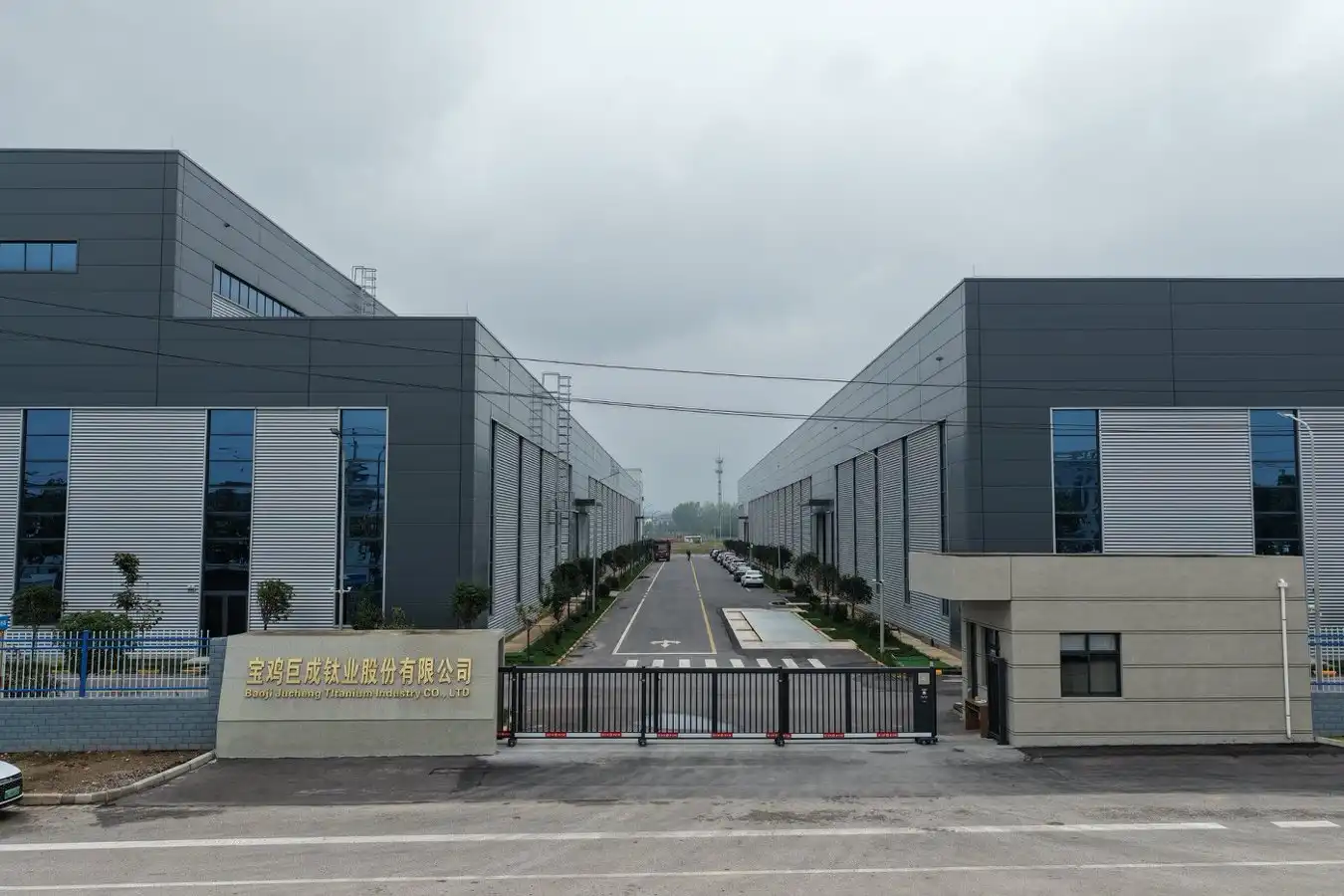
Jucheng Titanium has supplied certified titanium sheet 4mm products to aerospace, chemical, and industrial clients across North America for over 20 years. With 3,000 tons of inventory on hand, ASTM/AMS-compliant mill certifications, and full custom processing capability, we respond fast to your exact specifications. Contact our technical team today at s4@juchengti.com for a tailored quotation.
References
1. ASTM International. ASTM B265: Standard Specification for Titanium and Titanium Alloy Strip, Sheet, and Plate. ASTM International, 2020.
2. AMS 4911: Titanium Alloy Sheet, Strip, and Plate, 6Al-4V, Annealed. SAE International, 2015.
3. Lutjering, G., & Williams, J. C. Titanium (2nd ed.). Springer, 2007.
4. Boyer, R., Welsch, G., & Collings, E. W. Materials Properties Handbook: Titanium Alloys. ASM International, 1994.
5. ASME. ASME SB-265: Titanium and Titanium Alloy Strip, Sheet, and Plate. American Society of Mechanical Engineers, 2021.
6. Peters, M., Kumpfert, J., Ward, C. H., & Leyens, C. "Titanium Alloys for Aerospace Applications." Advanced Engineering Materials, Vol. 5, No. 6, 2003.