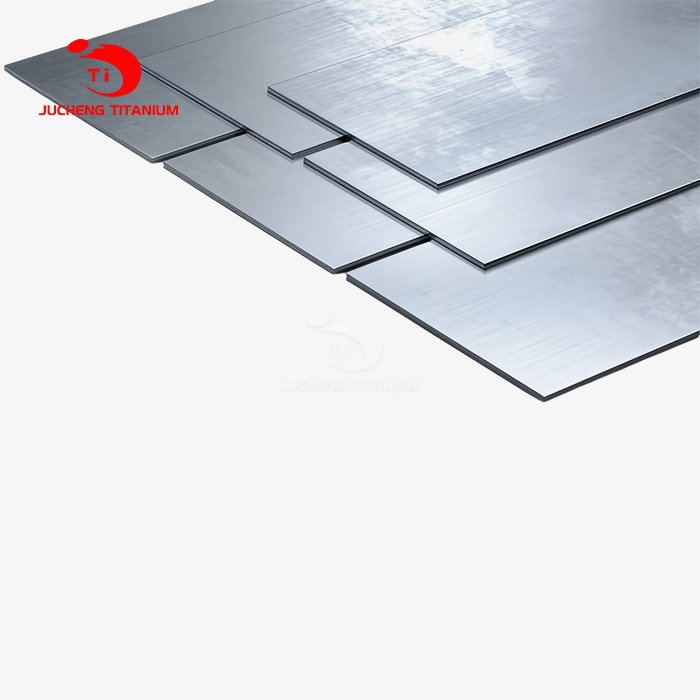

What are the advantages of a titanium flat plate?
When you're looking for materials for important business projects, the metal sheets you choose can make or break how well your equipment works. Titanium flat plate stands out as an amazing engineering material because it is both very light and very strong. It has a unique strength-to-weight ratio that can't be matched in harsh settings, unlike most metals. Titanium dioxide forms a protective layer on its own, shielding it from harsh chemicals, saltwater, and high temperatures. This makes it very useful in the marine, chemical processing, and aircraft industries. Its biocompatibility makes it possible to make medical devices, and its thermal stability lets it be used in high-temperature situations where other materials would fail.
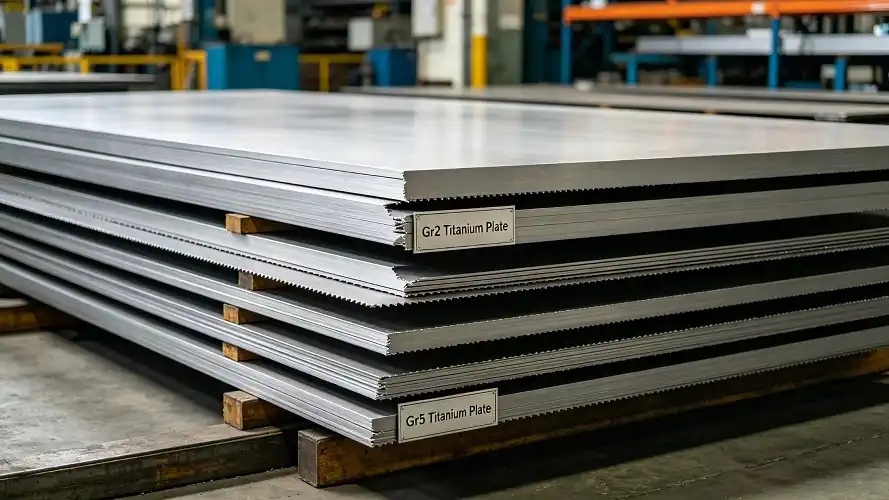
Understanding Titanium Flat Plates: Properties and Benefits
What Makes Titanium Plates Structurally Superior?
The way titanium flat plates are made gives them benefits that experts use every day. These plates are strong without being too heavy. Their density is about 4.51 g/cm³, which is about 56% that of steel. Its melting point is 1,668°C, which means it can be used in hot places where aluminium would not work. We divide titanium into Commercially Pure grades (Gr1 through Gr4) and Alpha-Beta alloys, such as Gr5 (Ti-6Al-4V), with each type meeting different engineering needs. For chemical equipment, CP grades are the best at being able to be shaped and resisting rust. Alloy grades, on the other hand, have tensile strengths of over 828 MPa, making them ideal for structural aircraft parts.
To get exact size limits, manufacturing methods use hot rolling, annealing, and pickling. You can choose from sizes between 4mm and 80mm, widths between 950mm and 2,500mm, and lengths up to 10,000mm. Custom dimensions take into account the specifics of a project and make sure they work with existing designs. Surface treatments like polishing, milling, or acid-pickling can improve both the way something looks and how well it works, depending on the situation.
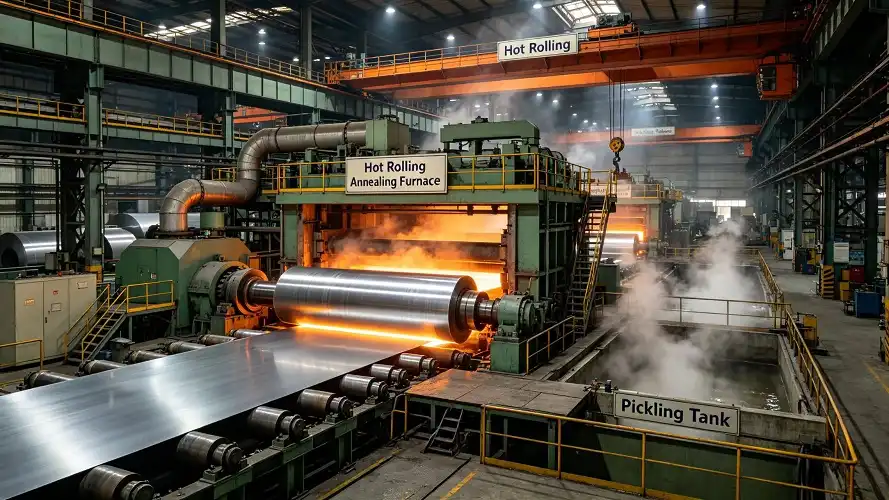
How Does Corrosion Resistance Extend Equipment Lifespan?
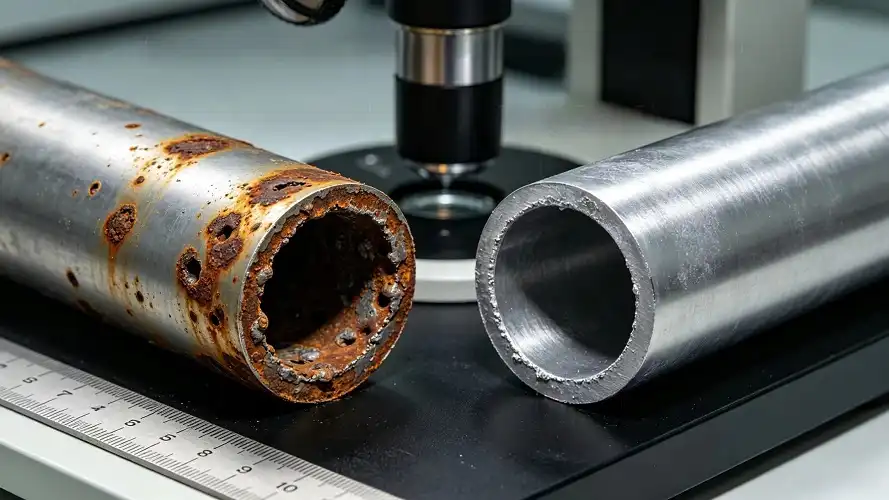
The inactive oxide film that forms naturally on titanium flat plate surfaces is very helpful in harsh working situations. This TiO2 layer grows back right away if it gets broken, protecting against chlorides, oxidising acids, and seawater all the time. Chemical processing plants gain a lot because heat exchangers and reaction vessels stay strong even when they come into contact with harsh chemicals. It takes less time to maintain offshore platforms with titanium flat plate parts because they don't pit or crack from stress rust as stainless steel does in marine settings.
In accelerated corrosion studies, test results show that titanium flat plates work better than other materials. After 500 hours of being immersed in saltwater, 316L stainless steel starts to break down, but after 2,000 hours, the surface of similar titanium flat plate samples doesn't change much. This durability directly leads to a lower total cost of ownership, since replacements are needed three to five times less often than with regular materials.
Why Does the Strength-to-Weight Ratio Matter?
Manufacturers of aeroplanes are always under pressure to cut weight without weakening the structure. Titanium flat plates solve this problem because they have the same tensile strength as steel but are half the weight. Grade 5 titanium has yield strengths above 880 MPa and a modulus of elasticity around 110 GPa, which gives it the freedom it needs to distribute stress in situations with changing loads. These features are used by wing skins, bulkheads, and landing gear parts to improve fuel economy and loading capacity.
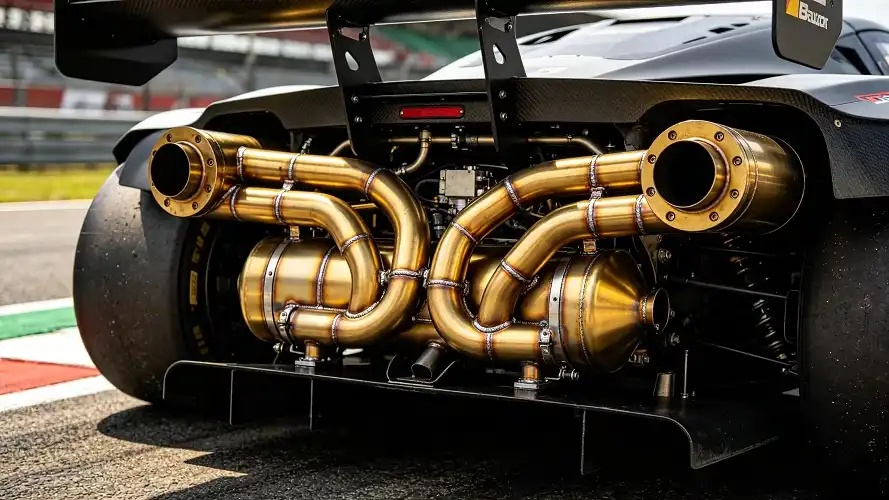
When building high-performance exhaust systems and chassis parts, automotive experts use the same kind of thinking. The lighter weight makes it faster and easier to control, and the resistance to rust means it will last even when it's exposed to road salt and combustion fumes. Racing teams really like the fatigue resistance that stops cracks from spreading after being heated and shaken over and over again.
Applications and Use Cases of Titanium Flat Plates
Aerospace and Defense Applications
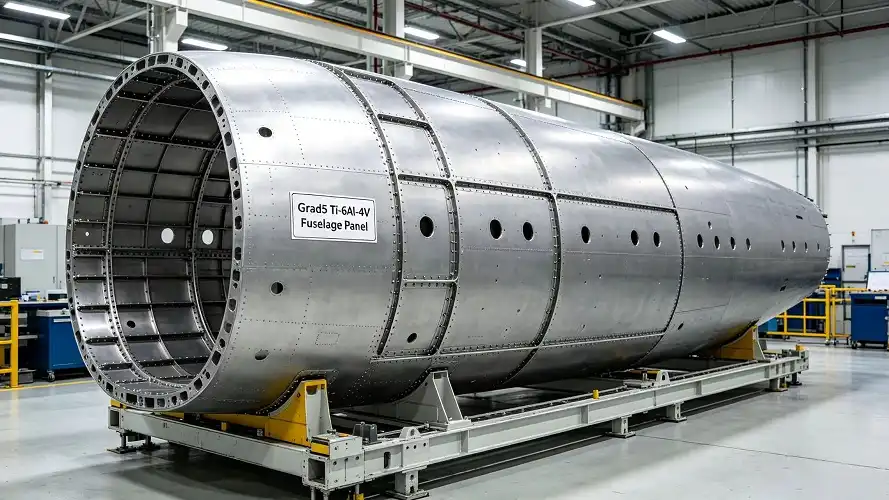
Companies that make parts for this industry need materials that meet strict approval standards. The chemical make-up, mechanical qualities, and tracking rules are set by ASTM B265, AMS 4911, and ASME SB265. Titanium flat plates that meet these standards are used in important parts like engine fan blades, compressor discs, and aircraft structures. Grade 5 titanium is essential for parts close to propulsion systems because it can keep its mechanical properties at high temperatures.
Titanium flat plate is used by defence companies for armour plating and car parts that need to be both bulletproof and mobile. The non-magnetic features of the material keep sensitive navigation and communication devices from being harmed, which adds strategic value beyond just structural performance. Long-term supply agreements make sure that materials are always available for production programs that last more than one year.
Talk to our team at s4@juchengti.com about how our titanium flat plate solutions can improve the performance of your equipment, lower its lifecycle costs, and speed up project timelines by providing a reliable supply chain and technical support.
Chemical and Petrochemical Equipment
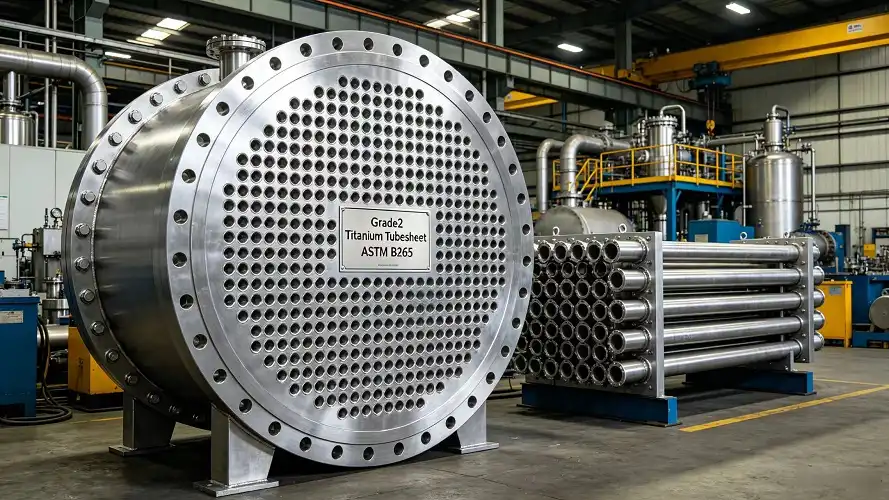
Conditions inside reactor tanks, distillation columns, and heat exchanges quickly wear down materials that aren't up to par. Titanium flat plate is the best material for working with hydrochloric acid, chlorine gas, and chlorinated solvents because it doesn't crack when exposed to chloride stress. Equipment service lives go from 8 to 10 years with stainless steel to 25 to 30 years with titanium flat plate construction. This means that the higher original material costs are worth it because of the lower costs of repairs and replacements.
A corroded stainless steel heat exchanger was recently replaced at a large petrochemical plant with a titanium flat plate unit made from Gr2 plate. Operating data gathered over 18 months showed no signs of corrosion and continued thermal efficiency, while the previous unit needed maintenance every two years. This performance backs up choices about which materials to use that put lifecycle economics ahead of upfront purchase costs.
Medical Device Manufacturing
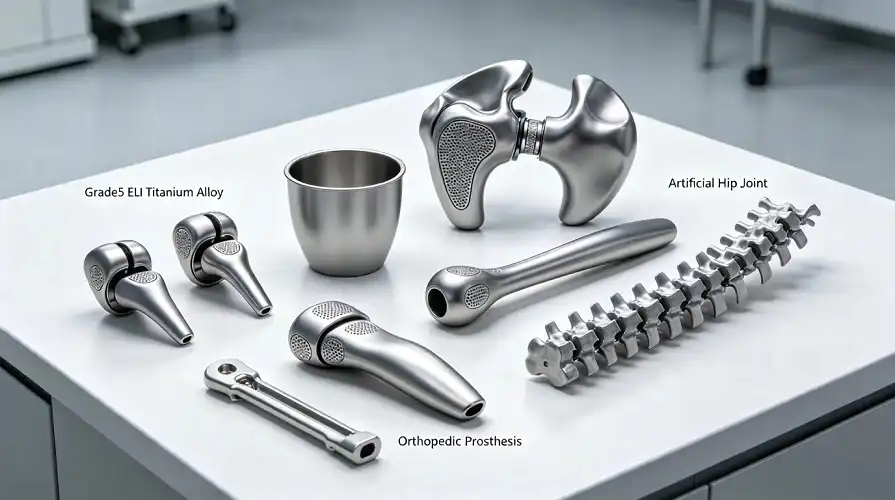
To make surgical implants, you need materials that are completely biocompatible and can handle being sterilised. A medical-grade titanium flat plate that meets ASTM F67 supports osseointegration, which means that bone tissue can attach directly to implant surfaces. Orthopaedic plates, spinal fusion cages, and dental implants all depend on this property to keep patients stable over time. Stress protection effects that can lead to bone loss around stronger implants are lessened by the low elastic modulus.
Manufacturers of instruments like the titanium flat plate because it can withstand many autoclaving cycles without losing its surface. Surgical tools stay sharp and the same size after being sterilised hundreds of times, which cuts down on how often they need to be replaced and helps hospitals keep their inventory low. Custom processing makes it possible to make implants that are specific to each patient and match anatomical pictures for better surgery results.
Titanium Flat Plates vs Alternative Materials: A Comparative Analysis
Performance Comparison with Stainless Steel
Titanium flat plate is often compared to 316L stainless steel, which is the standard alloy for resistance to corrosion. Even though stainless steel is cheaper at first, the titanium flat plate works better in chloride environments where stainless steel quickly pits. A 10mm titanium flat plate weighs about 45 kg/m², while the same-sized stainless steel plate weighs 78 kg/m². This means that less structural load is needed and installation is easier.
Tests on mechanical properties show that the Grade 5 titanium flat plate keeps 90% of its strength at 400°C, while austenitic stainless steel softens significantly above 300°C. This thermal stability is very important in heat transfer uses where process changes cause short-term changes in temperature. Chemical companies' maintenance records show that titanium flat plate equipment needs 60–70% fewer repairs than stainless steel equipment over the same amount of time.
Advantages Over Aluminum Alloys
Aluminum's low mass makes it a good choice for uses that need to be light, but its strength problems become clear when it is loaded for a long time. Aerospace-grade aluminium alloys usually have a tensile strength peak around 570 MPa, which means that thicker sections are needed to get the same load-bearing capacity. By using geometric optimisation to balance out differences in density, titanium flat plates offer the same or even higher strength at a thinner thickness.
The way these metals react to corrosion is very different. In neutral environments, aluminium forms a safe oxide layer. However, in acidic or alkaline environments, aluminium corrodes quickly. The passive sheet of the titanium flat plate stays steady in a pH range from 0 to 14, so it protects well, no matter what chemicals are present. This difference is especially clear in marine applications, where aluminium parts need expensive coatings to protect them from saltwater, but titanium flat plate installations don't need these.
Grade Selection: Gr2 vs Gr5 for Specific Needs
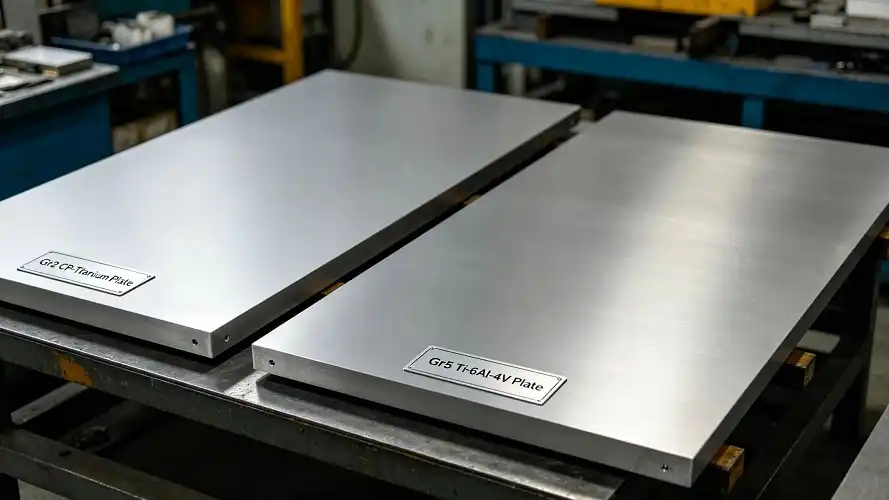
Knowing the qualities of a grade helps you choose the best material for a variety of needs. Grade 2 titanium flat plate is the purest type that can be bought. It is easy to shape and doesn't rust, but it's not very strong (yield ~345 MPa). It is easy to shape and weld, which makes it useful for chemical processing equipment, marine gear, and building parts. The lower cost compared to alloy types makes projects more cost-effective when full strength is not needed.
Aluminium and vanadium are added to the grade 5 titanium flat plate (Ti-6Al-4V), which greatly improves its tensile properties. The yield strength is higher than 880 MPa, which means it can support structural applications that need to handle heavy loads. High-performance car parts, pressure tanks, and aerospace components all explain the higher cost by saving weight and being more resistant to fatigue. The metal is very strong and doesn't rust. Its strength is similar to that of steel that has been heated.
How to Source and Procure Titanium Flat Plates Effectively
Identifying Reliable Manufacturers and Suppliers
There are well-known producers in global supply networks who have a history of quality and consistency. When evaluating a supplier, you should look at their manufacturing certifications, quality control systems, and expert help skills. Companies that keep their ISO 9001 certification show that they are dedicated to controlling processes and making improvements all the time. People with AS9100 credentials are trained to meet the quality standards for aerospace, making sure that standards for traceability and documentation are met. These are very important for regulated industries.
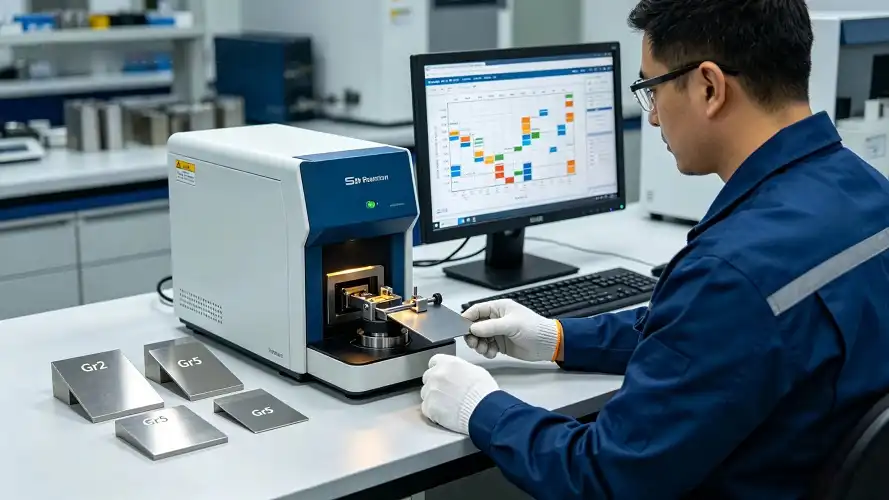
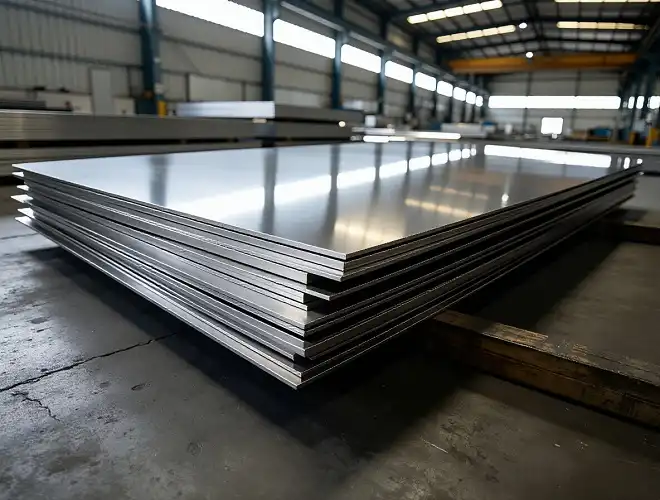
The supply of inventory has a big effect on project timelines. Suppliers who keep a lot of stock—ideally 500 tonnes or more of different types and sizes—can meet immediate needs without having to wait for long lead times. Custom processing services, such as cutting, machining, and surface treatment, make it possible to send finished parts instead of raw stock. This makes downstream processing easier and speeds up the finishing of the project.
Evaluating Quality and Certification Standards
Documentation for material approval is needed to confirm the chemical make-up and mechanical qualities of the titanium flat plate. Mill test results should show that the product meets certain standards, like ASTM B265 for commercial uses or AMS 4911 for aerospace uses. The results of the chemical study show that the levels of intermediate elements like oxygen, nitrogen, and hydrogen are still within safe limits that keep the material from becoming weak. Tensile strength, yield strength, and elongation percentage data from mechanical tests show that the material meets the design requirements.
Third-party review services give important applications extra peace of mind. Ultrasonic testing can find problems inside that can't be seen with the naked eye. Surface roughness measures check the quality of the finish against the limits set by the specifications. Dimensional checking makes sure that the thickness, width, and length are all within accepted ranges. This keeps installation problems and waste from happening.
Strategies for Bulk Orders and Custom Manufacturing
Strategic ties with suppliers that balance low costs with dependability are good for large-scale buying. Volume agreements can often get you better prices and make sure you have a steady supply throughout the job. When you negotiate framework deals, you set prices, quality standards, and delivery times that make it easier to handle repeat orders.
Custom manufacturing lets you meet the specific needs of a project that standard stock dimensions can't. Cutting service providers give titanium flat plates that are precisely measured, which cuts down on wasteful materials and unnecessary work. Surface treatments that are specific to the job—polished finishes for aesthetic purposes, pickled surfaces for welding—are applied so that the surface is ready to be installed or processed further. With these value-added services, project timelines are cut down while quality control is kept up throughout the supply chain.
Why Choose Titanium Flat Plates from Industry-Trusted Suppliers?
Technical Support and Engineering Consultation
Suppliers with a lot of experience don't just sell products; they also offer technical advice that helps designers make the best choices. Technical teams help choose the right titanium flat plate grade based on the conditions of use, suggest surface processes that work best in certain conditions, and give advice on how to make things that make the best use of the material's qualities. This consultative method helps procurement workers choose the right materials even if they don't have a lot of training in metalworking.
Application engineering support covers the whole lifecycle of a project, from reviewing the initial design to evaluating the performance after installation. Suppliers who know the problems that come up in a certain industry can help you avoid common mistakes and find ways to cut costs without sacrificing performance by sharing what they've learned from similar projects. Engineering teams can make smart choices when they have access to technical data sheets, lists of material properties, and fabrication standards.
Quality Assurance and Long-Term Partnership Benefits
Reliable providers follow strict quality control rules at all stages of the manufacturing process. Before handling starts, incoming material checking makes sure that the raw stock meets the requirements. Consistency between production runs is made possible by watching the rolling, annealing, and finishing processes live. Before they are sent out, finished titanium flat plates go through a final check to make sure they meet standards for surface quality and size limits.
Partners who work together for a long time gain more value as they learn more about what the customer wants. As a preferred customer, you may get priority when supplies are low, faster processing for pressing orders, and flexible payment terms that make managing your cash flow easier. When people work together, they can make improvements all the time, which raises the quality of the products, cuts down on wait times, and finds ways to save money that are good for everyone.
Real Performance Data from Jucheng Titanium
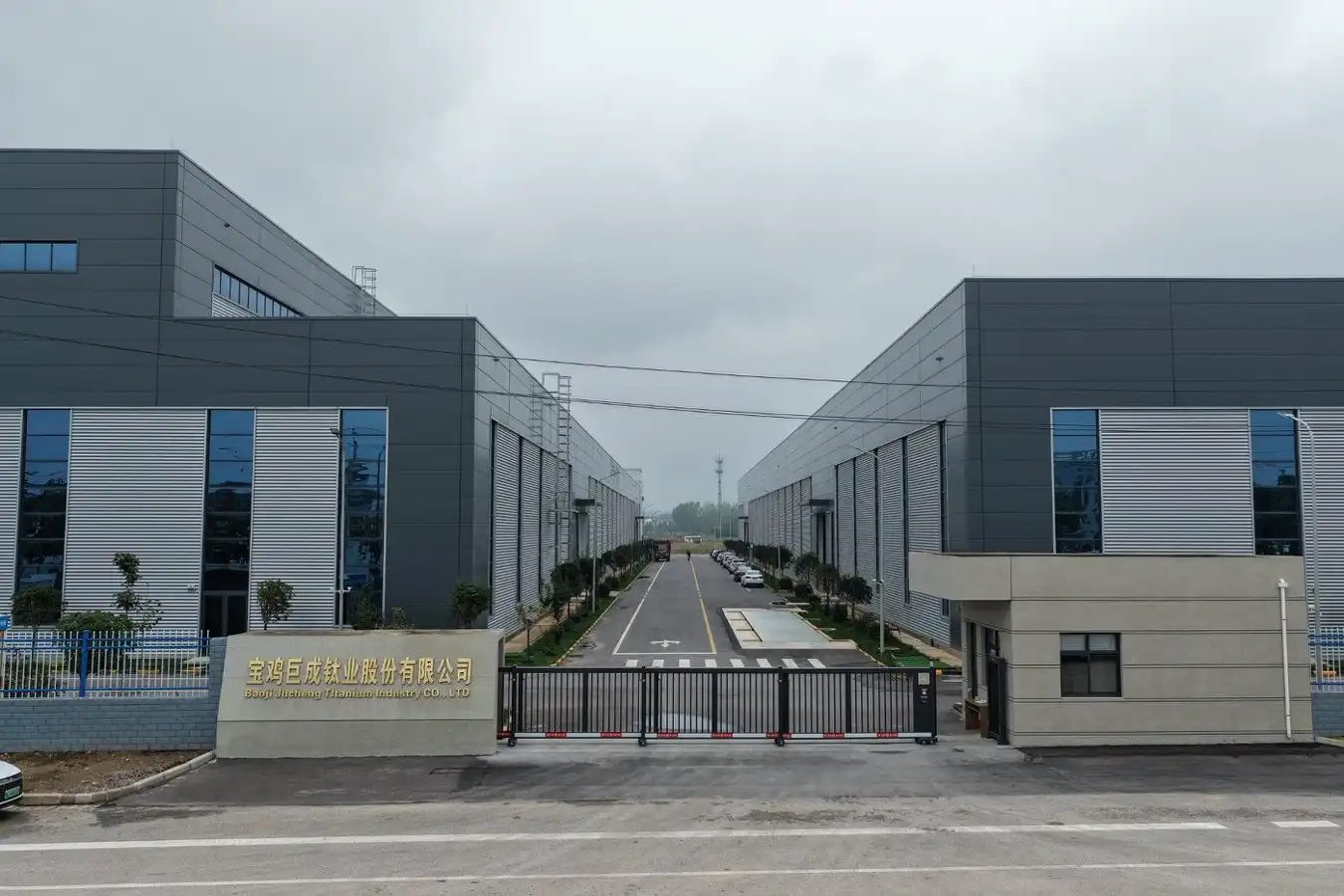
Our factory in Baoji, China's "Titanium Valley," has been making titanium flat plate materials for more than 20 years, gathering a lot of information on how they are used in many different fields. Every year, more than 500 pieces of equipment leave our production lines to work in the industrial, offshore engineering, and chemical processing sectors. Our titanium-based goods have over 70% of the market share in hydrometallurgy uses. This shows that quality and dependability are accepted by the market.
Our abilities keep getting better because of new technologies. We have 41 utility model patents and 4 idea patents that cover things like working methods, equipment design, and how titanium flat plate materials can be used. This portfolio of intellectual property shows that we are dedicated to improving titanium technology and finding new ways to solve customer problems through engineering innovation. The government's recognition of our technical successes through the National High-Tech business title and "little giant" business recognition.
Conclusion
When used in industrial settings, titanium flat plates offer clear benefits that make the higher cost of the material worth it by improving performance and lengthening service life. The mix of excellent resistance to corrosion, high strength-to-weight ratio, and temperature stability solves problems that other materials have in harsh settings. Whether you're making medical devices, aerospace structural parts, or equipment for processing chemicals, titanium flat plates that meet ASTM B265 and related standards are a reliable choice that has been used successfully in the field for decades. From concept to commissioning, the success of a project is guaranteed by strategically buying from sellers with technical know-how, quality certifications, and a large inventory. Based on the metallurgical properties and manufacturing capabilities we looked at, titanium flat plate is clearly the best material to use when the performance of the equipment directly affects how well an operation runs and how much money it makes.
FAQ
1. Which Titanium Grade Suits Marine Environments Best?
The best performance for most naval uses comes from grade 2 titanium, which is both cheap and resistant to corrosion. The commercially pure makeup doesn't need any coatings to protect it from saltwater, coastal air, and chloride. Grade 5 (Ti-6Al-4V) is better at resisting corrosion and can handle higher dynamic loads, making it ideal for structural parts that need to be stronger. Both grades do a much better job than stainless steel at stopping crevice corrosion and pitting, which are common in offshore installations.
2. Can Titanium Plates Be Cut to Custom Dimensions?
Custom cutting services can meet the needs of any project. Titanium flat plates can be any diameter from 4 mm to 80 mm and can be as long as 10,000 mm. Precision sawing, water jet cutting, and plasma cutting all leave clean edges that can be used for welding or machining. Suppliers that offer combined processing send parts that are the right size, which cuts down on manufacturing time and material waste compared to buying stock that is too big and then cutting it later.
3. How Does Titanium Pricing Compare to Stainless Steel?
Most of the time, titanium flat plates cost three to five times as much to make as similar stainless steel sheets. Lifecycle economic analysis, on the other hand, often favours the titanium flat plate because it lasts longer, needs less upkeep, and needs to be replaced less often. Saving weight lowers the need for structural support and the cost of installation. Chemical processing uses have payback times of 3 to 7 years because they don't have to repair equipment or deal with downtime caused by corrosion.
Partner with Jucheng Titanium for Your Next Project
We are a reliable titanium flat plate seller that can meet your most exacting needs thanks to our 20 years of experience making titanium products. We have more than 3,000 tonnes of material in Baoji in grades Gr1, Gr2, Gr4, Gr5, Gr7, Gr9, and Gr12. This lets us quickly fill both pressing and regular orders. Custom processing lets us make plates that meet ASTM B265, ASTM F67, and AMS 4911 standards. The surface can be polished, cut, or pickled, depending on what your application needs. Our technical team can help you with engineering issues at any point in the project's lifecycle, from choosing materials to providing support after installation. They are backed by ISO certifications and national recognition as a specialised business. Talk to our team at s4@juchengti.com about how our titanium flat plate solutions can improve the performance of your equipment, lower its lifecycle costs, and speed up project timelines by providing a reliable supply chain and technical support.
References
1. Boyer, R. & Briggs, R. (2013). "The Use of Titanium Alloys in Commercial Aerospace Applications." Journal of Materials Engineering and Performance, Vol. 22, pp. 2916-2920.
2. Schutz, R. W. & Watkins, H. B. (1998). "Recent Developments in Titanium Alloy Application in the Energy Industry." Materials Science and Engineering A, Vol. 243, pp. 305-315.
3. American Society for Testing and Materials (2020). "Standard Specification for Titanium and Titanium Alloy Strip, Sheet, and Plate." ASTM B265-20, ASTM International, West Conshohocken, PA.
4. Donachie, M. J. (2000). "Titanium: A Technical Guide, 2nd Edition." ASM International, Materials Park, Ohio.
5. Peters, M., Kumpfert, J., Ward, C. H., & Leyens, C. (2003). "Titanium Alloys for Aerospace Applications." Advanced Engineering Materials, Vol. 5, No. 6, pp. 419-427.
6. Cotton, J. D., Briggs, R. D., Boyer, R. R., Tamirisakandala, S., Russo, P., Shchetnikov, N., & Fanning, J. C. (2015). "State of the Art in Beta Titanium Alloys for Airframe Applications." Journal of the Minerals, Metals and Materials Society, Vol. 67, No. 6, pp. 1281-1303.