
An Introduction to Titanium Sheets: Properties & Benefits
When rust causes equipment to break down in harsh chemical conditions or marine settings, industrial engineers quickly learn that standard materials are not enough. For important uses where material failure is simply not acceptable, the corrosion-resistant titanium sheet has appeared as the answer. These specialised metal products have great resistance to corrosion and great mechanical properties. They provide industries from chemical processing to aerospace with a reliable way to deal with their toughest environmental challenges. To understand what makes titanium sheets so valuable, you must first learn about their basic properties and the science behind their amazing performance in a wide range of demanding situations.
Understanding Corrosion-Resistant Titanium Sheets
What Defines Corrosion-Resistant Titanium Sheets?
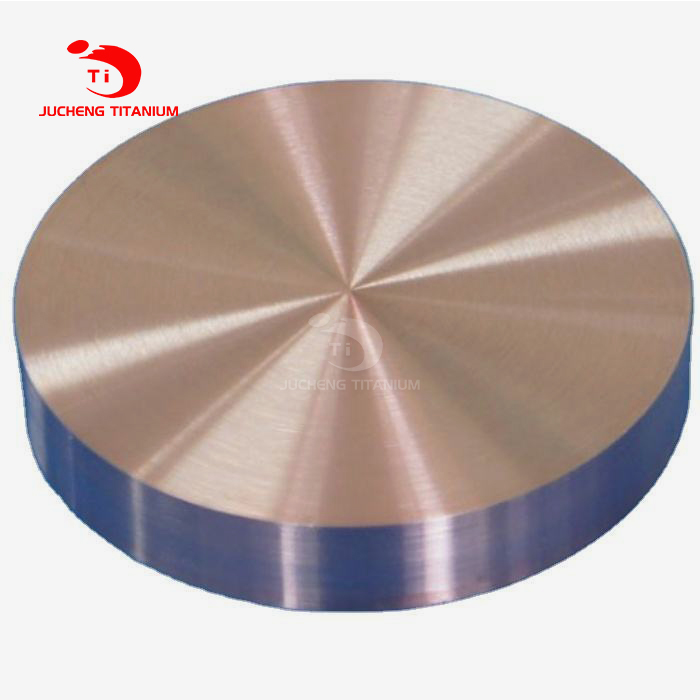
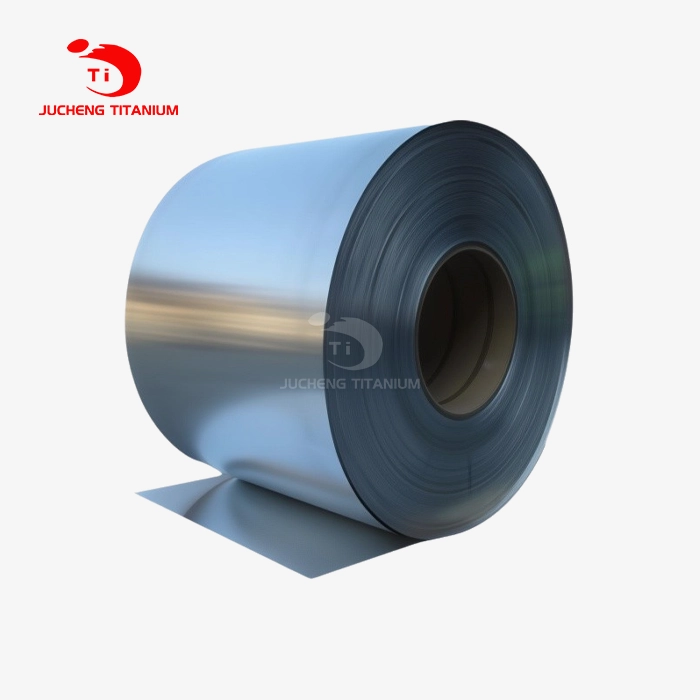
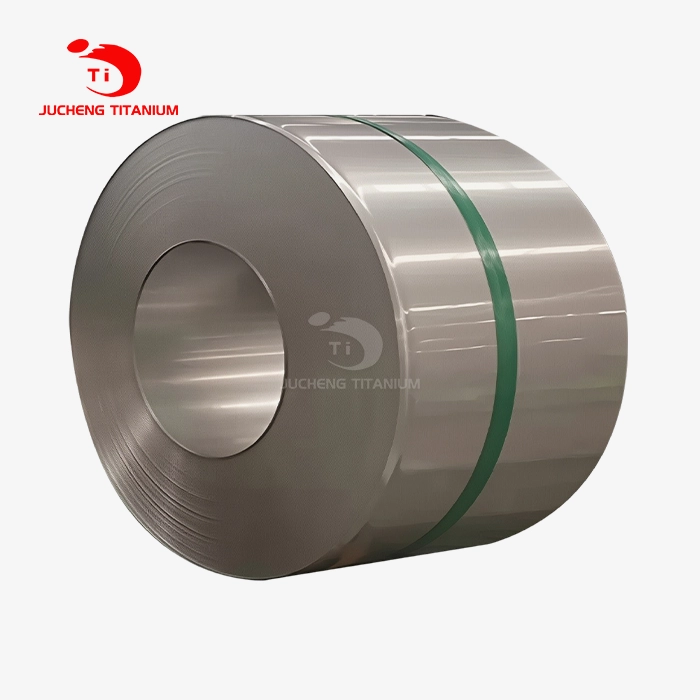
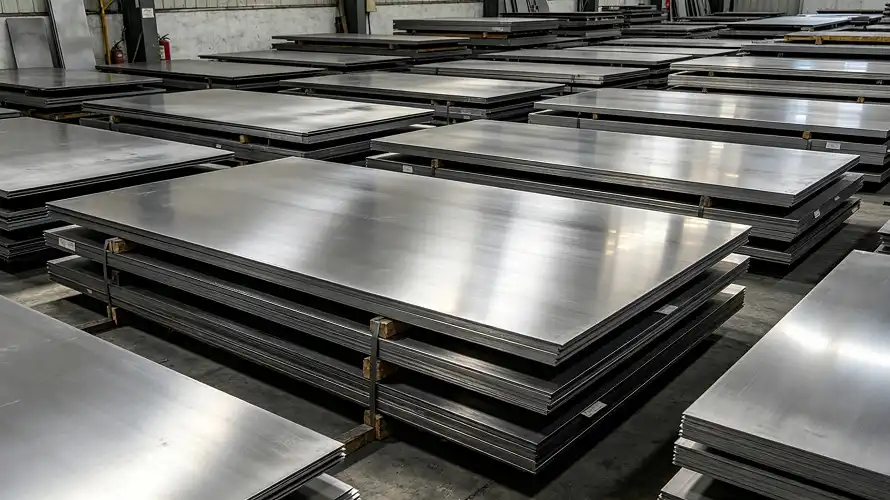
Titanium sheets are high-performance flat-rolled mill goods made from pure titanium or titanium alloys that have been chemically improved. In harsh settings where regular stainless steels and superalloys break down quickly, these materials keep their shape and chemical stability. Titanium can make a strong, self-healing oxide film (TiO₂) when it comes into contact with oxygen or water. This is what the basic process depends on. This group of corrosion-resistant titanium sheets is designed to solve some of the most important problems in the industry, such as crevice corrosion in high-temperature chloride solutions, pitting in reducing acid environments, and the high costs that come with replacing marine and chemical processing infrastructure with cheap materials all the time.
Key Material Properties and Grade Classifications
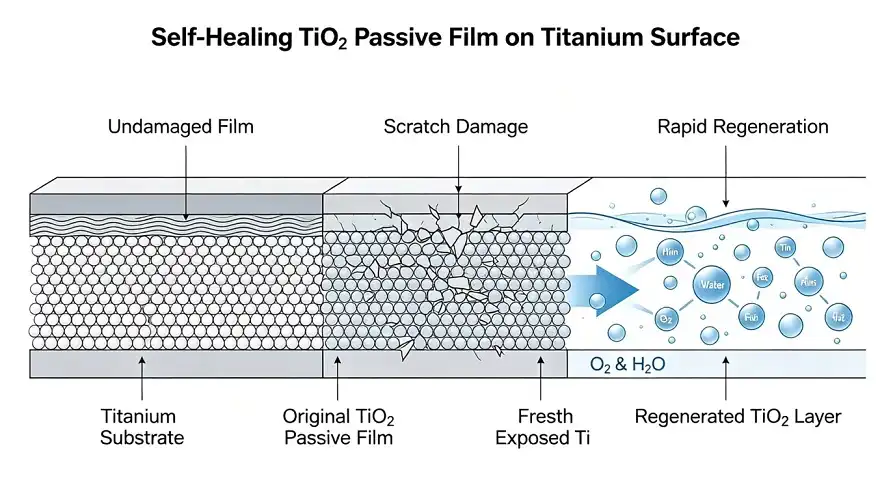
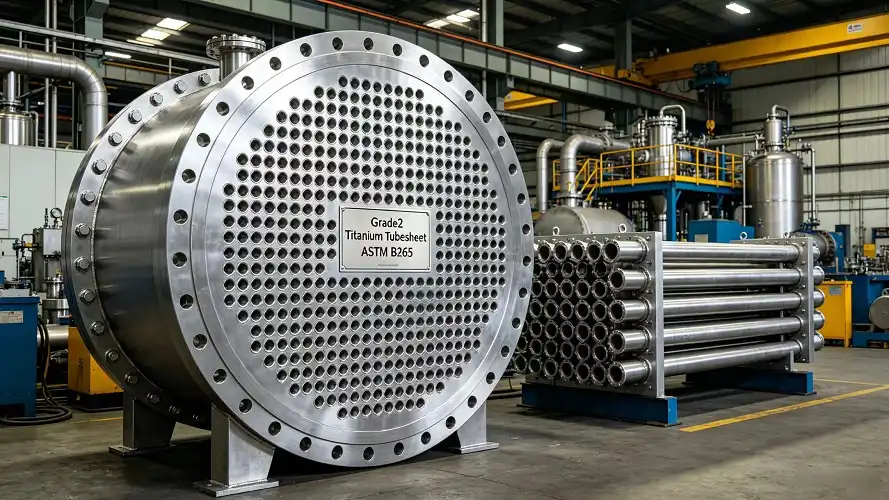
The chemical and physical qualities of titanium sheets are set by manufacturing standards like ASTM B265 and ASME SB265. These materials have a low density of 4.51 g/cm³, which means they are stronger for their weight than steel. Grades that are available are Gr1, Gr2, Gr4, Gr5, Gr7, Gr9, and Gr12. Each grade is designed to meet specific performance needs.
By moving the metal's corrosion potential toward the noble direction, adding noble metals like palladium in Grade 7 or mixes of molybdenum and nickel in Grade 12 makes it much more resistant to corrosion in reducing settings. Tensile strength can be anywhere from 345 to 550 MPa, based on the grade; yield strength can be anywhere from 275 to 450 MPa; and stretch usually exceeds 20%. These sheets are resistant to chlorites, metal chlorides, organic acids, and wet chlorine gas. They are also very good at resisting erosion and corrosion in fast seawater.
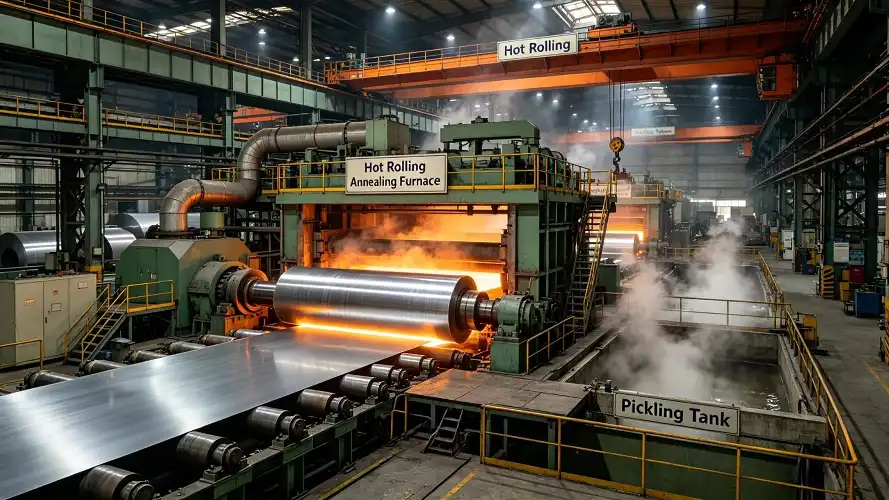
Standard manufacturing specs allow thicknesses ranging from 4 mm to 80 mm, widths ranging from 950 mm to 2500 mm, and lengths of up to 10,000 mm. If you have specific needs, you can request customisation. Processing steps used in hot-rolled production include rolling, annealing, levelling, pickling, and finishing the surface. Different surface processes, like acid-pickled, machined, or polished finishes, let you choose the best one for your needs.
The Science Behind Titanium's Protective Oxide Layer
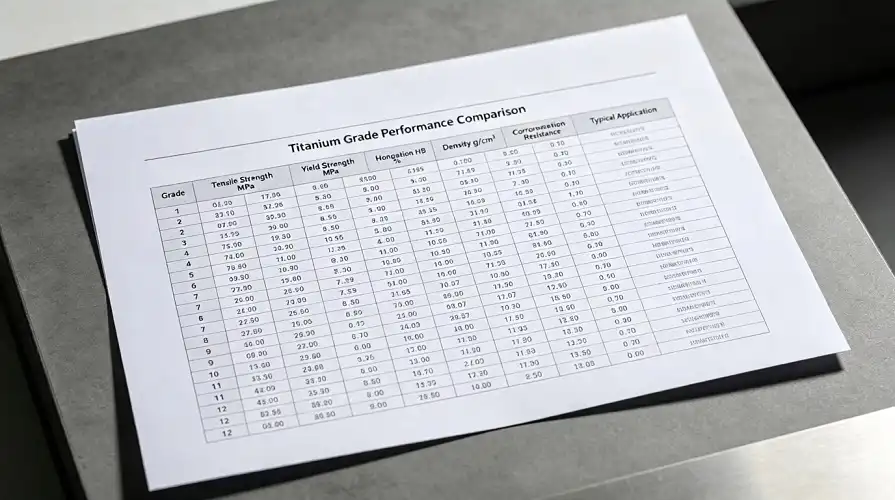
Titanium is very resistant to weathering because it has a strong, steady protective oxide film that forms as soon as oxygen is present. Because of this inactive layer, commercially pure titanium grades can stand up to most neutral, oxidising, inhibited reducing, and slightly reducing conditions. The oxide film constantly grows back if it gets damaged, giving the material security that lasts for as long as it is used.
Titanium grade 2 is very resistant to rust from the ocean and marine air. It works well in chlorides (moist and metallic), hypochlorite and chlorite solutions, nitric and chromic acids, organic acids, and many gaseous industrial settings. This natural passivation method works well in sea, chemical processing, and industrial settings, making sure that the metal will last for a long time with little upkeep.
Get in touch with our experts at s4@juchengti.com to talk about your needs with a reliable provider of corrosion-resistant titanium sheet who cares about quality, customisation, and customer satisfaction.
Benefits and Applications of Corrosion-Resistant Titanium Sheets
Core Advantages for Industrial Applications
Titanium sheets offer many benefits that directly address buying issues and operating problems in all B2B fields. The main benefit is that titanium lasts longer than other materials. Installations made of titanium regularly last more than 20 years in conditions that would kill other materials in just a few months. The longer durability means that maintenance schedules are drastically cut down, and parts don't have to be replaced as often.
The higher strength-to-weight ratio is very important for high-performance uses where lowering weight has a direct effect on how well something works. Structural strength improves the performance of aerospace parts without adding extra weight, and corrosion-resistant titanium sheets improve the performance of naval systems without affecting their mechanical integrity. The tools used in chemical processes can handle rough materials and keep their shape even when the temperature and pressure change.
Lifecycle cost study always shows that titanium is better, even though it costs more at first. Unplanned downtime is eliminated by operational reliability, and less maintenance frees up resources for useful tasks. Material compatibility across different chemicals and temperatures gives designers options, so they can stick to tried-and-true solutions instead of taking a chance on unproven ones.
Critical Industrial Applications
Titanium is used a lot in chemical processing plants for heat exchangers and reactor tanks that work with oxidising media containing chloride ions or reducing acids. In these tough situations, Grade 7 titanium-palladium alloy sheets stop the walls from thinning quickly and localised pitting that kills 316L stainless steel. Plate heat exchangers and pressure tank linings keep things together when a single piece of material failing would have terrible results.
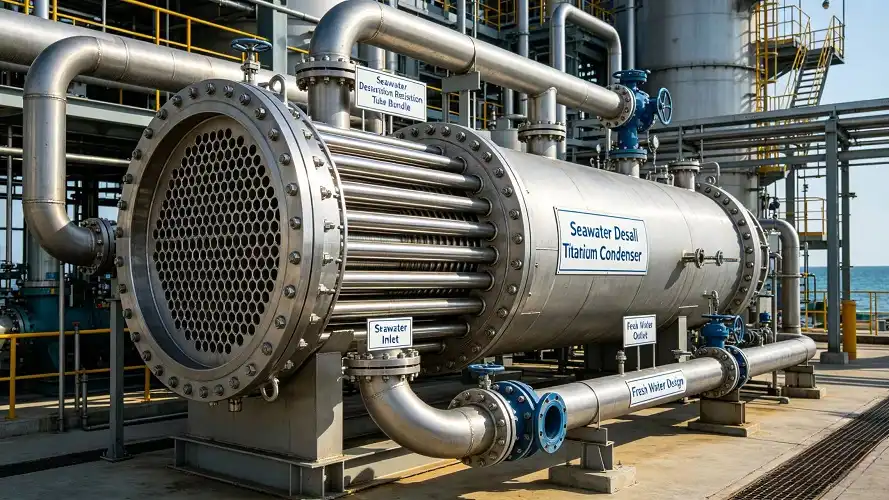
Titanium sheets are used in flash evaporation tanks and offshore oil platforms for marine and salinity engineering. The material can withstand temperatures above 80°C in still seawater, which is a critical point where crevice corrosion usually starts in regular alloys. Titanium's dependability is needed for desalination plants that process millions of gallons of water every day to keep running.
In electrowinning for copper and zinc extraction, titanium is used as the cathode and anode base plates and as tank linings in hydrometallurgy and electrolysis. Chlor-alkali factories have to deal with highly acidic solutions and high current levels. Titanium can handle these conditions without contaminating the electrolyte or losing its shape. Titanium sheets are used by aerospace companies to make structural parts and high-temperature uses that need to be certified to ASTM F67 and AMS 4911 standards. Biocompatible titanium is used to make medical implants and tools, and food processing equipment has clean surfaces that don't rust when acidic products or cleaning chemicals come in contact with them.
Maintenance and Inspection Guidelines
If procurement workers want to get the most out of service life, they should use simple inspection methods. Visual inspections done on a regular basis find surface problems before they get worse. Titanium's self-healing oxide layer protects itself, unlike materials that need protective coats that wear off and need to be replaced.
Cleaning on a regular basis gets rid of deposits that might block oxygen from getting to certain areas, ensuring that the oxide film regenerates evenly. Standard methods for cleaning in factories work well enough without special treatments or harsh chemicals. If the protected film gets damaged by mechanical means, it can be fixed within hours by being exposed to air.
By keeping track of working conditions and measuring thickness on a regular basis, you can use this information to plan preventative maintenance. This proactive method makes the best use of assets and stops failures that happen out of the blue and mess up production plans and safety margins.
Comparing Titanium Sheets with Alternative Materials
Performance Analysis Against Common Alternatives
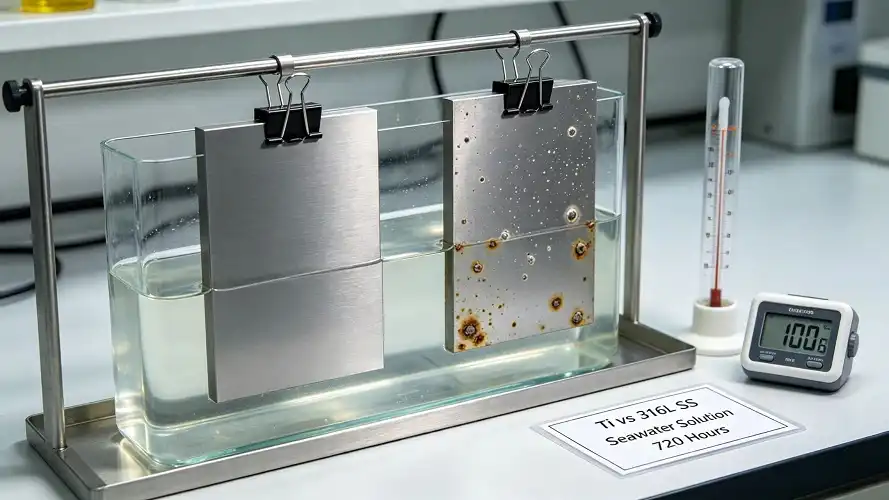
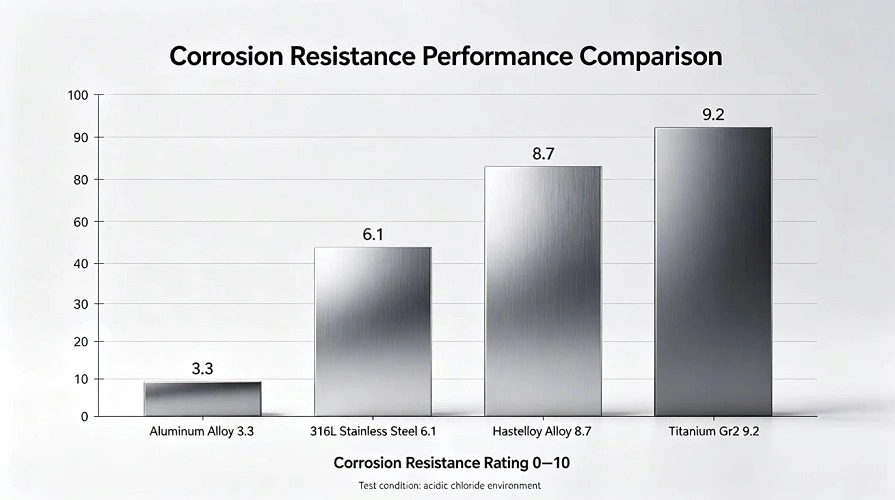
When purchasing materials, procurement experts should know how corrosion-resistant titanium sheets stack up against other choices like stainless steel, aluminium, nickel alloys, and metals that have been coated in plastic. Stainless steel costs less at first, but in marine and chemical environments, it cracks and pits because of stress corrosion caused by chloride. While grade 316L stainless steel can handle mild exposures, it quickly breaks down in hot chloride solutions and reducing acids, where titanium always works well.
While aluminium is good at resisting rust in neutral settings and has low density, it is not very strong when temperatures are high. Aluminium is not a good choice for chemical manufacturing jobs that use acids or alkaline solutions. Although nickel metals are very good at resisting rust in some chemical environments, they are much more expensive to make and aren't as strong for their weight.
Plastic-coated metals stop corrosion by creating a barrier, but there are worries about the covering wearing off, temperature limits, and changes to the metal's mechanical properties. Damage to the coating makes the base materials more vulnerable to attack, and thermal cycling separates the layers. Because titanium is resistant to corrosion throughout its full length, these failure modes are completely eliminated.
Cost-Efficiency and Long-Term Value
The way titanium works in different settings and situations shows why it's the best long-term investment, even though it costs more up front. When you look at the total cost of ownership over a period of time, including the cost of materials, labour for installation, upkeep, replacements, and lost time, titanium is always the best choice for challenging applications.
Chemical plants that replace their stainless steel heat exchangers every three years with titanium ones that last twenty years or more save a lot of money. Marine installations that don't need to maintain coatings or replace sacrificial anodes save money and make things more reliable. Aerospace applications that can reduce weight in a way that lowers fuel consumption over the life of the equipment generate returns that are much higher than the initial material premiums.
Selecting the Right Grade and Specification
Different grades of titanium have properties that are best for certain needs. Grade 2 commercially pure titanium is great for general corrosion applications and is easy to shape. It is made of grade 5 titanium alloy (Ti-6Al-4V), which makes structural aerospace parts stronger. Grade 7 titanium-palladium alloy makes it more resistant to rust in reducing acid conditions that are hard for grades that aren't alloyed.
When choosing a thickness, you have to weigh the mechanical strength needs against the weight and cost concerns. For pressure vessels, calculations find the minimum wall thickness needed to keep the process safe. For structures, these calculations find the best stiffness-to-weight ratios. For better quality, wider sheets don't need to be welded, and unique sizes keep material waste to a minimum during manufacturing.
Procurement Guide for Titanium Sheets
Supplier Evaluation and Certification Requirements
When buying corrosion-resistant titanium sheets, it's important to pay attention to the qualifications of suppliers and quality control methods. Manufacturers with a good reputation keep certifications like ISO 9001 for quality management and approvals specific to their business, like AS9100 for aircraft uses. It is important to have material test reports that show the chemical make-up, mechanical properties, and compliance with standards like ASTM B265.
Established providers show they know how to handle titanium by working in the field for decades and having a track record of success in a wide range of uses. The fact that the company can source raw materials, do hot rolling, heat treatment, and have full testing labs as part of its manufacturing capabilities shows that it has vertical integration, which improves quality control and delivery reliability.
Understanding Pricing Dynamics and Order Quantities
Material grade, thickness, width, length, surface finish, and order volume are some of the things that affect the price. Pure titanium grade 2 costs less than mixed grades like grade 7 or grade 12 that have palladium or other metals added to them. Prices are higher for thicker sheets because they require more raw materials and are harder to work with. Standard sizes are cheaper than unique sizes that need to be made in large quantities.
Larger orders usually get price breaks at metric tonne sizes, which are called volume savings. When purchasing managers try to balance the costs of keeping supplies with lower unit prices, combining needs from several projects can help. Different suppliers have different minimum order quantities, but for standard products, they are usually a few hundred kilograms. For custom specifications, they can be full mill production runs.
Lead times depend on how quickly you can get the materials and how they need to be processed. Items in stock that are in common grades and sizes can be shipped within days. However, items made to order need to be scheduled for production, which can take up to a few weeks. Building relationships with suppliers and keeping large stock levels allows for flexibility in case of urgent needs, while planned purchases work with normal production cycles.
Streamlined Ordering and Technical Support
Professional suppliers offer technical advice that helps engineers choose the best grades and specifications for each job. This service lowers the risks of making mistakes when choosing materials and finds chances for value engineering. Custom quotes that are tailored to specific needs help with accurate budgeting and planning projects.
After-sales support that includes fitting tips, manufacturing suggestions, and troubleshooting help adds value beyond just delivering the product. Suppliers that care about their customers' success put money into expert teams that can handle difficult application problems and make sure customers are happy with the results.
Logistics management, which includes foreign shipping, customs paperwork, and coordinating deliveries, makes buying things easier for businesses that do business around the world. Reliable suppliers take care of these issues professionally, making sure that materials arrive on time and in the right condition.
Conclusion
Titanium strips are the best when it comes to resistance to corrosion, mechanical performance, and long-term value for important industry uses. Procurement experts can make choices that are good for both performance and cost by knowing their properties, comparing options in an unbiased way, and choosing qualified sources. Corrosion-resistant titanium sheets are a great material for situations where failure is not an option and dependability is very important because it is light, strong, and don't react badly to harsh environments.
FAQ
1. How effective is titanium against harsh chemical environments?
When combined with palladium or ruthenium, titanium is very resistant to oxidising acids, neutral solutions, and many reducing acids. Chlorides, nitric acid, chromic acid, and organic acids can't damage the self-healing oxide layer. In grades 7 and 12, students learn about reducing conditions that include weak sulphuric and hydrochloric acids, which aren't always possible with commercially clean grades.
2. Which titanium grades offer the best corrosion resistance?
In reducing acid environments, Grade 7 (Ti-0.2Pd) and Grade 12 (Ti-0.3Mo-0.8Ni) are better at resisting corrosion. Grade 2 commercially pure titanium works well for most general tasks. When it comes to structural uses, Grade 5 (Ti-6Al-4V) is very strong and doesn't rust in oxidising settings. The choice is based on the chemicals that will be used and the mechanical needs.
3. What maintenance do titanium sheets require compared to other metals?
Titanium doesn't need as much upkeep as carbon steel or stainless steel. Stainless steel needs to be checked regularly for pitting and stress corrosion cracks, while carbon steel needs protective coatings and cathodic protection. Cleaning on a regular basis to get rid of deposits makes sure that the oxide film forms evenly. The inactive layer that heals itself gets rid of the need for coating upkeep and sacrificial anode replacement, which are tasks that other materials have to do.
Partner with Jucheng Titanium for Premium Corrosion-Resistant Solutions
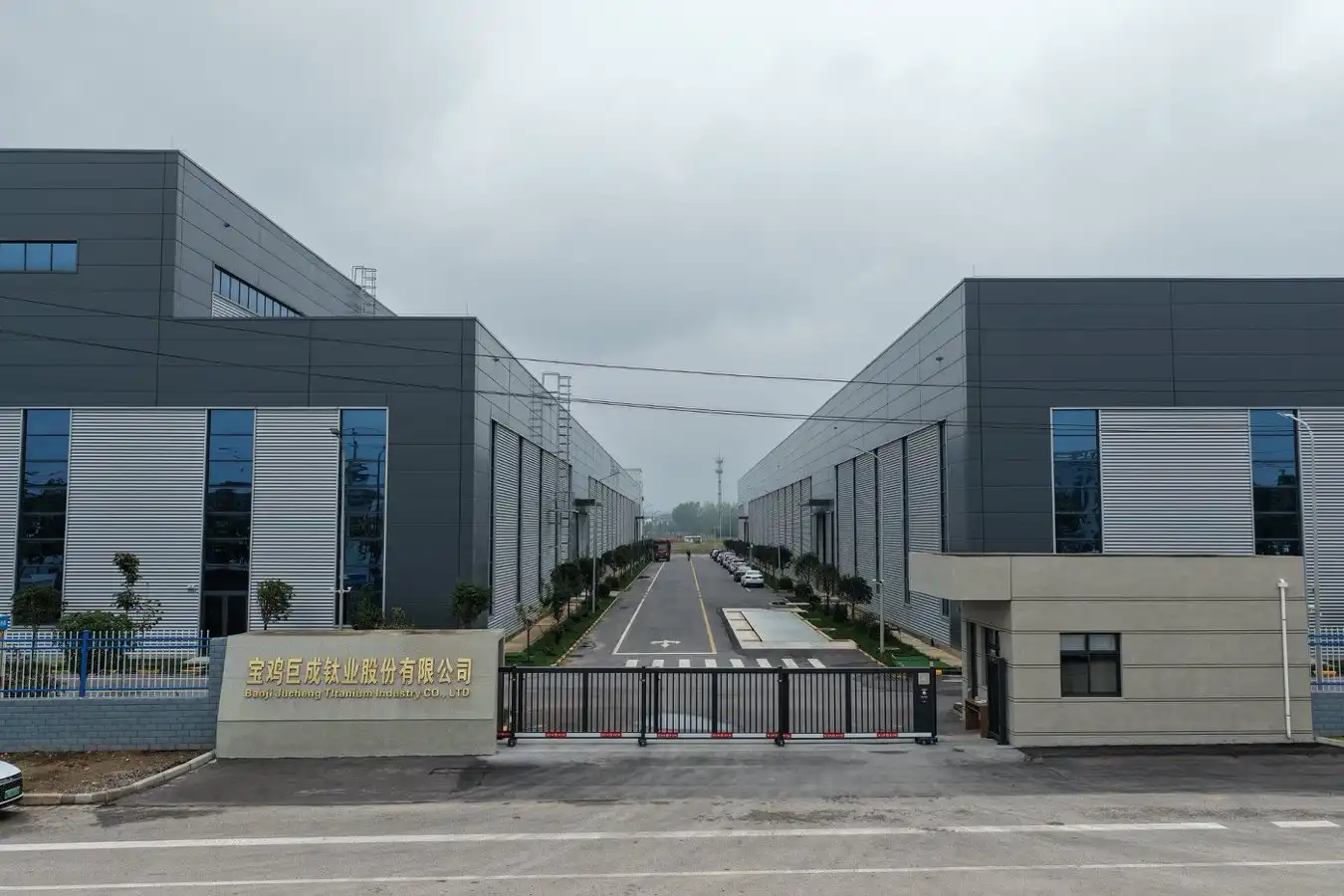
With corrosion-resistant titanium sheet products that meet the high standards of the aerospace, chemical processing, and marine industries, Jucheng Titanium has more than 20 years of specialised manufacturing experience. Our certifications to ASTM B265, ASME SB265, and AMS 4911 standards make sure that the integrity of the materials we use in important projects. We are reliable when projects need immediate response or long-term supply because we keep 3,000 tonnes of inventory on hand all year and can make more than 500 sets of equipment every year. Our expert team works with procurement professionals to choose the best grades and sizes, and we offer full after-sales help to make sure the job is done right. Get in touch with our experts at s4@juchengti.com to talk about your needs with a reliable provider of corrosion-resistant titanium sheet who cares about quality, customisation, and customer satisfaction.
References
1. Boyer, R., Welsch, G., & Collings, E.W. (1994). Materials Properties Handbook: Titanium Alloys. ASM International, Materials Park, Ohio.
2. Schutz, R.W. & Thomas, D.E. (1987). Corrosion of Titanium and Titanium Alloys. In Metals Handbook, 9th Edition, Volume 13: Corrosion. ASM International.
3. ASTM International (2015). ASTM B265-15: Standard Specification for Titanium and Titanium Alloy Strip, Sheet, and Plate. West Conshohocken, Pennsylvania.
4. Donachie, M.J. (2000). Titanium: A Technical Guide, 2nd Edition. ASM International, Materials Park, Ohio.
5. Cotton, J.D. (1991). Titanium Alloys for Elevated Temperature Service. Advanced Materials and Processes, Volume 140, Issue 5.
6. Sedriks, A.J. (1996). Corrosion Resistance of Titanium in Chemical Process Industries. In Corrosion of Stainless Steels, 2nd Edition. John Wiley & Sons, New York.