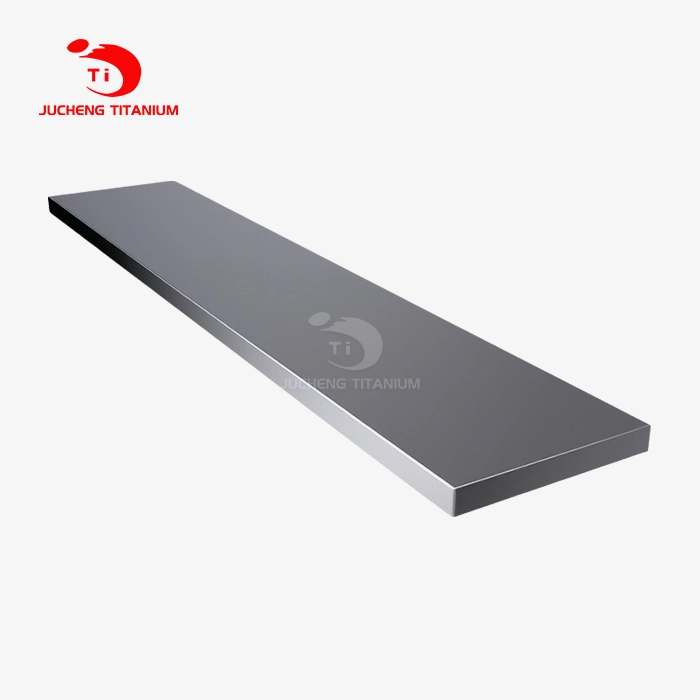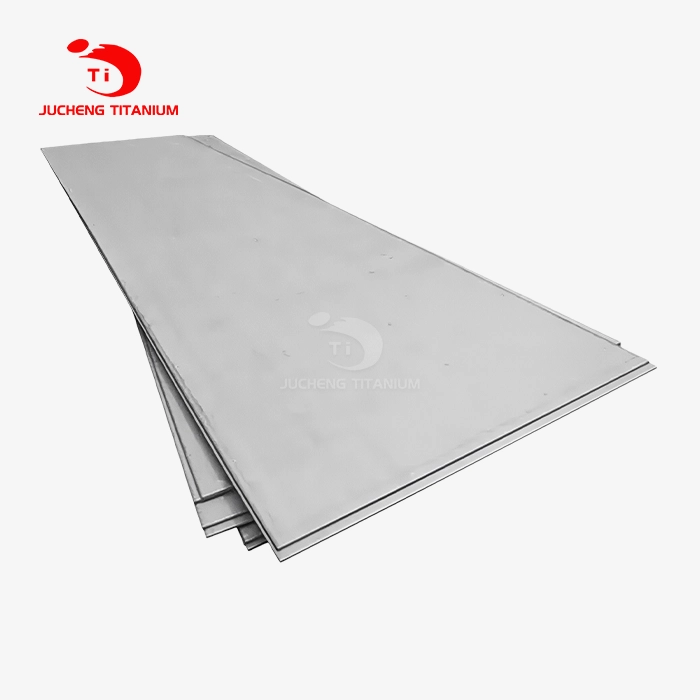

What is the difference between a Grade 1 and a Grade 4 titanium plate?
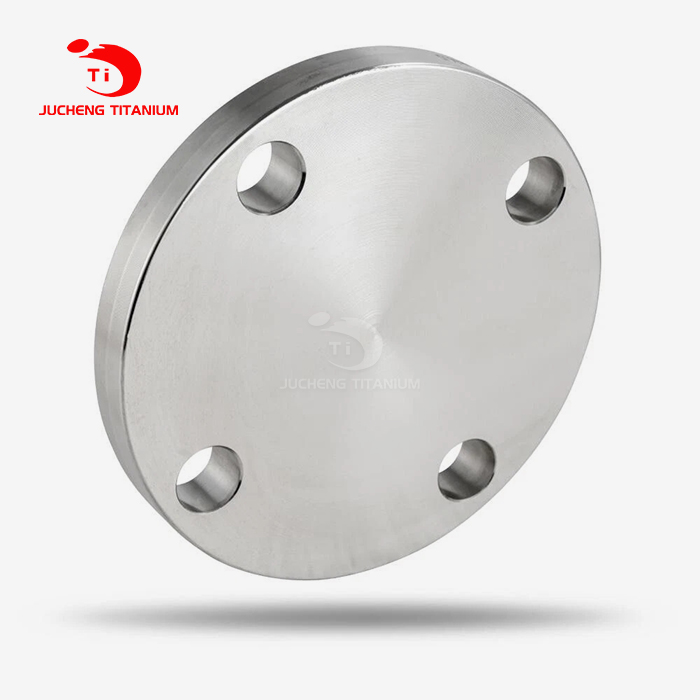
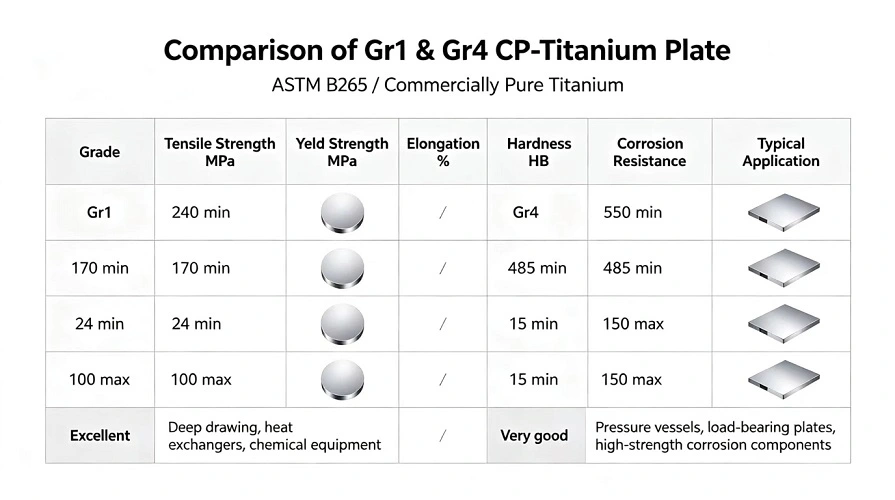
Picking the correct titanium type can mean the difference between a successful job and one that fails and costs a lot of money. When engineers, purchasing managers, and material distributors have to choose between Grade 1 and Grade 4 titanium plates, they're making choices that affect how easy it is to make things, how long the equipment lasts, and the total cost of ownership. Grade 1 titanium plate is the softest and most ductile commercially pure titanium. It has very little oxygen and iron in it (usually less than 0.18% oxygen and 0.20% iron), which makes it very easy to shape in harsh chemical environments and complex geometries. Grade 4, on the other hand, has higher amounts of oxygen and iron, which raise its tensile strength to about 550 MPa compared to Grade 1's 240 MPa. This makes it the strongest available pure titanium variety while still maintaining great corrosion resistance.
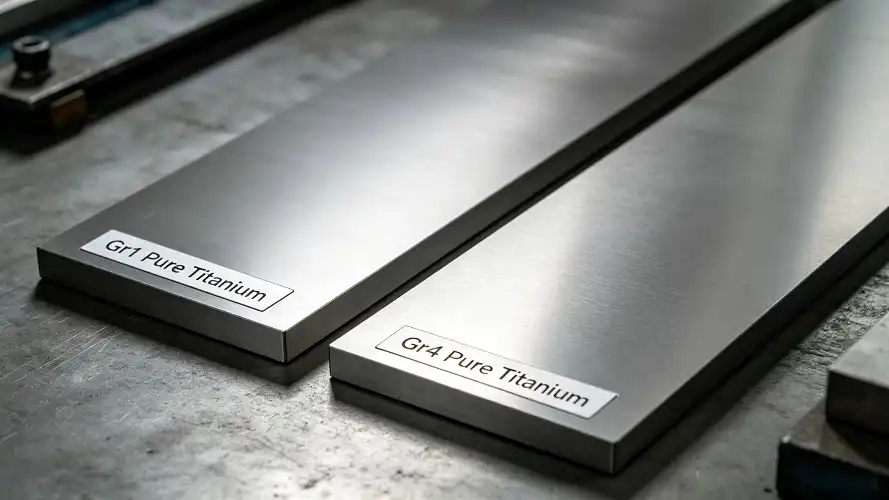
Understanding Grade 1 and Grade 4 Titanium Plates
Even though both Grade 1 titanium plates and Grade 4 titanium plates are made from commercially pure titanium, they behave differently because of how they were made and what materials they are made of. These differences come from the fact that controlled amounts of intermediate elements are added during production, which is governed by ASTM B265 and ASME SB265 standards.
Chemical Composition Fundamentals
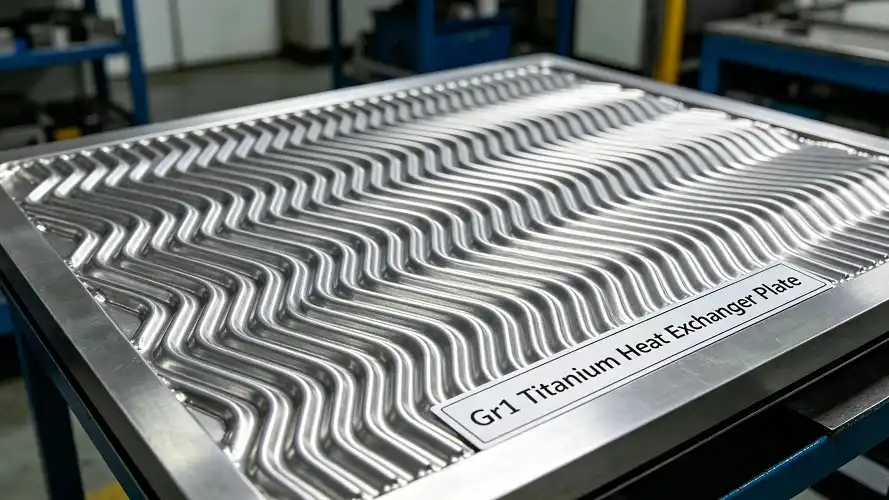
Grade 1 has the least amount of interstitial content of all the CP grades. This helps it keep its alpha-phase microstructure and makes it better at cold-forming. When making plate-and-frame heat exchangers with complex corrugations, this mixture is very helpful because it lets the material go through deep drawing, severe bending, and rapid bonding without breaking or cracking along the edges.
Controlled amounts of oxygen and iron in Grade 4 make the material stronger through solid solution hardening processes. This method raises the yield strength to around 480 MPa while keeping the self-healing titanium dioxide passive film that protects against pitting corrosion in chloride-rich settings. Even though Grade 4 costs a little more per kilogram, the higher strength directly leads to thinner wall sections in pressure vessels and structural parts, which lowers the cost of materials.
Manufacturing Process Variations
Both grades go through the hot rolling, heating, levelling, pickling, and surface finishing steps, but the production conditions are very different. To keep Grade 1 from work hardening and losing its unique flexibility, it needs to be deformed more slowly while it is being rolled. The annealing temperatures and hold times are set so that the microstructure fully recrystallises. This restores elongation properties that are higher than 24% in standard tensile tests.
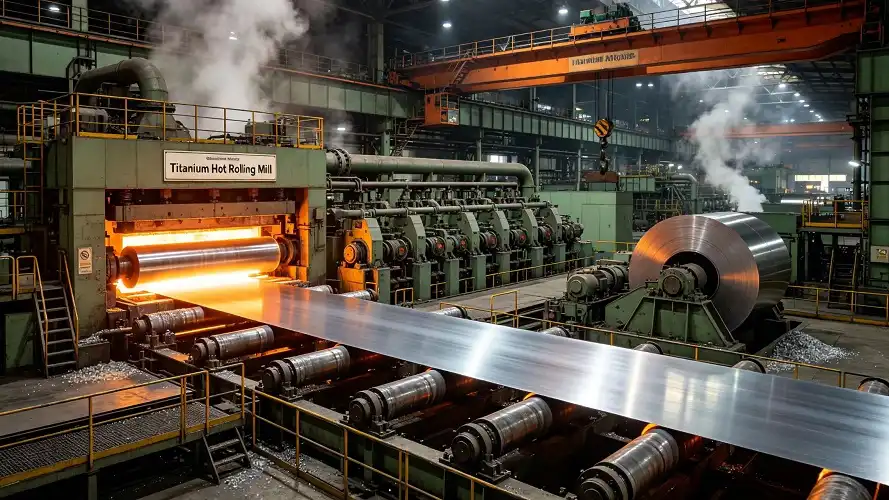
Because it is naturally strong, Grade 4 can handle more severe reduction plans when it is hot-rolled. The melting process for Grade 4 strikes a balance between keeping the strength and relieving stress. This makes plates that can be machined accurately and keep their shape while they are being welded. Different levels of hardness must be taken into account when treating the surface, whether it is polished, machined, or acid pickled. For example, Grade 4 needs carbide tools and the best cutting settings to reach certain levels of surface sharpness.
Key Differences in Properties and Performance
Knowing how Grade 1 and Grade 4 work in real life helps procurement teams match the capabilities of materials to the needs of applications. These differences go beyond just comparing strengths; they also affect how much something costs to make and how long it will last.
Mechanical Strength and Formability
The difference in material properties between these grades is more than just a number on a data sheet; it limits what can be made and how it can be designed. The minimum tensile strength of grade 1 titanium plate is 240 MPa, and it can stretch a lot. This lets fabricators make complicated shapes by stamping, hydroforming, and spinning it, which would break harder grades. When making large-diameter rounded heads or highly corrugated plates, where the material needs to stretch a lot without tearing, this formability is very important.
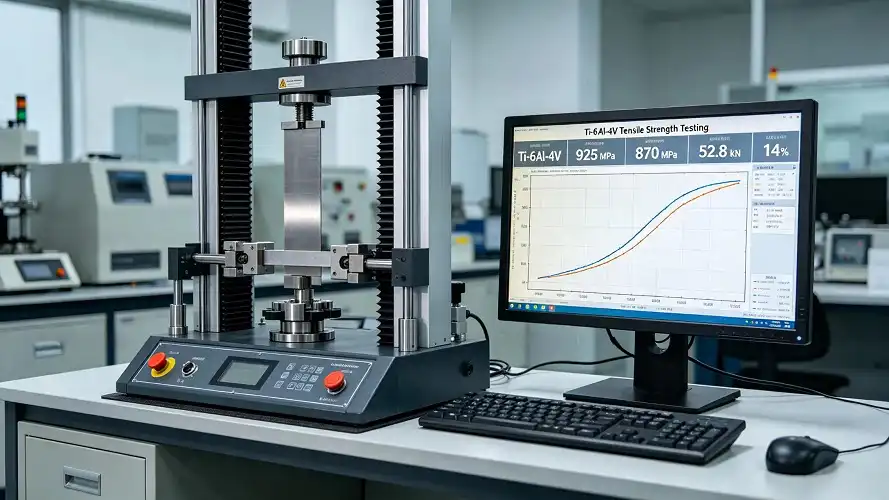
Grade 4 is the best available pure titanium grade. Its tensile strength is over 550 MPa, and its yield strength is around 480 MPa. Because of its higher strength, it is possible to make aircraft braces, load-bearing frames, and pressure tank shells lighter without affecting their structural integrity. The trade-off is that it has less elongation (15–24%) compared to Grade 1, which means it can't be used for heavy forming, but is still good for modest bending and normal manufacturing methods.
Corrosion Resistance Across Environments
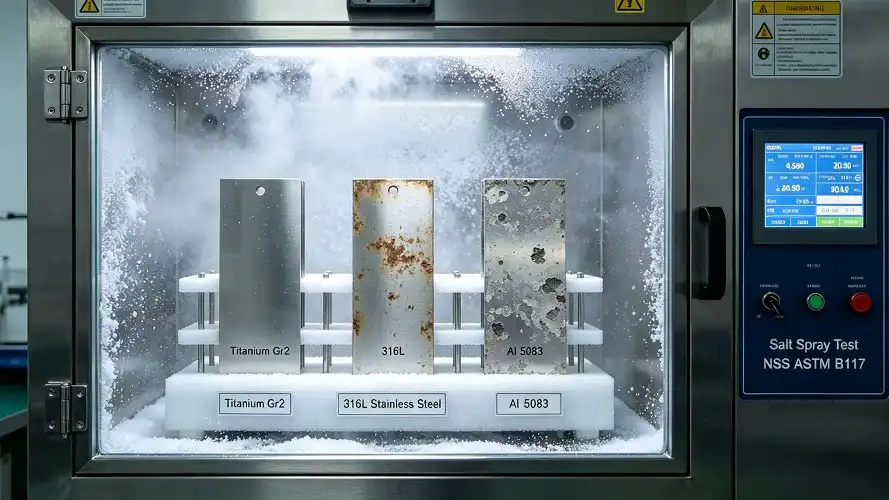
The stable titanium dioxide passive films on both grades make them very resistant to corrosion, but when exposed to certain chemicals, they show small differences in how well they work. Grade 1 works great in hot, concentrated chloride solutions and settings that are acidic, where even small amounts of metal can cause localised attack. Because it is so pure, it is the best choice for chlor-alkali electrolysers, cells that make sodium chlorate, and flash evaporation desalination chambers that work above 80°C.
Grade 4 has great general corrosion resistance in most industrial settings and even better erosion-corrosion resistance in fluid streams moving quickly. The slightly higher strength helps protect against mechanical damage from solids that get stuck in slurries and particles that float in process fluids. This makes the material last longer in chemical reactors, condensers, and pipeline systems that deal with rough materials. Stress corrosion cracking doesn't happen in either grade in salt conditions, where austenitic stainless steels fail horribly.
You can email us at s4@juchengti.com with your requirements and find out how Jucheng's low prices, fast delivery from stock, and full after-sales service can help you reach your procurement goals.
Weldability and Joint Performance
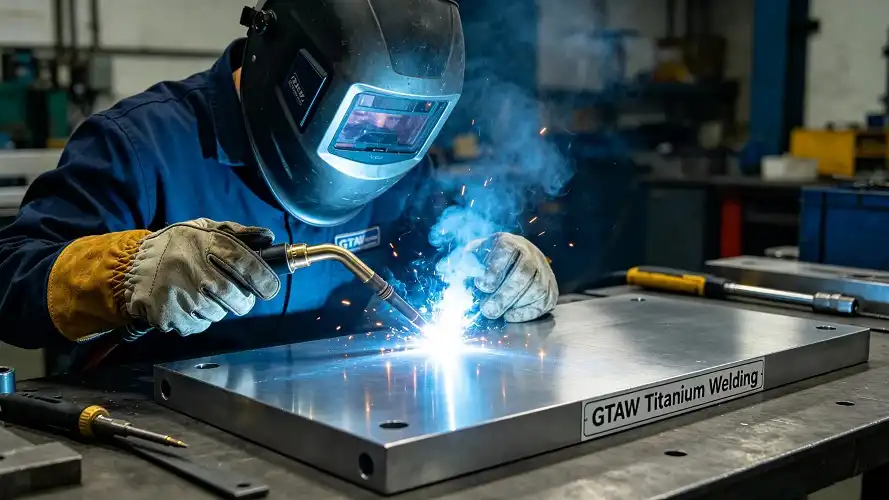
The way titanium parts are welded has a big effect on how much they cost to make and how reliable they are over time. Grade 1 titanium is the easiest to weld because it can handle a wider range of parameters during gas tungsten arc welding (GTAW) and creates ductile weld zones without the need for post-weld heat treatment. The soft base metal can handle thermal stresses during cooling, which keeps large fabrications from warping and lowers the number of rejects caused by cracks.
Grade 4 can be reliably welded using standard titanium welding methods, but parameters need to be controlled more closely to keep heat-affected areas from getting too hard. The stronger base metal makes the welded joints stronger, often meeting or beating the strength of the Grade 1 parent material. This is good for building pressure vessels and structures. Weld preparation and fit-up limits are the same for all grades, but Grade 4 is less flexible, so joint design needs to be more careful to avoid stress concentrations.
Applications and Industry Use Cases
Applications in the real world show how Grades 1 and 4 help engineers solve different problems in fields ranging from chemical processing to aircraft manufacturing. These tried-and-true use cases help choose materials by linking their qualities to how well they work.
Chemical Processing and Petrochemical Equipment
Grade 1 titanium plate is mostly used in chemical processes where harsh conditions for corrosion and complicated shapes are present. Plate-and-frame heat exchangers work better with Grade 1 because it can make highly stamped corrugations that don't crack. This increases the surface area for heat transfer in services that use hot brine, organic acids, and chlorinated hydrocarbons. Clad reactor vessels use Grade 1 as the liner, which is resistant to rust and is explosively attached to a carbon steel backing. This protects against chemicals at a much lower cost than solid titanium.
Grade 4 is used in the chemical and petroleum industries, where it is subjected to both mechanical stress and acidic conditions. Grade 4 is strong enough to meet the stress requirements of the ASME Code even in thinner sections for pressure vessel shells, thick-wall reactors, and large-diameter pipe systems. This extra strength cuts the weight of the materials by 20 to 30 percent compared to Grade 1 designs. This lowers the cost of shipping and the weight on the foundations for setting up big pieces of equipment.
Aerospace and Defense Components
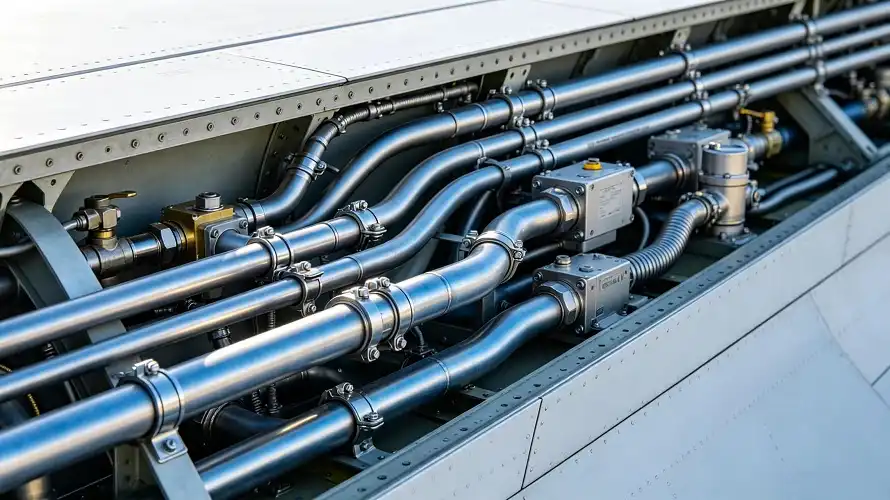
Grade 1 isn't used much in aerospace because it's not very strong, but it is used in certain situations, like for lightning strike protection strips and sacrificial corrosion barriers, where flexibility is more important than strength. Grade 4 is used more in aircraft for non-structural parts, hydraulic system tubes, and secondary structures because it is stronger and lighter than stainless steel, and it can still be used with more advanced titanium alloys like Grade 5.
Defence companies require Grade 4 for marine hardware, fasteners, and hull penetrations on military ships where modest strength needs are combined with protection against corrosion in salt water. The material has been used successfully in submarine parts and shipboard heat exchangers, which gives military users confidence in its ability to last for decades without any maintenance.
Medical Device Manufacturing
Grades 1 and 2 are mostly used in medical-grade applications for surgical tools and some implantable devices that need to be biocompatible and not corrode in body fluids. Trace element contact is kept to a minimum with Grade 1, but most load-bearing implants use higher grades or titanium alloys. Grade 4 is sometimes used in the frames and housings of medical equipment and instruments because it is strong enough to reduce the size of parts while still being safe for MRIs and sterilisation.
Procurement Considerations for B2B Buyers
To find commercially pure titanium plates, you have to balance the material requirements with the facts of the supply chain, quality paperwork, and the total cost of landing the plates. Strategic procurement practices are what set successful projects apart from ones that go over budget and are late on delivery.
Pricing Structures and Cost Drivers
Due to stricter compositional controls and lower production volumes, Grade 1 usually costs 10-15% more than Grade 2. Grade 4 prices are somewhere between Grades 2 and 5, but this depends on the market. Mill surcharges for special sizes, finishes, and small lot sizes can add 20–40% to base prices. For wholesalers who keep inventory, common plate sizes are a good way to save money. Tiered pricing systems are often unlocked by making a volume promise. For example, annual agreements save 8–12% compared to spot sales.
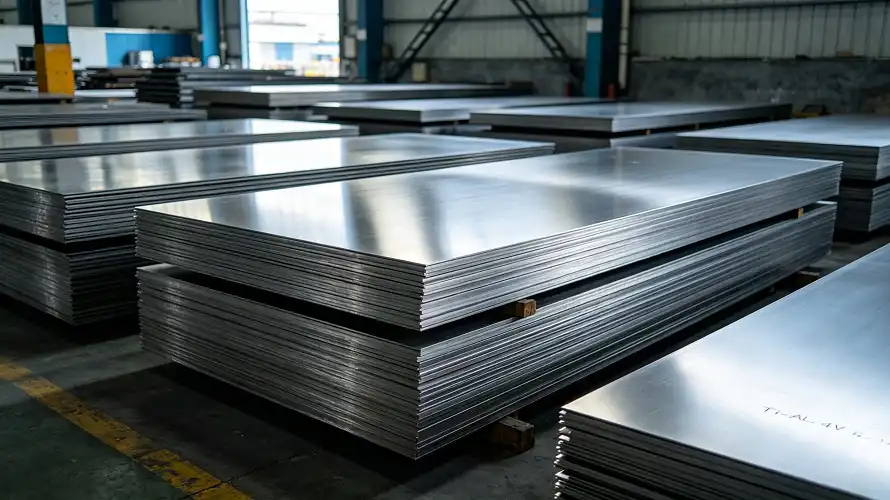
Lead times are very different depending on the grade that is needed and the level of customisation that is required. Standard Grade 4 plates in common sizes (thickness 4mm–80mm, width 950–2500mm, length up to 10000mm) usually ship within 4–6 weeks from reputable suppliers who keep stock. However, it can take 12–16 weeks for custom compositions or non-standard sizes that require mill-direct production runs. Because Grade 1 isn't as popular, wait times are usually longer unless you order from a source like Jucheng Titanium, which keeps about 3,000 tonnes of different grades in stock to support fast delivery.
Quality Certifications and Traceability
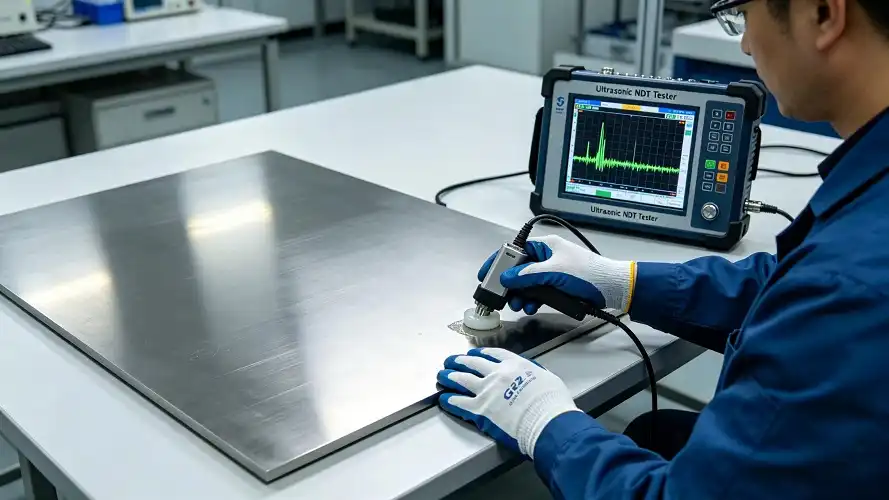
Reliable titanium plate providers give full mill test results that include records of the material's chemical composition, mechanical properties, and heat treatment, so that the whole process can be tracked. ASME SB265 approval allows pressure vessel code stamping, and ASTM B265 and AMS 4911 compliance certificates make sure that the product meets aircraft and military standards. Third-party inspection services, such as ultrasonic testing for internal gaps and measurement verification, give more trust in important uses where material flaws could lead to catastrophic failures.
In medical, aerospace, and nuclear applications, full material pedigrees are required from the delivery of the raw sponge all the way through to the final grade 1 titanium plate product. This means that more documentation is needed. Suppliers with ISO 9001 quality systems and AS9100 aircraft certifications show that their companies are dedicated to quality management. These suppliers lower buying risk by using processes that can be audited and methods for corrective action.
Supplier Selection Criteria
It's not enough to just compare prices when looking for a titanium plate supplier. You also need to look at technical support, the ability to make changes, and service after the sale. Experienced sellers offer technical help when choosing materials, which helps buyers balance performance needs with budget limits and avoid over-specification that drives up costs needlessly. Custom processing services, like water jet cutting, CNC machining, and precise grinding, make supply lines more efficient by sending finished parts instead of raw plates that need extra work.
When projects are on a tight plan or demand predictions aren't clear, the inventory range is very important. When suppliers keep a lot of different grades in stock (Gr1, Gr2, Gr4, Gr5, Gr7, Gr9, Gr12), they can quickly meet buyers' changing needs without causing them to place mill orders with long wait times. Reliable delivery is ensured by close proximity or well-established export transport networks. This is especially true for buyers from other countries who have to deal with customs clearance and international freight coordination.
Making the Right Choice: Grade 1 or Grade 4 Titanium Plate?
Choosing the right material depends on the needs of the application, and there isn't a single grade that meets all of those needs perfectly. This choice framework looks at important factors that affect procurement strategy in a planned way.
Application-Driven Selection Logic
If the production process includes heavy shaping steps like deep drawing, explosive bonding, or complex pressing, Grade 1 is the best choice because harder grades would break during processing. The ultra-pure makeup of Grade 1 works best in places with reducing acids, hot brines above 80°C, or chloride amounts above 100,000 ppm. Budgets for slightly higher material costs are balanced out by the fact that failures in forming are no longer a problem, and the service life is extended in harsh corrosion conditions.
Choose Grade 4 when the design needs the strongest titanium that can be bought, which lets you make smaller parts that use less material and weigh less. Grade 4 is strong enough that it doesn't need special tools for applications that only need mild shaping using normal fabrication methods. Projects that need to save money, like Grade 4, because it has a better strength-to-price ratio than titanium alloys. This is especially true when corrosion protection standards rule out stainless steel options.
Cost-Benefit Analysis Framework
The price of materials, the time it takes to make something, how long the equipment lasts, and how often it needs to be maintained are all parts of the total cost of ownership. The ease of forming Grade 1 cuts down on manufacturing labour and tool wear in pressing processes. This could help cover higher material costs by making production more efficient. When the strength is lower, the parts that are needed are larger, which increases the weight of the material and might mean that stronger support structures are needed.
Because Grade 4 is stronger than Grade 1 designs that meet the same stress criteria, the weight can be cut by an average of 25%. Even though they cost a little more per kilogram, thinner plates lower the cost of materials, while lighter structures lower the cost of shipping and the amount of tools needed for installation. The balance leans toward Grade 4 when design is based on strength and toward Grade 1 when standards are based on rust severity or formability.
Technical Support and Custom Solutions
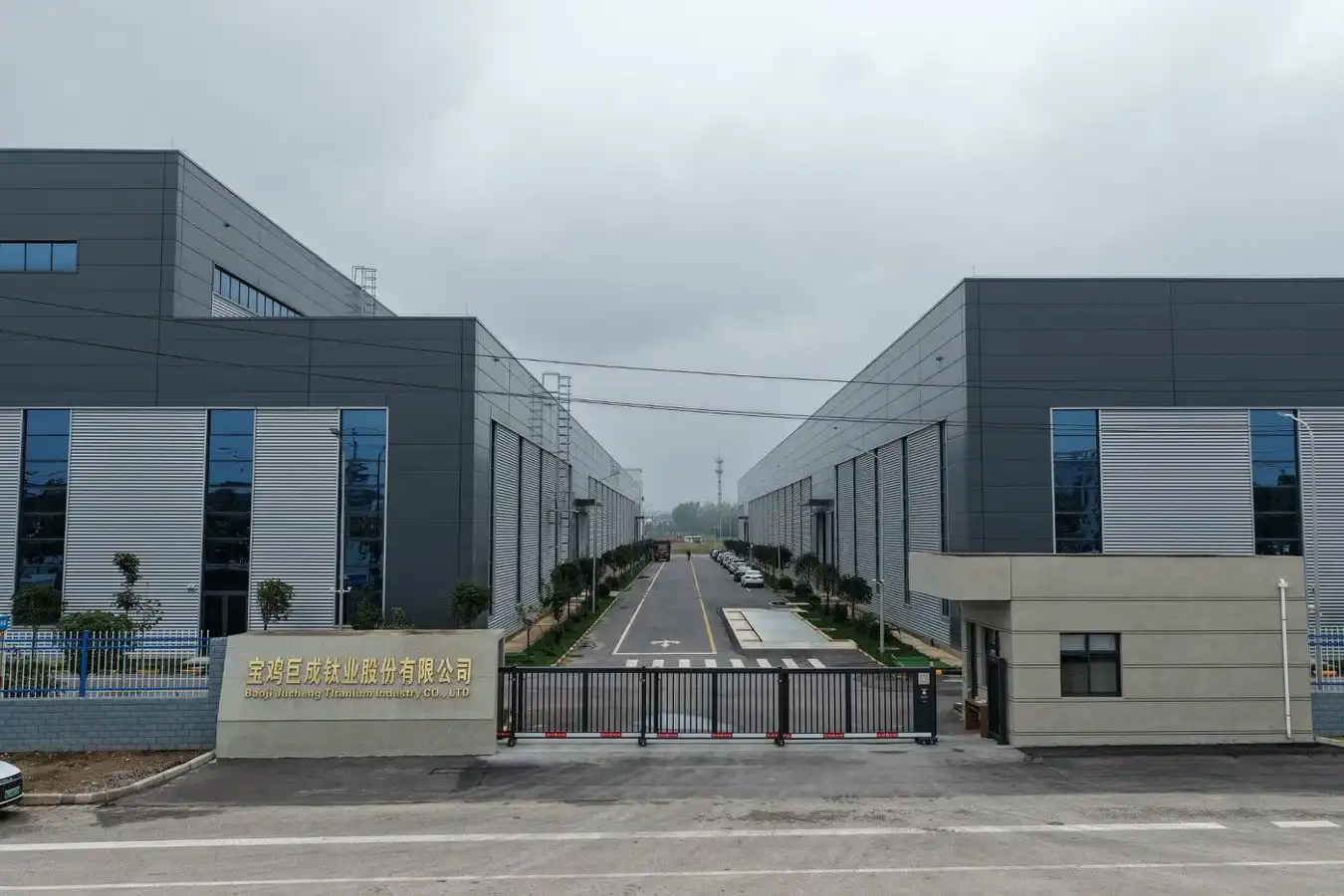
Supplier partnerships that offer engineering collaboration in addition to selling basic materials are good for complex applications. This all-around method is shown by Baoji Jucheng Titanium Industry Co., Ltd, which has over 20 years of experience in the titanium business, can do special processing, and has a large inventory. Their technical team helps them choose the right materials, make the best use of the manufacturing process, and come up with quality control standards that make sure the specs are followed. With 120,000 square meters of production space and 50 million RMB in listed capital, Jucheng has the size and means to support projects from the first prototype to mass production.
Custom sizing services can handle special dimension needs like different thicknesses, non-standard widths, or tight tolerances, without making buyers buy oversize plates that need a lot of extra work. Surface treatment choices, such as polished, machined, or acid-pickled finishing, make parts that are ready to install and make assembly faster. This ability to customise is especially useful for OEM makers and equipment installers, for whom standard plates are inefficient.
Conclusion
The changes between Grade 1 titanium plates and Grade 4 titanium plates have a big effect on how well they work in chemical processing, aerospace, medicine, and industrial tools. Grade 1 is very easy to shape and has an ultra-pure composition that makes it useful in harsh corrosion environments that need complex geometries. Grade 4 is stronger and lighter, but still has great corrosion resistance. When you do good procurement, you weigh these technical differences against the needs of the project, the supplier's skills, and the total cost of ownership. Certification of materials to ASTM B265 and ASME SB265 standards ensures quality and traceability. Working with experienced suppliers in a partnership setting reduces supply chain risks by providing engineering support and stock availability, ultimately resulting in the best performance and value for a wide range of industrial uses.
FAQ
1. Can a Grade 4 titanium plate be used in aerospace applications?
In aircraft, Grade 4 is used for things like hydraulic tubes, fasteners, and secondary structural parts where its strength-to-weight ratio is higher than that of stainless steel. But aircraft sections that carry most of the weight usually need stronger titanium alloys, such as Grade 5 (Ti-6Al-4V), which have tensile strengths above 900 MPa. Specifications for buying aerospace parts, like AMS 4911, cover commercially pure grades that can be used in certain situations.
2. How do Grade 1 and Grade 4 compare to stainless steel in corrosion resistance?
Both types of titanium work much better than austenitic stainless steels in chloride environments, hot brine services, and wet chlorine exposure, where stainless steels get pitting and stress corrosion cracking. The passive film of titanium stays stable over a wider pH range and at higher temperatures. This means that titanium equipment is immune to corrosion, which is what breaks down stainless steel equipment over time.
3. What are typical lead times for custom Grade 1 titanium plate orders?
Custom orders with non-standard dimensions or special testing usually take 8 to 14 weeks from mill production, but suppliers who keep a lot of stock on hand can cut delivery times by a lot. Jucheng Titanium keeps about 3,000 tonnes of different grades in stock. This lets them quickly meet standard and many custom requirements within two to four weeks, which helps clients meet tight project deadlines.
Partner with Jucheng Titanium for Your Grade 1 Titanium Plate Requirements
Choosing the right materials is only the first step in completing a project successfully. The end results depend on a stable supply, professional know-how, and full support. Jucheng Titanium has been in the titanium business for 20 years and has a lot of experience. They also have state-of-the-art working equipment and keep a large collection all year. We are a specialised and innovative national-level business with 4 invention patents and 41 application model patents. We offer custom Grade 1 titanium plates and Grade 4 titanium plate solutions that meet ASTM B265, ASTM F67, and ASME SB265 standards. Our production includes plates with thicknesses ranging from 4mm to 80mm, widths up to 2500mm, and lengths up to 10000mm. The plates can be hot-rolled, annealed, and finished with either a polished, machined, or acid-pickled surface. If you need a reliable source for Grade 1 titanium plates for chemical processing equipment, pressure vessels, or special fabrications, our expert team can help you from choosing the materials to making sure they get to you on time. You can email us at s4@juchengti.com with your requirements and find out how Jucheng's low prices, fast delivery from stock, and full after-sales service can help you reach your procurement goals.
References
1. American Society for Testing and Materials. "Standard Specification for Titanium and Titanium Alloy Strip, Sheet, and Plate." ASTM B265-20, West Conshohocken, PA, 2020.
2. Boyer, R., Welsch, G., and Collings, E.W. "Materials Properties Handbook: Titanium Alloys." ASM International, Materials Park, OH, 1994.
3. Donachie, Matthew J. "Titanium: A Technical Guide, 2nd Edition." ASM International, Materials Park, OH, 2000.
4. Schutz, R.W. and Thomas, D.E. "Corrosion of Titanium and Titanium Alloys." ASM Handbook Volume 13B: Corrosion Materials, ASM International, 2005.
5. Peters, M., Kumpfert, J., Ward, C.H., and Leyens, C. "Titanium Alloys for Aerospace Applications." Advanced Engineering Materials, Volume 5, Issue 6, 2003.
6. American Society of Mechanical Engineers. "Specification for Titanium and Titanium Alloy Plate, Sheet, and Strip for Pressure Vessels." ASME SB-265, New York, NY, 2019.