
What are the advantages of titanium alloy plates compared to other metal plates?
Titanium alloy plates offer a combination of exceptional strength-to-weight ratio, better corrosion resistance, and longer service life that traditional metals struggle to match when used as structural materials for mission-critical applications. Unlike aluminum, which rusts quickly in saltwater, or stainless steel, which makes things heavier, titanium plates are both strong and good at what they're supposed to do. Because they don't break down when exposed to high temperatures, harsh chemicals, or mechanical stress, they are the best choice for aircraft bulkheads, chemical reactor vessels, and offshore oil platforms where failure of the material is not an option.
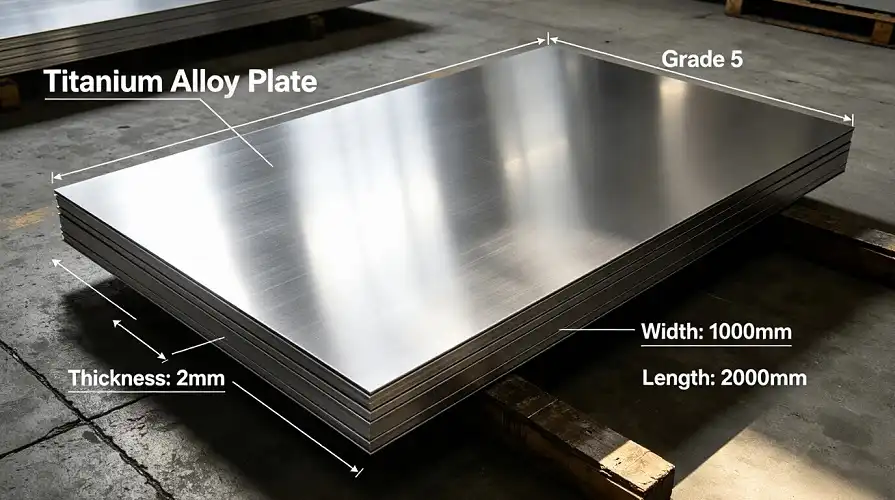
Understanding Titanium Alloy Plates
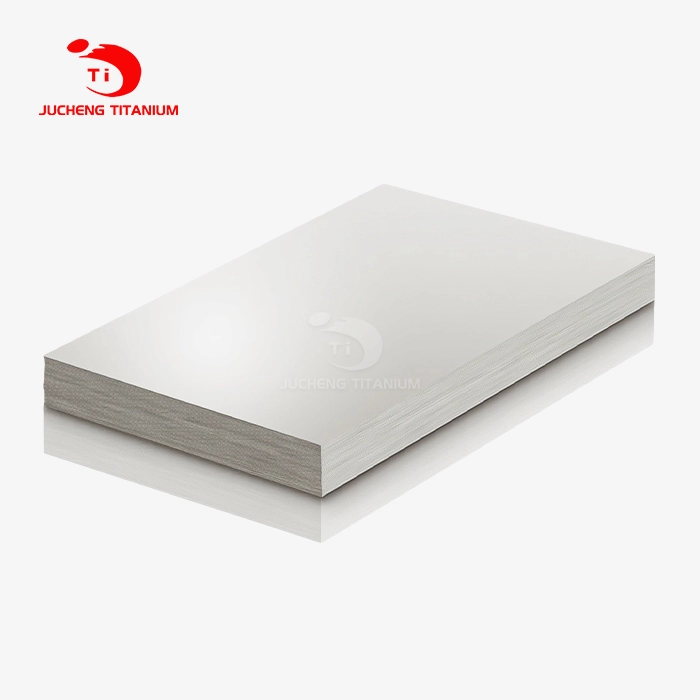
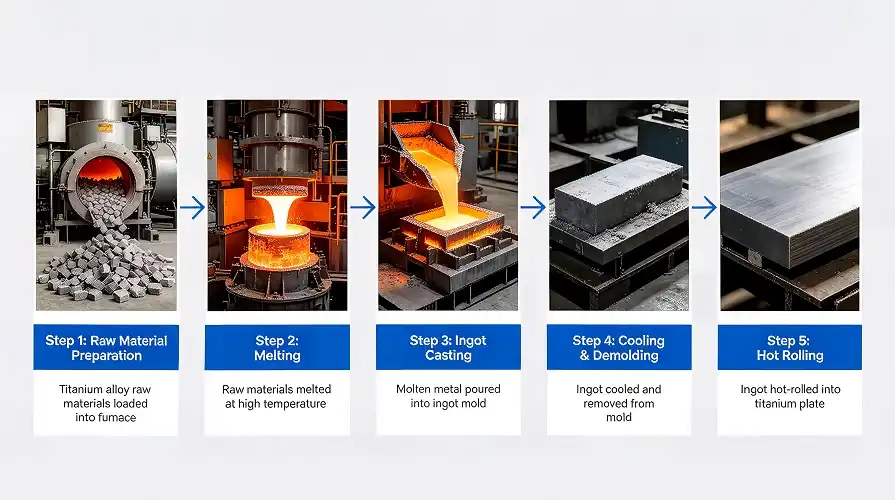
Titanium alloy plates are a type of high-performance flat-rolled metal product made by hot rolling titanium ingots that have been mixed with metals like molybdenum, zirconium, aluminum, and vanadium to make them stronger. Unlike pure titanium that you can buy in stores, these tailored materials have changed microstructures, often with alpha-beta phase ratios, that are meant to increase specific strength, thermal stability, and corrosion resistance all at the same time.
Composition and Grades Available
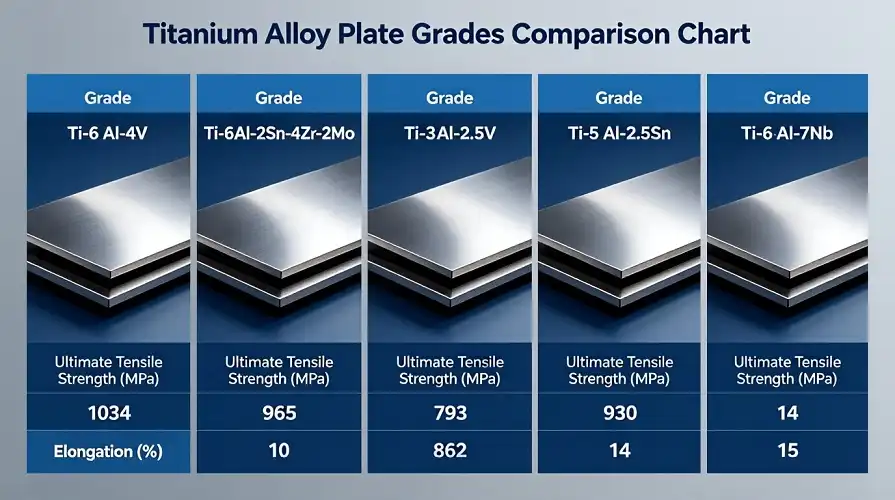
The most common types are Grade 2 (which is commercially pure and easy to shape), Grade 5 (which is Ti-6Al-4V, the workhorse metal with the best strength), Grade 7 (which has better corrosion protection for chemical processing), and Grade 9 (which is lighter than Grade 5). Different engineering needs are met by each grade. Grade 5, which has 6% aluminum and 4% vanadium, has tensile forces higher than 900 MPa while still being only 56% as dense as steel. This mix lets designers make parts that are about 45% lighter than steel versions of the same thing without lowering their load-bearing ability.
Manufacturing Standards and Specifications
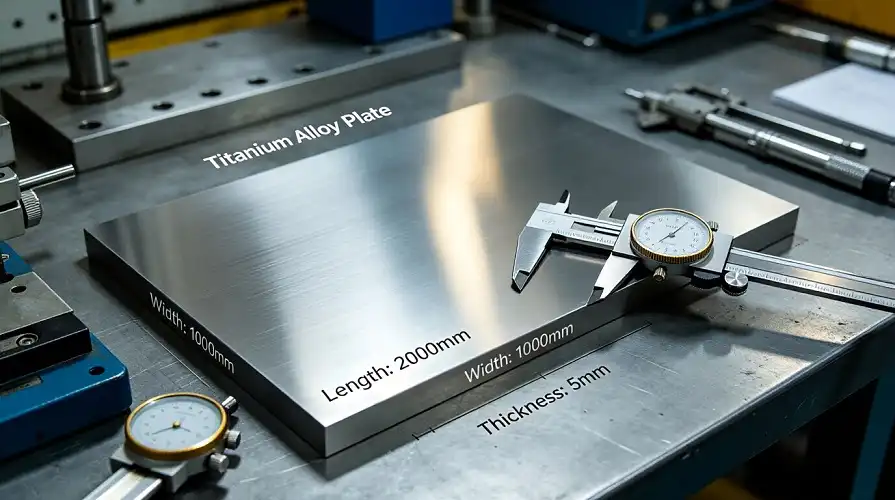
Production follows strict international standards like ASTM B265, AMS 4911, and ASME SB265. This makes sure that materials can be tracked and that performance is always the same. The thickness ranges from 4mm to 80mm, and the widths range from 950mm to 2,500mm. The lengths range from 950mm to 10,000mm. Custom size meets the needs of each job. The process of making these plates includes rolling, annealing, leveling, pickling, and finishing the surface. The result is annealed plates that can have their surfaces cleaned, machined, or acid-pickled, based on the needs of the application.
Key Physical Properties
The main benefit comes from the way they are physically. Titanium alloy plates have a mass of about 4.5 g/cm³, which is about 40% less than steel plates but has the same or even higher mechanical strength. Their elastic stiffness is very close to that of human bone, which means that biological implants don't have to protect against stress as well. The thermal expansion coefficients stay low, which keeps the size from changing too much when the temperature changes. Engineers can use these qualities to make structures that are lighter and more efficient without losing safety or structural integrity.
Titanium Alloy Plates vs Other Metal Plates: A Comparative Analysis
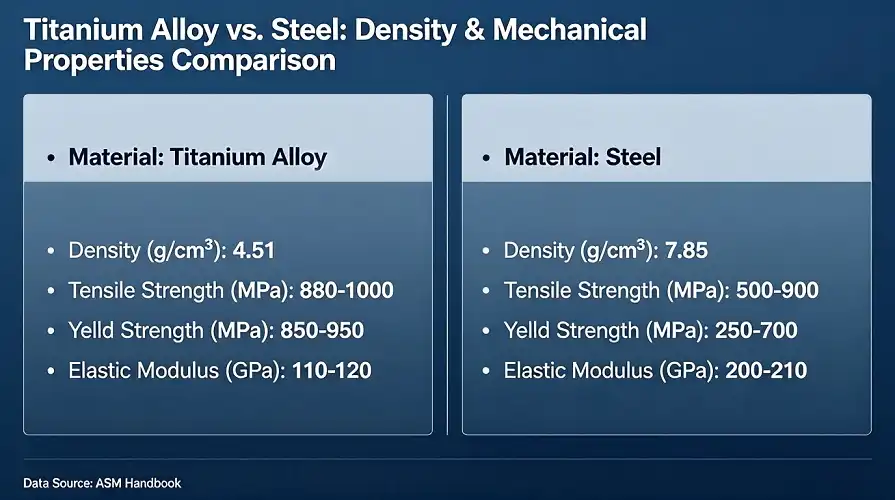
In challenging situations, the value of titanium alloy plates becomes clearer when you know how it compares to other materials. There are different trade-offs between cost, function, and durability for each type of metal.
Titanium vs Aluminum
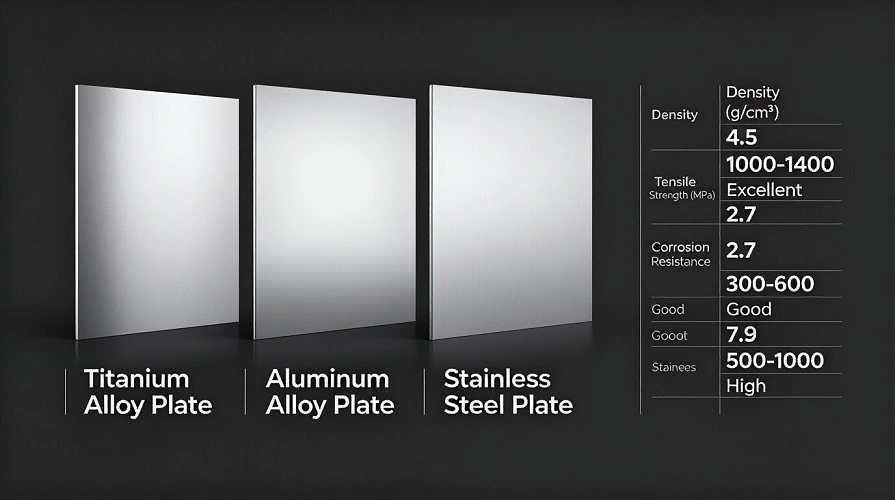
Aluminum alloys are good for non-critical uses because they are easy to machine and don't cost as much. On the other hand, aluminum experiences galvanic rusting in saltwater and has a much lower tensile strength—310 MPa for aerospace-grade aluminum compared to 900 MPa for Grade 5 titanium. Titanium is 60% stronger per unit mass than aluminum, but aluminum is lighter than steel. When used in marine or chemical settings, titanium has a lower lifetime cost than aluminum because titanium installations usually last longer than 20 years without breaking down. Aluminum parts need to be replaced every 5 to 7 years.
Titanium vs Stainless Steel
316L and other types of stainless steel are good at resisting rust and are cheaper to buy at first, but they are very heavy—nearly 75% heavier than titanium for the same strength. In aerospace uses, this difference in weight directly affects how much fuel an airplane will use over its entire life. In marine settings, chloride can cause pitting and crevice rust in stainless steel as well. Titanium, on the other hand, makes a stable, self-healing oxide layer that completely protects it from these failure modes. Another important difference is fatigue strength. Titanium performs better than stainless steel when loaded and unloaded repeatedly, which causes cracks to spread in stainless steel parts.
Titanium Alloy Plates vs Pure Titanium Sheets
Both are made from titanium, but alloy plates have strengthening parts that make their mechanical qualities much better. Pure titanium sheets (Grades 1-2) are the most resistant to rust and easy to shape, but they don't have the tensile strength needed for structures that hold weight. Alloy plates give up some resistance to rust in exchange for huge increases in strength—Grade 5 has almost three times the bending strength of Grade 2. There are also different choices for thickness. Plates are usually between 4mm and 80mm thick and are used for structural purposes. Sheets, on the other hand, come in smaller gauges and are better for cladding, heat exchanges, and low-stress parts.
Advantages of Titanium Alloy Plates in Key Industries
Titanium alloy plates are important in many industries because of their special mix of properties, which can have disastrous effects or high financial costs if they fail.
Aerospace and Defense Applications
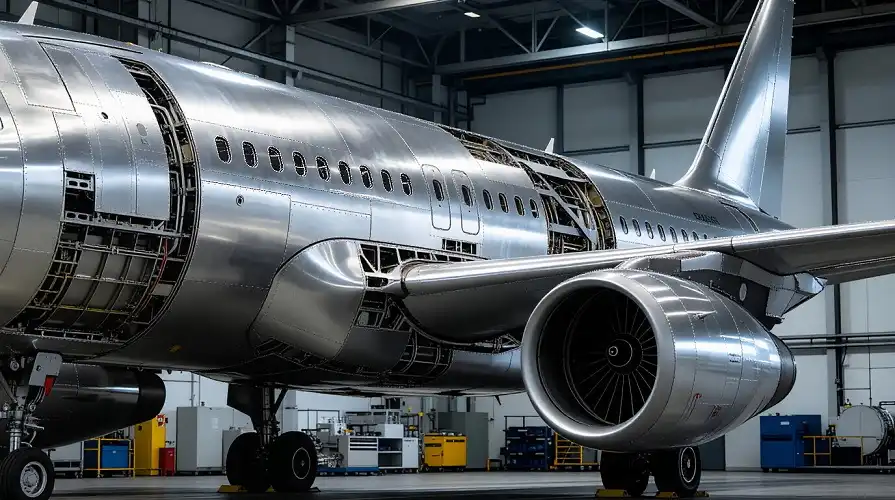
Titanium is used by aircraft makers for important structural bulkheads, wing skins, landing gear parts, and engine firewall shields. The material has to be able to handle high G-forces during movements, temperatures ranging from very cold fuel systems to very hot exhaust conditions, and tens of thousands of cycles of increasing and decreasing pressure over decades of use. Weight reduction directly improves fuel efficiency and payload capability. For example, replacing steel parts with titanium ones can cut the weight of an airframe by several hundred kilograms, which can save millions of dollars in fuel costs over the life of an airplane. Following the rules set by AMS 4911 and ASTM B265 guarantees the uniformity and traceability of materials needed for aircraft approval.
Marine and Chemical Processing
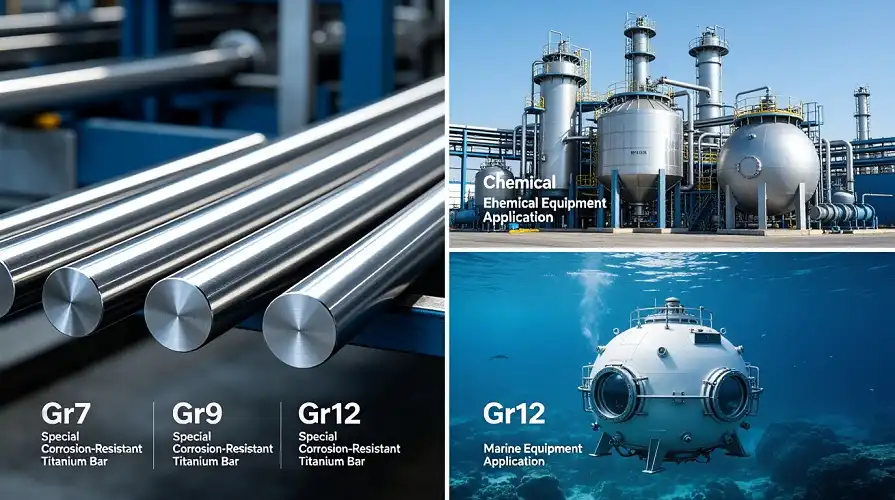
Some of the most corrosive settings you can imagine are used by offshore oil platforms, filtration plants, and chemical processing plants. Titanium can't be replaced for heat exchanger plates, reactor vessels, and pipe systems that deal with seawater, wet chlorine gas, or strong acids because it doesn't crack under chloride stress. Stainless steel parts pit and break after three to five years, but titanium systems keep working after 25 years or more with little upkeep. This longevity gets rid of the need for expensive unplanned shutdowns and replacement processes for parts. Even though a single titanium heat exchanger costs more to buy, it has a lower total cost of ownership because it lasts longer and requires less upkeep.
Medical Device Manufacturing
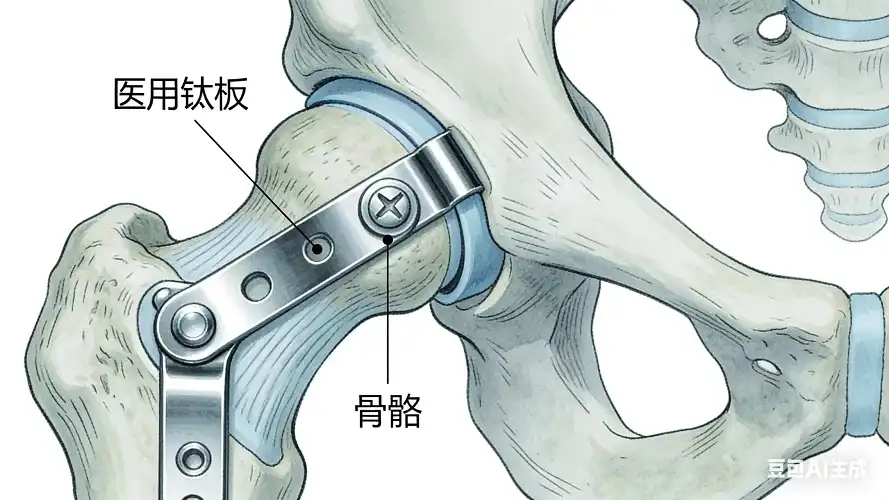
Titanium's biocompatibility and mechanical qualities are used by orthopedic implant makers to make fracture plates, joint replacement parts, and spine fusion devices. The material's elastic modulus is similar to that of natural bone, which lowers the stress-shielding effect that makes other materials' implants weaken. ASTM F67 biocompatibility standards are met by Grade 5 and Grade 23 (extra-low interstitial) metals, which are also strong enough for load-bearing uses. Surface treatments improve osseointegration, which means that bone tissue can attach directly to the implant surface, making it more stable over time.
Industrial Equipment and Power Generation
Titanium is good for heat exchangers, condensers, and cooling systems in power plants because it conducts heat well and doesn't rust. Titanium tubes and plates work well in salty cooling water that breaks down copper-nickel or stainless steel materials quickly. The material's ability to keep working well at different temperatures means that heat movement works well over long periods of time. Titanium is used by makers of industrial equipment for parts that spin in corrosive gas streams, pump housings that deal with aggressive slurries, and pressure tanks that work under both thermal and chemical stress.
Procurement Considerations for Titanium Alloy Plates
To make sure that the performance of the material matches the needs of the application, strategic sourcing of titanium alloy plates requires knowing the qualities that are unique to each grade, the certification standards, and the supplier's abilities.
Grade Selection and Application Matching
Professionals in procurement have to match metal types to the needs of the business. Grade 2 is good for things like chemical holding tanks or seawater pipes where maximum rust protection is more important than strength. Grade 5 is the standard for structural parts in aircraft and automotive uses that need to be strong while also being light. Palladium is added to Grade 7 to make it more resistant to reducing acids. This makes it perfect for tools used in chemical processing. For situations where a little less strength is fine, Grade 9 is a cheaper option than Grade 5. By knowing these differences, you can avoid over-specification, which raises costs needlessly, and under-specification, which increases the risk of failure too soon.
Certification and Quality Assurance
Material tracking and certification compliance are things that businesses that are controlled have to do. For each output lot, suppliers must give mill test results that list the chemical makeup, mechanical properties, and heat treatment records. Compliance with ASTM B265 guarantees accurate measurements and a smooth surface, while ISO 9001 approval shows that the quality management system is strong. For aerospace uses, you need extra paperwork like material test papers that can be linked to the original melt batches and show that the product meets AMS standards. By checking these skills during the seller qualification process, you can avoid costly project delays and ensure that you follow the rules.
Supplier Evaluation and Sourcing Strategy
Reliable providers keep a lot of stock on hand to support fast delivery—about 3,000 tons of stock makes sure that urgent project needs can be met right away. Production capacity is important. Facilities that make more than 1,500 tons of titanium goods every year have the size and knowledge to make sure quality is always high. Custom manufacturing services, such as cutting, drilling, and surface treatment, make buying things easier by combining the points of contact in the supply chain. Suppliers who have research relationships show that they are dedicated to providing new materials and expert support. Looking at minimum order amounts, wait times for custom sizes, and price structures can help keep production plans while lowering the costs of keeping inventory.
How to Machine and Process Titanium Alloy Plates Efficiently?
Titanium alloy plates' favorable qualities make them difficult to work with when making things. You need special skills and tools to get the best results.
Cutting and Machining Best Practices
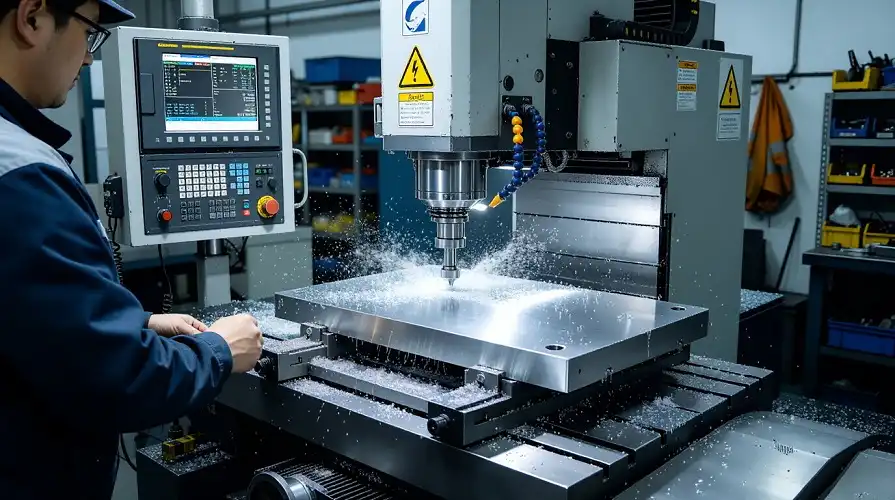
Titanium doesn't transfer heat well, so heat builds up at the points where it cuts, speeding up tool wear and increasing the risk of damage to the subject. The best performance comes from carbide tools with optimized shapes, and cutting speeds that are 50% slower than steel ones keep too much heat from being generated. A lot of coolant flow, both through the tool and as a flood, gets rid of heat energy and stops chip welding. Interrupted cuts build up less heat than activities that go on all the time. It is important to have sharp tools because dull edges cause pressure that makes the surface harder to cut and makes it harder to do so. When you use climb milling instead of regular milling, the cutting forces are lower, and the surface finish is better.
Heat Treatment and Property Optimization
After hot rolling, annealing removes any remaining stresses and improves the grain so that the metal is as flexible as possible. Depending on the grade, the process includes raising plates to 700–900°C, keeping them at that temperature for set amounts of time, and then slowly cooling them down to avoid thermal shock. By making the microstructure more uniform, this process keeps the dimensions stable during later machining operations and increases the rust resistance. Solution treatment and aging processes can make some metals even stronger, but for most uses, the best mix of toughness and formability is achieved when the material is annealed.
Handling and Storage Requirements
Titanium reacts badly with air at high temperatures, so it needs to be handled carefully while it is being made. Localized rust is caused by iron particles, so special tools and work surfaces keep steel operations from contaminating other areas. Storage places must stay dry and clean, and protection layers must be placed between plates to keep the surfaces from getting damaged. Due to titanium's pyrophoric nature in small particle form, grinding dust can start a fire, so it's important to keep the area well ventilated and clean. After manufacturing, acid pickling gets rid of surface oxides and contamination, returning full rust resistance before final assembly or paint application.
Conclusion
Titanium alloy plates work better than any other material when failure would have bad results or cost too much. Their better strength-to-weight ratio means that structures made of them weigh 40–50% less than structures made of steel while still holding the same amount of weight. Corrosion resistance gets rid of the need for frequent repairs and replacements that happen with other materials in chemical and sea settings. Even though the original cost of the materials is higher than those of aluminum or stainless steel, the longer service lives (often three to five times longer) and lower upkeep needs make the lifetime value propositions very strong. Titanium alloy plates are not just an alternative material; they are the best technical answer for companies that make medical devices, chemical processors that need dependability, and aircraft manufacturers that want to save fuel.
FAQ
Q1: Which industries benefit most from titanium alloy plates?
Aerospace and defense companies utilize titanium alloy plates to make parts of airplanes and engines that are lighter, which directly improves performance. Titanium is used in reactor tanks and heat exchanges that deal with corrosive media in chemical processing plants. Titanium is biocompatible, which is important for medical device makers who make surgical implants. Marine and offshore oil businesses depend on titanium's saltwater corrosion resistance for platform buildings and subsea tools.
Q2: How do upfront costs compare to long-term value?
Titanium alloy plates are three to five times more expensive than stainless steel plates when they are first made. But because they last longer than other materials (up to 20 years versus 5 to 7 years), and they don't need to be maintained or replaced as often, they have a lower total cost of ownership for demanding uses. Getting rid of extra weight in transportation saves fuel, which boosts the economy even more.
Q3: What certifications should buyers verify?
ASTM B265 makes sure that the makeup of materials and their sizes are correct. ISO 9001 means that a quality control method is being followed. AMS 4911 lists standards that are specific to aircraft. For medical uses, ASTM F67 biocompatibility approval is needed. For full traceability, suppliers should give mill test records that include chemical analysis and mechanical qualities.
Partner with Jucheng Titanium for Your Next Project
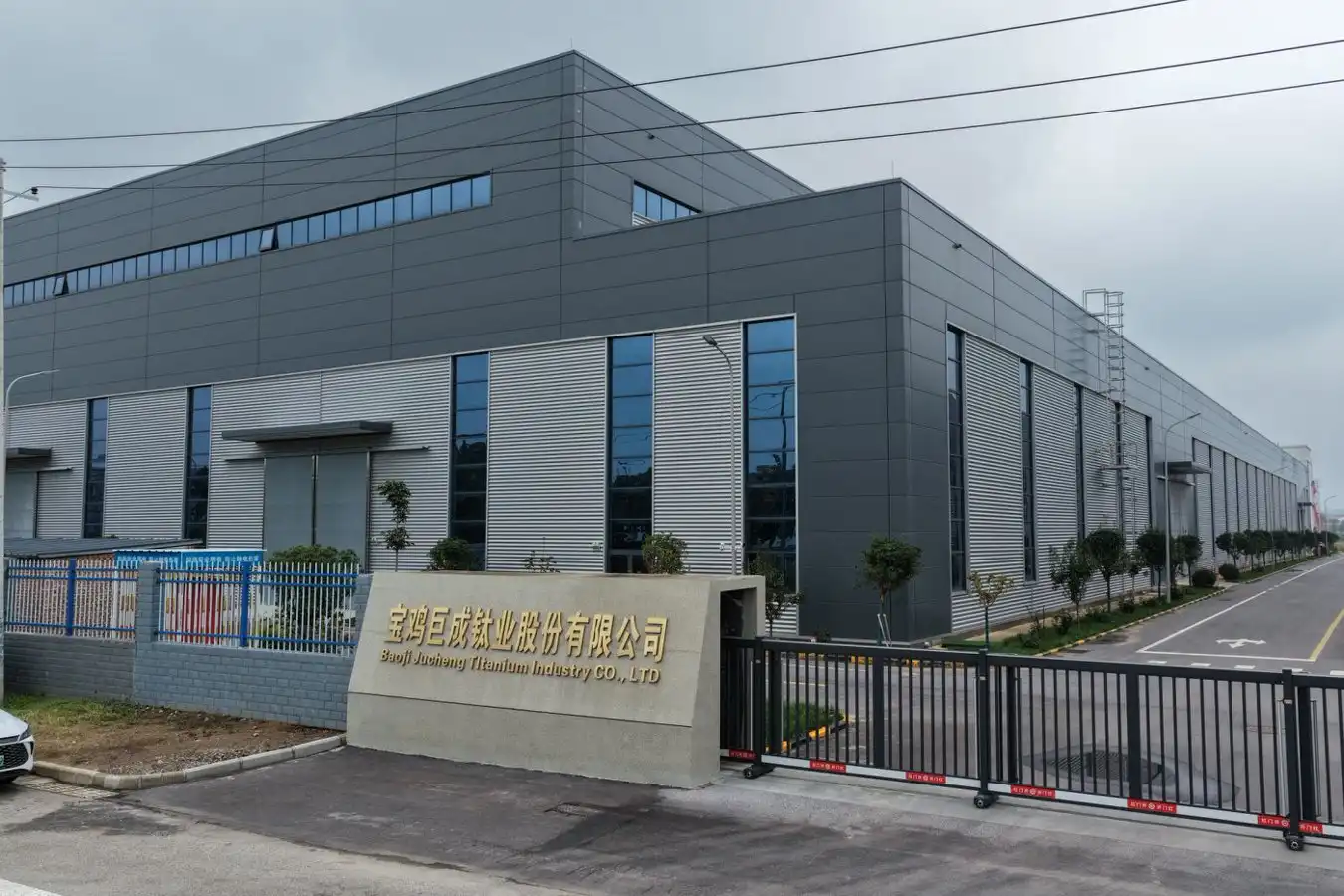
Jucheng Titanium has been making and supplying titanium alloy plates for more than 20 years, and they work with aircraft contractors, chemical processors, and builders of industrial equipment all over North America. Our 3,000-ton stock includes Grades 2, 5, 7, 9, and 12 in widths ranging from 4 mm to 80 mm. These are ready to ship right away so that you can keep up with your production plans. As a seller of certified titanium alloy plates that meet ASTM B265 and ISO 9001 standards, we give regulated businesses full mill test paperwork and material tracking. The technical team at our company works with top research centers to create custom metal solutions for unique uses. Whether you need standard plate sizes or special cutting services, our manufacturing skills can meet your needs at a price you can afford. Get in touch with our purchasing experts at s4@juchengti.com to talk about your project needs and ask for samples that show how titanium can improve the performance of your apps.
References
1. Boyer, R., Welsch, G., & Collings, E.W. (1994). Materials Properties Handbook: Titanium Alloys. ASM International.
2. Donachie, M.J. (2000). Titanium: A Technical Guide, 2nd Edition. ASM International.
3. Lutjering, G., & Williams, J.C. (2007). Titanium, 2nd Edition. Springer-Verlag Berlin Heidelberg.
4. Peters, M., Kumpfert, J., Ward, C.H., & Leyens, C. (2003). Titanium Alloys for Aerospace Applications. Advanced Engineering Materials, 5(6), 419-427.
5. Schutz, R.W., & Watkins, H.B. (1998). Recent Developments in Titanium Alloy Application in the Energy Industry. Materials Science and Engineering A, 243(1-2), 305-315.
6. Veiga, C., Gavim, J.P., & Loureiro, A.J.R. (2012). Properties and Applications of Titanium Alloys: A Brief Review. Reviews on Advanced Materials Science, 32(2), 133-148.