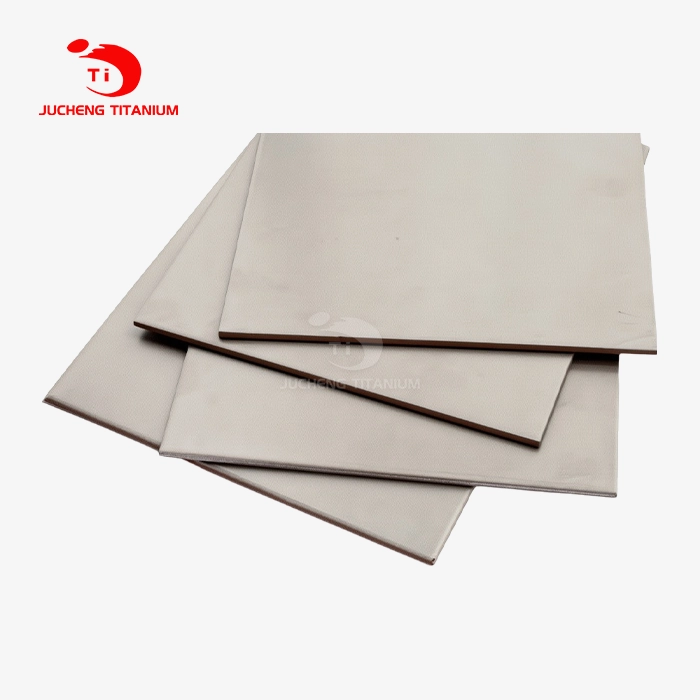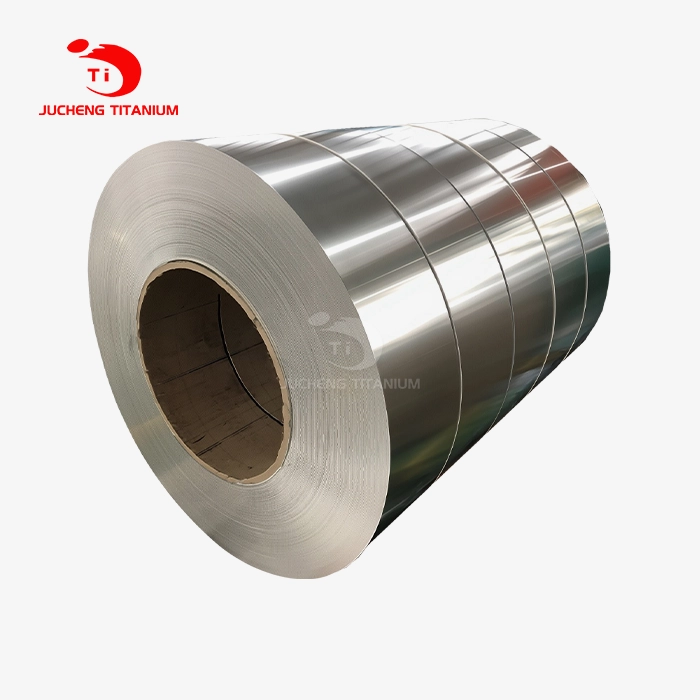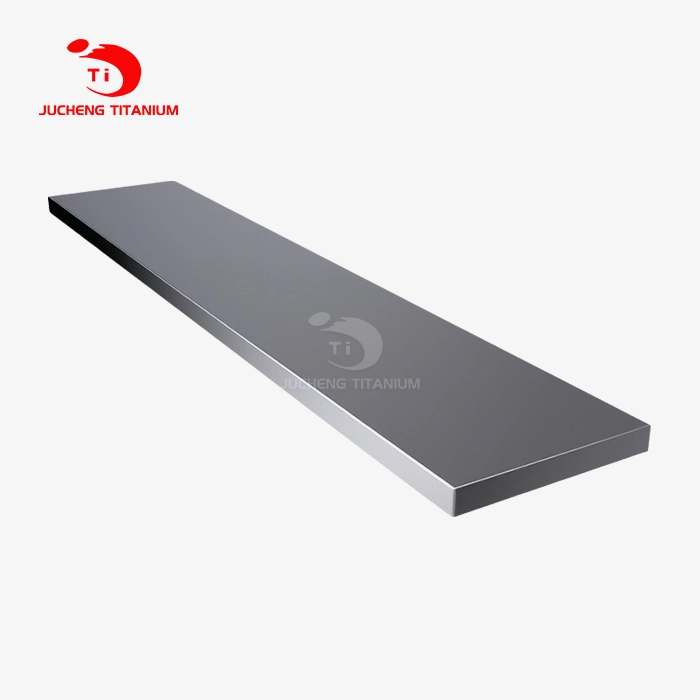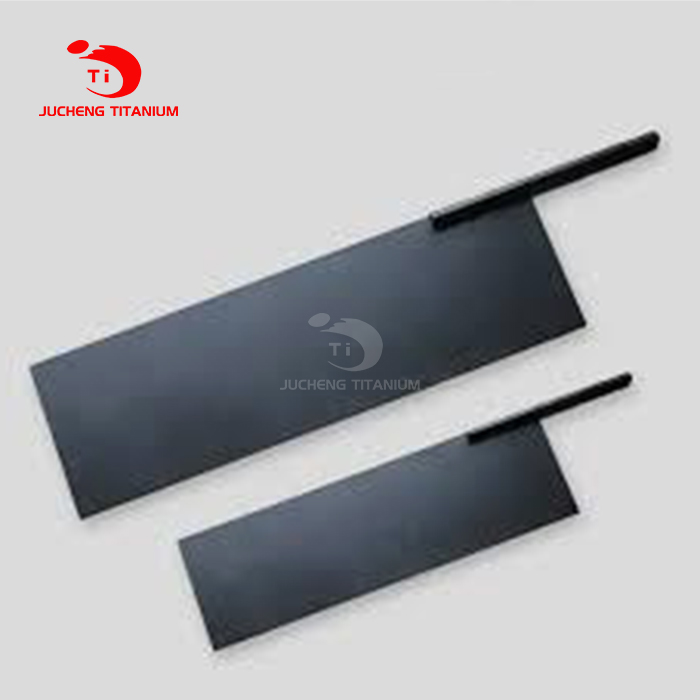

What are the Composition and Properties of the Ti-6Al-4V plate?
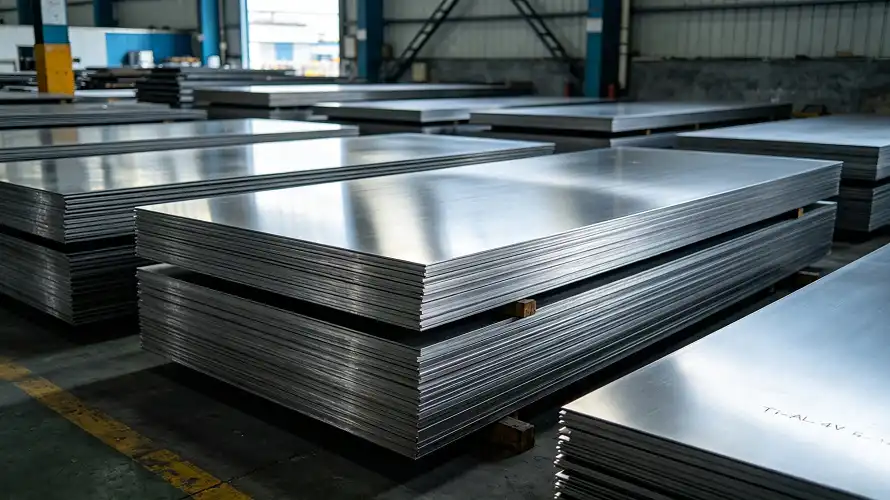
A 90% titanium, 6% aluminum, and 4% vanadium alpha-beta titanium alloy is the Ti-6Al-4V plate. This Grade 5 alloy has a high strength-to-weight ratio, corrosion resistance, and tensile strength above 895 MPa. Aluminium stabilizes the alpha phase for oxidation resistance, while vanadium increases the beta phase for toughness and fatigue performance. The alloy has a density of 4.43 g/cm³, making it stronger than pure titanium grades but lighter than steel. This material is the industry standard for aeronautical constructions, medical implants, and chemical processing equipment that must be reliable under extreme circumstances. Engineers and procurement professionals can source this alloy better by understanding its chemical and mechanical properties. We'll investigate the composition's impact on performance, environmental durability, and practical applications in industries that use this versatile material.
Chemical Composition of Ti-6Al-4V Plate
Base Element Requirements
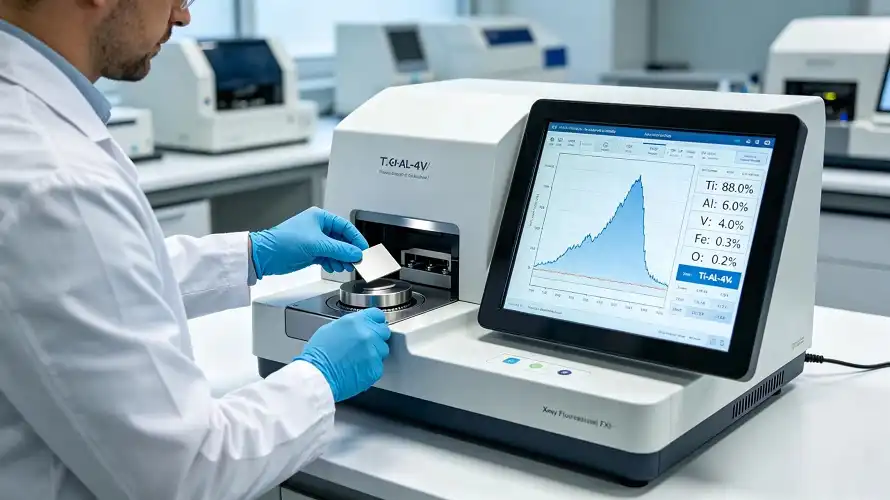
The alloy's base, titanium, makes up 88-90% of its mass. High-purity titanium promotes continuous oxide film formation, preventing corrosion in harsh conditions. ASTM B265 suppliers manage impurities to ensure mechanical integrity.
Alpha and Beta Stabilizers
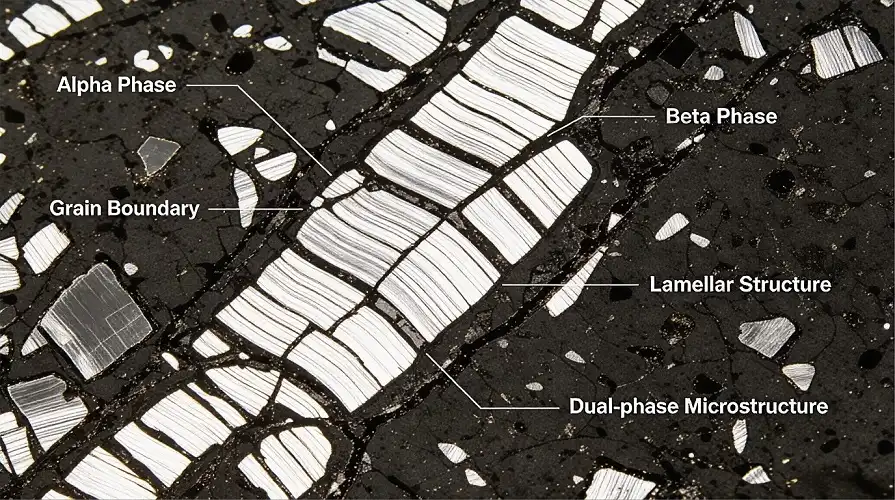
An alpha stabilizer, aluminum at 6%, raises the transition temperature and improves strength up to 400°C. This element decreases density and improves oxidation resistance, making the alloy appropriate for thermal cycling.
Vanadium stabilizes the beta phase at 4%, improving ductility and fracture toughness. Manufacturers can customize mechanical qualities by using this beta stabilizer in heat treatment methods like solution treating and aging.
Controlled Interstitial Elements
Minor elements like iron, oxygen, carbon, nitrogen, and hydrogen are strictly controlled. Excess oxygen causes brittleness; it's usually below 0.20%. Hydrogen must stay below 0.0125% to prevent fatigue life-threatening embrittlement. Below 0.30% iron concentration, unfavorable phases that diminish corrosion resistance are prevented.
Standards like ASTM B265, AMS 4911, and ASME SB265 maintain chemical uniformity between production batches. Composition test results and certificates reassure procurement teams of material validity and performance.
Mechanical Properties of Ti-6Al-4V Plate
Strength and Hardness Characteristics
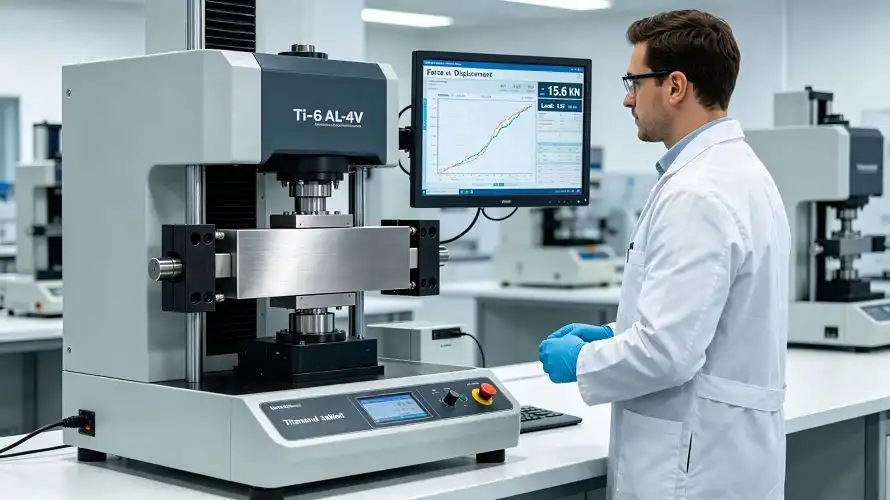
This alloy has 895 MPa minimum tensile strength and 828 MPa yield strength when annealed. These values exceed commercially pure titanium grades by a lot while preserving ductility with 10% elongation. For repeated-load structural components, 36 HRC hardness provides wear resistance.
The strength-to-weight ratio of Ti-6Al-4V plate exceeds that of many steels and aluminum alloys. The material, weighing 4.43 g/cm³, is 60% as dense as steel yet has equivalent or greater strength. This benefits aeronautical structures and portable equipment by reducing weight.
Heat Treatment Response
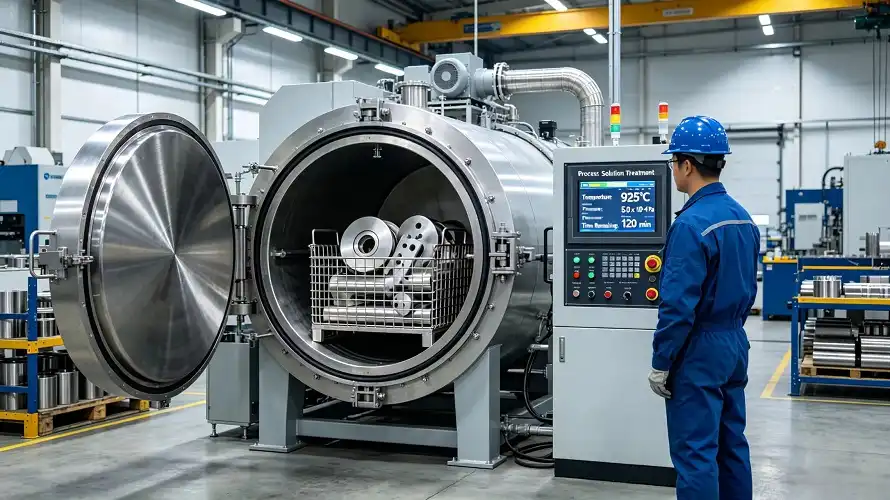
Solution treatment and aging affect Grade 5 titanium, unlike commercially pure titanium. Tensile strength can exceed 1100 MPa after heating to 955°C, water quenching, and aging at lower temperatures. Heat treatability lets producers adjust attributes for specific loading situations, such as ultimate strength or fracture toughness.
Annealing at 730-850°C and air cooling creates a balanced microstructure with equiaxed alpha grains in a beta matrix. This state provides the highest strength, ductility, and fatigue resistance for most applications.
Comparative Performance
This titanium alloy outperforms 304 stainless steel in chloride conditions and weighs roughly 50% less. It preserves mechanical characteristics against aluminum alloys at large softening temperatures. It has double the tensile strength of commercially pure Grade 2 and good formability.
These mechanical properties assist procurement professionals in matching material capabilities to application needs. This alloy's special properties justify its higher cost for corrosive components that need high strength.
Corrosion Resistance and Environmental Performance
Self-Passivation Mechanism
The alloy spontaneously produces a nanometer-thick titanium dioxide coating when exposed to oxygen. This oxide layer regenerates quickly if destroyed, protecting against corrosion. The film is stable from pH 3 to 12, allowing acidic and alkaline processing.
Resistance to Specific Corrosion Modes
The material resists chloride-induced pitting and crevice corrosion better than austenitic stainless steels in saltwater and marine atmospheres. This makes it useful for offshore platforms, navy vessels, and coastal chemical industries with continual chloride exposure.
Titanium alloys seldom break around 300°C, even in chloride solutions under continuous tensile strain. The alloy is more stress-resistant than high-strength steels, which can break unexpectedly in corrosive environments.
Surface Enhancement Options
Although natural oxide provides strong protection for the Ti-6Al-4V plate, surface modifications can increase performance. Clean, passive surfaces are revealed by acid pickling, which eliminates hot working contaminants and alpha case. Shot peening increases fatigue resistance and delays fracture formation by adding compressive residual stresses. Nitric or hydrofluoric acid passivation maximizes oxide film corrosion resistance.
These corrosion traits save maintenance costs and increase service life in severe settings. Purchase teams assessing the total cost of ownership find that the material's endurance frequently justifies a greater initial expenditure than less resistant alternatives.
Applications of Ti-6Al-4V Plate in Industry
Aerospace and Defense Sectors
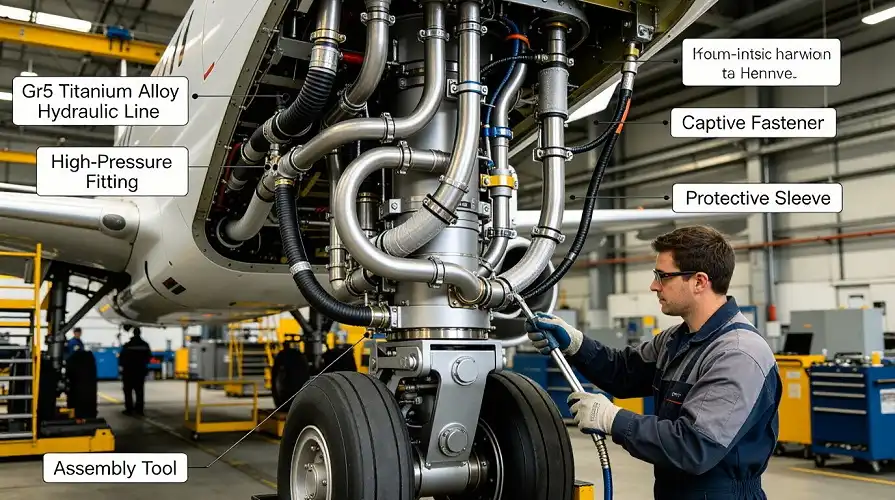
This alloy is used in structural bulkheads, wing spars, and landing gear components to reduce weight and increase fuel economy. It's used for 400°C compressor blades, discs, and casings by engine makers. This substance fastens key parts without adding bulk.
Defense contractors specify the alloy for corrosion-resistant, high-strength armor plate, missile bodies, and submarine components. Naval mine countermeasure boats and proximity fuzes require the material's non-magnetic characteristics.
Medical Device Manufacturing
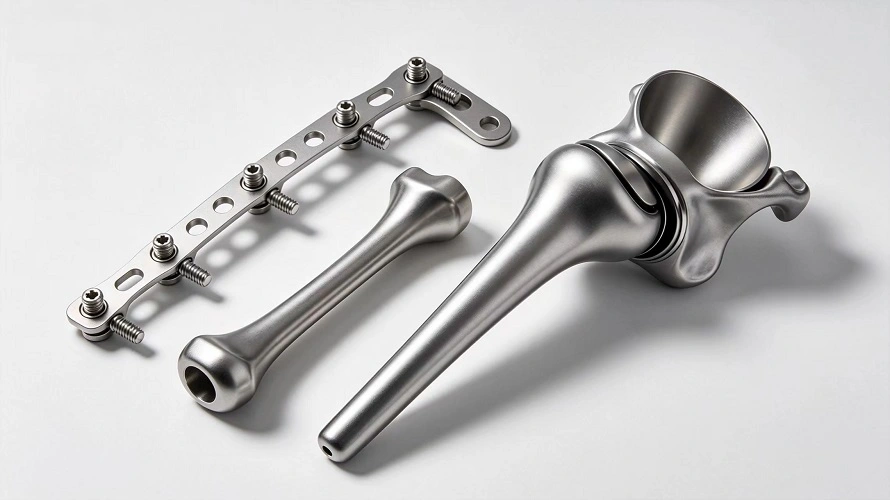
The alloy's biocompatibility and osseointegration make it ideal for hip stems, knee components, and spinal fusion hardware. Surgical tool producers respect its durability after several sterilization cycles. The material's oral fluid corrosion resistance and tiny cross-section strength appeal to dental implant manufacturers.
Grade 23, the extra-low interstitial form with low oxygen, fulfills ISO 5832-3 and ASTM F136 medical device specifications. Implantable devices require better ductility and fracture toughness.
Chemical Processing and Marine Industries
This material is used in reactor vessels, heat exchanger plates, and corrosive media pipes by chemical plant engineers. Acids, alkalis, and organic solvents rapidly destroy carbon steel and many stainless grades, but the alloy resists. Marine heat exchangers made from these plates last longer in seawater cooling.
Automotive manufacturers use the alloy for high-performance exhaust systems, connecting rods, and suspension springs to minimize unsprung mass and enhance handling. The material's fatigue resistance enhances vehicle dependability under cyclic loads.
These numerous uses show the alloy's adaptability in sectors needing reliable performance in harsh settings. The material's performance in key applications gives procurement confidence when choosing it for future projects.
Procurement Considerations for Ti-6Al-4V Plates
Material Certification and Standards
Checking standards is the first step to finding good materials. Sheet, strip, and plate goods must meet ASTM B265 chemical composition and mechanical property standards. AMS 4911 adds quality controls to aerospace applications. ASTM F67 and F136 cover medical-grade material with stricter interstitial restrictions.
Chemical analysis, tensile testing, and ultrasonic inspection per AMS 2631 should be included in material test reports to discover internal problems. Heat lot traceability tracks ingots to final products, crucial for critical failure analysis applications.
Available Sizes and Customization
Standard plate thicknesses are 4mm to 80mm, widths 950mm to 2500mm, and lengths up to 10,000mm. Non-standard sizes meet project needs, but lead times and minimum order quantities may rise.
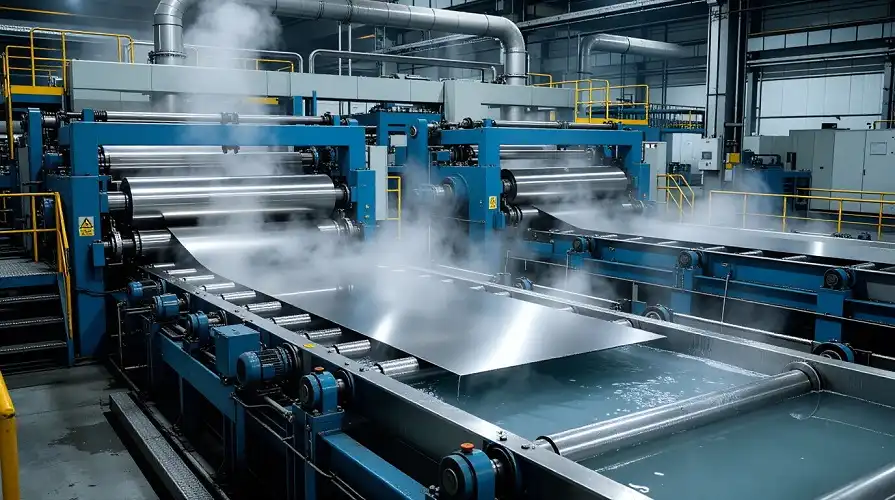
Rolling, annealing, leveling, pickling, and surface finishing influence appearance and characteristics. Hot-rolled material is cheaper, but treating improves surface quality and dimensional accuracy. Polished, machined, or acid-pickled finishes suit varied applications.
Supplier Selection Criteria
Quality system maturity and process control are shown by aerospace and medical-certified vendors. Companies with large inventories can meet urgent needs quickly. Baoji Jucheng Titanium Industry stocks 3,000 tons of Ti-6Al-4V plate year-round for fast delivery on time-sensitive projects.
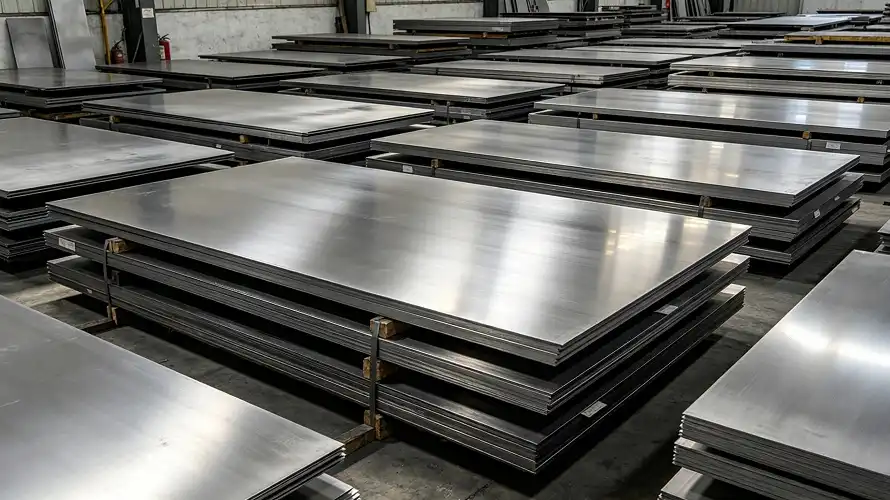
Application engineering partners differ from material sellers in technical support. Metallurgical knowledge optimizes material selection, heat treatment standards, and manufacturing parameters for project goals.
Market circumstances, order quantity, and specification complexity affect pricing. Grade 5 material is more expensive than commercially pure grades due to its better characteristics and wider application range. Long-term contracts and volume commitments can guarantee supply and pricing.
Conclusion
Ti-6Al-4V plates have an ideal chemical composition, mechanical qualities, corrosion resistance, and application diversity. Its precisely balanced alloy design provides strength-to-weight benefits for aerospace structures, biocompatibility for medical implants, and durability for chemical processing equipment. Successful material selection requires understanding composition implications on performance, environmental durability advantages, and good procurement methods. This workhorse alloy is used in aviation components, surgical implants, and corrosion-resistant equipment. Working with experienced suppliers provides procurement teams with certified material, technical competence, and reliable supply chains to ensure project success from specification to service life.
FAQ
Q1: What distinguishes Grade 5 from Grade 23 titanium alloy?
Grade 23 is the extra-low interstitial form of Grade 5, with less oxygen and iron. This alteration improves ductility and fracture toughness, making it the standard for surgical implants and medical equipment. Grade 5 is used in typical industrial and aeronautical applications where the conventional composition performs well at a cheap cost.
Q2: Can this alloy be welded successfully?
To avoid weld embrittlement from oxygen, nitrogen, and hydrogen contamination, argon shielding gas is used during welding. Proper joint design, preheating, and post-weld heat treatment preserve welded structures' mechanical qualities. Welders using approved methods manufacture aerospace and pressure vessel code-compliant joints.
Q3: How does elevated temperature affect material performance?
The alloy remains strong and oxidation-resistant at 400°C during prolonged exposure. Beyond this level, alpha case production and rapid oxidation deteriorate characteristics. Thermal stability-designed near-alpha alloys enhance high-temperature applications.
Q4: Why does machining this material present challenges?
Tool wear increases because low thermal conductivity concentrates cutting heat at the tool edge rather than in the chips. Carbide tooling, decreased cutting speeds, and high-pressure coolant systems are needed because the material galls or cold-welds to cutting tools. Proper machining produces components with precise dimensional tolerances despite obstacles.
Partner with Jucheng Titanium for Reliable Ti-6Al-4V Plate Supply
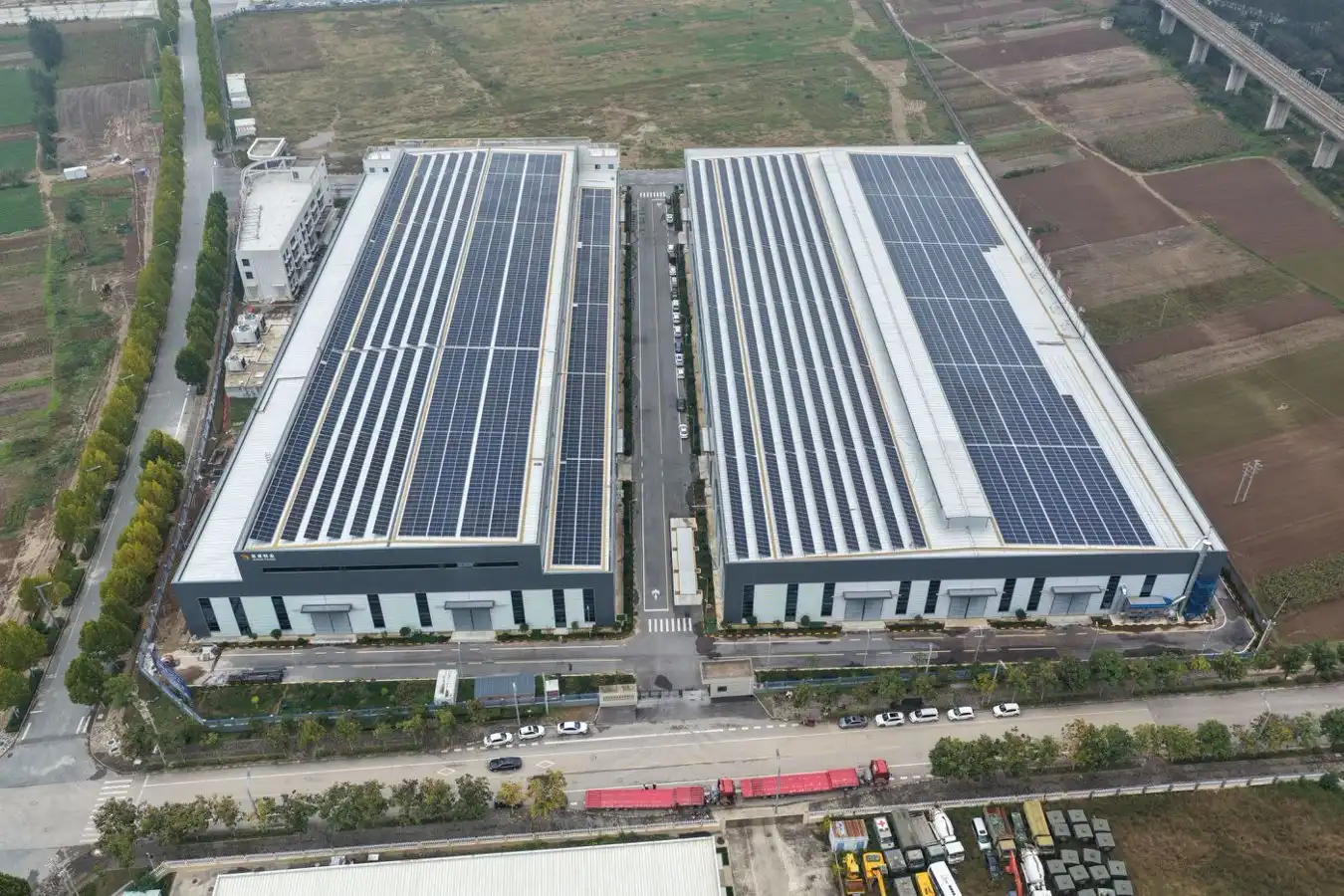
Over 20 years of titanium processing experience at Baoji Jucheng Titanium Industry serves global clients needing Grade 5 titanium. Standard and bespoke Ti-6Al-4V plate specs are delivered quickly from our 120,000-square-meter facility's 3,000 tons of inventory across grades. We supply aerospace, medical device, and chemical equipment manufacturers with ASTM B265, AMS 4911, and ASME SB265 material. We manufacture and collaborate on research as a national high-tech company with 4 inventions and 41 utility model patents. Our technical staff provides engineering support throughout your project lifecycle for standard plate dimensions or bespoke thicknesses with surface treatments. Our export staff at s4@juchengti.com can discuss your Ti-6Al-4V plate needs with an experienced titanium supplier devoted to quality and delivery.
References
1. Boyer, R., Welsch, G., and Collings, E.W. (1994). Materials Properties Handbook: Titanium Alloys. ASM International, Materials Park, Ohio.
2. Donachie, Matthew J. (2000). Titanium: A Technical Guide, 2nd Edition. ASM International, Materials Park, Ohio.
3. Lutjering, G. and Williams, J.C. (2007). Titanium, 2nd Edition. Springer-Verlag, Berlin Heidelberg.
4. ASTM International (2021). ASTM B265-20a: Standard Specification for Titanium and Titanium Alloy Strip, Sheet, and Plate. West Conshohocken, Pennsylvania.
5. SAE International (2019). AMS 4911M: Titanium Alloy, Sheet, Strip, and Plate 6Al-4V Annealed. Warrendale, Pennsylvania.
6. Peters, M., Kumpfert, J., Ward, C.H., and Leyens, C. (2003). Titanium Alloys for Aerospace Applications. Advanced Engineering Materials, Volume 5, Issue 6, pages 419-427.