
Titanium Tube Grade 1 vs Grade 2: A Technical Comparison for Engineers & Buyers
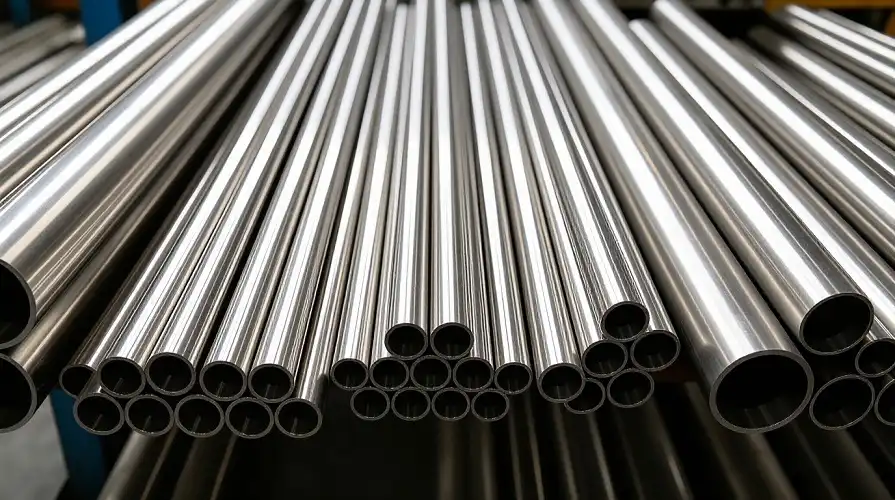
Understand the distinctions between Gr1 Titanium Tube and Grade 2 titanium tubing when choosing materials for crucial industrial applications to optimize performance and cost. Gr1 Titanium Tube is the finest economically pure titanium, giving unsurpassed ductility and corrosion resistance in severe chemical conditions. Grade 2 titanium has increased mechanical strength and formability. Both grades meet ASTM B337, B338, and B861 specifications by seamless extrusion to eliminate weak areas. Choosing between these grades affects project performance, lifespan costs, and maintenance schedules for engineers and procurement personnel traversing complicated requirements.
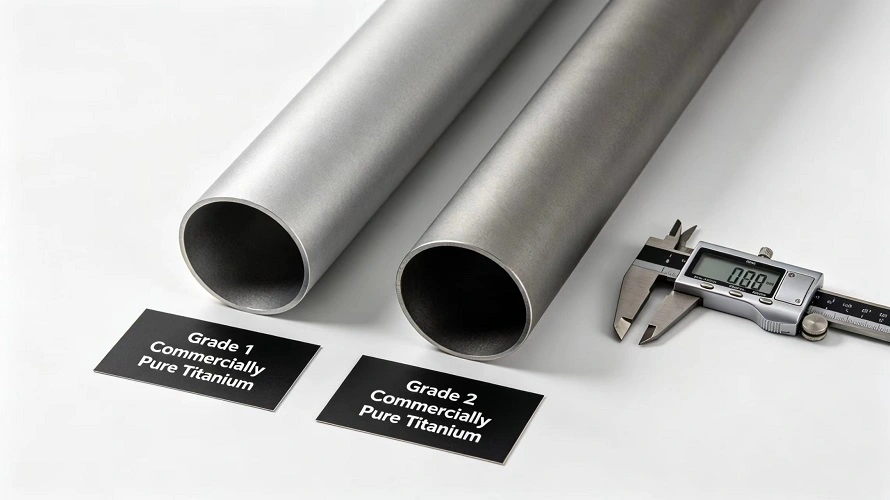
Understanding Titanium Tube Grades: Grade 1 vs Grade 2
These two commercially pure titanium grades differ mostly in chemical composition and mechanical properties, which affect industry applicability.
Chemical Composition and Purity Levels
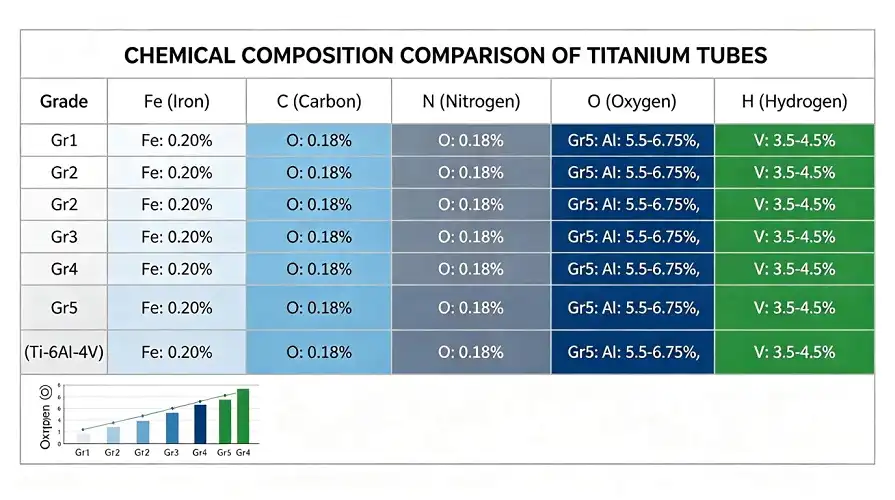
Gr1 Titanium Tubes are extremely pure, with nitrogen (0.03%), carbon (0.08%), hydrogen (0.015%), iron (0.20%), and oxygen (0.18%) restricted. Gr1 Titanium Tube is soft and elongates well due to its low interstitial element composition. Grade 2 is still commercially pure but allows up to 0.25% oxygen, which boosts strength but decreases formability. Titanium's inherent density of 4.51 g/cm³ is maintained in both grades, showing a 45% weight reduction over stainless steel equivalents. The purity difference is especially noticeable in deep drawing, difficult bending, and strong corrosion resistance applications.
Mechanical Property Comparison
The mechanical performance disparity between grades shows their application areas. Gr1 Titanium Tube has a minimum tensile strength of 240 MPa (35 ksi) and a yield strength of 170 MPa (25 ksi). Seamless elongation exceeds 30%. Its excellent ductility permits considerable cold deformation without cracking, making it ideal for complex pipe and heat exchanger design. Grade 2 has greater tensile and yield strengths, roughly 345 MPa (50 ksi) and 275 MPa (40 ksi), but elongation lowers to 20%. Grade 2 is ideal for load-bearing structural applications because of its strength. Both grades have uniform pressure ratings across their diameter due to seamless manufacturing, avoiding heat-affected zone problems in welded alternatives.
Corrosion Resistance Characteristics
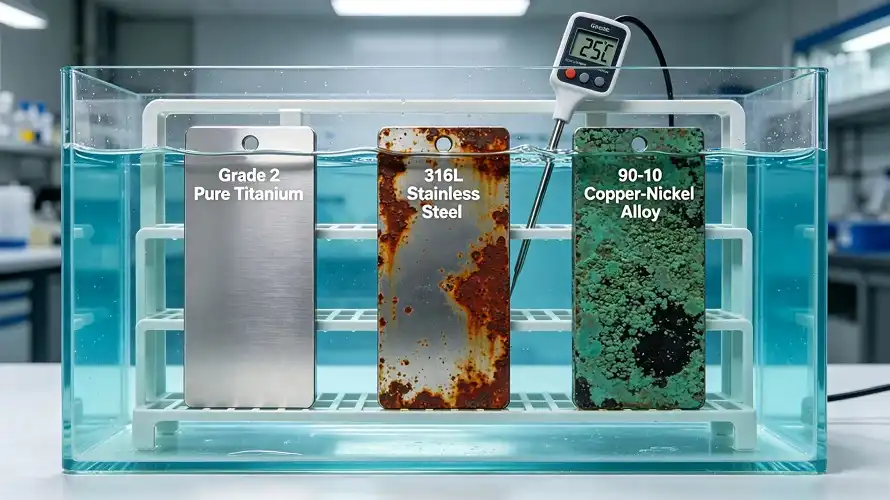
When exposed to air, both grades generate a durable, self-healing oxide coating that resists corrosion. Hypochlorites and moist chlorine gas rapidly damage stainless steel and copper-nickel alloys, whereas Gr1 Titanium Tube resists them. Plate and frame heat exchangers handling harsh chemical fluids are usually Gr1 Titanium Tube. Grade 2 resists corrosion in most industrial settings, including saltwater and strong oxidizing acids, but it may perform poorly in severely reducing situations. While typical materials require regular replacement, both grades last 40+ years in maritime desalination systems with minimum maintenance.
Technical Manufacturing and Heat Treatment Processes of GR1 & GR2
For applications needing strict certifications, the titanium tube's dependability and performance depend on manufacturing accuracy and process control.
Seamless Fabrication Techniques
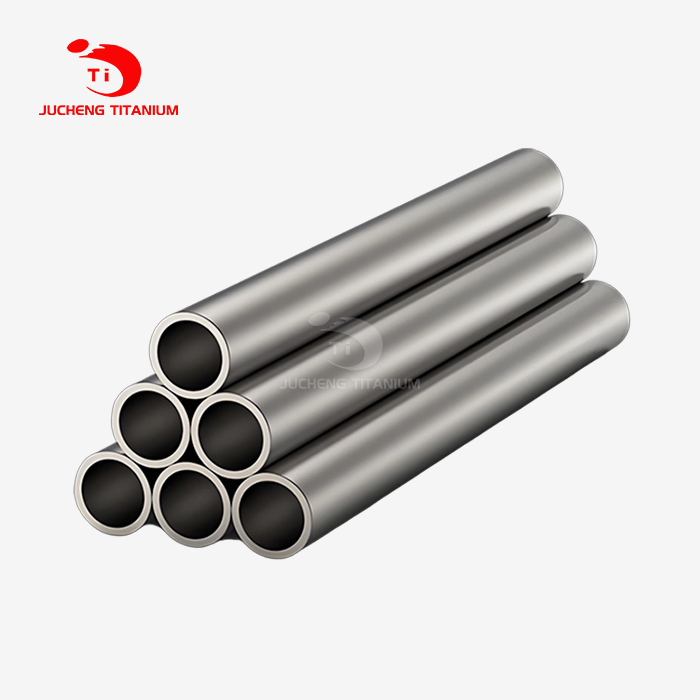
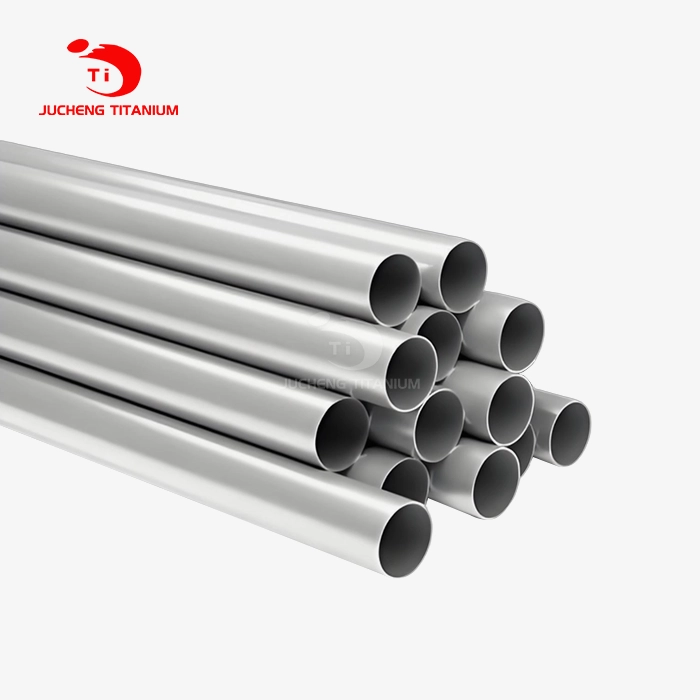
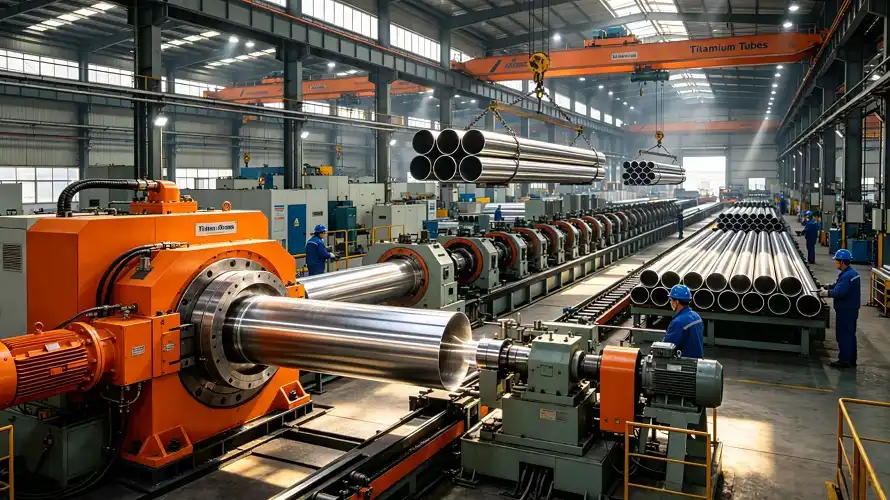
Advanced seamless production via extrusion, piercing, and cold rolling is used by Baoji Jucheng Titanium Industry. After titanium billet preparation, rotary piercing at regulated temperatures creates the hollow shape. Cold rolling then reduces wall thickness and outer diameter to exact specifications from OD3 to OD219 mm and 0.5 to 20 mm. This cold-working method improves grain structure homogeneity and dimensions. Multiple annealing cycles at 650-750°C reduce residual stresses and retain mechanical characteristics. To maintain dimensional tolerances within ±0.1mm, pickling operations remove surface oxides using regulated acid solutions and straightening methods. We have approximately 3,000 tons of titanium in various grades for fast delivery on time-sensitive applications.
Quality Control and Certification Standards
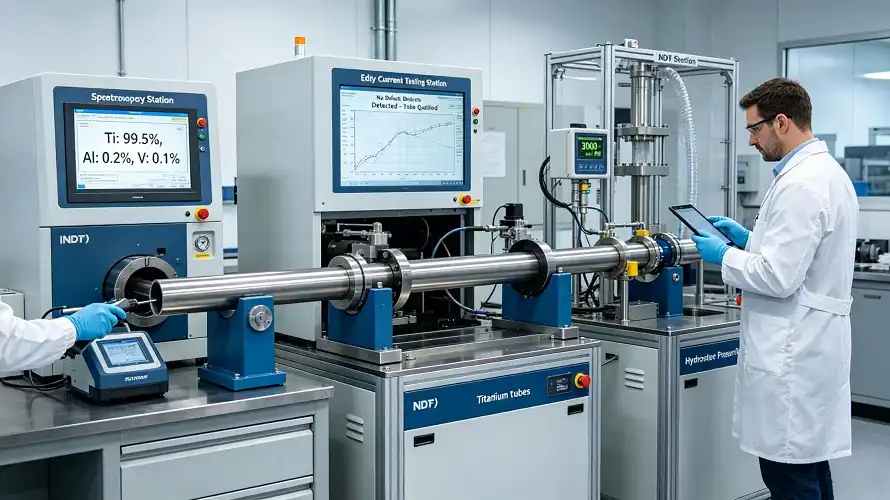
Every production batch is tested according to international standards, including ASTM B337, B338, B861, AMS 4942, and ASME SB338. Mechanical testing validates tensile, yield, and elongation values using standardized specimens. Optical emission spectroscopy verifies elemental purity in chemical compositions. Ultrasonic and eddy current inspection reveal internal and surface imperfections. Hydrostatic testing checks structural integrity under operational stresses. Our quality inspection team provides aerospace, medical device, and chemical processing certification packages with comprehensive material traceability documentation. These certificates are vital for procurement audits and regulatory compliance checks.
Heat Treatment and Surface Finishing Options
Heat treatment after fabrication customizes properties for individual applications. Stress-relief annealing at 480-650°C reduces cold-work tensions without affecting strength. For extensive forming applications, full annealing at 700-850°C enhances ductility. While more prevalent in alloy grades, solution treatment and aging cycles can be used for Grade 2 applications that need strength. Pharmaceutical equipment uses polished finishes, precise fittings use machined surfaces, and acid-pickled conditions improve passivation. Medical implants and semiconductor processing equipment require bright annealed surfaces to remove contamination and preserve dimensional correctness.
Practical Use Cases and Industry Applications
Real-world application analysis shows how material features benefit various industries.
Chemical Processing and Petrochemical Industries
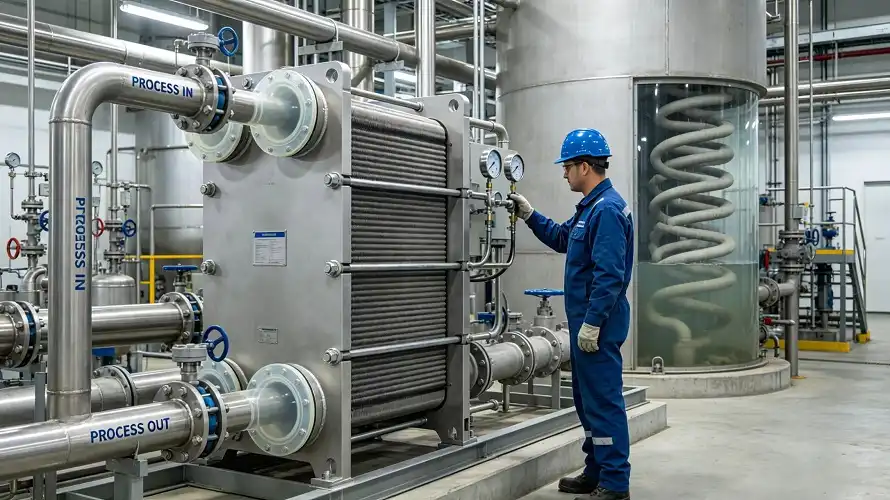
In chemical reactor cooling coils, Gr1 Titanium Tubes withstand hydrochloric acid, sulfuric acid, and chlorinated solvents, preventing equipment failure. Our titanium spiral plate heat exchangers, including the biggest for WUGANG Group, can withstand corrosive environments beyond 200°C without deterioration. Due to their dimensional stability and current efficiency, Gr1 Titanium Tube anode systems dominate hydrometallurgy operations with over 70% market share. Chemical plant contractors increasingly request Gr1 Titanium Tube for process pipe systems where crevice corrosion and pitting have caused costly shutdowns. Replacement intervals show the lifespan cost benefit of titanium installations, which last 25 years vs 5-8 years for high-grade stainless steel under identical service circumstances.
Aerospace and Defense Applications
Aerospace component producers need strong, lightweight, and environmentally resistant materials. Grade 2 seamless tubes meet moderate strength and corrosion resistance requirements in hydraulic, fuel, and environmental control systems. Custom titanium fabrication supports airplane part suppliers with precision-drawn tubing fulfilling AMS 4942 commercial aviation criteria. Defense contractors use both grades in naval saltwater cooling and ballast systems. Fuel economy and cargo capacity are affected by the 45% weight reduction over stainless steel. Our 20 years of material certification and traceability documents meet aerospace material distributor and defense procurement protocol quality standards.
Medical Device Manufacturing
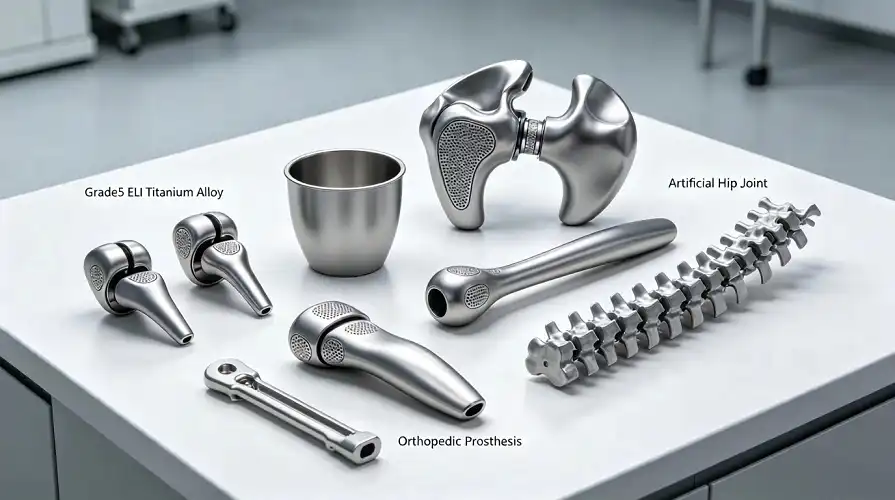
Implantable and surgical device makers choose biocompatible and surface-pure materials. Gr1 Titanium Tube is ideal for catheter, orthopedic implant, and dental device manufacture because of its purity. Long-term implantation is safe due to the stable oxide layer and lack of allergens. Our regulated manufacturing environment and precision machining provide Class III medical device surface finishes. Titanium's strength-to-weight ratio allows surgical tool firms to build lighter instruments that lessen surgeon fatigue during long procedures. Non-magnetic characteristics make the material MRI-compatible, and radiolucency provides clear imaging during diagnostic operations.
Comparative Analysis: GR1 Titanium Tube vs Other Common Materials
To choose the best material, performance parameters, pricing, and application requirements must be considered.
Performance Metrics Against Alternative Materials
Gr1 Titanium Tube resists chloride corrosion better than 316L stainless steel while lowering component weight by 45%. Titanium corrosion in saltwater is less than 0.001 mm/year, compared to 0.1-1.0 mm/year for stainless steel, extending service periods. Titanium minimizes biofouling and impingement attack failures in maritime heat exchangers compared to copper-nickel alloys. Aluminum alloys provide similar weight advantages but lack high-temperature and corrosion resistance for chemical processing. Carbon fiber composites are lighter than titanium but lack heat conductivity, ductility, and ease of tube construction. Grade 5 titanium alloy (Ti-6Al-4V) boosts strength but costs more, making it economically acceptable only when structural stresses surpass Grade 2 capabilities.
Cost-Benefit Analysis and Lifecycle Value
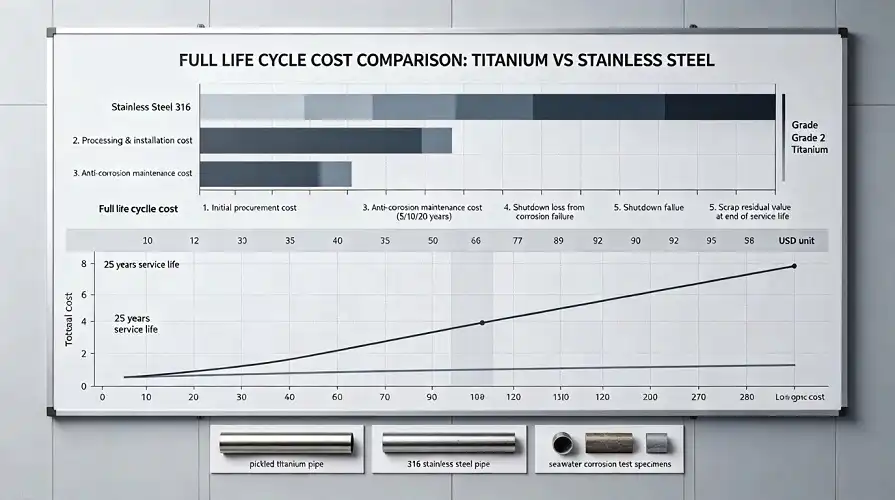
Lifecycle research shows that Gr1 Titanium Tube has significant economic advantages despite its 3-5 times higher material costs than stainless steel. Corrosion-related equipment downtime, personnel replacement, and output losses frequently surpass original material premiums in the first operational cycle. Chemical processing plants report 15-20 year titanium heat exchanger longevity against 4-6 years for stainless steel equivalents in corrosive environments. Our experience delivering over 500 titanium equipment sets yearly, including Luoyang Petrochemical facilities, shows 60% maintenance cost reductions over 10 years. Instead of only considering purchase price, procurement experts should include installation, maintenance, downtime, and disposal costs.
Sourcing and Procurement Strategies for Grade 1 Titanium Tubes
Strategic supplier selection and procurement planning affect project deadlines, quality, and prices.
Supplier Qualification Criteria
Titanium tube providers must have ISO quality management systems and industry-specific certifications. Ensure manufacturing capabilities via facility audits of seamless production machinery, heat treatment infrastructure, and material characterization testing labs. Titanium processing is a specialty; thus, stable suppliers with deep inventory and raw material ties reduce lead time hazards. Baoji Jucheng Titanium Industry's 20-year history, National High-Tech Enterprise status, and "little giant" status demonstrate quality and technical innovation. Our association with the Northwest Institute for Nonferrous Metal Research and Tsinghua University provides sophisticated materials research and development for bespoke applications.
Procurement Logistics and Customization Options
Standard inventory plans for typical dimensional ranges speed up urgent orders, while bespoke manufacturing addresses unique needs. We produce corrosion resistant titanium pipe from OD3 to OD219 mm with wall thicknesses from 0.5 to 20 mm to meet standard and non-standard criteria. Prototype development and small-batch production allow for flexible minimum order numbers based on material grade and dimensions. Stock goods ship domestically in 7-14 days, while bespoke manufacturing takes 4-8 weeks, depending on intricacy and testing. International logistics support provides aerospace, medical, and chemical sector compliance, packing, paperwork, and delivery. Our global export experience serving North American distributors simplifies customs clearance and regulatory documentation.
Cost Optimization Without Compromising Quality
Bulk purchase agreements save unit costs and ensure project material availability. Long-term supply contracts stabilize titanium prices and provide production capacity during peak demand. Standardizing on fewer dimensions improves inventory management and purchase volume. Value engineering helps optimize wall thickness, dimensional tolerances, and surface finish criteria without affecting performance. Our technical team works with procurement and engineering to balance cost and application requirements. Material replacement study determines if Grade 2 may meet performance standards in applications that need more expensive alloy grades, saving 20-30% without compromising dependability.
Conclusion
Mechanical needs, environmental conditions, and lifespan economics must be considered when choosing the Gr1 Titanium Tube or the Grade 2 Titanium Tube. Gr1 Titanium Tubes are best for formability in severely corrosive conditions, whereas Grade 2 is stronger for structural purposes. Both grades provide excellent corrosion resistance, weight benefits, and operational durability, justifying initial material expenditures through reduced maintenance and prolonged service life. Successful procurement methods stress supplier qualification, certification verification, and collaborative engineering support to match material requirements with application needs. Knowing production methods, quality standards, and customization options helps aerospace, chemical processing, medical device, and industrial equipment manufacturers improve performance and cost.
FAQ
Q1: What determines whether to specify Grade 1 or Grade 2 titanium tubing?
Grade selection depends on application and mechanical load. Gr1 Titanium Tube is best for corrosion resistance and formability in strongly acidic or chloride-rich environments with complicated tube geometries. Grade 2 is for pressure tanks and load-bearing frames that need high strength and corrosion resistance. Before completing specifications, discuss stress calculations, environmental exposure data, and forming needs with materials engineers.
Q2: How do certification requirements impact procurement timelines?
Delivery times are usually delayed by 1-2 weeks for chemical analysis, mechanical testing, and dimensional verification. Aerospace and medical applications needing lot of traceability and documentation may delay timing. Suppliers with pre-certified inventory and testing methods reduce delays. Early quality assurance team participation ensures certification packages fulfill industry and regulatory standards.
Q3: Can titanium tubes be welded or joined in field installations?
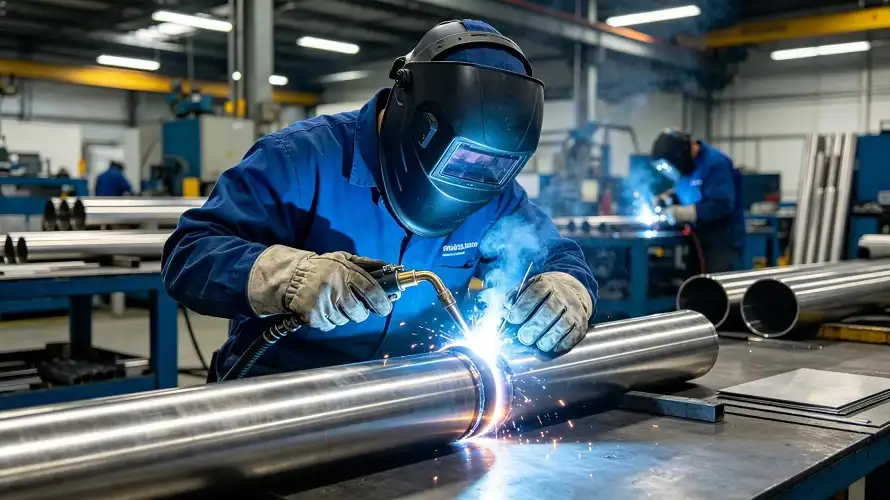
Titanium welding needs inert gas shielding and particular methods to avoid contamination and embrittlement. Titanium-certified welders should use TIG welding with argon purge gas for all joining operations. Correct joint preparation, heat input management, and post-weld inspection maintain structural integrity. Mechanical fittings or flanged connectors are used in many installations to eliminate field welding.
Partner with Jucheng Titanium for Your Gr1 Titanium Tube Requirements
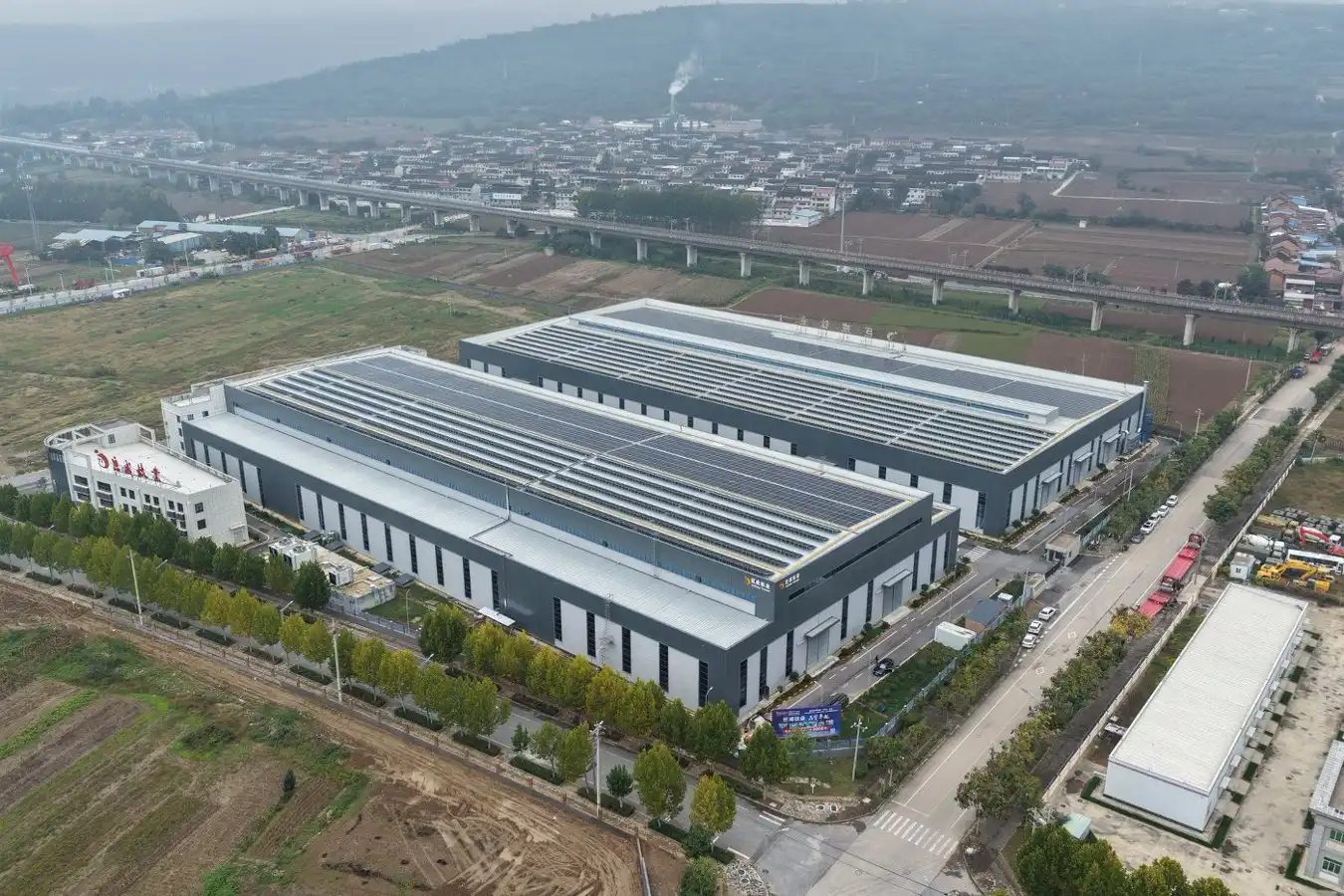
Decades of production knowledge are needed to navigate titanium material standards and supplier certification. Our 20-year dedication to titanium perfection has made Baoji Jucheng Titanium Industry Co., Ltd. a renowned Gr1 Titanium Tube supplier to aerospace, chemical, and medical device manufacturers worldwide. Our 120,000-square-meter facility has over 3,000 tons of certified Gr1 Titanium Tube, Gr2, and specific alloy grades made to ASTM B337, B338, and AMS 4942 requirements using modern seamless manufacturing. We supply designed solutions with strict quality control and thorough certification documentation, using 4 innovation patents and 41 utility model patents throughout our product line. Our technical staff works with your engineering and procurement teams to optimize specifications and delivery timelines for standard-dimension tubes or custom-fabricated components with customized surface treatments. To discuss your titanium tube needs, contact our materials specialists at s4@juchengti.com. Learn how our National High-Tech Enterprise skills and "little giant" status translate into solid supply chain performance for your essential applications.
References
1. Davis, J.R. (Ed.). (2006). ASM Specialty Handbook: Nickel, Cobalt, and Their Alloys. ASM International Materials Park, OH.
2. Donachie, M.J. (2000). Titanium: A Technical Guide (2nd Edition). ASM International.
3. Schutz, R.W., & Watkins, H.B. (1998). Recent developments in titanium alloy application in the energy industry. Materials Science and Engineering: A, 243(1-2), 305-315.
4. American Society for Testing and Materials. (2021). ASTM B338-21: Standard Specification for Seamless and Welded Titanium and Titanium Alloy Tubes for Condensers and Heat Exchangers. ASTM International.
5. Boyer, R., Welsch, G., & Collings, E.W. (Eds.). (1994). Materials Properties Handbook: Titanium Alloys. ASM International.
6. Lütjering, G., & Williams, J.C. (2007). Titanium (2nd Edition). Springer Science & Business Media.