
What is the formability of Ti-6Al-4V plate?
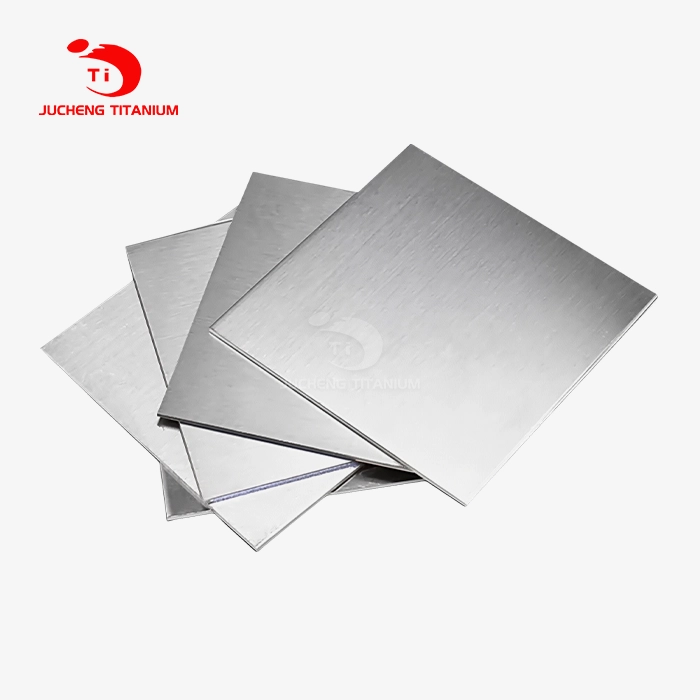
Formability of Ti-6Al-4V plate means it can withstand permanent deformation during bending, stamping, stretching, and deep drawing without splitting. Engineers can shape complex geometries for aerospace structures, medical devices, and chemical equipment using this Grade 5 titanium alloy's alpha-beta microstructure softening at elevated temperatures between 650°C and 900°C. Understanding this trait helps procurement experts choose materials that combine mechanical strength and production efficiency.
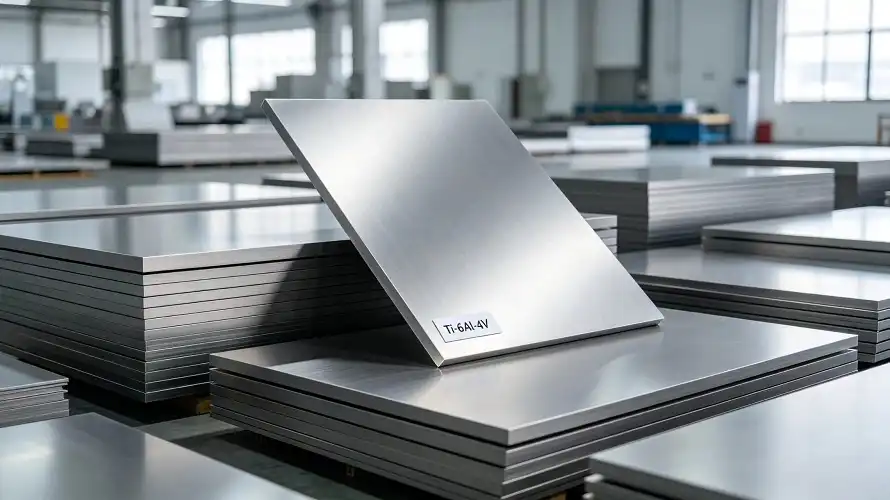
Understanding Ti-6Al-4V Plate and Its Formability
Ti-6Al-4V, often known as Grade 5 titanium, is the most extensively specified titanium alloy, used in over half of titanium applications. Alpha and beta phases coexist in its dual-phase microstructure of 90% titanium, 6% aluminum, and 4% vanadium. This metallurgical structure has a tensile strength of 895 MPa and a density of 4.43 g/cm³, making it stronger than aluminum but lighter than steel.
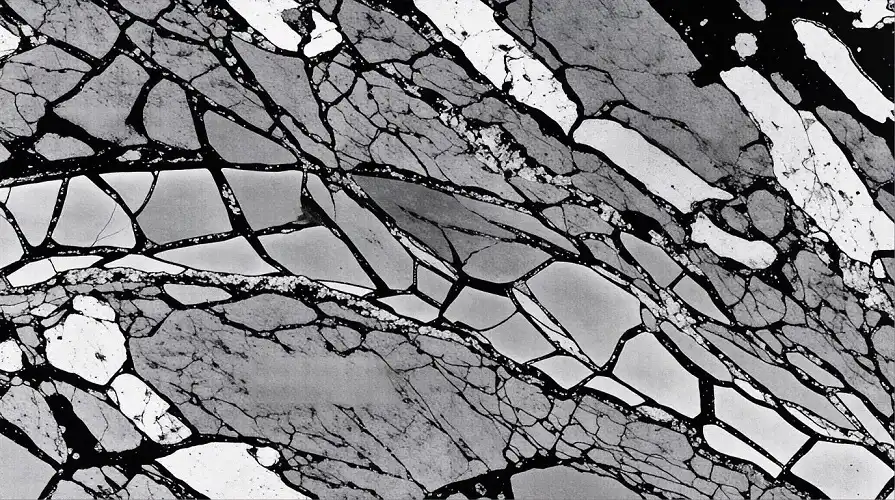
Chemical Composition and Microstructure Impact
Aluminum is an alpha stabilizer that improves strength and oxidation resistance at high temperatures. Beta stabilization by vanadium improves hardenability and room-temperature ductility. Because of its balanced chemistry, this alloy responds reliably to heat treatment, which is crucial for formability. Thermal processing changes the alpha-beta phase distribution, affecting cold or hot forming.
Considering formability from a procurement perspective requires knowing microstructure. Annealed plates have equiaxed alpha grains scattered throughout a modified beta matrix, making them ideal for most forming applications. ASTM B265 mill-annealed plates have 10-14% elongation, suitable for mild bending and forming without preheating.
Mechanical Properties Critical to Forming Success
Elongation, yield, and tensile strength define how far the material can be pushed before failing. Grade 5 titanium has less ductility than softer metals at room temperature, hence bend radii and tooling design must be considered. Most difficult forming procedures require high temperatures because 36 HRC hardness resists deformation.
When the Ti-6Al-4V plate is hot-formed at 700°C–900°C, material behavior changes drastically. The yield strength lowers, and ductility rises, allowing tight bend radii and deep draws that would shatter at ambient temperatures. This temperature-dependent formability window helps complicated components like aircraft bulkheads and medical implant housings meet design standards while retaining the alloy's corrosion resistance and fatigue strength.
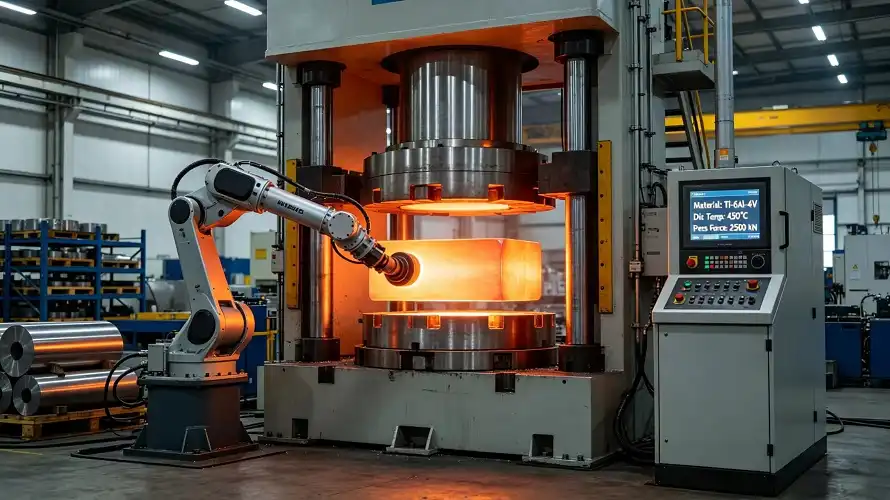
Factors Affecting the Formability of Ti-6Al-4V Plates
Multiple variables affect production formation performance. Heat treatment history, forming temperature, strain rate, and tooling design affect forming success or expensive scrap.
Heat Treatment Methods and Their Influence
For formability optimization, annealing is the most typical heat treatment. After air cooling, this 700°C–850°C procedure creates a soft, ductile microstructure for shaping. Jucheng Titanium follows ASTM B265 for annealing, guaranteeing uniform mechanical characteristics throughout manufacturing lots.
Solution treatment and aging (STA) increase strength but decrease formability. After heating above the beta transus temperature (about 995°C for Ti-6Al-4V), the alloy is rapidly cooled and aged at lower temperatures. STA generates stronger components; it's usually applied after formation. Procurement teams requesting formed components should ask vendors about post-form heat treatment to achieve specified attributes.
Mill processing is also important. Hot-rolled plates, our basic product in thicknesses from 4mm to 80mm and widths up to 2500mm, are controlled-rolled to improve grain structure and reduce internal stresses. After rolling, leveling, and pickling, flat, clean plates are available for demanding forming applications without surface pretreatment.
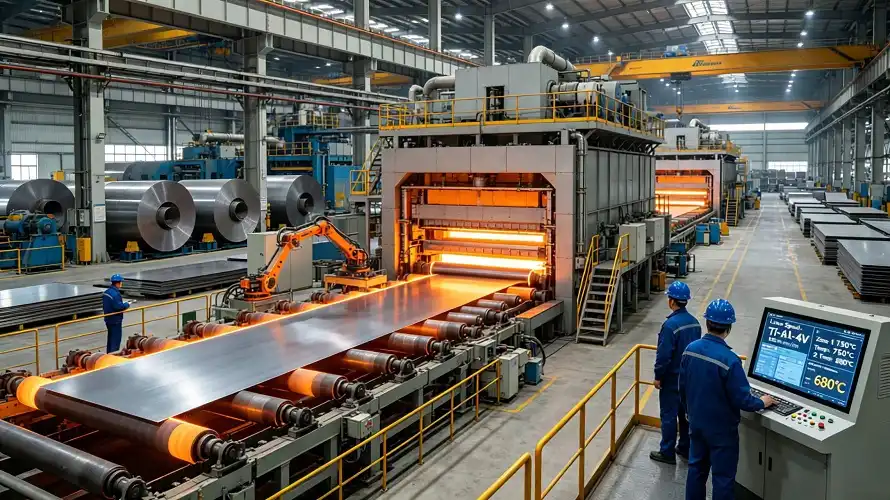
Temperature and Forming Speed Considerations
Room-temperature Ti-6Al-4V forming is confined to mild bends with generous radii—eight times the plate thickness or more. Sharper bends or complicated geometry under ambient conditions might cause surface cracking and interior voids. Aerospace manufacturers use heated dies and regulated heating systems to keep workpiece temperatures within the ideal forming window.
Material response to deformation forces depends on forming speed, or strain rate. It's best to develop slowly at high temperatures so the alpha and beta phases can accommodate strain without cracking. Even at acceptable temperatures, rapid deformation can generate localized heating and strain concentration at bend radii and corner features, causing premature failure.
Comparing Ti-6Al-4V Plate Formability with Alternative Materials
Formability, performance, and cost must be considered while choosing a titanium grade or alternative material. Engineers and procurement professionals consider numerous choices when specifying materials.
Alternative Titanium Alloys
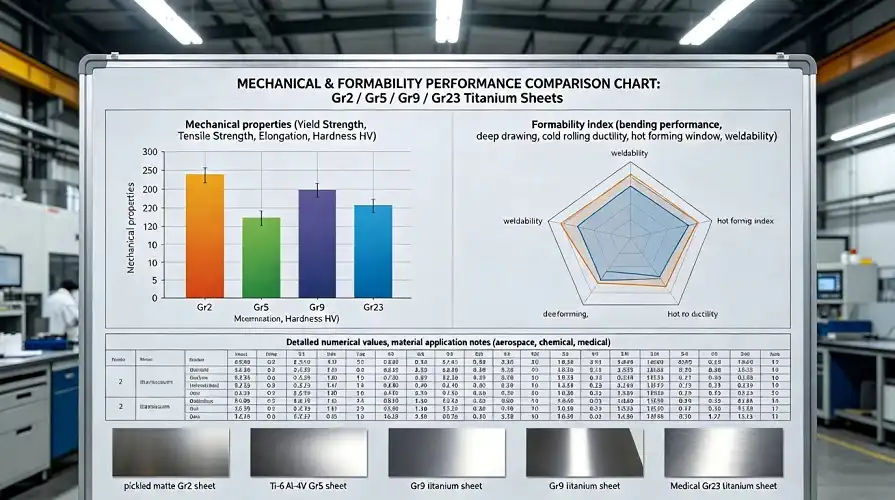
Ti-3Al-2.5V (Grade 9) is more formable than Grade 5 in cold forming. This alloy is softer and more ductile due to its lower aluminum concentration and lack of vanadium. Yield strength is generally 480 MPa, compared to Grade 5's 828 MPa minimum, for increased formability. Consider this option for applications that value manufacturing convenience above robustness.
Grade 23, extra-low interstitial (ELI) Ti-6Al-4V, has somewhat better ductility due to tighter oxygen, nitrogen, and iron impurity control. Medical device manufacturers often request Grade 23 for implanted components due to its fracture toughness and formability. Elongation values of 12-15% allow narrower bend radii during component manufacture.
Non-Titanium Alternatives
Stainless steels like 316L are cheaper than titanium alloys and form well at room temperature. Deep drawing, tight bends, and intricate stamping are easy without heating. Stainless steel's density (8.0 g/cm³) causes weight penalties in aeronautical applications, and its corrosion resistance in certain chemical conditions lags behind that of titanium.
Aluminum alloys like 6061-T6 have low density, good annealed formability, and an inexpensive cost compared to Ti-6Al-4V plate. However, their maximum operating temperature seldom surpasses 175°C, and their mechanical strength is significantly below that of titanium. Despite its forming benefits, aluminum is unsuited for lightweight constructions in moderate-to-high temperature or corrosive conditions.
Practical Tips for Procuring Formable Ti-6Al-4V Plates
Source a titanium plate with consistent formability requires supplier credentials, material certifications, and procurement methods that differ from commodity metal sourcing.
Selecting Certified Suppliers
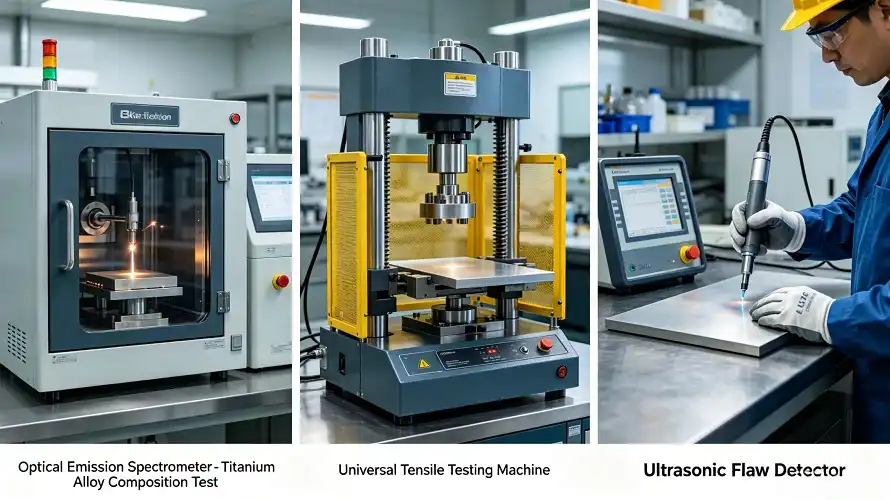
International standards underpin quality assurance. Reliable vendors have ASTM B265, AMS 4911, and ASME SB265 certificates, assuring plate shipments fulfill mechanical property standards. These certificates check chemical composition, mechanical characteristics, and microstructural integrity using spectroscopy, tensile testing, and metallography.
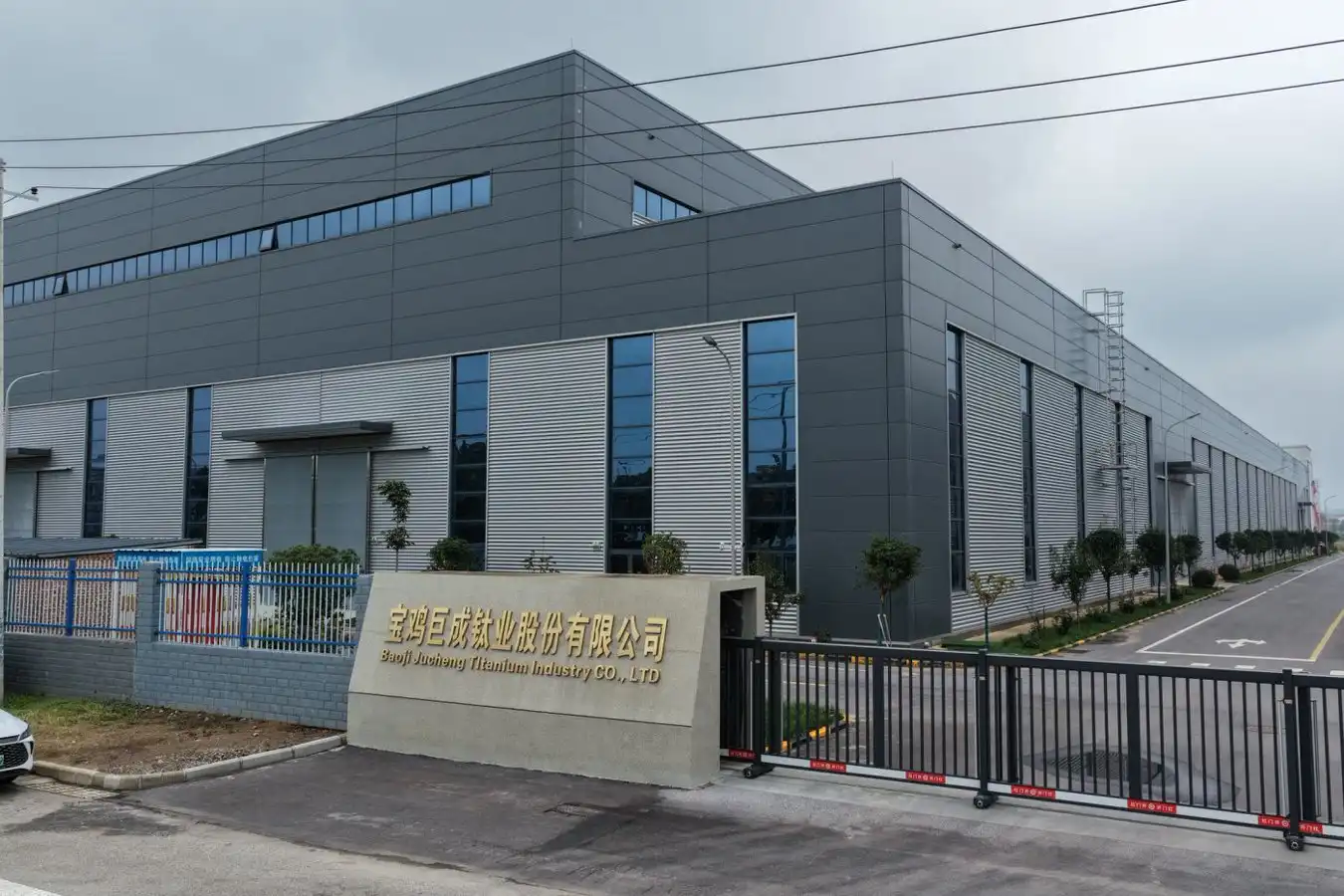
Jucheng Titanium, based in Baoji, China's titanium valley, has spent 20 years developing manufacturing skills recognized by our National High-Tech Enterprise and "little giant" status. In 120,000 square meters, we have modern rolling equipment, several annealing furnaces, and AMS 2631-compliant testing facilities with ultrasonic inspection. Our infrastructure guarantees that every plate that leaves our plant meets or exceeds client formability and mechanical performance criteria.
Every shipment needs third-party material verification. Mill test reports (MTRs) describe chemical, tensile characteristics, and heat treatment history to track heat lots. Aviation and medical device manufacturers typically demand supplementary paperwork proving conformity with industry standards like AMS or ISO 5832-3 for medical grades.
Managing Custom Orders and Lead Times
Standard plate dimensions work for many applications, but a bespoke size is sometimes needed to maximize material use. We provide bespoke thicknesses from 4mm to 80mm, widths from 950mm to 2500mm, and lengths up to 10,000mm. Custom dimensions save downstream machining, material waste, and labor costs for formed components.
Order complexity and manufacturing schedules affect lead times. Standard annealed plates from inventory ship within days, but bespoke dimensions or heat treatments take four to eight weeks, depending on rolling mill availability and heat treatment cycles. Our strategic inventory—3,000 tons year-round—allows us to respond quickly to urgent requirements that challenge rivals using pure build-to-order strategies.
Raw material prices, processing complexity, and order volume determine pricing. Larger orders have better unit pricing, but our efficient manufacturing techniques benefit smaller orders. Please provide grade, dimensions, quantity, surface finish, certification requirements, and delivery date when obtaining quotes. This detail allows proper quotation and saves costly manufacturing misunderstandings.
Applications and Case Studies Showcasing the Formability of Ti-6Al-4V Plates
Industrial applications show how this alloy's formability allows for components unattainable with less flexible materials.
Aerospace Structural Components
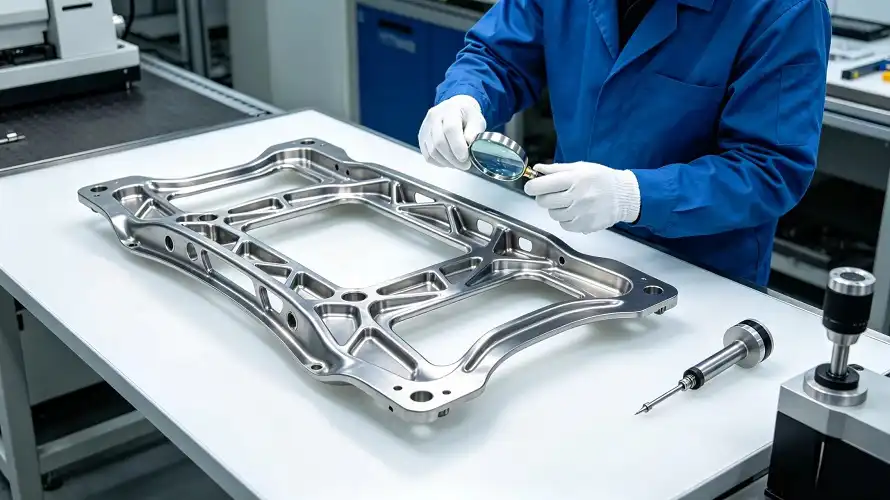
Aircraft makers hot-form complicated bulkheads, wing ribs, and fuselage frames from Ti-6Al-4V plate. A large aerospace contractor devised a superplastic forming technology employing controlled heating to 900°C under inert gas to create complicated structures with compound curves and stiffening characteristics. Forming components with uniform wall thickness and good fatigue resistance meets strict damage tolerance standards and reduces assembly part counts by 40% compared to mechanically attached alternatives.
We supply superplastic-forming plates to aircraft component suppliers. Extended annealing cycles regulate grain structures and improve high-temperature ductility in these plates. Material certification supports flight-critical customer qualification with grain size and fracture toughness data.
Medical Implant Manufacturing
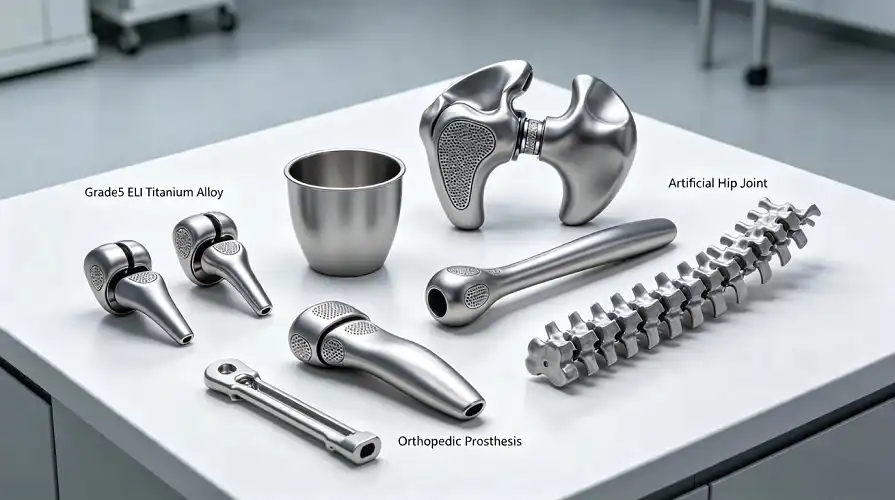
Grade 5 ELI plate is precision stamped and forged into bone plates, spinal cages, and hip stem components for orthopedic implants. The shaping methods generate complicated three-dimensional geometries that meet anatomical criteria and meet osseointegration surface finish demands. Our plate's predictable forming behavior and constant mechanical qualities helped one surgical equipment producer save costs by 25% by transitioning from pure machining to hybrid forming-plus-machining.
The medical industry requires strict material purity and traceability. We check hydrogen content (below 0.0125%), microstructural testing for alpha case formation, and FDA regulatory filing documents. Many North American and European implant manufacturers trust this attention to detail.
Chemical Processing Equipment
Pressure vessel heads, reactor nozzles, and heat exchanger components are hot- and explosive-formed from Ti-6Al-4V plate by chemical equipment fabricators. Complex forms for demanding petrochemical service are possible given the alloy's formability and chloride corrosion resistance. A significant chemical plant expansion required plates up to 2.5 meters in diameter, and we delivered approved material on time to meet building timelines.
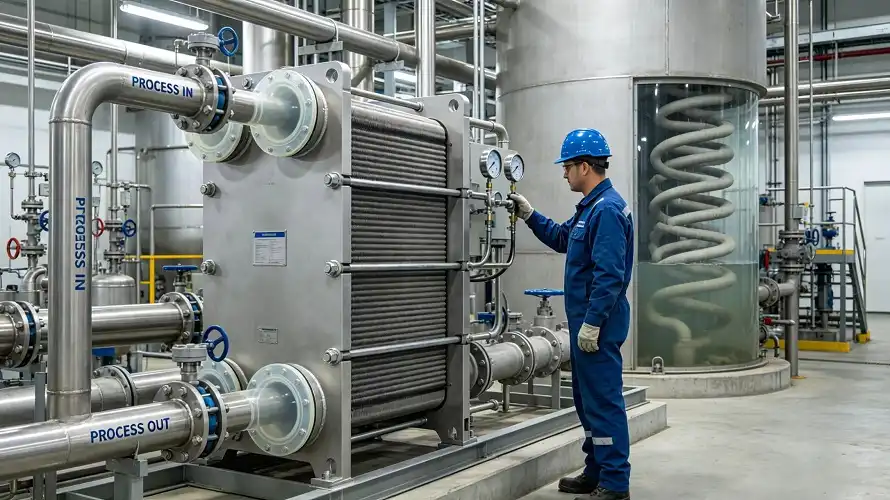
We produce about 500 titanium heat exchangers and reactors every year, many with formed Ti-6Al-4V plate components. Vertical integration gives us unique insight into forming needs, allowing us to optimize plate qualities for the downstream fabrication processes our clients use.
Conclusion
Ti-6Al-4V plate formability balances the alloy's strength with the needs of complicated component manufacture. Understanding how temperature, heat treatment, and processing factors affect forming behavior helps procurement managers match material selection with manufacturing capability. Strength, corrosion resistance, and weight savings make this alloy more difficult to manufacture than softer metals, but aeronautical, medicinal, and chemical uses justify it. Formability issues become manufacturing benefits by working with experienced suppliers that provide constant material quality, complete certification, and technical assistance.
FAQ
Q1: What temperature produces optimal formability for Ti-6Al-4V plate?
Hot forming at 700°C–900°C works well for most applications. This temperature range decreases yield strength and increases ductility, allowing tight bend radii and intricate designs. An inert environment or protective coatings prevent thermal oxidation. Some specialized procedures use superplastic forming at temperatures near 900°C with precisely regulated strain rates to reach elongation values of 200%.
Q2: Can the Ti-6Al-4V plate be cold-formed?
With good tooling and bend radii, limited cold forming works. Minimum inner radii for room-temperature bending are 6-8 times material thickness. Sharp bends can break surfaces and shorten fatigue life. Solution-treated and aged material is less cold formable than annealed material. Many fabricators use warm forming at 300-500°C to increase formability without hot forming infrastructure.
Q3: How does plate thickness affect forming difficulty?
Hot forming is needed for moderately complicated items because thicker plates require greater forming forces. With the right tools, plates below 6mm may be cold formed, whereas plates beyond 20mm require high temperatures. Tooling must compensate for the thicker parts' springback after forming. We have expertise in making plates from 4mm to 80mm thick and can help match plate thickness to the client's forming capabilities and component needs.
Partner with Jucheng Titanium for Reliable Ti-6Al-4V Plate Supply
Beyond low price, a reliable Ti-6Al-4V plate supplier needs manufacturing skills, quality assurance methods, and fast customer service that meets your production needs. Jucheng Titanium, a major titanium plate producer, serves aerospace, chemical, medical, and industrial equipment industries in North America and abroad with two decades of metallurgical expertise and advanced production facilities.
Our Grade 5 titanium plates come with ASTM B265 and AMS 4911 certification paperwork and ultrasonic inspection, chemical analysis, and mechanical property verification. We avoid supply chain uncertainties that disrupt production schedules with large inventory ready for shipment and bespoke processing for unique needs. Ensure material performance fits your production processes with application-specific formability, heat treatment, and dimensional assistance from our expert team.
Our engineering support and quality commitment add value to regular annealed plate for hot forming or custom-processed material for particular applications. Contact us at s4@juchengti.com to discuss your formability needs and how our titanium plate solutions help you succeed in production.
References
1. Donachie, M.J. (2000). Titanium: A Technical Guide, 2nd Edition. ASM International, Materials Park, Ohio.
2. Lütjering, G. and Williams, J.C. (2007). Titanium, 2nd Edition. Springer-Verlag, Berlin Heidelberg.
3. Boyer, R., Welsch, G., and Collings, E.W. (1994). Materials Properties Handbook: Titanium Alloys. ASM International, Materials Park, Ohio.
4. Veiga, C., Davim, J.P., and Loureiro, A.J.R. (2012). "Properties and applications of titanium alloys: A brief review." Reviews on Advanced Materials Science, 32(2), 133-148.
5. ASM International Handbook Committee (1990). ASM Handbook Volume 14: Forming and Forging. ASM International, Materials Park, Ohio.
6. Semiatin, S.L. and Seetharaman, V. (2004). "Microstructure evolution during alpha-beta heat treatment of Ti-6Al-4V." Metallurgical and Materials Transactions A, 35(11), 3397-3412.