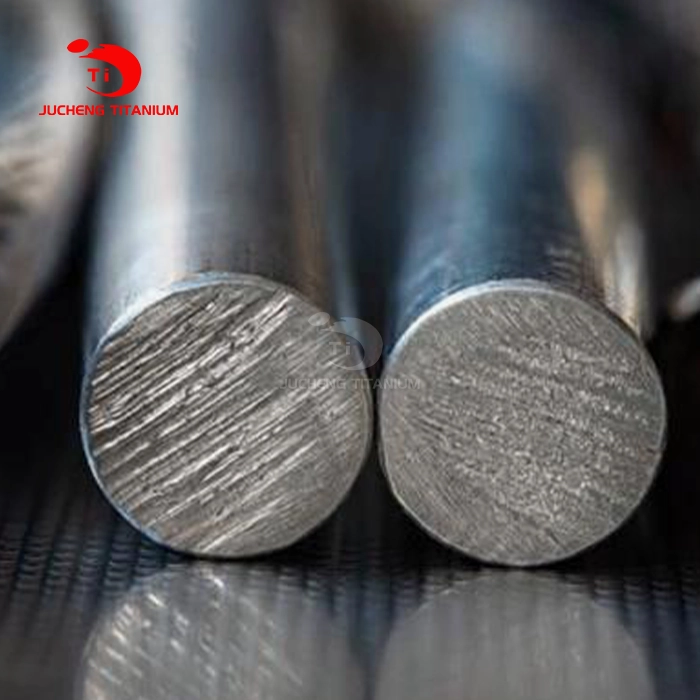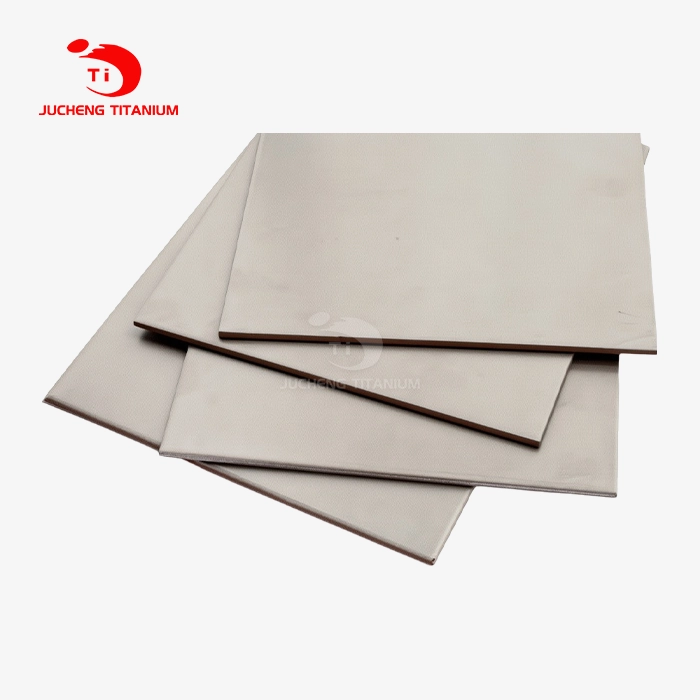

Which Applications Need Gr12 Titanium Plate for Corrosion Resistance?
Gr12 titanium plate is used in challenging industrial applications where harsh chemical conditions and high-temperature chloride exposure need corrosion resistance without the high expense of palladium-alloyed grades. This alloy with 0.3% molybdenum and 0.8% nickel avoids crevice corrosion and pitting in chemical processing equipment, maritime desalination systems, hydrometallurgical autoclaves, and reducing acid conditions where commercial titanium fails. Its strategic composition covers the performance gap between Grade 2 titanium and pricey Grade 7, making it ideal for very corrosive heat exchangers, pressure vessels, and brine concentrators.

Understanding Gr12 Titanium Plate and Its Corrosion Resistance Properties
Gr12 titanium plate is an engineering solution that was made to deal with corrosion problems in the industry setting. Ti-0.3Mo-0.8Ni (UNS R53400) is the name of the metal. The molybdenum and nickel change the material's electrochemical behavior in aggressive media in a basic way.

Chemical Composition and Metallurgical Structure
This grade's near-alpha titanium structure keeps the great shapeability of the base metal while making it much more resistant to localized rust. The molybdenum in the film keeps it stable in reducing environments, and the nickel makes it more resistant to hot chloride solutions. This mix fixes the main problem with widely pure titanium, which is that it can rust in cracks where oxygen levels are low, and chloride ions build up.

Corrosion Mechanisms and Performance
Standard grades of titanium can lose their protective oxide layer in cracks when they are exposed to seawater at high temperatures or concentrated brine solutions. The purposeful alloying in Gr12 material stops this failure mode by keeping the passive film stable even when oxygen levels are low. Testing shows better performance in pH ranges of 2 to 12, especially in hot brines above 200°F, where unalloyed titanium becomes weak.

Temperature and Strength Characteristics
This grade keeps its useful structural strength up to about 315°C (600°F), and the ASME Code allows it to be used in pressure tank applications. Once you go over this point, oxidation speeds up, and creep strength goes down. The annealed state standard makes sure that the metal is flexible enough for making while still having good corrosion resistance.
Core Industrial and Aerospace Applications of Gr12 Titanium Plate
This type of titanium has been used as a cost-effective option by industries that need long-term dependability in corrosive conditions. The choice of material takes into account both the technical performance needs and the total cost of ownership over the whole lifecycle.

Chemical Processing Equipment
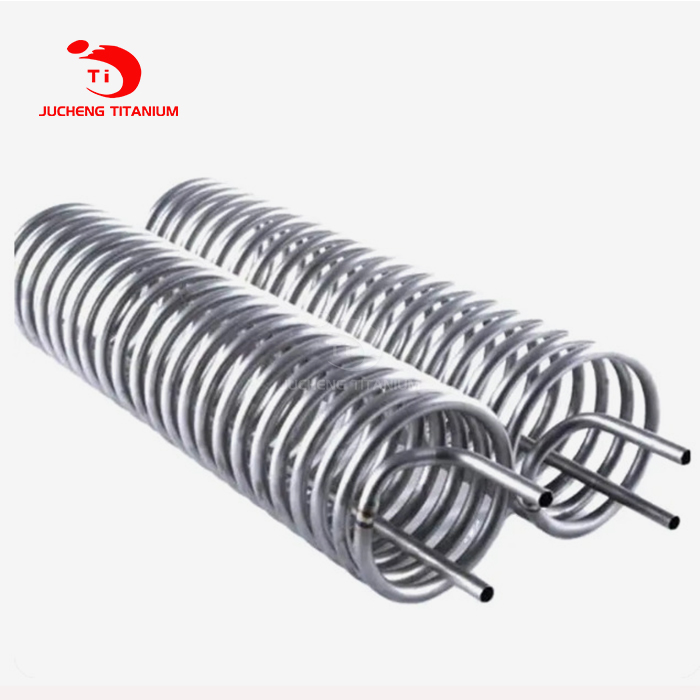
This material can be used to make heat exchanger tube sheets and baffle plates that can handle hot chloride service when other grades can't. Longer service life is good for plants that deal with weak reduction acids, wet chlorine gas, or pH changes. The material stops the terrible crack rust that shuts down chemical processing plants without warning and costs a lot to replace.
Reactor tanks and stirrer parts that are exposed to corrosive slurries last a very long time. Because it doesn't react with either oxidizing or reducing environments, it can be used in processing equipment that has more than one purpose. This is helpful because different chemical projects might need different material specs.
Marine and Desalination Systems
This grade of titanium is used in high-temperature brine concentrators and multi-stage flash evaporator vessels in seawater desalination plants. The substance doesn't allow pitting to happen in areas where flow isn't moving, which is where high salt levels and low oxygen levels make it easy for localized rusting to happen. When parts are properly specified, they can last for decades in salt production facilities that use continuous evaporation cycles.

Seawater cooling systems, ballast tank coatings, and fire suppression equipment are all used on offshore platforms where long maintenance intervals make the investment worthwhile. The strength-to-weight ratio is useful for marine structures that need to be light.
Hydrometallurgical Processing
This material can be used to line high-pressure acid leaching (HPAL) autoclaves so they can handle both rough mineral slurries and strong reducing acid chemistry. Nickel and cobalt mining sites have been known to last longer than fifteen years in these tough environments. The material stays strong, while stainless steel options break down quickly.

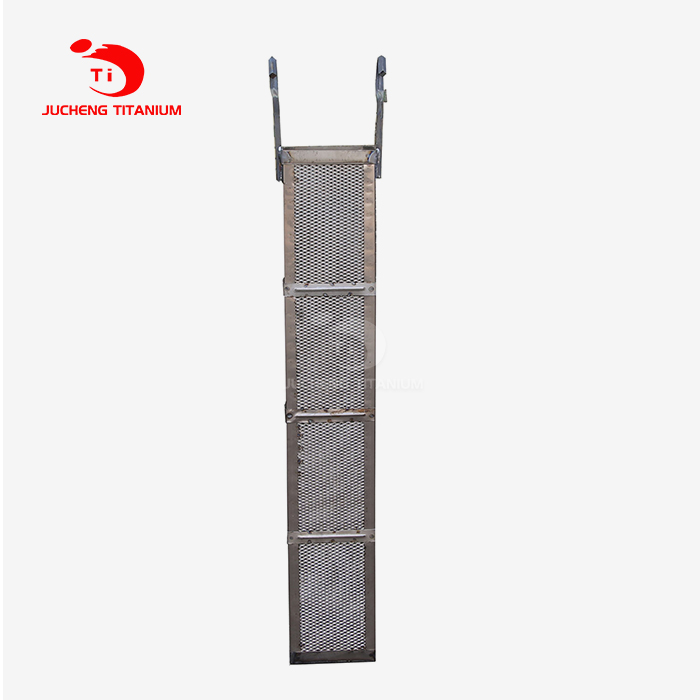
Electrowinning works better with Gr12 titanium plate because it can handle weak sulfuric acid conditions with chloride pollution. This grade is used to make tank linings and cathode hangers that stop production problems caused by corrosion.
Energy and Power Generation
In geothermal power plants, condensers deal with the corrosive steam and brine mixtures that are hard for most materials to handle. The titanium grade works well in these chloride-filled, high-temperature environments. In coal-fired power plants, this material is used for scrubber parts that are exposed to acidic, chloride-filled wash water.
Comparing Gr12 Titanium Plate with Other Materials for Corrosion Resistance
When choosing a material, it's important to think carefully about its performance, its lifecycle costs, and the needs of the application. Knowing how this type of titanium stacks up against other options helps you make smart purchasing choices.

Performance Against Traditional Alloys
316L and duplex types of stainless steel are cheaper at first, but they often break too soon in hot chloride service. When the passive film breaks down on stainless steel in cracks, it lets things in quickly, but this type of titanium keeps the security. Even tho Inconel alloys are very strong at high temperatures, their higher cost and lower density often make them too expensive for large-scale equipment projects.
Aluminum metals aren't strong enough to be used in pressure vessels, and they don't hold up well in acidic conditions. The titanium option has a better strength-to-weight ratio and has been shown to be resistant to corrosion over a wider pH range.
Comparison with Other Titanium Grades
Pure titanium grade 2 is cheaper, but it doesn't protect well enough against crevice rust in hot brine and reducing acid service. Plant operators often have to deal with early failures because the Grade 2 specifications don't work well in real-world conditions.
Palladium is added to Grade 7 to make it more resistant to rust, especially in strong reducing acids. The palladium presence, on the other hand, makes the materials 30–40% more expensive than this molybdenum–nickel combination. For most industrial uses, the performance difference isn't worth the extra cost because Gr12 titanium plate standards provide enough protection.
Grade 5 (Ti-6Al-4V) is stronger than this grade, but it doesn't resist corrosion as well. Molybdenum and nickel are used to make solid parts for spacecraft because they are stronger, while chemical processing equipment needs to be resistant to rust.
Lifecycle Cost Analysis
The initial cost of the materials is only one part of the total cost of ownership. This grade of titanium is usually good for 20 to 30 years of corrosive service, while stainless steel alternatives might need to be replaced every 5 to 7 years. Even tho the initial investment is higher, the costs of avoided downtime, replacements, and maintenance interventions make the economic case strong.
Using ErTi-12 filler wire that is compatible with Grade 2 titanium for welding lets you save money by strategically placing materials. For example, you could use this grade only in areas that are likely to rust and cheaper grades in other parts of the building.
How to Procure High-Quality Gr12 Titanium Plate – A B2B Buyer's Guide
Teams in charge of buying things need suppliers they can trust who know both the specs of the materials they sell and how they should be used. To do sourcing right, you need to pay attention to things like certification, manufacturing capabilities, and coordinating logistics.
Supplier Evaluation and Certification Requirements
To make sure the quality is good, mill test reports (MTRs) must be filled out correctly and include information about the chemical make-up and mechanical traits that meet ASTM B265 standards. Suppliers with a good reputation keep their ASME SB265 approval for use in pressure vessels. Documentation about traceability should be able to connect material to its original ingot heat number. This lets you check the composition and processing history.

An ISO 9001 quality management certification for Gr12 titanium plate shows that a process is being controlled in a planned way, and an AS9100 certification shows that a seller is following the rules for the aerospace industry. Ask for proof that the third party can test and inspect the product in a way that meets the requirements for size tolerances and surface finish.
Manufacturing Capabilities and Customization
The final properties of the material are set by the controlled rolling, annealing, leveling, and pickling steps used to make hot rolled plates. The thickness should be between 4mm and 80mm, the width should be up to 2500 mm, and the length should be up to 10000mm. Custom sizing cuts down on waste and the cost of making big projects.
Different surface treatments, such as polished, machined, or acid-pickled finishes, change how welding and forming are done later. Talk about the post-processing needs during purchase to make sure the given material meets the needs for fabrication without the need for extra steps of preparation.
Inventory and Lead Time Considerations
Suppliers who keep a lot of stock on hand can meet urgent needs without having to wait a long time for production to start. Companies that keep more than 3,000 tons of different types of titanium in stock can adapt to changes in project schedules and make faster supplies. Established transportation networks make sure that foreign shipping goes smoothly and that the right paperwork is provided for customs clearance.
Talk about framework deals for regular buying, which will set stable prices and ensure that supplies are distributed even when the market is short. Long-term ties with suppliers help with planning output better and lower the risk of buying things.
Best Practices for Machining and Handling Gr12 Titanium Plate
When this material is made correctly, the mechanical and corrosion-resistant properties that make it valuable are kept. Knowing what makes titanium special helps keep expensive mistakes from happening when parts are being made.

Tooling and Cutting Techniques
Titanium doesn't conduct heat well, so the cutting edge gets hot. This means that you need sharp tools and controlled cutting speeds. Cutting forces and heat production are reduced by carbide tools with positive rake angles. Keep the cutting speeds 40–50% slower than for similar tasks in stainless steel, and use a lot of coolant to keep the work from getting too hard and the tools from wearing out.
Do not put too much pressure on the tool, as this can damage the surface or change the structure. When shearing or plasma cutting, make sure to leave enough stock for the final machining step to get rid of areas that got hot. For parts that don't need a lot of finishing, waterjet cutting gives them clean edges without affecting the temperature.
Surface Preparation and Cleanliness
When hot rolled plate is delivered, it usually has a gray oxide scale that needs to be removed using bead blasting and acid pickling. Make sure the surface is descaled and pickled to get the best testing results and the most corrosion protection in service. Using a mix of nitric and hydrofluoric acids in the cleaning process gets rid of scale and restores the passive oxide film.
Keep things clean during fabrication by keeping tools, work surfaces, and handling gear away from the iron. Even very small amounts of iron buried in titanium can make galvanic cells that start rusting in one area. Use stainless steel brushes and cleaning tools that are only meant to be used on titanium.
Welding Protocols and Heat Treatment
When you use ErTi-12 filler wire in TIG (GTAW) welding, the weld zones stay resistant to corrosion. Argon shielding gas keeps the weld pool and back surface clean from outside contaminants. Oxidation during cooling would damage the passive film's structure, but trailing screens and purge gas systems stop it.
Post-weld stress relief at controlled temperatures can make the shape more stable without weakening the resistance to corrosion. Don't heat things above 600°F unless you have special mechanical goals that need a higher temperature treatment. After a lot of cold working during forming, annealing cycles bring back the best properties.
Conclusion
The smart use of Gr12 titanium plate solves major rust problems in the energy, marine, hydrometallurgical, and chemical industry fields. Its molybdenum-nickel mix makes it resistant to crevice corrosion and pitting in hot chloride and reducing acid conditions, where regular titanium types don't work well. Compared to stainless steel alternatives, this material has a better lifecycle value because it lasts longer and needs less maintenance. Carefully choosing a source, making sure that specifications meet ASTM B265 standards, and following best practices for manufacturing all make sure that parts work the way they were designed to. This grade of titanium is perfect for companies that need corrosion solutions that don't cost a lot and work well in tough situations. It has the best performance, reliability, and long-term economics.
Frequently Asked Questions
1. How does Gr12 titanium plate compare to Grade 7 regarding cost and performance?
The molybdenum-nickel mix costs 30–40% less than Grade 7 with palladium added to it, but it is still resistant enough to crevice corrosion for most hot brine and mild acid uses. Grade 7 works a little better in strong reducing acids (pH 0–2), but the extra cost rarely makes up for the small benefit. Because of this, the Gr12 titanium plate option is the best value engineering choice for heavy machinery.
2. Can Gr12 titanium plate be welded to Grade 2 titanium?
Yes, these grades can be welded together using either TIG or MIG methods. To keep the weld zone resistant to corrosion, use ErTi-12 filler wire. Because they are compatible, you can save money by strategically placing the more expensive material only where it is needed to protect against corrosion better.
3. What surface condition should be specified when purchasing?
Ask for a descaled and pickling surface treatment to make sure the material is clean and ready to be fabricated. For proper checking and best rust performance, hot-rolled plates need to have their gray oxide scale removed. The acid pickling method restores the inactive protective film that is needed for resistance to rust.
Partner with Jucheng Titanium for Premium Corrosion-Resistant Solutions
With more than 20 years of experience in China's Titanium Valley, Baoji Jucheng Titanium Industry Co., Ltd. is a trustworthy company that sells Gr12 titanium plates. Our facility keeps more than 3,000 tons of different grades of titanium in stock, so we can deliver quickly and meet your project deadlines. We make hot-rolled plate that meets the standards of ASTM B265, ASME SB265, and AMS 4911. The thickness ranges from 4 mm to 80 mm, and the custom sizes can be up to 2500 mm wide and 10000 mm long. As a 45-patent National High-Tech Enterprise, we can help you with your corrosion-resistant equipment projects by giving you full material traceability, mill test reports, and technical advice. Our engineering team works with customers to help them choose the best materials, cut costs, and make sure the applications work well. Talk to s4@juchengti.com about your needs for the material and experience the quality that has gotten us over 70% of the market in hydrometallurgical uses and is known in North American industrial markets.

References
1. American Society for Testing and Materials. (2020). ASTM B265: Standard Specification for Titanium and Titanium Alloy Strip, Sheet, and Plate. ASTM International, West Conshohocken, PA.
2. Boyer, R., Welsch, G., & Collings, E.W. (1994). Materials Properties Handbook: Titanium Alloys. ASM International, Materials Park, Ohio.
3. Schutz, R.W. & Thomas, D.E. (1987). "Corrosion of Titanium and Titanium Alloys," in Corrosion: Metals Handbook, 9th Edition, Volume 13, ASM International.
4. Donachie, M.J. (2000). Titanium: A Technical Guide, 2nd Edition. ASM International, Materials Park, Ohio.
5. Cotton, J.B. (1970). "The Role of Palladium in Enhancing the Corrosion Resistance of Titanium," Platinum Metals Review, Volume 14, Issue 4.
6. International Titanium Association. (2015). Titanium for Chemical Processing and Industrial Applications: Guidelines for Designers and Engineers. ITA Technical Committee Publication.