



Which Applications Require Titanium Sheet AMS4900 Compliance?
Titanium sheet AMS4900 compliance is mandatory across industries where material failure carries safety or regulatory consequences. Specifically, AMS4900 — governed by SAE International — defines commercially pure titanium sheet equivalent to UNS R50250 in the annealed condition. Its minimum tensile strength of 240 MPa, oxygen content capped at ≤0.18%, and exceptional cold formability make it the preferred specification for aerospace airframe components, plate heat exchangers, medical implant tooling, marine systems, and explosive-clad pressure vessels. Any sector demanding traceable certification, dimensional repeatability, and zero corrosion allowance will require this standard.
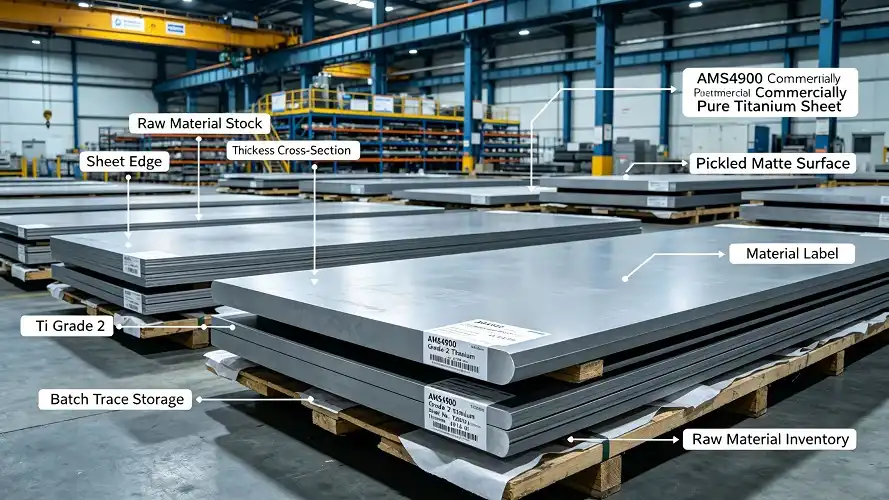
Understanding AMS4900 Titanium Sheet Compliance
AMS4900 is not just a grade number; it is a strict material specification set by SAE International that controls the chemical make-up, the annealing temperature, the mechanical limits, and the integrity of the surface. Instead of setting minimum standards like ASTM B265 Grade 1, AMS4900 has two sets of rules: the yield strength must stay within a narrow range to keep the material's flexibility, which is what makes it workable.
Key Specification Parameters
The specification limits the amount of oxygen to ≤0.18% and the amount of iron to ≤0.20%. This is because even small increases in interstitial elements make the alpha-phase microstructure harder and less flexible. To stop embrittlement, the hydrogen level is kept below 0.015 percent. Inert Gas Fusion tests according to ASTM E1409 and E1447, tension tests according to ASTM E8, and a required 180-degree bend test according to ASTM E290 make sure that the sheet won't crack while it's being made.

AMS4900 vs. Related Titanium Standards
A lot of the time, procurement teams compare AMS4900 to AMS4901 and AMS 4911. The difference is important for operations: AMS4900 has the most elongation and the deepest draw, while AMS4911 has better structural strength. AMS4900 is the right standard for you if your part shape needs complex pressing or tight-radius forming without any intermediate annealing. We offer Grade 1, Gr2, Gr4, Gr5, Gr7, Gr9, and Gr12, all of which meet ASTM B265, ASTM F67, AMS 4911, and ASME SB265 standards.
Core Applications Requiring AMS4900 Compliance
This standard is required by many businesses because lower-grade materials can't match the mix of purity, ductility, and resistance to corrosion. These industries must use AMS4900-certified materials because they are required by law or by business.
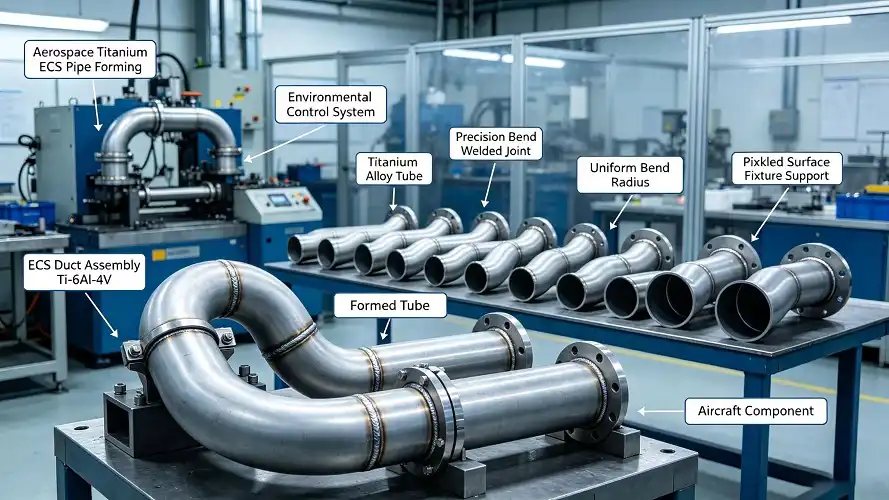
- Aerospace Airframe & ECS Ducting: Non-structural skins, fairings, and environmental control system ducting require complex geometries formed from flat sheet without heat treatment. Titanium sheet AMS4900 sustains the vibratory fatigue loads encountered at altitude while enabling fabrication of intricate profiles that higher-strength grades would crack under during cold forming operations.
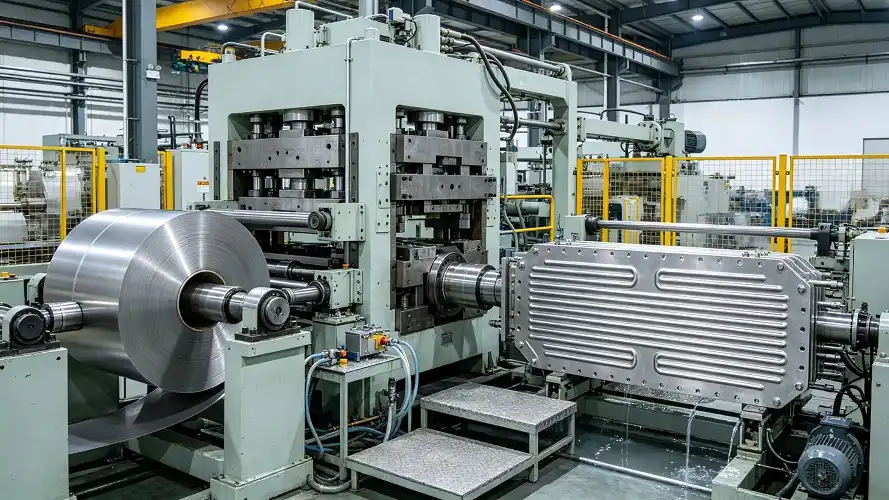
- Plate Heat Exchangers in Chemical & Marine Environments: Desalination plants and petrochemical processors deploy pressed titanium plates to handle seawater, wet chlorine, and concentrated nitric acid — environments where 316L stainless steel develops pitting corrosion within months. The high-purity alpha microstructure of AMS4900-compliant sheet remains passive across the full pH spectrum, eliminating corrosion allowance from design calculations.
- Explosive-Clad Pressure Vessel Liners: When AMS4900 sheet is bonded to carbon steel backing plates via explosive welding, its ductility is the critical variable. A brittle liner tears at the bond interface during the high-energy event; the controlled low yield strength of this specification absorbs the deformation energy and maintains bond integrity across the vessel surface.
- Medical Device Tooling & Biomedical Fixtures: While implants themselves use ASTM F67 Grade 1 material, the jigs and fixtures used to fabricate and sterilize them require biocompatible, autoclave-stable titanium sheet. The absence of alloying elements means zero ion release risk during repeated sterilization cycles.
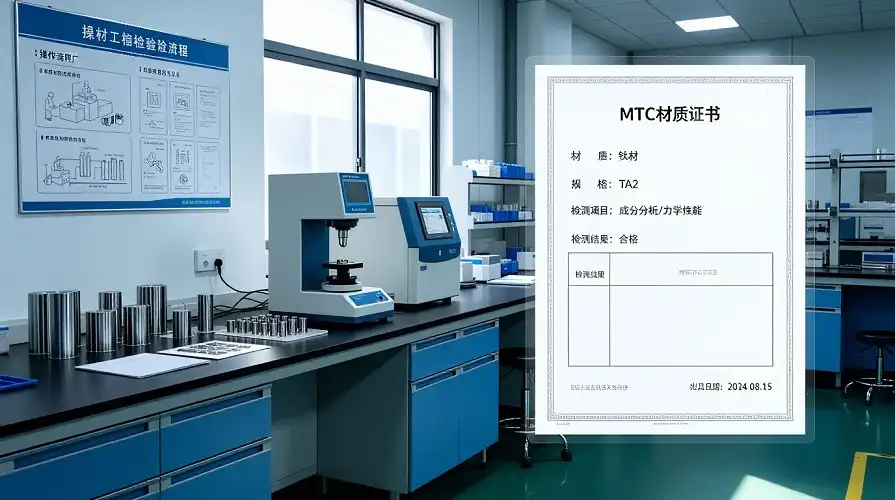
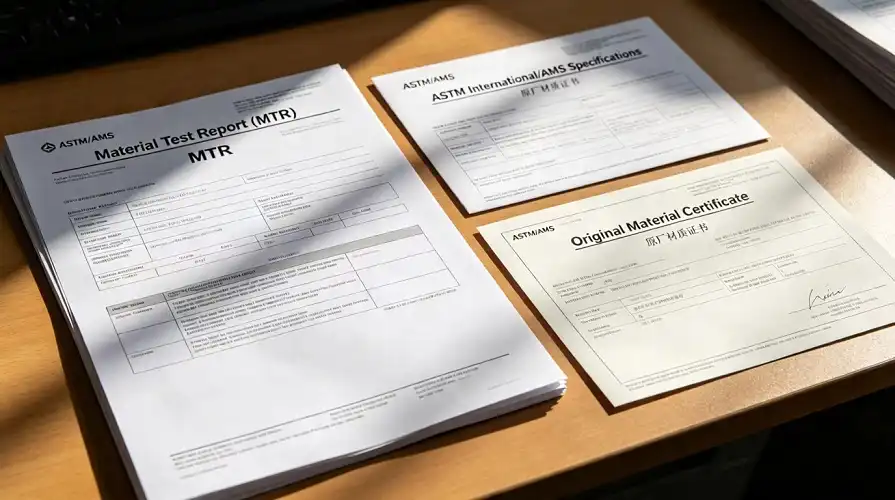
One thing that all of these application types have in common is that the material has to work exactly as described, batch after batch. It must also have a Mill Test Certificate that can be tracked and that shows the heat number, chemical breakdown, and mechanical test results. This certificate must be in line with EN 10204 3.1.
How AMS4900 Compliance Enhances Performance and Reliability?
Meeting the requirements of AMS4900 leads directly to measured results in the production and lifecycle stages. Fabricators can make smaller bend radii without pre-heating or post-bending because the tensile strength is always above 240 MPa and the elongation value is over 24%. That cuts down on steps in the process and lowers the cost of making the thing.
Corrosion and Temperature Resistance
Titanium sheet that is verified by AMS4900 maintains passivity up to 315°C in oxidizing acid conditions for marine and chemical use. This thermal stability gets rid of the creep and stress corrosion cracking that shortens the useful life of stainless steel in those situations. This cuts down on repair times and unexpected downtime.
Traceability and Supply Chain Integrity
Each approved heat of titanium sheet AMS4900 has records of its chemical analysis, mechanical test results, and heat treatment. This traceability chain meets the needs of NADCAP audits and First Article Inspection protocols for aerospace primes and defense contractors. It also makes customs paperwork easier for international shipments, which speeds up the clearance process and saves time on projects that need to be done quickly.
Procurement Considerations for AMS4900 Titanium Sheets
It takes more than just comparing prices to find approved CP titanium sheet for important uses. Buyers need to check if a provider can provide consistent certification paperwork, meet dimensional standards across the entire size range, and meet the needs of custom processes.
Evaluating Supplier Qualifications
A reliable company that makes AMS4900 titanium sheets should give EN 10204 3.1 MTCs with every order, show that they can control the process by keeping records of their annealing cycles, and keep enough stock on hand to meet tight project deadlines. At Jucheng Titanium, we keep about 3,000 tons of titanium in stock all year long. This lets us ship quickly without losing the quality of our certifications.
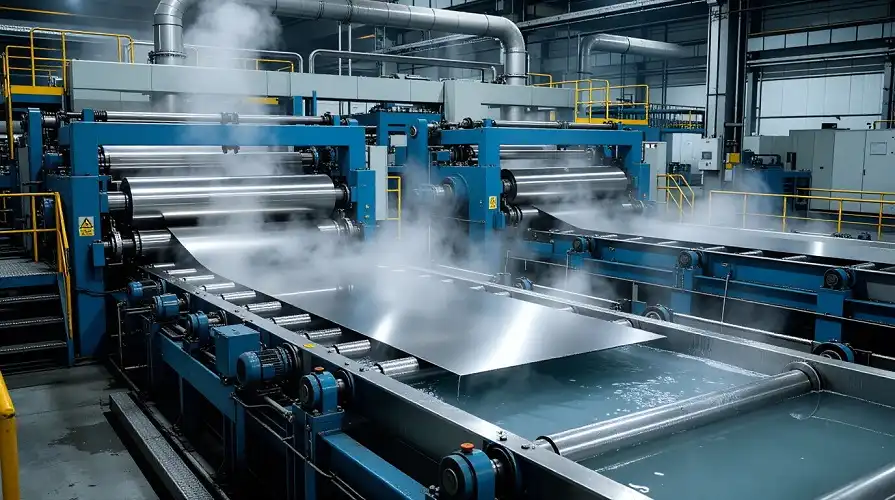
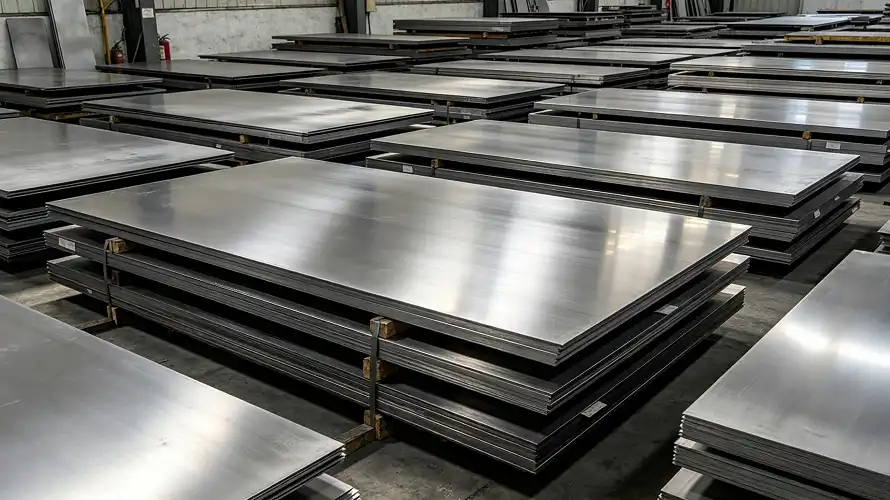
Our hot-rolled titanium sheets come in thicknesses ranging from 4 mm to 80 mm, widths ranging from 950 mm to 2,500 mm, and lengths ranging from 950 mm to 10,000 mm. If you need a different size, just let us know. Some of the ways that things are processed are rolling, annealing, leveling, pickling, and finishing the surface. Surface processes include machined, polished, and acid-pickled finishes, and all of them are supplied in the annealed state that AMS4900 requires.
Comparative Analysis: AMS4900 vs. Alternative Titanium Specifications
Procurement engineers can make more solid choices about where to get materials if they know where AMS4900 fits in with other titanium specifications.
AMS4900 has the best formability and lowest yield strength ceiling, which makes it perfect for deep-drawn parts and corrosion-service plate exchangers. AMS4901 adds about 45% more yield strength but less stretch, making it a good choice for lightweight structural parts that don't need to be shaped very tightly. The standard that is used in business is ASTM B265 Grade 1. It is common to be certified to both AMS4900 and ASTM B265 Grade 1, which makes it easier to buy things that meet different regulatory frameworks.
Titanium that meets AMS4900 standards is 45% lighter than 316L stainless steel and doesn't get pits from chlorides at all. The higher cost of the materials at first is made up for by longer service life, no longer having to account for corrosion, and less upkeep work, especially in remote and chemical plant settings where entry is expensive.
Conclusion
AMS4900 compliance is the minimum requirement for purchase, not an extra choice, for uses where forming complexity, corrosion resistance, and certification traceability all come together. This standard spells out the exact ductility and purity range that is needed for biomedical tooling, chemical heat exchanger plates, explosive-clad vessel frames, and aerospace ducts. When you choose the right titanium sheet AMS4900 specification when you're buying it, you can avoid expensive material changes, factory rejects, and audit failures later on. When buying things has that much of an impact, verified certification and supplier experience are not up for debate.
FAQ
1. What distinguishes AMS4900 from AMS4902?
Grade 1 AMS4900 has a yield strength of about 27.5 ksi and can be shaped the most. AMS4902 is the same as Grade 2, but its yield strength is higher, around 40 ksi. Choose AMS4900 if you need to deep draw, bend with a tight radius, or do complex cold forming without the risk of cracking.
2. Does AMS4900 titanium sheet require post-weld heat treatment?
No, because it is very pure, the heat-affected zone can still be bent without any thermal adjustment, as long as strict inert gas protection is used during the welding process to keep the atmosphere from contaminating the metal.
3. What documentation confirms genuine AMS4900 compliance?
The mill test certificate must be valid according to EN 10204 3.1 and clearly state the current version of AMS4900. It must include the heat number, full chemical analysis, and mechanical test results. Before receiving a shipment, you must ask for this paper.
4. What are typical lead times for certified AMS4900 sheet?
Jucheng Titanium can quickly fill standard orders because it keeps about 3,000 tons of stock on hand. Depending on how complicated the specifications are, custom sizes or surface treatments may take longer to make.
Partner with Jucheng Titanium — Your Certified AMS4900 Titanium Sheet Supplier
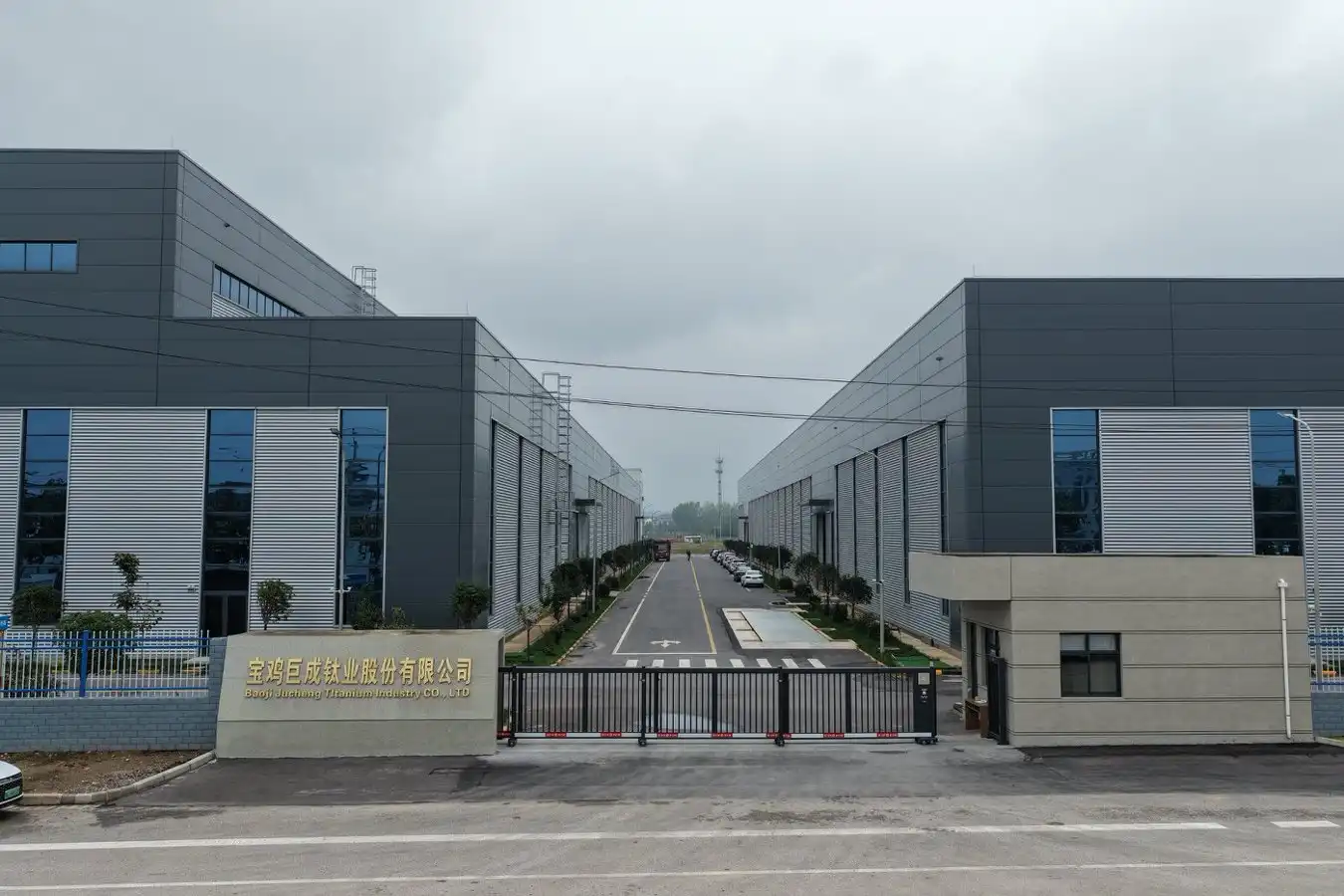
For more than 20 years, Jucheng Titanium has been handling and exporting titanium from Baoji, which is known as the "heartland" of titanium in China. We offer titanium sheet AMS4900 in grades 1 through 12, along with full MTC paperwork, custom cutting, heating, and finishing of the surface. Our team is ready to help you with your buying needs, whether you need a one-time order or a long-term supply deal. To get a quote right away, email us at s4@juchengti.com.
References
1. SAE International. AMS4900J: Titanium Sheet, Strip, and Plate, Commercially Pure, Annealed. SAE International, 2021.
2. ASTM International. ASTM B265-20: Standard Specification for Titanium and Titanium Alloy Strip, Sheet, and Plate. ASTM International, 2020.
3. Peters, M., Kumpfert, J., Ward, C. H., & Leyens, C. "Titanium Alloys for Aerospace Applications." Advanced Engineering Materials, 2003.
4. Donachie, M. J. Titanium: A Technical Guide, 2nd ed. ASM International, 2000.
5. Schutz, R. W., & Thomas, D. E. "Corrosion of Titanium and Titanium Alloys." ASM Handbook, Volume 13: Corrosion. ASM International, 1987.
6. Boyer, R., Welsch, G., & Collings, E. W. Materials Properties Handbook: Titanium Alloys. ASM International, 1994.