



Why Gr2 titanium plate works for marine and medical builds
GR2 titanium plate — commercially pure titanium grade 2 — has earned a firm place in two of the most demanding industries: marine engineering and medical manufacturing. With a density of just 4.51 g/cm³, a minimum tensile strength of 345 MPa, and virtual immunity to chloride-induced corrosion, this material solves problems that stainless steel and aluminum simply cannot. Whether the application involves submerged offshore structures or surgical implants placed inside the human body, commercially pure titanium grade 2 delivers a performance profile that few materials can match at a comparable cost.

Understanding GR2 Titanium Plate and Its Core Properties
Before we get into the particular applications of this metal, let's first discuss the features that set it apart from other metals in terms of its chemical composition and its structure.
Alpha-Phase Microstructure
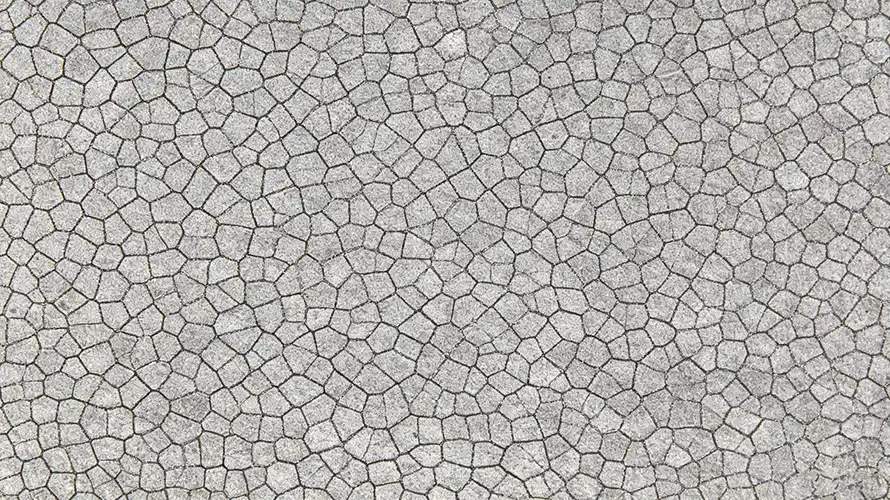
Gr2 titanium plate has a single-phase alpha crystal that may be found in the material. In other words, it does not include any beta-phase alloying elements in its composition. This not only makes it simpler to form at freezing temperatures, but it also ensures that its mechanical qualities remain consistent throughout a broad range of temperatures. When it comes to deep drawing, roll forming, or welding, the majority of the time, it is not necessary to heat treat the metal following the welding process.
Controlled Interstitial Chemistry
To differentiate it from titanium alloys such as Gr5 (Ti-6Al-4V), GR2 is not alloyed. In accordance with ASTM B265 and ASTM F67, its characteristics are governed by intermediate elements such as oxygen (with a maximum concentration of 0.25%) and iron (with a maximum concentration of 0.30%). Because of this chemical constraint, its behaviour is constant and predictable, which is vital for quality teams and procurement engineers to be aware of.
Mechanical and Physical Properties at a Glance

In terms of tensile strength, the minimum tensile strength for GR2 is 345 MPa, whereas the minimum yield strength is 275 MPa. Iron weighs forty-five percent less than steel. In the event that it is damaged, its passive oxide layer will mend itself, providing protection against corrosion even when there is no coating on the surface. It has been shown that these characteristics are capable of satisfying the criteria of ASTM B265, AMS 4911, and ASME SB265, which are the standards that the majority of purchasing teams for aviation, maritime, and medical products adhere to.
Why GR2 Titanium Plate Is Ideal for Marine Applications
Saltwater is one of the most aggressive environments any material will face. Chloride ions penetrate oxide layers on stainless steel and aluminum, causing pitting, crevice corrosion, and stress corrosion cracking (SCC). GR2 titanium plate remains practically immune to seawater corrosion up to 260°C, a threshold that covers virtually every operational marine condition.
Seawater Corrosion Resistance vs. Competing Metals
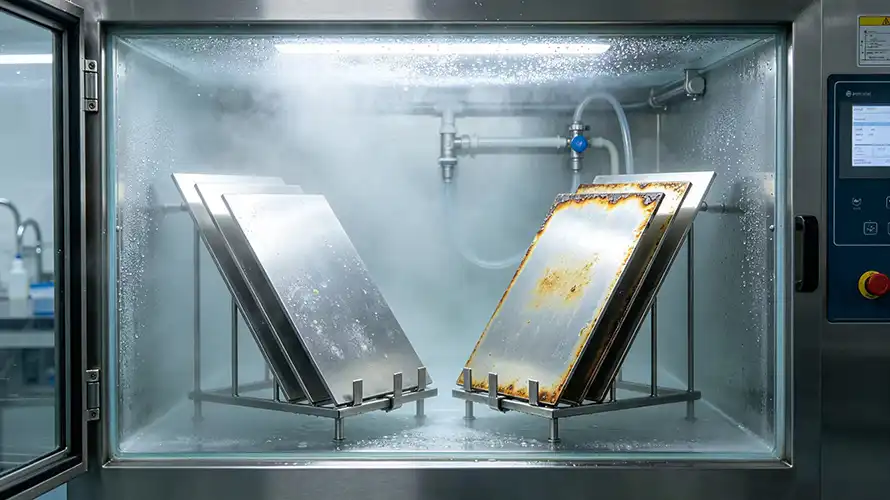
Some studies in the journal Corrosion Science have shown that commercially pure titanium lasts 10 to 20 times longer than 316L stainless steel in chloride-rich settings. Marine engineers always use titanium plate when making heat exchangers, purification equipment, and parts for remote platforms because it is too expensive to repair in those places. The decision is based on lower lifecycle cost, not just lower initial material cost.
Structural Applications in Shipbuilding and Offshore Platforms
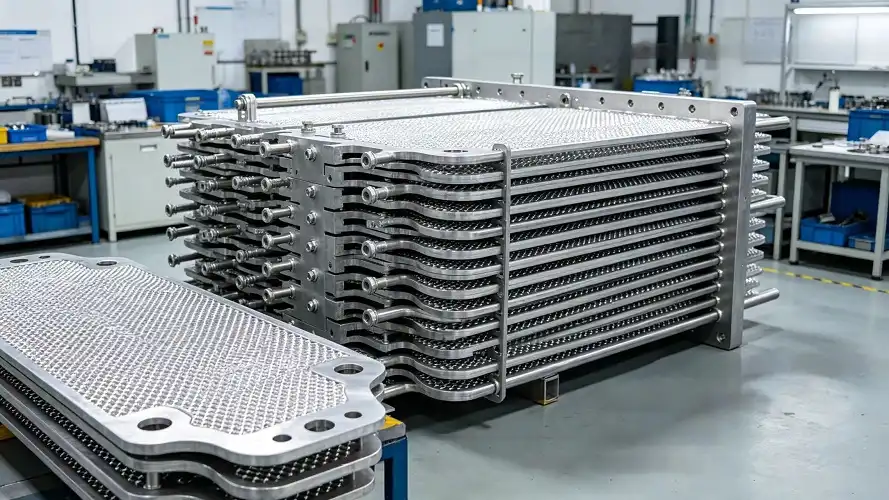
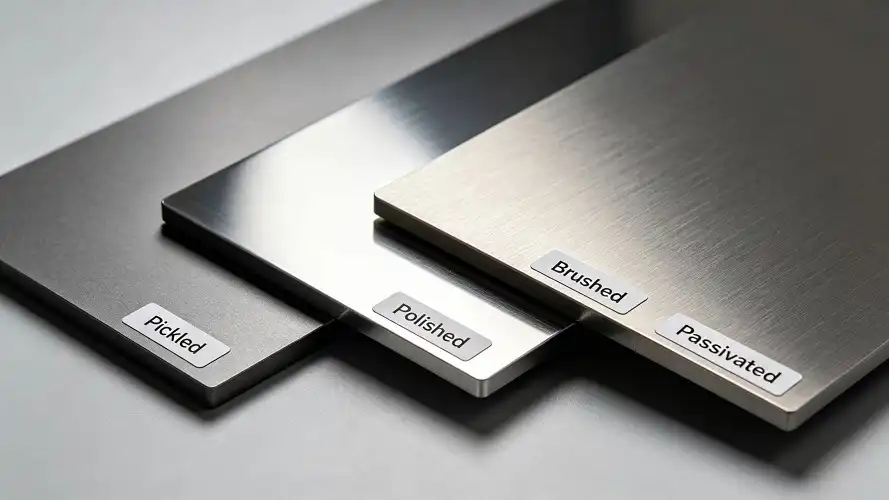
Hot-rolled GR2 plate is used to cover the hull, make seawater pipes, line ballast tanks and cover propeller shafts. Hot-rolled titanium plate from Jucheng Titanium can be any size—thicknesses range from 4 mm to 80 mm, widths from 950 mm to 2,500 mm, and lengths up to 10,000 mm, or custom sizes can be made to order. This gives shipyard fabricators a lot of options. There are different surface finishes, such as acid-pickled, polished, or machined, that can be used for both structural and hydrodynamic reasons.
Low Maintenance and Long Service Life
Here are the main performance benefits that boat workers always say they see:
- No need for a galvanic coating; the self-renewing oxide layer gets rid of the need for cathodic protection in many naval uses. This cuts down on both planned maintenance and downtime in dry dock.
- Thermal stability: GR2 keeps its shape even when the temperature changes from freezing ocean to hot process fluids, which happens a lot in heat exchangers that are used offshore.
- Biofouling resistance: Studies from the Naval Research Laboratory show that titanium surfaces collect less biofouling than bare steel. This means that the ship needs to be cleaned less often and with less drag.
These benefits directly lead to a lower total cost of ownership over the operating life of a vessel or platform. This is what procurement managers care about most when they are looking at long-term supply contracts.
GR2 Titanium Plate in Medical Builds: Performance and Compliance
Med-tech companies have to follow different rules, but Gr2 titanium plate always does what it says. It says in ASTM F67 that the material can only be used for medical things like surgical implants, tool housings, and biomedical devices.
Biocompatibility and Tissue Tolerance
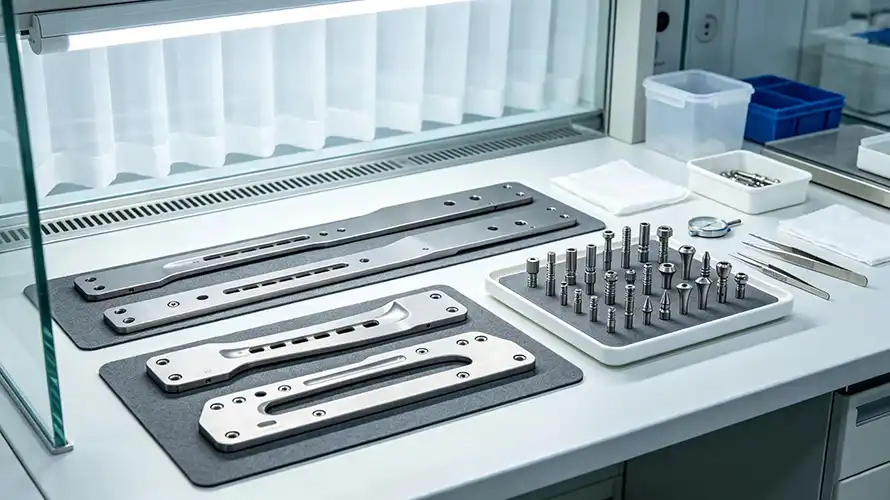
In human tissue, GR2 does not have a bad effect. Titanium dioxide, or TiO₂, doesn't react chemically with body fluids. It is a passive oxide layer. Clinical data from an orthopaedic study show that CP titanium implants don't cause many effects when the body encounters an alien body. That's why it's the best stuff for long-lasting bone screws, tooth implant bodies, and plates that go in and around the face and skull.
Sterilization Without Degradation
GR2 plate doesn't lose its shape or surface when sterilised in an autoclave (steam at 134°C), treated with gamma radiation, or treated with ethylene oxide, which some polymers and composites do. Those who make surgical tools like this because it means the tool can be sterilised many times without changing its limits.
Compliance with Medical Standards
OEMs in the medical field that buy titanium plates need proof that it meets certain requirements. GR2 made with ASTM F67 can be tracked from the rough cloth to the smooth plate. When Jucheng Titanium processes its metal, it rolls it, heats it, levels it, pickles it, and finishes the surface. These steps allow for full material certification, mill test reports, and lot tracking. The FDA and quality processes that are in line with ISO 13485 need all of these things.
Procurement Insights: How to Source High-Quality GR2 Titanium Plates
Sourcing commercially pure titanium plate for industrial or medical use is not simply a matter of finding the lowest price. Several quality and logistical factors determine whether a supply relationship works at scale.
Key Specification Criteria
When writing a purchase specification, engineers should confirm the following parameters with the GR2 titanium plate supplier:
- Grade and standard: ASTM B265 for industrial use, ASTM F67 for medical use, AMS 4911 for aerospace applications
- Dimensions: Thickness 4–80 mm, width 950–2,500 mm, length up to 10,000 mm, or custom-cut
- State and processing: Annealed state, hot-rolled type, with options for acid-pickled, polished, or machined surface treatment
- Certification: Mill test reports, chemical composition certificates, and mechanical property test reports issued per heat/lot
These criteria protect the buyer from receiving off-grade or misrepresented material, a real risk in commodity metal trading.
Evaluating Supplier Credibility
A credible gr2 titanium plate manufacturer will hold ISO 9001 certification, provide documented factory audit results, and demonstrate export experience to regulated markets such as the United States, EU, or Japan. Experience with ASTM and AMS standards is non-negotiable for aerospace or medical customers. Suppliers with in-house R&D and quality inspection teams reduce the risk of inconsistent chemistry or dimensional non-conformance across production lots.
Managing Lead Times and Inventory Risk
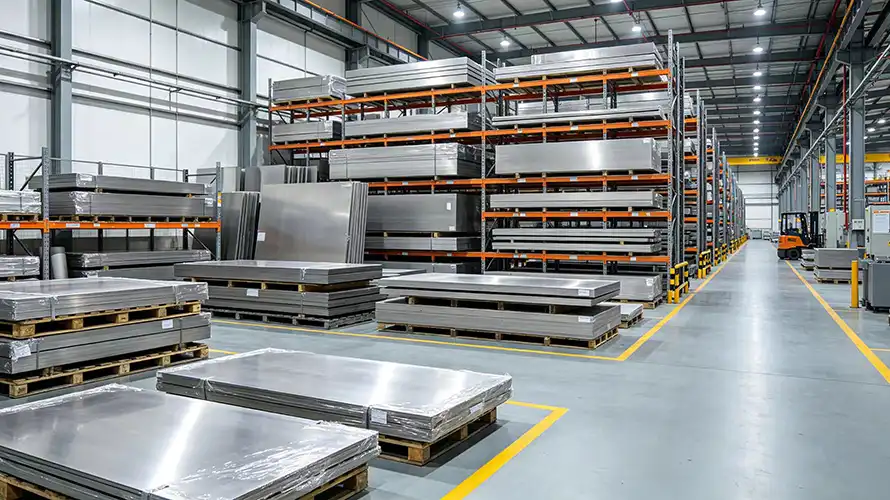
Marine and medical projects often run on tight schedules. Suppliers maintaining large standing inventory — Jucheng Titanium holds approximately 3,000 tons of titanium material year-round — can ship standard sizes quickly while custom orders are processed. This matters most when project timelines shift or urgent replacements are needed.
Making the Right Choice: GR2 Titanium Plate or Alternatives?
In each and every purchasing decision, there are trade-offs. The following is a comparison of GR2 to the most often selected options.
GR2 vs. Stainless Steel
In chloride- or body-fluid-filled environments, 304/316 stainless steel rapidly rusts via pitting and surface corrosion (SCC), despite the fact that it weighs less per kilogram. When compared to the original material premium, the expense of replacing a heat exchanger that has rusted or calling back an implant that did not function well is much higher. When subjected to these circumstances, Gr2 titanium plate has a service life that is 10–20 times longer than rust.
GR2 vs. Aluminum
Even though aluminium alloys are lightweight, they are not robust enough to be used in high-pressure maritime equipment. Furthermore, due to their poisonous nature, they are not suitable for use in medical implants. Due to the fact that it is biocompatible and has a high strength-to-weight ratio, GR2 may be used in scenarios where metal cannot be employed.
GR2 vs. Higher Titanium Grades
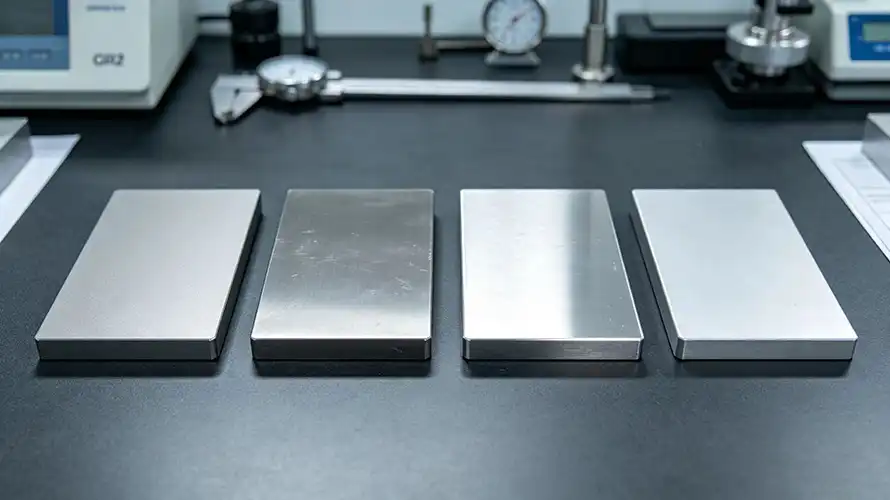
Gr5 (Ti-6Al-4V) is more durable, but it lessens its flexibility and becomes more difficult to form when it is cold. In order to make Gr7 more resistant to chemicals, palladium is added to it; however, this comes at a somewhat higher cost. Due to the fact that it is inexpensive, simple to form, and does not corrode, GR2 is the material of choice for maritime cladding as well as the majority of medical implant bodies.
Conclusion
GR2 titanium plate is good for marine and medical builds because it solves the most important issues in both: it doesn't rust in saltwater, it doesn't react badly with living tissue, and its quality can be tracked and meets international standards. Its processing chain is well-established, its mechanical qualities hold up in real-world situations, and its total cost supports the higher price than steel or aluminum. When purchasing managers, engineers, and original equipment manufacturers (OEMs) look at different materials, CP titanium grade 2 is still the best choice because it has been used in a lot of different situations.
Frequently Asked Questions
1. How does GR2 compare to Gr5 titanium for marine use?
GR2 offers superior cold formability and corrosion resistance in seawater, while Gr5 provides higher tensile strength. For heat exchangers, hull linings, and pipe systems, GR2 is the standard choice because its passive oxide layer performs better in chloride environments without the added alloy cost.
2. Is GR2 titanium plate safe for permanent medical implants?
Yes. ASTM F67 covers GR2 specifically for surgical implant use. Its TiO₂ surface layer is biologically inert, and long-term clinical data support its safety in bone and soft tissue applications.
3. Can GR2 plate be welded in a production environment?
GR2 welds well using TIG or MIG processes. Strict inert gas shielding with argon or helium is required to prevent atmospheric contamination and surface embrittlement.
4. What surface treatment options are available?
Standard options include acid-pickled, polished, and machined surfaces. The choice depends on the application — pickled surfaces suit structural marine components, while polished or machined surfaces are preferred for medical instruments.
Get a Quote from Jucheng Titanium — GR2 Titanium Plate Supplier with 20 Years of Experience
GR2 titanium plate has been sold by Jucheng Titanium to marine, medical, chemical, and aerospace customers in North America, Europe, and Southeast Asia since 2004. We are ready to help you with your next project because we have 3,000 tons in stock, can make special sizes, offer full ASTM/AMS certification support, and have a dedicated expert team. To get a price, mill licenses, or technical advice, email us at s4@juchengti.com right now.

References
1. Schutz, R. W., & Thomas, D. E. (1987). Corrosion of Titanium and Titanium Alloys. ASM International Metals Handbook, Vol. 13.
2. Donachie, M. J. (2000). Titanium: A Technical Guide (2nd ed.). ASM International.
3. ASTM International. (2020). ASTM B265: Standard Specification for Titanium and Titanium Alloy Strip, Sheet, and Plate. ASTM International.
4. ASTM International. (2019). ASTM F67: Standard Specification for Unalloyed Titanium for Surgical Implant Applications. ASTM International.
5. Rack, H. J., & Qazi, J. I. (2006). Titanium alloys for biomedical applications. Materials Science and Engineering: C, 26(8), 1269–1277.
6. Revie, R. W., & Uhlig, H. H. (2008). Corrosion and Corrosion Control: An Introduction to Corrosion Science and Engineering (4th ed.). Wiley-Interscience.