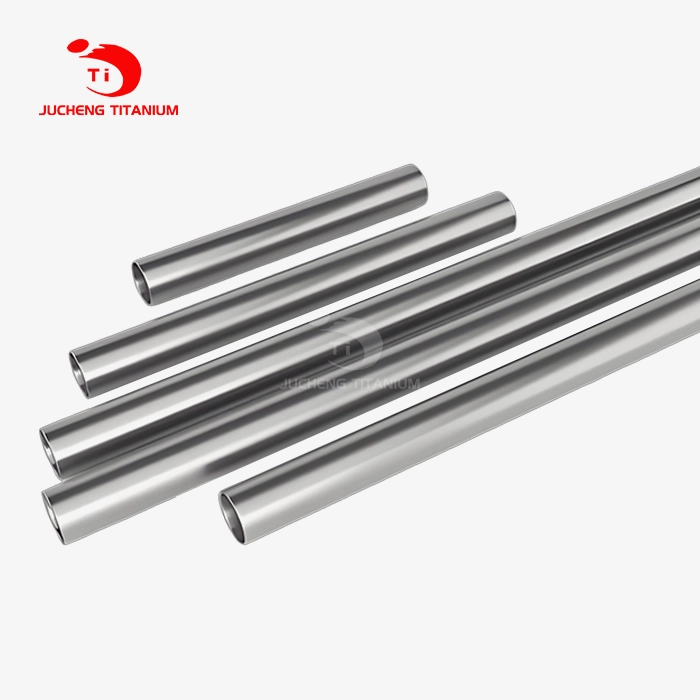

Grade 5 Titanium Seamless Tube with ASTM B338 Standards
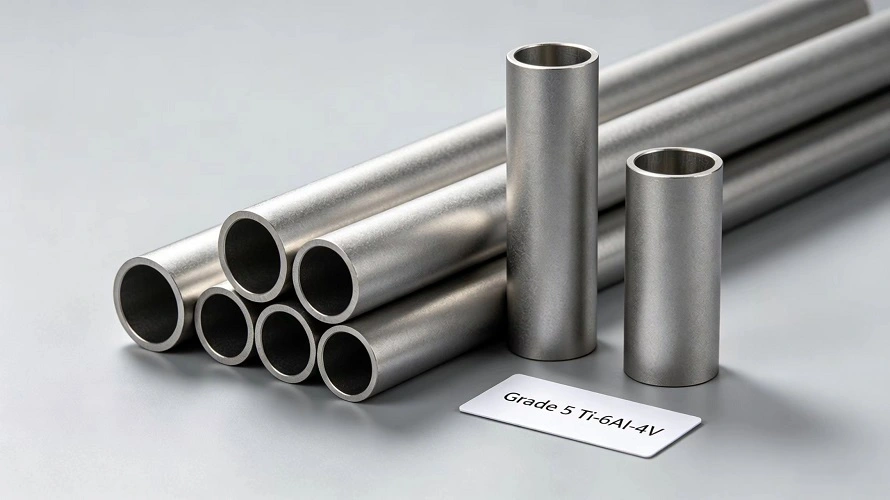
What are the best grade 5 titanium seamless tubes for tough projects? You should think about the material's special features, the strict rules for approval, and how stable the provider is. This Ti-6Al-4V metal is strong for how light it is and doesn't rust. This makes it great for use in chemistry, medical devices, aeroplanes, and other fields. Check the thickness, surface finish, and heat treatment state of the materials before you buy them to make sure they are right for the project's mechanical loads, weather exposure, and government rules. Make sure the quality is consistent and easy to track by only buying from well-known sellers.
Understanding Grade 5 Titanium Seamless Tube and ASTM B338 Standards
Things that make the Grade 5 Titanium Seamless Tube stand out
Almost half of all the titanium used in the world is grade 5 titanium seamless tube (Ti-6Al-4V). The metal has 6% aluminium and 4% vanadium. This creates an alpha-beta grid that is simple to shape and strong. When you heat this chemical, it gives you values between 895 MPa and 930 MPa. These are better than most types of pure titanium, but the metal is still bendable.
ASTM B338 Standards and Quality Assurance
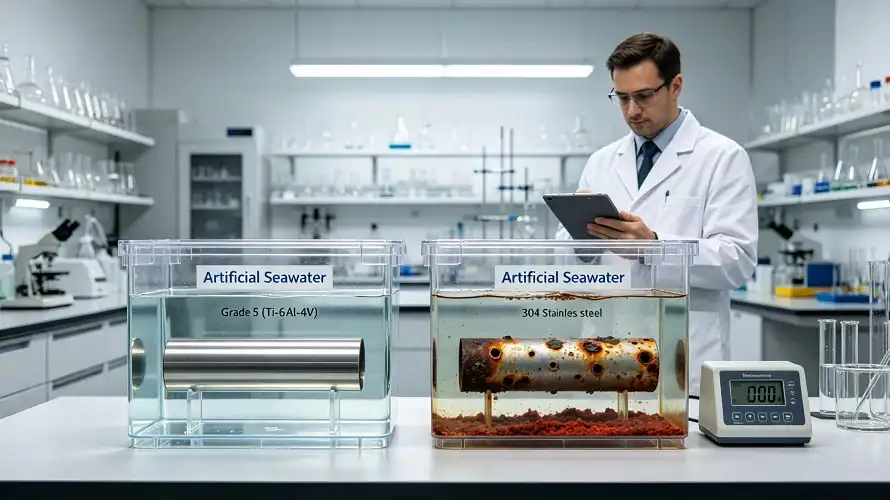
For its part, the metal is strong and doesn't mix with oxidising acids, salt solutions, or water. Aluminium helps to keep the natural oxide layer of titanium steady. Adding vanadium to metal makes it tougher without making it more likely to rust. This mix works well in science labs where stainless steel breaks down quickly. Grade 5 titanium seamless tube doesn't crack from stress rust when chloride is present. This is why it is used for parts of cleaning tools and offshore bases.
Manufacturing Process and Quality Control
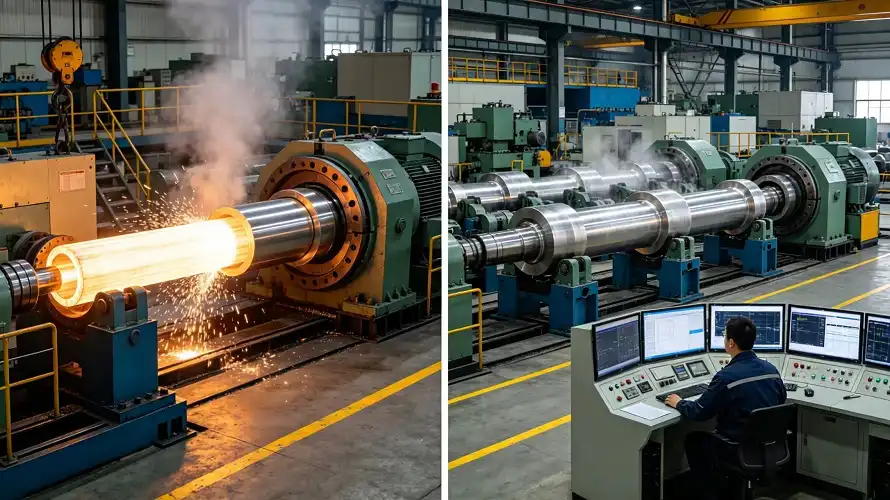
Ti-6Al-4V tubes are better than lower-grade ones because of how they are made. The yield strength is 828 MPa most of the time, and the expansion is 10–15%. Small shapes can be made out of the material because it is flexible enough to be shaped in the cold. Some heat methods make these things better. Solutions and time can raise the tensile strength above 1100 MPa, which is great for buildings that need to be very strong.
Comparison of Grade 5 Titanium Seamless Tube with Other Materials
Grade 5 Versus Other Titanium Alloys
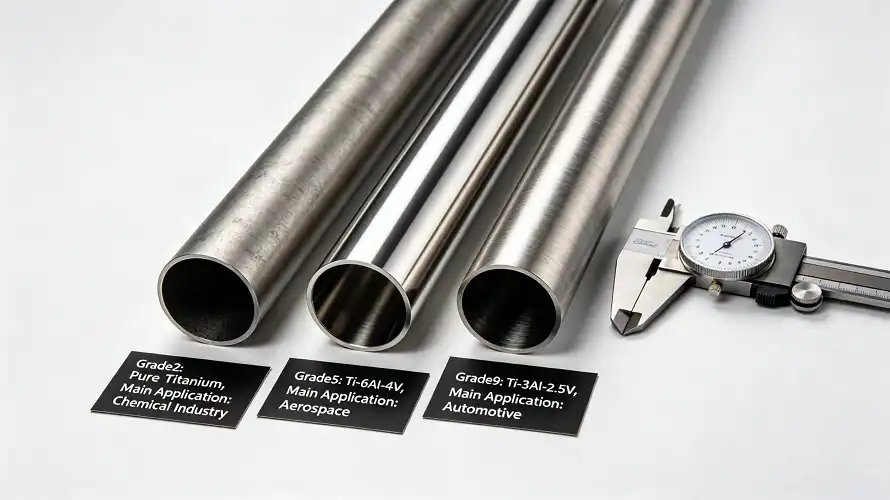
A corrosion resistant titanium pipe made of Grade 5 titanium is 2.5 times stronger than a Grade 2 titanium. It costs less and is more flexible than Grade 2 economically pure titanium, but its strain strength is only 345 MPa. Grade 9 (Ti-3Al-2.5V) is a middle grade. It is better than Grade 2 and costs 70% less than Grade 5. It can't be joined or handle high temperatures because it doesn't have as much aluminium as 6-4 metal. There is a clear order: Grade 2 is best for acidic formation, Grade 9 is best for moderate-strength use, and Grade 5 is best for structural performance.
Seamless Versus Welded Titanium Tubing
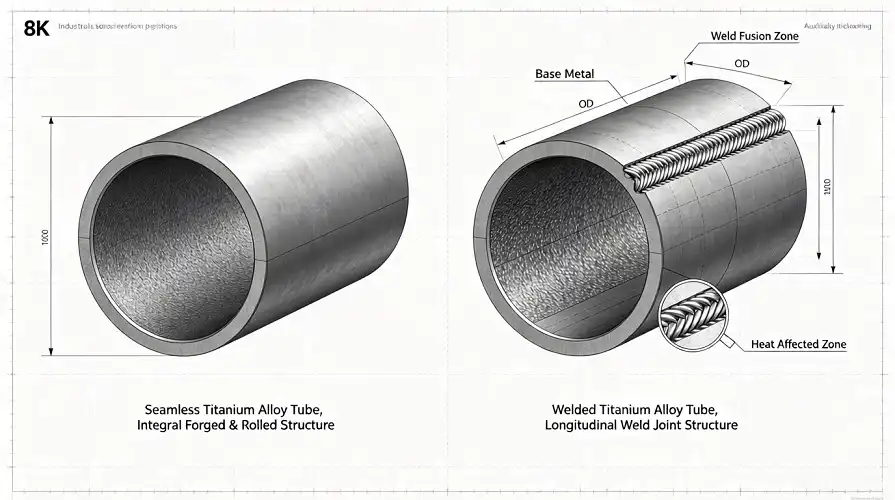
Think about how well a material works, how much it costs, and how hard it is to make before you choose it. Ti-6Al-4V is more expensive than aluminium or stainless steel, but it lasts longer and needs less upkeep, so it costs less over time. Unlike welded choices, the smooth structure ensures that the hoop's strength is the same all the way around, which is important for high-temperature chemical processing equipment and places with a lot of pressure.
Cost-Benefit Analysis for Industrial Buyers
See how titanium is different from other metals by comparing them. Aluminium alloys are 40% lighter than steel, but only 1/3 as strong. They also rust quickly in acidic or salty environments. Stainless steel 316L usually doesn't rust, but it's about twice as heavy as titanium and breaks down easily in hot salt solutions. Grade 5 titanium seamless tubes can be used for jobs that need to be strong and light without spending a lot of money on expensive nickel metals.
Applications and Benefits of Grade 5 Titanium Seamless Tubes in the B2B Industry
Aerospace and Defense Applications
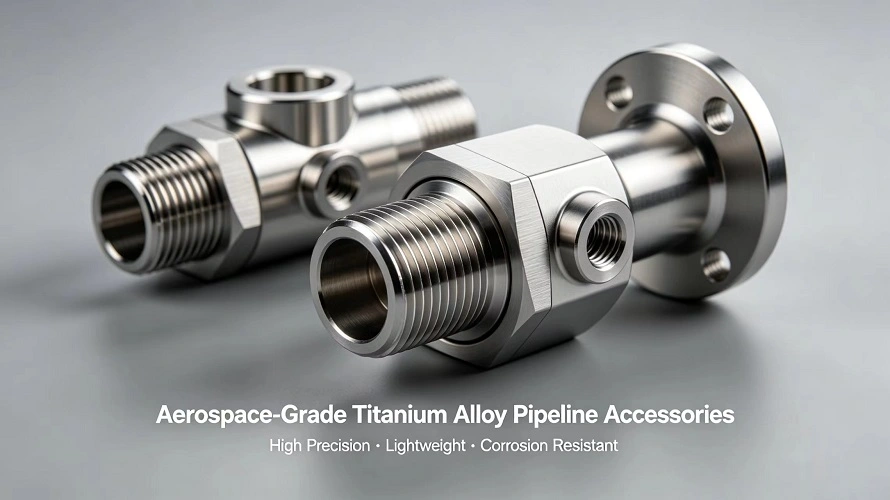
Grade 5 titanium seamless tube is used by aerospace makers to make hydraulic lines and structural parts. These parts make the vehicle lighter, which improves its fuel economy and carrying ability. Materials that meet AMS standards are tracked all the way through the supply chain and have to follow strict FAA rules. This metal can work at 400°C, which means it can be used for hot-section aeroplane parts because it doesn't shrink or lose its shape.
Chemical Processing and Petrochemical Industries
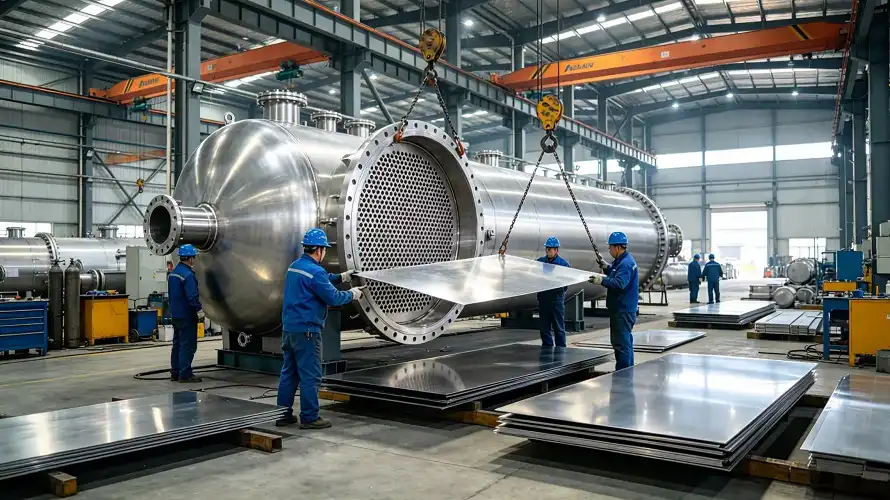
A big petroleum plant switched from Grade 5 titanium condenser systems to nickel metals. This cut the weight by 30% and stopped rusting in the high-chloride process stream. Titanium may make tools last from 8 to 25 years or more, which lowers costs over its lifetime even though it costs more to buy at first. Hot-rolled bent tube equipment works with high temperatures and sulphur chemicals in coking processes.
Medical Device Manufacturing
Biocompatibility is very important in medical settings. High strength-to-weight ratios are needed for surgery tools and internal parts, which is why Grade 5 titanium seamless tube is used. The material doesn't rust when biological fluids touch it, and it stays structurally sound even after being sterilised many times. Because it is not magnetic, it can be used in a wider range of testing equipment settings.
How to Choose and Procure Grade 5 Titanium Seamless Tubes Effectively: Specification?
Alignment and Technical Requirements
The first step in getting Grade 5 titanium seamless tube is to make sure that the products meet international standards. ASTM B338 sets rules for titanium tube things, such as what they are made of and how accurate their measurements must be. Surface treatments change how things work and how they look. Surfaces that have been acid-pickled are smooth and flat, making them great for welding and chemical exposure. Machined surfaces set exact measurements for pieces that need to fit together.
Supplier Selection and Certification Verification
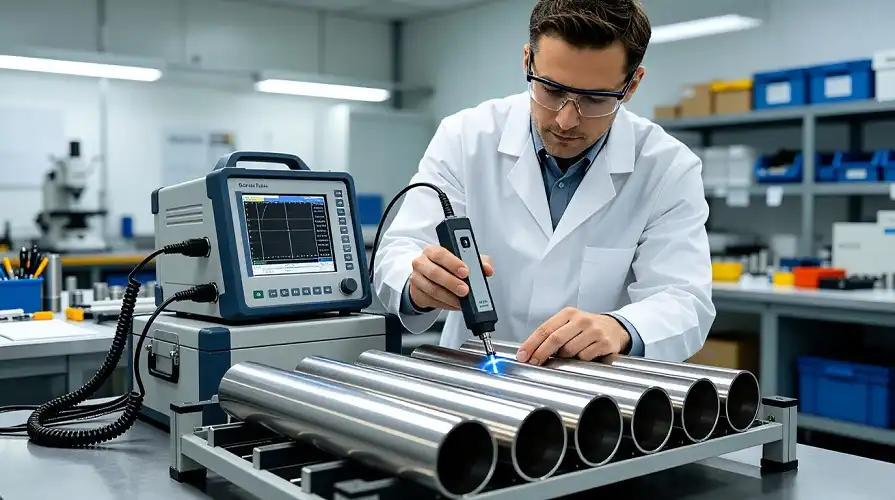
For exports, you need an MTR. The melt batch can be found in records of chemical tests, mechanical tests, and heat treatments. For aviation tracking, you need mill approvals that meet AMS standards. This includes ultrasound tests with AMS to look for internal breaks. Outsourced groups like Nadcap check the quality of service providers for important uses. To keep batch stability, procurement managers should check that sellers' certifications are up to date.
Customization and After-Sales Support
Find businesses that do custom production and machining. Titanium companies that have been in business for at least 20 years can give advice on products and processes. Technical help is what sets special buyers apart from merchants of goods. Metallurgists work to make production, heat treatment, and welding safer. Partnerships with research centers show a dedication to making titanium processing methods better and more innovative.
Ensuring Quality and Maximizing ROI: Best Practices
Inspection and Acceptance Criteria
For quality control, you need chemical, mechanical, and non-destructive testing equipment that you can keep on hand. Audits of provider sites make sure that written procedures are followed and that measuring tools are properly set up. Inspections of Grade 5 titanium seamless tubes give customers peace of mind that the material is right. Receiving processes should make sure that supplied parts meet the standards for size and surface finish.
Storage and Handling Best Practices
Direct sales might be held up by global supply lines for specialised titanium goods. To keep projects from being late, smart buyers work with wholesalers who have a lot of stock. If a supplier has more than 3,000 tonnes of titanium in different types and sizes, they can meet pressing needs without stopping production. Storing things correctly in clean, dry places keeps them from getting dirty or damaged, which could affect how well they work.
Conclusion
To find the best grade 5 titanium seamless tube, you need to weigh the technical needs, the seller's skills, and the project costs. It's strong for how light it is, won't rust, and stays stable in both hot and cold conditions. Because of these features, it is very important for making high-performance aeroplanes, chemicals, and other things. A smooth buy depends on certification, selling qualifications, and keeping track of materials. Working with manufacturers who have a lot of knowledge lowers the risks in the supply chain and ensures that goods work well in tough conditions.
FAQ
Q1: What distinguishes Grade 5 from other titanium alloys?
Although 2.5 times stronger than pure Grade 2 titanium, Grade 5 titanium seamless tube may be easily molded. The alpha-beta matrix of 6% aluminum and 4% vanadium achieves Grade 895+ MPa tensile strength compared to 345 MPa for Grade 2. Grade 5 is needed for structural usage requiring high strength-to-weight ratios, whereas Grade 2 is best for non-load-bearing items.
Q2: How does ASTM B338 compliance affect reliability?
ASTM B338 compliance ensures that the chemical composition and mechanical properties meet rigorous industry benchmarks. This establishes standardized testing protocols that ensure material consistency across different production batches. This ensures regulators and prime contractors accept supplies and that products operate well in a variety of demanding applications.
Q3: Can Grade 5 seamless tubes be welded?
The alloy can be welded, and its alpha-beta microstructure provides good weldability when using proper inert gas shielding. Acid-pickled surfaces are ideal for welding preparation to prevent contamination. Post-weld heat treatment often becomes necessary to restore ductility in the heat-affected zone; annealed material is generally simpler to shape for manufacture.
Partner with a Trusted Grade 5 Titanium Seamless Tube Manufacturer
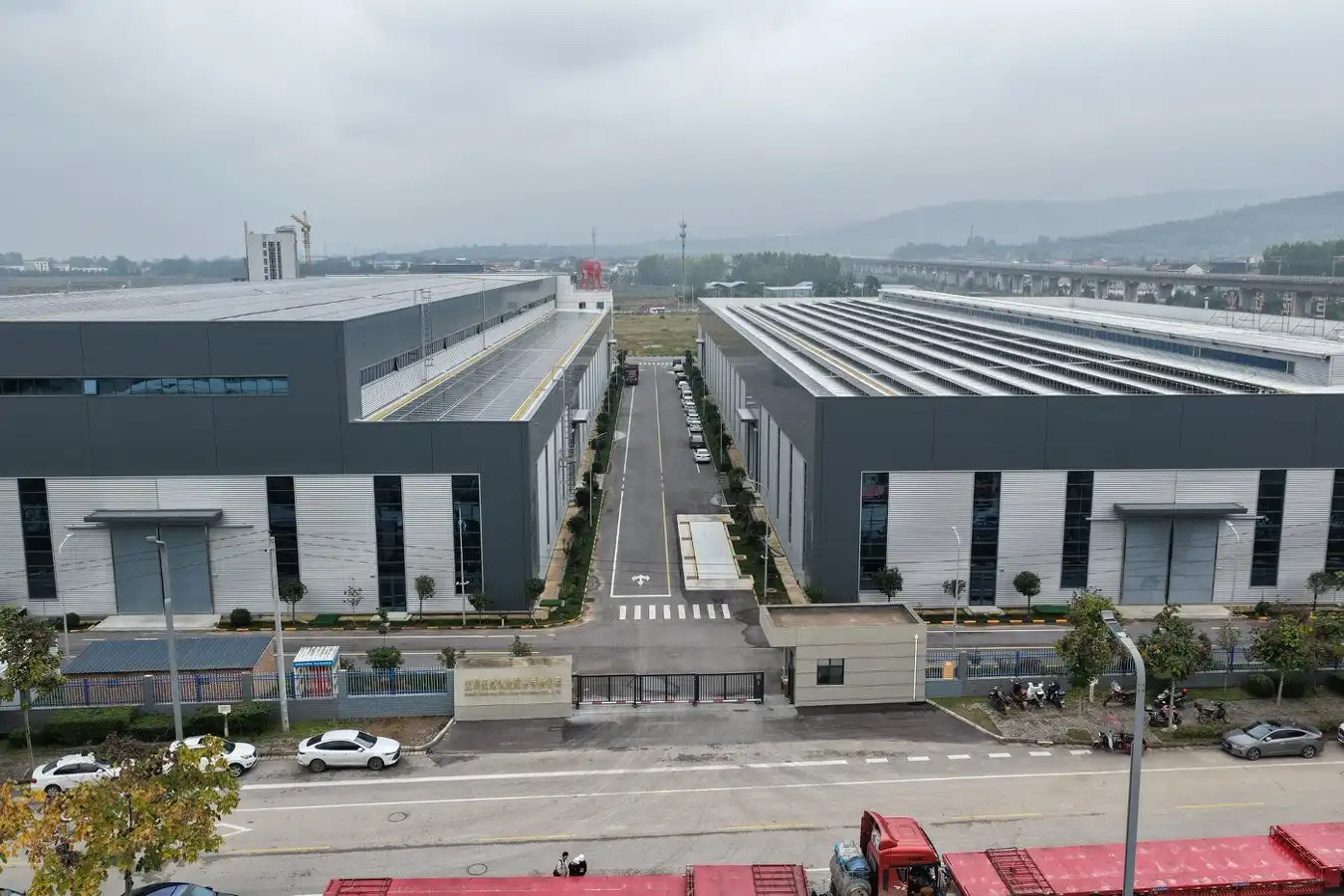
Over 20 years, Jucheng Titanium has manufactured grade 5 titanium seamless tubes for the aerospace, chemical processing, and industrial equipment industries worldwide. Our 120,000-square-meter center in Baoji, China's Titanium Valley, has over 3,000 tons of certified inventory in all main grades to address urgent project demands. We are a National High-Tech Enterprise with 45 innovative processing patents. Special machining, production, and quality control are our strengths. Talk to our buying specialists at s4@juchengti.com about your project and obtain competitive prices with assured quality and on-time delivery worldwide.
References
1. Boyer, R., Welsch, G., & Collings, E.W. (1994). Materials Properties Handbook: Titanium Alloys. ASM International, Materials Park, Ohio.
2. ASTM International. (2021). ASTM B338-21: Standard Specification for Seamless and Welded Titanium and Titanium Alloy Tubes for Condensers and Heat Exchangers. West Conshohocken, PA.
3. Donachie, M.J. (2000). Titanium: A Technical Guide, 2nd Edition. ASM International, Materials Park, Ohio.
4. Lutjering, G. & Williams, J.C. (2007). Titanium, 2nd Edition. Springer-Verlag, Berlin Heidelberg.
5. SAE International. (2019). AMS 4942: Titanium Alloy, Tubing, Seamless, 6Al-4V, Annealed. Warrendale, Pennsylvania.
6. Peters, M., Kumpfert, J., Ward, C.H., & Leyens, C. (2003). Titanium Alloys for Aerospace Applications. Advanced Engineering Materials, Volume 5, Issue 6, pages 419-427.